Reviewed · PRIVATE
10-Day Private Tour with more than 60 Attractions in Japan
Tokyo to Kobe by private car is an ambitious way to see Japan’s headline sights in just 10 days. You move from Senso-ji and Shibuya Crossing to Mount Fuji, Kyoto’s temples, Osaka’s food streets, Nara’s deer, and Kobe’s mountain views without changing trains or hauling bags between cities.
I like the small private group, capped at five, and the chance to adjust the plan around your interests. I also like the practical comfort: air-conditioning, bottled water, parking, tolls, and a driver who can help with photos. The main drawback is pace. Ten hours a day and more than 60 stops can feel like a greatest-hits sprint, and hotel costs plus many admission fees are not included.
Key points to know before booking
- Newton is the guide-driver: He is described as cheerful, active, attentive, and good at explaining history and local anecdotes.
- The route covers nine major areas: Tokyo, Kamakura, Mount Fuji, Hakone, Nikko, Kyoto, Osaka, Nara, and Kobe.
- The car saves energy: You avoid self-driving, long-distance public transport, and repeated transfers between cities.
- The itinerary is adjustable: Stops may be skipped or changed because of traffic, crowds, or your group’s preferences.
- Admissions add up: Tokyo Skytree, teamLab, temples, ropeways, museums, and gardens are paid separately.
- The final drop-off is flexible: You can finish in Kobe, Kyoto, Nara, or Osaka.
A fast but useful introduction to Japan
This tour is built for a first visit when you want to see a lot and do not want to plan every train, road, and transfer. It starts in Shinjuku at 7 a.m. and ends on Day 10 in Kobe, with each day lasting about 10 hours including driving time.
The route is broad rather than slow. You will see imperial sites, Buddhist temples, Shinto shrines, markets, gardens, observation points, shopping districts, and food areas. That variety is the tour’s greatest strength, but you should not expect long, unhurried visits at every stop.
Your guide-driver is Newton. The supplied comments describe him as friendly, funny, attentive, and good at telling stories about places such as Senso-ji. Several comments also point to the car’s air-conditioning as a real help during hot weather. That matters in Japan, where a day of walking, humidity, and temple steps can wear you down quickly.
The tour includes private transportation, fuel, parking, tolls, bottled water, and help taking photos or making videos. Accommodation is your responsibility, which lets you choose your own budget and preferred area, but it also means the $9,000 group price is not the final trip cost.
More private tours in Tokyo:
- Tokyo 6hr Private Tour with Government-Licensed Guide
★ 5.0 · 3,902 reviews - Private Tour to Mt. Fuji and Hakone (Fully Licenced Operator)
★ 5.0 · 1,910 reviews - Tokyo Customized Private Tour (Must See Places in 1 Day)
★ 5.0 · 1,499 reviews
Day 1: Tokyo’s temples, towers, and famous crossings
The opening day packs in Tokyo’s best-known sights. At Tsukiji Fish Market, you have about 45 minutes to look around the market area and get your first taste of Tokyo’s food culture. The stop is free, but the short time means you should focus on the atmosphere rather than trying to see everything.
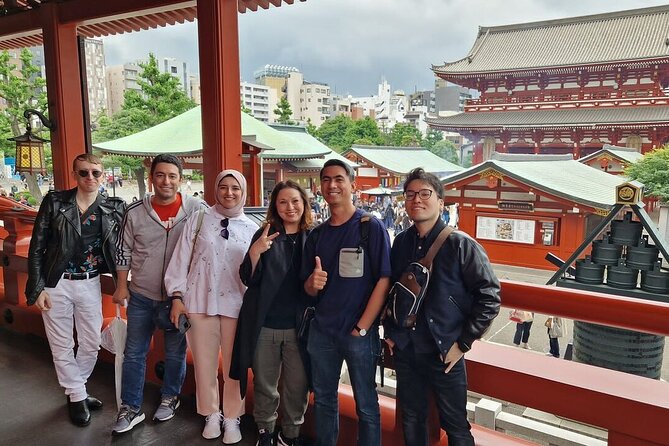
Senso-ji in Asakusa is a better chance to slow down. Tokyo’s oldest religious building is colorful, busy, and easy to pair with the surrounding streets. Newton’s explanation of the temple’s story is one of the details that can turn a quick photo stop into a more useful introduction to Japanese religion and custom.
Tokyo Skytree follows, with about an hour for the observation decks. Admission costs 3,100 yen per person, so a group of five pays a noticeable extra amount. The view is the reason to go, but visibility depends heavily on weather and haze.
The Imperial Palace’s East Garden gives you a quieter change of mood. Entry is free, and 45 minutes is enough for a look, though not a full exploration. Akihabara then shifts the tone again, with electronics, anime, manga, and game shops. The scheduled 30 minutes is brief, so treat it as an orientation rather than serious shopping time.
Odaiba’s small Statue of Liberty replica is listed as a possible stop if time permits. The same applies to teamLab Planets, where you walk through water and flower-filled rooms. TeamLab admission is 3,800 yen per person, and its inclusion depends on the day’s timing.
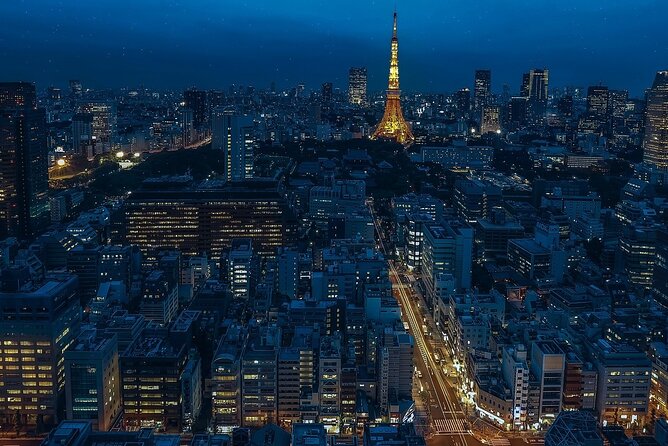
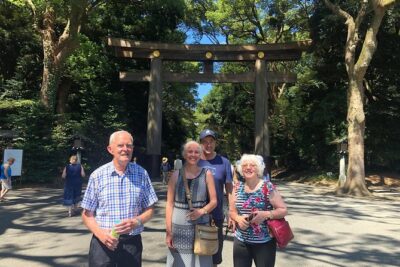
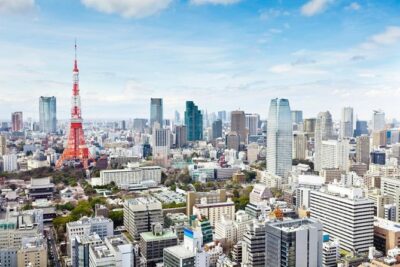
Meiji Jingu, Shibuya Crossing, Takeshita Street, and Tokyo Tower round out the day. Meiji Jingu offers a forested shrine setting in central Tokyo, while Shibuya and Takeshita show the city’s youth culture and commercial energy. Tokyo Tower receives only 10 minutes in the schedule, so it is mainly a photo stop unless the plan changes.
This is a lot for one day. The private car helps connect distant districts, but traffic can still force changes. Ask Newton early which stops matter most to you.
Day 2: Kamakura temples and Yokohama’s waterfront
Day 2 takes you south to Kamakura and Yokohama. Kamakura begins with Hokoku-ji, often called the Bamboo Temple, where the garden and bamboo grove provide a calm break from the city. Entry is 200 yen.
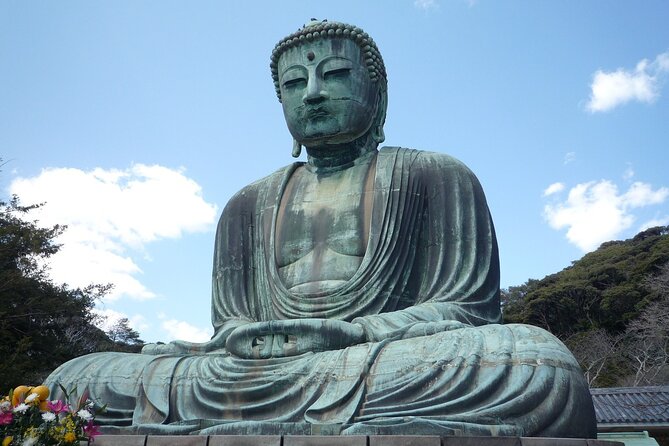
Hase-dera has a larger religious setting and a famous wooden Kannon statue. The fee is 300 yen. Nearby Kotoku-in houses the Great Buddha of Kamakura, one of the area’s most recognizable sights. Admission is 300 yen, and the planned 30 minutes is enough for the main statue and grounds.
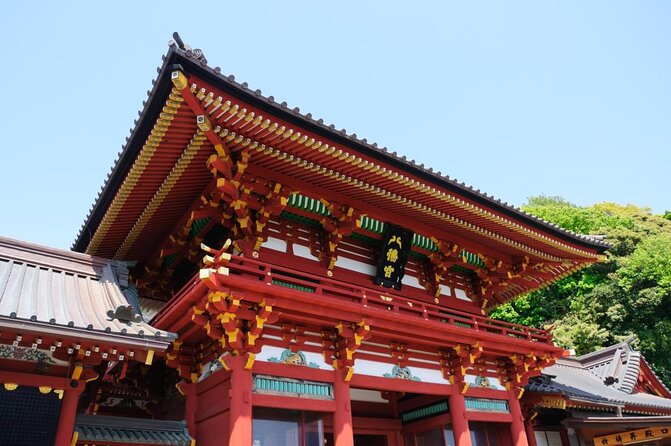
Tsurugaoka Hachimangu is Kamakura’s major shrine and cultural center. Its ponds, approach, and festival role make it more than a quick photo stop. Allowing an hour gives you time to understand the layout, though the schedule still keeps you moving.
Komachidori offers shopping, sweets, and casual food in a pedestrian street. This is one of the better places to make a personal choice: browse, eat, or simply watch the flow of local life.
Yokohama Chinatown provides a different cultural setting, followed by Sankeien Gardens. Sankeien charges 900 yen and was created by silk trader Tomitaro Hara. The garden is a strong choice if you enjoy traditional design and historic buildings, but it may be less important to someone who would rather spend more time eating in Chinatown.
Minatomirai is a possible final stop if time permits. Its waterfront towers, shops, and modern feel contrast nicely with Kamakura’s temples. Traffic between Tokyo, Kamakura, and Yokohama is the key concern, so this day benefits from flexible planning.
Day 3: Mount Fuji viewpoints from Oshino to Gotemba
The Mount Fuji day offers some of the tour’s finest photo chances, but clear weather is never guaranteed. Oshino Hakkai’s eight springs are fed by Mount Fuji’s aquifer, and the short visit gives you a quick look at the water, village setting, and views.
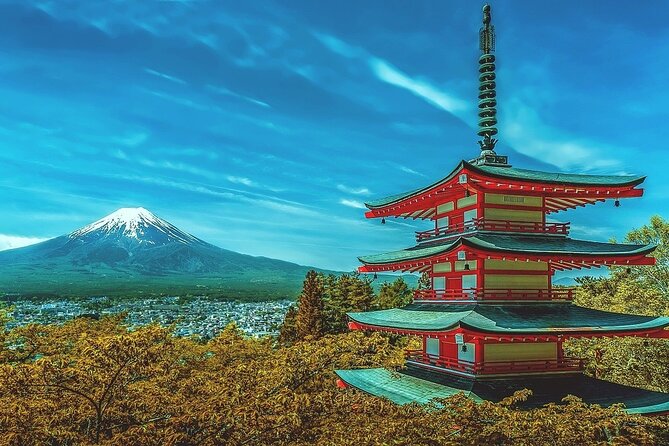
Chureito Pagoda is one of Japan’s most recognizable Fuji viewpoints. The setting is especially attractive in spring, though reaching the best view involves a climb. Lake Kawaguchiko and Oishi Park offer more open views, with the lake and seasonal flowers in the foreground.
The Mount Fuji Panoramic Ropeway costs 800 yen and takes you toward an observation point near Mount Tenjo. Saiko Iyashi no Sato Nemba, at 500 yen, recreates an old village with thatched buildings and gives the day a cultural stop beyond scenery.
Arakura Fuji Sengen Shrine adds another mountainside viewpoint. The schedule then allows two hours at the Mount Fuji 5th Station, the usual starting area for many climbs. Admission is listed at 2,100 yen per group. You are not climbing Mount Fuji on this tour, but the station gives you a close look at the mountain’s high-elevation visitor area.
The day ends around Gotemba, known here for tea growing near Mount Fuji. With nine stops and substantial driving, this is another full day. If clouds cover Fuji, ask about spending more time at the village, lake, or shrine rather than chasing a view that may not appear.
A completely different kind of day in Tokyo:
- Mt Fuji and Hakone 1-Day Bus Tour Return by Bullet Train
★ 5.0 · 26,383 reviews - 1-Day Tokyo Bus Tour
★ 5.0 · 14,250 reviews - Tokyo: teamLab Planets TOKYO Digital Art Museum Entry Ticket
★ 4.6 · 9,779 reviews - Mt Fuji & Hakone Cruise, Drum Show Bullet Train 1 Day from Tokyo
★ 4.0 · 7,413 reviews
Day 4: Hakone’s lake, hot springs, and sculpture
Hakone brings a different mountain setting. You may stop at Amazake-chaya, a 400-year-old tea house known for sweet rice drink made from a long-used recipe. It is a small but appealing pause in a busy sightseeing day.
Hakone Shrine sits by Lake Ashi, with its buildings tucked into forest. Entry is 500 yen. The lake itself formed in the caldera of Mount Hakone, and a cruise costs 900 yen. The ropeway costs 900 yen one way and passes through Owakudani, an area known for volcanic activity and its black eggs, boiled in hot spring water.
Gora Park charges 550 yen and offers a hillside garden with greenhouses, a tea house, and a central fountain. The Hakone Open-Air Museum costs 1,500 yen and spreads sculpture through a large mountain setting. I would give the museum priority if you like art, while the ropeway and Lake Ashi are better choices for scenery.
The private car is useful around Hakone, but the tour may still use public attractions such as the ropeway or cruise. Those tickets are extra, and weather can affect what you see.
Day 5: Nikko’s grand shrine and mountain scenery
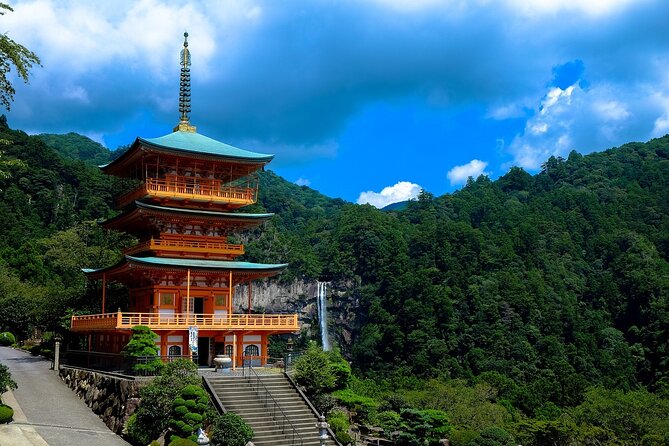
Nikko combines elaborate religious buildings with mountain views. Toshogu Shrine is the star, dedicated to Tokugawa Ieyasu and filled with detailed carvings. Admission is 800 yen, and the planned two hours is appropriate for the complex.
Shinkyo Bridge is a short, elegant crossing over the Daiya River. Narabi Jizo offers a quieter stop among rows of stone Jizo figures, associated with protecting children and travelers. Tamozawa Imperial Villa, once a retreat for Emperor Taisho, shows architectural styles from the Edo, Meiji, and Taisho periods. Entry is 550 yen.
The route then reaches Akechidaira Observation Area, Kegon Falls, and Lake Chuzenji. Akechidaira costs 500 yen, Kegon Falls costs 500 yen, and the lake is free to visit. These stops are especially appealing in autumn, when the surrounding mountain color is a major draw.
Nikko is far from central Tokyo, so the car saves a great deal of effort. Still, the day has enough driving and walking that comfortable shoes are important.
Days 6 and 7: Kyoto’s major temples, markets, and Gion
Kyoto receives two full days, though the program remains packed. Day 6 begins at Kiyomizu-dera, with its famous hillside setting and broad city views. Admission is 400 yen. Sanjusangendo charges 600 yen and is known for its long hall and rows of Buddhist figures.
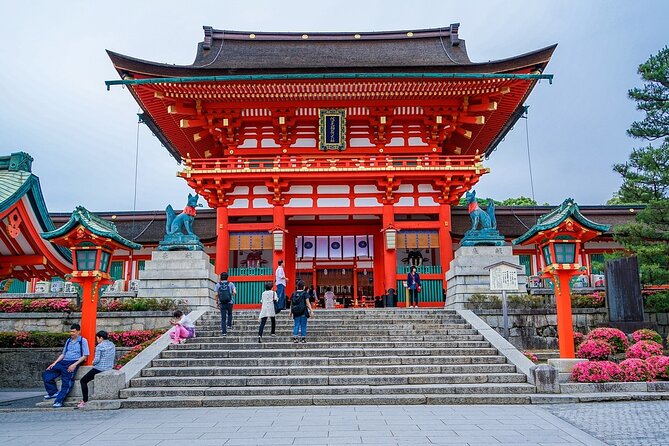
Yasaka Shrine is free and easy to pair with the Gion area. Nishiki Market gets two hours, making it one of the best chances to slow down for food, small purchases, and people-watching. Fushimi Inari is also free, with its long corridors of orange torii gates. You can walk only part of the route or continue uphill if your energy and schedule allow.
Nijo Castle costs 1,300 yen and adds a political and architectural counterpoint to the temples. Its fortifications, palace buildings, and gardens deserve attention, but a one-hour visit requires focus.
Day 7 moves west to Kinkakuji, the Golden Pavilion. Admission is 500 yen, and the stop is short, so expect a view of the pavilion and grounds rather than a long visit. Arashiyama Bamboo Forest is free, but it can be crowded, and the planned 40 minutes leaves little room for wandering beyond the main path.
Tenryuji costs 500 yen and offers a temple garden setting. The Arashiyama Observation Deck costs 630 yen, while Monkey Park Iwatayama costs 550 yen and requires walking uphill. The Kimono Forest is free and makes a colorful short stop near the transport area.
Gion receives two hours. That gives you time to walk through Kyoto’s historic entertainment district, but it does not guarantee a geisha sighting or a special performance. Keep your expectations modest and treat the area as a place for atmosphere, architecture, and evening wandering.
Day 8: Osaka’s castle, markets, and neon streets
Osaka begins with Osaka Castle, where admission is 650 yen. The castle is tied to the unification of Japan in the 16th century, and the surrounding park gives you room to step away from the city’s dense streets.
Shitennoji charges 500 yen and is regarded as one of Japan’s earliest officially administered Buddhist temples. Sumiyoshi Taisha is free and offers a major Shinto shrine setting with a different visual style.
teamLab Botanical Garden Osaka costs 1,800 yen and is an evening outdoor exhibition where art responds to wind, rain, plants, and birds. Since it is an after-dark attraction, the timing matters. If you are more interested in food, Kuromon Market and Dotonbori are the stronger priorities.
Kuromon has seafood, produce, street food, and souvenirs. Dotonbori gets two hours, enough for canal-side signs, restaurants, and Osaka’s famous nighttime energy. This is a good day to ask for a little less sightseeing and more time to eat.
Day 9: Nara’s temples, deer, and gardens
Nara’s free-roaming deer are the obvious draw at Nara Park, but the temples give the day its weight. Nigatsu-do sits on a hillside near Todai-ji and costs 800 yen. Kofuku-ji costs 600 yen and was once among Nara’s major temples.
Nara Park is free, and one hour is scheduled there. Be careful with deer food and follow local instructions. Sanjo-dori gives you a central street for food and shopping, while Isuien Garden and the Neiraku Museum cost 1,200 yen and provide a quieter, more cultivated setting.
This day is less about checking off many districts and more about seeing how Nara’s religious sites, parkland, and city streets fit together. It is a welcome change after Kyoto’s dense two-day schedule.
Day 10: Kobe from waterfalls to mountain views
The final day introduces Kobe with Nunobiki Falls, a free natural stop close to the city. Ikuta Shrine is also free and may be among Japan’s oldest shrines, with the historic Ikuta Forest nearby.
Kobe Chinatown, known as Nankin-machi, brings food and shopping near Motomachi. The Rokko Cable Car costs 1,030 yen one way and leads toward Mount Rokko. Weathercock House, the Former Thomas House, costs 500 yen and represents Kobe’s historic foreign-residential district.
The trip ends in Kobe, but you can arrange drop-off in Kobe, Kyoto, Nara, or Osaka. That flexibility is useful if your onward plans do not match the advertised endpoint.
What the $9,000 price really buys
At $9,000 for up to five people, the price works out to $1,800 per person for a full group before hotels, meals, and admissions. For two people, the per-person cost is much higher. The value comes from private transport over long distances, a dedicated driver, parking, tolls, air-conditioning, and the ability to change the order of stops.
Admission fees can become substantial. Tokyo Skytree, teamLab, Hakone attractions, Kyoto temples, Osaka sites, Nara temples, and gardens are all extra. For five people, paid entries may add a significant amount, so calculate your likely choices before booking.
I see the strongest value for a family or group of friends who would otherwise need several hotel-to-station transfers, multiple train tickets, and a detailed transport plan. Solo visitors and couples may find the cost harder to justify unless private door-to-door travel is their top priority.
Who should book this Japan tour?
Book it if you want a wide first look at Japan, prefer private transport, and value a guide who can explain what you are seeing. It suits families, older visitors, and groups of friends who want to share one vehicle and adjust the plan as they go.
Think twice if you prefer slow mornings, long museum visits, public transit, or several free hours each day. The route is ambitious, and traffic or crowds can force changes.
For the best experience, choose your top three stops for each day. Tell Newton what matters most, then let less important stops go when the schedule gets tight. That small bit of planning will make this fast-moving trip feel far more personal.
FAQ
How long is the tour?
The experience lasts approximately 10 days, with each sightseeing day lasting about 10 hours including commuting time.
Where does the tour begin?
Pickup begins in Shinjuku, Tokyo, at 7 a.m.
Where does the tour end?
The final day is in Kobe. Drop-off can also be arranged in Kyoto, Nara, or Osaka.
How many people can join the private tour?
The price covers one private group of up to five people.
Is transportation included?
Yes. The tour includes a private air-conditioned vehicle, fuel, parking fees, toll charges, bottled water, and private transportation.
Are hotels included?
No. Accommodation is extra, and you select it according to your budget and preferences.
Are attraction admission fees included?
No. Many temples, gardens, observation points, ropeways, museums, cruises, and teamLab attractions require separate payment.
Can the itinerary be changed?
Yes. Stops may be changed or skipped because of traffic, long waits, overcrowding, or your group’s preferences.
Who is the guide?
The guide-driver is Newton. The experience includes historical explanations, local anecdotes, and help taking photos or making videos when needed.
What happens if the weather is poor?
The tour requires good weather. If it is canceled because of poor weather, you can choose another date or receive a full refund. Cancellation at least 24 hours before the start time also allows a full refund.
Newly reviewed around Tokyo
- Tokyo Asakusa:Calligraphy & Make T-shirt Activity★ 5.0 · 62 reviews
- Intercity Shuttle, Tokyo to Haneda /Narita /Yokohama /Makuhari★ 5.0 · 5 reviews
- 1 Hour Travel around Tokyo with a Professional Photographer★ 5.0 · 3 reviews
- Travel Tokyo with Your Own Personal Photographer★ 5.0 · 43 reviews
- Train in Samurai Swordsmanship and Defeat the Demon in Tokyo★ 5.0 · 5 reviews
- Shuttle Van 6hr Tokyo Tour to-and-from Tokyo, Yokohama and Narita★ 5.0 · 9 reviews
- Kickboxing & Body Training with EX-Pro Fighter★ 5.0 · 4 reviews
- Traditional Japanese Knife Sharpening Class★ 5.0 · 18 reviews
Private, compared.
Tokyo 6hr Private Tour with Government-Licensed Guide
Read our review →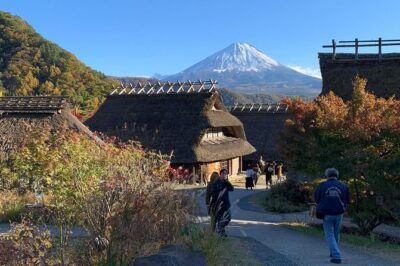
Private Tour to Mt. Fuji and Hakone (Fully Licenced Operator)
Read our review →
Tokyo Customized Private Tour (Must See Places in 1 Day)
Read our review →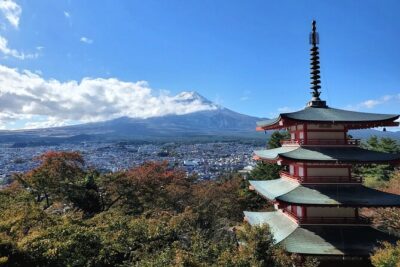
Mount Fuji Full-Day Private Tour from Tokyo (Customizable)
Read our review →
Private City Highlights Tour with Local Guide
Read our review →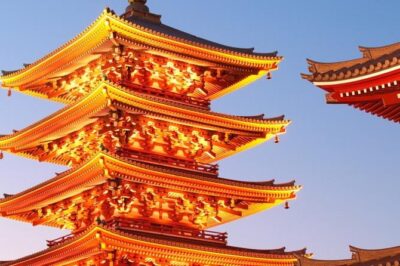
Tokyo 4hr Private Tour with Government-Licensed Guide
Read our review →