Reviewed · SHOW
Traditional Japanese Music ZAKURO SHOW in Tokyo
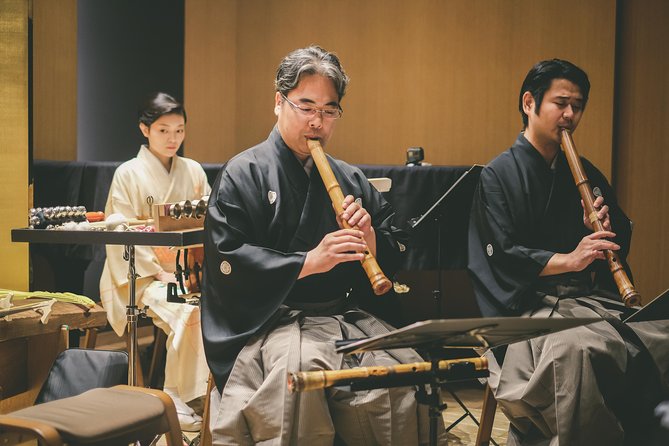
The best part of the Zakuro Show is that you do not simply sit through a concert of unfamiliar sounds. The musicians explain what you are hearing, then demonstrate how each instrument shapes Japanese music. Koto, shamisen, shakuhachi flute, and taiko drums all appear close to the audience in a cozy Omotesando setting.
I like the compact one-hour format, which slips neatly between sightseeing stops. I also like the blend of performance and conversation, including the chance to hear both old Japanese pieces and a Western song played on traditional instruments.
The main consideration is the length. If you want a full evening concert, this may feel brief, and the exact musical program can vary. English translation makes the show accessible, but this remains a concert with explanations, not a hands-on music lesson.
Key points at a glance
- Four major Japanese instruments: Hear the koto, shamisen, shakuhachi flute, and taiko drums in one performance.
- English help throughout: Commentary and interpretation explain the instruments, their techniques, and their place in Japanese culture.
- A close-up concert setting: Musicians in colorful kimono perform directly in front of you at the Zakuro venue in Omotesando.
- Traditional and modern music: The program can move from ancient Japanese pieces to modern traditional music and a Western cover.
- Easy one-hour commitment: The show fits well into a busy Tokyo day without taking up an entire evening.
- Strong value for music lovers: At about $39.64 per person, you pay for a focused cultural performance rather than a long sightseeing tour.
Why the Zakuro Show works better than a standard concert
Traditional Japanese music can be difficult to approach if you do not know the instruments. A koto may look familiar from photographs, but its playing style, tuning, and sound are not obvious when you first hear it. The same is true of the shamisen, shakuhachi, and taiko.
Zakuro deals with that problem directly. Between musical numbers, the performers discuss their instruments and explain pieces of Japanese musical history. An interpreter gives the information in English, so you are not left guessing why a particular instrument sounds or looks the way it does.
That context matters. Instead of hearing a sequence of attractive but disconnected pieces, you get a basic map of the music. You learn to separate the bright plucked sound of the koto from the sharper tone of the shamisen. You hear how the breathy shakuhachi differs from the percussive force of the taiko.
I find this approach especially useful for first-time visitors to Japan. You do not need prior musical training, and you do not need to recognize Japanese instruments before arriving. The presentation is designed for an international audience and keeps the explanations understandable.
The musicians also interact with the audience. That gives the show a more personal feel than a formal concert in a large hall. You are close enough to watch the players’ hands and see the instruments clearly, which helps you connect the explanation with the sound.
More Tokyo shows and performances:
- Mt Fuji & Hakone Cruise, Drum Show Bullet Train 1 Day from Tokyo
★ 4.0 · 7,413 reviews - Tokyo: Sumo Show and Dining Experience
★ 4.8 · 2,742 reviews - the SUMO show
★ 5.0 · 1,960 reviews
Entering a cozy Omotesando performance space
The Zakuro Show takes place in Omotesando, one of Tokyo’s most convenient areas for combining culture, shopping, restaurants, and people-watching. The venue is described as beautiful and cozy rather than large and grand. That is good news if you prefer an intimate performance where the instruments are easy to see.
The setting also makes the show simple to add to an itinerary. You can plan it as a cultural pause after exploring Omotesando, Harajuku, or nearby parts of central Tokyo. Since the performance lasts about one hour, you are not committing your whole afternoon or evening.
The short duration is one of the strongest practical features. Tokyo days fill up quickly, and many cultural activities ask for several hours. Zakuro gives you a clear introduction to Japanese music without forcing you to sacrifice a major sightseeing plan.
Still, a one-hour show has limits. The musicians can introduce several instruments, but they cannot offer a detailed study of each one. If you already attend Japanese music concerts or want a long, formal recital, you may find the program too short.
The concert opens the door to wagakki
The Japanese word wagakki refers broadly to traditional Japanese musical instruments. Zakuro brings several of these instruments together, giving you a useful overview rather than focusing on just one musical tradition.
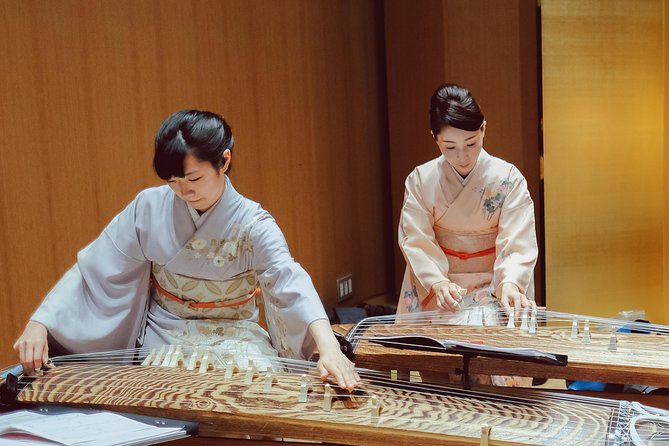
The koto is a central part of the presentation. This long zither has strings that are plucked, producing a clear, delicate sound. Seeing the musician play it close up helps you understand the physical work behind the music. The performance is not just about the final tone. You can watch the gestures, timing, and hand movements that create it.
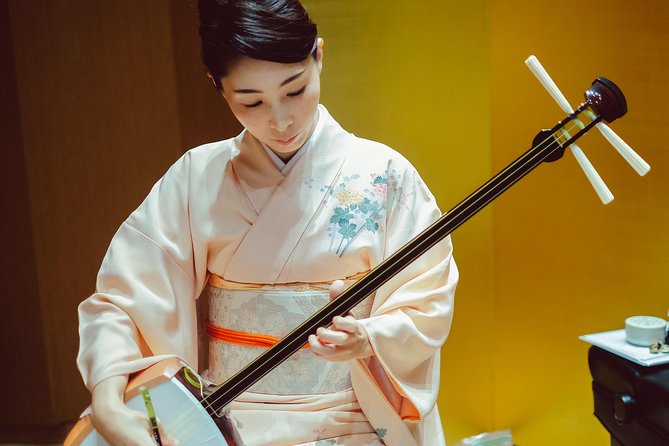
The shamisen offers a different character. It is a three-stringed instrument with a distinctive sound that can be both crisp and forceful. Hearing it beside the koto makes the contrast easy to grasp. The show’s explanations help connect those sounds to the design of the instruments.
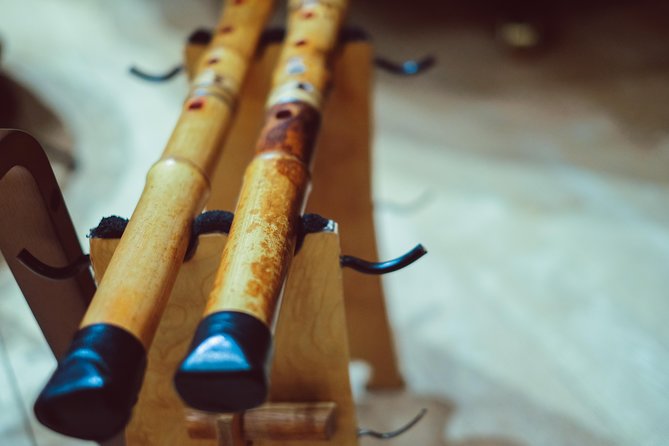
The shakuhachi adds a breath-based voice. This bamboo flute can sound airy, spare, and expressive. It gives the concert a different mood from the plucked strings and drums. For many people, the first live shakuhachi performance is memorable because the sound feels so closely tied to the player’s breath.
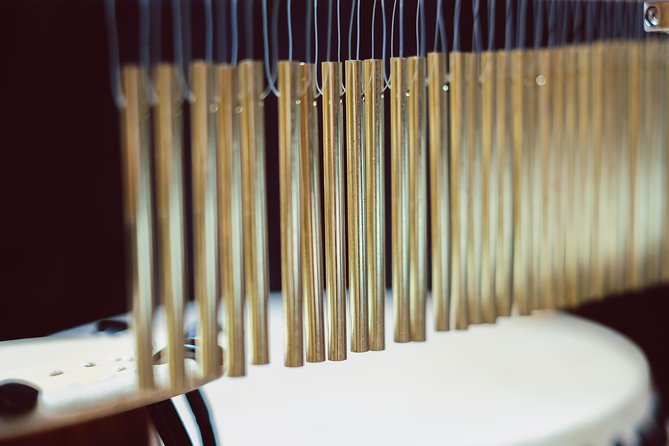
Then comes the taiko. The large Japanese drums bring physical energy and a firm rhythmic foundation. Taiko changes the scale of the concert. After the light touch of the koto or the restrained tone of the shakuhachi, the drums remind you that traditional Japanese music also includes strength, movement, and powerful rhythm.
Explanations make the music easier to hear
I value the commentary as much as the music itself. A short explanation before a piece can change the way you listen to it. You start noticing the instrument’s tone, the player’s technique, and the relationship between rhythm and silence.
The show also discusses the cultural and historical background of the instruments. The information is not presented as a long lecture. It is placed between musical numbers, so the concert keeps moving.
The English interpretation is an important part of the experience. Without it, visitors unfamiliar with Japanese music might enjoy the sounds but miss the purpose of the demonstrations. Here, the interpreter helps explain the musicians’ comments and keeps the communication clear.
The quality of interpretation matters in a show like this, and the available feedback gives it strong marks. The explanations are described as educational, easy to understand, and well delivered. That is a real advantage for an international audience.
Do not expect every musical detail to receive a technical explanation. The format is friendly and introductory. You will leave with a better sense of the instruments and their role in Japanese culture, not with the training of a music scholar.
A completely different kind of day in Tokyo:
- Mt Fuji and Hakone 1-Day Bus Tour Return by Bullet Train
★ 5.0 · 26,383 reviews - 1-Day Tokyo Bus Tour
★ 5.0 · 14,250 reviews - Tokyo: teamLab Planets TOKYO Digital Art Museum Entry Ticket
★ 4.6 · 9,779 reviews - Tokyo: Shinjuku Food Tour (13 Dishes at 4 Local Eateries)
★ 5.0 · 6,603 reviews
Traditional pieces meet a Western cover
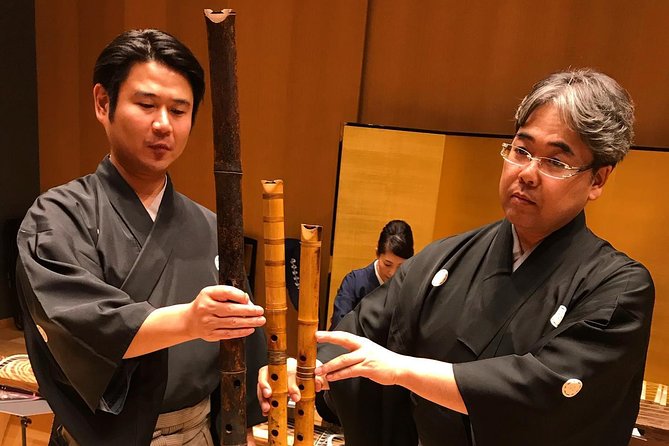
Zakuro does not limit itself to old repertoire. The program includes ancient and modern traditional Japanese music, along with a cover of a Western hit. That choice gives you a useful comparison.
Traditional instruments can sound very different when used outside their usual setting. A Western melody played on koto, shamisen, flute, or taiko helps you hear the instruments in a fresh way. You already know the shape of the tune, so your attention moves to the tone and technique.
One account of the performance specifically describes a version of a Nirvana song. The exact program may change, so I would not book this expecting one particular cover. The broader point is that Zakuro uses modern music to show how these instruments can work beyond historical repertoire.
This variety keeps the hour from feeling like a museum demonstration. You get cultural background, formal performance, and a playful bridge to music familiar to international audiences.
Why the musicians in kimono matter
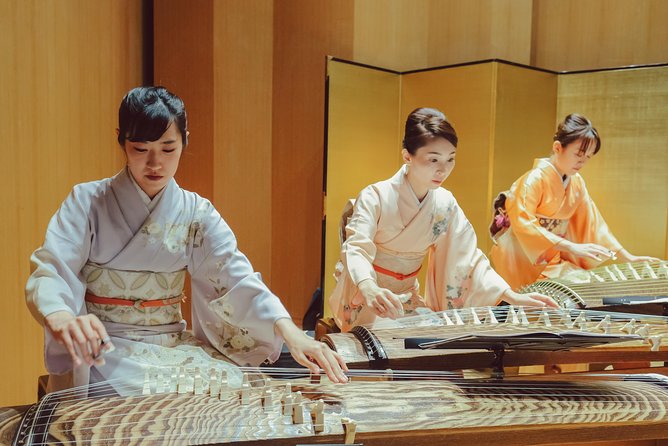
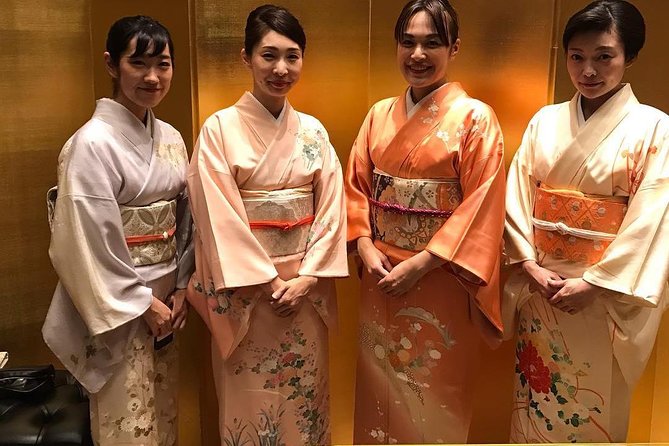
The performers wear colorful kimono, and the instruments are positioned directly in front of you. These details do more than create a photogenic stage.
Kimono help place the concert within a recognizable Japanese cultural setting, while the close seating lets you study the tools of the music. You can see the scale of the koto, the shape of the shamisen, the bamboo body of the shakuhachi, and the size of the taiko drums.
The visual side is helpful for families and for anyone who learns by watching. You are not only listening to an unfamiliar musical language. You are seeing how the performers hold, strike, pluck, or blow each instrument.
At the same time, the costumes should not be mistaken for the main attraction. The quality of the musicianship and the explanations carry the experience. The kimono add atmosphere, but the show’s real value is the combination of skilled playing and clear interpretation.
How much value do you get for $39.64?
At about $39.64 per person, Zakuro is not the cheapest cultural activity in Tokyo. It is also not priced like a long stage production or a premium dinner show. The fair question is what you want from the hour.
You are paying for a live performance by skilled musicians, an English-supported introduction to several Japanese instruments, and a convenient central Tokyo location. The value is strongest if you would otherwise pass through Japanese music without understanding it.
The show is also efficient. A longer concert may offer more music, but it may take up a full evening. Zakuro gives you a focused cultural experience in about one hour, leaving time for dinner, shopping, or another part of Tokyo.
I would consider it good value for visitors who enjoy music, cultural demonstrations, and small performance spaces. It is less compelling for someone who wants a major theatrical production, a long concert, or a hands-on workshop.
A few reviews also describe buying a CD after the show. That suggests recorded music may be available, but it is not part of the admission price, so treat it as an optional extra rather than a promised feature.
Who should book the one-hour show?
Zakuro suits first-time visitors who want an understandable introduction to Japanese culture. It is also a good match for music lovers, couples, families, and solo visitors who prefer a short scheduled activity rather than a full-day tour.
You will likely enjoy it if you like:
- Live music with spoken explanation
- Traditional instruments and performance technique
- Small venues where you can see the musicians clearly
- Cultural activities that do not require much time
- Programs that connect older traditions with modern music
The format is also useful for parents. Children who might lose interest during a long museum visit can hear drums, see unusual instruments, and watch the performers demonstrate their craft. The one-hour length helps keep the commitment manageable, though individual attention spans vary.
I would think twice if you want an entirely silent concert. The talking and interpretation are central to the experience. I would also reconsider if you expect to play the instruments yourself, since the information describes performance and explanation rather than a guaranteed workshop.
Practical planning for your Tokyo day
The experience includes a mobile ticket, and confirmation is received at booking. The show is near public transportation, which makes it easy to reach without building your day around a complicated transfer.
Since the performance lasts about one hour, I would place it between nearby activities rather than treating it as the only reason to visit the area. Omotesando gives you plenty to do before and after the show, although the activity itself is the main reason to reserve a specific time.
The booking pattern suggests people often reserve about 33 days ahead. That does not guarantee that every session sells out, but it is a useful signal for planning. If this is important to your itinerary, booking early is sensible, especially when your Tokyo dates are fixed.
Most people can participate, and the experience is listed as suitable for most visitors. No special level of musical knowledge is required. The main practical issue is simply arriving in time for a scheduled performance.
Free cancellation is available if you cancel at least 24 hours before the start time. Changes or cancellations made within 24 hours are not accepted for a refund, and the cut-off follows Tokyo local time.
Should you book the Zakuro Show?
I would book this if you want a clear, friendly introduction to Japanese music without giving up half a day. The strongest reasons are the close setting, the range of instruments, the English interpretation, and the way each piece receives enough explanation to make it meaningful.
The 4.9 rating from 67 reviews and 97 percent recommendation fit the experience’s main strengths: excellent musicians, helpful interpretation, and a program that teaches as it entertains. The most consistent praise centers on the explanations and the chance to learn about each instrument between songs.
Skip it if your priority is a long concert, a formal recital, or active instrument practice. For most visitors, though, the one-hour format makes the decision easy. It gives you a genuine look at Japanese musical traditions, then sends you back into Tokyo with plenty of time left in the day.
FAQ
Where does the Zakuro Show take place?
The show takes place in Omotesando, Tokyo, in a beautiful and cozy performance setting.
How long does the experience last?
The performance lasts approximately one hour.
How much does the Zakuro Show cost?
The listed price is about $39.64 per person.
Which instruments are included?
The program features the koto, shamisen, shakuhachi flute, and taiko drums, along with other traditional Japanese instruments.
Is the show presented in English?
The musicians provide commentary during the performance, with English translation for international audiences.
What kind of music is performed?
The program includes ancient and modern traditional Japanese music, as well as a Western hit played using Japanese instruments.
Is admission included?
Admission to the Zakuro Show is included with the experience.
Is the show suitable for most people?
Yes. Most people can participate, and no prior knowledge of Japanese music is required.
Can I cancel for a full refund?
Yes, if you cancel at least 24 hours before the experience start time. Cancellations or changes made less than 24 hours before the start time are not refunded.
Newly reviewed around Tokyo
- Tokyo Asakusa:Calligraphy & Make T-shirt Activity★ 5.0 · 62 reviews
- Intercity Shuttle, Tokyo to Haneda /Narita /Yokohama /Makuhari★ 5.0 · 5 reviews
- 1 Hour Travel around Tokyo with a Professional Photographer★ 5.0 · 3 reviews
- Travel Tokyo with Your Own Personal Photographer★ 5.0 · 43 reviews
- Kickboxing & Body Training with EX-Pro Fighter★ 5.0 · 4 reviews
- Train in Samurai Swordsmanship and Defeat the Demon in Tokyo★ 5.0 · 5 reviews
- Shuttle Van 6hr Tokyo Tour to-and-from Tokyo, Yokohama and Narita★ 5.0 · 9 reviews
- Traditional Japanese Knife Sharpening Class★ 5.0 · 18 reviews
Show, compared.
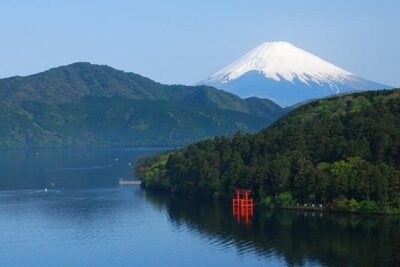
Mt Fuji & Hakone Cruise, Drum Show Bullet Train 1 Day from Tokyo
Read our review →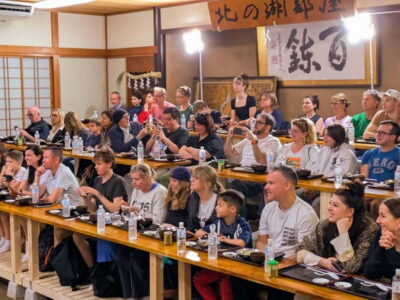

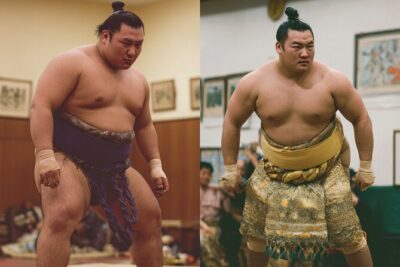
Tokyo Shinjuku Sumo Show & Experience with Photo
Read our review →
Mt Fuji & Hakone Cruise, Drum Show Bus 1 Day from Tokyo
Read our review →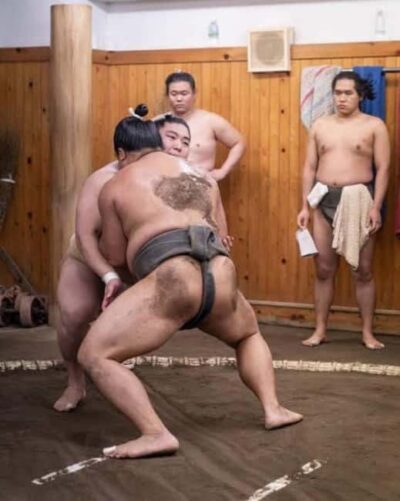

Luxury Sumo Show Experience & Japanese cuisine & Drink
Read our review →