
Reviewed · TOKYO
Tokyo’s Neighborhood Digs: Coffee, Records & Vintage Vibes
Tokyo’s most revealing moments often happen away from the famous sights. This four-hour tour moves through Shimokitazawa, Kichijoji, Koenji, and Nakano, using shops, cafes, records, fashion, and pop culture to explain how the city changes from one neighborhood to the next. I like the mix of ordinary streets and sharp cultural contrasts, and I like that transit and coffee are included rather than left for you to figure out.
The main drawback is the pace. Four neighborhoods in four hours means you get an introduction, not a long browsing session in every district. You should also expect plenty of walking, stairs, and station changes, so comfortable shoes matter.
Key Points
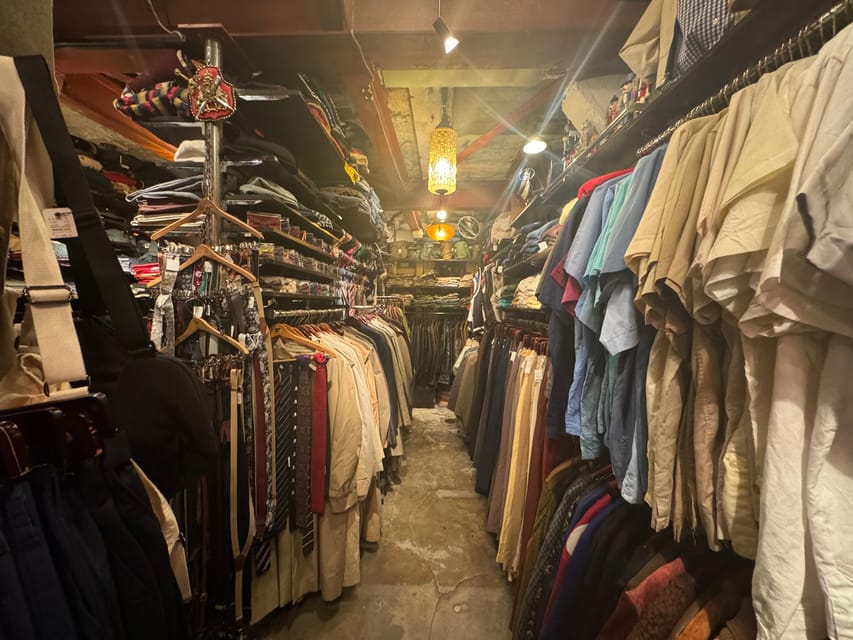
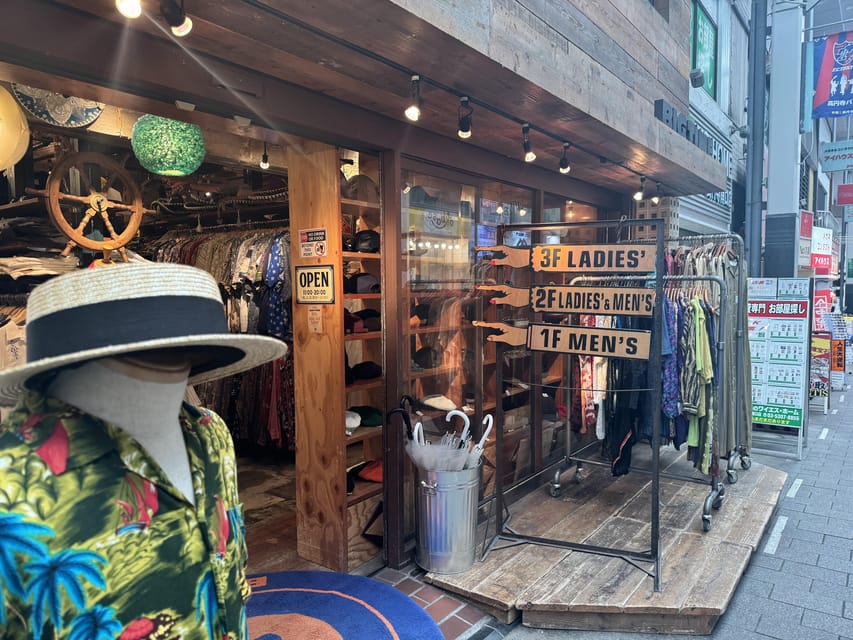
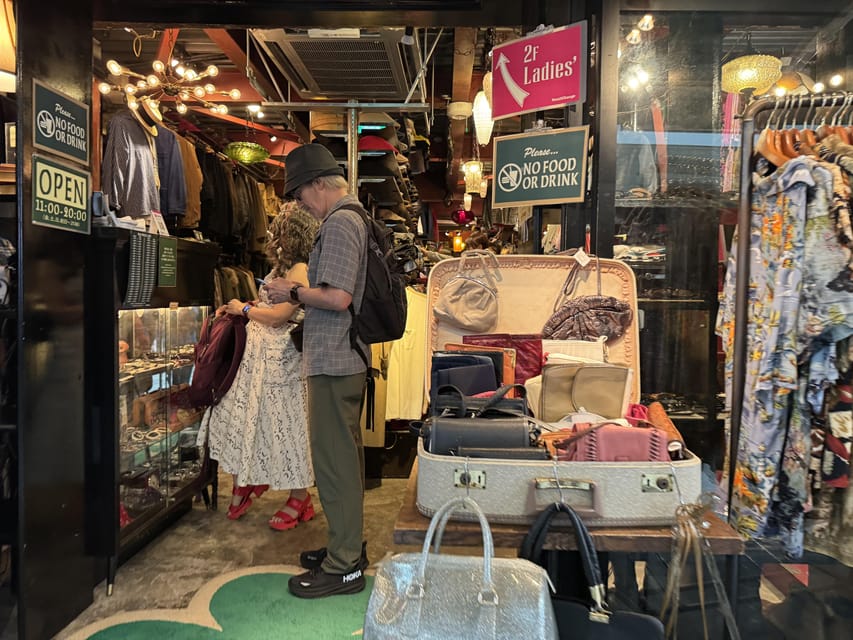
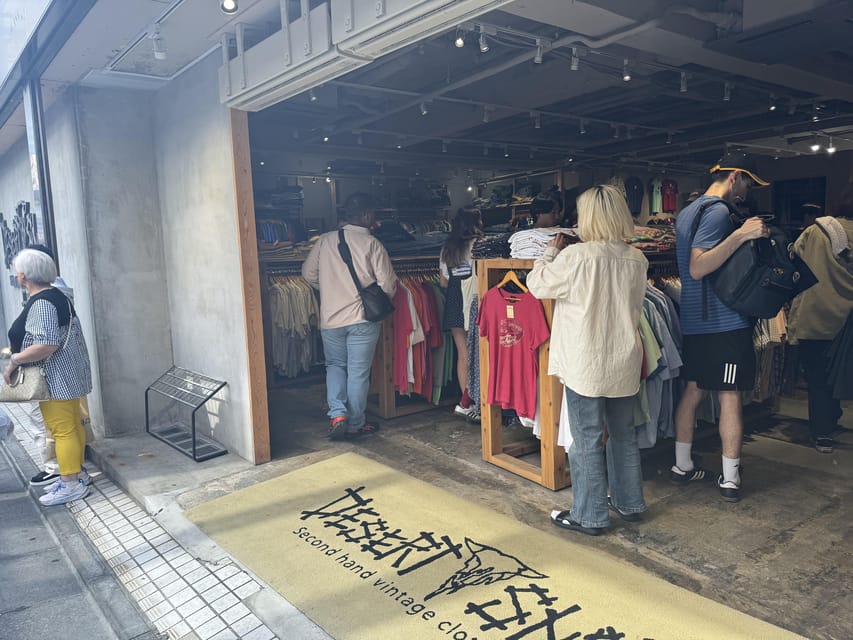
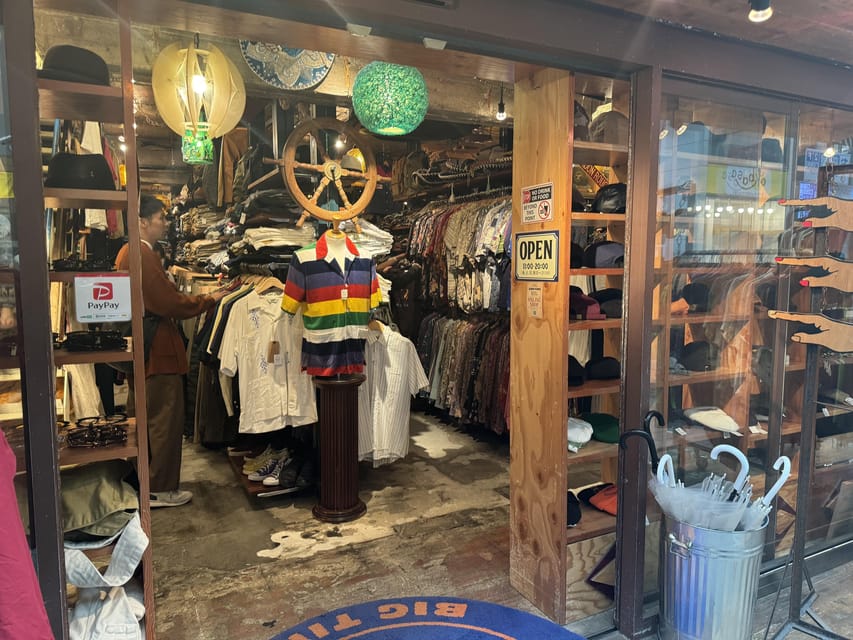
- Shimokitazawa opens with vintage style: Browse secondhand clothing, records, and independent shops while hearing how the district became a home for artists.
- Kichijoji adds a slower coffee break: Sip coffee at an independent cafe and consider how the bubble era shaped the neighborhood’s buildings and mood.
- Koenji shows Tokyo’s current edge: Small boutiques, creative businesses, and tattoo culture give this stop a different feel from polished shopping areas.
- Nakano Broadway is the collector’s finale: Look for anime, manga, vintage cameras, and retro game items in one compact shopping complex.
- Public transit keeps the tour local: You travel between districts as Tokyo residents do, rather than staying inside a sightseeing bus.
- Ryuhki and Hiro bring personal guidance: Ryuhki is described as flexible and full of insider suggestions, while Hiro is warm and helpful with shopping and restaurant tips.
Four Neighborhoods, Four Versions of Tokyo
This tour is built around contrast. Shimokitazawa is linked with vintage clothing and independent arts. Kichijoji offers coffee and a more relaxed residential feel. Koenji leans into alternative fashion and changing social customs. Nakano turns Japanese pop culture into a collector’s marketplace.
That structure makes the experience useful for first-time visitors who want more than temples, towers, and department stores. You are not simply ticking off four stops. You are watching Tokyo’s identity shift as you move through its western neighborhoods.
The route begins at Shimokitazawa Station, at the Odakyu Line East Exit. From there, your English-speaking guide leads the group through the local streets and handles the transit between districts. Private and small-group formats are available, which matters here because narrow shop aisles and crowded stations are easier to manage with fewer people.
More Coffee Experiences in Tokyo:
- Discover Japanese Politics Over a Coffee in Tokyo
★ 5.0 · 11 reviews - Discover Japanese Coffee Brewing Experience at Tokyo
★ 4.9 · 8 reviews - Best of Downtown Tokyo: Nature, Coffee, & Japanese Sweets Tasting
★ 5.0 · 3 reviews
Shimokitazawa: Vintage Shops and Postwar Change
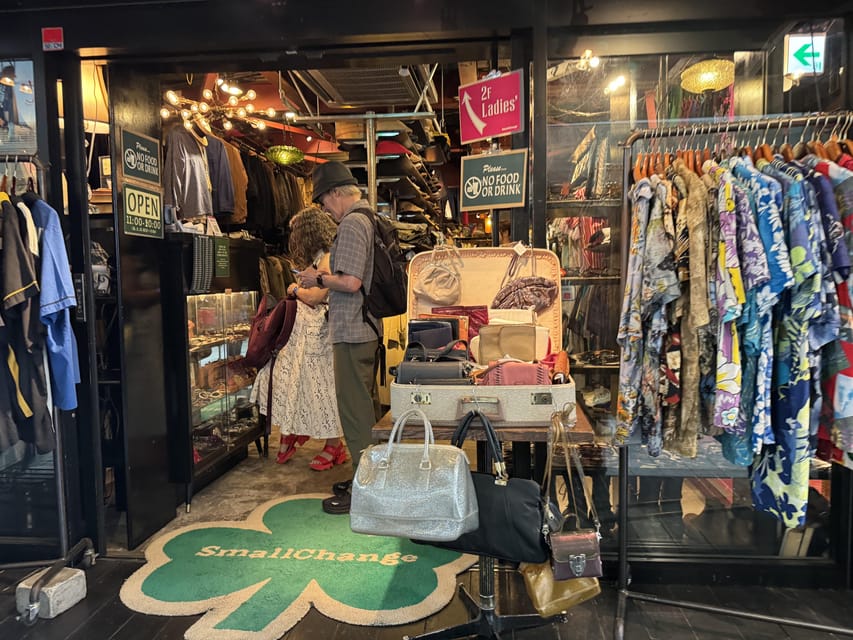
Shimokitazawa gets the longest portion of the tour, about one hour, and that is sensible. The neighborhood’s appeal is not one grand attraction. It is the collection of small shops, side streets, cafes, music connections, and secondhand stores that make wandering worthwhile.
You can expect time for vintage shopping and sightseeing, with guidance on what makes the area different from Tokyo’s larger commercial centers. The focus is on Japanese vintage style, independent boutiques, and the district’s rise as a meeting place for artists after the war.
That historical thread gives the shopping more meaning. Instead of seeing old clothing as random stock, you can connect the neighborhood’s creative character with its postwar development and later role as a base for independent performers and artists.
I especially like this stop for visitors who want to shop with context. A guide can point out the difference between a street made for local browsing and a district designed mainly for international shopping. Still, the tour does not include personal purchases, and one hour can disappear quickly if you find a store that deserves a closer look.
If you are hunting for a particular record, jacket, or collectible, do not assume you will find it. The value here is the introduction to the area and its style, not a promise of a specific item.
Kichijoji: Local Coffee and a Softer Pace
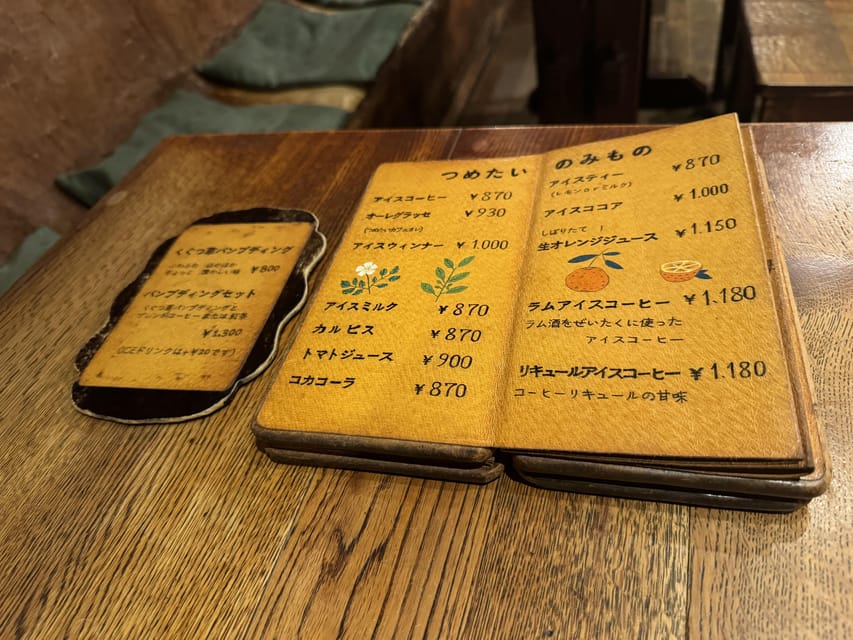
The second stop lasts about an hour and includes coffee at a local cafe. Kichijoji gives the tour a useful change of rhythm after Shimokitazawa’s shopping streets.
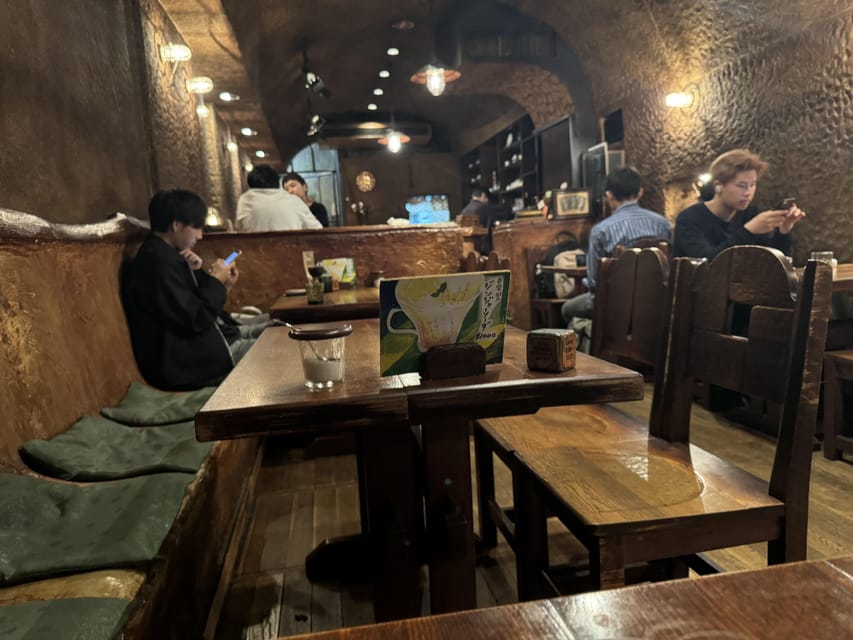
The coffee itself is part of the point. Independent cafes and locally roasted beans show a side of Tokyo’s cafe scene that is easy to miss if you stick to major chains. You get a place to sit, ask questions, and compare Kichijoji’s mood with the neighborhood you just left.
The guide also discusses the economic bubble era and its effect on local architecture and daily life. This is a practical piece of context because Tokyo’s current appearance is tied to several periods of rapid construction and economic change. The relaxed feel you notice here is not presented as timeless. It is connected to the way the neighborhood developed.
For you, this stop works best if you enjoy small cultural details. Coffee is not a major attraction in the usual sightseeing sense, but it creates space for conversation. You can ask about Tokyo’s neighborhoods, people, shops, and customs while taking a break from walking.
The limitation is that the cafe visit is one part of a moving tour. It is not a dedicated coffee crawl, and the exact cafe is not specified in advance. Think of it as a local pause with cultural context, not a tasting itinerary.
Koenji: Independent Style and Changing Social Rules
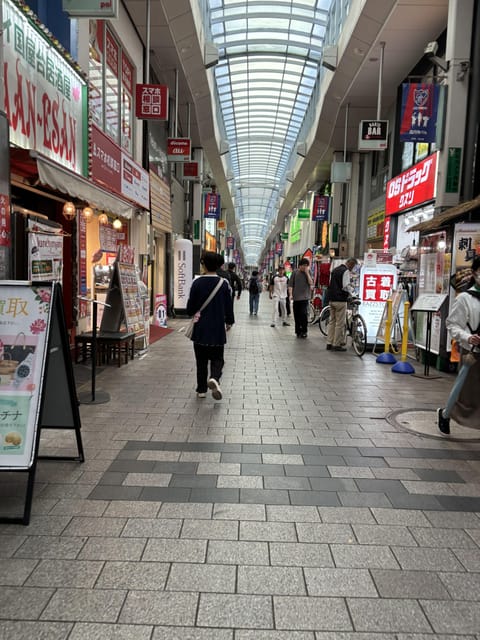
Koenji receives about 40 minutes, so this is a quick look rather than a full neighborhood tour. The area is presented as a creative district with indie boutiques and a strong connection to Tokyo’s changing fashion scene.
The streets offer another kind of shopping. Shimokitazawa is associated with vintage finds, while Koenji focuses more on current independent style and the people shaping it. You might see unusual clothing, small shops, and businesses that feel less formal than Tokyo’s better-known retail zones.
The tour also uses Koenji to discuss changing social norms, including the growth of tattoo parlors in the area. That makes this stop more than a fashion break. It shows how neighborhoods change as attitudes, businesses, and younger creative groups find room to operate.
I would keep your expectations realistic. Forty minutes is enough to get a feel for the streets and hear the guide’s explanation, but it is not enough to inspect every boutique. If shopping is your main goal, note the names or locations of places you want to revisit later.
This is also a stop where a smaller group helps. Boutique interiors can be tight, and a large group may slow down the experience. If you can choose between a private option and a larger departure, the private format should give you more freedom to ask questions and pause when something catches your eye.
A completely different kind of day in Tokyo:
- Mt Fuji and Hakone 1-Day Bus Tour Return by Bullet Train
★ 5.0 · 26,383 reviews - 1-Day Tokyo Bus Tour
★ 5.0 · 14,250 reviews - Tokyo: teamLab Planets TOKYO Digital Art Museum Entry Ticket
★ 4.6 · 9,779 reviews - Mt Fuji & Hakone Cruise, Drum Show Bullet Train 1 Day from Tokyo
★ 4.0 · 7,413 reviews
Nakano Broadway: Anime, Manga, and Retro Finds
The final stop lasts about 40 minutes and takes you to Nakano Broadway, a compact shopping complex known here for its collector-oriented stores. The focus is Japanese pop culture: anime, manga, vintage cameras, and retro games.
This is a strong finish because it shifts the tour from clothing and cafes to collecting. Rows of shops can feel like a small museum of Japanese entertainment and hobby culture, though you are free to browse and buy rather than simply look.
Your guide explains how the bubble era and its aftereffects influenced anime and manga, two major parts of Japan’s entertainment industry. That background helps connect the merchandise to larger changes in Japanese culture and business.
If you enjoy retro games, animation, cameras, or unusual collectibles, this may be your favorite stop. The range of goods also makes it a good place to look for a souvenir that feels more specific than a standard Tokyo magnet.
The drawback is choice overload. Nakano Broadway can be rewarding, but a short visit does not allow for careful comparison across every shop. Personal shopping costs extra, and prices can vary widely depending on condition, age, and rarity. Set a spending limit before you start browsing.
What the Guide Adds to the Experience
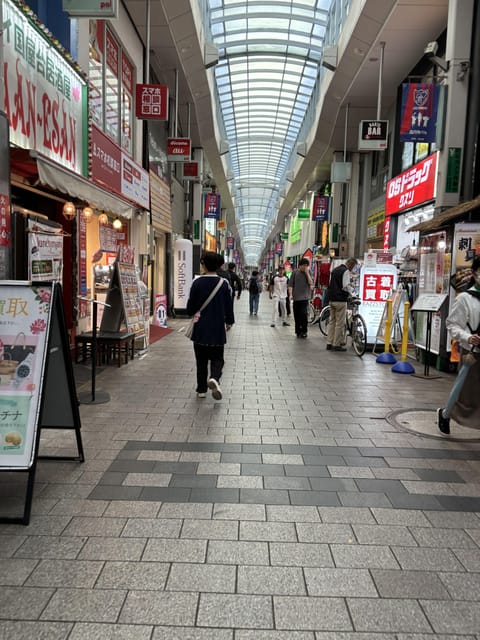
The strongest part of this tour is the guide’s role. You are not given only directions to four shopping districts. The guide links the places to postwar change, the bubble era, independent arts, coffee, fashion, tattoos, anime, and manga.
Ryuhki is known for giving personal attention, sharing insider suggestions, and adjusting the route when possible. That flexibility is useful on a neighborhood tour because your interests may change once you see the shops. You might begin looking for vintage clothing and end up asking about music, restaurants, or Japanese social customs.
Hiro is described as warm and personable, with a knack for pointing out shopping and restaurant spots. That makes the experience useful even if you are not a serious collector. You can ask for ideas that fit the rest of your Tokyo trip.
Guide quality can vary from one departure to another, but the available guide names and feedback point to a personal style rather than a formal lecture. The tour suits you if you enjoy asking questions and making small changes along the way. It is less suitable if you want a fixed, highly scripted sightseeing route.
Walking, Transit, and Timing
The tour lasts four hours and uses public transit between neighborhoods. Transit is included, which adds real value in Tokyo, where moving between districts can take planning and station navigation.
You begin at the Odakyu Line East Exit at Shimokitazawa Station. Make sure you arrive at the correct exit and allow time to find the meeting point. The route includes about one hour in Shimokitazawa, one hour in Kichijoji, and 40 minutes each in Koenji and Nakano.
That timetable gives you a broad look at four districts, but it also keeps the day moving. You should wear comfortable shoes, carry water, and bring sunscreen. A camera is useful, though flash photography is not allowed. Smoking is also not permitted during the activity.
This experience is not suitable for wheelchair users or people with mobility impairments. The walking and station transfers are important parts of the route, so ask about your own comfort level before booking.
Is $83 a Fair Price?
At $83 per person, the value depends on how you would otherwise spend your time. The price includes the guide, transit, and coffee, along with access to a planned route through four neighborhoods. You also avoid the work of researching which districts fit together and how to move between them.
The tour is less valuable if you already know Shimokitazawa, Kichijoji, Koenji, and Nakano well. Independent exploration gives you more time in each area and lets you shop without watching the clock.
For a first or second visit to Tokyo, I think the price is reasonable if you want cultural explanation as well as navigation. The guide helps turn four separate stops into one story about how Tokyo’s creative scenes developed. Just remember that your purchases are not included, so budget separately for clothing, records, manga, games, cameras, or other finds.
Who Should Book This Tokyo Neighborhood Tour?
I would recommend this experience to you if you enjoy independent shops, local cafes, street-level history, Japanese pop culture, and small creative districts. It is especially useful for visitors who have already seen Tokyo’s biggest sights and want a more everyday view of the city.
It also suits shoppers who want a starting point rather than a shopping list. You will learn which neighborhoods match your interests, then return later if you want more time.
I would be cautious if your priority is a slow cafe morning, a long vintage-shopping session, or a full anime and manga hunt. The route covers a lot in four hours, and each stop has a firm time limit. Mobility concerns are another reason to choose a different activity.
You can cancel up to 24 hours before the start for a full refund, and reserve now while paying later. That flexibility helps if your Tokyo schedule is still changing.
Should You Book It?
Book this tour if you want Tokyo explained through its neighborhoods rather than only through major sights. The mix of vintage shopping, local coffee, independent fashion, and collector culture gives you a clear sense of how different the city can feel from one station to the next.
Skip it if you prefer to explore slowly and make your own shopping route. For everyone else, the combination of included transit, coffee, an English-speaking guide, and four very different districts makes this a practical way to get your bearings fast.
FAQ
Where does the tour begin?
It begins at Shimokitazawa Station, at the Odakyu Line East Exit.
How long does the experience last?
The tour lasts four hours.
Which neighborhoods does the tour visit?
It visits Shimokitazawa, Kichijoji, Koenji, and Nakano.
Is coffee included?
Yes. Coffee at a local cafe in Kichijoji is included.
Is public transportation included?
Yes. Transit between the neighborhoods is included.
What language is the tour conducted in?
The live tour guide speaks English.
Are personal shopping purchases included?
No. Personal shopping expenses are not included in the price.
Is the tour private or shared?
Private and small-group options are available.
Is the tour suitable for wheelchair users?
No. The experience is not suitable for wheelchair users or people with mobility impairments.
Newly reviewed around Tokyo
- Tokyo Asakusa:Calligraphy & Make T-shirt Activity★ 5.0 · 62 reviews
- Intercity Shuttle, Tokyo to Haneda /Narita /Yokohama /Makuhari★ 5.0 · 5 reviews
- 1 Hour Travel around Tokyo with a Professional Photographer★ 5.0 · 3 reviews
- Travel Tokyo with Your Own Personal Photographer★ 5.0 · 43 reviews
- Train in Samurai Swordsmanship and Defeat the Demon in Tokyo★ 5.0 · 5 reviews
- Shuttle Van 6hr Tokyo Tour to-and-from Tokyo, Yokohama and Narita★ 5.0 · 9 reviews
- Kickboxing & Body Training with EX-Pro Fighter★ 5.0 · 4 reviews
- Traditional Japanese Knife Sharpening Class★ 5.0 · 18 reviews