
Reviewed · TOKYO
Discover Japanese Coffee Brewing Experience at Tokyo
Tokyo’s coffee culture gets far more interesting when you move beyond ordering a cup and learn how it is made. At Tasse Coffee Roastery, you’ll compare siphon, Kyūsu, and hand-drip brewing, taste different beans, and see how small changes in heat and pouring affect the final cup.
I like the hands-on format and the chance to study coffee in English or Japanese. I also like the private-group setting, which should give you room to ask questions and practice instead of simply watching a demonstration. The main drawback is the price: at $116 per person for two hours, this is a serious coffee lesson, not a quick tasting.
Key points to know before booking
- Three Japanese-friendly brewing styles: Practice siphon, Kyūsu teapot brewing, and hand drip in one session.
- Cupping comes early: You learn to notice aroma, acidity, body, and aftertaste before brewing your own cup.
- Private instruction: The group format allows for a more personal pace and direct guidance.
- English or Japanese teaching: This is useful even if you live in Japan but want a coffee lesson in English.
- Adults and older teens only: Participants must be at least 16 years old.
- Two hours, with tastings included: Equipment, beans, samples, and fees are included, while a coffee tasting kit is optional.
Tasse Coffee Roastery puts the cup in context
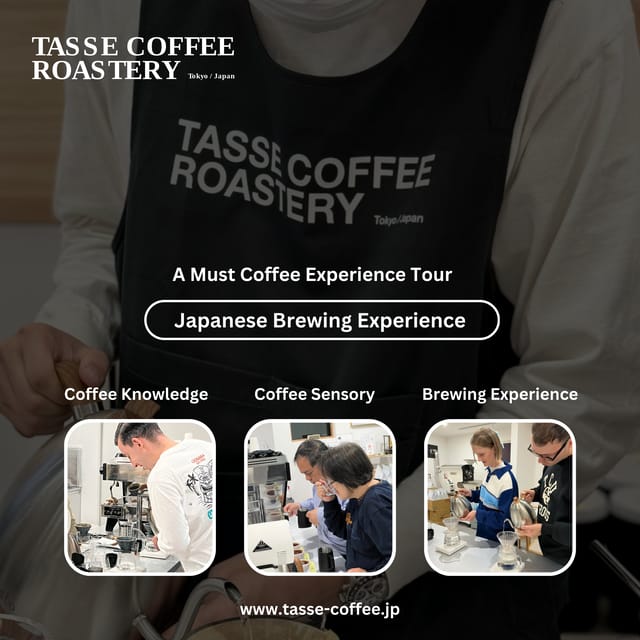
This experience begins with the idea that coffee is more than a drink. You’ll look at how coffee reached Japan, how Japanese coffee habits developed, and why brewing style matters so much to the finished cup.
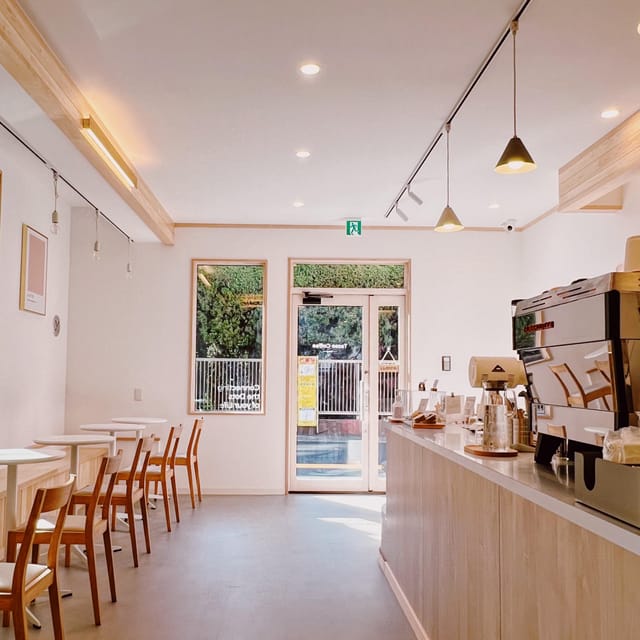
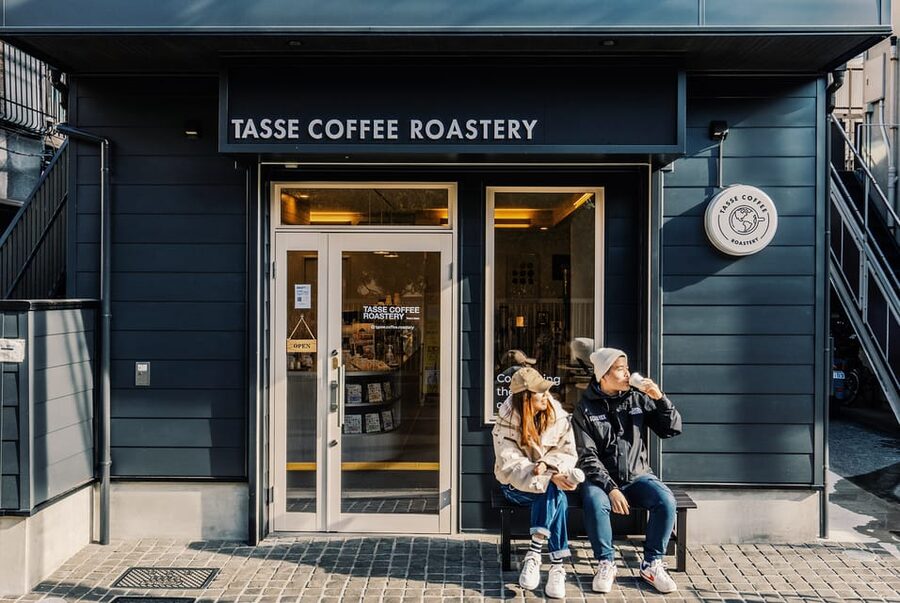
The setting helps. Tasse Coffee Roastery uses natural wooden tones and a calm design, giving the workshop a quiet place to focus. This is not presented as a noisy café stop where you grab a drink and move on. You are there to pay attention to smell, texture, water, heat, and timing.
I especially like that the class starts with basic coffee knowledge rather than assuming you already know the vocabulary. You’ll discuss beans, roast levels, and the route from farm to cup. That foundation matters because later tasting exercises make more sense when you understand what you are tasting.
The class is offered in English and Japanese. That makes it useful for international visitors, but it also has appeal for people living in Japan who want to study coffee in English. One Japanese participant described that language choice as unusual and valuable, which is a good reminder that this is not only aimed at first-time visitors.
More Breweries in Tokyo:
- Private Tour: Tokyo’s Oldest Sake Brewery and Riverside Walk
★ 5.0 · 25 reviews - Tokyo: Toshimaya Sake Brewery Tour with Sake Tasting
★ 5.0 · 6 reviews - Private Sake Tasting at 300 Years Old Sake Brewery in Tokyo
★ 5.0 · 3 reviews
The first lesson: beans, roasting, and the route to your cup
The opening section covers the basic building blocks of coffee. You’ll compare types of beans and roasts, then consider how growing, processing, roasting, and brewing each affect taste.
This part may feel familiar if you already spend time with specialty coffee. Still, it gives the session a sensible structure. Instead of treating brewing as a set of mysterious hand movements, the instructor connects the finished flavor to earlier choices.
You’ll also get insight into coffee selection. That is useful if you want to buy beans in Japan or make better coffee at home after your trip. The class does not simply tell you that one bean is good and another is bad. It helps you notice differences and decide what suits your own taste.
The workshop uses premium beans and provides all required brewing and tasting equipment. You do not need to bring a scale, brewer, kettle, or coffee of your own. That makes the experience easy to fit into a Tokyo day, especially if you are packing light.
Cupping teaches you how to taste instead of simply drink
The cupping exercise is one of the most useful parts of the two-hour format. Coffee is prepared for comparison, and the instructor guides you through the process of identifying aroma, acidity, body, and aftertaste.
For many people, this is the point when coffee tasting becomes less vague. You may not suddenly identify every flavor, but you will have a clearer way to describe why one cup feels bright, heavy, smooth, sharp, or lingering.
The value here comes from tasting side by side. If you drink one coffee at a time, it is easy to forget what the previous cup tasted like. Comparison gives your palate a reference point. It also prepares you for the later brewing exercises, where the same or similar beans can taste different because of the equipment and technique.
I would pay close attention to the aroma stage. Smell is a large part of how you experience coffee, and the class specifically includes aroma along with acidity, body, and aftertaste. Those are practical terms you can use later when choosing beans or ordering coffee.
The tasting is also a good reason to avoid rushing into the brewing section. You are not just learning how to produce a cup. You are learning how to evaluate it.
Siphon brewing brings heat and theater to the lesson
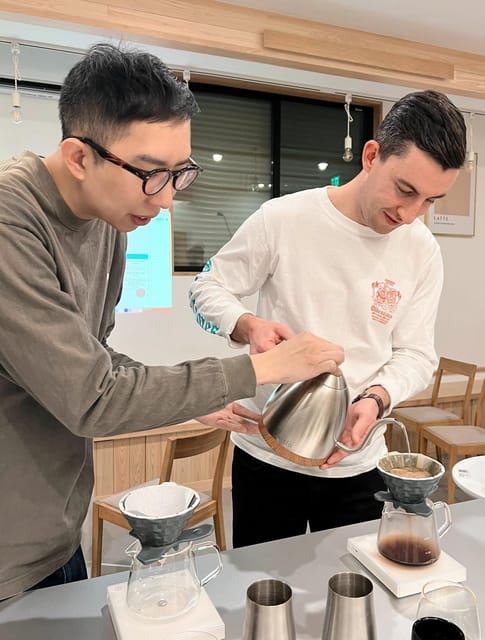
The siphon method is the most visually striking technique in the workshop. It uses a glass apparatus and controlled heat to move water between chambers, creating a brewing process that feels part science demonstration and part café ritual.
The class covers the history of siphon brewing in Japan, then shows how the method works before you practice it. You’ll see how heat, timing, and movement affect the brew. The result is not only something to watch. It gives you a way to understand how brewing equipment changes extraction and flavor.
Siphon coffee can be a good fit if you enjoy a clean, carefully controlled cup and like brewing methods that require attention. It is less practical than a simple hand-drip setup for many home kitchens, since the equipment is more specialized. That is worth keeping in mind if you are choosing this workshop mainly to learn a daily routine.
Still, siphon brewing earns its place in the class because it shows Japanese coffee culture from a different angle. The method has a formal, deliberate quality, and the instructor connects that technique with the country’s coffee traditions rather than treating it as a novelty.
More Coffee Experiences in Tokyo:
- Discover Japanese Politics Over a Coffee in Tokyo
★ 5.0 · 11 reviews - Best of Downtown Tokyo: Nature, Coffee, & Japanese Sweets Tasting
★ 5.0 · 3 reviews - Tokyo’s Neighborhood Digs: Coffee, Records & Vintage Vibes
★ 4.8 · 3 reviews
Kyūsu brewing gives a Japanese teapot a new job
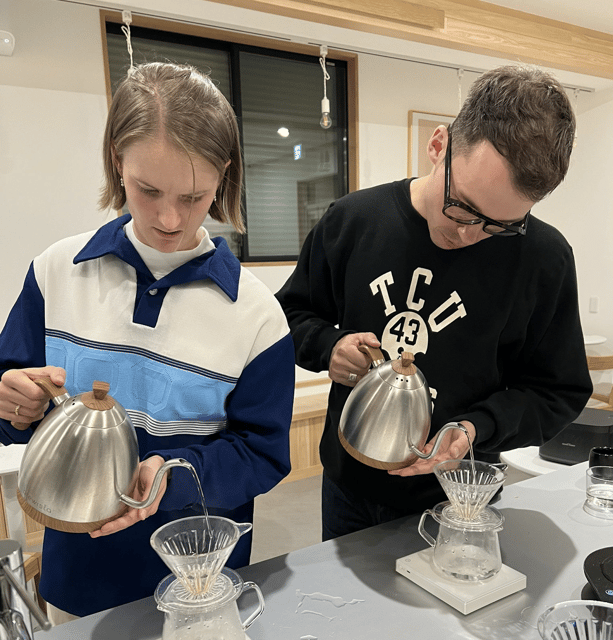
The Kyūsu section is the most distinctive part of the workshop. A Kyūsu is a traditional Japanese teapot, usually associated with tea, but here it is adapted for coffee brewing.
You’ll learn how to brew coffee in this style and compare its taste with the other methods. That comparison is important. The Kyūsu is not included simply because it looks Japanese. The class uses it to show how a different vessel changes the flow of water, contact with the grounds, and character of the finished coffee.
This method may appeal most to people interested in the meeting point between Japanese tea practice and coffee. It also offers a useful lesson in adaptation. Japanese coffee culture is not limited to copying brewing systems from elsewhere. It has developed its own habits, tools, and presentation.
The class description does not promise that Kyūsu brewing will become your easiest home method, and that is fine. Think of it as a chance to test a technique you may not encounter in an ordinary coffee class. If you are buying the optional tasting kit, you can ask the instructor which tools and beans are most suitable for continuing your practice.
Hand drip is the most practical skill to take home
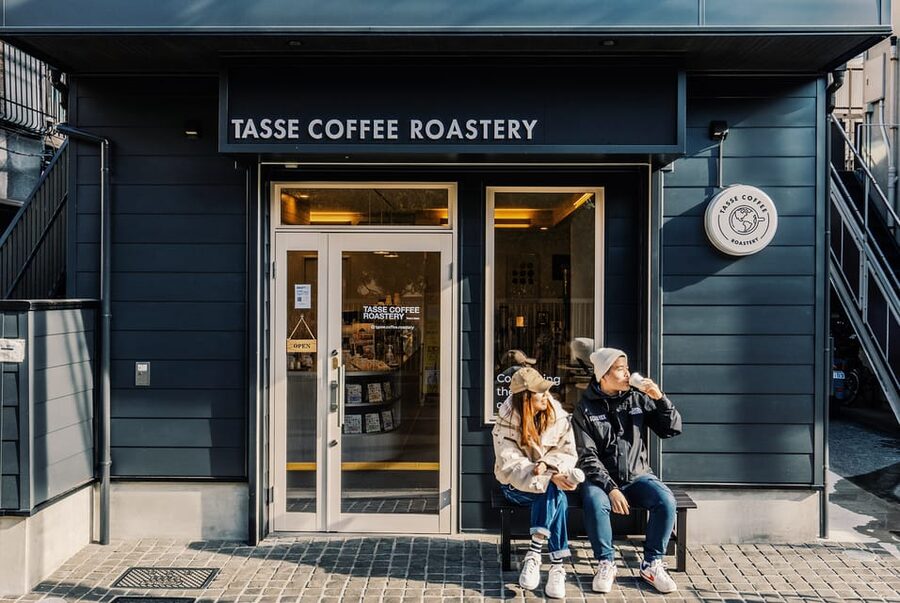
Hand-drip brewing is likely to be the most immediately useful section for many participants. You’ll learn how to manage water temperature and pouring technique, then prepare coffee yourself and taste the result.
This method rewards small adjustments. The speed of your pour, the amount of water, and the way you spread water over the grounds can all change the cup. A good instructor can help you see what your hands are doing, which is harder to learn from a written recipe or video.
The hands-on practice is a major strength. You are not only watching an expert prepare coffee while taking notes. You get to try the method and compare your brew with samples prepared during the class.
That comparison helps you understand the difference between a recipe and a result. Two cups may use similar coffee but taste different because of water temperature, pouring, or timing. The lesson gives you a clearer sense of what to adjust when you brew at home.
If you are choosing the workshop for practical value, hand drip is the strongest reason to book. You can use the skill with relatively simple equipment, and the lesson on water and pouring should remain useful long after you leave Tokyo.
Three methods make the tasting more useful
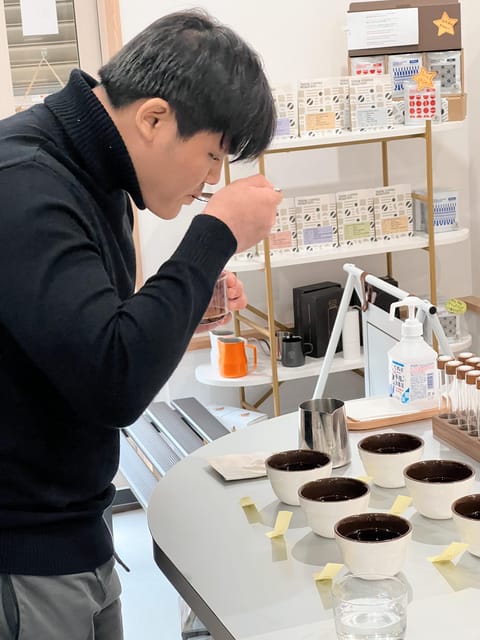
The workshop’s best feature is the way it places three brewing methods beside one another. Siphon, Kyūsu, and hand drip each bring a different set of tools and movements, so the tasting becomes a study in technique rather than a series of unrelated samples.
You’ll be able to ask how each method changes flavor and texture. The class includes various coffee blends and beverage samples, so you get more than one chance to taste the results.
The differences may be subtle at first. That is normal. Coffee flavor can be affected by many details at once, and two hours is enough for an introduction, not mastery. The instructor’s role is to give you a framework for noticing those changes.
I would take notes if you are serious about coffee. Write down which method you prefer, what roast you liked, and which aromas or textures you noticed. The class gives you useful information, but your own palate is the final judge.
A private group changes the pace
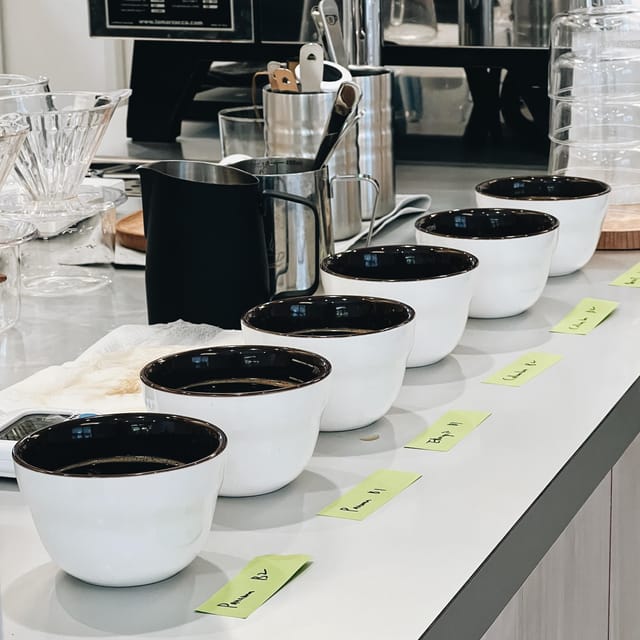
This is a private-group experience with a small number of participants. That matters because brewing practice works better when you can ask a question at the moment something feels unclear.
A larger class might offer similar information, but you could spend more time watching other people handle the equipment. A private format should give you more direct attention and a better chance to practice each method.
It also makes the session suitable for people with different levels of coffee experience. Beginners can ask basic questions without feeling out of place. More experienced coffee drinkers can focus on extraction, flavor comparison, and the differences between brewing systems.
The available instructor languages are English and Japanese. Two instructors are described as kind and helpful in the feedback, and the instruction has been praised for useful exercises as well as clear information. You should still confirm the desired language when booking if that is important to you.
What the $116 price includes
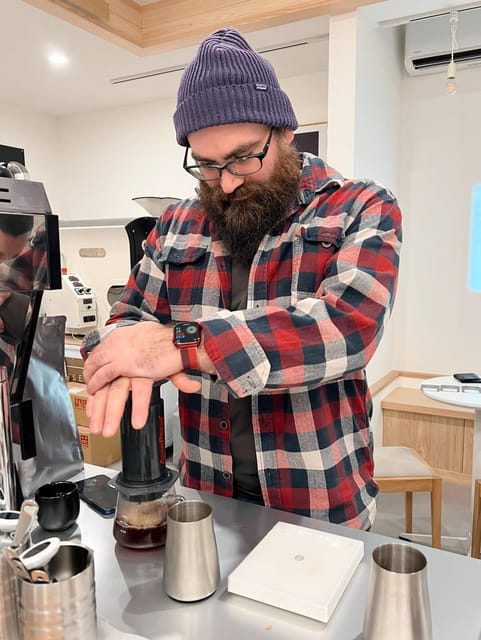
At $116 per person, this is not the cheapest coffee activity in Tokyo. The value depends on how much you want from the session.
You are paying for two hours of instruction, a private-group format, premium beans, a cupping session, three brewing workshops, equipment, tasting samples, and all fees and taxes. You do not need to rent or buy brewing gear for the class.
That package is stronger than a simple coffee tasting because you get practical instruction and repeated comparisons. It is also more expensive than a casual café visit because the class requires specialist equipment, instructors, preparation, and small-group attention.
I would consider the price reasonable for a serious coffee enthusiast, a home brewer, or someone looking for a focused cultural activity in Tokyo. It is harder to justify if you only want to drink good coffee or if you already know the siphon, Kyūsu, and hand-drip methods well.
An optional coffee tasting kit is available for purchase. The cost is not provided, so treat it as an extra rather than part of the advertised value. Ask what it contains before buying, especially if you are trying to keep your luggage light.
Who will get the most from this workshop
This experience suits adults and older teenagers who enjoy learning through practice. It is particularly well matched to:
- Coffee drinkers who want to understand brewing rather than simply sample beans
- Home brewers looking to improve hand-drip technique
- Visitors interested in Japanese food and drink traditions
- People curious about siphon or Kyūsu coffee
- Japan residents who want an English-language coffee lesson
- Couples or private groups seeking a calm indoor activity in Tokyo
Children under 16 cannot participate. The two-hour length makes the workshop easy to combine with other plans, but the content is focused. If your group includes someone who does not drink coffee or has little interest in brewing, this may not be the right shared activity.
The rating is 4.9 from eight verified bookings, with praise focused on useful information, hands-on preparation, coffee processing, and the kindness of the instructors. That pattern matters more than the number alone. It suggests the strongest part of the experience is the teaching and practice, not simply the room or the tasting.
Booking details that matter
The workshop lasts two hours, with starting times based on availability. You can cancel up to 24 hours in advance for a full refund, and the reserve-now, pay-later option lets you hold a place without paying immediately.
Those terms are helpful when you are still arranging a Tokyo schedule. The private format may also make it easier to plan for your own group rather than fit into a fixed public tour.
The experience takes place in Honshu, in Tokyo, at Tasse Coffee Roastery. Exact meeting directions are not provided here, so check the booking information carefully before setting out.
Should you book Tasse Coffee Roastery?
Book this workshop if you want a focused lesson in Japanese coffee culture and plan to taste, practice, and ask questions. The combination of cupping, siphon brewing, Kyūsu brewing, and hand drip gives you more substance than a standard café visit.
I would especially recommend it to home brewers and curious coffee drinkers who value technique. Hand drip offers a practical skill, while siphon and Kyūsu provide unusual methods you may not encounter elsewhere.
Skip it if $116 feels high for two hours, if you prefer a quick tasting, or if your group includes children under 16. But if you are happy to spend part of your Tokyo visit learning how coffee is selected, brewed, and judged, this is a thoughtful and unusually hands-on choice.
FAQ
How long does the coffee workshop last?
The experience lasts two hours. Starting times depend on availability.
What brewing methods will I learn?
You will practice siphon brewing, Kyūsu Japanese teapot brewing, and hand-drip coffee preparation.
Is coffee tasting included?
Yes. The workshop includes cupping, various coffee blends, and beverage samples so you can compare flavor profiles.
What does the cupping session cover?
The instructor guides you in noticing aromas, acidity, body, and aftertaste.
Is the workshop taught in English?
Yes. Instruction is available in English and Japanese.
Is this a private experience?
Yes. The activity is offered as a private group.
Can children attend?
Participants must be at least 16 years old.
What is included in the price?
The price includes expert instruction, coffee beans, tasting samples, brewing and tasting equipment, hands-on practice, coffee culture information, and all fees and taxes. An optional coffee tasting kit is available for separate purchase.
Newly reviewed around Tokyo
- Tokyo Asakusa:Calligraphy & Make T-shirt Activity★ 5.0 · 62 reviews
- Intercity Shuttle, Tokyo to Haneda /Narita /Yokohama /Makuhari★ 5.0 · 5 reviews
- 1 Hour Travel around Tokyo with a Professional Photographer★ 5.0 · 3 reviews
- Travel Tokyo with Your Own Personal Photographer★ 5.0 · 43 reviews
- Shuttle Van 6hr Tokyo Tour to-and-from Tokyo, Yokohama and Narita★ 5.0 · 9 reviews
- Kickboxing & Body Training with EX-Pro Fighter★ 5.0 · 4 reviews
- Train in Samurai Swordsmanship and Defeat the Demon in Tokyo★ 5.0 · 5 reviews
- Traditional Japanese Knife Sharpening Class★ 5.0 · 18 reviews