
Reviewed · TOKYO JDM CAR CULTURE TOURS
Tokyo: Visit Every Car Meet in Tokyo in a Widebody R35 GTR!
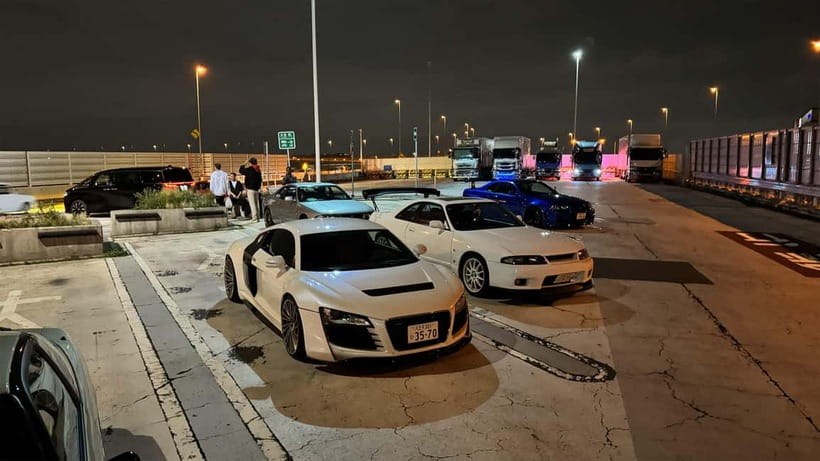
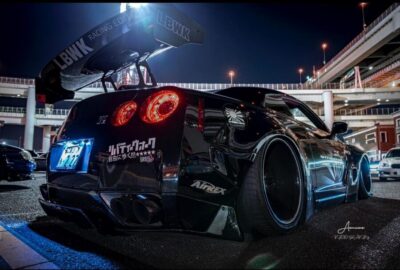
Tokyo’s best car meets are not sitting beside the usual sightseeing stops. They are scattered along expressways and waterfront roads, often late at night. This four-hour outing takes you from A Pit Autobacs to Daikoku PA and then Umihotaru PA, using a performance car rather than asking you to piece the route together by train.
I like the small group of three, the focus on actual car culture, and the chance to shop before the meets begin. I also like that the route skips familiar stops such as Shibuya and Tokyo Tower. The main caution is the price, $451 per person, plus some uncertainty over the vehicle and exact itinerary, so confirm those details before paying.
Key points to know
- Three major car stops: Visit A Pit Autobacs, Daikoku PA, and Umihotaru PA in one evening.
- Small group size: The experience is limited to three participants, making conversation with the guide easier.
- Late-night timing: Weekday departures are listed at 19:30, while weekend departures begin at 17:30.
- Akihabara pickup: Meet outside the station near atre 1, Sofmap Akiba, and GiGo.
- Vehicle details need checking: The experience is described as using an LBWK Silhouette R35 GTR, but the included vehicle information also names a Bentley Continental GT Speed, widebody Audi R8, or Toyota GR86.
- High price for a short tour: At $451 per person for four hours, this suits serious car fans more than casual sightseers.
Why this Tokyo car tour is different
This is not a general Tokyo night tour with a quick photo stop at a sports car showroom. It is built around the places where Japan’s modified-car scene gathers after dark.
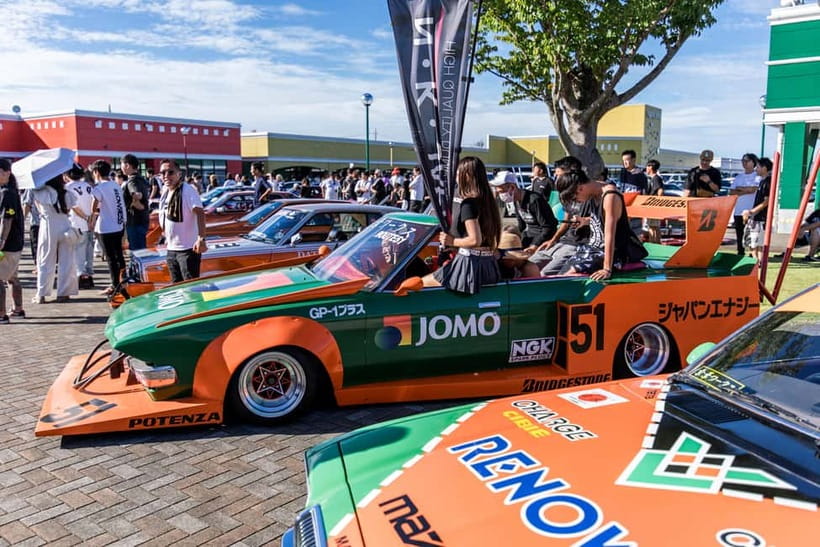
The route begins in Akihabara, but the main event is outside central Tokyo. You travel to A Pit Autobacs, Daikoku Parking Area, and Umihotaru Parking Area. Those locations matter because each offers a different look at the scene: retail culture, a famous roadside meet, and a dramatic ocean setting.
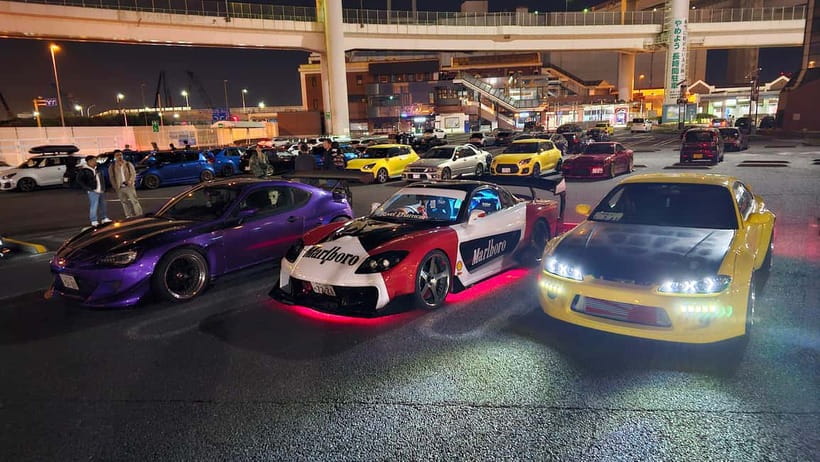
You are not simply being driven past these places. The plan allows time to stop, browse, look at cars, and talk with the guide. That is important in a car culture where the details matter: body kits, wheels, engine work, paint, stance, and the mix of old and new Japanese performance cars.
The operator presents this as the only tour that visits all three of Tokyo’s biggest meets in one outing. That claim is difficult to verify independently, but the route is certainly more focused than a standard city tour. You spend your limited evening on car culture rather than paying for a ride to places you can reach cheaply by train.
More Tokyo JDM and car meet nights:
- GT-R35 800hp Club Membership – secret underground car meet
★ 4.8 · 998 reviews - Tokyo: Fast & Furious Tokyo Drift 3 Experience (Kaila Yu SP)
★ 4.8 · 947 reviews - Tokyo: Daikoku JDM Car Meet & Night Car Culture Tour
★ 4.8 · 626 reviews
Starting at Akihabara Station after dark
The meeting point is outside Akihabara Station, in front of atre 1, Sofmap Akiba, and GiGo. This is a busy part of Tokyo, so allow enough time to find the correct side of the station and identify the guide before the departure time.
Weekday departures are listed for 19:30. Weekend departures begin earlier, at 17:30. That difference matters. If you want the full late-night feel, a weekday start may suit you better. On a weekend, the earlier departure gives you more time for the stops, but traffic and the timing of each meet can still affect the evening.
The guide speaks English and Japanese. Individual bookings have been led by guides named James and Shawn, while the host is identified as Jay’s Domestic Market by MrBoost. The guide’s role matters here more than on a simple transfer. A good guide can explain what you are seeing, help you understand local car styles, and tell you which details are worth noticing.
The group is limited to three participants. That is a useful size for a car-focused tour. You can ask questions without trying to speak over a busload of people, and the guide can keep the outing moving when the locations change.
A Pit Autobacs: the pre-meet with shopping built in
A Pit Autobacs is the first major stop. The store is described as one of Japan’s largest car merchandise shops, and it serves as the evening’s pre-meet.
This stop gives you a useful introduction to Japan’s car scene before you reach the parking areas. You can browse car parts, branded goods, accessories, and other merchandise. The store also has a Starbucks, which gives you a simple place to get a drink during the first part of the outing.
I like this stop because it adds context. Daikoku PA may be the famous name, but a major automotive shop shows the commercial side of the culture. You see what enthusiasts buy, what brands are promoted, and how car interest is treated as a serious hobby rather than a small side attraction.
It is also the easiest stop for souvenirs. If you want car-related clothing or merchandise, this is more useful than hoping to find something at a roadside parking area. Personal spending is not included, so set aside extra money if shopping is part of your plan.
Do not expect A Pit Autobacs to be the same as the outdoor meets. It is a retail stop, not an open-air gathering. If your only goal is to see rare cars, you may find it less exciting than Daikoku. If you like both the products and the people behind the culture, it gives the evening a stronger start.
Daikoku PA, Tokyo’s famous car-meet stop
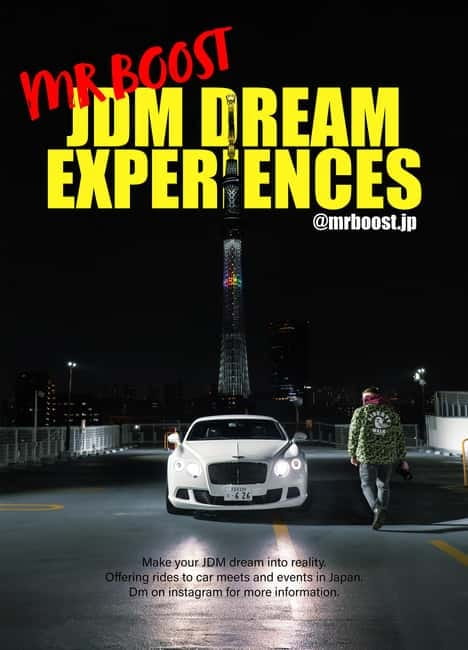
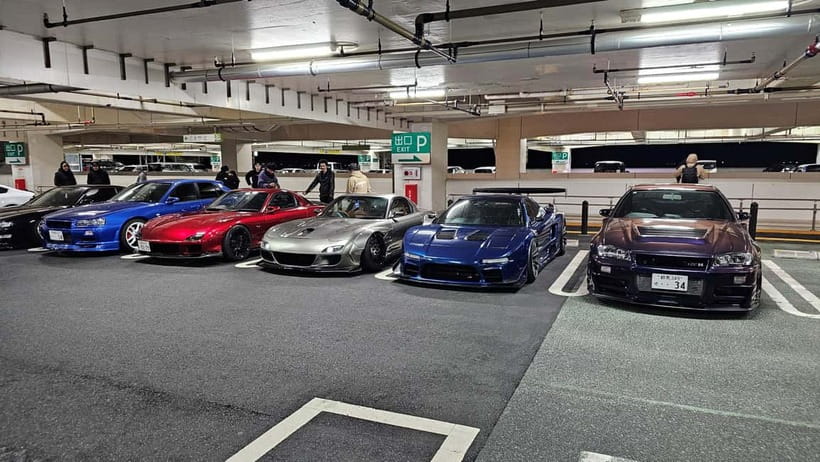
Daikoku PA is the centerpiece of the route. It is famous among car fans for late-night gatherings featuring Japanese performance cars, tuned imports, and unusual custom builds.
The attraction is not a fixed museum display. The cars present can change from night to night, and there is no guarantee that a particular model will appear. That uncertainty is part of the appeal, but it also means you should not book expecting a specific car.
You may see JDM builds, widebody conversions, unusual wheels, and styles that are hard to encounter in an ordinary Tokyo shopping district. The setting is a working highway rest area, so the atmosphere is more informal than a ticketed car show.
The planned stay lasts until the police shut the meet down. That wording tells you something useful: the gathering is not fully controlled by the tour operator. Police activity, traffic, weather, and the number of cars present can all change the timing.
That unpredictability is worth keeping in mind. On one night, Daikoku may feel packed with interesting cars. On another, it may be quieter or end earlier. A wet evening does not automatically ruin the experience. One booking took place in the rain and still had an enjoyable night, with the guide adapting to the conditions.
You should also follow the guide’s instructions closely. This is a public parking area connected to an expressway, not a private event venue. Stay with the group and treat the cars and their owners respectfully.
A completely different kind of day in Tokyo:
- Mt Fuji and Hakone 1-Day Bus Tour Return by Bullet Train
★ 5.0 · 26,383 reviews - 1-Day Tokyo Bus Tour
★ 5.0 · 14,250 reviews - Tokyo: teamLab Planets TOKYO Digital Art Museum Entry Ticket
★ 4.6 · 9,779 reviews - Mt Fuji & Hakone Cruise, Drum Show Bullet Train 1 Day from Tokyo
★ 4.0 · 7,413 reviews
Umihotaru PA in the middle of Tokyo Bay
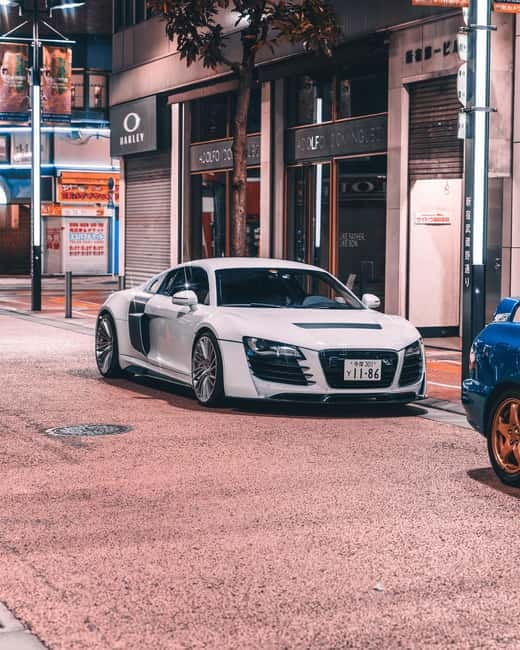
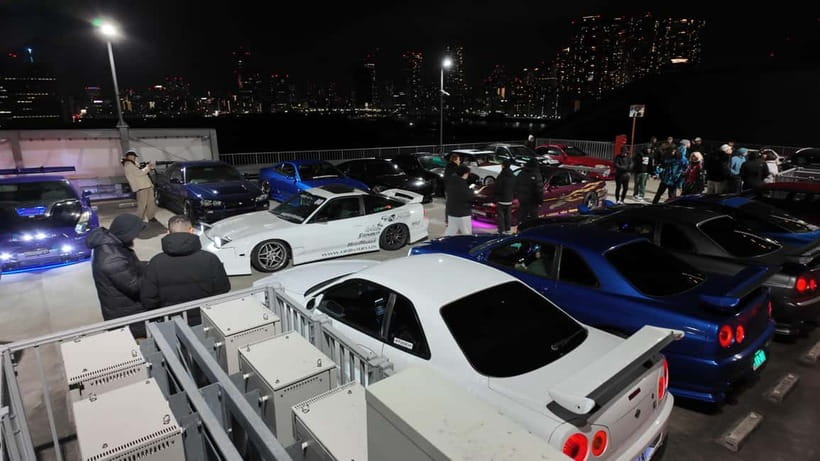
After Daikoku, the route continues to Umihotaru PA. This parking area sits in the middle of the ocean on the Tokyo Bay Aqua-Line, giving the stop a setting that is very different from Daikoku.
The location itself is the draw. You are surrounded by water rather than city streets, and the parking area offers another place to see modified cars gathering at night. The operator describes it as another major meet, so you get a second chance to see the scene if Daikoku is quiet.
Umihotaru also gives the evening a change of pace. Daikoku is known for its reputation and concentrated car culture. Umihotaru adds the unusual setting and the feeling of being far from central Tokyo, even though you are still within the metropolitan area.
The drawback is timing. With only four hours for three stops and the return to Akihabara, your time at each location may be limited. Traffic can also affect how long you spend at each stop. If you want long conversations with owners or a detailed look at every car, a longer private experience may be a better choice.
Still, including both parking areas is the strongest reason to consider this tour. You are not relying on one meet to make the night worthwhile.
The ride and the important vehicle question
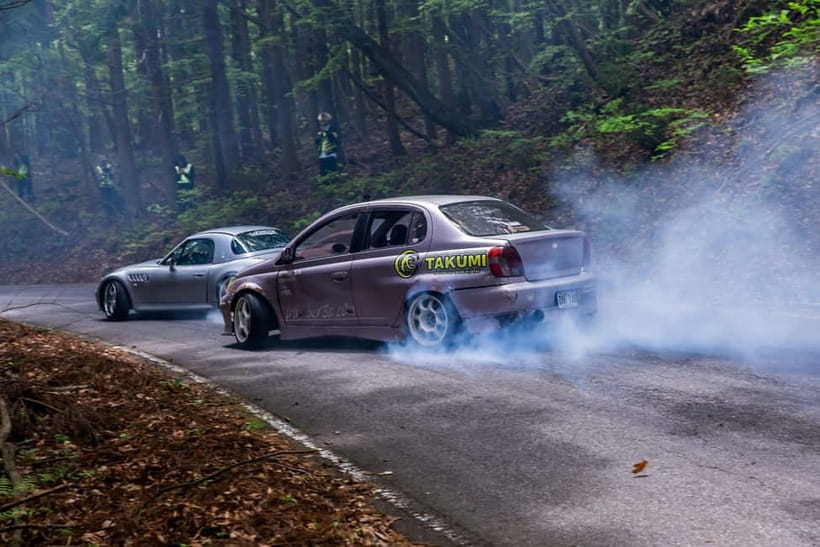
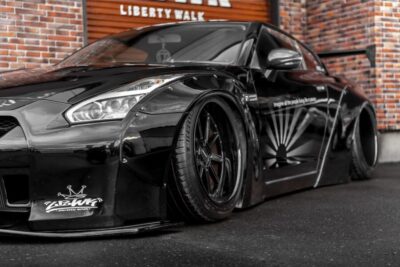
The experience is promoted as being conducted in an LBWK Silhouette R35 GTR. That is a major selling point for many enthusiasts. The Nissan GT-R name carries real weight, and an LBWK widebody build fits the visual style of the outing.
However, the vehicle information also lists a Bentley Continental GT Speed, widebody Audi R8, or Toyota GR86 as included vehicles. One booking ended up using an older Nissan Skyline instead of the vehicles described in the promotion.
That creates a real booking concern. The cars may depend on the selected package, the operator, availability, or the specific host assigned to you. Before booking, ask two direct questions:
- Which exact vehicle will be used for my date?
- Does the experience include the A Pit Autobacs, Daikoku PA, and Umihotaru PA route?
Get the answer in writing if possible. This is especially important because the price is high. A surprise change from an R35 GTR to another car could be disappointing even if the guide and meets are good.
Also note the difference between riding in a performance car and driving one. The basic description presents this as an experience in the vehicle, not necessarily a self-drive rental. The package is called Beginner Drive, but the supplied details do not clearly explain what driving, if any, is included. Ask for clarification if being behind the wheel matters to you.
Is $451 a fair price?
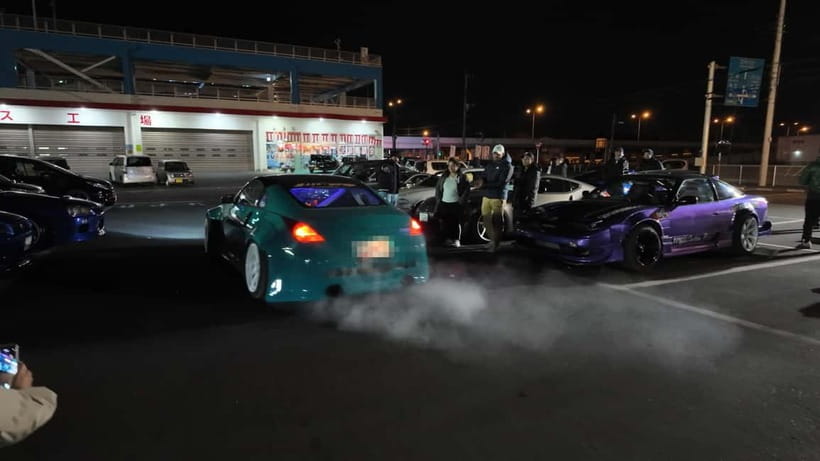
At $451 per person, this is an expensive four-hour evening. The price covers the guide, transportation, and access to a route that is difficult to organize efficiently on your own. It does not cover personal purchases or other spending.
The small group helps explain part of the cost. A maximum of three participants means you are paying for a more personal outing rather than joining a large coach. You also avoid the time and hassle of arranging late-night transport between several distant locations.
But the value depends heavily on what you receive. If you get the promised performance car, visit all three stops, and have a guide who can explain the scene, the price may feel worthwhile to a dedicated car enthusiast. If the evening becomes only a trip to Daikoku in an unexpected vehicle, the cost is hard to defend.
Cheaper car tours are available, with some alternatives described at around 12,000 to 13,000 yen. Those may offer more stops or a longer general route, though the exact vehicle and group size can differ. This outing is not the obvious bargain choice. You are paying for the small group, the vehicle presentation, and the specific three-stop plan.
For a casual visitor who simply wants to see a few Japanese cars, I would save the money. For a serious fan of JDM culture, an R35 GTR enthusiast, or someone who wants access to multiple meets without handling the logistics, the higher price may make sense.
Who will enjoy this most
I would recommend this experience to you if you:
- Follow Japanese performance cars and want to see the scene beyond central Tokyo.
- Care about modified builds, widebody styling, wheels, and tuning culture.
- Prefer a small group to a large sightseeing bus.
- Want a guide who can talk about the cars and the places you visit.
- Are comfortable with an informal evening whose results depend on the night.
- Value a distinctive vehicle as part of the experience.
I would be more cautious if you:
- Need a fixed itinerary with guaranteed sights.
- Want a long, relaxed meal or lots of time at each location.
- Are mainly interested in Tokyo landmarks.
- Expect to drive the advertised R35 GTR yourself.
- Would be upset by a vehicle substitution.
- Consider $451 too much for four hours of sightseeing.
The experience is not designed for someone who wants a broad introduction to Tokyo. It is a specialist outing. That is its strength.
Timing, food, and practical details
The full outing lasts four hours and returns to Akihabara Station at the end. The stated plan includes late-night kebabs after Umihotaru before drop-off, but personal expenses are not included. Confirm whether the meal is part of the hosted plan or simply a suggested stop, especially if you have dietary needs or a tight schedule afterward.
Smoking is not allowed. English and Japanese are available, and the tour is limited to three participants. You can reserve now and pay later, and cancellation is available up to 24 hours in advance for a full refund under the stated terms.
Because this is a night tour, wear comfortable clothes and shoes. You may spend time getting in and out of the vehicle, walking around parking areas, browsing the shop, and waiting while the group looks at cars. Weather can change the feel of the night, but rain does not necessarily cancel the car scene.
Most important, confirm the meeting point and vehicle before departure. Akihabara has several large signs and station exits, and the vehicle description needs extra attention.
Should you book this car-meet tour?
Book it if Tokyo’s car culture is one of your main reasons for visiting and you want a compact route to A Pit Autobacs, Daikoku PA, and Umihotaru PA. The small group, late-night timing, and chance to ride in a distinctive performance car make it more personal than a standard city tour.
Do not book it blindly. At $451, the exact vehicle and route matter. Ask whether your date includes the LBWK Silhouette R35 GTR, which three locations are guaranteed, and whether the Beginner Drive package means riding or actual driving.
My call: strong choice for serious car fans, weak value for casual sightseers. If the operator confirms the advertised car and full itinerary, this can be a memorable night built around real Tokyo car culture. If those details remain vague, choose a cheaper tour or a longer private option.
FAQ
Where does the tour begin?
The meeting point is outside Akihabara Station, in front of atre 1, Sofmap Akiba, and GiGo.
What time does the tour start?
Weekday departures are listed at 19:30. Weekend departures are listed at 17:30.
How long does the experience last?
The tour lasts four hours.
Which places does the route visit?
The planned route includes A Pit Autobacs, Daikoku PA, and Umihotaru PA.
How many people can join?
The group is limited to three participants.
Which languages are available?
The guide service is available in English and Japanese.
Is food included?
The plan includes late-night kebabs after Umihotaru before returning to Akihabara, but personal expenses are not included. Confirm the meal details before booking.
Can I cancel the booking?
You can cancel up to 24 hours in advance for a full refund under the stated cancellation terms.
Newly reviewed around Tokyo
- Tokyo Asakusa:Calligraphy & Make T-shirt Activity★ 5.0 · 62 reviews
- Intercity Shuttle, Tokyo to Haneda /Narita /Yokohama /Makuhari★ 5.0 · 5 reviews
- 1 Hour Travel around Tokyo with a Professional Photographer★ 5.0 · 3 reviews
- Travel Tokyo with Your Own Personal Photographer★ 5.0 · 43 reviews
- Train in Samurai Swordsmanship and Defeat the Demon in Tokyo★ 5.0 · 5 reviews
- Shuttle Van 6hr Tokyo Tour to-and-from Tokyo, Yokohama and Narita★ 5.0 · 9 reviews
- Kickboxing & Body Training with EX-Pro Fighter★ 5.0 · 4 reviews
- Traditional Japanese Knife Sharpening Class★ 5.0 · 18 reviews
Tokyo JDM Car Culture Tours, compared.
GT-R35 800hp Club Membership – secret underground car meet
Read our review →
Fast & Furious Tokyo Drift 3 Experience (Kaila Yu SP)
Read our review →
Secret Car Meet: R34 Skyline Car Club Membership
Read our review →
Tokyo Drift: Daikoku PA Supreme Car Experience 大黒PA
Read our review →
Go Daikoku PA Fast & Furious 3 Sports Car Meetup
Read our review →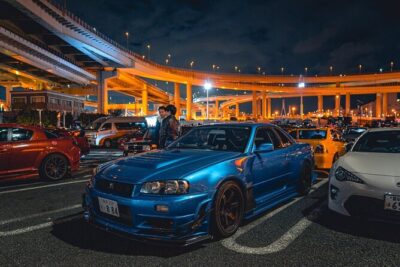
Browse the lists this tour appears in