
Reviewed · TOKYO FOOD TOURS
Tokyo: Shibuya Food Tour, Neon Lights & Local Flavors
Shibuya is best understood on foot, one snack and one glowing street at a time. This evening tour starts with Hachiko and Shibuya Crossing, then moves through Miyashita Park, Center Gai, a convenience store, Don Quijote, and Tokyu Hands. You get the famous sights, but also the everyday food shops that give the district its character.
I like the easy mix of four food tastings and neighborhood exploring. I also like that the small group keeps the night personal, with an English and Spanish bilingual guide leading the way. The main drawback is the amount of walking, and the tour is not suitable for wheelchair users.
Key Points at a Glance
- Begin beside Hachiko: Meet at Hachiko Square, next to the famous statue, at least 10 minutes before departure.
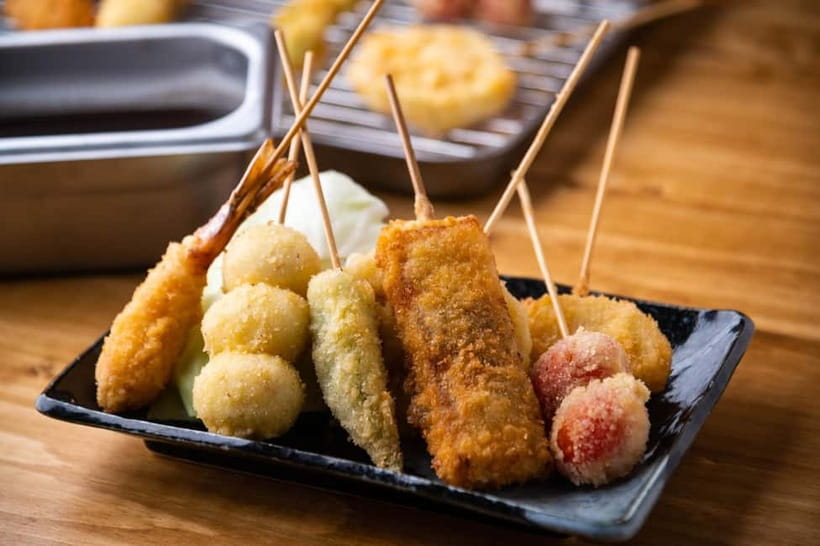
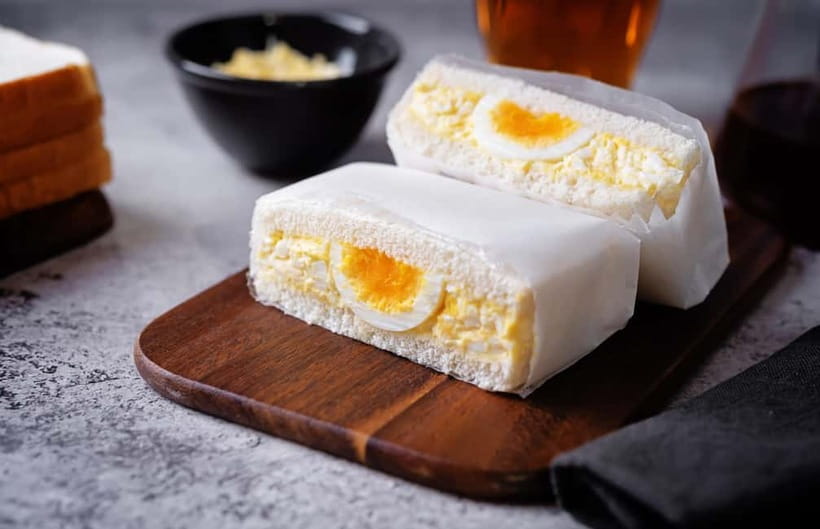
- Taste everyday Japanese favorites: Try items such as onigiri, egg sandwiches, fried chicken, sponge cake, takoyaki, or a Korean-style corndog along the route.
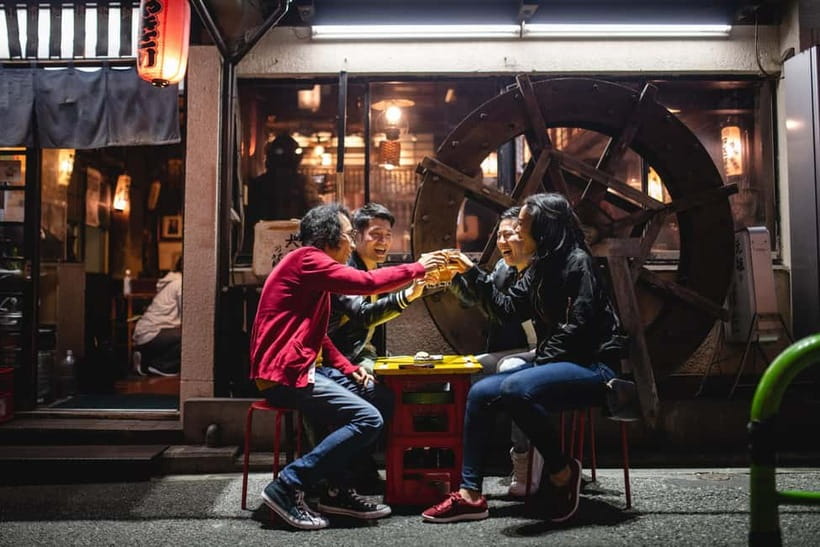
- See Shibuya after dark: Walk through Center Gai and the neon-lit streets when the district is at its most energetic.
- Browse more than food: Don Quijote offers quirky snacks and souvenirs, while Tokyu Hands is useful for Japanese stationery, design goods, and creative products.
- Keep the evening social: The tour uses a small group and ends back at the starting point after a café break.
- Plan for weather and walking: Comfortable shoes are essential, and the tour runs in all weather conditions.
Starting at Hachiko and Shibuya Crossing
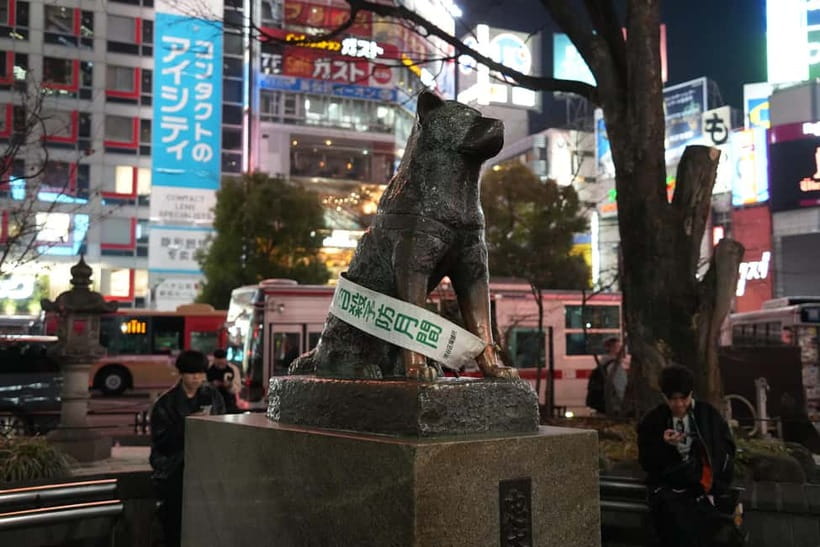
Your meeting point is Hachiko Square, beside the Hachiko statue. Look for the guide holding an Amigo Tours sign, and arrive at least 10 minutes early for check-in. This is a busy place, so giving yourself extra time is sensible, especially if you are unfamiliar with Shibuya Station.
Hachiko is more than a convenient landmark. The statue recalls the loyal dog associated with Shibuya, whose story made him a much-loved symbol of the city. Your guide explains that story before the walk begins, giving the first stop a human touch instead of treating it as just another photo point.
From there, you head toward Shibuya Crossing. The intersection is famous for its waves of pedestrians moving in several directions at once. You will have a chance to cross it and take in the scene from street level. The crossing is exciting, but it is also quick, so do not expect a long guided lecture in the middle of the intersection. The value comes from seeing how it fits into the surrounding streets.
This opening works well for first-time visitors. You get your bearings in one of Tokyo’s best-known districts, then move into the smaller food and shopping stops that make the area easier to understand.
More things to do in Shibuya:
- Official Street Go-Kart in Shibuya
★ 5.0 · 3,435 reviews - Tokyo: Street Kart Experience in Shibuya
★ 4.9 · 1,484 reviews - Shibuya Meltdown Nightlife Tour: All-You-Can-Drink Bar Hopping
★ 5.0 · 1,058 reviews
Miyashita Park and Shibuya’s Newer Face
The route continues to Miyashita Park, an urban park with shops, restaurants, and a rooftop park. It offers a different view of Shibuya from the packed streets below. Instead of only seeing neon signs and crowds, you get a sense of how the district has added modern public spaces above its commercial core.
The park is a useful contrast to Center Gai. It has room to pause, look around, and take photographs, while the streets later in the evening feel tighter and louder. The stop also shows how Shibuya combines shopping, food, recreation, and city views in a relatively compact area.
Do not expect a long park visit or a quiet nature walk. This is still a city tour, and the emphasis remains on food, street life, and the changing mood of Shibuya after dark. If you enjoy seeing how Tokyo repurposes limited space, Miyashita Park adds real value.
Four Tastings, From Convenience Store Classics to Street Food
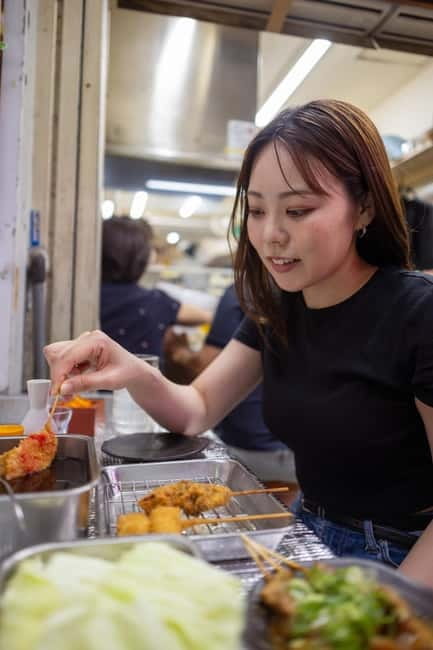
Food is the main reason to book this tour. Four iconic Tokyo dishes are included, with the route featuring several familiar Japanese and Japanese-style favorites.
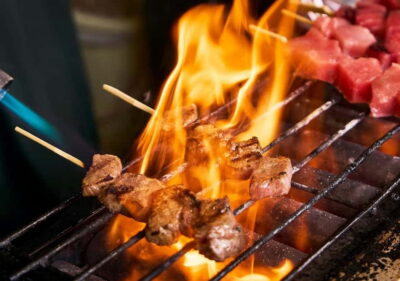
One stop is a Japanese konbini, or convenience store. These shops are a normal part of daily life in Japan, but they can be surprisingly interesting for first-time visitors. The tasting may include an egg sandwich, onigiri, and crispy fried chicken. These are not formal restaurant dishes. They are quick, affordable foods that show how carefully Japan handles simple ingredients and portable meals.
Onigiri is especially useful to try with a guide. These rice balls come in different shapes and fillings, and they are among the most common foods for a quick meal in Japan. A guide can help you understand what you are picking up and how it fits into ordinary Japanese eating habits.
The tour also includes a Korean-style corndog or takoyaki. Takoyaki are small, hot batter balls traditionally associated with octopus and topped with sauces and other additions. The corndog offers a different style of street snack, with a crisp outside and soft center. The exact food choice may depend on the stop and availability, so treat the route as a tasting adventure rather than a fixed restaurant menu.
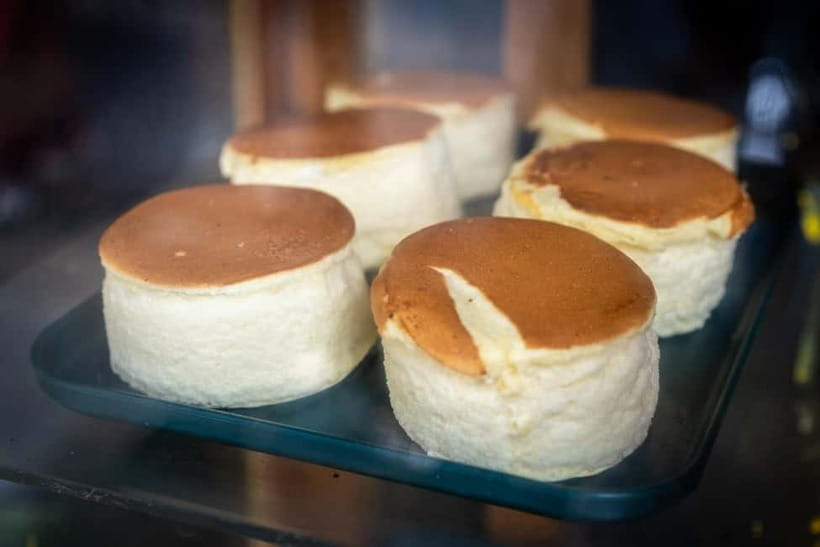
You may also try Japanese sponge cake. Its light, soft texture gives the food portion some variety after salty snacks and fried items. The route is not designed to replace dinner, though. Additional meals and drinks are not included, and four tastings may leave you satisfied without making you full for the entire evening.
If you have dietary restrictions, tell the operator ahead of time. The information says these needs can be accommodated with prior notice, but you should not wait until the meeting point to ask.
Center Gai and Shibuya After Dark
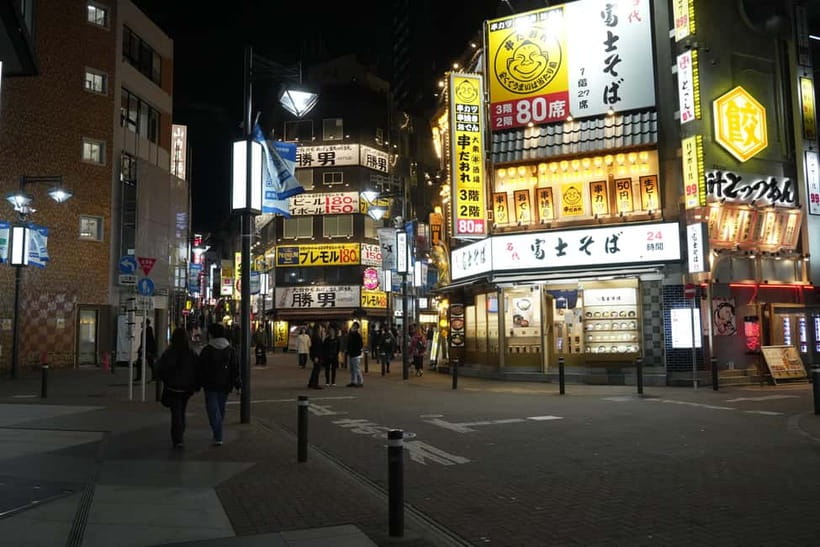
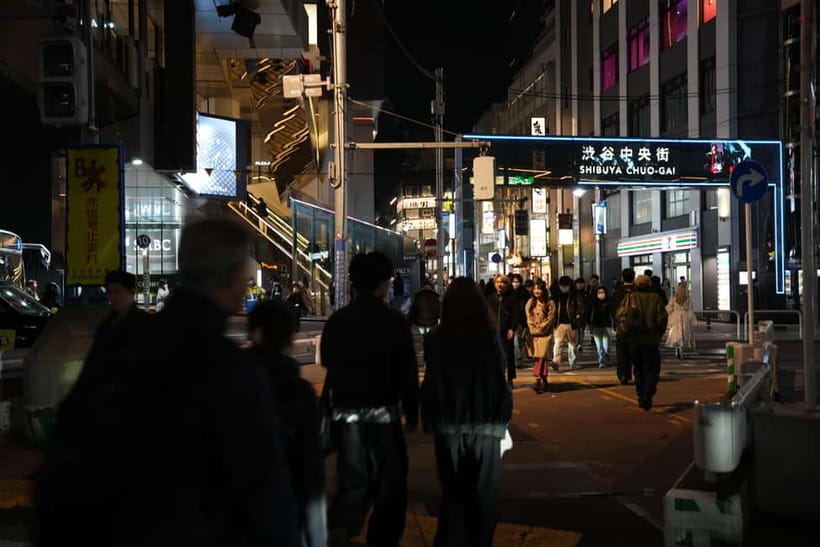
Center Gai is one of Shibuya’s busiest streets, lined with shops, restaurants, signs, and nightlife. This is where the tour’s evening timing matters most. In daylight, you see a major shopping district. After dark, the colored signs and steady foot traffic change the mood completely.
I like this part of the route because your guide gives you a reason to keep walking instead of simply dropping you into the crowds. The food stops break up the street scenes, and the group format helps you stay oriented.
The district can also feel crowded and noisy. If you prefer quiet neighborhoods or slow restaurant meals, this will not be the calmest evening in Tokyo. Keep your belongings secure, stay close to the group, and wear shoes that can handle several hours on pavement.
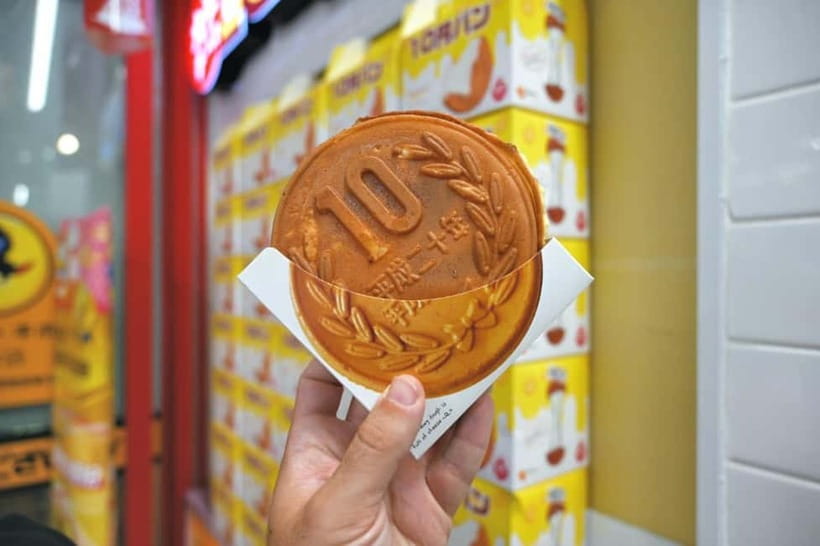
The tour includes a chance to grab a 10-yen coin as a small keepsake. It is a playful detail, and it gives you something inexpensive to remember the evening by. Personal purchases are not included, so bring money if you want to buy one or pick up other items along the way.
More Tokyo food tours:
- Tokyo: Shinjuku Food Tour (13 Dishes at 4 Local Eateries)
★ 5.0 · 6,603 reviews - Tokyo: Shinjuku Food Tour (15 Dishes and 4 Eateries)
★ 4.9 · 2,033 reviews - Best of Shinjuku: Izakaya Food Tour (4 Stops, 14+ Tastings)
★ 5.0 · 1,863 reviews - Tokyo Night Foodie Tour in Shinjuku – Seasonal Sushi, Wagyu Beef
★ 5.0 · 1,161 reviews
Don Quijote: A Shop Worth Getting Lost In
Don Quijote is one of Japan’s best-known discount stores, and the Shibuya location is a lively stop for snacks, odd products, gifts, and souvenirs. The shelves can feel packed, the product range is wide, and the store rewards curiosity more than a strict shopping list.
This is a good place to see the practical side of Japanese retail. You might find packaged treats, small gifts, beauty products, household goods, and amusing items that are hard to categorize. The stop can also help you choose edible souvenirs without committing to a formal department store.
The drawback is sensory overload. Don Quijote is not a calm browsing environment, and it is easy to lose track of time. Let your guide set the pace. If you see something you want, make a quick note of it, but remember that personal expenses are extra.
For many people, this may be one of the most entertaining stops because the store feels very different from a standard souvenir shop. It shows a playful, practical side of Tokyo that polished landmarks cannot provide.
A Small Onigiri Stop and the Last Shopping Stop
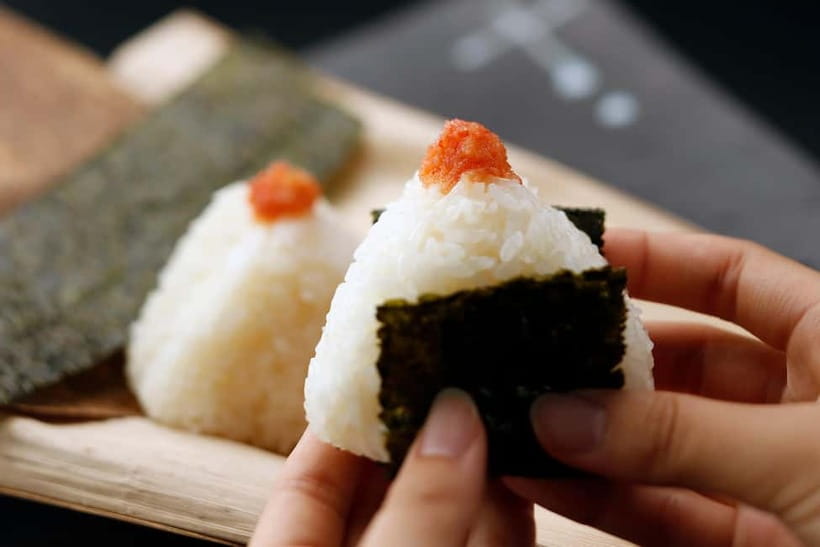
After Don Quijote, the group visits an onigiri stand. This gives you another chance to try one of Japan’s most familiar foods, this time in a more focused setting than the convenience store tasting.
The value here is repetition with context. Sampling onigiri early in the route gives you a basic introduction. Trying it again at a dedicated stand lets you compare the experience and pay more attention to fillings, texture, and preparation. It is a simple food, but that simplicity is part of its appeal.
The next stop is Tokyu Hands, a popular destination for Japanese design, stationery, and creative goods. This is a better stop for shoppers who prefer useful or beautifully made objects over novelty souvenirs. You might find ideas for gifts, writing supplies, craft items, or small design pieces, though the tour does not promise specific products.
Tokyu Hands also gives the evening a calmer shopping note after the noise of Center Gai and Don Quijote. You can browse with a different purpose, looking at the details of Japanese retail design rather than just hunting for snacks.
Ending With Café Time
The tour finishes with a break in a cozy café before returning to the original meeting point. This pause gives you time to sit down, sort through the evening’s impressions, and ask your guide last questions about the neighborhood or food.
The café stop is a useful feature because the route includes plenty of walking and standing. It does not replace a full dinner, and additional drinks or food are not included unless specifically part of the four tastings. Still, a seated break can make the evening feel less rushed.
Ending back at Hachiko Square is practical. You do not have to find your way to a distant neighborhood after dark, and the location connects easily with the rest of Shibuya. The activity does not include transportation, so you should arrange your own way to and from the meeting point.
What the $119 Price Buys You
At $119 per person, this is not the cheapest way to eat in Shibuya. You are paying for more than four snacks. The price includes a bilingual English and Spanish guide, small-group organization, neighborhood orientation, and a planned route through several well-known and everyday places.
The value depends on how you like to travel. If you already know Shibuya, can read Japanese menus comfortably, and prefer choosing your own food, you may spend less by exploring alone. If this is your first visit, the guide can remove much of the guesswork and connect the major sights with foods you might otherwise overlook.
I consider the price easier to justify if you want a social evening rather than a restaurant meal. You are paying for structure and local guidance, not a large dinner. Budget separately for anything you want to buy at Don Quijote, Tokyu Hands, or the 10-yen coin stop.
The four tastings are the strongest part of the value. Past participants rated the experience 4.4 out of 5, with six available comments giving it the top score. The repeated praise focuses on the food, the quality of the places visited, and the guide’s explanations. That pattern suggests you should book this for guided tasting and neighborhood discovery, not for luxury dining.
Who Will Enjoy This Shibuya Food Walk
This experience suits first-time Tokyo visitors who want an introduction to Shibuya after dark. It is also a good fit if you enjoy trying small portions in several places instead of sitting in one restaurant for a full meal.
You will likely enjoy it if you want:
- A simple way to see Hachiko, Shibuya Crossing, Miyashita Park, and Center Gai in one evening
- Help choosing familiar Japanese snacks
- A small-group setting with English or Spanish support
- Time for shopping and souvenir browsing
- An evening activity that mixes food, street scenes, and local retail
It is less suitable if you want a quiet food experience, a long dinner, or a wheelchair-accessible route. The walking is central to the activity, and the tour operates in all weather, so dress for the forecast.
Bring comfortable shoes and a camera. An umbrella or rain layer is wise when conditions look uncertain. Since this is a night walk, a small bag that stays close to your body is more practical than bulky luggage.
Should You Book It?
Book this tour if you want Shibuya explained through its everyday food, shopping streets, and neon-lit energy. The best parts are the convenience-store tastings, the onigiri stops, the range of shops, and the guide’s help connecting famous places with ordinary Tokyo habits.
Skip it if you would rather explore independently or need a low-walking itinerary. At $119, it is a guided introduction rather than a bargain meal. For a first evening in Shibuya, though, the combination of four tastings, small-group support, and a route that returns to Hachiko Square makes it a practical choice.
FAQ
Where does the Shibuya food tour start?
The tour starts at Hachiko Square, next to the Hachiko statue. The guide waits with an Amigo Tours sign.
How early should I arrive?
Arrive at least 10 minutes before the departure time for check-in.
Where does the tour end?
The activity ends back at the original meeting point near Hachiko Square.
What languages are available?
The tour is offered with an English and Spanish bilingual guide.
How many foods are included?
The tour includes tastings of four iconic Tokyo dishes.
What foods might I try?
The route includes foods such as onigiri, Japanese sponge cake, an egg sandwich, crispy fried chicken, takoyaki, or a Korean-style corndog.
Are additional meals and drinks included?
No. Additional meals and drinks not mentioned in the tour are not included.
Can dietary restrictions be accommodated?
Yes, dietary restrictions can be accommodated when you provide notice in advance.
Is the tour suitable for wheelchair users?
No. The activity is not suitable for wheelchair users.
What should I bring?
Wear comfortable shoes because the tour involves walking. You may also want to bring a camera, and you should dress appropriately because the tour operates in all weather conditions.
Newly reviewed around Tokyo
- Tokyo Asakusa:Calligraphy & Make T-shirt Activity★ 5.0 · 62 reviews
- Intercity Shuttle, Tokyo to Haneda /Narita /Yokohama /Makuhari★ 5.0 · 5 reviews
- 1 Hour Travel around Tokyo with a Professional Photographer★ 5.0 · 3 reviews
- Travel Tokyo with Your Own Personal Photographer★ 5.0 · 43 reviews
- Train in Samurai Swordsmanship and Defeat the Demon in Tokyo★ 5.0 · 5 reviews
- Shuttle Van 6hr Tokyo Tour to-and-from Tokyo, Yokohama and Narita★ 5.0 · 9 reviews
- Kickboxing & Body Training with EX-Pro Fighter★ 5.0 · 4 reviews
- Traditional Japanese Knife Sharpening Class★ 5.0 · 18 reviews
Tokyo Food Tours, compared.
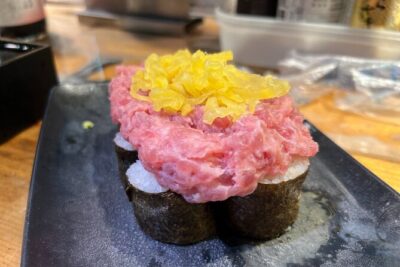
Shinjuku Food Tour (13 Dishes at 4 Local Eateries)
Read our review →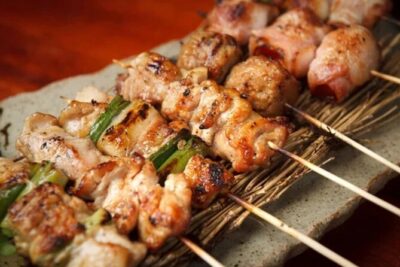
Shinjuku Food Tour (15 Dishes and 4 Eateries)
Read our review →
Best of Shinjuku: Izakaya Food Tour (4 Stops, 14+ Tastings)
Read our review →
Tokyo Night Foodie Tour in Shinjuku – Seasonal Sushi, Wagyu Beef
Read our review →
Eat and Drink Like a Local: Tokyo Ueno Food Tour-Taverns&Ramen
Read our review →
Tsukiji Fish Market: Street Food & Culture Walking Tour
Read our review →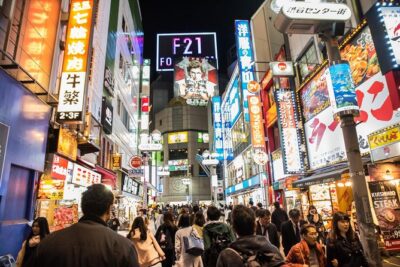
Browse the lists this tour appears in