
Reviewed · TOKYO FOOD TOURS
Tokyo: Private Personalized Local Food Tour
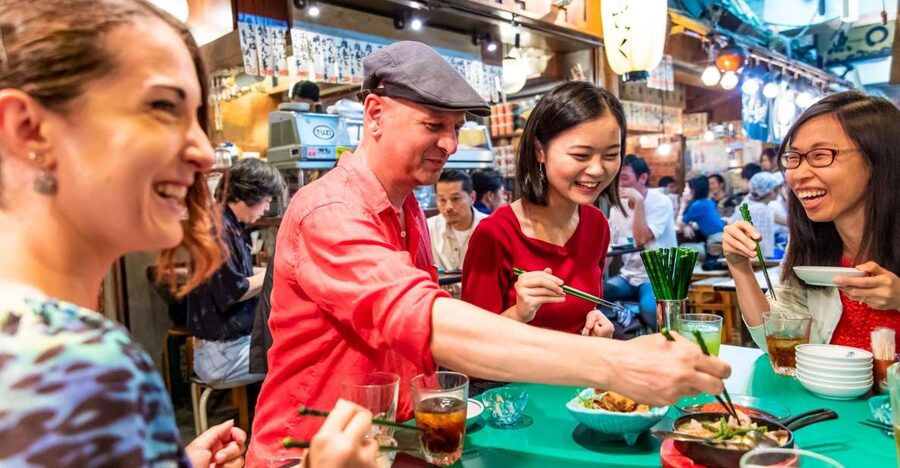
Tokyo’s best food moments often happen in small places you would walk past alone. This private tour lets your host guide you into neighborhood izakayas, yatai-style stops, ramen shops, and quiet alleys, with 8 to 10 dishes and drink tastings along the way. I like the personal route and the chance to see everyday Tokyo, not just famous food streets.
I also like the useful local help. Guides such as Apy, Mari, Steven, Amir, and Michael have helped visitors understand menus, customs, rail travel, and what to eat next. The tradeoff is that the route is flexible, not a fixed checklist, and extra food, drinks, taxis, and train fares cost more than the $172 tour price.
Key points at a glance
- Your host plans around you: A questionnaire covers your food preferences, interests, personality, and preferred pace before the meeting.
- Expect two or three eateries: The three-hour walk includes 8 to 10 local dishes plus drink tastings.
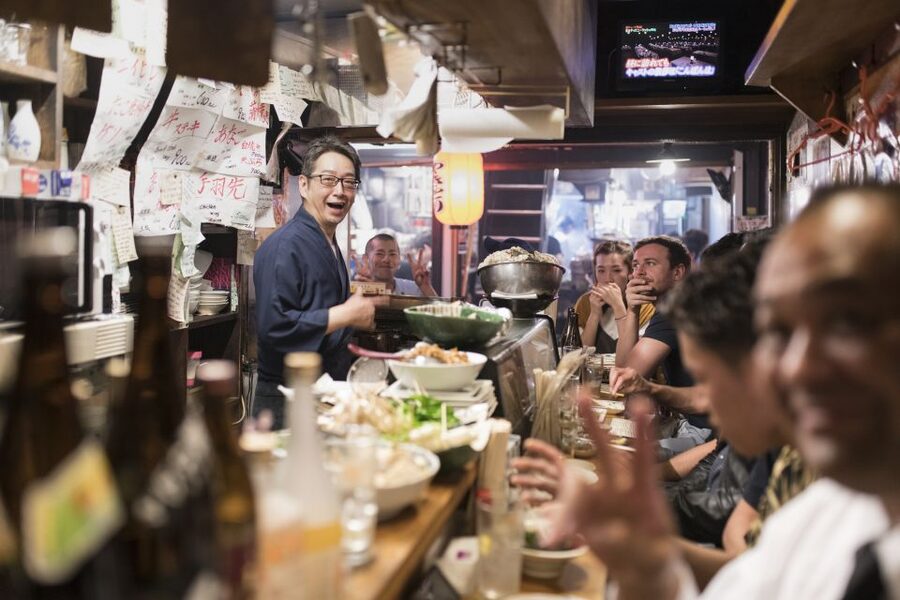
- Neighborhood food is the focus: Possible settings include Nakano, Tsukiji, Ueno’s Ameyoko area, Shibuya, and other local districts, depending on your host and interests.
- Good for first-time Tokyo visitors: Your host can explain ordering customs, local dishes, and train connections as you eat.
- Private means flexible: You can ask for comfort food, unfamiliar dishes, vegetarian choices, family-friendly options, or a less touristy route.
- Budget beyond the headline price: The $172 per-person cost covers the planned food and drink tastings, but extra orders and transportation are separate.
Why this Tokyo food tour feels different
The main appeal is not simply eating Japanese food. It is having someone make sense of the setting around it.
Tokyo can be easy to admire and hard to read. A narrow staircase may lead to a six-seat izakaya. A menu may list dishes without pictures or English explanations. A restaurant may specialize in one item, and the best way to order is not always obvious. A good host smooths out those little barriers so you can pay attention to the food and the people around you.
The tour begins with a short questionnaire. You can explain what you already like, what you avoid, and what sort of evening you want. You might ask for ramen and familiar comfort food, or you might prefer small dishes, local drinks, and foods you would not select alone.
That information is used to pair you with a host who suits your interests. You then communicate directly before the tour, which is useful for clarifying dietary needs, meeting plans, and the sort of neighborhood you hope to see.
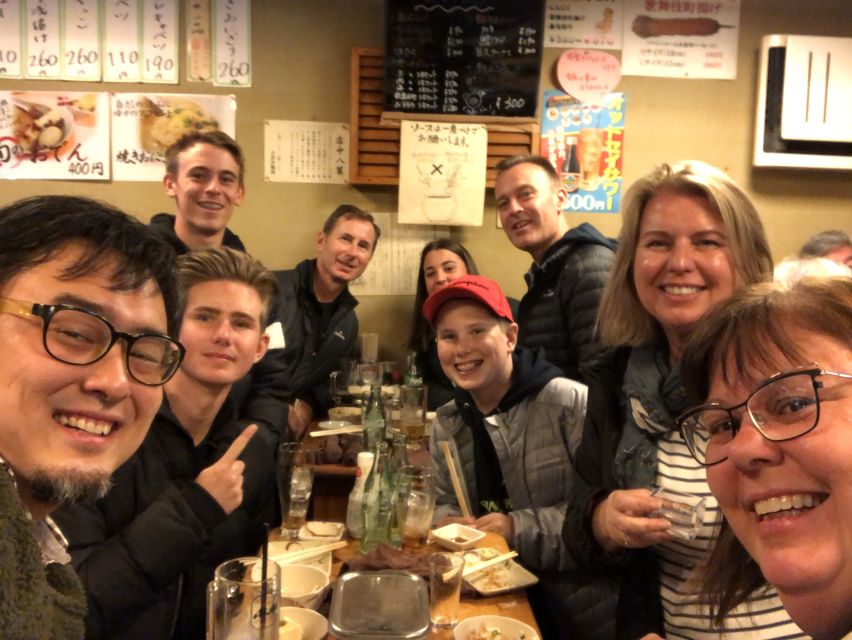
This is a private group experience rather than a large food crawl. That matters. You can pause to ask about a dish, change direction, or spend longer talking without waiting for a dozen other people.
More Tokyo food tours:
- Tokyo: Shinjuku Food Tour (13 Dishes at 4 Local Eateries)
★ 5.0 · 6,603 reviews - Tokyo: Shinjuku Food Tour (15 Dishes and 4 Eateries)
★ 4.9 · 2,033 reviews - Best of Shinjuku: Izakaya Food Tour (4 Stops, 14+ Tastings)
★ 5.0 · 1,863 reviews
Starting in Sun Mall, an alley, or another local district
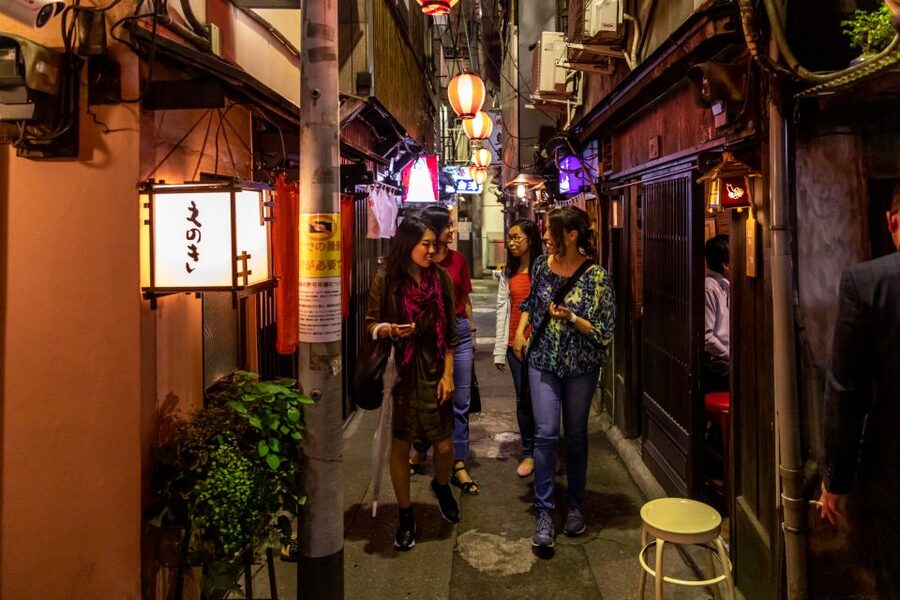
One possible beginning is Nakano’s retro Sun Mall. This covered shopping street is a practical launching point, with ramen steam, lantern light, small restaurants, and side streets nearby. Another option is a quieter alley, where you might begin with oden and sake.
The exact start is not fixed, and that is both the strength and the uncertainty of the experience. Your host may choose a route that fits your answers rather than forcing every group through the same sequence.
If you meet at JR Nakano Station, allow a little time to get oriented before the first stop. Hotel pickup can be arranged from a central Tokyo hotel, which is handy on your first evening in the city. The tour is still a walking experience, so pickup does not mean a private car will take you between restaurants.
Some routes may use public transportation or a local taxi when the next area is too far to reach comfortably on foot. Those fares are not included. Ask your host about the expected route and transport cost before the evening begins.
Eight to ten dishes across two or three eateries
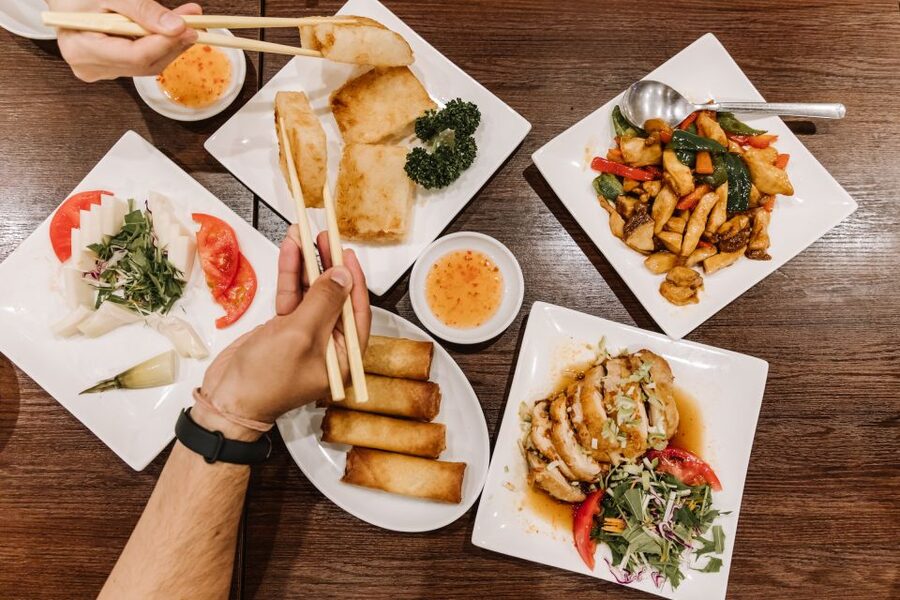
The food is served in small portions across several stops rather than as one large meal. That gives you a wider taste of Tokyo and lets your host adjust the next choice according to what you enjoy.
You might encounter:
- Ramen, especially if you want a familiar first taste of Tokyo
- Oden, a comforting dish of simmered ingredients served in broth
- Karaage, Japanese fried chicken with a crisp coating
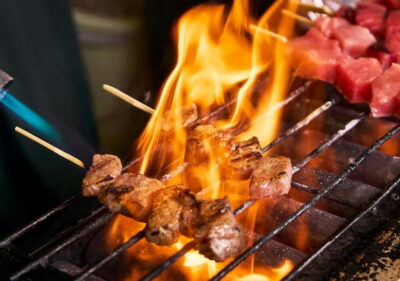
- Grilled skewers from an izakaya
- Miso eggplant
- Seasonal or neighborhood specialties
- Sake, plum wine, or another traditional drink
These examples are not a guaranteed menu. The host decides what fits your preferences, availability, and the route that evening.
The two or three restaurant format is a sensible balance. One stop gives you a proper introduction to a place, while several stops prevent the meal from becoming repetitive. You also get to compare different styles of food service, from a casual counter to a livelier izakaya.
The main drawback is appetite management. Eight to ten dishes and drinks can be a lot in three hours, especially if you arrive after a full meal. Come hungry, but do not assume every serving will be large. The experience is built around variety.
You should also tell your host about dietary restrictions as early as possible. Mari was able to assist with a dietary restriction for one guest, and another guide accommodated a vegetarian, a child, and different food preferences. That is encouraging, but advance notice gives your host a better chance to plan well.
The value of an izakaya host
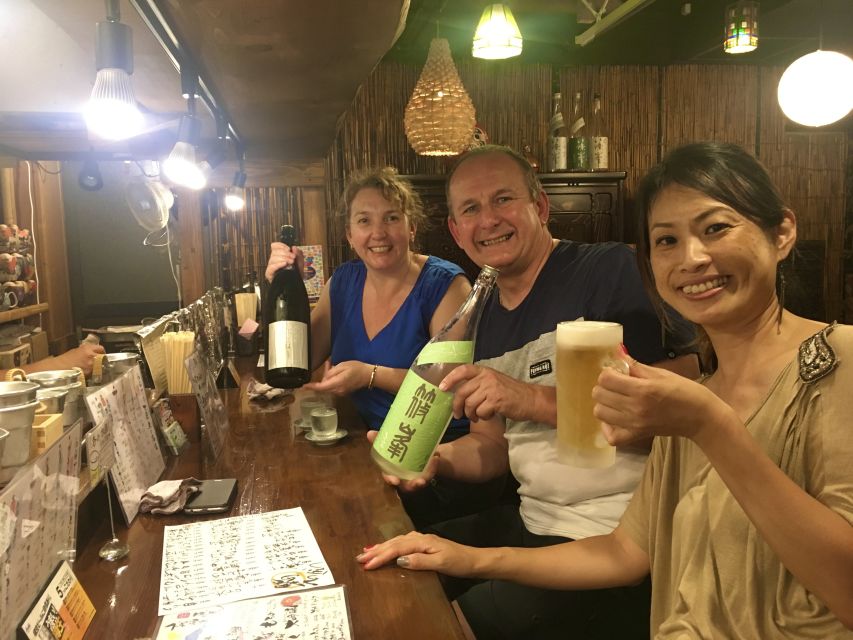
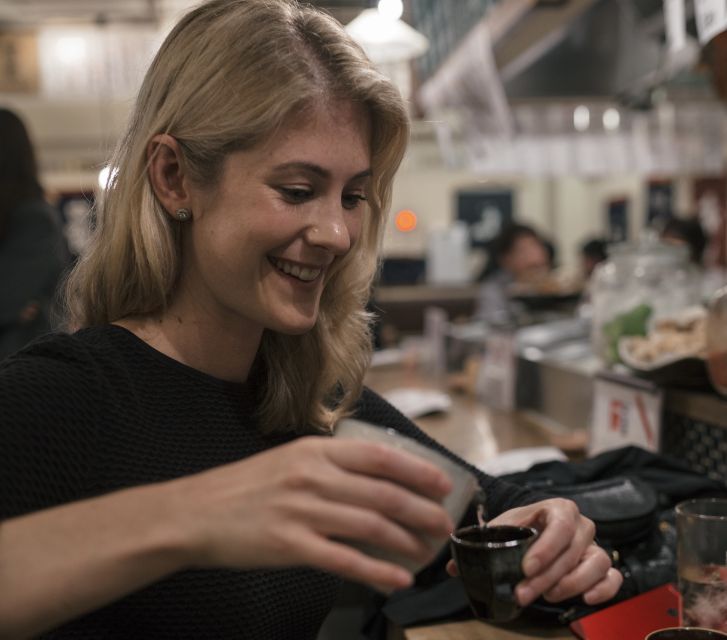
An izakaya is more than a place to order food. It is a social setting where small dishes, drinks, and conversation share the table. For a first visit, the hard part can be knowing how to enter, what to order, and how much food is sensible.
Your host can explain the dishes, point out regional connections, and help with customs. Steven, for example, explained what foods were from different parts of Japan and discussed dining etiquette while eating with his group. Another guide helped a visitor understand the Tokyo rail system, a useful lesson when the city’s stations first seem like a puzzle.
This local context is where the tour earns its keep. You can eat alone at a restaurant, but you may not learn why one dish matters, how it is normally served, or what to try the next day.
The quality can depend on the individual host. Most of the guides have been praised for friendly conversation, strong English, and practical help. One experience was less focused on local history and more like an outing with a pleasant companion. That may suit you if you mainly want company and food, but it could disappoint if you expect a formal cultural lecture at every stop.
A completely different kind of day in Tokyo:
- Mt Fuji and Hakone 1-Day Bus Tour Return by Bullet Train
★ 5.0 · 26,383 reviews - 1-Day Tokyo Bus Tour
★ 5.0 · 14,250 reviews - Tokyo: teamLab Planets TOKYO Digital Art Museum Entry Ticket
★ 4.6 · 9,779 reviews - Mt Fuji & Hakone Cruise, Drum Show Bullet Train 1 Day from Tokyo
★ 4.0 · 7,413 reviews
Possible routes around Tokyo
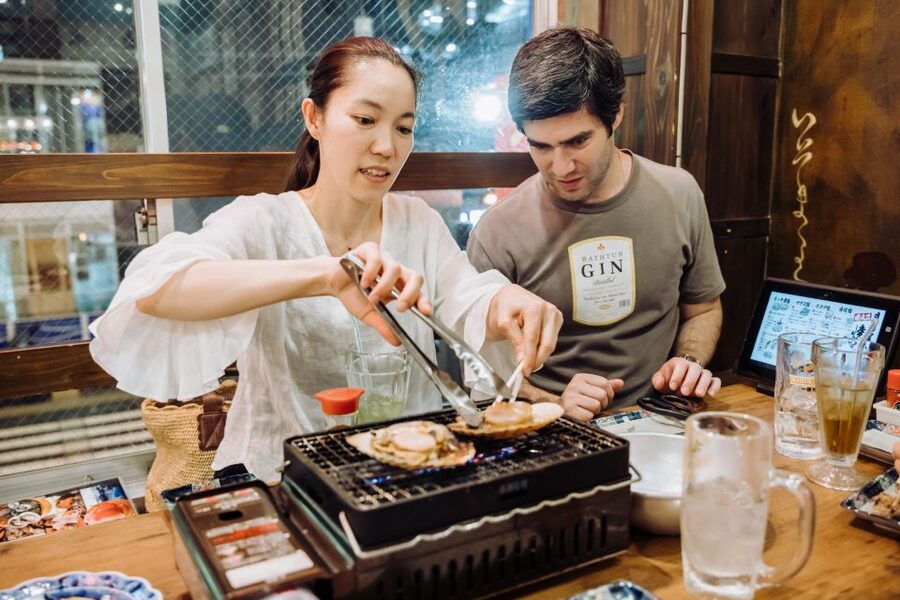
The tour can take place in different parts of the city, so you should not book it expecting one guaranteed neighborhood.
Nakano is a strong choice if you want a retro local setting and easy access to small restaurants. Its Sun Mall and backstreets offer a more everyday feel than the city’s most famous visitor zones.
Tsukiji may suit you if you want market food and an energetic start. One route began at a ramen shop just after opening, where there was already a short line. The wait was manageable, and the stop led into Tsukiji Market, with many street-food stalls nearby. If you choose this kind of route, an early start matters.
Ueno’s Ameyoko street is another possible setting. It has a different character, with compact food stalls, shops, and casual places serving Japanese dishes and sake. A route here may feel more like a food-and-street walk than a quiet izakaya evening.
Shibuya can work well if you want to stay in a lively central district. One three-hour evening there covered a broad range of Japanese food options. The advantage is convenience and energy. The disadvantage is that it may feel less removed from the city’s well-known visitor zones.
Other routes have included shrines, bonsai, cherry blossoms, and local areas that visitors would not have found without help. These extras are not guaranteed, but they show how the flexible format can add a small sightseeing layer to the meal.
What the host adds beyond the plate
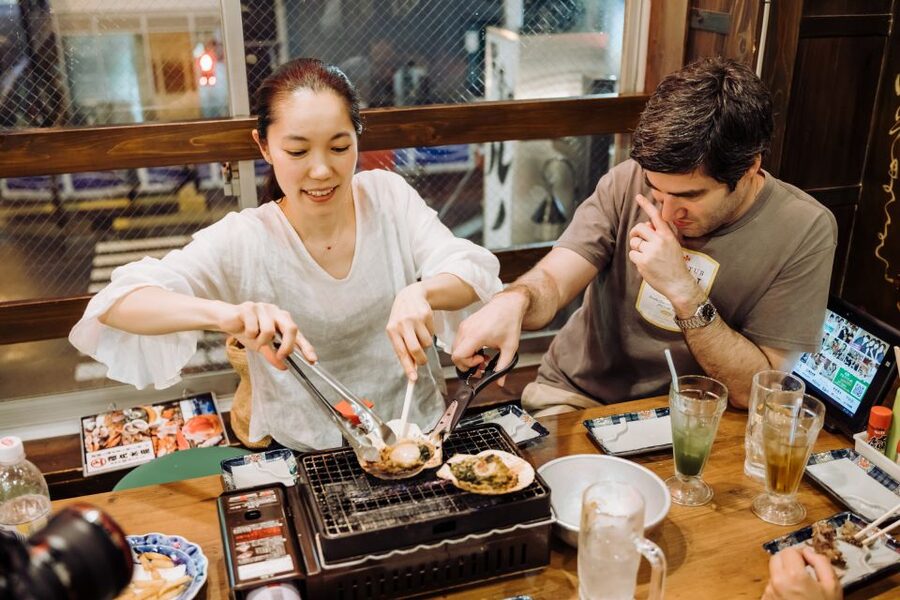
I would book this tour early in a Tokyo visit, especially if you want help getting your bearings. Several guides have helped people plan the rest of their Japan trip, suggest vegetarian ramen, explain train reservations, and recommend places to return to independently.
That makes the experience more than three hours of eating. It can give you a practical base for the rest of your stay.
A guide may also take you to places that do not appear in a standard sightseeing plan. You could learn how locals use an alley restaurant, see a small shrine, or understand why a district feels different from the next one. The best moments are likely to come from these small changes of scene.
Still, set your expectations correctly. This is not a formal historical walking tour, and the cultural detail may vary with your guide. The emphasis is food, conversation, and local orientation.
The language options are English and Japanese. English ability has been praised repeatedly, and translation help can remove much of the stress from ordering. If you have a complicated allergy or strict dietary rule, use the pre-tour communication carefully and ask your host to confirm what can be arranged.
Is $172 per person a fair price?
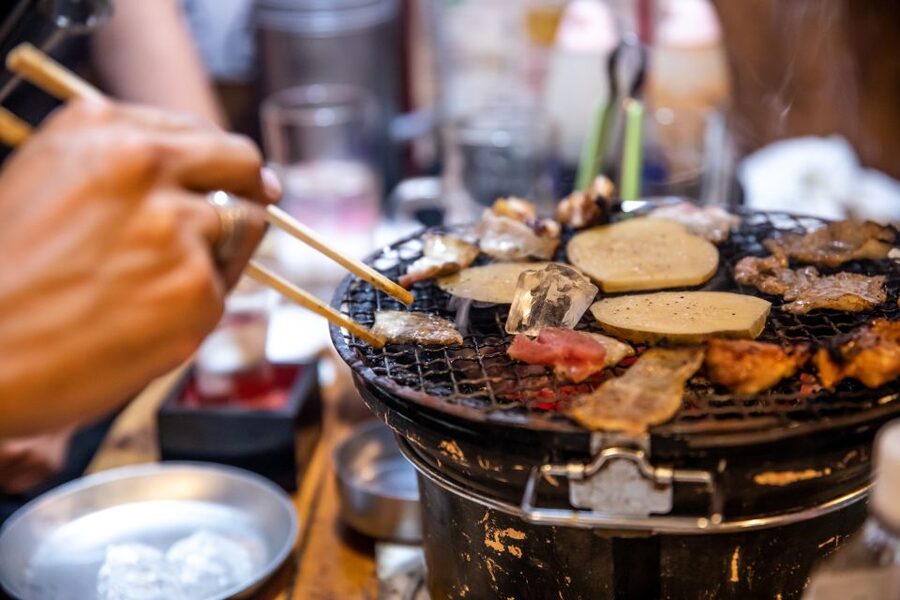
At $172 per person, this is not a cheap way to eat dinner in Tokyo. You are paying for the private format, the host’s time, planning before the tour, eight to ten dishes, drink tastings, and help navigating local restaurants.
The value is strongest for first-time visitors, families, couples, and small groups who want personal attention. If you are nervous about menus, train stations, or unfamiliar foods, the guidance can save time and prevent a hesitant evening.
It is also better value if you plan to use the advice afterward. A host may point you toward more ramen, suggest a vegetarian option, show you how to reach another district, or explain where to buy train tickets. The tour can shape several later days, not just one meal.
The value is weaker if you already know Tokyo well, speak Japanese comfortably, and enjoy choosing restaurants without help. You may prefer to spend $172 on several independent meals.
Remember that extra food and drinks beyond the included tastings are separate. Transportation is also extra when public transit or taxis are needed. Ask how much of the planned route is walkable and what dishes are included before you commit to additional orders.
Who should book this private food walk?
This experience suits you if you:
- Are visiting Tokyo for the first time
- Want local restaurant help without joining a large group
- Enjoy trying several small dishes instead of one set meal
- Need help with menus, customs, or translation
- Have a family with mixed tastes
- Want a vegetarian, adventurous, or comfort-food route
- Prefer conversation and flexibility over a strict schedule
- Want useful advice for the rest of your Japan trip
It may not suit you if you want a fixed itinerary, a guaranteed list of restaurants, or a formal food-history lecture. It is also less appealing if you dislike walking, though wheelchair accessibility is provided and the route can be discussed with your host.
The three-hour length works well on a first evening. You get a solid introduction without giving up the entire night. It can also fit neatly between other Tokyo plans, provided you leave enough time to reach the meeting point.
Practical details before you book
The price is $172 per person, and the activity lasts three hours. It is a private group tour with a live host in English or Japanese.
You can meet at JR Nakano Station, 5 Chome Nakano, Nakano City, or arrange pickup from a central Tokyo hotel. Confirm the exact meeting details after booking, since the route may change according to your answers and your host’s suggestions.
The booking includes the personalized planning questionnaire, direct communication with your host, food and drink tastings, and the host’s services. It does not include extra orders, attraction tickets, public transport, or taxis.
You can cancel up to 24 hours before the start for a full refund. Reserve-now, pay-later booking is available, which helps if your Tokyo schedule is still shifting.
Should you book it?
Book this tour if you want Tokyo food with a human guide beside you, especially at the start of your trip. The strongest reasons are the private route, the range of dishes, and the practical help with customs, translation, and transport.
I would tell your host exactly what you want before arrival. Ask for a local neighborhood if that matters to you, mention every dietary restriction, and say if you prefer ramen, izakaya dishes, market food, or unfamiliar flavors.
Skip it if you want to keep costs low or prefer to choose every restaurant yourself. But if $172 fits your budget, this is a useful way to turn a confusing first evening into a relaxed food walk, with ideas you can use long after the final drink.
FAQ
How long does the Tokyo private food tour last?
The experience lasts three hours.
How many dishes are included?
You can expect 8 to 10 local dishes, along with drink tastings.
How many restaurants does the tour visit?
The included tastings take place at two or three eateries.
Is the tour private?
Yes. It is offered as a private group experience.
What languages are available?
The live tour guide may speak English or Japanese.
Can the itinerary match my food preferences?
Yes. You receive a questionnaire about your food preferences, personality, interests, and preferred style before the tour. Your host uses the answers to plan a flexible route.
Can I request vegetarian food or mention a dietary restriction?
Yes. You should share dietary requirements in the questionnaire and with your host before the tour. The route can be adjusted to suit different food preferences.
Where does the tour meet?
You can arrange hotel pickup from a central Tokyo hotel, or meet your host at JR Nakano Station, 5 Chome Nakano, Nakano City, Tokyo 164-0001, Japan.
Is transportation included?
No. This is a walking tour. Public transportation or local taxis may be used between areas, and those costs are separate.
Can I cancel the booking?
Yes. You can cancel up to 24 hours in advance for a full refund. Reserve-now, pay-later booking is also available.
Newly reviewed around Tokyo
- Tokyo Asakusa:Calligraphy & Make T-shirt Activity★ 5.0 · 62 reviews
- Intercity Shuttle, Tokyo to Haneda /Narita /Yokohama /Makuhari★ 5.0 · 5 reviews
- 1 Hour Travel around Tokyo with a Professional Photographer★ 5.0 · 3 reviews
- Travel Tokyo with Your Own Personal Photographer★ 5.0 · 43 reviews
- Train in Samurai Swordsmanship and Defeat the Demon in Tokyo★ 5.0 · 5 reviews
- Shuttle Van 6hr Tokyo Tour to-and-from Tokyo, Yokohama and Narita★ 5.0 · 9 reviews
- Kickboxing & Body Training with EX-Pro Fighter★ 5.0 · 4 reviews
- Traditional Japanese Knife Sharpening Class★ 5.0 · 18 reviews
Tokyo Food Tours, compared.
Shinjuku Food Tour (13 Dishes at 4 Local Eateries)
Read our review →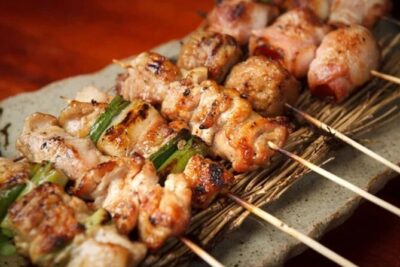
Shinjuku Food Tour (15 Dishes and 4 Eateries)
Read our review →
Best of Shinjuku: Izakaya Food Tour (4 Stops, 14+ Tastings)
Read our review →
Tokyo Night Foodie Tour in Shinjuku – Seasonal Sushi, Wagyu Beef
Read our review →
Eat and Drink Like a Local: Tokyo Ueno Food Tour-Taverns&Ramen
Read our review →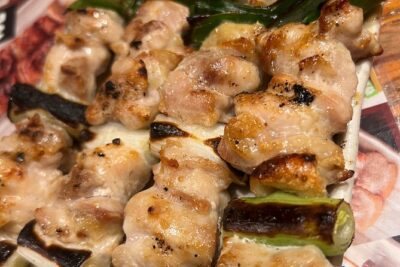
Tsukiji Fish Market: Street Food & Culture Walking Tour
Read our review →
Browse the lists this tour appears in