
Reviewed · FOOD
Tokyo: Pre Japan Planning Kit: Itineraries, Food & Survival
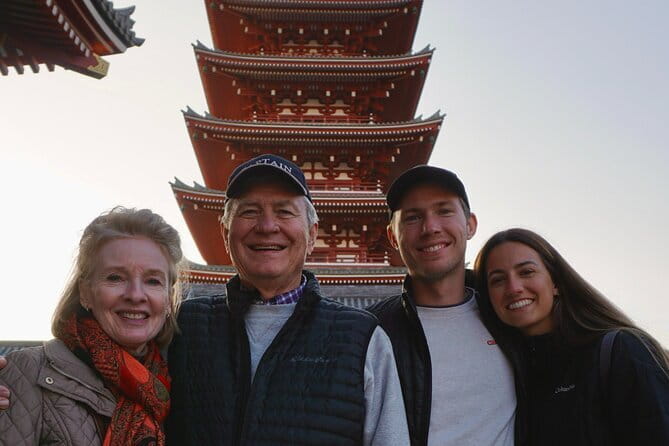
Tokyo can overwhelm you before you even arrive. This $20 digital kit gives you four days of structure, food suggestions, and basic Japanese phrases without tying you to a guide or fixed schedule. Nikolai and Kaho, a Norwegian and Japanese couple who live in Tokyo, built it around the places they like taking friends and family.
I like the practical mix: the one to four day route plans help you shape a short visit, while the restaurant guide can save you from making every meal decision on the fly. I also like the printable survival card, especially for first visits when a few simple Japanese phrases can make daily tasks less stressful.
The catch is clear: this is a set of PDFs, not a guided tour. You will not meet Nikolai or Kaho, and the supplied details do not name every stop or restaurant before purchase. Delivery can take one to three business days, so last-minute bookers should email first.
Key points to know before you buy
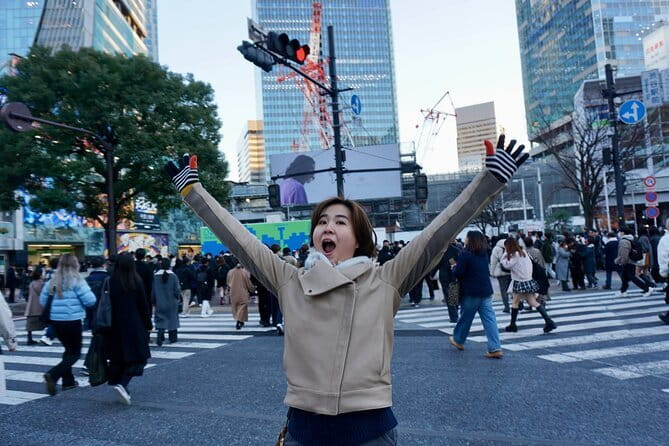
- Tokyo-based creators: Nikolai and Kaho live in Tokyo and have worked as guides before creating their own material.
- Four days of flexible planning: You receive routes for one, two, three, or four days and can adjust them to your pace.
- Food advice for budget visitors: The restaurant guide focuses mainly on affordable places in different Tokyo areas.
- A pocket-sized language aid: The Japanese survival card is designed for printing as a small business card or saving to your phone.
- No meeting and no live guide: This is a digital product, delivered by email through a private Google Drive folder.
- Strong value for groups: The $20 price covers a group of up to 15 people, not just one user.
A Tokyo plan built for independent days
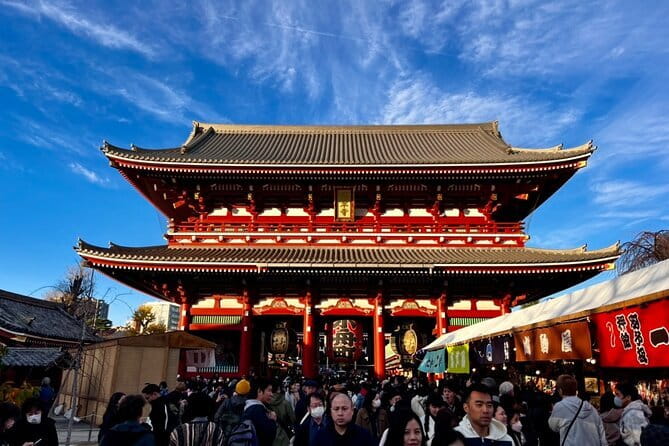
This experience is best understood as a planning shortcut. You are not paying for transport, entry tickets, or someone to lead you through Tokyo. You are paying for a ready-made framework that can cut down the time spent comparing neighborhoods, meals, and daily routes.
That matters in Tokyo because a day can easily become a string of disconnected stops. A good plan helps you group sights and food by area, leaving more time for the city itself. The material is meant to guide you, not boss you around. You can follow a full-day route, skip a stop, linger over lunch, or change the order to suit your energy.
The kit covers one to four days. That range is useful for both a quick city break and a longer Japan trip with only part of your time in Tokyo. If you have one free day, you can use a single route. If Tokyo is your main base, the four-day version gives you a fuller framework.
The information provided does not spell out every destination in advance. That limits how precisely you can judge the route before buying, especially if you already have a long list of must-see places. Still, the personal focus is intentional. Nikolai and Kaho explain that this is not meant to be an all-purpose guide for every taste. It is their own selection of places they enjoy sharing with friends, family, and visitors.
More Tokyo food tours:
- Tokyo: Shinjuku Food Tour (13 Dishes at 4 Local Eateries)
★ 5.0 · 6,603 reviews - Tokyo Tsukiji Fish Market Food and Culture Walking Tour
★ 5.0 · 3,184 reviews - Tokyo: Shinjuku Food Tour (15 Dishes and 4 Eateries)
★ 4.9 · 2,033 reviews
What the four-day format actually gives you
The listed plan begins in Shinjuku City and describes a full day of sightseeing, walking, shopping, free time, photo stops, scenic views, local snacks, regional food, breakfast, lunch, and dinner. That wording suggests a day with varied sections rather than one narrow attraction.
Shinjuku is a practical starting point. Shinjuku Station is one of Tokyo’s main transport hubs, and using it as the reference point makes sense when the creators do not know where you are staying. The meeting coordinates are provided, but you should not mistake that for a required tour meeting. There is no in-person activity. Shinjuku is simply the stated starting location for the route material.
A full day can be useful if you like having a plan from morning through evening. Breakfast, lunch, street food, dinner, and local snacks give the food guide a role in the day rather than treating meals as an afterthought. Shopping and photo stops also leave room for the ordinary pleasures of Tokyo, not just major sights.
The limitation is that you should not expect a minute-by-minute schedule from the description alone. The exact walking distances, train instructions, opening hours, and reservation advice are not provided in the available details. Check those points in the PDFs once you receive them, and keep a little spare time in your day.
The one-day route may suit a short stopover. The two-day plan can help you avoid repeating the same area. The three and four-day versions are more useful if you want to let Tokyo unfold at a gentler pace. I would treat each route as a starting frame, then mark the meals or stops that matter most to you.
Food advice that can save a tired evening
Tokyo has food at every turn, but choice is not always the same as ease. After a long flight or a day of walking, you may not want to spend an hour deciding where to eat. The restaurant guide gives you a prepared list of places across different parts of the city, with an emphasis on affordable choices.
That budget focus is one of the strongest reasons to consider the kit. A $20 purchase can be worthwhile if it helps you avoid expensive trial and error across several meals. The guide is also more useful when paired with the daily routes, since a restaurant near your planned area is easier to use than a highly praised place across town.
The material promises something for different food preferences, but it does not provide a full sample menu in the supplied details. You should therefore see it as a personal recommendation list, not a complete guide to every Japanese dish or dietary need. If you have allergies, strict food rules, or a strong preference for vegetarian, vegan, halal, or gluten-free meals, confirm the specific choices for yourself.
I like the personal angle here. Nikolai and Kaho are not presenting a giant database. They are sharing places they choose for people they know. That can make a short list easier to use, though it also means your favorite kind of restaurant may not be included.
Use the food suggestions as anchors, not obligations. Pick one or two meals from the guide each day, then leave room for a bakery, snack counter, or small restaurant you notice while walking. Tokyo rewards a little flexibility.
The Japanese survival card in your pocket
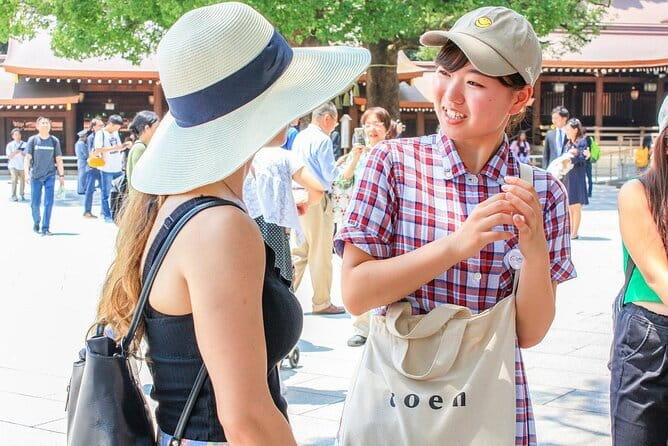
The survival card may be the smallest part of the package, but it could be the most useful on an ordinary day. It contains words and phrases described as necessary for daily travel in Japan. You can print it to business-card size or keep a mobile version on your phone.
That format is sensible. You do not want to open a long PDF every time you need a basic phrase. A small card can stay in your wallet, while the phone copy gives you a backup when the paper version is forgotten at your accommodation.
The card is not a Japanese course, and you should not expect it to replace translation tools for complex conversations. Its value is speed and confidence. Simple greetings, requests, and common travel language can help you handle small moments without freezing or reaching for your phone every time.
The materials are in English, which keeps the kit accessible to English-speaking visitors. Save the files offline before you leave your accommodation. Tokyo has excellent connectivity in many places, but a file stored on your device is more dependable than a link you must load at the right moment.
A completely different kind of day in Tokyo:
- Mt Fuji and Hakone 1-Day Bus Tour Return by Bullet Train
★ 5.0 · 26,383 reviews - 1-Day Tokyo Bus Tour
★ 5.0 · 14,250 reviews - Tokyo: teamLab Planets TOKYO Digital Art Museum Entry Ticket
★ 4.6 · 9,779 reviews - Mt Fuji & Hakone Cruise, Drum Show Bullet Train 1 Day from Tokyo
★ 4.0 · 7,413 reviews
Why the self-guided format can work well
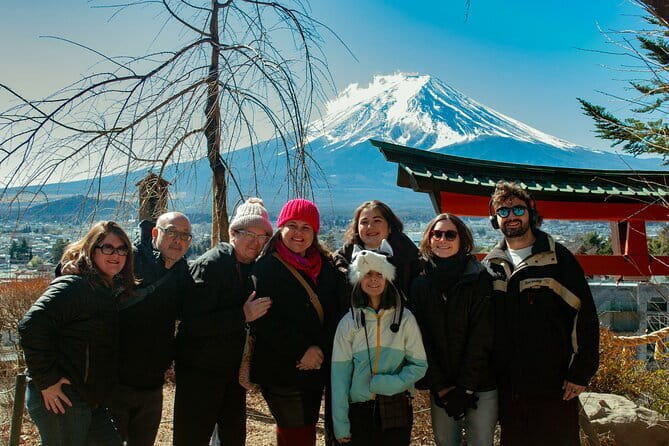
You get the freedom to decide how much of the plan to use. There is no group to keep up with, no guide waiting at a station, and no fixed departure time listed for each day. If you want a slow breakfast or an early night, you can adjust the route without affecting anyone else.
This format is especially suitable for first-time visitors who want help but do not want a traditional tour. It also suits couples, families, and small groups who prefer their own rhythm. Since the booking price covers up to 15 people, a group can split the cost and bring the per-person price down sharply.
The tradeoff is that all decisions remain yours. If you miss a train, cannot find a restaurant, or want to change the order, there is no guide beside you to solve it. The PDFs may make planning easier, but they do not remove the normal work of independent sightseeing.
I would also make a backup plan for weather, fatigue, and closures. The description includes sightseeing, walks, shopping, and scenic views, but it does not promise indoor alternatives or live updates. The more tightly you schedule the day, the more important it becomes to check current details before setting out.
Digital delivery and the timing you need
After booking, you receive a private Google Drive link by email. The material arrives as downloadable PDFs, so you can save it to your phone, tablet, or computer and use it offline.
The stated delivery window is one to three business days, with a promise that it will be sent as soon as possible. That is fine for a trip planned well ahead. It is less convenient if you are already flying tomorrow. If you are in a hurry, email the provider and ask for the fastest available delivery before relying on the purchase.
This is a small but important planning point. You do not receive a physical book or an instant download at checkout. Give the creators time to send the folder, then open every file before departure. Check that the PDFs load properly and save them locally.
The price is $20 per group of up to 15. For one person, that is still modest compared with a private guided day. For a couple or family, the value is better. You are buying planning help, not admission to attractions, meals, transport, or personal assistance, so budget separately for those costs.
What the 4.9 rating tells you

The experience has a 4.9 rating from 18 reviews. The clearest positive themes are practical usefulness and prompt delivery. One recent United States booking described the itinerary as helpful for a Japan stay, while Sonia from Switzerland highlighted the fast delivery and good addresses.
Those points match what the kit promises best. It is designed to make preparation simpler, and the food suggestions appear to be a valued part of that help. The high rating is encouraging, but the small number of ratings means I would still read the product description carefully and make sure its scope suits you.
The rating does not turn a PDF into a personal guide. You should book it for structure and ideas, not for local troubleshooting or a customized schedule. That distinction is the key to having the right expectations.
Who should buy this Tokyo planning kit?
I would recommend it most strongly to:
- First-time visitors who feel unsure where to begin
- People with one to four days in Tokyo
- Budget-conscious couples, families, and groups
- Independent visitors who like a clear plan but want freedom
- Anyone who wants restaurant ideas before arriving
- English-speaking visitors who would use basic Japanese phrases
It is less suitable if you want a private guide, a detailed transport briefing, or a fully customized plan built around specific interests. It may also be too general for someone who has already researched Tokyo thoroughly and has a fixed list of places to see.
The kit can also help families divide planning work. One person can review the routes, another can choose meals, and everyone can save the survival card. Since the files are digital, each member of a group can carry the same material without passing around a paper guide.
Practical ways to get more from the PDFs
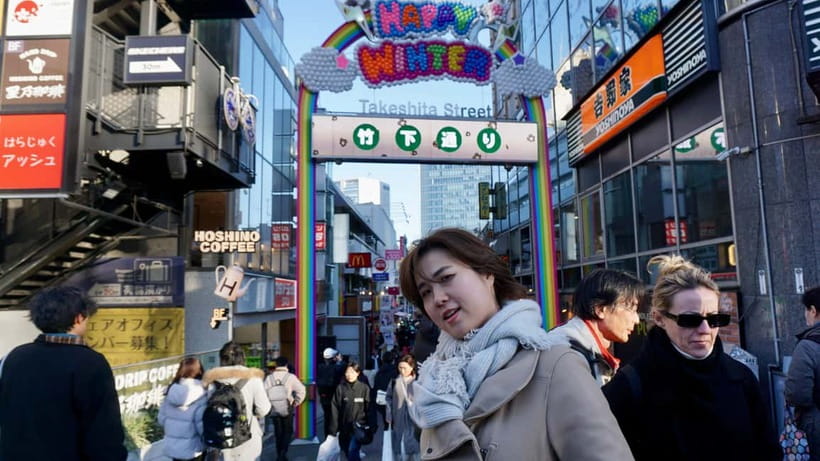
Open the files as soon as they arrive. Mark the places that interest you, note any meals that need checking, and compare the proposed route with your accommodation location.
Keep the first day lighter if you expect jet lag. The plan includes full days, but you do not have to complete every part. Use the food recommendations as options and leave room for a rest stop.
Save both the full PDFs and the survival card offline. I would also take a screenshot of the day’s key information before leaving your accommodation. That gives you a quick reference without searching through a folder.
Finally, use the suggested route as a guide rather than a test. Tokyo is more enjoyable when you can pause for an unexpected snack, a shop, or a good view. The point of the kit is to reduce planning pressure, not to fill every minute.
Should you book it?
Book this if you want an inexpensive head start on Tokyo and like the idea of local food suggestions, simple daily routes, and a pocket language aid. The $20 group price is fair, especially for two or more people, and the 4.9 rating supports its practical approach.
Skip it if you need a live guide, exact personal recommendations, or instant delivery for a trip beginning within a day or two. For everyone else, this is a useful planning companion: modest in scope, flexible in use, and clear about being a digital product rather than a guided tour.
FAQ
Is this a guided Tokyo tour?
No. It is a self-guided digital planning kit. There is no live guide, meeting activity, or in-person tour included.
Who created the Tokyo planning kit?
Nikolai and Kaho created it. They are a Norwegian and Japanese married couple who live in Tokyo and have previously worked as tour guides.
How many days of Tokyo planning are included?
You receive route plans for one, two, three, and four days in Tokyo.
What food information is included?
The kit includes personal restaurant recommendations across different Tokyo areas, with many affordable options intended to suit budget-conscious visitors.
Is the Japanese survival card physical?
No. It is provided digitally as a printable and mobile-friendly card. You can print it to business-card size or save it to your phone.
How do I receive the materials?
You receive a private Google Drive link by email. The folder contains downloadable PDF files.
How long does delivery take?
The stated delivery time is within one to three business days after booking. If you need it quickly, you should email the provider.
Is the material available in English?
Yes. The information is provided in English.
What is the starting location?
The stated starting location is Shinjuku City, with Shinjuku Station given as the reference point. This does not create a live meeting, since the experience is self-guided.
How much does the kit cost?
The price is $20 per group of up to 15 people. The price does not include a personal guide, transport, meals, or attraction tickets.
Newly reviewed around Tokyo
- Tokyo Asakusa:Calligraphy & Make T-shirt Activity★ 5.0 · 62 reviews
- Travel Tokyo with Your Own Personal Photographer★ 5.0 · 43 reviews
- Intercity Shuttle, Tokyo to Haneda /Narita /Yokohama /Makuhari★ 5.0 · 5 reviews
- 1 Hour Travel around Tokyo with a Professional Photographer★ 5.0 · 3 reviews
- Train in Samurai Swordsmanship and Defeat the Demon in Tokyo★ 5.0 · 5 reviews
- Shuttle Van 6hr Tokyo Tour to-and-from Tokyo, Yokohama and Narita★ 5.0 · 9 reviews
- Kickboxing & Body Training with EX-Pro Fighter★ 5.0 · 4 reviews
- Traditional Japanese Knife Sharpening Class★ 5.0 · 18 reviews
Food, compared.
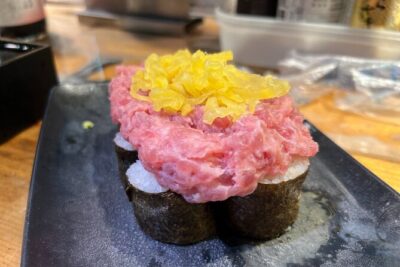
Shinjuku Food Tour (13 Dishes at 4 Local Eateries)
Read our review →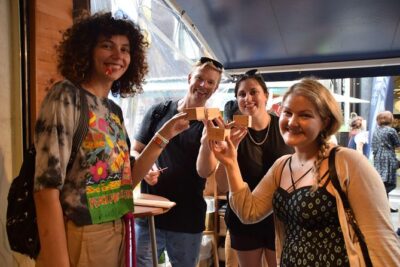
Tokyo Tsukiji Fish Market Food and Culture Walking Tour
Read our review →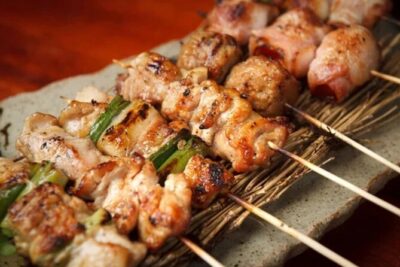
Shinjuku Food Tour (15 Dishes and 4 Eateries)
Read our review →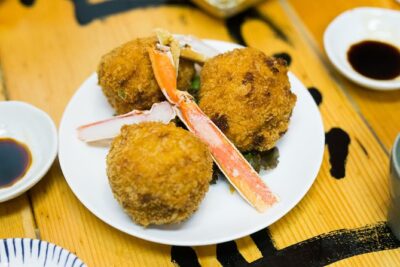
Best of Shinjuku: Izakaya Food Tour (4 Stops, 14+ Tastings)
Read our review →
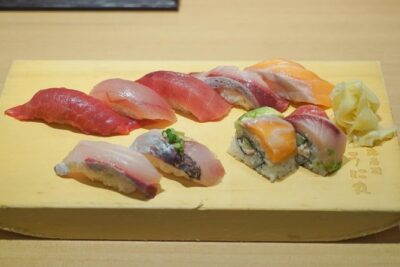
Tokyo Night Foodie Tour in Shinjuku – Seasonal Sushi, Wagyu Beef
Read our review →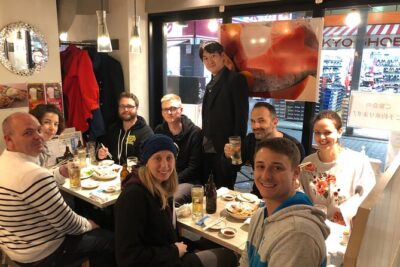
Eat and Drink Like a Local: Tokyo Ueno Food Tour-Taverns&Ramen
Read our review →
Browse the lists this tour appears in