Reviewed · GUIDED
Tokyo: Off the Beaten Path Private Guided Tour
Tokyo’s quieter corners are the real prize here. Instead of racing between famous sights, you can spend six hours with a private licensed guide in neighborhoods such as Shibamata, Yanaka, Nezu, Fukagawa, and Asakusa. The day can be built around old shops, local food, residential streets, or the city’s best-known landmarks.
I like the freedom to change the plan as you go, and I like the chance to see Tokyo through a local’s eyes rather than follow a fixed bus route. Guides such as An, Naoko, Yoko, and Kei have led past departures, with guests praising their preparation, clear English, and willingness to adjust the day.
The main drawback is cost control. The $151 per-person price covers the guide and six-hour private tour, but transportation, food, drinks, and entrance fees cost extra. You also need to wait for guide confirmation before the tour is fully set.
Key points to know before booking
- Shibamata offers old Tokyo atmosphere: Browse century-old shops and try senbei rice crackers or chewy rice snacks.
- Yanaka Ginza feels far removed from modern Tokyo: Its small shopping street mixes old-style stores, crafts, ceramics, food stalls, and practical 100-yen shops.
- The route is genuinely flexible: You can request specific places, focus on residential neighborhoods, or let your guide plan the day.
- Your guide is government licensed: The Tour Guide-Interpreter certification requires knowledge of Japanese culture and history.
- You travel like a local: Pickup is on foot from your accommodation or a requested train station, followed by public transportation or taxis.
- The tour suits curious, independent visitors: It is especially useful if you want local context, shopping advice, or help shaping the rest of your Tokyo stay.
Why this private Tokyo tour feels different
A six-hour private tour gives you something a fixed sightseeing schedule cannot: room to change your mind. If you planned to see temples but become more interested in food shops, ceramics, or ordinary neighborhoods, your guide can adjust the route.
That flexibility matters in Tokyo. The city is huge, and its most rewarding areas are often separated by train lines and busy roads. A private guide can help you connect several districts without wasting much of your day figuring out where to go next.
You can also ask for a particular style of Tokyo. Perhaps you want old neighborhoods and traditional shops. Perhaps you care more about Japanese food, kitchenware, architecture, or daily life away from the major sights. You can also request a mix of major attractions and lesser-known streets.
The guides hold Japan’s nationally licensed Tour Guide-Interpreter certification. That does not mean every guide will have the same personality or specialty, but it does give you a useful standard of training in Japanese culture and history.
Past guides have included An, Naoko, Yoko, and Kei. An prepared a route covering Shibamata, Yanaka, Nezu, and Asakusa. Naoko adapted the plan when extra places were requested. Yoko spent time checking what her group wanted before the day began, while Kei helped with questions beyond the basic sightseeing route.
More private tours in Tokyo:
- Tokyo 6hr Private Tour with Government-Licensed Guide
★ 5.0 · 3,902 reviews - Private Tour to Mt. Fuji and Hakone (Fully Licenced Operator)
★ 5.0 · 1,910 reviews - Tokyo Customized Private Tour (Must See Places in 1 Day)
★ 5.0 · 1,499 reviews
Shibamata: old shops and everyday treats
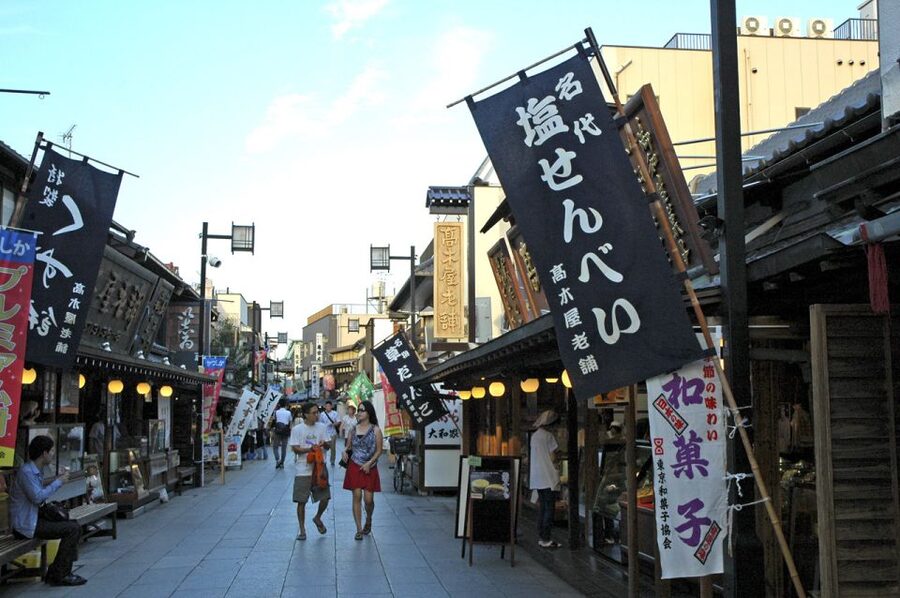
Shibamata is a strong choice if you want to begin away from Tokyo’s polished central districts. The neighborhood is known for historical shops, some of which have been open for more than a hundred years.
You can browse traditional storefronts and sample simple Japanese snacks as you walk. Senbei, the crisp rice crackers often brushed with soy sauce, are one of the area’s useful introductions to Japanese street food. You may also find chewy rice balls and other familiar local treats.
This is not a district to rush through. The pleasure comes from noticing the shop fronts, food displays, and small details of an older commercial street. Your guide can explain what you are seeing and help you decide which foods are worth trying.
The tradeoff is distance. Shibamata is not the most central stop on a first-time Tokyo route, so getting there takes transportation and planning. That is exactly why it works well with a private guide. You do not have to spend your morning working out the train connections or deciding how long to stay.
If food is important to you, tell your guide early. The listed price does not include snacks or meals, so bring extra yen or a payment method suitable for small purchases.
Yanaka Ginza: a small street with old-Japan character
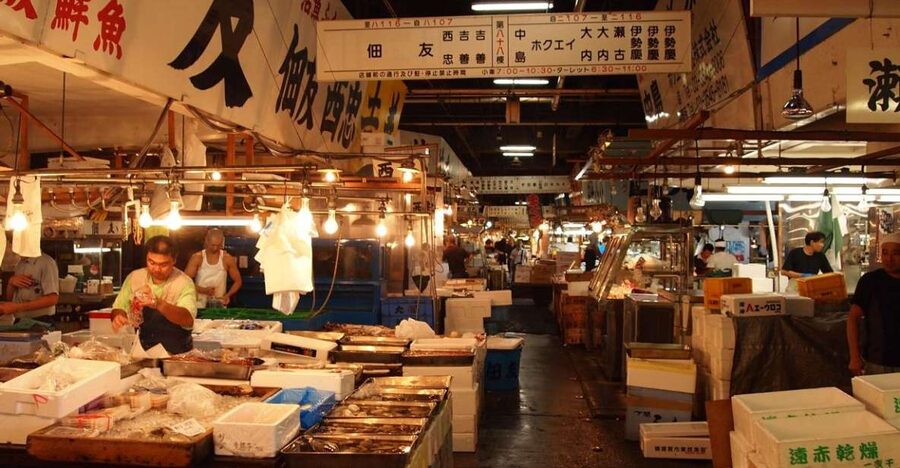
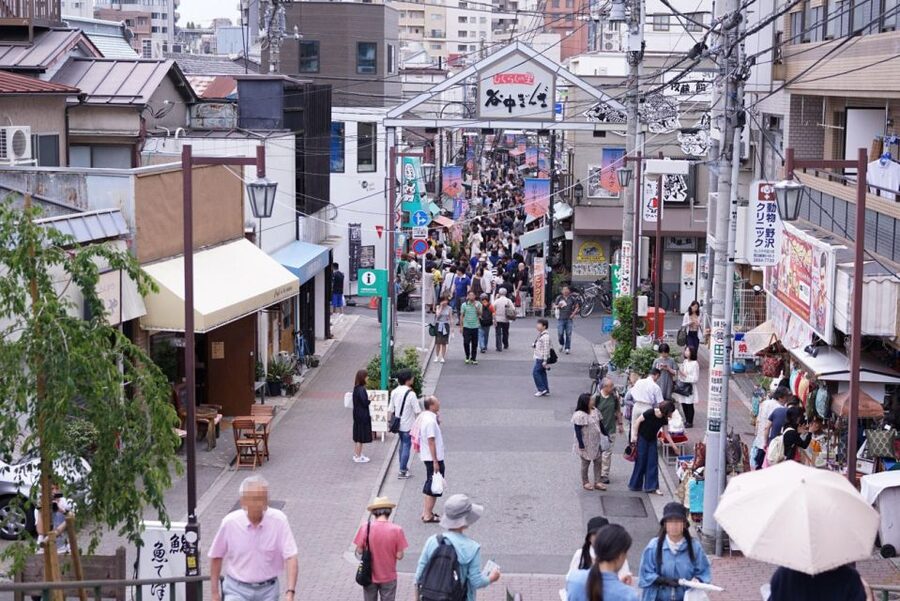
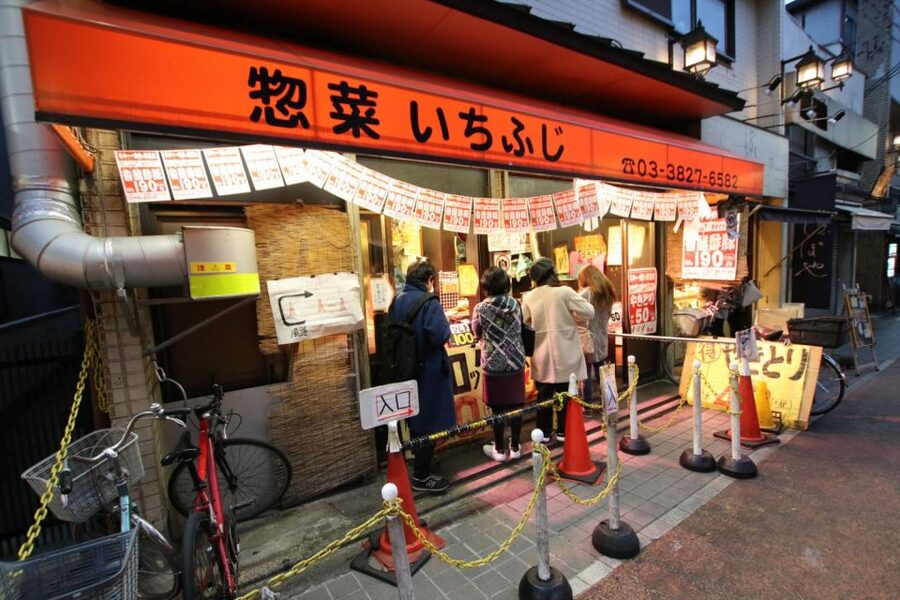
Yanaka Ginza gives you a different view of Tokyo. It is a compact shopping street where old-style shops and restaurants sit alongside modern businesses, including 100-yen stores.
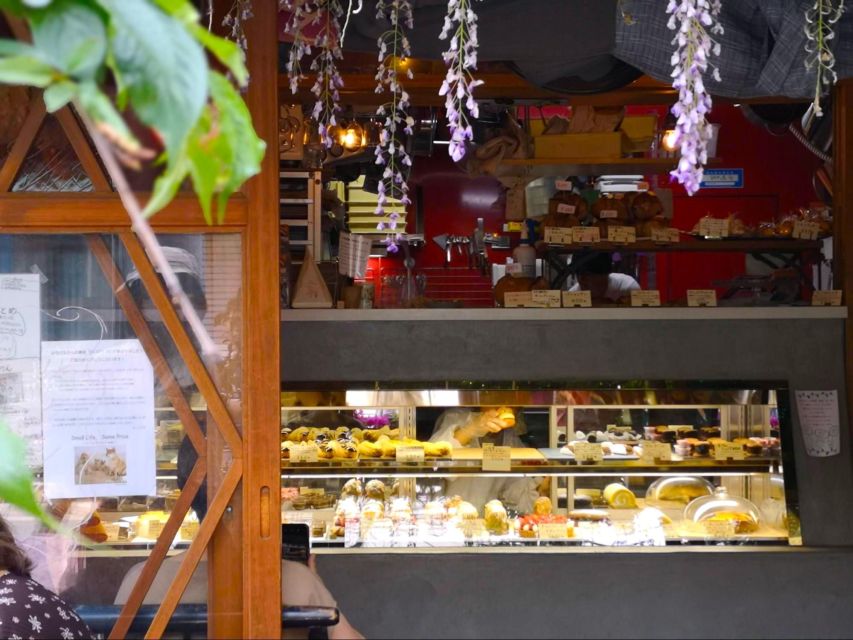
The area is useful for visitors who want to see how shopping districts can serve local residents instead of only sightseers. You might find handicrafts, ceramics, prepared foods, and small street snacks. The scale is modest, which makes it easier to walk slowly and look closely.
Yanaka is also a good place to ask questions. Your guide can explain what is traditional, what is practical, and what has changed. You may come away with a better sense of how older neighborhoods fit into present-day Tokyo.
Do not expect a grand monument at every turn. This stop is about atmosphere, shops, and ordinary streets. If you want a day packed with famous buildings, you may prefer to give more time to Asakusa or other major sights.
Yanaka can also be paired with Nezu and Sendagi. These nearby areas let you build a fuller old-Tokyo route, though the exact order depends on your pickup point and the rest of your requests.
Kappabashi Street: Tokyo shopping for cooks
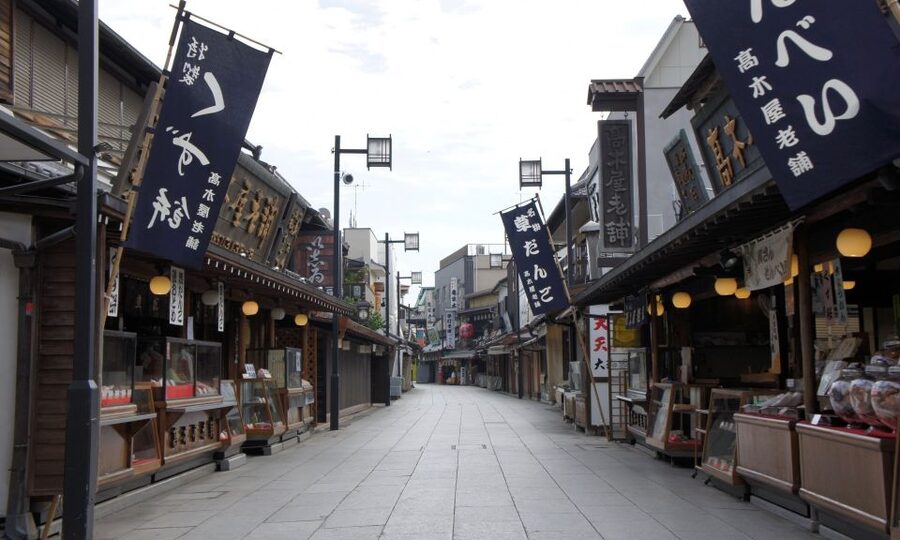
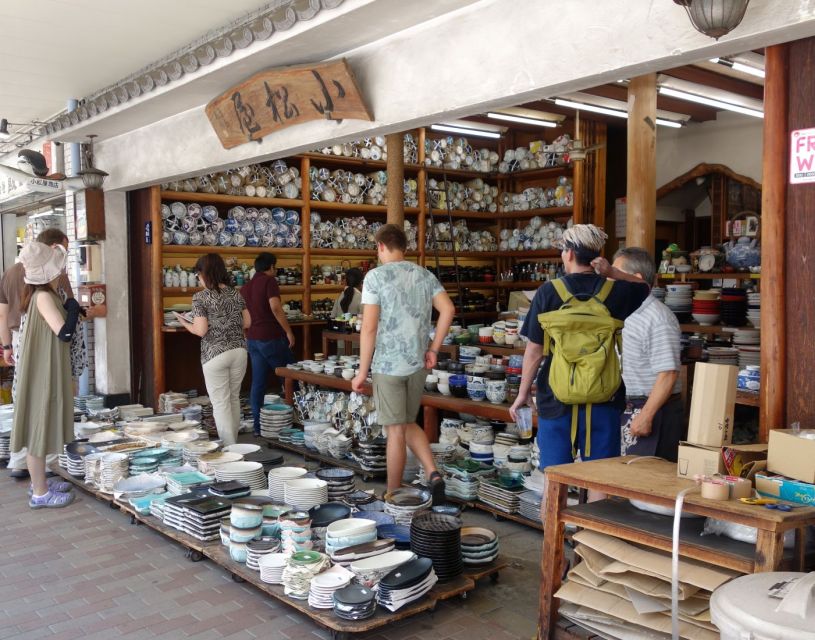
Kappabashi is the practical stop on this route. The long street is lined with shops selling kitchen tools and equipment. You may also see stores devoted to kitchen clothing and the plastic food models used in Japanese restaurant windows.
This is a particularly good choice if you want a useful souvenir rather than another decorative object. You can look for cooking tools, serving pieces, ceramics, or items that help you recreate Japanese meals at home.
The street also shows how specialized Tokyo shopping districts work. It is not simply a market with a few tourist stalls. The focus is kitchen use, restaurant work, and presentation. That makes it more rewarding if you have a real interest in cooking or Japanese food.
It may be less appealing if shopping is not part of your plan. Kappabashi is not a sightseeing monument, and entrance to its shops is generally not part of a separate ticketed attraction. Tell your guide what you hope to buy so the stop earns its place in the six-hour schedule.
More guided tours in Tokyo:
- Tokyo: Shinjuku Local Bar and Izakaya Guided Walking Tour
★ 4.9 · 1,794 reviews - Tokyo: Private City Highlights Tour with Local Guide
★ 4.8 · 1,433 reviews - Tokyo: Tsukiji Fish Market Guided Walking Tour
★ 4.9 · 1,397 reviews - Tokyo 4hr Private Tour with Government-Licensed Guide
★ 5.0 · 1,394 reviews
Nezu, Sendagi, and Fukagawa for a quieter Tokyo
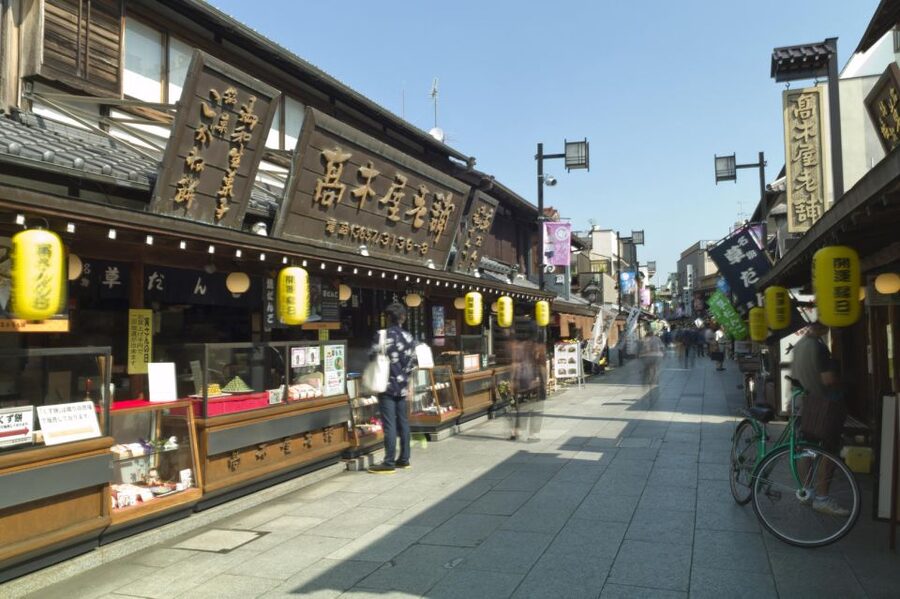
Nezu and Sendagi are possible additions when you want residential streets and a slower pace. These neighborhoods help balance the better-known sights, especially for repeat visitors who have already seen the main central districts.
The appeal is simple: you can look at local streets, small businesses, and the shape of daily Tokyo life. One past itinerary focused on residential areas because that was the group’s main request. This is a reminder that you do not need to spend the day at major attractions to get value from the guide.
Fukagawa offers another direction. The Fukagawa Edo Museum is one of the suggested stops, giving you a chance to learn about Tokyo during the Edo period through a dedicated museum visit. If you want historical context rather than only street scenes, this can be a smart addition.
Museum admission is not included, so check the extra cost before committing to the stop. You should also remember that every museum visit uses time that could otherwise go toward neighborhoods, shops, or food.
Asakusa: the familiar sight with room for context
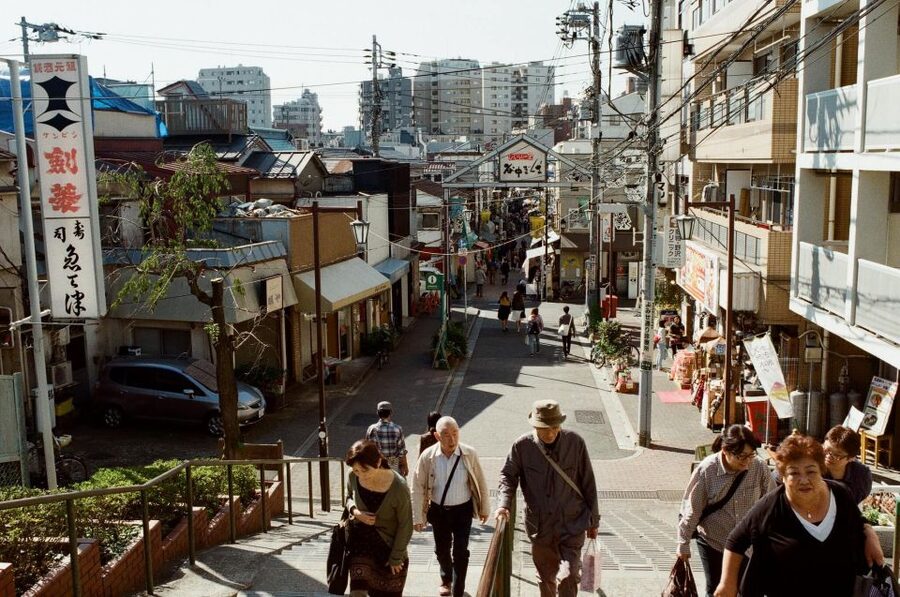
Asakusa is one of the most popular areas on the suggested route. It gives you a more recognizable Tokyo experience, while the private format lets you ask questions and shape the visit around your interests.
Many first-time visitors want Asakusa included because it helps anchor the rest of the day. After quieter areas such as Shibamata or Yanaka, the contrast can be useful. You see a more famous side of Tokyo, then return to smaller districts rather than spending all six hours among major attractions.
Your guide can also help you avoid treating Asakusa as a quick photo stop. Ask about the district’s history, food, shops, and place in modern Tokyo. The value of the guide is not just getting you there. It is having someone explain what you are seeing and answer questions as they come up.
Because Asakusa is popular, it may feel busier than Yanaka, Sendagi, or Fukagawa. If you want a quieter day, make that clear when you arrange your itinerary.
What the six-hour schedule really allows
Six hours sounds generous, but Tokyo transportation can use more time than you expect. The tour begins with morning pickup at your hotel, provided you are within a reasonable walking distance, or at a train station you request. Your guide waits in the lobby or station 10 minutes before the scheduled pickup, and you set off on foot from there.
You then use public transportation or private taxis during the day. Those costs are not included, so budget separately for fares. The route should be planned with travel time in mind. Shibamata, Yanaka, Kappabashi, and Asakusa make an interesting day, but trying to add every possible district could leave you hurrying.
I would send your guide a short list of priorities before the tour. Put your must-see place first, then add two or three preferences such as street food, ceramics, residential areas, or historical sites. This gives the guide room to make sensible choices.
The experience takes place rain or shine. Comfortable walking shoes and weather protection are sensible, though the supplied information does not state a fixed walking distance. If mobility matters, the tour is marked wheelchair accessible, but you should still discuss your preferred route and transportation needs in advance.
Guide style and language
The tour is offered in English or Japanese. You have a live guide rather than a recorded commentary, so you can ask for explanations at the moment they matter.
The strongest feature of the guiding style is responsiveness. Past departures have included guides who changed the plan when visitors asked to add places, prepared routes around personal interests, and offered suggestions for the rest of the stay in Japan.
That can be especially helpful at the start of a Tokyo visit. You can ask where to shop, which neighborhood fits your interests, or how to spend another day. Still, the exact guide is not guaranteed at the time of booking. The local partner looks for an available guide and contacts you about the arrangement.
The tour is private, so you are not sharing the day with an unknown group. That makes it easier to ask basic questions, stop for food, adjust the pace, or spend longer in a shop without worrying about holding up other participants.
Is $151 per person a fair price?
At $151 per person, this is not the cheapest way to see Tokyo. You still pay separately for food, entrance fees, and public or private transportation. If your main goal is to visit one famous area and take a few photos, independent travel will cost less.
The value improves when you use the private format properly. A guide can build the day around your interests, help you connect distant neighborhoods, explain cultural details, and save you from spending hours planning the route. For a couple or small private group, the price can be reasonable if you want personal attention rather than a standard group itinerary.
It is also good value for a first Tokyo visit if you want help finding your footing. You can use the six hours to learn how the city’s neighborhoods connect, gather ideas for later, and ask practical questions.
The price makes less sense if you do not care about customization or local explanation. In that case, choose a fixed sightseeing tour or use Tokyo’s excellent public transportation independently.
Booking details and who should choose it
You can cancel up to 24 hours before the start time for a full refund, and you can reserve now while paying later. The tour is not fully confirmed until a guide accepts and contacts you. Most guides make contact within seven days, but guide availability can remain uncertain until close to the tour date.
If no guide has accepted by then, the local partner sends updates while continuing the search. You can cancel without a fee if you cancel at least 24 hours before the start time.
I would choose this tour if you want old neighborhoods, local shopping, food advice, or a flexible day with a private guide. It is also a good fit for repeat visitors who have already seen Tokyo’s headline sights.
I would think twice if you need a guaranteed fixed itinerary, want all costs included, or prefer to avoid extra transportation and admission charges. The experience works best when you treat the guide as a partner in planning, not as a ticket that covers every expense.
Final call: book it for flexibility, not a checklist
Book this tour if you want to shape your Tokyo day around real interests. Shibamata, Yanaka, Nezu, Fukagawa, Kappabashi, and Asakusa offer a useful mix of old shops, food, shopping, museums, and residential streets.
Before booking, decide what matters most and tell the guide clearly. Ask for food stops if you like Japanese snacks, Kappabashi if you cook, or residential areas if you want everyday Tokyo. Keep the route realistic, bring money for transport and purchases, and allow time for guide confirmation.
For a personalized introduction to Tokyo’s less obvious corners, the six-hour private format is a strong choice. For a low-cost day of famous sights, it is more than you need.
FAQ
How long is the Tokyo private tour?
The tour lasts six hours.
What languages are available?
Live guiding is available in English and Japanese.
Is this a private tour?
Yes. The experience is for a private group.
Can I customize the itinerary?
Yes. You can request specific places and interests, or let your guide plan the route.
Which neighborhoods can I visit?
Suggested areas include Shibamata, Yanaka, Nezu, Sendagi, Fukagawa, Kappabashi, and Asakusa.
Are food and drinks included?
No. Food and drinks are not included in the tour price.
Are entrance fees included?
No. You pay entrance fees separately.
Is transportation included?
No. Public transportation or private taxi costs during the tour are paid separately.
Where does pickup take place?
Your guide can meet you at your accommodation if it is within a reasonable walking distance, or at a train station you request. The guide waits in the lobby or station 10 minutes before pickup.
Is the tour wheelchair accessible?
Yes. The activity is listed as wheelchair accessible, and you should discuss your route and transportation needs with the local partner in advance.
Newly reviewed around Tokyo
- Tokyo Asakusa:Calligraphy & Make T-shirt Activity★ 5.0 · 62 reviews
- Intercity Shuttle, Tokyo to Haneda /Narita /Yokohama /Makuhari★ 5.0 · 5 reviews
- 1 Hour Travel around Tokyo with a Professional Photographer★ 5.0 · 3 reviews
- Travel Tokyo with Your Own Personal Photographer★ 5.0 · 43 reviews
- Train in Samurai Swordsmanship and Defeat the Demon in Tokyo★ 5.0 · 5 reviews
- Shuttle Van 6hr Tokyo Tour to-and-from Tokyo, Yokohama and Narita★ 5.0 · 9 reviews
- Kickboxing & Body Training with EX-Pro Fighter★ 5.0 · 4 reviews
- Tokyo History: Sensoji Temple & Asakusa District Private Tour★ 5.0 · 28 reviews
Guided, compared.
Tokyo 6hr Private Tour with Government-Licensed Guide
Read our review →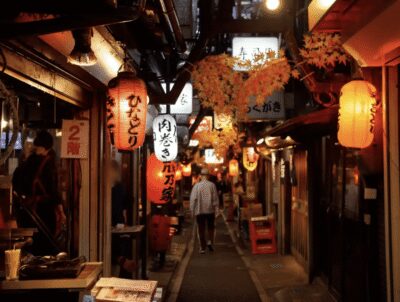
Shinjuku Local Bar and Izakaya Guided Walking Tour
Read our review →
Private City Highlights Tour with Local Guide
Read our review →
Tokyo 4hr Private Tour with Government-Licensed Guide
Read our review →
Samurai Ninja Museum Guided tour and Experience
Read our review →