Reviewed · HALF-DAY
Tokyo: Half-Day Morning Small Group Tour
Tokyo packs imperial gardens, famous bridges, old Buddhist streets, and modern city life into a surprisingly small area. This three-hour morning tour gives you a quick route through that contrast, starting near Tokyo Station and finishing at Senso-ji Temple in Asakusa.
I like the calm garden setting at the Imperial Palace and the easy first look at Asakusa’s main sights. I also like the useful finish at Senso-ji, where you can keep exploring on your own after the tour. The main concern is reliability: one October booking was cancelled, while a group of four reported waiting for a guide who never arrived.
Key points to know
- Three major Tokyo districts in one morning: You see the Imperial Palace area, Asakusa, and Senso-ji without spending a full day on a tour.
- A 30-minute look at the palace grounds: The gardens offer a quiet break from central Tokyo’s traffic and tall buildings.
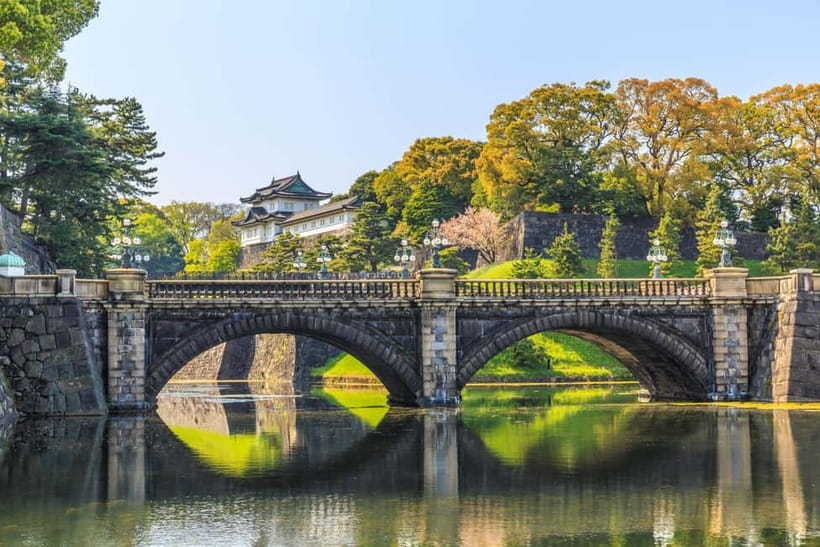
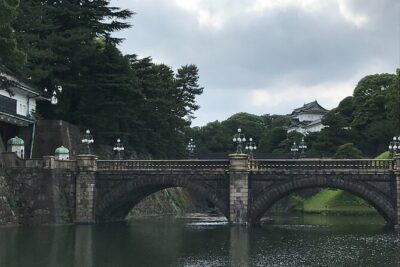
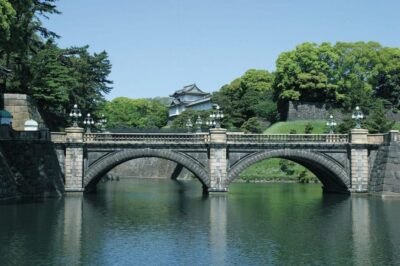
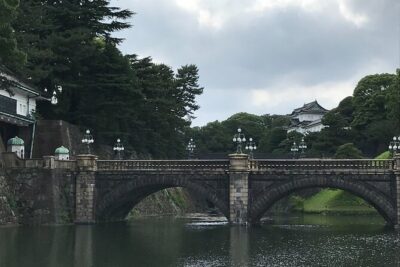
- Nijubashi Bridge is a photo stop: The bridge provides one of the classic exterior views of the Imperial Palace.
- One hour in Asakusa: You have time to walk Nakamise-dori and reach Senso-ji with a guide.
- English-speaking local guide: The guide supplies context and helps first-time visitors connect the sights.
- Good value, with a practical warning: At $59, the route is reasonably priced, but the reported cancellations and no-show make dependable communication important.
A fast introduction to old and new Tokyo
This tour’s strongest feature is its range. You begin beside Tokyo Station, a symbol of the capital’s modern side, then move through the Imperial Palace area before reaching Asakusa, where traditional temple architecture and long-established streets take center stage.
That change of mood is valuable if you have only a short time in Tokyo. You will not study any one place at great length, but you will see how sharply the city can change from one neighborhood to the next.
The meeting point is in front of the Starbucks Coffee at Kokyo Gaien Wadakura Fountain Park. You need to arrive 15 minutes early. That advice matters in Tokyo, where large stations, underground passages, and multiple exits can make a simple meeting point less simple than it sounds.
The tour is conducted in English by a local guide. The exact maximum group size is not provided, so do not assume a tiny private outing. It is described as a small-group experience, which should give you more chances to ask questions than a large coach tour, but the actual feel will depend on the day’s attendance.
More early morning tours in Tokyo:
- Tokyo: Sumo Morning Practice Viewing Tour
★ 4.8 · 570 reviews - Tokyo: Sumo Morning Training Visit
★ 4.4 · 370 reviews - Tokyo: Sumo Morning Practice Tour at Sumida City
★ 4.8 · 308 reviews
Tokyo Imperial Palace Gardens: a quiet first stop
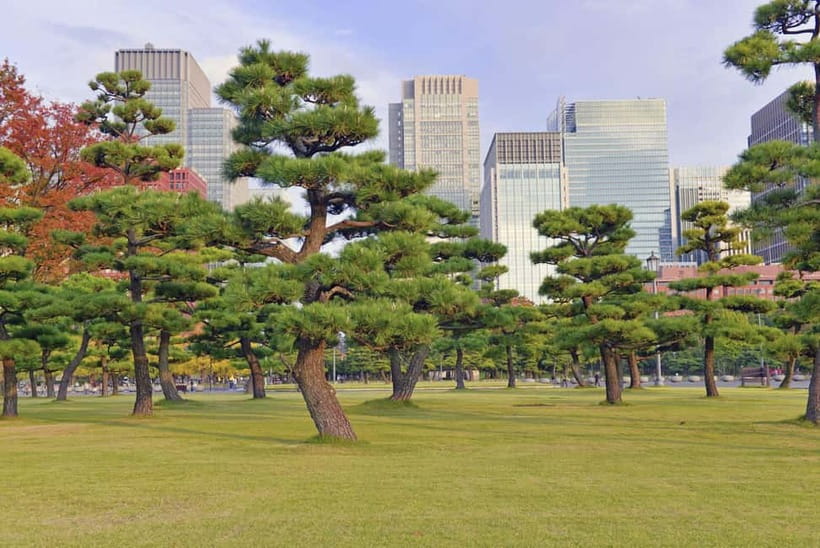
The first guided stop is the Tokyo Imperial Palace area, with about 30 minutes set aside for the gardens. This is a smart opening. After the noise and movement around Tokyo Station, the gardens give you room to slow down and see the capital from a different angle.
The palace itself is not presented as an interior visit. You should expect an outdoor look at the grounds and their surroundings. The guide can help explain what you are seeing, point out the important views, and connect the palace area to Japan’s imperial past without asking you to spend hours on historical detail.
I like this stop because it gives the tour balance. If the morning began only with city streets and shopping arcades, the route would feel rushed and urban. The gardens add space, greenery, and a sense of ceremony.
Thirty minutes is enough for an introduction, some photographs, and a short guided walk. It is not enough for a long, unhurried garden visit. If palace grounds are a top priority for you, plan to return later on your own. This tour treats the area as one part of a larger morning rather than the main event.
Wear shoes that can handle steady walking. The activity is not suitable for wheelchair users, and the organizers specifically advise comfortable footwear. You should also check the forecast before leaving, since the itinerary is outdoors for much of the morning.
Nijubashi Bridge and the classic palace view
The next 30 minutes focus on Nijubashi Bridge. This is one of Tokyo’s best-known exterior views of the Imperial Palace, and it gives you a clear photograph-friendly moment without requiring a long visit.
The bridge is valued less for a long activity than for what it represents. It is a formal approach to the palace and a familiar image of Tokyo’s imperial district. Your guide can explain its role and help you understand why this particular view appears so often in photographs of the city.
I like the bridge stop because it is simple and focused. You are not being asked to spend half an hour wandering without a clear purpose. You see the view, hear the basic context, and then move on to a very different part of Tokyo.
The limit is that the experience depends on the weather and the crowd around the viewing area. On a clear morning, the bridge and palace setting should make a strong impression. On a wet or gray day, the stop may feel more like a brief orientation point.
The tour description allows 30 minutes here, but it does not provide details about the exact route between the gardens and bridge. Keep your schedule flexible. The morning is designed as a guided overview, not as a set of long, independent visits.
The 30-minute transfer to Asakusa
After the palace area, the tour includes a 30-minute transfer to Asakusa. The supplied details do not specify the transport method, so you should not assume that this is a private vehicle or a direct taxi ride. It is simply part of the time needed to move across Tokyo.
That half hour is useful because it connects two very different parts of the city. You leave the formal central district and head toward Asakusa, where the pace and character change.
The transfer also explains why the tour can cover so much in only three hours. You are not spending the whole morning in one neighborhood. Instead, the guide handles the broad route while you concentrate on the sights.
The tradeoff is obvious: every minute spent transferring is a minute not spent at the palace or temple. If you prefer slow walks and time to explore side streets, a full-day neighborhood tour or self-guided visit may suit you better. If you want a quick first orientation, the transfer helps make the route possible.
More half-day trips in Tokyo:
- Half-day Tokyo Afternoon Tour by Hato Bus
★ 4.0 · 269 reviews - Tokyo: A Half-Day Trip Bus Tour in the Morning
★ 4.6 · 236 reviews - Half-day Tokyo Morning Tour by Hato Bus
★ 4.0 · 220 reviews - Tokyo Private Half-Day Tour with a Local – Secrets & Highlights
★ 5.0 · 53 reviews
Asakusa and the walk along Nakamise-dori
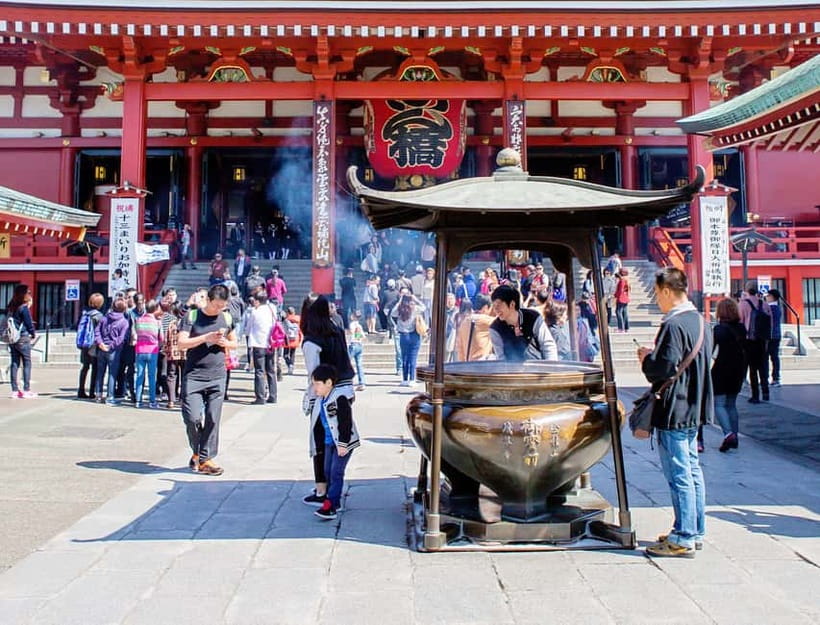
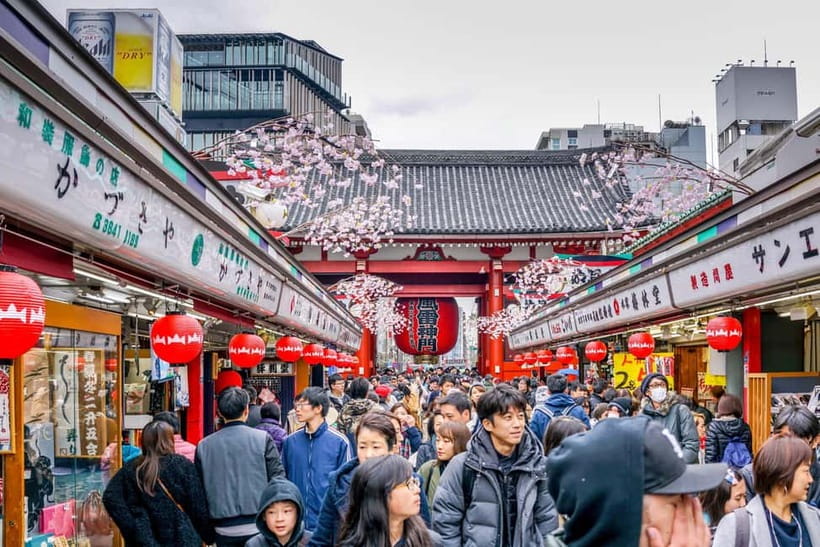
The tour gives Asakusa about one hour of guided time. This is where the morning begins to feel more traditionally Japanese. Asakusa is one of Tokyo’s best-known cultural areas, and the approach to Senso-ji runs through Nakamise-dori, a lively shopping street lined with small stalls and shops.
Nakamise-dori is part of the experience, not just a walkway. You can look at souvenirs, food items, and traditional-style goods as you make your way toward the temple. The street can be crowded, so stay close enough to hear your guide and keep track of your belongings.
I like the order of this visit. You do not arrive at Senso-ji without context. The walk along Nakamise-dori prepares you for the temple precinct, and the changing views make the approach feel like part of the visit rather than a simple route from one gate to another.
An hour goes quickly here. It should give you a guided introduction and time to look around, but you may not have much freedom for shopping. If you see something you want to buy, ask the guide how much time is available before wandering off.
A guide is particularly useful in Asakusa because the area has several recognizable gates, streets, and temple features. The guide can help you understand what belongs to the temple grounds and what is part of the surrounding commercial district. One published experience of the tour described the guide as kind and informed, which is exactly the sort of personal help that makes a short orientation more useful.
Still, Asakusa is easy to continue exploring after the tour. You finish at Senso-ji, so you can return to Nakamise-dori, walk around the nearby streets, or arrange your own next stop without needing to travel back to the starting point.
Senso-ji Temple: the morning’s main finish
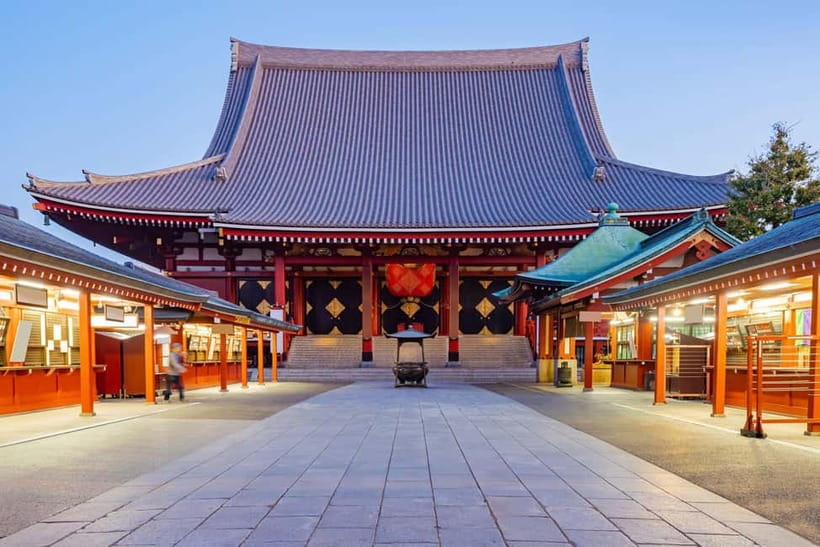
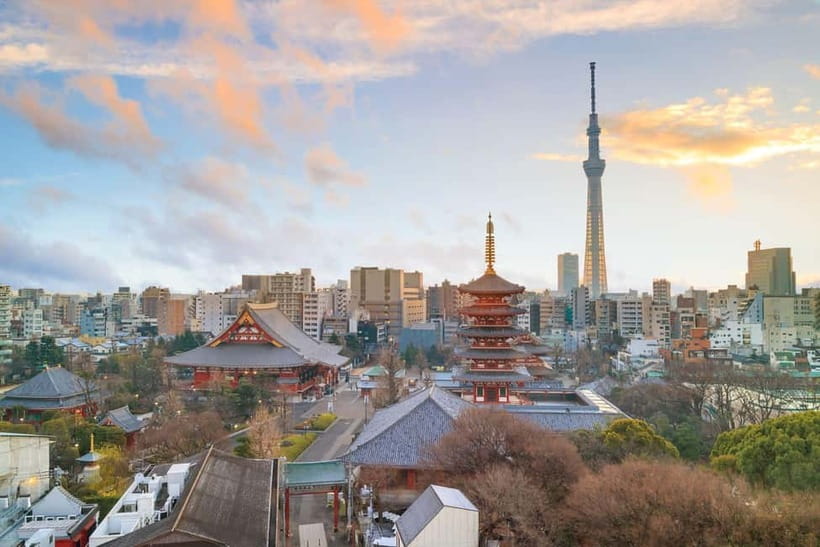
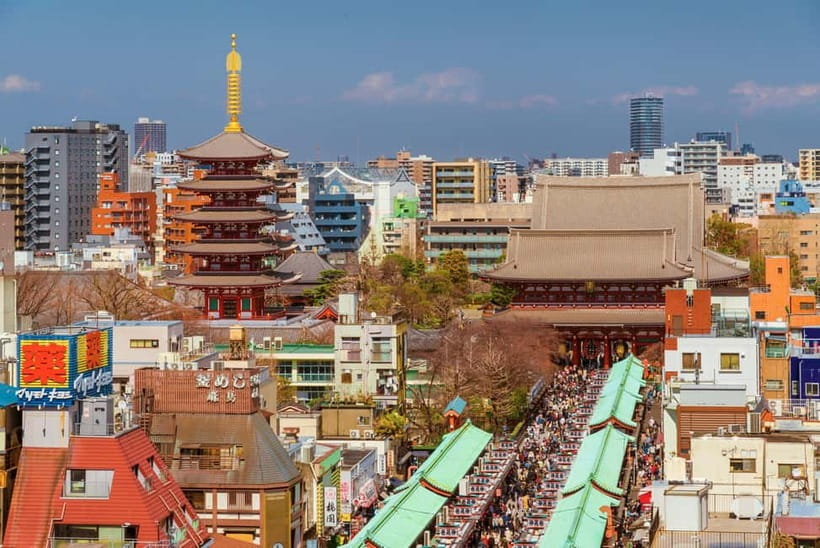
The final guided stop is Senso-ji, with about one hour scheduled here. This is the strongest endpoint for the tour. The temple is one of Tokyo’s most recognizable sights, and ending here leaves you in an area with plenty to see after the guide departs.
Senso-ji is important as a Buddhist temple and as a major symbol of Tokyo’s older cultural identity. The visit is not merely a photograph at the entrance. The guide can explain the temple’s setting and help you approach the grounds with some awareness of their religious purpose.
One hour allows for a proper introduction, though it may not cover every detail. The temple precinct is large enough that you could easily spend longer looking at the gates, the main hall, and the surrounding streets. The tour gives you the foundation, then leaves you free to decide how much more time you want.
Remember that this is a working religious site, not only a sightseeing stop. Keep your voice low in prayer areas, follow posted instructions, and be considerate when people are there for worship. The tour information does not list any special ceremony or timed admission, so do not book it expecting an exclusive temple event.
Finishing here is also practical. You are not forced back to Tokyo Station or another distant meeting point. Once the guided hour ends, you can continue around Asakusa or make your own way to the next part of your day.
What $59 buys you
The price is $59 per person. For that amount, you are paying mainly for the guide and the convenience of a planned route, not for meals, private transport, hotel pickup, or entry to a special attraction.
I consider the price fair for a first visit if you value orientation and do not want to work out the route yourself. In three hours, you get the palace area, Nijubashi Bridge, Asakusa, Nakamise-dori, and Senso-ji. The guide can also give you basic cultural context that you might miss by simply taking photographs at each stop.
The value is weaker if you already know Tokyo well. Every stop is accessible without this tour, and Asakusa and Senso-ji are especially easy to visit independently. A self-guided morning could cost less and give you more time at the places you care about most.
There are also limits to what is included. Hotel pickup and drop-off are not included, meals are not included, and personal travel insurance is not included. The meeting point is at the Starbucks Coffee near Wadakura Fountain Park, and you must arrange your own way there.
The route’s biggest value is time. You see several headline sights without committing an entire day. That makes it useful for a first morning in Tokyo, a short visit, or a day when you want a guided introduction before exploring independently.
Reliability deserves careful attention
The main issue is not the sightseeing route. It is operational confidence.
The experience has a 3 out of 5 rating based on eight reviews. One October booking was cancelled, with the customer waiting for a quick refund. In another case, four people arrived at the correct meeting point but reported that the guide did not appear. They also tried several calls to the guide and emergency number without getting through.
Those reports do not prove that every departure will fail. Another October participant described the guide as kind and well informed, and the overall route remains sensible. Still, a no-show is a serious problem when your morning is built around a three-hour schedule.
You can reduce the risk by checking your booking details carefully, arriving 15 minutes early, saving the emergency contact information, and keeping your phone charged. If you have a train, flight, or timed attraction immediately afterward, leave a generous buffer.
The free cancellation policy allows you to cancel up to 24 hours before the start for a full refund. You can also reserve now and pay later, which gives you some flexibility while planning. Those terms help, but they do not solve the inconvenience of a last-minute cancellation or missed meeting.
Who will get the most from this morning tour?
This tour suits a first-time visitor who wants a guided introduction to Tokyo’s major sights without spending a full day. It is also a good fit if you are comfortable walking, prefer a clear schedule, and want to finish in Asakusa with time to continue on your own.
You will probably like it if you want:
- A short morning route with several famous stops
- An English-speaking local guide
- A balance of gardens, imperial landmarks, shopping streets, and a Buddhist temple
- Help making sense of Tokyo’s central districts
- A finishing point that does not return you to the starting area
You may prefer an independent visit if you want long stretches at the palace gardens, extensive shopping time in Asakusa, or complete control over the pace. You should also think twice if mobility is a concern, since the activity is not suitable for wheelchair users and includes outdoor walking.
Bring comfortable shoes and water. Check the weather and dress for the forecast. Tokyo mornings can feel easy at the start and tiring by the end when you are moving between several outdoor areas.
Should you book it?
Book this tour if you want a compact introduction to Tokyo and value having an English-speaking guide connect the Imperial Palace area with Asakusa and Senso-ji. At $59, it offers reasonable value for a three-hour overview, especially on a first morning in the city.
I would not choose it for a slow, detailed visit or for a schedule that cannot tolerate disruption. The reported cancellation and no-show problems are worth taking seriously, even though the route itself is well planned and one guide received clear praise for being kind and informed.
For the best fit, keep the afternoon open after Senso-ji, arrive early at the Starbucks meeting point, and treat the tour as an orientation rather than your complete Tokyo experience.
FAQ
How long does the Tokyo morning tour last?
The tour lasts three hours.
Where does the tour begin?
You meet the guide in front of the Starbucks Coffee at Kokyo Gaien Wadakura Fountain Park.
Where does the tour finish?
The tour finishes at Senso-ji Temple in Asakusa.
Which language is the tour conducted in?
The live tour guide speaks English.
What sights are included?
The route includes the Tokyo Imperial Palace area, Nijubashi Bridge, Asakusa, Nakamise-dori Street, and Senso-ji Temple.
Is hotel pickup included?
No. Hotel pickup and drop-off are not included.
What should I bring?
Bring comfortable walking shoes and water. You should also check the weather forecast and dress appropriately.
Can I cancel for a refund?
Yes. You can cancel up to 24 hours before the tour for a full refund.
Newly reviewed around Tokyo
- Tokyo Asakusa:Calligraphy & Make T-shirt Activity★ 5.0 · 62 reviews
- Intercity Shuttle, Tokyo to Haneda /Narita /Yokohama /Makuhari★ 5.0 · 5 reviews
- 1 Hour Travel around Tokyo with a Professional Photographer★ 5.0 · 3 reviews
- Travel Tokyo with Your Own Personal Photographer★ 5.0 · 43 reviews
- Train in Samurai Swordsmanship and Defeat the Demon in Tokyo★ 5.0 · 5 reviews
- Shuttle Van 6hr Tokyo Tour to-and-from Tokyo, Yokohama and Narita★ 5.0 · 9 reviews
- Kickboxing & Body Training with EX-Pro Fighter★ 5.0 · 4 reviews
- Traditional Japanese Knife Sharpening Class★ 5.0 · 18 reviews
Half-Day, compared.
Tokyo Private Half-Day Tour with a Local – Secrets & Highlights
Read our review →
Old and Nostalgic Tokyo: Half-Day Yanaka Walking Tour
Read our review →