Reviewed · TOURS
Tokyo Full Course Tour: Explore 10 Must-See Sights & Hidden Gems
Tokyo is at its most useful on this tour when you are moving between very different parts of the city: a forested shrine, a famous crossing, a fish market, the Imperial Palace area, anime and electronics streets, and old Asakusa. The appeal is range. In about seven hours, you get a first look at ten advertised sights, with additional stops at Harajuku and Asakusa Shrine.
I like the small maximum of five people, and I like that guides such as Sam and Takashi teach you how to use Tokyo’s trains rather than simply steering you from one photo stop to another. The tradeoff is clear: this is a fast walking day, and the hour allowed at each stop can feel tight. One person found the pace rushed, while another found it sensible, so your fitness and expectations matter.
Key points before you book
- Ten major sights, plus extra stops: The route covers Meiji Shrine, Harajuku, Shibuya, Tsukiji, the Imperial Palace area, Tokyo Station, Akihabara, Senso-ji, and Asakusa Shrine.
- A maximum of five people: This keeps the group easier to manage on crowded streets and subway platforms.
- Sam and Takashi are named guides: Sam is especially praised for clear English, cultural explanations, and making the subway easy to use.
- Lunch and trains cost extra: A sushi meal is suggested at about $13, though the chosen restaurant may cost more.
- Start at 9:30 a.m. at Yoyogi Station: The tour finishes at Asakusa Station, so plan your evening from the eastern side of Tokyo.
- Comfortable shoes are essential: You will walk for much of the day and must keep up with the group.
A big Tokyo sampler for $78.18
At $78.18 per person, this tour is priced as a guided orientation to Tokyo rather than a ticketed attraction tour. Admission to the listed sights is free, but your metro fares and food are not included. That distinction matters. The tour can be good value if you want help with a complicated city and would otherwise spend time working out routes, transfers, and local customs.
The guide’s value is in the structure. Tokyo’s train system is efficient but can feel like a puzzle at first, especially when you are changing lines or trying to find the correct station exit. The guide handles the route while explaining how public transport works, where to walk, and how to behave at shrines and temples.
You should still budget for several train or subway rides and lunch. The tour asks you to prepare a Suica or PASMO card in advance, and it recommends carrying cash. One important wrinkle is lunch: sushi is described as costing about $13, but one participant found the selected restaurant pricey and preferred more choice over where to eat.
For a first day in Tokyo, the price makes the most sense if you value orientation and local explanation. If you prefer to spend a long time at one temple, museum, market, or neighborhood, this route will feel too broad.
Other Tokyo days people book alongside this one:
- Mt Fuji and Hakone 1-Day Bus Tour Return by Bullet Train
★ 5.0 · 26,383 reviews - 1-Day Tokyo Bus Tour
★ 5.0 · 14,250 reviews - Tokyo: teamLab Planets TOKYO Digital Art Museum Entry Ticket
★ 4.6 · 9,779 reviews
Starting quietly at Meiji Shrine and Harajuku
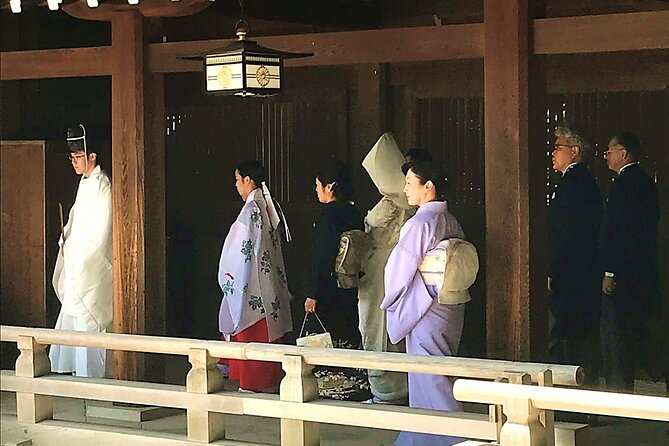
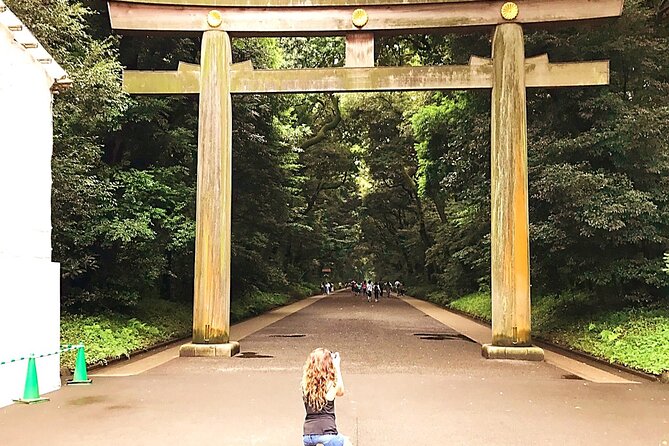
Meet at Yoyogi Station at 9:30 a.m. The tour begins with Meiji Jingu, one of Tokyo’s best changes of mood. You leave the station area and enter a broad shrine setting surrounded by trees. The stop lasts about 30 minutes and has no admission fee.
Your guide can explain the basic customs that make a shrine visit respectful, including how the Shinto setting differs from a Buddhist temple. The tour also connects the shrine to Japanese history, society, values, and everyday etiquette, which gives more meaning to the wooden gates and offering areas than a quick photograph would.
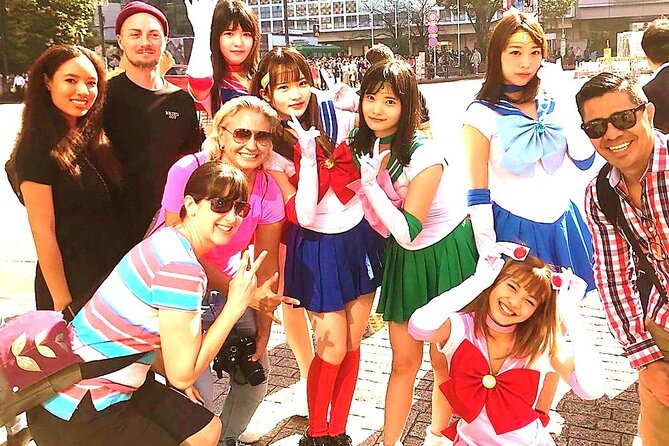
Next comes Harajuku, with about 30 minutes for the fashion street as an option. This is a short look, not a serious shopping session. You might find it useful as a snapshot of Tokyo youth culture, but do not expect enough time to browse every shop or linger over food.
That contrast is one of the route’s strengths. You move from quiet shrine grounds to a district associated with fashion and youth, then continue toward Shibuya.
Hachiko and Shibuya Crossing in one stop
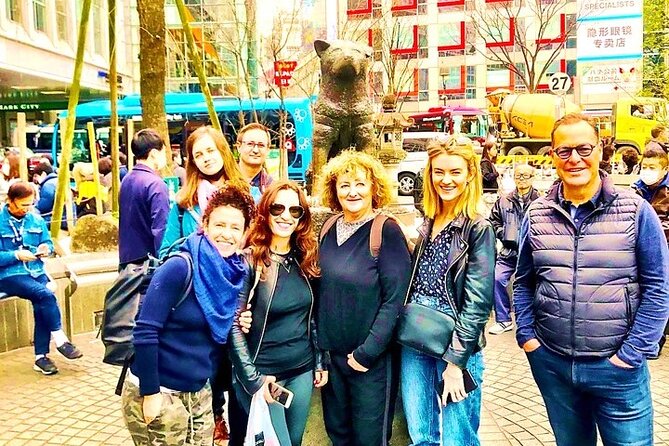
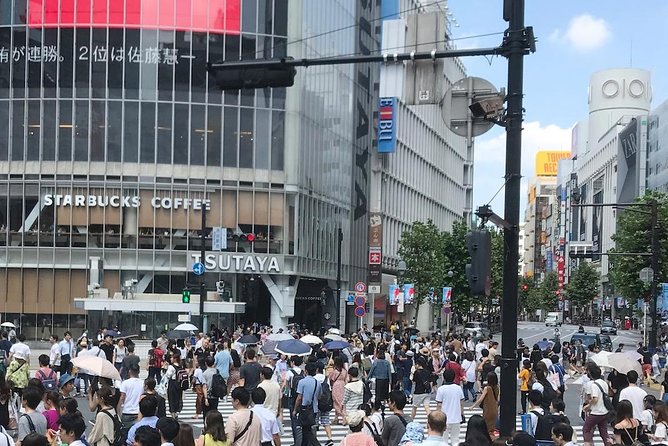
The Hachiko statue and Shibuya Scramble Crossing are treated as separate stops of about 30 minutes each. Hachiko is the easy meeting point outside Shibuya Station, while the crossing gives you Tokyo’s famous wall of moving pedestrians.
The guide’s help is useful here because the station and surrounding streets can be confusing. You will learn how to move through the area as part of the group and where to pause for a view of the crossing. The Hachiko stop also offers a small piece of modern Tokyo culture before the scale and movement of Shibuya take over.
Do not expect a slow neighborhood walk. These stops are about orientation and atmosphere. If you want time for shopping, cafés, photographs from several viewpoints, or a long look at the surrounding buildings, you will need to return on your own.
Tsukiji brings food and temple calm
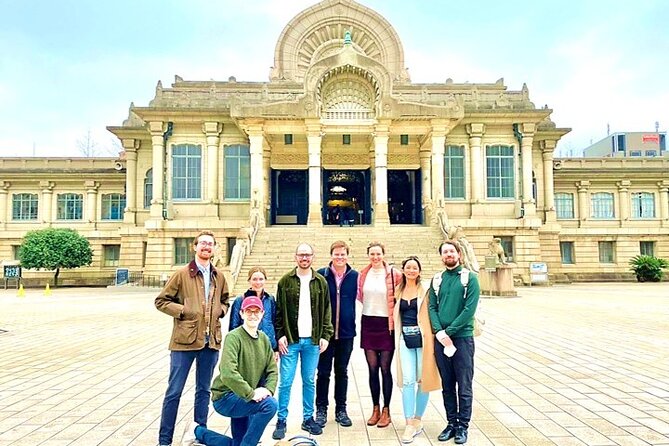
The route then shifts to Tsukiji, where lunch comes before Tsukiji Hongwanji Temple. The suggested meal is sushi at roughly $13, with food and drinks paid separately. It is smart to have cash ready, as the tour specifically recommends it.
The meal is part of the experience, but the restaurant choice is not completely flexible. One participant thought the restaurant was more expensive than expected and would have preferred choosing independently. If you are particular about seafood, price, or dietary needs, clarify the lunch plan before booking.
After lunch, Tsukiji Hongwanji offers a very different setting. The temple is a chance to slow down and learn about Buddhist practice and the role of temples in Japanese life. The stop is listed at 30 minutes, so your guide can explain the important features, but you will not have time for a long, unhurried visit.
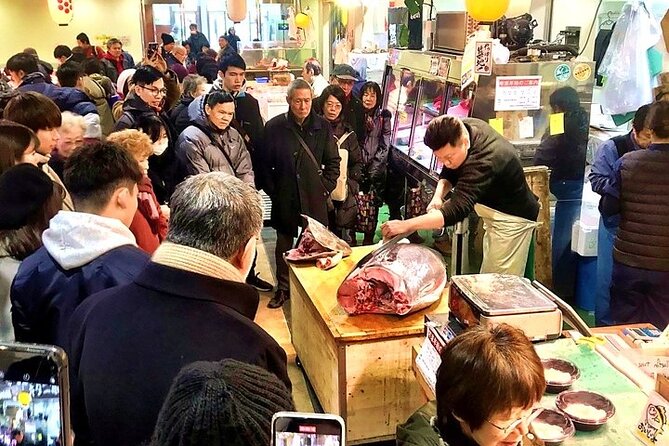
Tsukiji’s traditional fish market follows. This is one of the more practical parts of the day because the guide helps you read the area and understand what makes it different from a standard market visit. The route does not include a separate food allowance, so any additional snacks or purchases are your responsibility.
A completely different kind of day in Tokyo:
- Mt Fuji & Hakone Cruise, Drum Show Bullet Train 1 Day from Tokyo
★ 4.0 · 7,413 reviews - Tokyo: Shinjuku Food Tour (13 Dishes at 4 Local Eateries)
★ 5.0 · 6,603 reviews - Tokyo Mt Fuji 5th St & Hakone Cruise Bus Tour w/Bullet Train
★ 4.4 · 5,024 reviews - Flagship 2-Hours Official Street Go-Kart Tour – Tokyo Bay Shop
★ 5.0 · 4,974 reviews
The Imperial Palace and Marunouchi show modern Tokyo
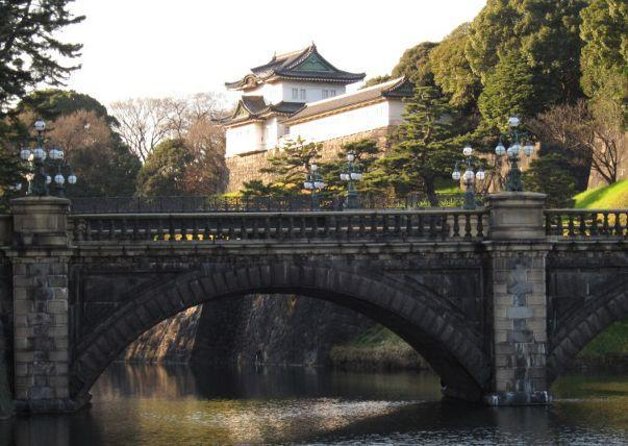
At the Imperial Palace, the visit is a walk outside. That wording is important. You are seeing the palace area from public spaces rather than entering palace buildings, and the stop lasts about 30 minutes.
The value here is context. The palace area sits at the center of Japan’s government and national identity, while nearby Marunouchi is the city’s financial and business district. The tour places those two ideas next to each other, so you see how historic institutions and present-day commerce occupy the same central part of Tokyo.
Marunouchi gets another 30-minute stop, followed by Tokyo Station’s Marunouchi Ekimae Hiroba. The station area gives you one of the day’s clearest examples of Tokyo’s mix of transportation, business, and architecture. It is also a practical place to learn how large stations function, although the short timing means you are mainly getting a first look.
This middle section may feel less exciting than Shibuya or Akihabara, but it helps explain the city beyond tourist pictures. You see where business happens, how the station connects the city, and why Tokyo can feel both old and intensely modern within a few blocks.
Akihabara adds a sharp change of tone
Akihabara is described as a Japanese subculture street, with about 30 minutes to explore. The neighborhood is known for electronics and popular culture, and the guide can help you understand its place in modern Tokyo.
Again, treat this as an introduction, not a shopping tour. Thirty minutes is enough to see the street atmosphere and learn what makes the district distinct. It is not enough for serious electronics research, collecting, or a long visit to multiple stores.
The route’s appeal is the quick change from Marunouchi’s offices to Akihabara’s specialized shops and pop-culture identity. If you are especially interested in anime, games, or electronics, you may wish to return later with more time.
Senso-ji and Asakusa finish the day well
The final major stop is Senso-ji, Tokyo’s oldest Buddhist temple according to the tour description and one of the city’s most popular sights. The temple area gives you a strong closing image: traditional religious buildings, a famous approach, and a district that feels very different from the wide business streets around Tokyo Station.
You also visit Asakusa Shrine, with about 30 minutes listed for the stop. Seeing the Buddhist temple and Shinto shrine in the same area gives your guide a useful chance to explain the difference between the two traditions. That side-by-side comparison is one of the day’s best teaching moments.
The tour ends at Asakusa Station, not back at Yoyogi. That is convenient if you plan to continue around eastern Tokyo, but it also means you should not leave anything at your hotel expecting to return to the starting point. Finish your sightseeing plan from Asakusa and allow time to find the correct station entrance.
Walking, metro transfers, and the real pace
The tour lasts about seven hours, with roughly 30 minutes assigned to each listed stop. The published route names ten must-see sights, but the detailed schedule includes twelve stops when Harajuku and Asakusa Shrine are counted separately. In practical terms, you are fitting a very large amount of Tokyo into one day.
You will walk between stations, streets, shrines, temples, and viewing areas. You will also ride public transport, and the guide expects you to follow closely. The instructions say that if you separate from the host, the host cannot search for you, so this is not a casual drop-in outing.
The physical demand is the main issue. Several people describe the walking as substantial, and one participant who considered themselves fit still found the day exhausting. Another person described the pace as sensible, so the experience will depend on your stride, weather, group, and how long you naturally spend looking around.
Wear shoes you can walk in for a full day. Keep your transit card ready, avoid carrying more than you need, and leave room in your schedule after the tour if you expect to be tired.
What the guides add
The strongest reason to choose this tour is the guide, especially if you are new to Tokyo. Sam is praised for making the trains and subway feel manageable, explaining temples and shrines, teaching Japanese words, and connecting sites to culture and daily life. Takashi is noted for being helpful and able to adjust the tour for one participant.
The guides are described as Japanese locals who were born and raised in Japan or have lived close to the areas visited. That background matters most when you ask about etiquette, transport, customs, and the meaning of places that can otherwise blur together.
English ability is also important on a route this packed. Sam is specifically described as having good English, which should help when the guide is explaining history, giving directions, or moving the group through a station.
The group size of no more than five gives you a better chance to ask questions than you would have on a large coach tour. It also means late arrivals are especially disruptive, and the start is strict: arriving late means you may not be allowed to join, with no refund.
Who should book this Tokyo day?
I would choose this tour if you are visiting Tokyo for the first time, have only a few days, and want a guided introduction before exploring on your own. It is also a good fit if Tokyo’s metro map makes you nervous or if you want a local person to explain shrine manners, temple customs, and daily life as you go.
It suits active visitors who enjoy walking and are happy to keep moving. Couples, friends, and solo visitors who like small groups should appreciate the five-person limit.
I would be cautious if you have limited stamina, need frequent rests, use a wheelchair or mobility aid, or want long visits at each location. The information only says that moderate physical fitness is required, and the day includes lots of walking. Anyone under 18 must be with a guardian, and children under 13 require a private-tour request.
The experience is not refundable if you cancel or request a change. It also depends on good weather. If poor weather cancels the tour, you are offered a new date or a full refund. Anyone who is unwell or under the influence of alcohol cannot participate.
Final verdict: a strong first look, not a slow Tokyo day
Book this tour if your priority is seeing many important Tokyo sights in one organized day and learning how to move around the city. The combination of Meiji Shrine, Shibuya, Tsukiji, the Imperial Palace area, Akihabara, and Asakusa gives you a useful first map of Tokyo, while Sam or Takashi can add the cultural explanations that make the stops easier to understand.
Skip it if you want to linger, shop, choose your own lunch, or avoid a demanding walking schedule. At $78.18, the value lies in the small group, local guidance, and route planning, not in included admissions or transport. Bring a Suica or PASMO card, cash, water, and very comfortable shoes, and you will be prepared for what this tour really is: a brisk, practical introduction to Tokyo.
FAQ
Where does the Tokyo Full Course Tour start?
The tour starts at Yoyogi Station, at 1 Chome-34 Yoyogi, Shibuya, Tokyo. The start time is 9:30 a.m.
Where does the tour finish?
The tour finishes at Asakusa Station, at 1-chōme-1-3 Asakusa, Taito City, Tokyo. It does not return to Yoyogi Station.
Are transportation and meals included?
No. Transportation expenses and food and drinks are not included. A sushi lunch is suggested at about $13, and you are advised to carry cash and prepare a Suica or PASMO card.
How large is the group?
The tour has a maximum of five participants.
How much walking is involved?
The tour requires a moderate level of physical fitness and includes substantial walking between sights and public transport. Comfortable shoes are recommended.
Can children join the tour?
Anyone under 18 must be accompanied by a guardian. If you want to include a child under 13, you must request the experience as a private tour.
Newly reviewed around Tokyo
- Tokyo Asakusa:Calligraphy & Make T-shirt Activity★ 5.0 · 62 reviews
- Intercity Shuttle, Tokyo to Haneda /Narita /Yokohama /Makuhari★ 5.0 · 5 reviews
- 1 Hour Travel around Tokyo with a Professional Photographer★ 5.0 · 3 reviews
- Travel Tokyo with Your Own Personal Photographer★ 5.0 · 43 reviews
- Train in Samurai Swordsmanship and Defeat the Demon in Tokyo★ 5.0 · 5 reviews
- Shuttle Van 6hr Tokyo Tour to-and-from Tokyo, Yokohama and Narita★ 5.0 · 9 reviews
- Kickboxing & Body Training with EX-Pro Fighter★ 5.0 · 4 reviews
- Traditional Japanese Knife Sharpening Class★ 5.0 · 18 reviews
Tours, compared.
Mt Fuji and Hakone 1-Day Bus Tour Return by Bullet Train
Read our review →
Shinjuku Food Tour (13 Dishes at 4 Local Eateries)
Read our review →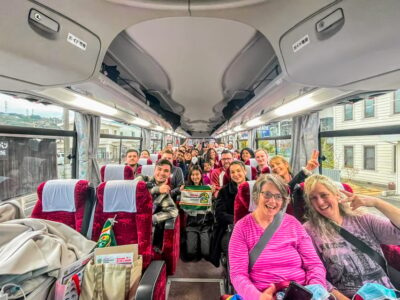
Tokyo Mt Fuji 5th St & Hakone Cruise Bus Tour w/Bullet Train
Read our review →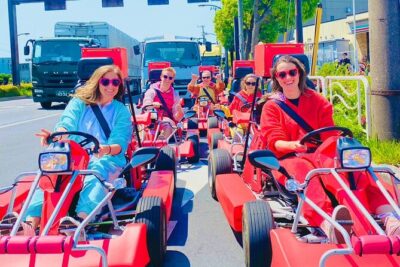
Flagship 2-Hours Official Street Go-Kart Tour – Tokyo Bay Shop
Read our review →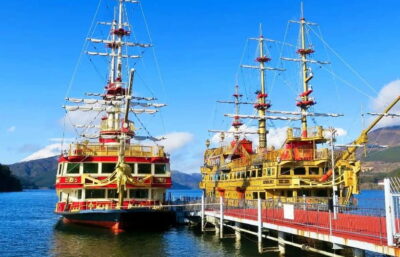
Mt. Fuji Tour, Hakone Ropeway, Owakudani, Lake Ashi
Read our review →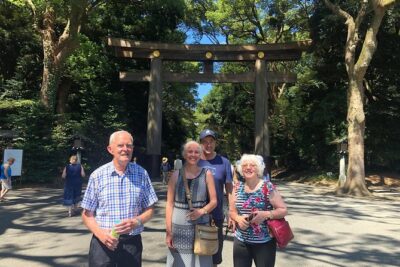
Tokyo 6hr Private Tour with Government-Licensed Guide
Read our review →