
Reviewed · KAMAKURA DAY TRIPS FROM TOKYO
Tokyo: Day Trip to Kamakura in Spanish – Spanish
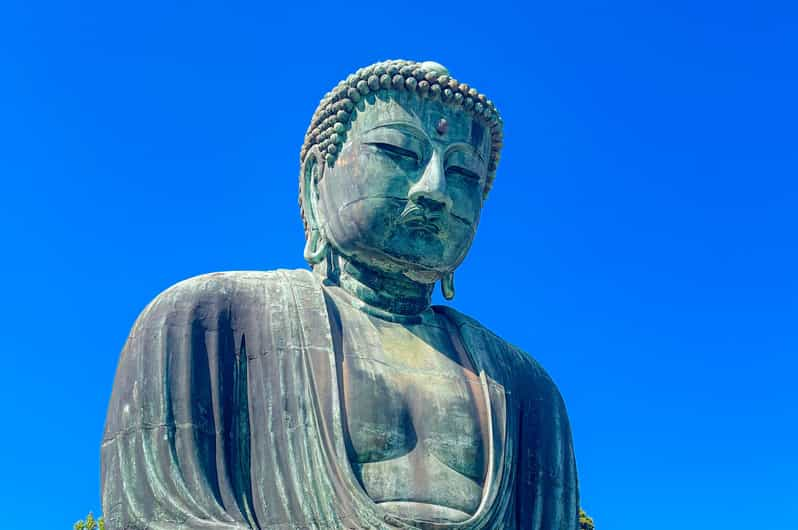
Kamakura gives you a sharp change of pace from Tokyo: ancient temples, wooded grounds, local shops, and a giant bronze Buddha, all reached by public transportation. The day begins at Tokyo Station and includes Hase-dera, Kotoku-in, and time along Kamakura’s main shopping street.
I like the Spanish-language guidance, especially for the legends and customs that can be easy to miss on your own. I also like the human touch from guides such as Nerea, Nikita, Camila, Paula, Ori, and Emi, who are praised for patience, clear explanations, and useful suggestions. The main drawback is cost planning: the $86 price does not include about ¥2,300 for transportation, ¥700 for temple tickets, or lunch and drinks.
Key points to know before booking
- Eight hours from Tokyo: The full day starts and ends at Marunouchi Square beside Tokyo Station.
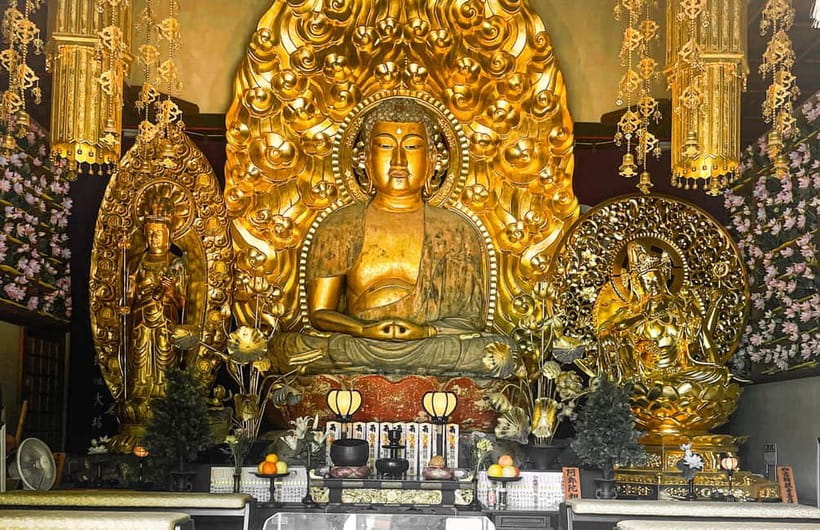
- Two major temple visits: Hase-dera comes first, followed by Kotoku-in and its 13-meter bronze Buddha.
- An old Japanese tram: The route includes a ride on one of Japan’s oldest trams still in operation.
- Spanish-speaking support: Guides explain the sites, legends, and local customs in Spanish.
- Extra costs matter: Add ¥2,300 for transportation and ¥700 for temple admission, plus food.
- Not a light-access outing: Large bags, unaccompanied minors, wheelchair users, and people with hearing impairments are not accommodated.
Why Kamakura makes a good break from Tokyo
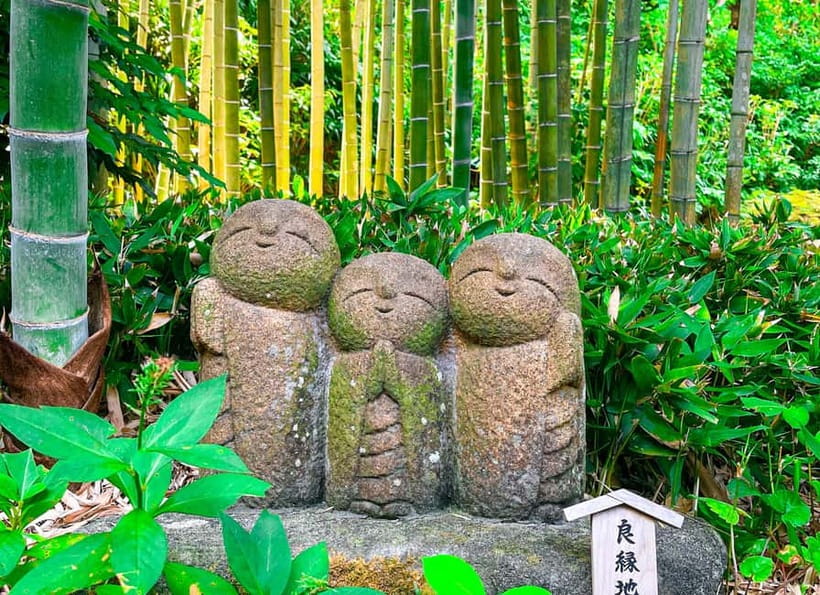
Tokyo can fill your day with towers, crossings, trains, and crowds. Kamakura offers another side of Japan. It was once a political center, but the experience here is less about grand city monuments and more about temple gardens, old religious traditions, narrow streets, and the quiet rhythm of a smaller town.
That contrast is the main reason I would consider this excursion. You leave Tokyo by train and spend the day among Buddhist temples and shopping streets without arranging every connection yourself. The trip still uses public transportation, so you experience some of the practical side of getting around Japan rather than sitting in a private coach from one attraction to the next.
The Spanish guide adds real value here. Hase-dera and Kotoku-in are not difficult to visit independently, but the meaning behind the statues, legends, and rituals can be hard to catch from signs alone. A good explanation helps turn a quick temple stop into a place you understand.
This is also a useful choice if you have limited time in Japan. Kamakura is close enough for a day trip from Tokyo, yet different enough to feel like a separate destination. You get temples, nature, local shopping, and a famous Buddhist statue in one organized day.
More Kamakura day trips from Tokyo:
- Tokyo: Mt. Fuji, Kamakura, Big Buddha, & Lake Ashi Day Trip
★ 4.5 · 867 reviews - Tokyo:Sea of Mount Fuji, Hakone Ropeway, Ōwakudani, Enoshima
★ 4.9 · 84 reviews - Kamakura 8 hr Private Walking Tour with Licensed Guide from Tokyo
★ 5.0 · 80 reviews
Meeting at Tokyo Station and taking the train south
The meeting point is in front of Tokyo Station at Marunouchi Square, by the central exit. Be precise here. Tokyo Station is enormous, and the tour does not begin at a vague neighborhood meeting spot. You need to reach the Marunouchi side and find the station facade at the central exit.
The excursion lasts about eight hours and returns to the same meeting point. That return arrangement is helpful if you have evening plans in Tokyo, though you should leave yourself some breathing room rather than schedule a tight dinner reservation immediately afterward.
Transportation is not included in the $86 price. The stated transportation cost is ¥2,300, and public trains and local transit are used during the outing. One part of the journey includes an old tram in Kamakura, and the exact mix of train, tram, and other local transport may require standing or moving through stations.
That setup has two sides. You get a more local and practical view of Japan, and the transport keeps the outing connected to the town rather than isolating you in a tour vehicle. On the other hand, you are responsible for the added fare, and an eight-hour public-transit day can feel tiring if you prefer a slow, private tour.
A Spanish-speaking guide is especially useful at the start. You can ask where to stand, how the day’s connections work, and what expenses are still ahead. Guides such as Nerea have been praised for patience and for adapting to the pace of families with children, while Nikita is noted for making people feel comfortable quickly.
Hase-dera and the old tram ride
After reaching Kamakura, the group boards one of the oldest trams still operating in Japan. This is more than a way to get from point A to point B. It adds a small piece of local character to the day and gives you a sense of how Kamakura is connected beyond the main railway station.
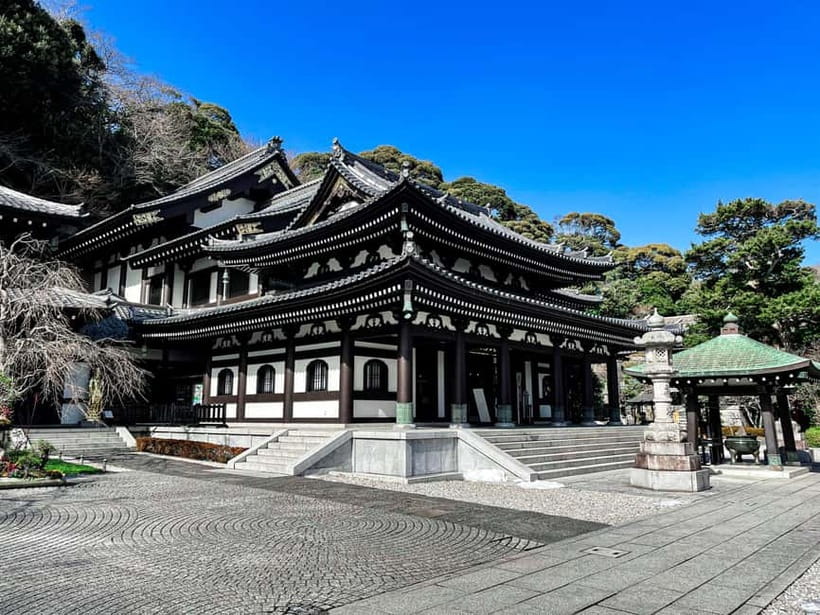
The first major stop is Hase-dera Temple. The temple is presented as a place of myths and legends, so this is where a Spanish-speaking guide can make the biggest difference. Rather than simply walking past buildings and statues, you can hear the stories tied to the site and ask questions as you go.
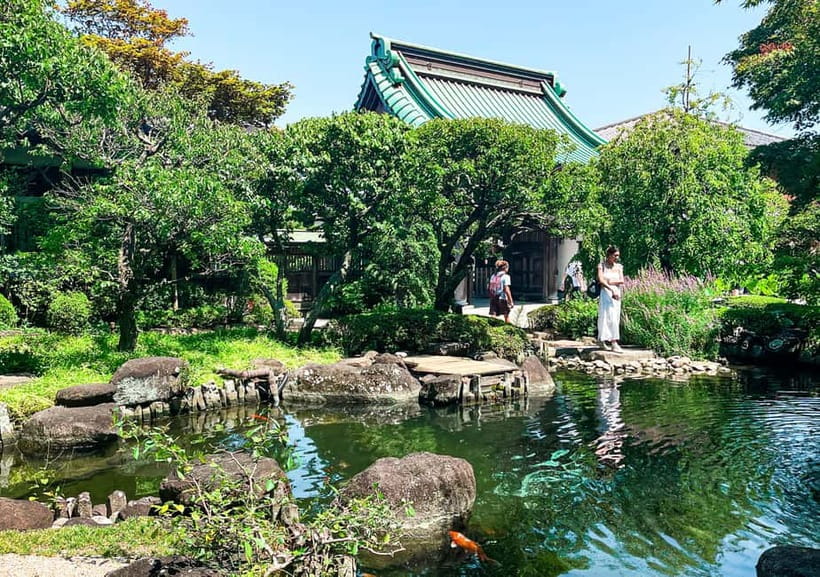
The setting combines religious buildings with serene natural surroundings. You should expect walking through temple grounds and taking in views and vegetation along the route. The appeal is not only one grand object. It is the way the temple lets you move between spiritual spaces, greenery, and old Japanese traditions in one visit.
I would give Hase-dera time to settle in before rushing for photographs. The tour is designed to explain the site as you explore it, and that pace is part of its value. The downside is that a guided schedule cannot guarantee unlimited time at every corner. If you prefer to linger quietly at one temple for a long stretch, an independent visit may feel less constrained.
Still, Hase-dera is a strong opening stop because it introduces Kamakura through stories and atmosphere rather than through a single famous object. Guides including Paula, who is praised for her knowledge of Japanese history, can help connect the visual details with the larger story of the town.
Kotoku-in and the 13-meter Great Buddha
From Hase-dera, the route continues on foot to Kotoku-in Temple. The temple’s main draw is the Great Buddha, a bronze figure measuring 13 meters and weighing 121 tons. It is described as the second-largest bronze Buddha in Japan, making this the most immediately impressive sight on the schedule.
The scale is the point, but do not treat it as only a quick photo stop. The statue gives you a clear physical sense of Kamakura’s religious importance and artistic skill. A guide can explain the setting and the stories surrounding it, helping you place the Buddha within the town’s wider spiritual character.
The walk between Hase-dera and Kotoku-in also matters. You are not being moved from one isolated attraction to another by vehicle. You travel through Kamakura on foot, then spend time at a second temple with a very different visual focus. Hase-dera offers gardens, legends, and natural surroundings. Kotoku-in centers attention on one enormous bronze figure.
Temple admission is an extra ¥700 for the day’s visits. That is not a large amount compared with the total cost of the excursion, but it should be included when you set your budget. Food and drinks are also separate.
The tour description says this is a cultural outing, not a private photo transfer. Expect explanations, walking, and public transportation. If you want to see the Great Buddha but have no interest in temples or local stories, you may find the eight-hour format longer than necessary. If you want context, the longer visit makes better sense.
More 1 Day Tours in Tokyo:
- Mt Fuji and Hakone 1-Day Bus Tour Return by Bullet Train
★ 5.0 · 26,383 reviews - 1-Day Tokyo Bus Tour
★ 5.0 · 14,250 reviews - Mt Fuji & Hakone Cruise, Drum Show Bullet Train 1 Day from Tokyo
★ 4.0 · 7,413 reviews - Tokyo: DisneySea 1-Day Passport
★ 4.5 · 2,726 reviews
Kamakura’s main street, lunch, and shopping time
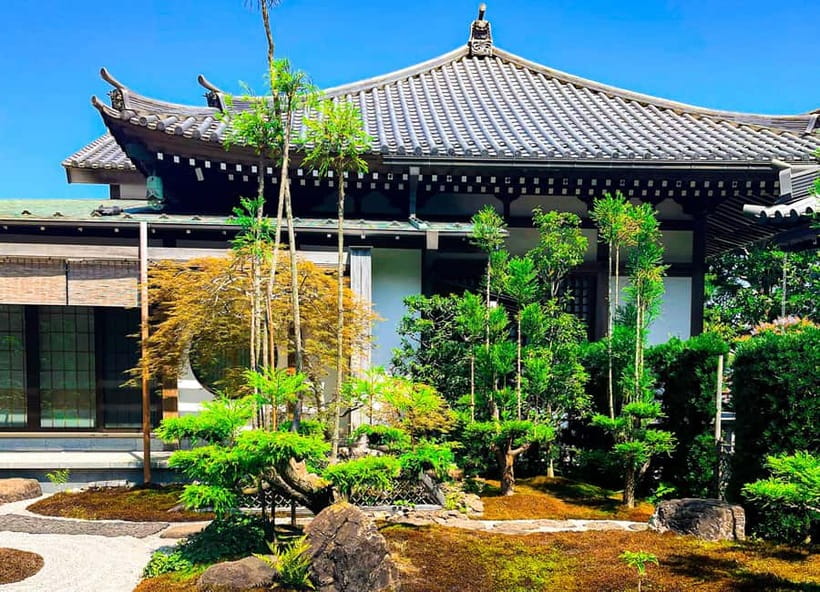
After the temple visits, the group heads to the main street of Kamakura. It is lined with shops and has a distinct local feel, giving you a chance to switch from quiet religious sites to food, small purchases, and everyday town life.
Lunch is not included, and you have time to choose and pay for your own meal. That arrangement keeps the day flexible, since you can decide how much time and money to spend. It also means the tour does not provide a fixed meal or cover dietary needs, so plan to ask your guide for suggestions.
The shopping street is a useful part of the schedule rather than filler. After several hours of temples and transit, you get time to browse at your own pace. You can also ask the guide for recommendations on food, shops, and what else to do in Japan. The practical advice is one of the tour’s strongest extras, especially if this is your first visit.
Do not expect a long, unstructured afternoon. The group must still return to Tokyo, so your shopping and meal period has a limit. You may need to choose between a relaxed lunch and extensive browsing. I would use the guide’s advice early, then decide how to spend the available time instead of trying to see every shop.
This part also helps balance the day. Kamakura is not presented only as a collection of temples. You see how a historic town functions as a modern place, with food, retail streets, and transport links alongside religious landmarks.
What the Spanish guide adds
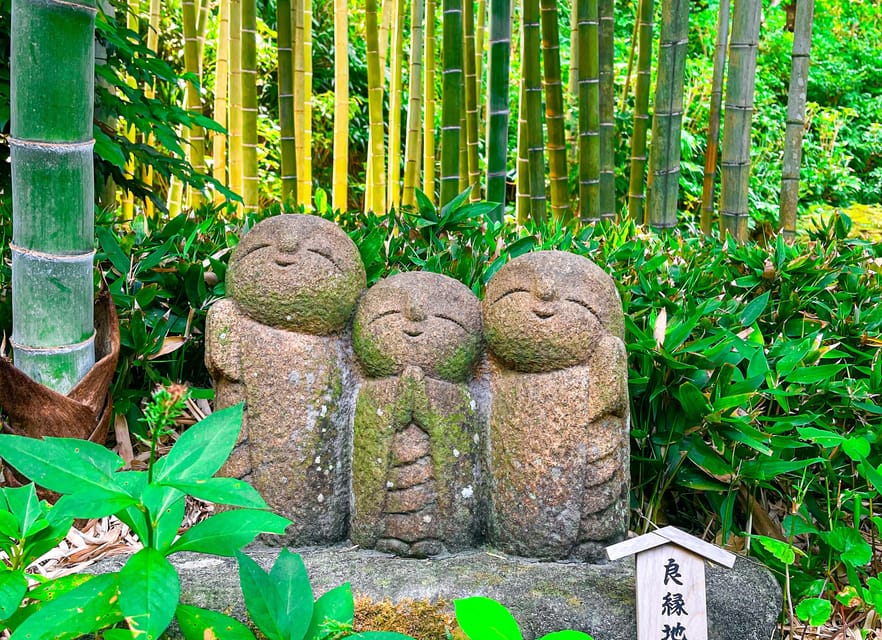
The tour is offered in Spanish, and that is its central selling point. The best use of a guide here is not simply translation. It is hearing the stories behind Hase-dera, understanding what you are looking at, and getting help with practical matters such as transport, food, and timing.
Several guides connected with the experience receive especially warm praise. Camila is described as organized, attentive, and strong at explaining the places visited. Nerea is noted for patience and for adjusting to children’s pace. Nikita is described as friendly and detailed, while Ori is praised for making the tour enjoyable and offering good recommendations. Paula is singled out for her understanding of Japanese history, and Emi is remembered as an especially good guide.
Guide assignment can change, so you should not book solely to meet one named person. Still, these specific examples give you a useful picture of the service: expect a personal, friendly style rather than a purely scripted walk.
There is one point to clarify before you go. One participant experienced some confusion because the guide initially said the tour would be in Spanish but also guided in English. If Spanish-only commentary is essential to you, confirm the language arrangement at the start. The published language is Spanish, but bilingual guiding may occur.
Price, extra costs, and overall value
The base price is $86 per person. Once you add ¥2,300 for transportation and ¥700 for temple tickets, the core cost becomes noticeably higher, before lunch and drinks. Keep that total in mind when comparing this with independent travel.
The value depends on what you want from Kamakura. If you are comfortable planning trains, local transit, temple stops, and a route between attractions, you can likely create your own day. The tour earns its price through the Spanish explanations, coordination, historical context, and local recommendations.
I see the best value for visitors who want cultural context without managing the full day themselves. You still use public transportation, but the guide helps turn a potentially confusing outing into a clear sequence: Tokyo Station, Kamakura, old tram, Hase-dera, Kotoku-in, shopping street, and return to Tokyo.
The price is less attractive if you only want to see the Great Buddha and take a quick photograph. In that case, an independent visit may give you more control. This tour makes more sense when you want the temples explained and want help understanding the town beyond its most famous statue.
The cancellation policy is friendly to changing plans: you can cancel up to 24 hours ahead for a full refund, and you can reserve now and pay later. That flexibility is useful when your Tokyo schedule is still shifting.
Who should book this Kamakura day trip
I would recommend it to Spanish-speaking visitors who want a full introduction to Kamakura and prefer company on the train and local transit. It suits people who enjoy temples, legends, Japanese history, shopping streets, and a day that mixes guided explanation with some personal time.
Families may also find it workable, especially with a patient guide such as Nerea, though children must be able to manage a full eight-hour outing with walking and public transportation. You should also be comfortable carrying only a small personal bag, since luggage and large bags are not allowed.
This is not suitable for wheelchair users, and it is not suitable for people with hearing impairments according to the activity information. Unaccompanied minors are not allowed.
Book it if the Spanish commentary and local guidance are the main reason you want to see Kamakura. Skip it if you want a private vehicle, a short visit, a fixed meal, or complete control over how long you spend at each temple.
FAQ
Where does the Kamakura tour start?
It starts in front of Tokyo Station at Marunouchi Square, by the central exit.
Where does the tour end?
The activity ends back at the same meeting point at Tokyo Station.
How long is the excursion?
The excursion lasts eight hours.
Is transportation included in the price?
No. Transportation is separate and costs ¥2,300. Public transportation is used during the excursion.
Are temple admission tickets included?
No. Temple tickets cost ¥700 and are paid separately.
Is lunch included?
No. Food and drinks are not included, but time is provided for lunch on Kamakura’s main shopping street.
Is the tour conducted in Spanish?
Yes. Spanish is the stated tour language. One guide has also used English alongside Spanish, so confirm the language arrangement if Spanish-only guiding is important to you.
Can I cancel for a full refund?
Yes. You can cancel up to 24 hours in advance for a full refund.
Newly reviewed around Tokyo
- Tokyo Asakusa:Calligraphy & Make T-shirt Activity★ 5.0 · 62 reviews
- Intercity Shuttle, Tokyo to Haneda /Narita /Yokohama /Makuhari★ 5.0 · 5 reviews
- 1 Hour Travel around Tokyo with a Professional Photographer★ 5.0 · 3 reviews
- Travel Tokyo with Your Own Personal Photographer★ 5.0 · 43 reviews
- Kickboxing & Body Training with EX-Pro Fighter★ 5.0 · 4 reviews
- Train in Samurai Swordsmanship and Defeat the Demon in Tokyo★ 5.0 · 5 reviews
- Shuttle Van 6hr Tokyo Tour to-and-from Tokyo, Yokohama and Narita★ 5.0 · 9 reviews
- Traditional Japanese Knife Sharpening Class★ 5.0 · 18 reviews
Kamakura Day Trips from Tokyo, compared.
Mt. Fuji, Kamakura, Big Buddha, & Lake Ashi Day Trip
Read our review →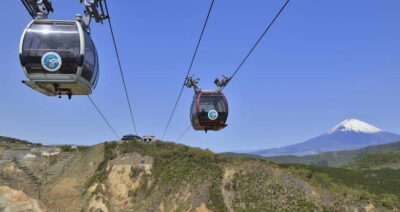
Sea of Mount Fuji, Hakone Ropeway, Ōwakudani, Enoshima
Read our review →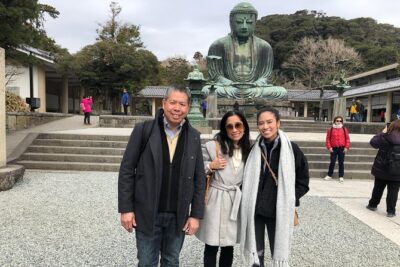
Kamakura 8 hr Private Walking Tour with Licensed Guide from Tokyo
Read our review →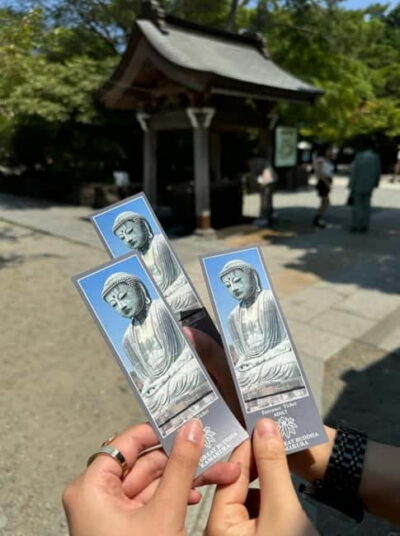
Kamakura & Enoshima Day Tour with Pickup & Train Ride
Read our review →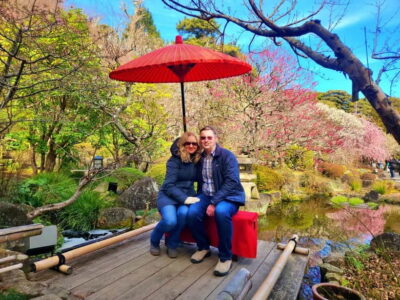
Kamakura Private & Customizable Tour – All-in-One Experience
Read our review →
Private Car Tour to see Highlights of Kamakura, Enoshima, Yokohama from Tokyo
Read our review →
From Tokyo Kamakura, Hachimangu Shrine and Enoshima Full Day Tour
Read our review →
Day Trip to Kamakura & Enoshima: Shrines, Seaside, Temples & Tea
Read our review →Browse the lists this tour appears in