
Reviewed · TOKYO FOOD TOURS
Tokyo: Allstar Food Tour
Tokyo’s best food lesson may begin beneath the train tracks. This three-hour walk links polished Ginza with old-school Yurakucho, where lantern-lit alleys, tiny izakaya, grilled skewers, and seafood give you a much closer look at everyday dining than a standard restaurant meal. You’ll also visit a snack shop with more than 300 years of history.
I like the small group limit of 10, which makes it easier to ask questions and follow a guide into compact eating places. I also like the mix of food and context: you taste regional and seasonal specialties while learning how Japanese dining customs work. The main consideration is the price, $181 per person, which is a serious outlay for three hours and does not cover transport, extra food, or gratuity.
Key points
- Ginza to Yurakucho in one evening: See Tokyo’s grand shopping district and its retro railway-side dining lanes in a single walk.
- Three hours of guided tasting: Expect several food stops, two drinks, snacks, dessert, and explanations of Japanese food customs.
- A 300-year-old snack tradition: Try crisp rice crackers made from a recipe with more than two centuries of history.
- Small-group access: The group is limited to 10 people, a useful size for narrow izakaya and personal questions.
- A strong first-night choice: The tour starts near Ginza Station and can help you understand local food and bar customs early in your trip.
- Plan for the full cost: The $181 price includes food, two drinks, dessert, and the guide, but not transport, gratuity, or add-on orders.
Starting beneath the Ginza Wako clock
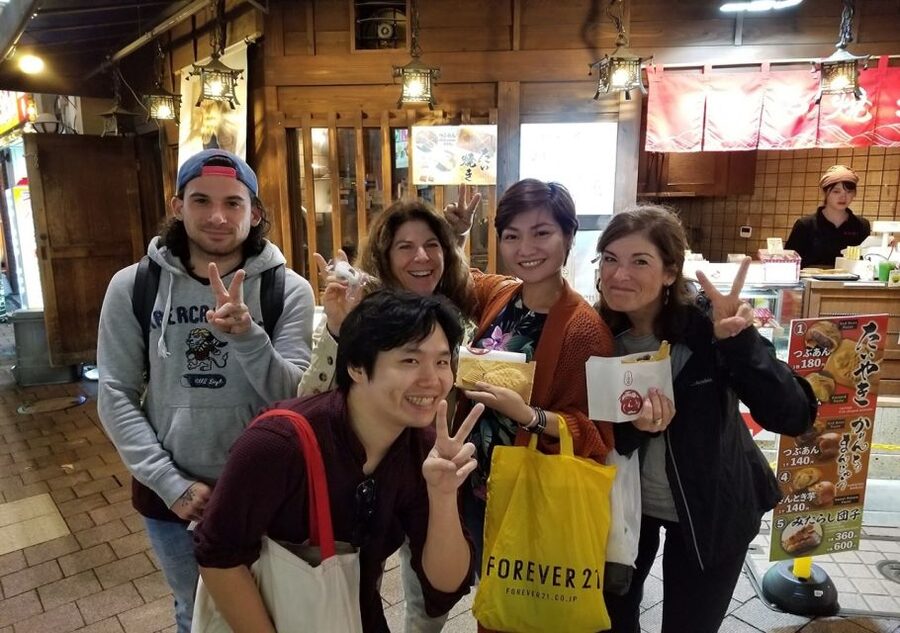
Your meeting point is in front of the Ginza Wako Building, about a minute from Ginza Station. The easiest route is Ginza Station Exit A9, reached by following signs for the Ginza 4 chome Crossing Gate after passing through the fare gates.
This is a smart place to begin. The Wako Building gives you a clear landmark in a district full of large department stores and polished facades. You are also starting in Ginza, Tokyo’s most expensive and prestigious shopping area, before moving toward the more casual streets around Yurakucho.
The tour is best taken as an evening introduction to Tokyo. The supplied schedule does not specify one fixed start time, so check availability when booking. One useful time tip comes from the experience itself: an earlier evening start can help you avoid the worst dinner rush. You still get the lanterns and after-work atmosphere, but you may have an easier time hearing your guide and finding seats.
Because the route starts at a busy central station, leave enough time to find Exit A9. Tokyo’s station signs are good, but Ginza Station has several exits and underground passages. Arriving early is better than beginning the tour flustered and hungry.
More Tokyo food tours:
- Tokyo: Shinjuku Food Tour (13 Dishes at 4 Local Eateries)
★ 5.0 · 6,603 reviews - Tokyo: Shinjuku Food Tour (15 Dishes and 4 Eateries)
★ 4.9 · 2,033 reviews - Best of Shinjuku: Izakaya Food Tour (4 Stops, 14+ Tastings)
★ 5.0 · 1,863 reviews
Ginza’s polish, Yurakucho’s old Tokyo feel
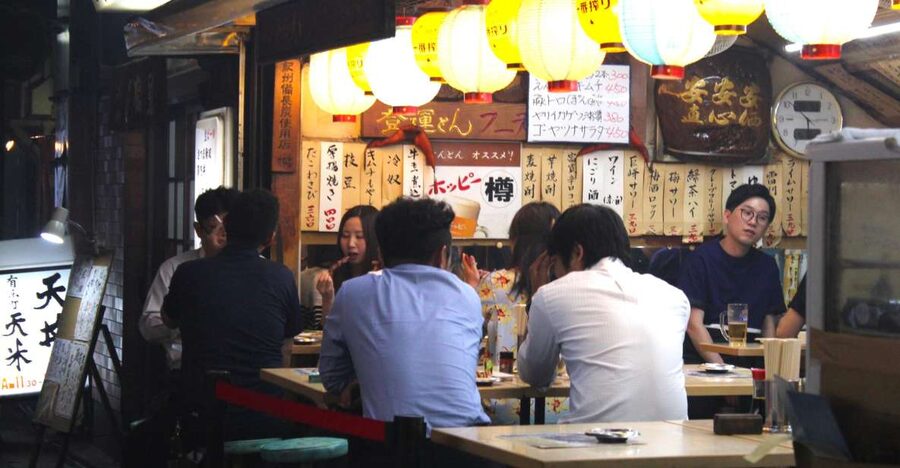
The first contrast arrives quickly. Ginza is broad, formal, and lined with luxury shops. Yurakucho feels more relaxed, with low-key drinking spots and food counters tucked beneath or beside the railway tracks.
That change in setting is one of the tour’s main strengths. You are not simply moving between restaurants. You are seeing two versions of central Tokyo. Ginza shows the city’s wealth and style. Yurakucho brings you closer to the small bars and informal eating places used by office workers and local regulars.
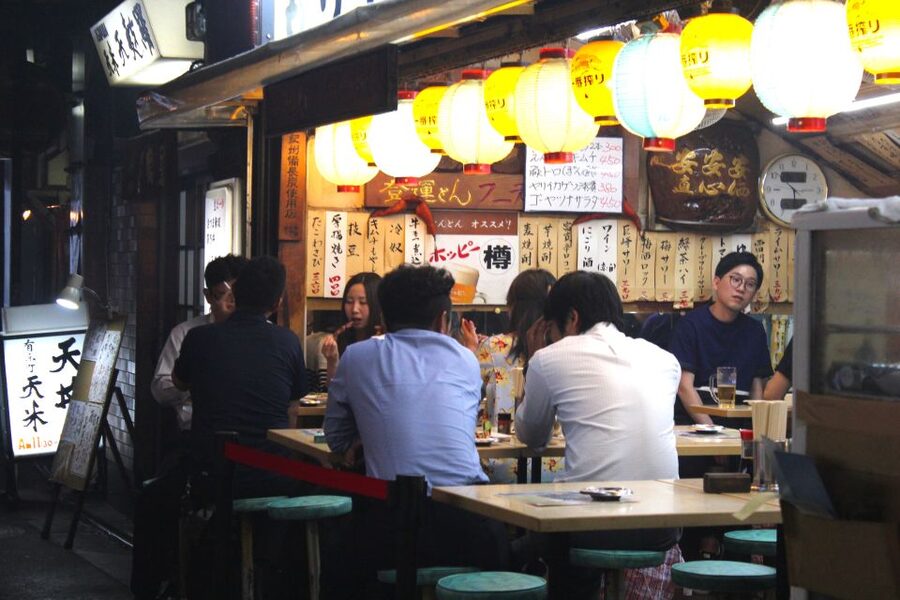
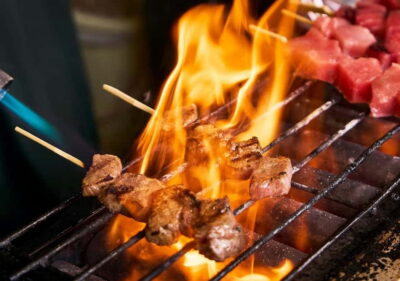
Under the railway line, the sound of trains becomes part of the evening. Red lanterns and neon signs point toward yakitori restaurants and compact izakaya. The setting can feel crowded and noisy, so this is not the right outing if you want a quiet, formal dinner. It is a better fit if you enjoy close tables, quick conversation, and the feeling that the city is carrying on around you.
Your guide explains the Showa-era character of the area. The Showa period is useful context here because the appeal is not just old decoration. The tour presents Yurakucho as a place where older dining habits, casual drinking, and neighborhood social life remain visible in the center of modern Tokyo.
What you actually eat along the way
The exact dishes can vary, and that is normal for a food tour built around seasonal and regional tastes. You can expect several stops rather than one large meal, with dishes served at multiple food spots and two drinks included.
The experience emphasizes specialties from different parts of Japan. That matters because Tokyo food is not only sushi and ramen. Regional cooking, packaged snacks, grilled foods, and small dishes all have a place in the city’s dining culture. Your guide can explain what you are eating, where that style comes from, and how it fits Japanese food customs.
One especially memorable stop is a specialty snack shop with more than 300 years of history. The tour highlights crisp rice crackers made using a secret recipe dating back more than 200 years. This is the sort of detail that gives the walk a sense of place. A rice cracker may look simple, but its ingredients, texture, preparation, and packaging connect it to a long commercial food tradition.
You also get unique snacks and a dessert at the end. The dessert gives the evening a clear finish rather than leaving you to wander away after the final savory dish. If you have a strong sweet tooth, keep in mind that the information provided does not specify the dessert, so you should not book this expecting one particular confection.
The food is varied, but this is not a conventional full-course dinner. Some people may leave satisfied after several tastings, while others may want an extra meal later, especially if they have a large appetite. Additional food and drinks can be purchased at your own expense.
Why the izakaya stops matter
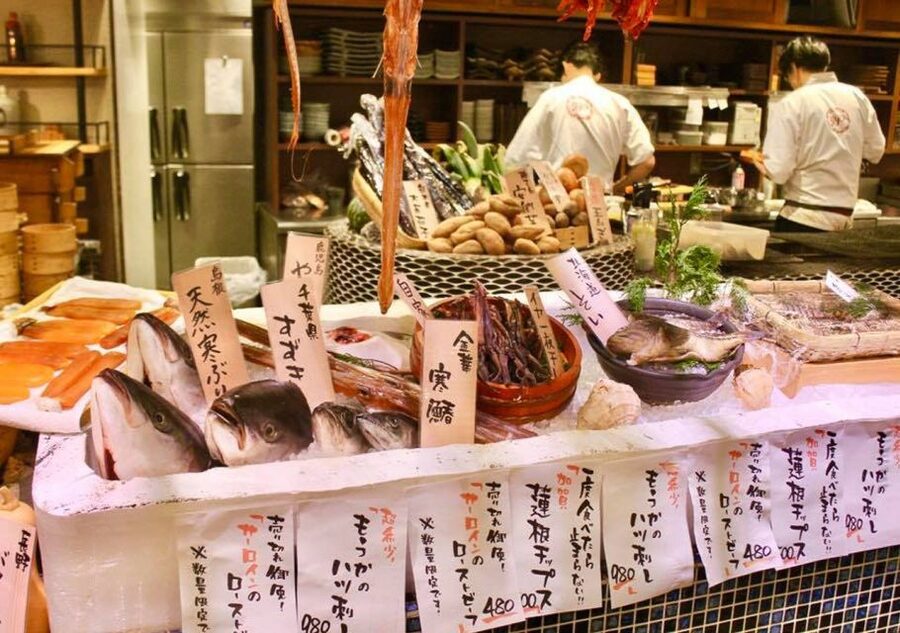
An izakaya is often translated as a Japanese pub, but that short definition misses much of its use. It is a place for small plates, drinks, conversation, and informal meals. The tour uses izakaya to show you a side of Japan that can be hard to understand from a restaurant reserved online.
You may enter a compact room with limited seating, so the small group size matters. A group capped at 10 is easier to fit into narrow places than a large coach group. It also gives you a better chance to hear the guide explain ordering habits, shared dishes, and the social rhythm of the meal.
Past guide assignments have included Sandra, Motoko, Josh, Ryan, Anne, and Satoshi. The guide you receive is not guaranteed, but the tour is designed around an English-speaking local guide. Strong guide-led elements are important here because the food stops alone would not explain why the places matter.
Motoko, in particular, has been associated with tours that connect street food, family-run restaurants, sushi, and ramen with stories about Japanese cuisine. Josh has been praised for humor and an approachable manner, while Satoshi has been noted for his knowledge of food, culture, and the surrounding city. Those names do not promise a particular guide, but they show the kind of personal, conversational hosting this experience aims to provide.
Expect the guide to do more than point at food. The value is in explaining customs and giving you the confidence to recognize a small izakaya, understand what you are ordering, and appreciate why a particular snack or dish belongs in the story of Japan.
A completely different kind of day in Tokyo:
- Mt Fuji and Hakone 1-Day Bus Tour Return by Bullet Train
★ 5.0 · 26,383 reviews - 1-Day Tokyo Bus Tour
★ 5.0 · 14,250 reviews - Tokyo: teamLab Planets TOKYO Digital Art Museum Entry Ticket
★ 4.6 · 9,779 reviews - Mt Fuji & Hakone Cruise, Drum Show Bullet Train 1 Day from Tokyo
★ 4.0 · 7,413 reviews
A closer look at the three-hour rhythm
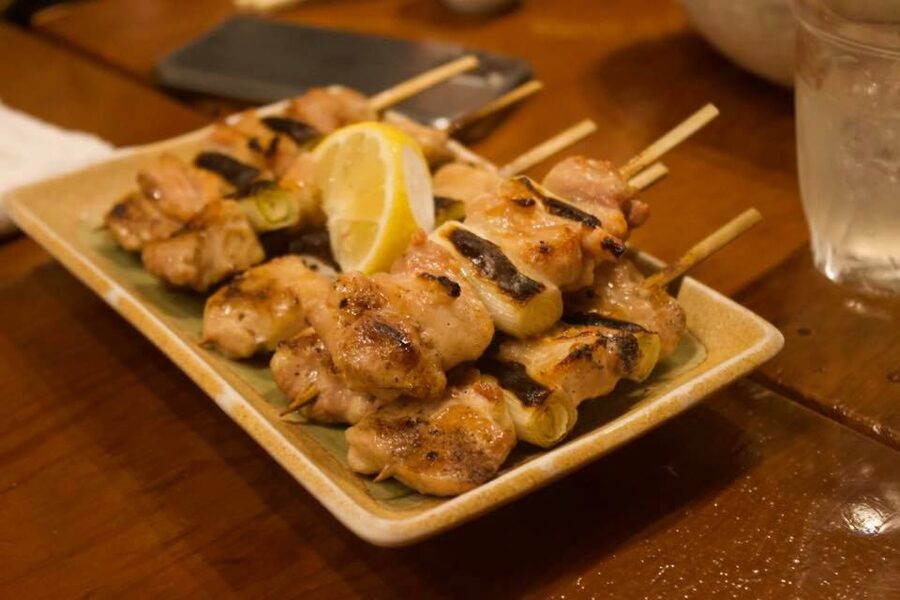
The tour begins with the Ginza meeting point, then moves through the Ginza and Yurakucho areas on foot. Since the total duration is three hours, the pacing should feel steady rather than rushed, with enough time for food stops and conversation.
The first portion sets up the contrast between luxury Ginza and the older railway-side lanes. This is useful for first-time visitors because it gives you an immediate mental map. You see how close Tokyo’s grand commercial streets can be to modest places where people gather for grilled food and drinks.
The middle section focuses on the tastings and izakaya atmosphere. You may try regional dishes, seasonal food, grilled items, snacks, and drinks as the guide explains what makes each stop different. The supplied details do not promise a fixed menu, so think of this as a guided food sampler rather than a checklist of named dishes.
The historic snack stop adds a slower cultural note. Instead of treating food as something to photograph and consume quickly, the guide can explain how a specialty shop survives through generations and why rice crackers have such a firm place in Japanese snack culture.
The final course is dessert. By then, you have moved from luxury streets to informal food lanes and sampled both sit-down and snack-style eating. The dessert works as a pleasant endpoint, though the unknown menu means you should keep expectations open.
The guide makes or breaks the experience
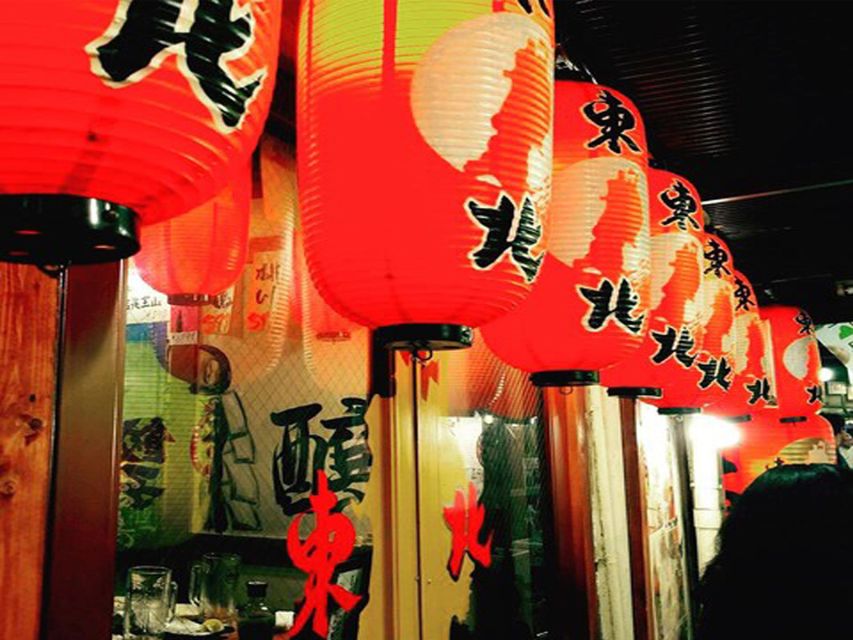
A food tour in Tokyo can be difficult to manage alone. Menus may be unfamiliar, restaurants may be tiny, and local customs are not always obvious. An English-speaking guide reduces that friction and gives you a person to ask when you are unsure how to order or share a dish.
The strongest part of this experience is likely the human connection. The guide can point out details you would otherwise pass, explain the difference between Japanese food and other Asian cuisines, and help you understand the setting as well as the meal.
The small group also supports conversation. You can ask about ingredients, etiquette, local bars, or where to eat later in the trip. A large group often turns that kind of exchange into a lecture. Ten people is still large enough for a social evening but small enough to feel manageable.
If you join alone, contact the supplier before booking. That request is specifically noted for solo participants, so do not assume you can simply arrive without advance confirmation. Families and groups should also note that a passport information copy is required for every participant aged 10 and older.
Dietary needs and practical comfort
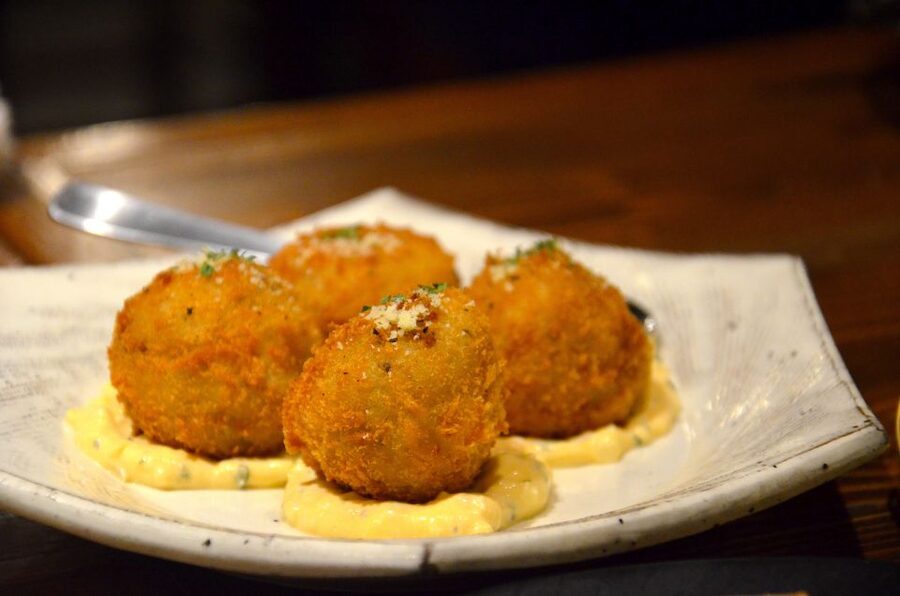
Dietary options are available, but you should communicate your needs before the tour. A food walk through several venues is much easier to manage when the guide and food stops know in advance what you can and cannot eat.
The tour includes two drinks, but not additional beverages. If you do not drink alcohol, ask about available choices when arranging your booking. The provided details confirm two drinks but do not specify whether every stop offers the same options.
You pay for your own transport to and from the meeting point. This is less of a burden than on a suburban activity because the starting location is central and close to Ginza Station, but it still belongs in your budget.
Gratuity is not included. You should also allow extra money if you want more drinks, another dish, or a snack to take away. The tour’s food is meant to introduce you to several places, not necessarily replace every meal of the day.
Is $181 a fair price?
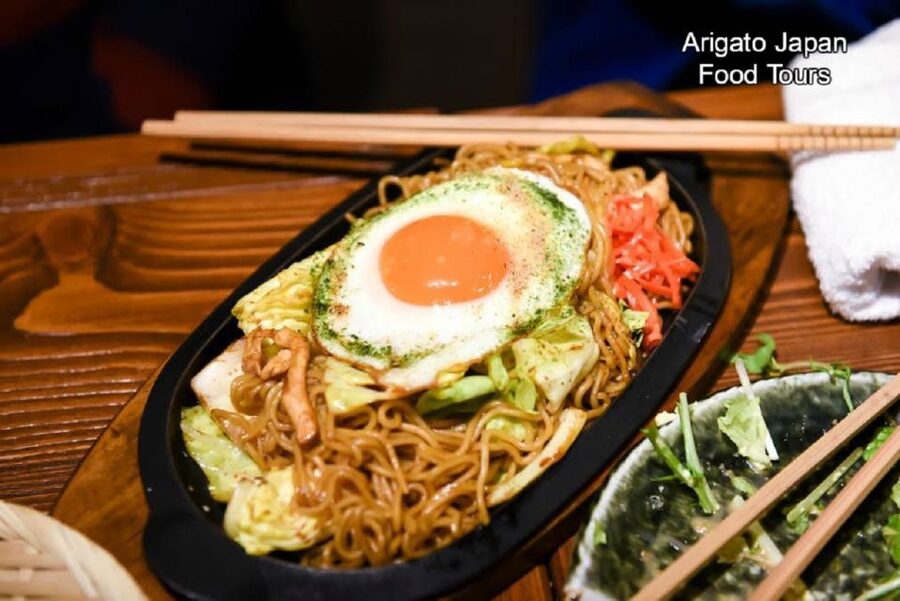
At $181 per person, this is not a cheap way to grab dinner. You are paying for a guide, several food stops, two drinks, snacks, dessert, a small group, and the convenience of having the evening organized for you.
The price makes more sense if you value interpretation and access over quantity. You could spend less in Yurakucho by choosing one casual restaurant yourself. You would not necessarily get the background on regional foods, Showa-era dining, the specialty snack shop, or the customs behind izakaya eating.
I see the tour as better value for a first or second night in Tokyo than for a visitor who already knows the city’s food districts. Early in a trip, the guide can help you get your bearings and teach you how to approach the food scene. Later, you may be ready to explore independently and spend the same money across several meals.
The price is also easier to justify for people who dislike making restaurant decisions in an unfamiliar city. You get a planned route and a local host, plus enough variety to learn what you want to seek out later.
Who should book this food walk?
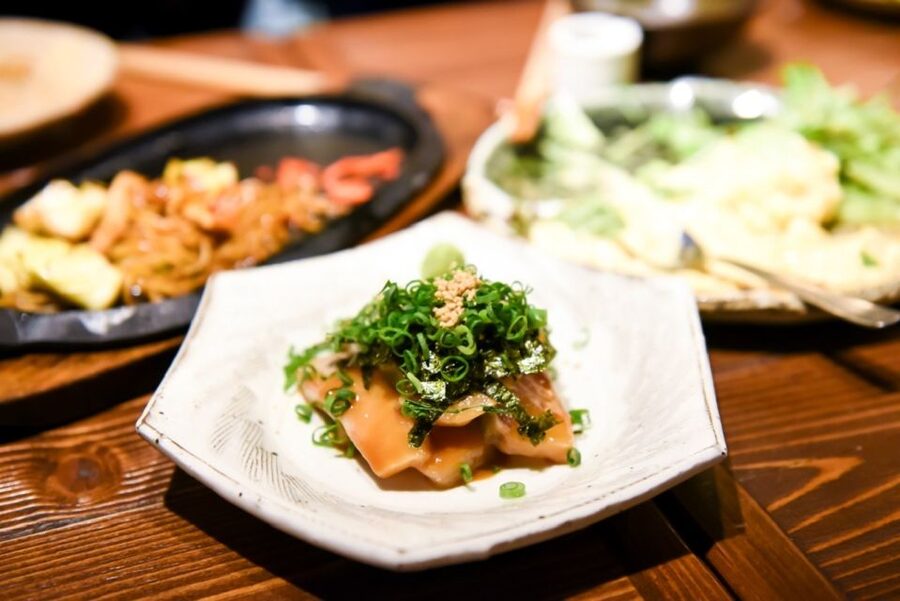
I would recommend it to first-time visitors who want food, neighborhood character, and cultural explanation in one evening. It suits couples, friends, and solo visitors who enjoy meeting a small group and trying several dishes instead of sitting through one long dinner.
It is also a good choice for curious eaters who want more than famous Japanese staples. The regional specialties, historic rice crackers, izakaya customs, and seasonal flavors give you a broader view of Japanese food.
You may want a different activity if you need a guaranteed menu, a quiet dining room, a large dinner, or the lowest possible price. The route can include compact, lively eating places, and the food list can change. That flexibility is part of the charm, but it may frustrate anyone who wants every dish confirmed before paying.
Cancellation is flexible up to 24 hours before the tour for a full refund, and you can reserve now and pay later. Those terms help if your Tokyo schedule is still shifting, but they do not change the need to confirm dietary needs and solo bookings ahead of time.
Final call: book it for context, not just dinner
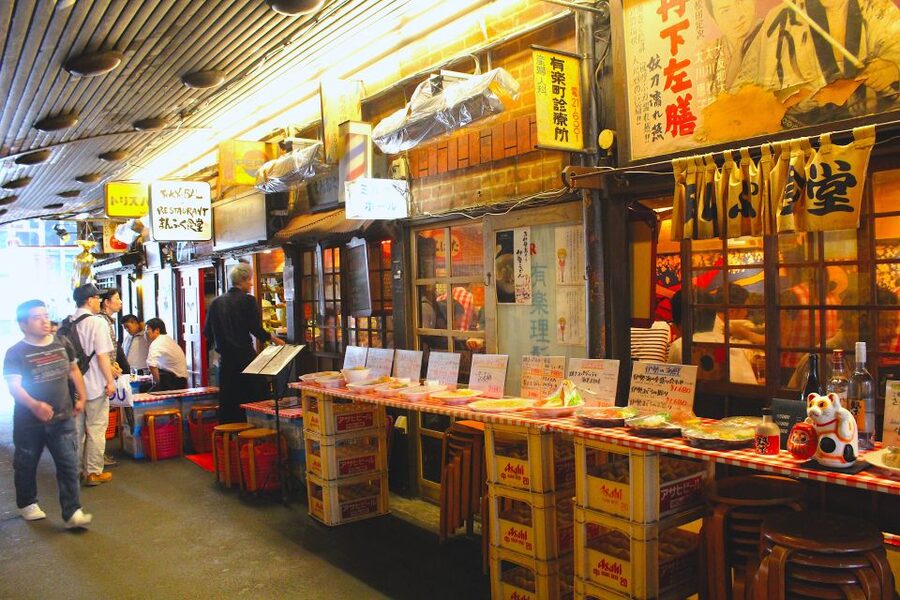
Book this tour if you want Tokyo food explained as part of city life. The best reasons are the contrast between Ginza and Yurakucho, the small group, the old snack shop, and the chance to enter the izakaya world with a guide beside you.
I would skip it if your main goal is simply to eat as much as possible for $181. You can find cheaper meals on your own. But if this is your first Tokyo evening and you want a friendly introduction to local customs, regional tastes, and the city’s after-work food culture, the tour offers a useful head start.
FAQ
Where does the Tokyo Allstar Food Tour meet?
The meeting point is in front of the Ginza Wako Building, about a minute from Ginza Station. From the station, follow signs for the Ginza 4 chome Crossing Gate and exit through A9.
How long does the tour last?
The tour lasts three hours. Starting times vary, so check availability for the date you want.
What is included in the price?
The price includes a variety of dishes at several food stops, two drinks, unique desserts and snacks, and an English-speaking local guide.
Is hotel pickup included?
No. Hotel pickup is not included, though it can be arranged for an additional charge. Transportation costs to and from the meeting point are also separate.
Can dietary requirements be accommodated?
Dietary options are available. Contact the supplier before booking so the food stops and guide can prepare for your needs.
Can I join as a solo traveler?
Solo participation requires contacting the supplier before booking. The tour is limited to 10 participants, and a copy of passport information is required for all participants aged 10 and older.
Newly reviewed around Tokyo
- Tokyo Asakusa:Calligraphy & Make T-shirt Activity★ 5.0 · 62 reviews
- 1 Hour Travel around Tokyo with a Professional Photographer★ 5.0 · 3 reviews
- Travel Tokyo with Your Own Personal Photographer★ 5.0 · 43 reviews
- Intercity Shuttle, Tokyo to Haneda /Narita /Yokohama /Makuhari★ 5.0 · 5 reviews
- Train in Samurai Swordsmanship and Defeat the Demon in Tokyo★ 5.0 · 5 reviews
- Shuttle Van 6hr Tokyo Tour to-and-from Tokyo, Yokohama and Narita★ 5.0 · 9 reviews
- Kickboxing & Body Training with EX-Pro Fighter★ 5.0 · 4 reviews
- Traditional Japanese Knife Sharpening Class★ 5.0 · 18 reviews
Tokyo Food Tours, compared.
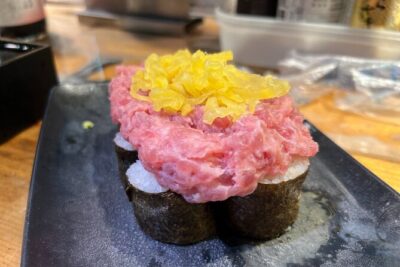
Shinjuku Food Tour (13 Dishes at 4 Local Eateries)
Read our review →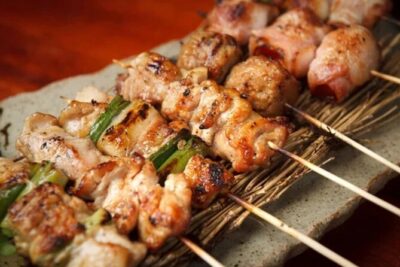
Shinjuku Food Tour (15 Dishes and 4 Eateries)
Read our review →
Best of Shinjuku: Izakaya Food Tour (4 Stops, 14+ Tastings)
Read our review →
Tokyo Night Foodie Tour in Shinjuku – Seasonal Sushi, Wagyu Beef
Read our review →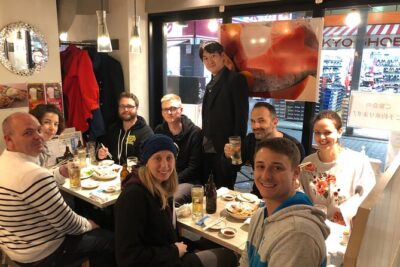
Eat and Drink Like a Local: Tokyo Ueno Food Tour-Taverns&Ramen
Read our review →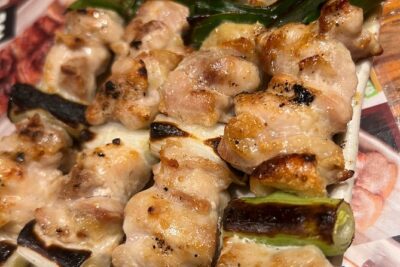
Tsukiji Fish Market: Street Food & Culture Walking Tour
Read our review →
Browse the lists this tour appears in