
Reviewed · TOKYO FOOD TOURS
Shinjuku Golden Gai Food Tour
Shinjuku changes character block by block, and this tour takes you from smoky postwar alleyways to tiny bars and karaoke rooms in one evening. You start near Tajimaya Coffee at 5:00 pm, eat at four stops, and finish in Golden Gai, where more than 200 small venues crowd into a few narrow lanes.
I like the way the tour makes Omoide Yokocho and Kabukicho easier to approach, especially if you would not know which doorway to try on your own. I also like the mix of ramen, yakitori, sushi, and seasonal dishes, plus two drinks included. The main drawback is the price: at $217 per person, you are paying as much for access, guiding, and local context as for the food itself.
Key points before you book
- Four food stops cover ramen, yakitori, sushi, and other local dishes, so arrive hungry and skip a large late lunch.
- The evening moves through three very different Shinjuku areas, from Omoide Yokocho to Kabukicho and Golden Gai.
- Two drinks are included, with the final drink served in the Golden Gai area.
- Guides make a major difference, and past tours have been led by people such as Sandra, Ray, Wesley, Alex, Yoshi, and Tommy.
- The group is limited to 10 people, which helps in tight alleys and small venues, though seating can still be a concern.
- The tour is for adults aged 20 and older, and vegetarian and pescetarian requests can be accommodated.
A three-hour walk through Shinjuku after dark
The tour begins at 5:00 pm near Tajimaya Coffee in Nishishinjuku. This timing is useful. You get enough daylight to find the meeting point, then watch the district shift into its evening mode as the tour continues.
Your guide is an English-speaking local guide, though the person leading your group can vary. Past guides have included Sandra, Ray, Wesley, Alex, Yoshi, Giulia, Daniel, Masahiro, Osmar, and Tommy. Their styles differ, but the best guides add food explanations, local customs, and stories about how Shinjuku works today.
The route is on foot, with no hotel pickup and no transport included. You should have a moderate level of fitness, since the evening involves walking, standing, narrow passages, stairs in some venues, and crowded streets. Wear comfortable shoes and keep your bag small.
The group maximum is 10 people. That is a sensible limit for Golden Gai, where many bars are tiny and passageways can feel tight. Still, small does not always mean perfectly organized. One past experience involved difficulty finding seats at several stops, including standing room at the final venue. I would not book this expecting a reserved table at every restaurant.
More things to do in Shinjuku:
- Tokyo: Shinjuku Food Tour (13 Dishes at 4 Local Eateries)
★ 5.0 · 6,603 reviews - Tokyo Bar Hopping Tour in Shinjuku (All-You-Can-Drink + Dinner)
★ 5.0 · 3,587 reviews - Tokyo: Shinjuku Food Tour (15 Dishes and 4 Eateries)
★ 4.9 · 2,033 reviews
Omoide Yokocho: old Tokyo in a narrow lane
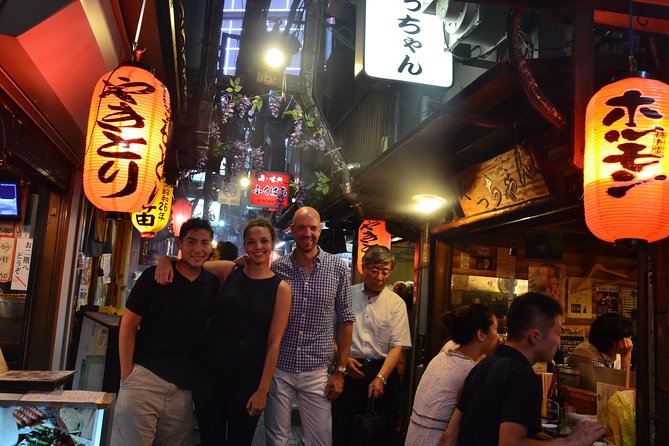
The first major area is Omoide Yokocho, a compact lane whose name means Memory Lane. Its bars and food counters preserve a look and feel linked to the years after World War II. The tour points out places that have remained largely unchanged since the 1950s, giving you a quick sense of how different this part of Tokyo is from the glass towers around Shinjuku Station.
This is one of the tour’s strongest sections because the setting does much of the work. You are not simply being led to a restaurant. You are walking through a tight, atmospheric strip where locals eat close to the cooking smoke and where the small scale makes the area feel far removed from a standard restaurant district.
The stop itself is listed as a short orientation point, but the evening includes food at four different places. The exact order and venues can change because of restaurant schedules, holidays, weather, or other practical issues. That flexibility is worth remembering. You should expect the food categories to remain similar, but not assume a particular restaurant or dish is guaranteed.
Kabukicho: food beside Tokyo’s entertainment center
From Omoide Yokocho, the route continues into Kabukicho, one of Tokyo’s best-known entertainment districts. This is the largest red-light district in Asia, but the tour presents it as a major nightlife quarter with restaurants, bars, clubs, and a long history of entertainment.
For many people, this is the part of Shinjuku they would otherwise only see from the edge. A guide helps explain what you are looking at and how the district fits into Tokyo life. The tour is not only a meal with a few facts added. It uses the walk between stops to discuss local customs, changing neighborhoods, religion, food, and modern Japanese culture.
That wider context is important because the food itself is not presented as a formal tasting menu. You are sampling ordinary Japanese dishes in places chosen for the setting and experience. Some groups have found the food generous and varied, while others have felt that the quality did not match the price. If you are a serious food specialist searching for high-end sushi or refined kaiseki cooking, this is not the right evening.
Four food stops: come hungry, but keep expectations clear
The main food portion includes four stops, with dishes such as yakitori, ramen, sushi, and other local or seasonal items. You will not get a private chef’s tasting menu. Instead, you will try several familiar Japanese foods while moving through Shinjuku’s back streets.
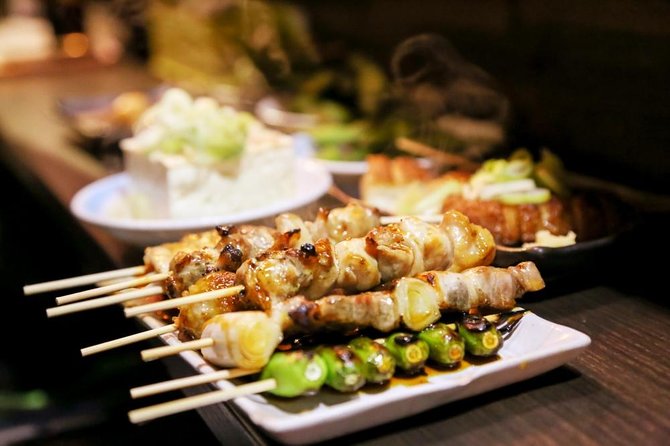
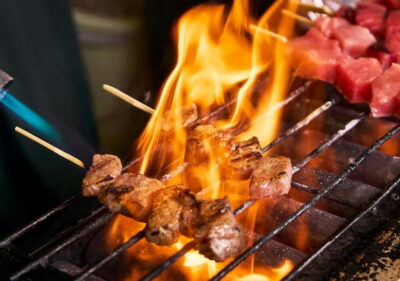
Yakitori gives you a taste of the simple food that suits a narrow drinking lane. Skewers can be a good introduction to izakaya-style eating, though preparation may vary. Some groups have enjoyed the skewers greatly, while one less positive experience found them dry and lacking sauce or flavor.
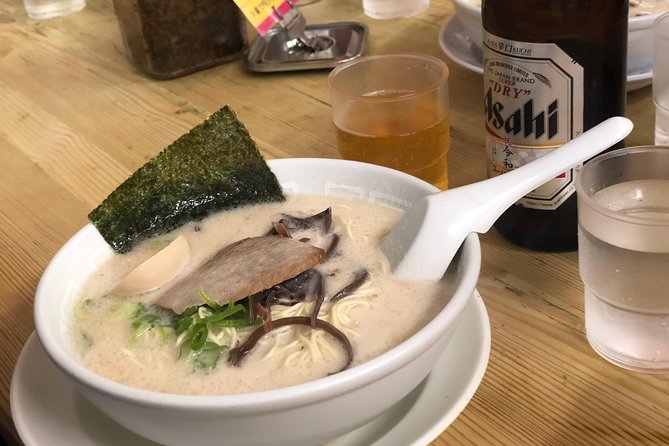
Ramen is often the most dependable highlight. One guide-led evening included what the group considered the best ramen of the trip. You may receive a different style or restaurant, since substitutions are possible, but ramen is a substantial course and one reason to avoid eating much beforehand.
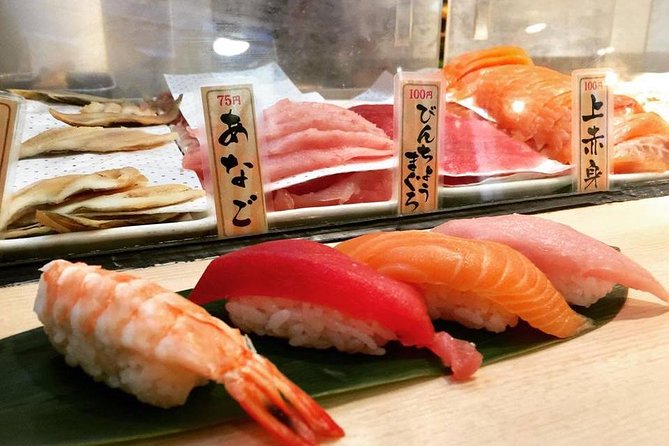
Sushi adds contrast to the hot dishes. It may be served in a casual setting rather than a specialist sushi counter. That can be part of the point, but you should not compare this stop with an expensive omakase meal. Food quality has received mixed reactions, so approach the tour as a broad sample of local eating rather than a search for Tokyo’s finest plate.
The fourth stop may include another local or seasonal dish. The exact food is not fixed in the information provided, which lets the guide adjust to availability and restaurant schedules. If you have dietary restrictions, mention them when booking and again at the meeting point. Vegetarian and pescetarian requests are supported, and one vegetarian guest with gluten restrictions received suitable meals, but the tour does not promise every possible dietary need.
The amount of food appears to be generous. Several evenings included enough tasting that guests advised arriving with an empty stomach. You are likely to leave well fed, even if one dish is not to your taste.
More Tokyo food tours:
- Best of Shinjuku: Izakaya Food Tour (4 Stops, 14+ Tastings)
★ 5.0 · 1,863 reviews - Tokyo Night Foodie Tour in Shinjuku – Seasonal Sushi, Wagyu Beef
★ 5.0 · 1,161 reviews - Eat and Drink Like a Local: Tokyo Ueno Food Tour-Taverns&Ramen
★ 5.0 · 957 reviews - Tokyo: Shibuya Food Tour (13 dishes and 4 Eateries)
★ 5.0 · 770 reviews
Hanazono Shrine: a quieter pause in the city
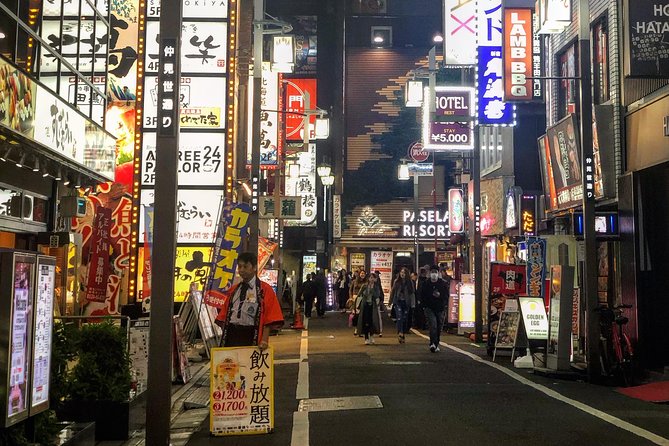
Hanazono Shrine appears along the route as a cultural stop. Its presence helps break up the food and nightlife portions with a place connected to Japanese religious practice.
The tour uses the shrine as part of its wider look at Shinjuku. Guides may explain local customs and the way religious traditions fit into everyday life. The supplied details do not promise a long shrine visit or a formal ceremony, so think of it as a brief stop during the walk rather than a separate shrine tour.
This is also where a good guide can add real value. Several guides have been praised for explaining etiquette, customs, and the mix of traditions found in Japan. Those explanations are especially useful if this is your first evening in Tokyo.
Golden Gai: tiny bars and a memorable finish
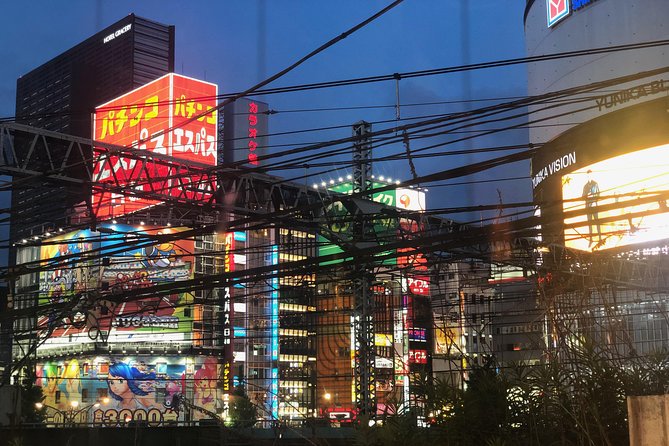
The final neighborhood is Shinjuku Golden Gai, a dense cluster of more than 200 small pubs, stalls, and karaoke bars. The buildings and lanes are so compact that the area can feel almost theatrical, but it is also a working nightlife district with its own rules and rhythms.
The tour ends at Araku Bar in Golden Gai. One drink is included here, and the tour includes two drinks in total. Depending on the group and the evening, you may also have the option to continue with a karaoke after-party. Karaoke is not simply background entertainment on some evenings. It can become the social high point, with the group sharing a small room, singing, and getting to know one another.
You should not expect the tour to include a long session at several bars. The schedule is built around food, walking, and a final drink. One guest wished there had been more time for drinks along the way, while others enjoyed ending with cocktails and karaoke. If your main goal is bar-hopping, book the tour for the introduction, then continue independently after it ends.
Golden Gai is also the best place to judge the tour’s practical value. Without help, you might pass dozens of doors without knowing which places welcome newcomers, how much space they have, or what ordering customs apply. A guide does not guarantee a perfect venue, but the company of someone who understands the area can make the first visit less awkward.
What the $217 price really covers
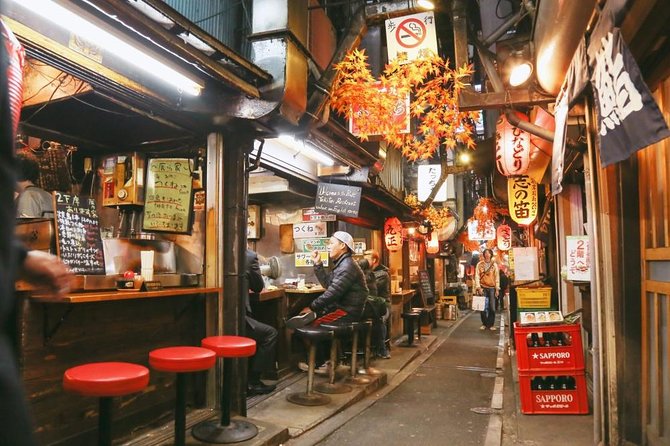
At $217 per person, this is an expensive food walk. The price includes a local guide, four food stops, and two drinks. It does not include hotel pickup, transportation, or food and drink outside the specified inclusions.
You are paying for more than the cost of the dishes. The fee also covers the guide’s time, the small-group format, translation and explanation, and entry into a part of Shinjuku that many first-time visitors find hard to approach. The value is strongest if you want history, etiquette, and company while eating.
The value is weaker if you mainly want the best possible food for your money. For the same budget, you could spend on a higher-end sushi restaurant or kaiseki meal, though that would not give you the same walking route through Omoide Yokocho, Kabukicho, and Golden Gai.
I would also keep the variable food quality in mind. Some evenings have delivered excellent ramen, sashimi, yakitori, and more food than expected. Other experiences have felt ordinary for the price. The tour’s real product is the combination of neighborhood access, guidance, and social atmosphere.
Guide quality can shape the whole evening
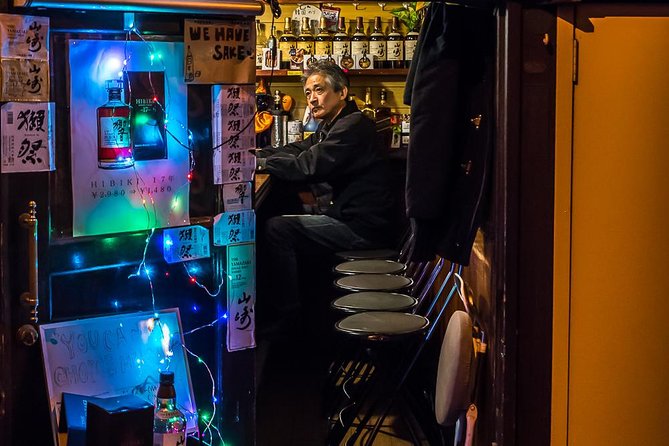
The guide is the biggest variable. A strong guide keeps the group together, explains the food before you eat, manages the noisy streets, and helps everyone feel comfortable in small venues.
Sandra has been especially effective for guests needing dietary adjustments and for first-time visitors who want help getting oriented in Shinjuku. Ray has been praised for explaining etiquette and making the stops interactive. Wesley, Alex, Yoshi, Osmar, and Tommy have each been associated with evenings that blended food, local stories, and humor.
You may not receive one of those specific guides, so do not book on the assumption that you can select a particular person. The practical lesson is simple: the guide can turn a basic sequence of meals into a fun cultural evening, but a less prepared guide can make the tour feel less organized and less informative.
The company has also received criticism over guide fit and tour organization. One evening involved a guide who was not local to Japan, and another had problems finding seating at restaurants. These are not reasons to reject the tour outright, but they explain why the experience can vary.
Who should book this Shinjuku food tour?
This tour suits you if you:
- Want a guided first look at Golden Gai and Kabukicho
- Enjoy trying several foods instead of sitting down for one long meal
- Prefer local stories and cultural explanation with dinner
- Are comfortable walking and standing for about three hours
- Want a small group, with a maximum of 10 people
- Like the idea of ending with a drink and possible karaoke
- Are visiting Tokyo early in your trip and want help finding your bearings
I especially like it for a first or second night in Tokyo. You can return to the neighborhoods later with more confidence, and the guide may point out places you would not have noticed alone.
I would hesitate if you are seeking refined food, guaranteed seating, or a tightly controlled restaurant schedule. The tour can include excellent dishes, but it is not designed as a premium culinary event. It is a neighborhood walk with food at its center.
Practical details that matter
The tour starts at 5:00 pm and lasts about three hours. The meeting point is near Tajimaya Coffee at 1-chome, Nishishinjuku, and the ending point is Araku Bar in the Golden Gai area of Kabukicho.
You receive a mobile ticket and booking confirmation at the time of purchase. The tour requires a minimum number of participants, and poor weather can lead to a new date or a full refund. Restaurant schedules, public holidays, weather, and other conditions can change the route or food stops.
Only adults aged 20 and older may join. Cancel at least 24 hours before the start time for a full refund. Changes or cancellations made within 24 hours are not accepted for a refund.
The area is near public transportation, but the provided details do not include hotel pickup or drop-off. Allow extra time to find the start point, especially since Shinjuku Station has many exits and the opening meeting point is not in Golden Gai itself.
Should you book it?
Book this tour if you want an easy, social introduction to Shinjuku’s food lanes and nightlife, and you value a guide who can explain what you are seeing. The route through Omoide Yokocho, Kabukicho, Hanazono Shrine, and Golden Gai gives you a strong evening of place, food, and conversation.
Skip it if $217 feels too high for casual dishes, or if your priority is the finest sushi and ramen in Tokyo. For everyone else, I would book early, arrive hungry, state dietary needs clearly, wear good walking shoes, and treat the food as part of a larger Shinjuku experience rather than the entire reason for paying the price.
FAQ
How long does the Shinjuku Golden Gai Food Tour last?
The tour lasts approximately three hours.
What time does the tour start?
The scheduled start time is 5:00 pm.
Where does the tour begin?
The meeting point is near Tajimaya Coffee at Japan, 160-0023 Tokyo, Shinjuku City, Nishishinjuku, 1-chome 26, Shinjuku Suisan Building.
Where does the tour end?
The tour ends at Araku Bar in the Golden Gai area of Kabukicho, Tokyo.
What food is included?
The experience includes four food stops. Dishes can include yakitori, ramen, sushi, and other local or seasonal foods.
Are drinks included?
Yes. Two drinks are included in the tour.
Can vegetarians or pescetarians join?
Yes. The tour is described as suitable for vegetarians and pescetarians. Dietary needs should be provided when booking.
What is the cancellation policy?
You can cancel at least 24 hours before the start time for a full refund. Cancellations or changes made less than 24 hours before the start time are not accepted, and poor weather or failure to meet the minimum group size may result in a new date or a full refund.
Newly reviewed around Tokyo
- Tokyo Asakusa:Calligraphy & Make T-shirt Activity★ 5.0 · 62 reviews
- Intercity Shuttle, Tokyo to Haneda /Narita /Yokohama /Makuhari★ 5.0 · 5 reviews
- 1 Hour Travel around Tokyo with a Professional Photographer★ 5.0 · 3 reviews
- Travel Tokyo with Your Own Personal Photographer★ 5.0 · 43 reviews
- Train in Samurai Swordsmanship and Defeat the Demon in Tokyo★ 5.0 · 5 reviews
- Shuttle Van 6hr Tokyo Tour to-and-from Tokyo, Yokohama and Narita★ 5.0 · 9 reviews
- Kickboxing & Body Training with EX-Pro Fighter★ 5.0 · 4 reviews
- Traditional Japanese Knife Sharpening Class★ 5.0 · 18 reviews
Tokyo Food Tours, compared.
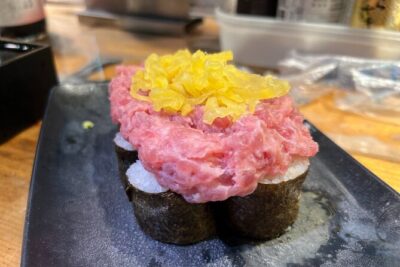
Shinjuku Food Tour (13 Dishes at 4 Local Eateries)
Read our review →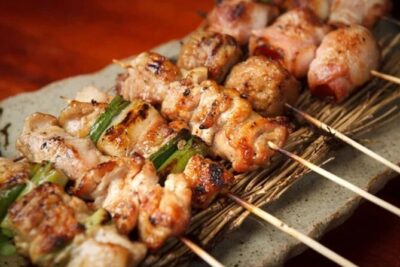
Shinjuku Food Tour (15 Dishes and 4 Eateries)
Read our review →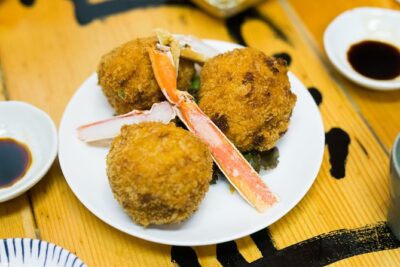
Best of Shinjuku: Izakaya Food Tour (4 Stops, 14+ Tastings)
Read our review →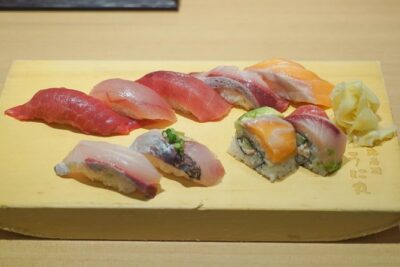
Tokyo Night Foodie Tour in Shinjuku – Seasonal Sushi, Wagyu Beef
Read our review →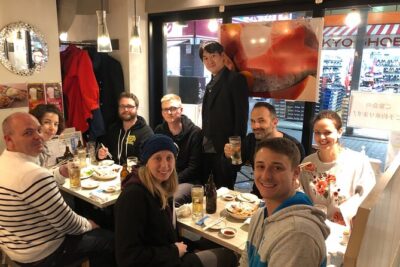
Eat and Drink Like a Local: Tokyo Ueno Food Tour-Taverns&Ramen
Read our review →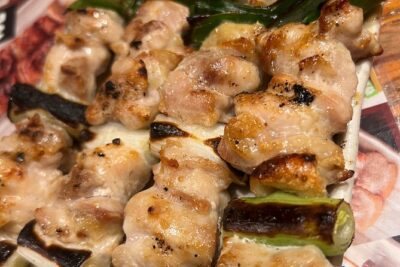
Tsukiji Fish Market: Street Food & Culture Walking Tour
Read our review →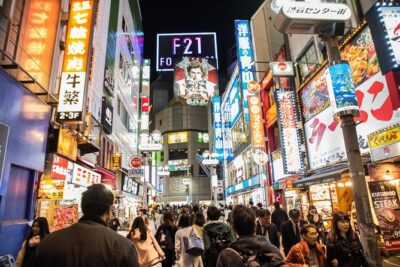
Browse the lists this tour appears in