
Reviewed · SHIBUYA TOURS
Shibuya by night in Small Groups: Neon Lights and Local Flavors
Shibuya after dark is best understood on foot, one bright street and one snack at a time. This three-hour walk links Hachikō, Shibuya Crossing, Center-gai, and Miyashita Park with small food tastings, so you get both famous sights and everyday Tokyo flavors. I like the capped group of 10 and the chance to try onigiri, konbini food, takoyaki, or a Korean corndog without planning every stop yourself.
I also like the human touch supplied by guides such as Lily, Jorge, Giorgio, and Camila, who are praised for warmth, language skills, and careful answers. The main caution is pace: one detailed account found that not every tasting or shop stop happened as expected, so think of this as a guided introduction to Shibuya, not a slow shopping trip or full dinner.
At a glance
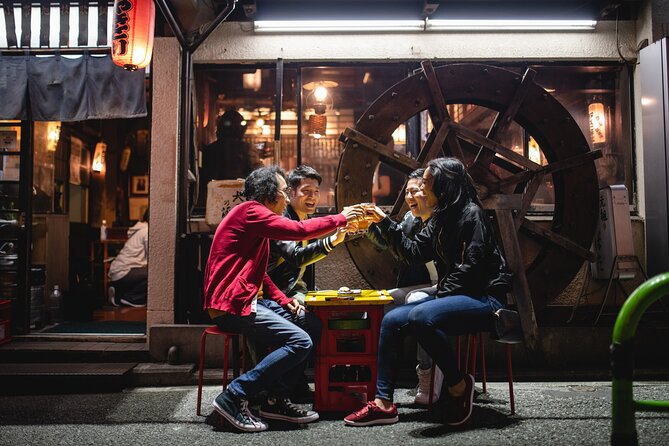
- Small group of up to 10: You get a better chance to hear the guide than on a large coach tour.
- Seven evening stops: The route covers Hachikō Square, Miyashita Park, Shibuya Crossing, Center-gai, MEGA Don Quijote, Antenna 21, and Hands.
- Food is part of the walk: Tastings include dishes and snacks named in the route, with extra meals and drinks not included.
- Spanish and English guidance: The tour is designed for bilingual visitors, with several guides praised for their language ability.
- A practical 6:00 pm start: The timing suits an evening in Shibuya, though you should expect crowds and a quick pace.
- Ends at Hands Shibuya: You finish near a useful store for stationery, home goods, gadgets, and Japanese souvenirs.
Why this Shibuya walk works after dark
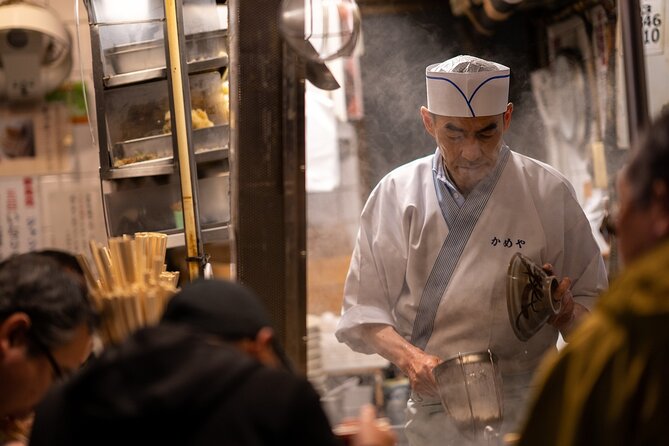
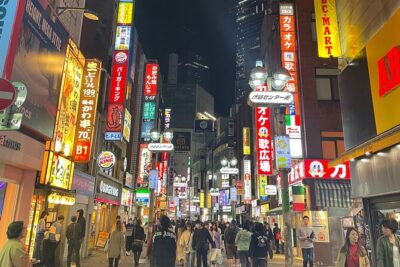
The strength of this experience is its mix. You are not simply taken to a viewpoint to photograph the crossing, and you are not spending three hours eating in one restaurant. Instead, you move through several sides of Shibuya: the sentimental Hachikō story, the giant pedestrian crossing, renovated public space, snack counters, discount shopping, and Japanese department-store culture.
That variety matters because Shibuya can feel like a wall of signs and people when you first arrive. A guide gives the district some order. You begin with a clear meeting point beside the Hachikō statue, then work outward through places that are easy to visit on your own but easier to understand when someone explains what you are seeing.
I especially like the food approach. A convenience-store egg sandwich or fried chicken with bread may sound simple, yet these are useful introductions to ordinary Japanese eating habits. Onigiri is another smart choice. It is portable, inexpensive, and familiar to almost anyone who has spent time in Japan, but a guide can make the tasting feel more purposeful than grabbing a triangle from a refrigerator and moving on.
The group limit also helps. Ten people is not private-tour small, but it is far more manageable than a large city excursion. You can ask questions, stay close to the guide, and avoid losing the group at a busy crossing. Still, Shibuya at night is crowded, so do not expect a leisurely stroll at every point.
More things to do in Shibuya:
- Official Street Go-Kart in Shibuya
★ 5.0 · 3,435 reviews - Tokyo: Street Kart Experience in Shibuya
★ 4.9 · 1,484 reviews - Shibuya Meltdown Nightlife Tour: All-You-Can-Drink Bar Hopping
★ 5.0 · 1,058 reviews
Starting with Hachikō at 6:00 pm
The meeting point is Hachikō Statue at 2 Chome-1 Dogenzaka. This is a practical place to start, but it is also one of the busiest meeting points in Tokyo. Arrive early enough to find the statue and your guide without rushing through the crowd.
The story of Hachikō gives the evening a warmer opening than a simple photo stop. The Akita dog waited for his owner for nearly a decade, returning to the station area each day. You will hear that story before moving into the louder commercial streets, and it provides a useful reminder that Shibuya is more than screens, shopping, and traffic.
The stop is scheduled for about 10 minutes, with no admission charge. That tells you what to expect: a short explanation and a chance to orient yourself, not a long museum-style presentation. If you want a careful photo of the statue, use the time before the tour begins, since the group will soon move on.
Miyashita Park and the Yokocho stop
The route next reaches Miyashita Park, a modern public space built above the street. The guide explains its renovation and role in present-day Tokyo, then takes you down to Miyashita Yokocho for about 40 minutes.
This is one of the more useful stops because it shows how Shibuya keeps changing while still making room for food and social life. The park offers nature, shops, and entertainment in a compact urban setting. The Yokocho section gives the stop a more local-food feel, though the exact amount of time spent eating or browsing can depend on the group and the evening schedule.
Forty minutes sounds generous, but it can disappear quickly once you include the walk, explanation, food, and crowd movement. If your main goal is shopping at every store or lingering over a meal, this will feel brief. If you want an introduction to a changing part of Shibuya, the stop earns its place.
Crossing Shibuya and sampling konbini food
The tour returns to the area around Shibuya Crossing, then enters a konbini, the Japanese convenience store that serves as a daily resource for quick meals, drinks, snacks, and small necessities. You are scheduled for about 15 minutes here.
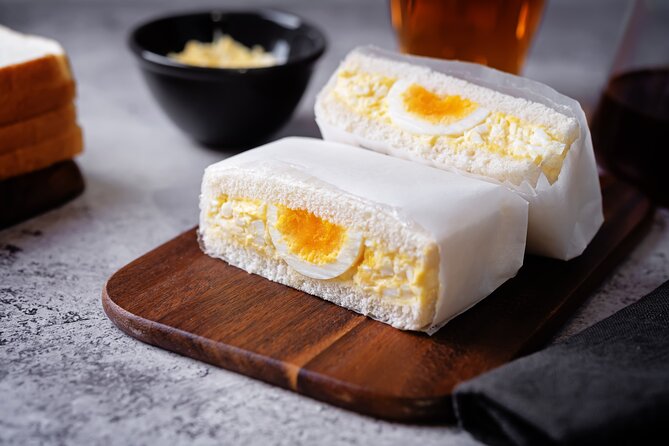
The tasting focuses on familiar convenience-store foods, including egg sandwiches, fried chicken with bread, and classic onigiri. These are not fancy dishes, and that is exactly why they are worth trying. They show you what people can buy quickly between work, school, trains, and evening plans.
The short stop is also a useful lesson in expectations. You should not treat this as a seated meal. The included tastings give you a few bites, while additional food and drinks are your responsibility. If you have a large appetite, plan to eat more before or after the tour.
Shibuya Crossing itself is part of the appeal. You will see the famous stream of pedestrians and the surrounding signs, but the tour is not sold as a special rooftop viewing experience. The value comes from being guided through the district at street level and then connecting the crossing to food and nearby streets.
More Tokyo night tours:
- Tokyo Night Foodie Tour in Shinjuku – Seasonal Sushi, Wagyu Beef
★ 5.0 · 1,161 reviews - Tokyo: Daikoku JDM Car Meet & Night Car Culture Tour
★ 4.8 · 626 reviews - Tokyo After 5: Authentic Japanese Food & Drink Night Tour
★ 4.5 · 560 reviews - Tokyo: Samurai Entertainment Night Show in Kanda Shrine
★ 4.6 · 417 reviews
Center-gai, takoyaki, and the 10-yen coin
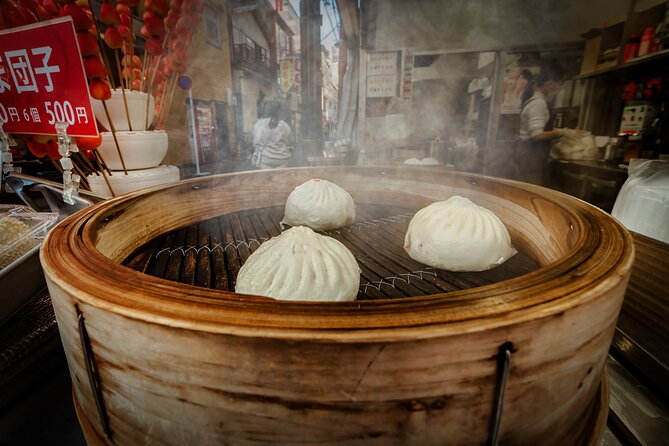
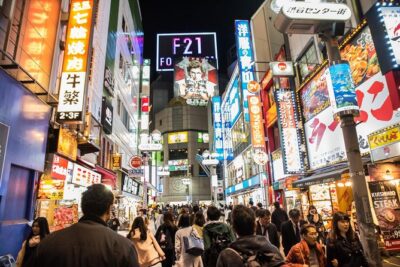
Center-gai receives the longest scheduled stop, about 55 minutes. This is the loud, crowded commercial artery many people picture when they think of Shibuya. It is a good place for photos, people-watching, and a snack, but it is not the best place to expect quiet conversation.
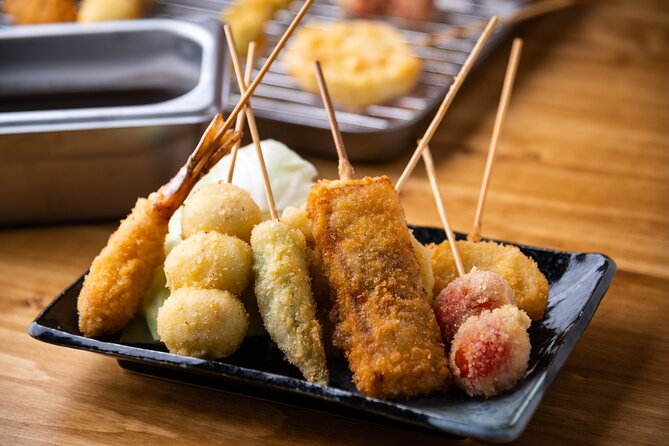
The food choice may include a Korean corndog or takoyaki. Takoyaki, the hot octopus-filled batter balls, is a classic street-style bite. A Korean corndog gives you a different taste, reflecting the international food culture found in modern Tokyo. The exact tasting choice can depend on the operating shop and the guide’s route that evening, so do not assume you will receive both.
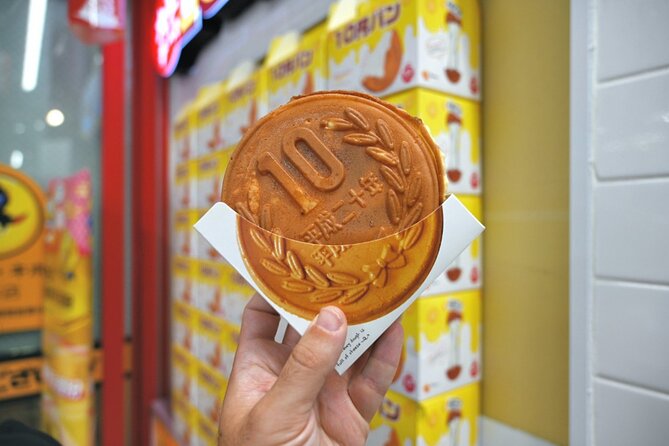
There is also a quick stop to purchase a 10-yen coin from a nearby vending machine. This is a small, unusual detail that adds local texture to the walk. It is not a major attraction, but it gives the group something concrete to do and may be a fun souvenir of the evening.
Center-gai is also where the tour’s pace may feel most demanding. The streets are crowded, crossings take time, and food stops can create a bottleneck. Keep your phone and wallet secure, stay near the guide, and wear shoes you can comfortably use for several hours.
MEGA Don Quijote in ten minutes
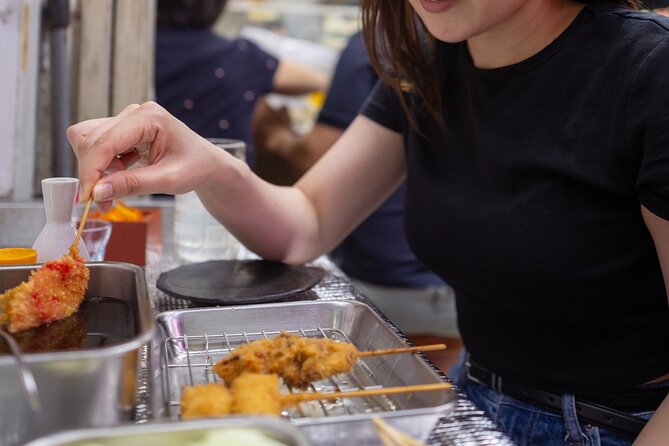
MEGA Don Quijote Shibuya gets roughly 10 minutes. The store is famous for its packed shelves and unusual mix of Japanese snacks, cosmetics, household goods, souvenirs, and novelty products.
The guide offers a short explanation to help you understand how to use the store. That is helpful, because Don Quijote can feel like several shops compressed into one. But ten minutes is not enough for serious shopping. Think of this as a preview that helps you decide if you want to return later on your own.
This is an important planning point. If you have a gift list, want tax-free shopping, or hope to compare a wide range of snacks, save that task for another visit. The tour’s purpose here is orientation, not a full retail session.
An onigiri stop at Antenna 21
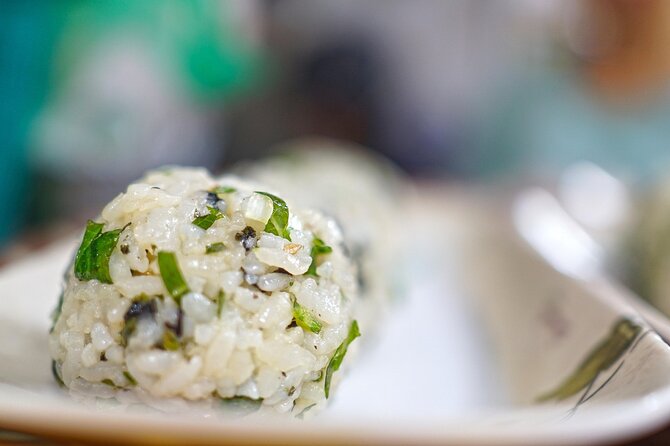
The visit to an onigiri stand at Antenna 21 lasts about 15 minutes. This is another food-focused pause, and it reinforces one of the best themes of the route: Japanese food does not have to be expensive or formal to be interesting.
Onigiri are rice snacks shaped for easy eating, often with a filling or seaweed wrapping. The tour gives you the chance to try one as part of the included tastings. Since the stop is short, you should expect a quick sample rather than a full meal or a lesson in making them.
I like that the route returns to onigiri after the konbini stop. You see the food in two everyday settings: as a convenience-store item and at a dedicated stand. That comparison helps you notice how ordinary Japanese snacks fit into city life.
Finishing at Hands Shibuya
The last stop is Hands Shibuya, formerly known as Tokyu Hands, for about 30 minutes. The store sells stationery, home goods, design items, gadgets, and Japanese curiosities. It is a more relaxed finish than ending in the middle of Center-gai.
The guide explains the kinds of items available, which can save you from wandering through several floors without knowing what is worth a closer look. This is a good final stop for anyone interested in practical souvenirs rather than only key chains and printed shirts.
The tour ends at 12-18 Udagawachō, Shibuya. That gives you a clear place to continue your evening, shop on your own, or head elsewhere by public transportation. Since the experience ends at a store rather than returning to Hachikō, pay attention to the final location when planning your next move.
What the $79 price really covers
At $79, this is not the cheapest way to walk around Shibuya. You can visit Hachikō Square, Shibuya Crossing, Center-gai, Don Quijote, and Hands without paying an entrance fee. You can also buy many of the same snacks independently.
The price makes more sense if you value structure and explanation. You receive about three hours with a bilingual guide, a small group capped at 10, several tastings, and a route that connects major sights with less obvious stops. You also avoid the small but real work of deciding where to eat, what to try, and how to fit the stops together.
I would not book this mainly for the quantity of food. The tastings are spread across the walk, and additional meals or drinks are not included. I would book it for the combination of local guidance, neighborhood context, and a first-night introduction to Shibuya.
There is one value warning. The scheduled stops total close to three hours, but movement through crowds can make the timing feel tight. One account of the experience found that the tastings were incomplete and that there was not enough time for all the planned shop visits. That does not erase the strengths of the tour, but it means you should keep your expectations flexible.
The guides and the bilingual format
The guide can make a large difference on a walk like this. Lily receives especially warm praise for her friendliness, energy, attention to family interests, and clear explanations. Jorge is also singled out for being helpful and answering questions, while Giorgio, Lili, and Camila are noted for language skills and a friendly approach.
The official format is bilingual Spanish and English. That is useful if you want explanations in either language or are traveling with people who prefer Spanish. One comment also notes Portuguese ability among the guide team, but you should not assume Portuguese is guaranteed for every departure.
The best guide fit for you is someone who explains while keeping the group moving. Shibuya is not a place where a guide can stop in the middle of every street for a long talk. You will get more from the experience if you ask focused questions and stay ready to move when the group does.
Who should book this experience
I would recommend this walk to you if:
- You are visiting Shibuya for the first time.
- You want food samples but do not need a formal restaurant meal.
- You prefer a small group to exploring a huge district alone.
- You want Spanish and English support.
- You enjoy everyday foods such as onigiri, convenience-store sandwiches, takoyaki, and fried chicken.
- You want a guided introduction before returning to shop independently.
It is less suitable if you want a slow food tour with generous portions, a full shopping itinerary, or long stops at each store. It may also disappoint you if you expect every named tasting and shop visit to happen in full. The route has many components, so the evening works best when you treat it as a sampler.
Wear comfortable shoes and leave room for a little extra walking. The tour begins beside Hachikō at 6:00 pm, uses public areas and shops, and ends at Hands Shibuya. Most people can take part, and the route is near public transportation, but busy sidewalks and crowded crossings are part of the setting.
Should you book the Shibuya night tour?
Book it if you want a friendly, organized first look at Shibuya with small food samples and a bilingual guide. The strongest reasons are the group size, the practical route, and the guides’ personal approach, especially if you can join Lily, Jorge, Giorgio, or Camila.
Skip it if your priority is a long dinner, unhurried shopping, or complete control over every food choice. At $79, you are paying for guidance and convenience more than for the food itself. For a first evening in Tokyo, that can be a fair trade, as long as you see the experience as a lively orientation rather than a full meal or exhaustive shopping tour.
FAQ
How long is the Shibuya night tour?
The tour lasts approximately three hours.
What time does the tour start?
The tour starts at 6:00 pm.
Where does the tour begin?
It begins at the Hachikō Statue in Hachikō Square, at 2 Chome-1 Dogenzaka, Shibuya, Tokyo.
Where does the tour end?
It ends at Hands Shibuya, located at 12-18 Udagawachō, Shibuya, Tokyo.
How many people can join the tour?
The tour has a maximum of 10 people.
Is food included?
Tastings of the dishes named in the route are included. Additional meals and drinks not mentioned in the route are not included.
Is the tour offered in English?
Yes. The tour includes a bilingual guide in Spanish and English.
Can I cancel for a full refund?
Yes, if you cancel at least 24 hours before the experience start time. Cancellations within 24 hours are not refunded, and changes within that period are not accepted.
Newly reviewed around Tokyo
- Tokyo Asakusa:Calligraphy & Make T-shirt Activity★ 5.0 · 62 reviews
- Intercity Shuttle, Tokyo to Haneda /Narita /Yokohama /Makuhari★ 5.0 · 5 reviews
- 1 Hour Travel around Tokyo with a Professional Photographer★ 5.0 · 3 reviews
- Travel Tokyo with Your Own Personal Photographer★ 5.0 · 43 reviews
- Train in Samurai Swordsmanship and Defeat the Demon in Tokyo★ 5.0 · 5 reviews
- Shuttle Van 6hr Tokyo Tour to-and-from Tokyo, Yokohama and Narita★ 5.0 · 9 reviews
- Kickboxing & Body Training with EX-Pro Fighter★ 5.0 · 4 reviews
- Traditional Japanese Knife Sharpening Class★ 5.0 · 18 reviews
Shibuya Tours, compared.
Shibuya Meltdown Nightlife Tour: All-You-Can-Drink Bar Hopping
Read our review →
Shibuya Official Street Go-Kart in Shibuya Annex
Read our review →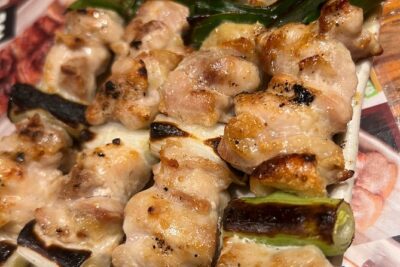

Premium Go-Kart Tour with Tower & Shibuya Crossing
Read our review →Browse the lists this tour appears in