Reviewed · GUIDED
Private Tokyo Tour with Local Guide
Tokyo makes more sense when someone shows you how its neighborhoods connect. This private tour links Tsukiji, Asakusa, Ueno, and Akihabara by walking and public transportation, giving you both sightseeing and a practical lesson in getting around.
I like the flexible start time and the chance to shape the route around your interests. I also like that guides such as Maruf, Amir, Abu, Erica, and Nami have been praised for clear explanations, photo help, shopping advice, and patient subway guidance. The main drawback is simple: this is not a private car tour. You may walk several miles and spend much of the outing on trains.
Key points to know before booking
- The subway is part of the lesson: Your guide helps you use Tokyo’s public transportation, a skill that can save time and money for the rest of your trip.
- The route covers several distinct districts: Tsukiji, Asakusa, Ueno, and Akihabara offer food, temples, shopping, museums, and anime culture in one outing.
- Your start time is flexible: This works well for an arrival day, a first full day, or a schedule built around an early visit to Tsukiji.
- The tour is genuinely private: Only your group takes part, so the pace and interests can be adjusted.
- Expect walking: One outing covered about five miles, and another reached roughly 20,000 steps.
- Transportation is practical, not luxurious: Public transportation is included, while private vehicle service, lunch, Tokyo Skytree tickets, and TeamLab tickets are not.
A useful first look at Tokyo by train and on foot
The best part of this experience is not simply checking off famous places. It is learning how Tokyo fits together. In four or five hours, you can see old temple streets, a food market, a riverside park, a traditional shopping quarter, and the electric world of Akihabara.
That range gives you a helpful first map of the city. You might begin at your hotel, walk to a station, and follow your guide through the ticketing and train system. Once you understand the basic rhythm, Tokyo feels less like a maze and more like a collection of connected neighborhoods.
The exact route can change with your interests and the guide’s plan. Some outings have included Ginza along with Tsukiji, while others have focused on Asakusa, Ueno, and Akihabara. If you have a firm wish list, send it before the tour and use your limited hours wisely.
The private format matters here. A large group must move at the slowest pace and follow a fixed schedule. With this tour, you can spend more time on food, temples, shopping, anime, photographs, or transportation, depending on what matters most to you.
More private tours in Tokyo:
- Tokyo 6hr Private Tour with Government-Licensed Guide
★ 5.0 · 3,902 reviews - Private Tour to Mt. Fuji and Hakone (Fully Licenced Operator)
★ 5.0 · 1,910 reviews - Tokyo Customized Private Tour (Must See Places in 1 Day)
★ 5.0 · 1,499 reviews
Tsukiji for food, markets, and a morning start
Tsukiji is a strong opening stop because it brings together Tokyo’s food culture and its older market identity. The tour description allows for an early start to catch the market’s morning energy and see the area when food activity is at its peak.
Keep your expectations precise. This experience does not include lunch, and the information provided does not promise a meal or a special food tasting. You can ask your guide for local food suggestions, but plan to pay for anything you eat separately.
Tsukiji can also be useful as a history lesson. Your guide may connect the market area with nearby Ginza or Tsukiji Temple, depending on the chosen route. One reported itinerary went from Ginza Station to Tsukiji before continuing through older and newer parts of Tokyo.
An early start may be the smartest choice if Tsukiji is a priority. It also means you will need to be comfortable beginning the day before the city’s later shopping districts reach full pace. If you prefer a slower morning, ask to give Tsukiji less time and use the tour for Asakusa or Akihabara instead.
Asakusa, where the route slows down
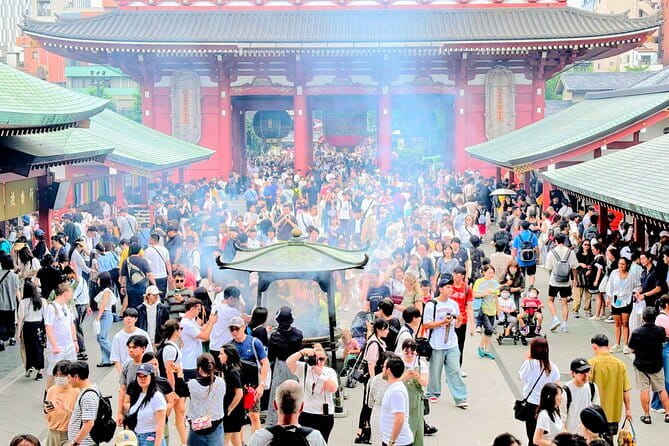
Asakusa provides the clearest contrast with Tokyo’s modern districts. You enter through Kaminarimon Gate, marked by its huge red lantern, then follow Nakamise Shopping Street toward Senso-ji Temple.
Nakamise is a short but worthwhile stop. The 20-minute visit gives you time to see the traditional shopfronts, browse souvenirs, and watch the flow toward the temple. It can be crowded, so a guide is useful for keeping your bearings and pointing out what deserves attention rather than letting you wander without context.
Kaminarimon receives a brief stop of about 10 minutes. That is enough for photographs and an explanation of its role as the entrance to Senso-ji, but not enough for a long visit. If the gate is especially crowded, your guide can help you find a better angle for pictures and keep the group moving.
Senso-ji is the anchor of this part of the tour. Admission is free, and the temple gives you a chance to see Tokyo’s religious traditions in a setting that is easy to reach by train. Twenty minutes is a compact visit, so think of this as an introduction rather than a full study of the temple grounds.
I like this sequence because the places build on one another. The gate introduces the approach, Nakamise shows the commercial side of the temple district, and Senso-ji provides the spiritual center. If this is your first day in Tokyo, it is a good place to ask your guide about temple etiquette and the meaning of the rituals you see.
Sumida River Side Park and the Tokyo Skytree view
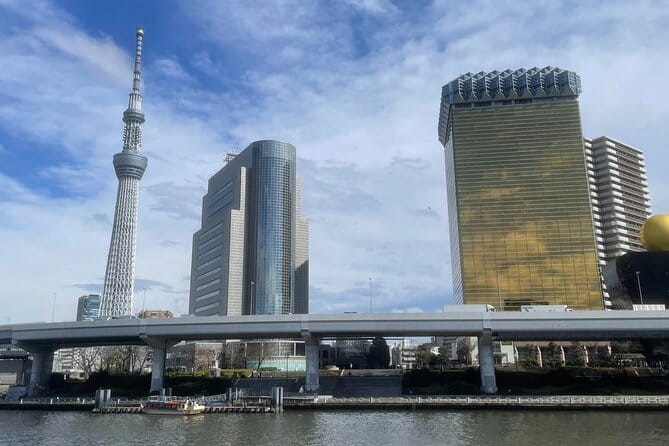
The Sumida River Side Park offers a change of pace after Asakusa. Along the river, you can get open views of Tokyo Skytree and the surrounding city, with more breathing room than you find in the narrow shopping streets.
The park is especially useful for photographs and orientation. It helps you see how Tokyo’s dense districts sit around its waterways. Your guide can also explain where the city’s older neighborhoods meet its modern skyline.
Do not confuse a Skytree view with a Skytree visit. Tickets for Tokyo Skytree are not included, and the tour information does not promise time inside the tower. If going up the tower is important to you, ask about it before booking and expect it to require extra time and money.
This stop may also be shortened when the group has a long wish list. That is one tradeoff of covering several districts in a half-day. You get a wide introduction, but some stops are designed for a quick look rather than a lengthy visit.
More guided tours in Tokyo:
- Tokyo: Shinjuku Local Bar and Izakaya Guided Walking Tour
★ 4.9 · 1,794 reviews - Tokyo: Private City Highlights Tour with Local Guide
★ 4.8 · 1,433 reviews - Tokyo: Tsukiji Fish Market Guided Walking Tour
★ 4.9 · 1,397 reviews - Tokyo 4hr Private Tour with Government-Licensed Guide
★ 5.0 · 1,394 reviews
Ueno and Ameyoko’s market character
Ueno adds a different side of Tokyo. Ueno Park is a large urban park with museums, temples, and gardens, along with space to pause between train rides and shopping streets.
The information supplied does not specify which museum or garden tickets are included, so do not book this tour expecting an interior museum visit. The park works best here as a place to understand the district, see its cultural setting, and decide what you may want to return to later.
Ameyoko Shopping Street brings a more commercial and everyday feel. It grew from a postwar black market into a busy marketplace with many kinds of shops and food stalls. That background gives your guide an opening to explain how Tokyo’s shopping districts changed after World War II.
You may find Ameyoko more rough-edged than the polished department stores of Ginza. That is part of its appeal. It feels practical and local, with a mix of goods rather than a single theme. If you want shopping advice, tell your guide what you are seeking, since the area can be more useful when approached with a clear purpose.
Akihabara for electronics, anime, and modern Tokyo
Akihabara is the tour’s sharpest change in mood. The district is known for electronics, anime, gaming, and otaku culture, with shops aimed at both serious hobbyists and curious first-time visitors.
A guide can make this stop easier to understand. Without context, the signs, store themes, and specialized products may seem like a lot of noise. With someone who knows the district, you can ask what is worth seeing, where to browse, and how Akihabara developed into a center for modern pop culture.
The tour does not promise specific shop visits, purchases, or gaming activities. Your guide may adjust the stop to your interests, but you should not assume that every attraction in the district is included. If anime, figures, electronics, or games are your main reason for booking, say so in advance.
Akihabara also works well as a final stop because it gives the day a lively finish. After seeing temple streets, a river park, and a traditional market, you end with a very different version of Tokyo. That contrast is one of the tour’s strongest features.
How the guides shape the experience
The quality of a private tour depends heavily on the individual guide. The guide names connected with this experience include Maruf, Amir, Abu, Erica, Nami, and Fatima, but you should not assume you can choose a specific person unless the provider confirms it.
Maruf has been praised for helping first-time visitors understand Tokyo’s subway system and for adding cultural context rather than simply leading people from one point to another. Amir has been described as attentive to personal interests and willing to adjust the schedule. Abu has been praised for careful pacing, photo assistance, food suggestions, and shopping help.
Erica has guided families, including a group with two children, and helped them see many places on their first day in the city. Nami led a walking-heavy outing of about five miles. These examples show how different the experience can feel depending on the guide and your priorities.
You should also communicate clearly. One disappointing experience came from a mismatch in expectations about transportation. The visitor expected a sightseeing vehicle, but the actual outing involved walking and public transportation. The description does not include private transportation, so make that point clear before you reserve.
There was also a complaint about a guide arriving late and providing too little explanation. The response pointed to the difficulty of handling last-minute bookings. For the smoothest experience, book ahead when possible, confirm the meeting details, and explain the kind of guidance you want.
Walking, trains, and the real value of the $130 price
At $130 per person, the tour is not the cheapest way to see Tokyo. Its value depends on your group size and your comfort with planning the city yourself.
For one person or a couple, the price buys private attention, route planning, language support, and help with public transportation. For a family or group, the cost may compare more favorably with several separate guiding arrangements, especially if everyone has different interests.
The biggest value is the subway lesson. Tokyo’s rail system can take you almost anywhere, but first-time users may spend a lot of time figuring out stations, transfers, and directions. If your guide helps you gain confidence early in the trip, that knowledge continues to pay off after the tour ends.
The price does not include lunch, private transport, Tokyo Skytree tickets, or TeamLab Planet and TeamLab Borderless tickets. You should budget for those separately if they matter to your plans. The tour is best viewed as a private orientation and sightseeing service, not an all-inclusive attraction package.
Who should book this private Tokyo tour?
I would recommend this experience to first-time visitors who want a fast, practical introduction to Tokyo. It also suits families, small groups with mixed interests, and people who would rather have a local guide handle the first round of train navigation.
It is a good match for you if you want to:
- See several major districts in one half-day
- Learn how to use Tokyo’s public transportation
- Adjust the pace around children, shopping, food, or photographs
- Get advice for the rest of your stay
- Combine famous sights with neighborhood context
I would be more cautious if you dislike walking, need a private vehicle, or prefer long visits at each attraction. The schedule covers a lot of ground, and one outing reached about 20,000 steps. You may see more places, but you will not have hours inside every temple, park, market, or shop.
The tour also may not suit someone who wants a fixed historical lecture with guaranteed depth at every stop. The guide makes a big difference, and the experience works best when you explain what you want to learn.
Practical details that affect your decision
Pickup is offered with public transportation, and the tour includes the local guide and the public transit used during the experience. A mobile ticket is available, and the activity is private, with only your group participating.
Most people can take part, and the meeting area is near public transportation. Still, the walking distance can be substantial. Wear comfortable shoes and avoid packing the same day with a reservation that requires you to arrive across town immediately afterward.
The tour is generally booked about 20 days ahead. That is useful to know if you want a particular date or guide, especially during a short Tokyo stay. Free cancellation is available up to 24 hours before the start time. Inside that window, the amount paid is not refunded, and changes are not accepted.
Should you book it?
Book this tour if you want Tokyo to become easier to understand from the moment you arrive. The combination of Asakusa’s temples, Tsukiji’s food district, Ueno’s park and market streets, and Akihabara’s pop culture gives you a broad first look, while the train practice helps you continue exploring independently.
Skip it if you are expecting a private car, included meals, or a leisurely visit to every attraction. At $130 per person, the strongest return comes from the guide’s flexibility, practical subway help, and ability to connect the city’s very different districts in a short time.
For the best result, reserve ahead, confirm the guide and meeting details, state your top three interests, and be ready to walk. That preparation turns a quick Tokyo overview into a useful foundation for the rest of your trip.
FAQ
How long does the private Tokyo tour last?
The experience lasts approximately 4 to 5 hours. The precise timing can depend on the route and the interests you choose.
What areas can the tour include?
The listed route includes Tsukiji Fish Market, Nakamise Shopping Street, Kaminarimon Gate, Senso-ji Temple, Sumida River Side Park, Ameyoko Shopping Street, Ueno Park, and Akihabara. Some outings have also included Ginza.
Is the tour private?
Yes. Only your group participates in the activity.
Is pickup available?
Yes. Pickup is offered using public transportation.
Is public transportation included?
Yes. Public transportation is included, along with pickup using public transportation.
Is private vehicle transportation included?
No. Private transportation is not included, so you should expect to walk and use Tokyo’s public transit system.
Are meals or attraction tickets included?
Lunch is not included. Tickets for Tokyo Skytree and TeamLab Planet or TeamLab Borderless are also not included.
Can I cancel for a full refund?
You can cancel at least 24 hours before the experience start time for a full refund. Cancellations or changes made within 24 hours are not accepted for a refund.
Newly reviewed around Tokyo
- Tokyo Asakusa:Calligraphy & Make T-shirt Activity★ 5.0 · 62 reviews
- Intercity Shuttle, Tokyo to Haneda /Narita /Yokohama /Makuhari★ 5.0 · 5 reviews
- 1 Hour Travel around Tokyo with a Professional Photographer★ 5.0 · 3 reviews
- Travel Tokyo with Your Own Personal Photographer★ 5.0 · 43 reviews
- Train in Samurai Swordsmanship and Defeat the Demon in Tokyo★ 5.0 · 5 reviews
- Shuttle Van 6hr Tokyo Tour to-and-from Tokyo, Yokohama and Narita★ 5.0 · 9 reviews
- Kickboxing & Body Training with EX-Pro Fighter★ 5.0 · 4 reviews
- Tokyo History: Sensoji Temple & Asakusa District Private Tour★ 5.0 · 28 reviews
Guided, compared.
Tokyo 6hr Private Tour with Government-Licensed Guide
Read our review →
Shinjuku Local Bar and Izakaya Guided Walking Tour
Read our review →
Private City Highlights Tour with Local Guide
Read our review →
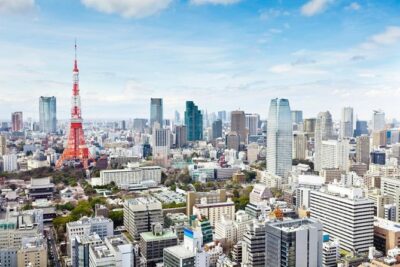
Tokyo 4hr Private Tour with Government-Licensed Guide
Read our review →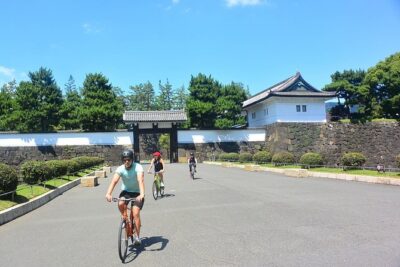
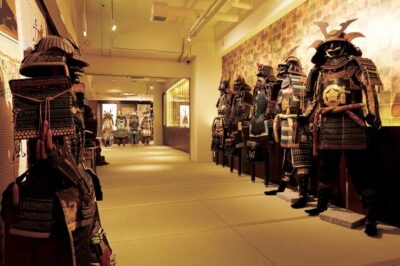
Samurai Ninja Museum Guided tour and Experience
Read our review →