
Reviewed · HARAJUKU TOURS
Private Harajuku Omotesando Architecture Tour
Harajuku and Omotesando make an excellent open-air architecture lesson. In one walk, you move from Meiji Shrine’s wooden gate to Yoyogi Gymnasium, then on to Prada, Dior, Louis Vuitton, Sunny Hills, and The Iceberg. The sharp contrast between sacred space, ordinary neighborhoods, and designer buildings is the real attraction. I especially like the private format, which lets your guide adjust the route, and the chance to see familiar buildings with their design stories explained rather than simply photographed.
I also like the backstreet detour. Omotesando can look like a polished shopping avenue, but a short turn brings you to a more everyday side of Harajuku, with local streets and a different pace. The main consideration is the price: $129 per person is a serious outlay for a walking tour, especially for one person, although it makes more sense when shared by a small private group.
Key points at a glance
- Start beside Meiji Shrine: Meet at Café Mori no Terrace near the large wooden entrance gate, not at the café inside the shrine.
- See major works in one route: The walk includes Yoyogi Gymnasium, The Iceberg, Dior, Louis Vuitton, Sunny Hills, and Prada.
- Get architecture with context: Guides explain why designers and architects are drawn to Omotesando and how it differs from Ginza.
- Add Harajuku’s quieter side: The route includes backstreets and can include Cat Street, giving you more than a luxury shopping walk.
- Choose a private pace: The guide can focus more on architecture, shopping streets, photography, or the neighborhood itself.
- Consider an evening start: The buildings look different after dark, making a night walk appealing to photographers.
Why this part of Tokyo works so well for an architecture walk
Harajuku and Omotesando are often reduced to two easy labels: youth fashion in Harajuku and luxury boutiques on Omotesando. That misses the area’s best feature. Here, architecture is not kept in a museum district. It is part of the shopping streets, side roads, shrine approach, cafés, and daily routines.
The area attracts major designers because a building can function as both a shop and a public statement. A fashion house is not simply renting a plain retail box. Its Tokyo building may be treated as a piece of contemporary design, a carefully framed advertisement, and a place people visit even when they are not buying anything.
That is why this tour is more useful than simply walking down Omotesando with a map. You can photograph the façades yourself, but an English-speaking guide helps you notice the choices behind them. The route also gives you a way to compare the clean, planned feel of Omotesando with Harajuku’s younger, more informal streets.
A private walk is especially helpful here. The group can pause at a façade, move quickly past a shop that interests you less, or spend more time on Japanese architects. The guides have included people with strong architecture backgrounds, including Taka, a retired urban planner who graduated from MIT, and guides such as Fuki, Yoshi, Hal, and Mari Sakai. The exact guide depends on availability, but the experience has been shaped by guides who treat the subject as more than a list of famous brands.
More things to do in Harajuku:
- Tokyo Go-Kart Tour Shibuya-Harajuku-Shinjuku (*IDP Required)
★ 5.0 · 217 reviews - Tokyo: Guided Go Kart Tour from Harajuku to Shibuya Crossing
★ 4.5 · 166 reviews - Shibuya & Harajuku: Hidden Gems & Highlights Private Tour
★ 4.7 · 139 reviews
Meeting at Meiji Shrine’s wooden gate
Your meeting point is in front of Café Mori no Terrace, at 1 Yoyogikamizonocho, Shibuya City. The café is in the large open space beside Meiji Shrine’s big wooden entrance gate.
This detail matters because there is another café with a similar name inside Meiji Shrine. From JR Harajuku Station, leave through the Omotesando exit and walk toward the forest. You do not pass through a Shinto gate on the way to the meeting point. That simple instruction can save you an unnecessary wander around the shrine grounds.
The location makes a good opening. Meiji Shrine offers a restrained, wooded setting, while the tour soon shifts toward some of Tokyo’s most ambitious contemporary commercial buildings. You begin with a sense of place before getting to the steel, glass, concrete, and unusual shapes of Omotesando.
Wear comfortable shoes. The route lasts 210 minutes, or three and a half hours, and includes a substantial amount of walking. A short café break with drinks is included, but this is not a sit-down sightseeing tour.
Yoyogi Gymnasium and the first change in mood
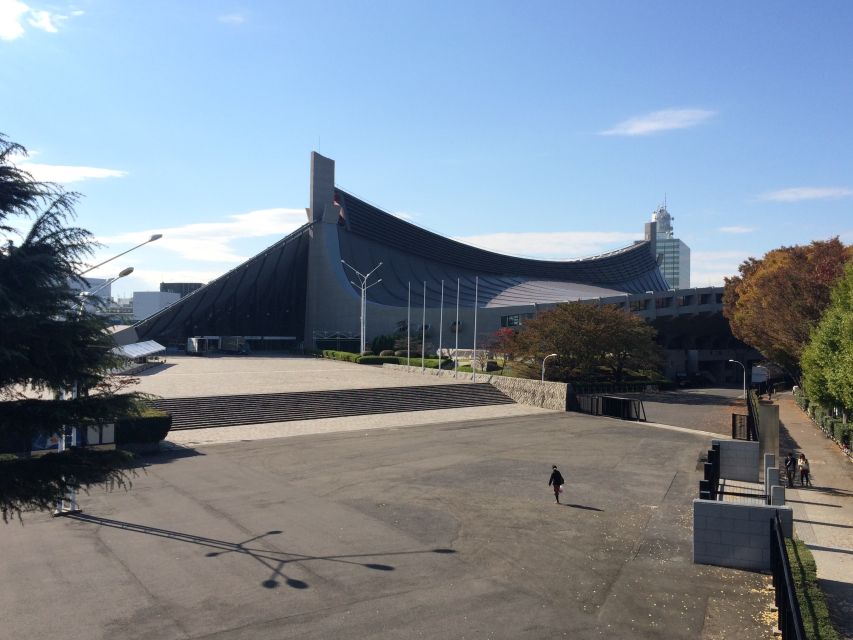
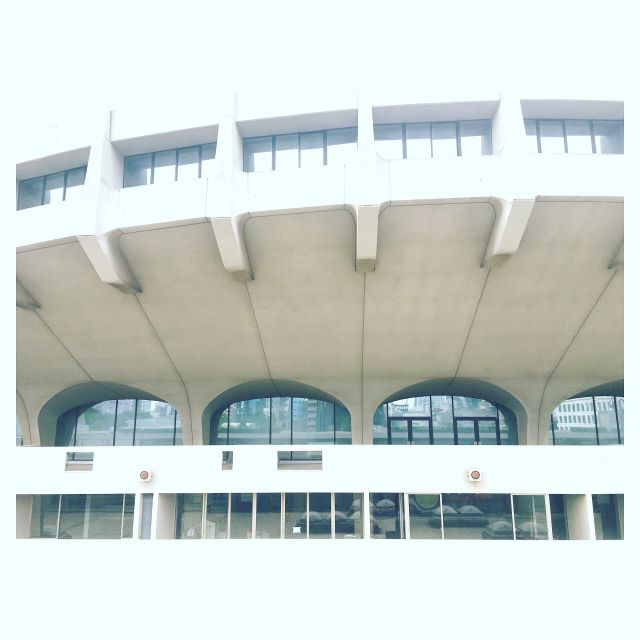
One of the early views is Yoyogi Gymnasium, seen from a distance. Even without entering, it gives the tour an important architectural starting point.
The building helps connect modern Tokyo with the city’s major postwar design achievements. From the shrine area, you can appreciate it as part of the wider setting before moving into the newer commercial architecture around Omotesando. The route does not present each building as an isolated object. It shows how different periods and purposes share the same part of the city.
The distance view is also a practical limitation. You are not taking an interior tour of Yoyogi Gymnasium, and the emphasis is on seeing and discussing it from outside. If your main goal is to visit interiors, this walk may feel less satisfying. If you want to understand how Tokyo’s architecture appears within an active city, the view works well.
Omotesando’s designer façades
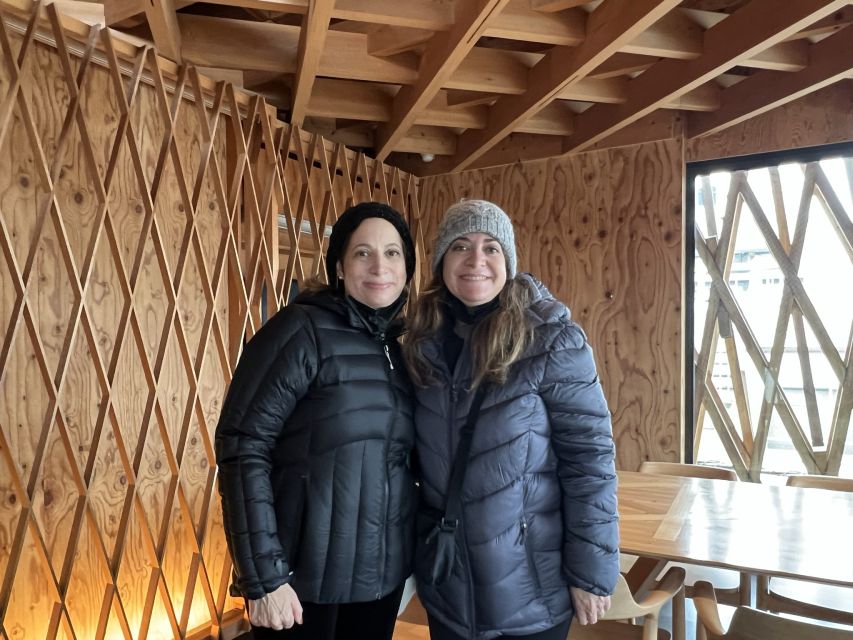
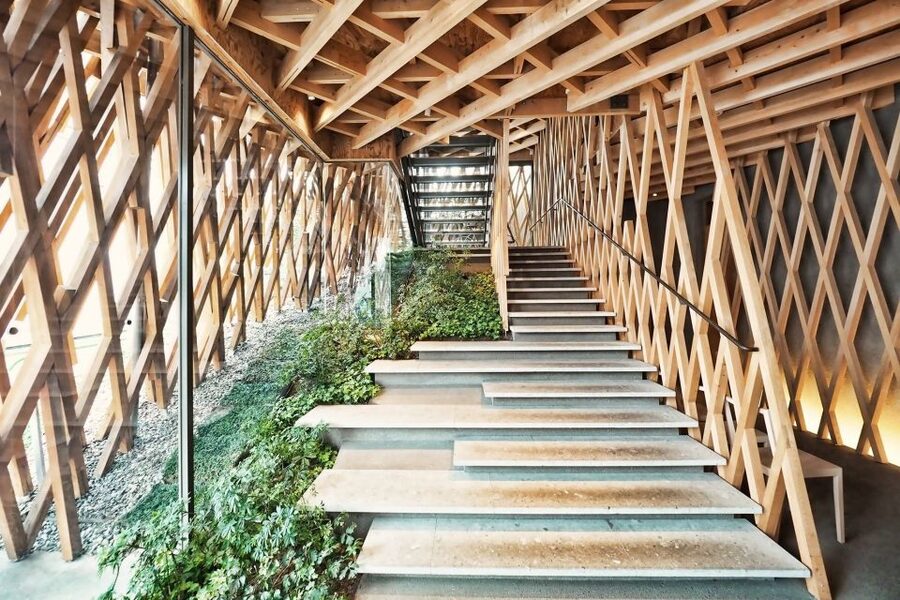
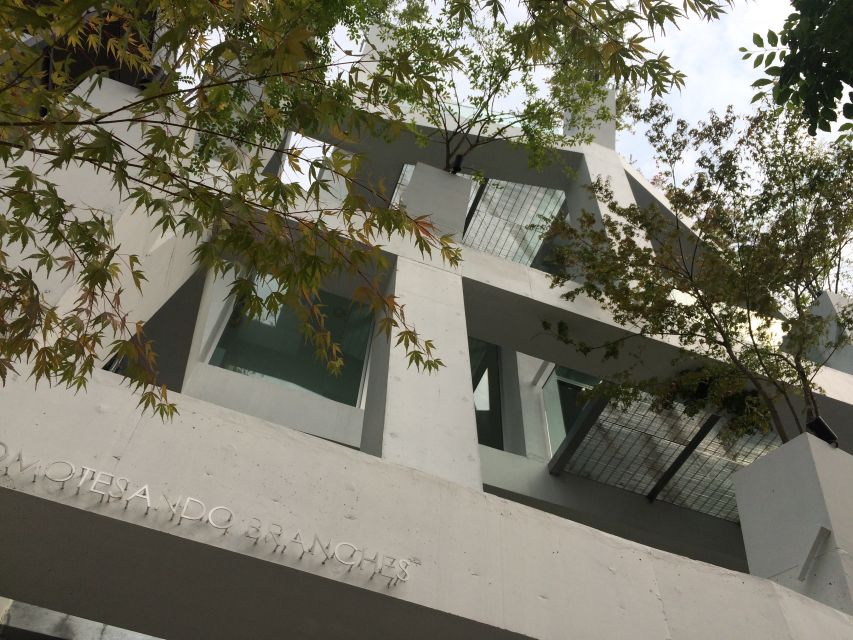
The central part of the walk focuses on contemporary buildings connected with major fashion and design names. The route includes The Iceberg, Dior, Louis Vuitton, Sunny Hills, and Prada.
Each stop gives you a different photo opportunity. The value is not only in collecting pictures. Your guide can explain how a building’s shape, surface, structure, or relationship with the pavement supports the brand inside. You begin to see why a boutique district can also function as an outdoor gallery.
Prada is one of the most memorable stops for many architecture-focused visitors. Dior and Louis Vuitton offer another useful comparison, since their buildings express luxury in different ways. Sunny Hills adds a distinctive Japanese architectural voice to the route. The Iceberg brings yet another visual character into the mix.
You do not need to know architectural terms before booking. The best part of a guide-led walk is that you can ask plain questions. Why was this corner chosen? Why does the façade look so unusual? Why do so many international brands want a place here? Guides such as Taka and Fuki have been praised for explaining Japanese architects and their work in an approachable way, including architects associated with Pritzker Prize recognition.
The route is also a good fit for photographers. The buildings change as you move along the street, and the guide can help you notice angles that are easy to miss when you are focused on shopping or finding your next train.
More private tours in Tokyo:
- Tokyo 6hr Private Tour with Government-Licensed Guide
★ 5.0 · 3,902 reviews - Private Tour to Mt. Fuji and Hakone (Fully Licenced Operator)
★ 5.0 · 1,910 reviews - Tokyo Customized Private Tour (Must See Places in 1 Day)
★ 5.0 · 1,499 reviews - Mount Fuji Full-Day Private Tour from Tokyo (Customizable)
★ 4.9 · 1,470 reviews
Why Omotesando is not simply Tokyo’s Rodeo Drive
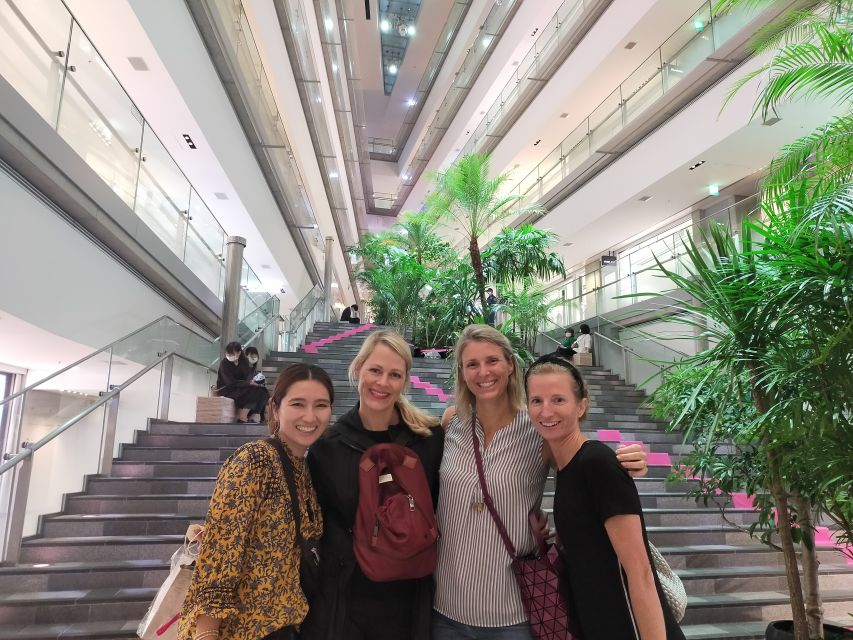
Omotesando does have high-end stores, but its appeal is not the same as a conventional luxury shopping strip. The avenue’s design quality, nearby shrine, side streets, and mix of large architectural statements create a more layered experience.
The comparison with Ginza is useful. Ginza is famous for polished department stores, established luxury names, and a more formal commercial atmosphere. Omotesando feels more closely tied to architecture, fashion experimentation, and the energy of Harajuku. This tour helps you notice that difference instead of treating every premium shopping district as interchangeable.
The guide can also point out the relationship between large brand buildings and the surrounding city. A striking boutique may draw attention from the avenue, while a few minutes away, a small neighborhood road offers a quieter view of local life. That contrast is one of the strongest reasons to take the tour.
The backstreets and Cat Street
The side trip into a backstreet neighborhood keeps the walk from becoming a parade of international logos. Here, you can observe a wider variety of Japanese lifestyles and see how the area works away from its most photographed avenue.
The route may include Cat Street, a lively Harajuku neighborhood that links the polished Omotesando area with a more casual local feel. It is a useful change of scale. After studying large façades and famous designers, you return to narrower streets where the surroundings feel more immediate and less formal.
This section also makes the tour useful for people who are not architecture specialists. You still get the design discussion, but you also gain a better sense of why Harajuku attracts so many different kinds of people. The backstreets show that the neighborhood is not only a shopping display for luxury brands or a youth-fashion strip.
The route is flexible enough to reflect your interests. If you are especially focused on famous buildings, more of the walk can go toward architecture. If you want to understand the neighborhood or revisit places such as Cat Street, the guide can adjust the pace. That flexibility is harder to get in a large group tour.
A café break, with the city passing by
A short break with drinks is included during the walk. It gives you a chance to rest your feet and continue the conversation without turning the tour into a formal meal.
The break is well placed for a three-and-a-half-hour walk. You should still eat beforehand or plan a meal afterward because food is not included. The guide can stop at a café, but the tour price does not cover meals.
I like this pause because it suits the subject. Omotesando is best understood while watching the street around you. The café stop lets you take a breath, look back at the buildings you have seen, and ask questions that may not occur to you while walking.
Taking the tour after dark
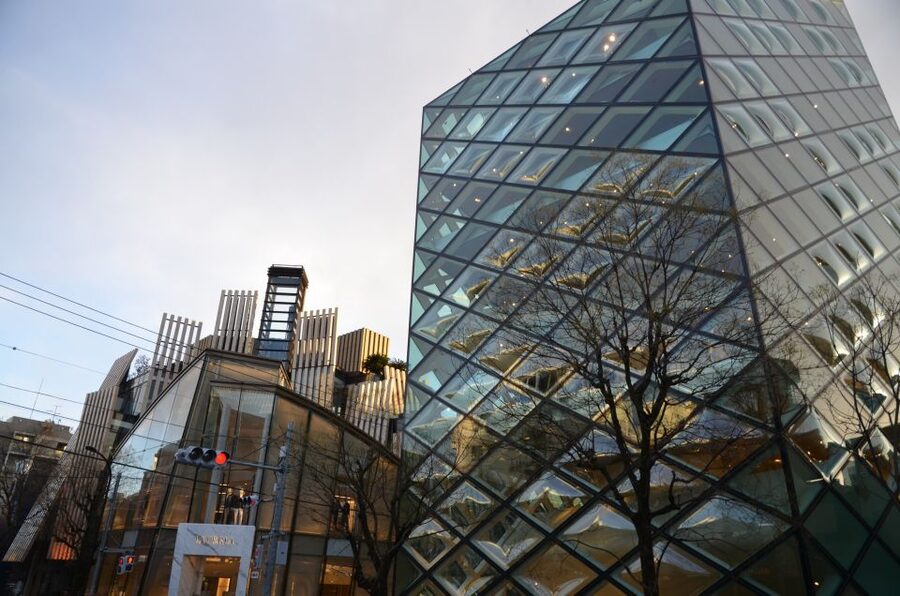
A night start gives the route a different look. Designer buildings depend heavily on lighting, reflections, illuminated signs, and the contrast between bright façades and darker streets. The same Prada, Dior, or Louis Vuitton building can feel more dramatic after sunset than it does in daylight.
Night photography can be appealing, but you should bring realistic expectations. The tour information promises a different perspective, not private access or special lighting arrangements. You will still view the buildings from public streets.
The evening option is best for you if you have already seen Omotesando in daylight or want photographs with a more theatrical mood. Daylight is probably better if you want to examine materials and details closely. Ask for the available starting times when you check the schedule.
What $129 per person really buys
At $129 per person, this is not a bargain walking tour. The price needs to be judged against the private format, the 210-minute length, the English-speaking licensed guide, and the specialist subject.
For a solo visitor, the cost may feel high. You are paying for personal attention rather than a basic orientation walk. For a couple, family, or small group with a strong interest in architecture, the cost becomes easier to justify because the guide can shape the experience around your shared questions.
The strongest value comes when you use the private format properly. Tell the guide before or at the start what matters most. You can focus on Japanese architects, designer stores, photography, urban planning, Harajuku’s backstreets, or the difference between Omotesando and Ginza. Guides have adjusted routes to include specific buildings requested in advance, so your interests can make the price more worthwhile.
The included drinks and flexible route help, but they are not the main reason to book. You are paying for interpretation, access to a specialist guide, and a concentrated way to see several important buildings in one afternoon or evening.
Who will get the most from this walk
This experience suits you if you like architecture but do not want a technical lecture. It also works well for people who want to understand why an area feels distinctive instead of simply ticking off shopping streets.
You are likely to enjoy it most if you:
- Care about modern Japanese architecture or international design
- Want a private guide who can answer detailed questions
- Prefer walking and photography to indoor attractions
- Have already planned time in Harajuku and Omotesando
- Want both famous façades and ordinary backstreets
- Enjoy comparing neighborhoods such as Omotesando and Ginza
It may be less suitable if you dislike walking, want extensive interior access, or are mainly interested in shopping. The route passes famous boutiques, but this is an architecture tour, not a shopping service. The guide may explain a store’s design without taking you inside or building in time for purchases.
Wheelchair access is available, which is useful, although the tour still takes place across active city streets and includes a long walking period. Confirm any specific mobility needs when booking.
Small details that make the day easier
Book with comfortable shoes and keep your schedule flexible around the 210-minute duration. Since transportation to and from the Harajuku Omotesando area is not included, you need to arrange your own way to the meeting point.
Allow extra time to find Café Mori no Terrace. Look for the large wooden entrance gate of Meiji Shrine and the café in the open space beside it. Do not go through the shrine gates from JR Harajuku Station, and do not confuse this café with the similarly named one inside the shrine.
The tour is offered in English and is run as a private group experience. Cancellation is free up to 24 hours before the start time, and you can reserve while paying later, which helps if your Tokyo schedule is still moving around.
Should you book the Harajuku Omotesando architecture tour?
Book it if you want Tokyo explained through its buildings, not just its attractions. The combination of Meiji Shrine, Yoyogi Gymnasium, major designer façades, Cat Street, and quieter neighborhood streets gives you a fuller picture of this part of the city.
The tour is especially worthwhile for architecture fans, photographers, urban planners, design students, and curious first-time visitors who want a guide to connect the pieces. The strongest praise has gone to guides who bring professional experience and genuine interest, including Taka, Fuki, Yoshi, Hal, and Mari Sakai.
Skip it if $129 per person feels too steep for a walking tour or if you mainly want time to shop. For everyone else, the private format and flexible route make this a smart way to understand why Harajuku and Omotesando feel like much more than two famous shopping districts.
FAQ
How long is the Private Harajuku Omotesando Architecture Tour?
The tour lasts 210 minutes, or three and a half hours.
What language is the tour offered in?
The tour is offered in English with a live English-speaking guide.
Is this a private tour?
Yes. It is organized for a private group rather than a shared public group.
Where do I meet the guide?
Meet in front of Café Mori no Terrace, located in the open space beside the large wooden entrance gate of Meiji Shrine.
How do I reach the meeting point from JR Harajuku Station?
Leave JR Harajuku Station through the Omotesando exit and walk toward the forest. You do not need to pass through a Shinto gate to reach the café.
Which buildings are included?
The route includes Yoyogi Gymnasium from a distance, The Iceberg, Dior, Louis Vuitton, Sunny Hills, and Prada. It also includes Harajuku and Omotesando backstreets.
Can the tour be taken at night?
Yes. A night tour is available depending on the starting time, and it lets you see the buildings from a different perspective.
Is a café break included?
Yes. Break time with drinks is included. Meals are not included.
Is the tour wheelchair accessible?
Yes, the activity is listed as wheelchair accessible.
What should I bring?
Bring comfortable shoes because the experience involves walking for 210 minutes. Transportation to and from the Harajuku Omotesando area is not included.
Newly reviewed around Tokyo
- Tokyo Asakusa:Calligraphy & Make T-shirt Activity★ 5.0 · 62 reviews
- Intercity Shuttle, Tokyo to Haneda /Narita /Yokohama /Makuhari★ 5.0 · 5 reviews
- 1 Hour Travel around Tokyo with a Professional Photographer★ 5.0 · 3 reviews
- Travel Tokyo with Your Own Personal Photographer★ 5.0 · 43 reviews
- Kickboxing & Body Training with EX-Pro Fighter★ 5.0 · 4 reviews
- Train in Samurai Swordsmanship and Defeat the Demon in Tokyo★ 5.0 · 5 reviews
- Shuttle Van 6hr Tokyo Tour to-and-from Tokyo, Yokohama and Narita★ 5.0 · 9 reviews
- Traditional Japanese Knife Sharpening Class★ 5.0 · 18 reviews
Harajuku Tours, compared.

Tokyo Go-Kart Tour Shibuya-Harajuku-Shinjuku (*IDP Required)
Read our review →
Guided Go Kart Tour from Harajuku to Shibuya Crossing
Read our review →
Shibuya & Harajuku: Hidden Gems & Highlights Private Tour
Read our review →

Harajuku Private Tour: Kawaii Fashion & Animal Cafe Included
Read our review →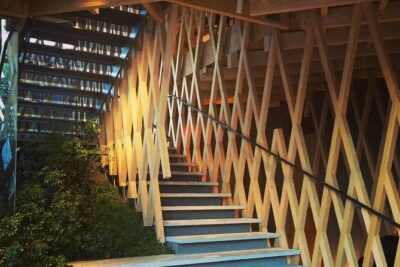
Private Harajuku Omotesando Architecture Walking Tour
Read our review →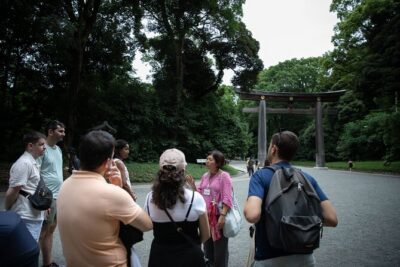

Browse the lists this tour appears in