
Reviewed · TOKYO GO-KART TOURS
Official Japan Go-Kart Through Shibuya / Shinjuku (IDP Required)
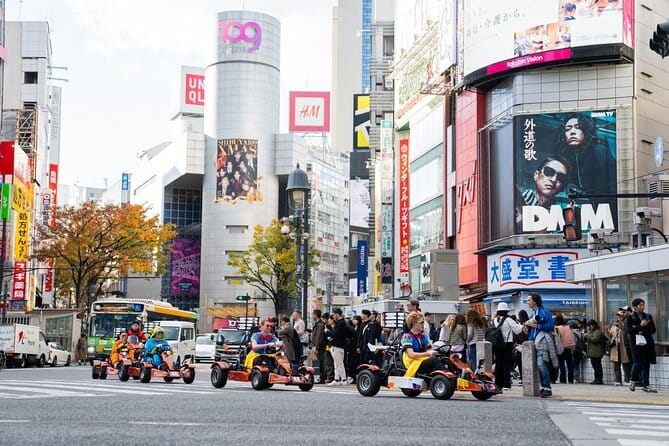
Tokyo sightseeing usually means trains, escalators, and crowded sidewalks. This tour changes the view completely: you sit low in a go-kart and drive through Shinjuku, Harajuku, and Shibuya, including two crossings of the famous Shibuya Scramble. I like the guide system, with a lead vehicle, a follow vehicle, and sometimes a motorcycle helping the group stay together. I also like the small maximum of 10 people, which makes the ride easier to manage.
The main catch is serious: you must bring the correct driving documents. Japan accepts a 1949 Geneva Convention International Driving Permit, not a 1968 Vienna Convention permit. Arrive 15 minutes early, wear practical clothes and closed shoes, and do not drink alcohol before the ride. If your paperwork is wrong, you can be refused without a refund.
Key points before you book
- Shibuya Scramble is part of the route: You pass through the famous crossing and may cross it twice, depending on the route and traffic.
- The ride begins and ends in Shinjuku: The meeting point is JAPANKART Shinjuku Branch, near public transportation.
- A guide handles the route: You focus on driving while the lead and follow vehicles help the group move through Tokyo streets.
- The paperwork is not optional: Most drivers need a passport, home-country license, and booklet-style 1949 Geneva Convention IDP.
- You drive for much of the two-hour outing: One participant reported more than an hour behind the wheel, with the rest of the time used for instructions, stops, and organization.
- Night rides add city lights: The route passes through areas that look especially striking after dark, though traffic and visibility require extra care.
What this Tokyo go-kart ride is really like
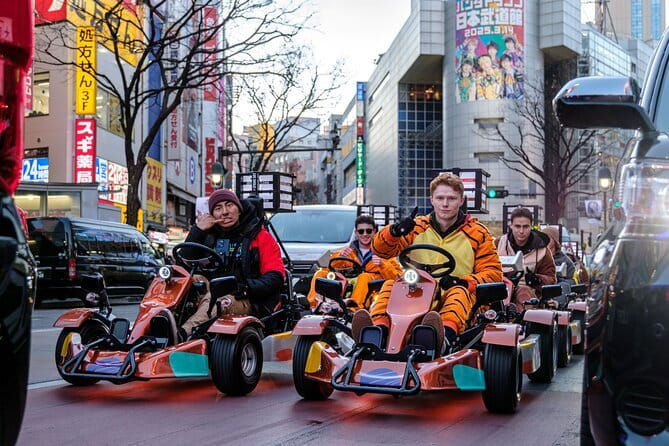
This is not a go-kart track tucked away from traffic. You drive a road-legal kart on public streets through some of Tokyo’s best-known districts. That makes the activity part sightseeing tour, part driving challenge, and part rolling photo session.
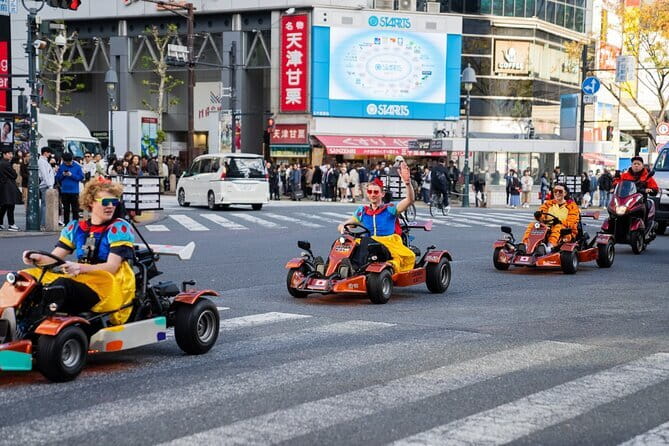
The karts are small and low to the ground. You see the city from a very different angle, close to the road and at eye level with pedestrians. People may wave, look over, and take photos as the group passes. Some participants choose costumes or themed clothing supplied at the shop, while others simply wear the JAPANKART top.
The first minutes can feel tense. You are learning the kart while watching traffic, signals, lane changes, and the guide ahead. After five to ten minutes, many drivers find the controls easier to manage. You still need to remain alert. This is city driving, not a private course.
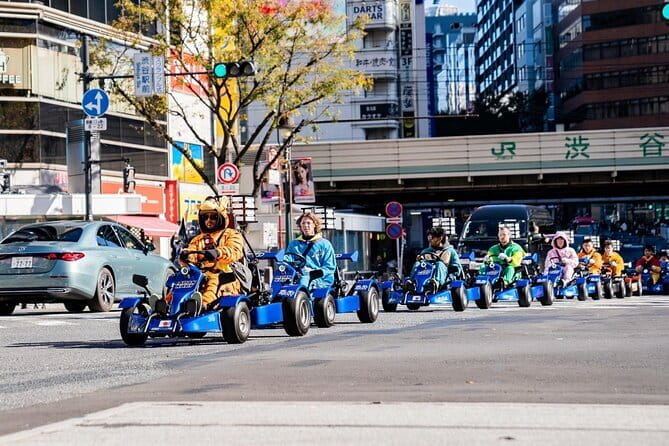
The group can include up to 10 drivers. That is large enough to create a fun little parade, but small enough for the staff to keep track of each person. The operation uses a lead car and a vehicle behind the group. A motorcycle may also help with traffic and navigation. That support is one of the most useful parts of the outing, especially when the route moves through busy areas.
Staff members named in participant feedback include Marge, Leo, Kenny, and Alice, as well as Noah and Luis. You may not have the same team, but the consistent theme is clear: the staff place heavy emphasis on instructions, spacing, lane changes, and keeping the group together. The guide also stops at safe points to check on the group and take photos.
More things to do in Shibuya:
- Official Street Go-Kart in Shibuya
★ 5.0 · 3,435 reviews - Tokyo: Street Kart Experience in Shibuya
★ 4.9 · 1,484 reviews - Shibuya Meltdown Nightlife Tour: All-You-Can-Drink Bar Hopping
★ 5.0 · 1,058 reviews
From Shinjuku Gyoen to Omotesando
The route begins in Shinjuku, where the shop provides instructions before you head out. Pay close attention here. You need to understand the controls and the guide’s signals before entering traffic.
One early sight is Shinjuku Gyoen National Garden. You pass the park rather than tour its grounds, so do not treat this as a garden visit. Still, it gives you a quick look at one of Tokyo’s most popular green spaces, especially famous for cherry blossoms in spring.
The view is brief, but the passing perspective works well for this kind of tour. You keep moving instead of spending an hour inside a single attraction. If Shinjuku Gyoen is high on your list, plan a separate visit on another day.
The route then heads toward Omotesando, an upscale shopping avenue known for polished architecture and luxury stores. From a go-kart, you get a moving street-level view of the district. You might see expensive cars and well-dressed shoppers, but you will not have time to stop and browse.
This section helps explain the value of the tour. You are not just checking off monuments. You are linking several distinct parts of Tokyo in one ride, with no need to study train changes or keep checking a map.
Harajuku fashion and Yoyogi Park
Harajuku brings a different mood. The area is known for youth fashion, unusual clothing, and busy shopping streets. You pass through rather than walk Takeshita Street, so the visit is more of a fast visual snapshot than a full neighborhood tour.
That is both the strength and the limit of the route. You cover ground quickly, but you do not get much time to stop for food, shopping, or people-watching. I would use this tour to get an overview, then return on foot if one district catches your interest.
Yoyogi Park offers another change of pace. It is a large city park with lawns, ponds, and wooded areas beside Meiji Jingu. From the kart, you see the park as part of Tokyo’s shifting city pattern: tall buildings and busy roads give way to open green space, then return again.
You do not enter Meiji Jingu or tour the park. The guide simply takes you past these sights. That distinction matters when planning your day. This is a moving sightseeing route, not a series of guided walks.
The big moment at Shibuya Scramble
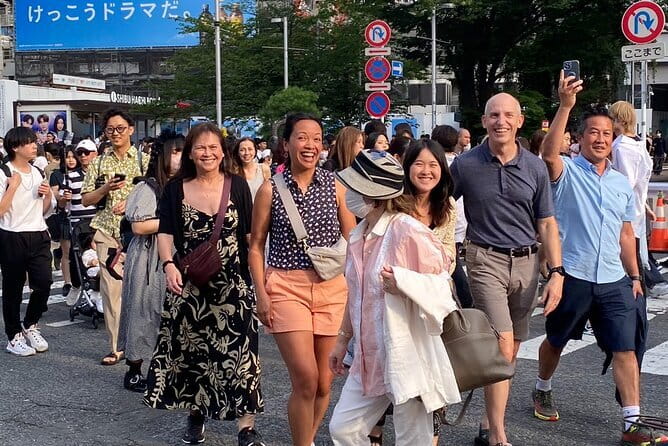
Shibuya Crossing is the highlight for most people. At the traffic lights, you wait with the kart and watch thousands of pedestrians move across the intersection. Then you drive through the crossing as part of the group.
Some outings pass through the scramble twice. That gives you a second chance to enjoy the spectacle and allows the staff to take more photos. The crossing is a short part of a two-hour tour, but it is the image you are most likely to remember.
Driving here can feel exposed. You are surrounded by traffic, pedestrians, tall buildings, and cameras. The support vehicles help, but they do not remove the need to follow instructions and keep your attention on the road.
This is also where the activity can feel most theatrical. People on the sidewalks may wave or watch the karts. Costumes add to the effect, though you should only wear them if you are comfortable and the weather allows. One useful practical tip from the ride: the kart sits low, so road fumes can be noticeable. A mask may make the ride more comfortable.
More things to do in Shinjuku:
- Tokyo: Shinjuku Food Tour (13 Dishes at 4 Local Eateries)
★ 5.0 · 6,603 reviews - Tokyo Bar Hopping Tour in Shinjuku (All-You-Can-Drink + Dinner)
★ 5.0 · 3,587 reviews - Tokyo: Shinjuku Food Tour (15 Dishes and 4 Eateries)
★ 4.9 · 2,033 reviews - Best of Shinjuku: Izakaya Food Tour (4 Stops, 14+ Tastings)
★ 5.0 · 1,863 reviews
Shinjuku skyline and Kabukicho after the crossing
The route includes the Tokyo Metropolitan Government Building, one of Shinjuku’s most recognizable structures. Its free observation decks offer wide views of Tokyo, but this tour does not take you upstairs. You pass the building as part of the driving circuit.
If you want the panorama, save the building for a separate stop. The go-kart ride gives you the exterior and the surrounding streets, not the observation-deck visit.
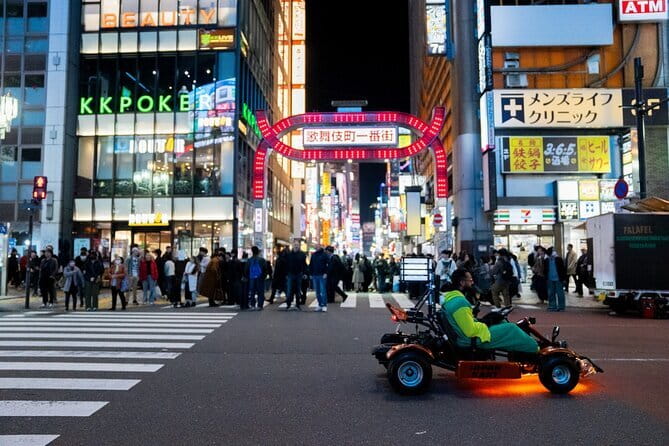
Kabukicho adds another strong contrast. This entertainment district is known for host and hostess clubs, love hotels, restaurants, shops, and nightclubs. During the ride, you see the streets from the outside while the guide keeps the group moving.
The area is especially atmospheric at night, when signs and storefronts light up. Night tours received especially warm praise for their visual appeal, but darkness also means you must take instructions seriously and watch the road. The activity is fun, but it is not a passive sightseeing bus. You are responsible for driving.
How safe does the guided setup feel?
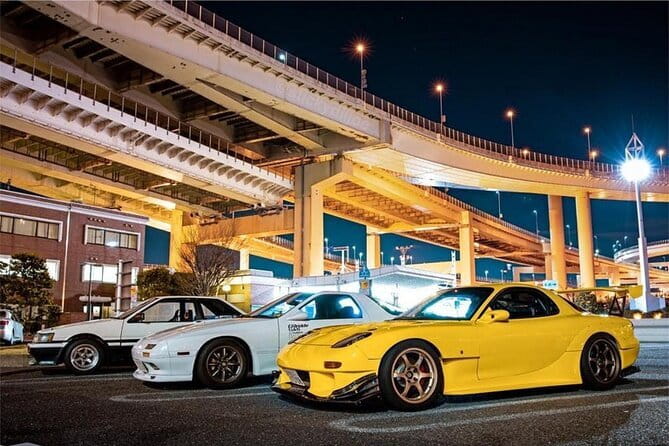
The staff use several layers of support. A lead vehicle guides the route. A rear vehicle follows the group and can help protect the line during lane changes. A motorcycle may also assist with navigation and traffic. The exact setup can depend on the group and conditions, but this arrangement is designed to prevent you from getting lost.
Instructions come before departure, and the guide gives directions during the ride. Staff also make stops to check that everyone is comfortable and together. This organization matters more than a polished costume or a good photo. Tokyo streets can be confusing, and a group of independent karts would be much harder to manage.
You still need normal road awareness. The word safe should not be confused with risk-free. Traffic, weather, road fumes, and the low driving position are part of the experience. If you dislike driving in unfamiliar cities, you may find the first part stressful.
The reviews include one complaint about difficulty locating the shop and a late arrival, along with complaints from people who lacked the required documents. Plan extra time for the meeting point. The address is JAPANKART Shinjuku Branch, 5 Chome 11-23, third floor, Shinjuku, Tokyo 160-0022. Arrive at least 15 minutes early.
The paperwork you must get right
Document rules are the most important booking issue. Most participants need all three of these:
- Your passport
- Your valid driving license from your home country
- An International Driving Permit issued under the 1949 Geneva Convention
The IDP must be in booklet form. A paper or A4 printout is not accepted. Japan also does not accept an IDP issued under the 1968 Vienna Convention.
Your permit must come from an approved issuer in your country. The listed examples include AAA or AATA in the United States, AAA in Australia, AA or RAC in the United Kingdom, and CAA in Canada.
There is a separate rule for licenses issued in Switzerland, Germany, France, Taiwan, Belgium, and Monaco. In those cases, you need your home driving license plus a Japanese translation from the Japan Automobile Federation, also called JAF. You do not use the standard IDP route for those licenses.
Do not wait until the morning of the activity to discover a problem. The operator places responsibility on you to bring valid documents. If your papers are incorrect, participation can be denied and the payment may not be returned.
Clothing, weather, and comfort
Wear practical clothing. Long skirts, high heels, and sandals are not allowed. Comfortable trousers or shorts and secure, closed shoes are the sensible choice.
Do not drink alcohol before the tour. The rule is stated clearly, and it is a basic safety issue when you are driving on public roads.
The tour requires good weather. If poor weather cancels the outing, you can receive a full refund or request another date, depending on availability. Tokyo weather can change, so keep some flexibility in your schedule if this ride is a top priority.
The karts are open to the air, and you sit close to vehicle exhaust. A face mask may help with fumes. Dress for the temperature, and remember that a two-hour outdoor activity can feel very different in summer heat, winter wind, or rain.
What the $125.53 price buys you
At $125.53 per person, this is not a cheap way to move around Tokyo. A train day pass or a self-guided walk costs far less. You are paying for the kart, staff, route planning, traffic support, instruction, and the novelty of driving through districts that you might otherwise see only from a train window.
The price makes the most sense if you want an activity rather than basic transportation. You also get the convenience of covering Shinjuku, Harajuku, Omotesando, Yoyogi, and Shibuya in one continuous outing.
The staff take photos and videos at different points along the route. They may share the files through Google Drive within about 12 hours. The pictures include individual shots, group photos, and moving footage when conditions allow. That adds real value for people who want a record of the experience, though you should not assume every moment will be photographed.
The ride has a maximum of 10 people and lasts about two hours. One participant said the actual driving time exceeded an hour, which is useful context. The rest of the time covers instructions, organizing the group, stops, and returning to the shop.
Who should book this ride?
I would recommend it to confident drivers who want a playful way to see Tokyo and do not mind driving in traffic. It also suits repeat visitors who have already seen the major sights and want something more unusual.
It works well for couples, friends, and families with eligible adult drivers. Most people can participate, but the activity still requires a valid license, an accepted permit, suitable clothing, and comfort behind the wheel.
I would hesitate to book it for anyone nervous about city driving, uncomfortable around traffic, or hoping for a quiet sightseeing tour. It is not ideal if your main goal is to explore Shinjuku Gyoen, Meiji Jingu, Yoyogi Park, or the Tokyo Metropolitan Government Building in detail. You pass these places, but you do not tour them.
A daytime ride gives you clearer views and may feel easier for first-time drivers. A night ride gives you glowing city signs and a more dramatic setting. Either way, the route is more fun when you treat the sightseeing as part of the drive, not the other way around.
Cancellation and meeting details
You can cancel for a full refund up to 24 hours before the local start time. Cancellations or changes within 24 hours are not refunded or accepted.
Mechanical issues can also affect availability. When the operator reaches full capacity, it may need to adjust bookings because the number of working karts can vary.
The tour returns to the Shinjuku meeting point. Confirmation arrives at booking, and the confirmation email includes an instructional video. Watch it before you arrive, then bring your documents and reach the shop 15 minutes early.
FAQ
Do I need an International Driving Permit?
Most participants do. You need a 1949 Geneva Convention IDP, your home-country driving license, and your passport. The IDP must be an official booklet, not a paper or A4 document.
Are 1968 Vienna Convention permits accepted?
No. International Driving Permits issued under the 1968 Vienna Convention are not accepted in Japan for this activity.
What if my license is from Switzerland, Germany, France, Taiwan, Belgium, or Monaco?
You need your own driving license and a Japanese translation issued by the Japan Automobile Federation, or JAF. The standard IDP requirement does not apply in the same way to these licenses.
Where does the tour begin and end?
It begins at JAPANKART Shinjuku Branch at 5 Chome 11-23, third floor, Shinjuku, Tokyo 160-0022. The tour ends back at the same meeting point.
What should I wear?
Do not wear long skirts, high heels, or sandals. Choose practical clothing and secure shoes. Alcohol consumption before the tour is prohibited.
What happens if bad weather cancels the tour?
You can receive a full refund or reschedule for another date, depending on availability. The activity requires good weather.
Should you book the Shibuya and Shinjuku go-kart tour?
Book it if you want a memorable, active way to connect several Tokyo districts and you already have the correct documents in hand. The guide support, small group, photo service, and route through Shibuya Scramble give the $125.53 price a reasonable purpose.
Skip it if you want in-depth visits to the parks, shrine, shopping streets, or observation deck, or if driving in Tokyo sounds stressful. The key decision is not the price. It is whether you want to be the driver in the middle of the sightseeing. If that idea makes you smile, this is one of Tokyo’s more unusual two-hour outings.
More Tokyo go-kart tours
- Flagship 2-Hours Official Street Go-Kart Tour – Tokyo Bay Shop
★ 5.0 · 4,974 reviews - Official Street Go-Kart Tour – Akihabara
★ 5.0 · 1,578 reviews - Tokyo Go Kart: Asakusa, Skytree, and Akihabara **IDP MUST**
★ 5.0 · 988 reviews - Shibuya Official Street Go-Kart in Shibuya Annex
★ 5.0 · 972 reviews
Newly reviewed around Tokyo
- Tokyo Asakusa:Calligraphy & Make T-shirt Activity★ 5.0 · 62 reviews
- Travel Tokyo with Your Own Personal Photographer★ 5.0 · 43 reviews
- Intercity Shuttle, Tokyo to Haneda /Narita /Yokohama /Makuhari★ 5.0 · 5 reviews
- 1 Hour Travel around Tokyo with a Professional Photographer★ 5.0 · 3 reviews
- Train in Samurai Swordsmanship and Defeat the Demon in Tokyo★ 5.0 · 5 reviews
- Shuttle Van 6hr Tokyo Tour to-and-from Tokyo, Yokohama and Narita★ 5.0 · 9 reviews
- Kickboxing & Body Training with EX-Pro Fighter★ 5.0 · 4 reviews
- Traditional Japanese Knife Sharpening Class★ 5.0 · 18 reviews
Tokyo Go-Kart Tours, compared.
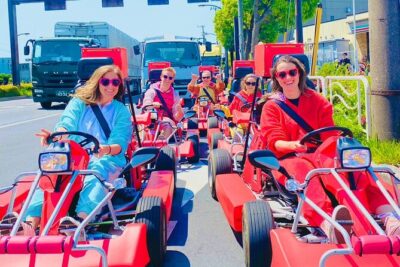
Flagship 2-Hours Official Street Go-Kart Tour – Tokyo Bay Shop
Read our review →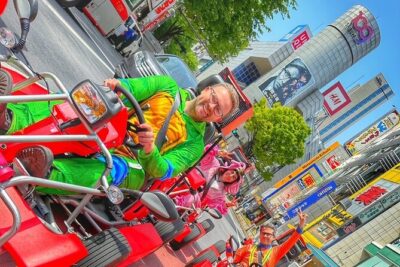
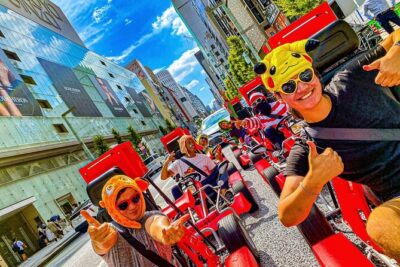
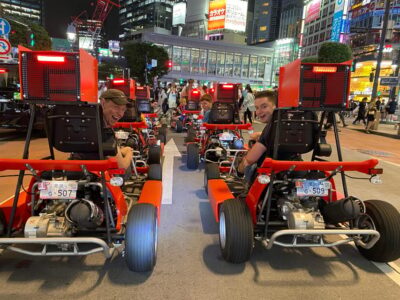
Tokyo Go Kart: Asakusa, Skytree, and Akihabara **IDP MUST**
Read our review →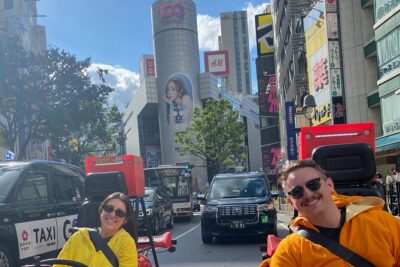
Shibuya Official Street Go-Kart in Shibuya Annex
Read our review →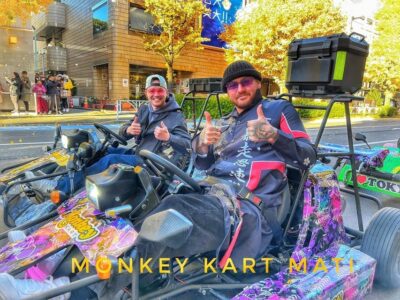
Asakusa, Skytree & Akhihabara Go-Kart City Experience
Read our review →
Premium Go-Kart Tour with Tower & Shibuya Crossing
Read our review →Browse the lists this tour appears in