Reviewed · TOURS
Nihonbashi Ningyocho Tour Seven Lucky Shrines and Treats
The best part of this Tokyo tour is its focused route through Nihonbashi Ningyocho, a neighborhood where old-town character survives among modern Tokyo streets. In about 2.8 kilometers, you visit seven small shrines tied to the Shichifukujin, or Seven Lucky Gods, including Koami Shrine, Suginomori Shrine, and Suitengu.
I like the private format, which lets you move at a calm pace and ask questions without keeping up with a large group. I also like the two included snacks and Tomo’s practical neighborhood advice, including suggestions for local shops and restaurants. The main consideration is that offerings, fortune slips, amulets, and Goshuin calligraphy cost extra.
Key points
- Seven shrines in 2.8 kilometers: A compact walking route gives you a clear look at several different shrine styles without taking up a full day.
- Koami Shrine’s strong fortune reputation: This is the tour’s best-known stop for visitors hoping to make a lucky wish.
- A private walk with Tomo: The relaxed pace and flexible start time suit couples, families, and small groups.
- Two snacks included: The food break adds a taste of the neighborhood without requiring another stop to plan.
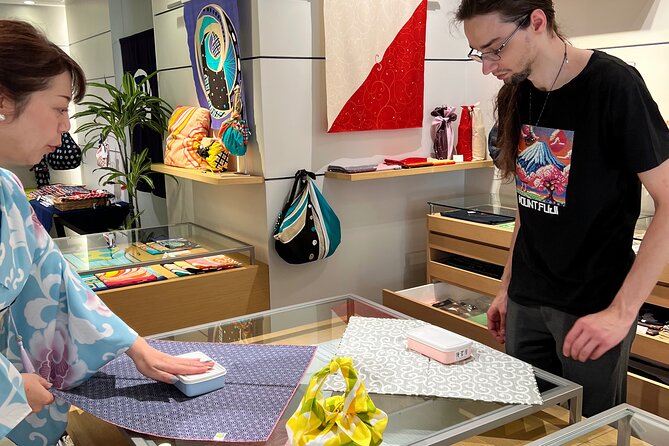
- Useful local guidance: Tomo uses easy-to-follow visual materials and can point you toward nearby souvenirs and restaurants.
- Extra costs are small but real: Shrine entry is free, but coins, amulets, omikuji, and Goshuin fees are not covered.
Why Ningyocho makes a good Tokyo walking tour
Tokyo can feel huge and hard to read. Ningyocho gives you a smaller stage. Its streets are easier to cover on foot, and the shrine route connects religious sites with the everyday life of Nihonbashi.
The area preserves an old Tokyo mood without requiring a long trip from the city center. You are not spending the afternoon crossing town between famous sights. Instead, the tour keeps you in one compact district and shows you seven places of worship in roughly three and a half hours.
That compact design matters. You get variety without wearing yourself out. Some shrines are tiny and tucked into the urban fabric. Others have a more formal presence. The changing scale and architecture keep the walk from feeling repetitive.
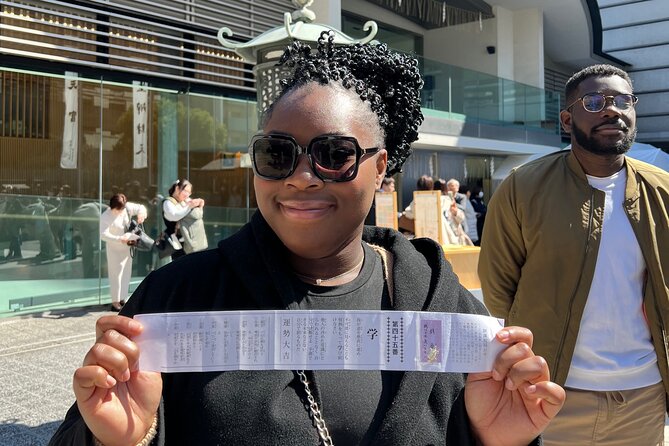
The focus is not only sightseeing. At each stop, you can offer a prayer, make a wish, and choose whether to buy an amulet, draw an omikuji fortune slip, or receive a Goshuin stamp. I like this approach because it gives you room to take part in Japanese shrine customs instead of simply photographing the gates and moving on.
Other Tokyo days people book alongside this one:
- Mt Fuji and Hakone 1-Day Bus Tour Return by Bullet Train
★ 5.0 · 26,383 reviews - 1-Day Tokyo Bus Tour
★ 5.0 · 14,250 reviews - Tokyo: teamLab Planets TOKYO Digital Art Museum Entry Ticket
★ 4.6 · 9,779 reviews
A calm start at Koami Shrine
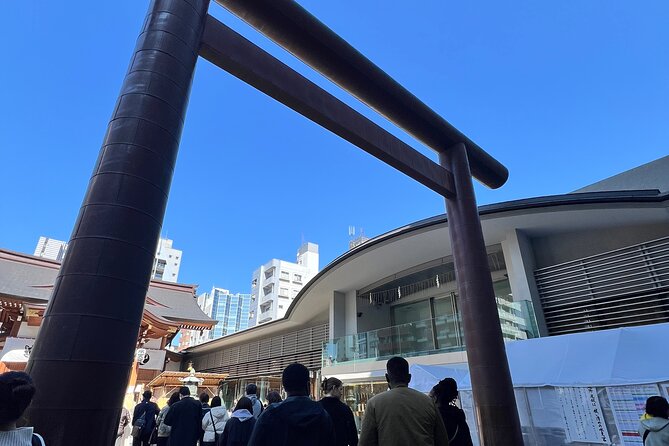
Koami Shrine is the first stop and one of the most important points on the route. It is known for bringing good fortune, and people come from across Japan to pray there. That reputation gives the opening stop a sense of purpose: you begin the walk by making a wish rather than rushing straight into a list of sights.
You have about 15 minutes here. That is enough time to offer a prayer, look over the shrine, and decide if you want an amulet, fortune slip, or Goshuin stamp. These purchases are optional and are not included in the tour price.
For a first shrine visit in Japan, Tomo can help make the process feel less uncertain. The tour information specifically includes prayer, amulet purchases, omikuji, and Goshuin, so the visit is designed around participation. If you already know shrine customs, you can use the time to study the details and ask about the site.
Koami is also a good example of the tour’s overall style. You are not being taken to one enormous landmark and then sent away. You are seeing local religious sites in context, with time to make your own choices.
Suitengu and prayers for families
Suitengu is the second shrine, with about 15 minutes set aside. It is associated with prayers for safe childbirth and healthy babies, giving this stop a different purpose from Koami’s general good fortune.
That difference is useful. The seven shrines are not simply seven copies of the same experience. Each carries its own focus, and Suitengu may have special meaning for people thinking about family, childbirth, or the health of children.
You can again pray, make a wish, purchase an amulet, draw an omikuji, and receive Goshuin calligraphy. The tour does not force you to buy anything, so you can take part at the level that feels right for you.
The short stop also keeps the route moving. Fifteen minutes is enough for the main ritual and a look around, but not enough for a long private visit. If you enjoy reading every sign or browsing shrine goods at length, you may want to keep your expectations modest.
Suginomori Shrine and the lottery connection
Suginomori Shrine receives about 10 minutes. Its special claim is a connection to the birthplace of the lottery, which gives the stop a memorable bit of local history and a lighter tone after the more family-focused meaning of Suitengu.
This is the kind of detail that makes a neighborhood walk worthwhile. You may remember a small shrine better when it has a clear story attached to it. Tomo’s visual materials can help make those explanations easier to follow, especially if you are learning about Japanese religious customs for the first time.
As at the other shrines, you can pray, make a wish, and pay separately for an amulet, omikuji, or Goshuin. The 10-minute schedule suggests a concise visit rather than a long pause.
A completely different kind of day in Tokyo:
- Mt Fuji & Hakone Cruise, Drum Show Bullet Train 1 Day from Tokyo
★ 4.0 · 7,413 reviews - Tokyo: Shinjuku Food Tour (13 Dishes at 4 Local Eateries)
★ 5.0 · 6,603 reviews - Tokyo Mt Fuji 5th St & Hakone Cruise Bus Tour w/Bullet Train
★ 4.4 · 5,024 reviews - Flagship 2-Hours Official Street Go-Kart Tour – Tokyo Bay Shop
★ 5.0 · 4,974 reviews
Four smaller stops with different looks
The remaining four shrines complete the route: Kasama Inari Shrine Tokyo Bessha, Suehiro Shrine, Matsushima Shrine, and Chanoki Shrine. Each receives about 10 minutes.
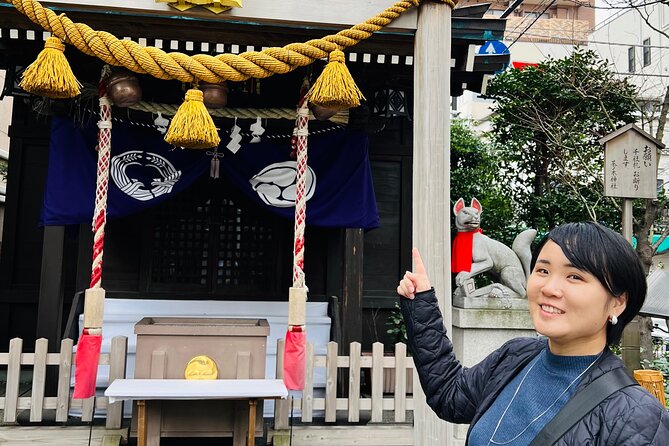
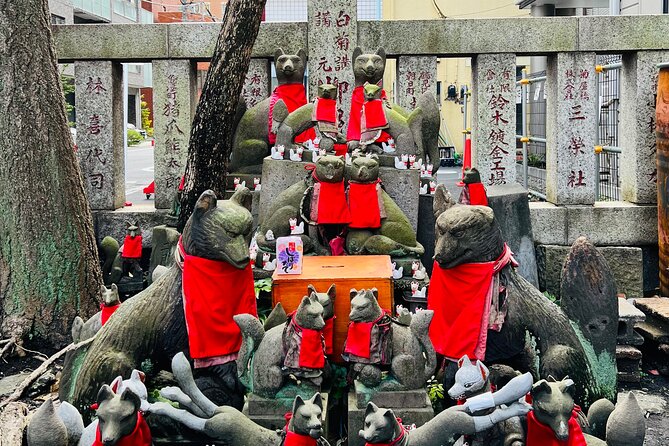
Kasama Inari Shrine Tokyo Bessha gives you another change in shrine style and setting. The name indicates that it is a Tokyo branch connected with Kasama Inari, but the supplied tour details do not assign it a separate legend or special ritual. You should see it as part of the route’s wider picture of local shrines rather than expect a major landmark visit.
Suehiro Shrine is another short stop for prayer, a wish, and optional shrine purchases. Ten minutes is enough to participate and keep moving. The same applies to Matsushima Shrine, where the value is in seeing another place of worship within the neighborhood’s tight street pattern.
Chanoki Shrine completes the seven-shrine sequence. By this point, you will have seen how varied these sites can be in size and architecture. The route works best when you appreciate small details and local atmosphere rather than expecting grand buildings at every stop.
The four shorter visits also explain why the private format helps. Tomo can keep the pace easy while making sure you understand what you are seeing. If one stop catches your attention, you may be able to ask a question or take an extra moment, though the total tour still needs to fit within about three and a half hours.
What the shrine customs mean for your budget
The $68 price is per person for a private experience. That is a reasonable value if you want a guide for the full route and prefer not to organize seven shrine visits yourself.
You are paying for more than directions. The value comes from having Tomo explain the area, help you understand the shrine visits, provide two snacks, and adjust the starting time through direct communication if needed. The private setup also means you are not sharing the walk with strangers.
Still, you should budget for optional extras. Shrine admission is free, but the following are not included:
- Coin offerings
- Protective amulets
- Omikuji fortune slips
- Goshuin stamps
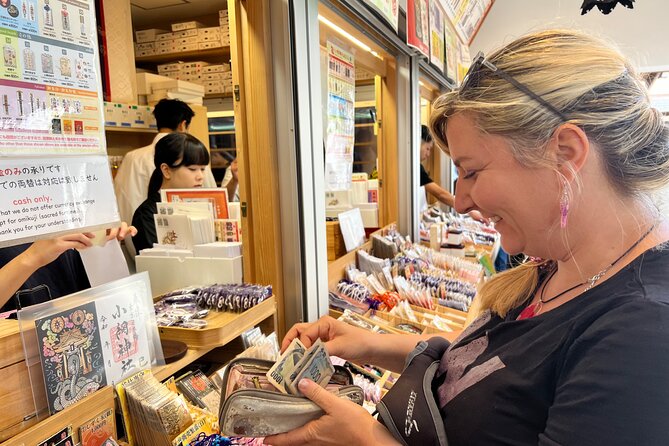
The amount you spend depends entirely on your choices. You can enjoy the route without buying any of these items, or you can collect several amulets, fortunes, or stamps. If you like Goshuin books, for example, seven stops could add a noticeable amount to the day’s cost.
The two snacks are included, which helps the price feel more complete. The details of the snacks are not specified, so you should not book this expecting a particular dish. Think of them as a small traditional taste built into the walk, not a full meal.
Tomo’s relaxed way of guiding
Tomo is the experience provider and guide. Her style, based on the tour details, is friendly and easygoing, with clear visual materials to help explain the area.
That matters in a tour built around seven short shrine visits. You want enough explanation to understand what makes each site different, but not so much talking that the walk becomes a lecture. Tomo’s use of visuals should help if you are unfamiliar with Japanese characters, shrine etiquette, or the meaning of the items sold at the sites.
Her local suggestions also add value after the formal route ends. You can ask about nearby souvenir shops and restaurants, giving you a useful way to continue exploring Ningyocho after the tour returns to the meeting point.
The start time can be arranged by messaging with customers if needed. This is helpful if you have a tight Tokyo schedule, though you should arrange it before the day rather than assume any time will work.
Timing, walking, and meeting point
The tour lasts about three hours and 30 minutes. The listed shrine stops total around 75 minutes, so the rest of the time covers walking, explanations, snack breaks, and transitions between sites.
The route is about 2.8 kilometers. That is not a demanding distance for most people, and the activity information says most people can participate. Still, it is a walking tour, so comfortable shoes make sense. You will be on your feet for much of the morning or afternoon.
The meeting point is at 人形町しずか皮ふ科, located in the Miharamoto building on Nihonbashiningyocho 1-chome. The tour ends back at the same meeting point. It is near public transportation, but you should allow time to identify the building and reach the specified location.
Because the route is private, the tour can suit your group better than a fixed group walk. Families, couples, and friends can move together without worrying about strangers. Service animals are allowed.
The activity requires good weather. If poor weather cancels the tour, you are offered another date or a full refund. You can cancel for a full refund up to 24 hours before the start time. Cancellations or changes inside that 24-hour window are not accepted for a refund.
Who will enjoy the seven-shrine route
I would recommend this tour most strongly if you want a quieter side of Tokyo and enjoy walking with a clear purpose. The route is especially good for you if:
- You want to learn basic shrine customs with a guide.
- You prefer a private experience instead of a large group.
- You like local food, small shops, and neighborhood streets.
- You want a manageable half-day activity near public transportation.
- You are interested in Japanese good-luck traditions and Goshuin stamps.
- You prefer a flexible start time.
It may be less suitable if you want grand temples, major museum collections, or a fast list of famous Tokyo landmarks. The shrines are local and varied, but several stops are brief and modest in scale.
It also may not suit you if you dislike repeated rituals. You will have the chance to pray, make a wish, and consider shrine items at every stop. That repetition is part of the design, not a flaw, but it requires the right interest.
Should you book this Ningyocho tour?
Book it if you want a well-organized introduction to Ningyocho, especially if you value a private guide and a relaxed pace. The route gives you seven distinct shrine visits, two included snacks, and useful advice for continuing into the neighborhood afterward.
The strongest reasons to choose it are the compact 2.8-kilometer design, Tomo’s clear way of explaining the area, and the chance to see a less familiar part of Tokyo without spending a whole day away from the city center. Koami Shrine’s good-fortune reputation and Suginomori Shrine’s lottery connection give the route memorable anchors.
Before booking, remember that shrine purchases and offerings cost extra, and the tour depends on good weather. If those points work for your plans, the $68 private price is fair for a guided half-day walk with food included. If you want Tokyo’s famous sights in one sweep, choose another activity. If you want local streets, small shrines, and a calm introduction to Japanese customs, this is a strong choice.
FAQ
How long does the tour last?
The tour lasts approximately three hours and 30 minutes.
How far is the walking route?
The route covers about 2.8 kilometers.
How many shrines will I visit?
You will visit seven shrines connected with the Shichifukujin, or Seven Lucky Gods.
Is the tour private?
Yes. Only your group participates in the activity.
Are snacks included?
Yes. Two snacks are included in the tour price.
Are shrine offerings and purchases included?
No. Coin offerings, protective amulets, omikuji fortune slips, and Goshuin stamps are not included.
Where does the tour start and end?
The tour starts at 人形町しずか皮ふ科 in the Miharamoto building at Nihonbashiningyocho 1-chome. It ends back at the same meeting point.
Can I cancel for a full refund?
Yes. You can cancel at least 24 hours before the start time for a full refund. If poor weather cancels the experience, you will be offered another date or a full refund.
Newly reviewed around Tokyo
- Tokyo Asakusa:Calligraphy & Make T-shirt Activity★ 5.0 · 62 reviews
- Intercity Shuttle, Tokyo to Haneda /Narita /Yokohama /Makuhari★ 5.0 · 5 reviews
- 1 Hour Travel around Tokyo with a Professional Photographer★ 5.0 · 3 reviews
- Travel Tokyo with Your Own Personal Photographer★ 5.0 · 43 reviews
- Train in Samurai Swordsmanship and Defeat the Demon in Tokyo★ 5.0 · 5 reviews
- Shuttle Van 6hr Tokyo Tour to-and-from Tokyo, Yokohama and Narita★ 5.0 · 9 reviews
- Kickboxing & Body Training with EX-Pro Fighter★ 5.0 · 4 reviews
- Traditional Japanese Knife Sharpening Class★ 5.0 · 18 reviews
Tours, compared.

Mt Fuji and Hakone 1-Day Bus Tour Return by Bullet Train
Read our review →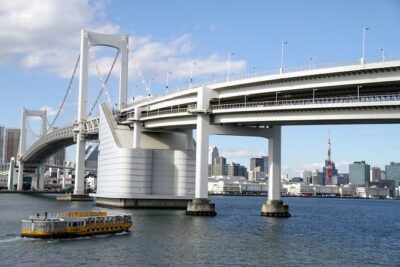
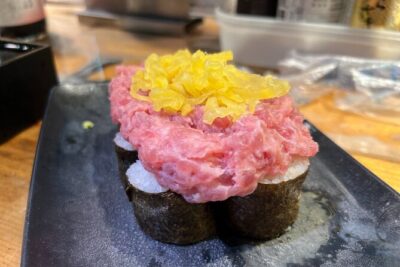
Shinjuku Food Tour (13 Dishes at 4 Local Eateries)
Read our review →
Tokyo Mt Fuji 5th St & Hakone Cruise Bus Tour w/Bullet Train
Read our review →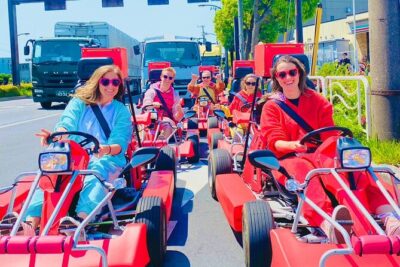
Flagship 2-Hours Official Street Go-Kart Tour – Tokyo Bay Shop
Read our review →
Mt. Fuji Tour, Hakone Ropeway, Owakudani, Lake Ashi
Read our review →
Tokyo 6hr Private Tour with Government-Licensed Guide
Read our review →