
Reviewed · KAMAKURA DAY TRIPS FROM TOKYO
Kamakura Private Tour Great Buddha & Enoshima with English guide
Kamakura’s Great Buddha is the star here, but this private day reaches much farther than one famous bronze statue. You’ll move from temple gardens and shrine ponds to Enoshima’s sea views, then finish among Yokohama’s Chinese restaurants and Sankeien’s traditional gardens. I like the private vehicle and the freedom to slow down, skip a stop, or adjust the day with your guide. The main catch is the ambitious schedule: seven stops in 8 to 10 hours can feel rushed if you want a long visit at every site.
I also like the personal service. Mukarram Muhammad is described as patient, responsive, and happy to walk with you between sights, while one account names Nik as the guide and driver. Confirm who will lead your group, and remember that lunch and most entrance fees are extra.
Key points before you book
- A full private day from Tokyo: Your group of up to six travels in an air-conditioned vehicle rather than joining a large coach.
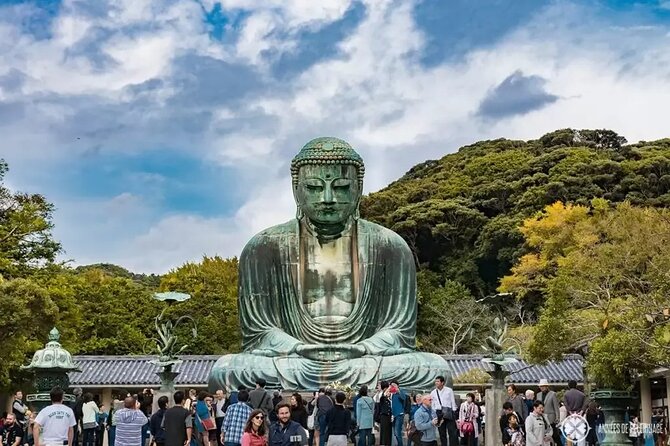
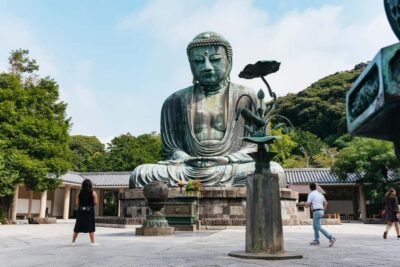
- The Great Buddha is the anchor: Kotoku-in’s bronze statue rises more than 11 meters and is the one admission specifically listed as included.
- Seven very different stops: Temples, a major shrine, a bamboo grove, an island, Chinatown, and a traditional garden create a varied day.
- Flexible pacing matters: The guide can adjust the order and amount of time based on your interests, according to the service descriptions.
- The price works best for a group: At $650 per vehicle for up to six people, the per-person cost drops sharply when the vehicle is full.
- Budget for extras: Hase-dera, Tsurugaoka Hachimangu, Hokoku-ji, and Sankeien Gardens list admission as not included, and lunch is also on your own.
Why this private Kamakura day works
Kamakura makes a fine break from Tokyo. It gives you temples, shrines, old streets, and a coastal setting without requiring an overnight stay. Add Enoshima and Yokohama, and you get three different sides of the area in one long day.
The private format is the main advantage. Your group can travel together in a luxury air-conditioned vehicle with Wi-Fi and bottled water. You do not have to wait for strangers, follow a fixed coach schedule, or spend the day listening to explanations aimed at a crowd. If one garden grabs your attention, you can ask for more time. If the group is tired, you can keep the stop shorter.
That flexibility has real value for families and small groups. It also helps if members of your party have different interests. One person can focus on religious art, another on photos, and another on food in Enoshima or Yokohama.
The tradeoff is distance and ambition. The day includes Kamakura, Enoshima, and two Yokohama stops. Travel time between them will use part of your 8 to 10 hours, so this is a broad introduction rather than a slow study of one town. I would treat the seven stops as a menu of highlights, not seven equal one-hour visits.
More Kamakura day trips from Tokyo:
- Tokyo: Mt. Fuji, Kamakura, Big Buddha, & Lake Ashi Day Trip
★ 4.5 · 867 reviews - Tokyo:Sea of Mount Fuji, Hakone Ropeway, Ōwakudani, Enoshima
★ 4.9 · 84 reviews - Kamakura 8 hr Private Walking Tour with Licensed Guide from Tokyo
★ 5.0 · 80 reviews
Starting at Kamakura’s Great Buddha
Kotoku-in is the clearest first stop. Its Great Buddha is a bronze figure more than 11 meters tall, and the scale is easy to appreciate even if you have seen photographs. The statue is an enduring symbol of Kamakura, and its simple outdoor setting gives you room to take it in without the clutter of a museum display.
The planned visit is about an hour. That is enough for the statue and the temple grounds, with some time for photos. The admission for this stop is listed as included, which is useful because the tour otherwise leaves several entrance costs to you.
I would use the Great Buddha as your reference point for the rest of the day. It is the most instantly recognizable sight, but the quieter stops that follow give you more room to notice garden design, religious practice, and local atmosphere.
Hase-dera and the eleven-headed Kannon
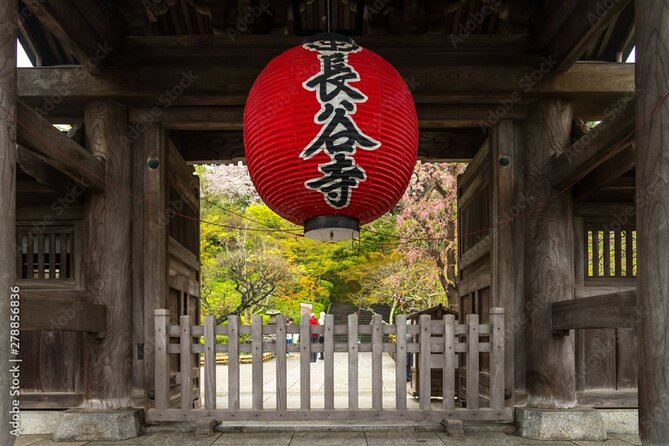
Hase-dera adds a more detailed temple visit. It is known for an eleven-headed statue of Kannon, the Goddess of Mercy, described as one of the largest wooden statues of its type in Japan. The visit also includes beautifully planted temple grounds.
You have about an hour here, which should let you see the principal areas without turning the stop into a long temple study. Ask Mukarram, or the guide assigned to your booking, to explain the Kannon figure and the parts of the grounds that matter most. The English guidance is especially useful at a place where the religious meaning may not be obvious from the buildings alone.
Admission is not included. Since the tour price does not cover lunch or general entrance fees, keep a separate budget for this stop and the others that charge admission. The supplied details do not give exact prices, so check current fees before departure if you want a precise day budget.
Tsurugaoka Hachimangu, Kamakura’s spiritual center
Tsurugaoka Hachimangu is the city’s major shrine and its spiritual heart. The approach through a large torii gate leads to ponds with koi, bridges, and a calm setting that feels different from the bronze statue and temple grounds.
The scheduled hour gives you time to walk through the main area and understand the shrine’s layout. I like this stop because it shows Kamakura as more than a collection of famous objects. The setting and approach are part of the experience.
Admission is listed as not included, although the details provided do not specify a general entrance charge. Your guide can help you understand which areas are freely accessible and which, if any, require payment on the day.
More private tours in Tokyo:
- Tokyo 6hr Private Tour with Government-Licensed Guide
★ 5.0 · 3,902 reviews - Private Tour to Mt. Fuji and Hakone (Fully Licenced Operator)
★ 5.0 · 1,910 reviews - Tokyo Customized Private Tour (Must See Places in 1 Day)
★ 5.0 · 1,499 reviews - Mount Fuji Full-Day Private Tour from Tokyo (Customizable)
★ 4.9 · 1,470 reviews
Hokoku-ji’s bamboo grove and matcha break
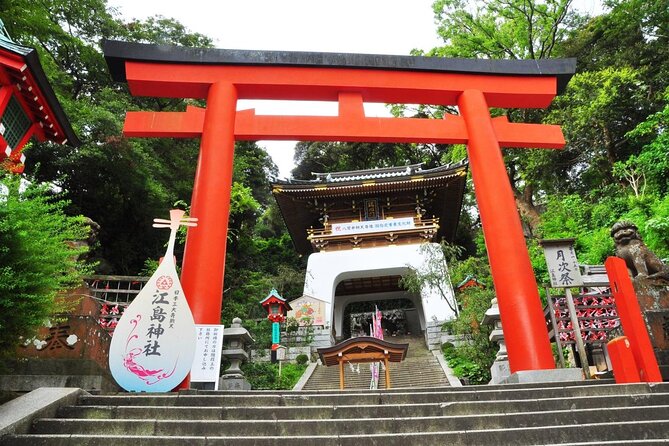
Hokoku-ji offers a change of scale and mood. The temple dates from the 14th century and is known for its bamboo forest. It also gives you the option of drinking famous matcha green tea, making this a natural place to pause after several major religious sites.
The bamboo grove is the reason to keep this stop on the schedule. It is more intimate than the open setting around the Great Buddha, and the green corridor provides a strong contrast to Kamakura’s shrine and temple architecture. The one-hour allocation should work well if you want to walk through the grove and have tea without lingering too long.
Admission is not included. Matcha is also not identified as part of the tour price, so plan to pay separately for it if you choose to sit for tea. This is one stop I would protect if you prefer quiet gardens to another large landmark.
Enoshima, sea air, and a possible Fuji view
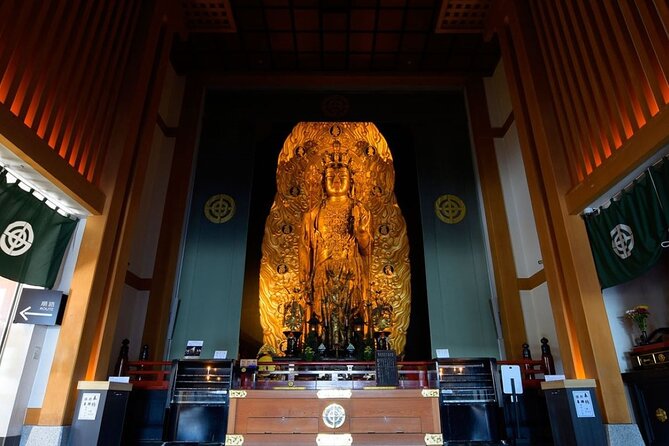
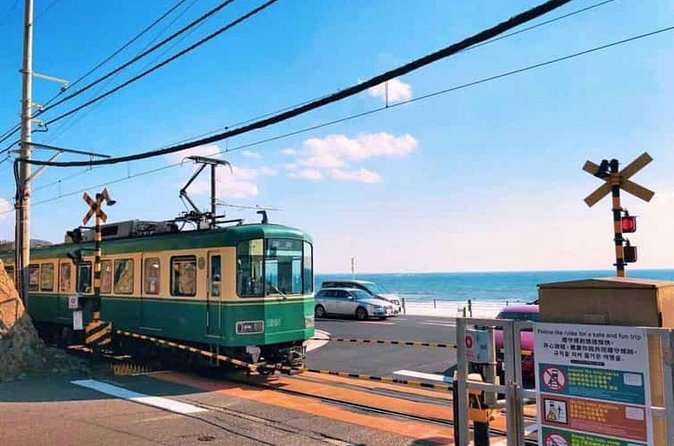
Enoshima is the day’s coastal change of scene. The island has shrines, lively streets, and views over the sea. On a clear day, you may see Mount Fuji in the distance, though weather and visibility decide whether that view appears.
The visit is planned for about an hour, which is enough for an introduction but not enough to explore every corner at a slow pace. You will need to choose what matters most: shrine areas, the streets, sea views, or food. Since the island is listed as free admission, you can focus your spending on snacks or a meal rather than a basic entry ticket.
This is also a useful point to speak up about priorities. If your group wants more time by the coast, ask whether another stop can be shortened. The private format makes that conversation possible, but the total day still has limits.
Yokohama Chinatown for a late meal or short walk
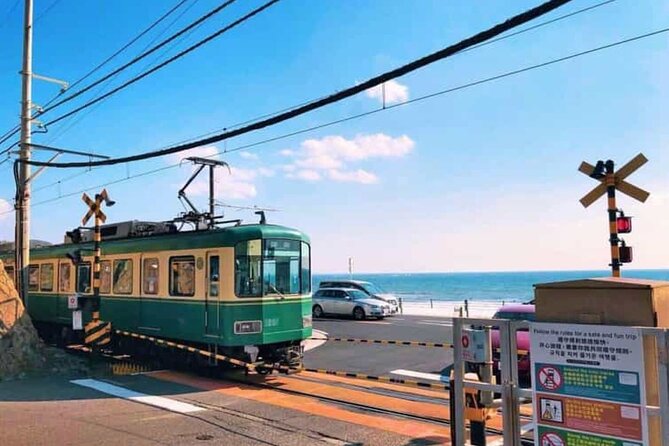
Yokohama Chinatown is described as about 160 years old, with a population of roughly 3,000 to 4,000 people, most associated with Guangzhou. The stop gives the day a strong food and urban flavor after the temples and island scenery.
An hour is enough for a walk and possibly a meal, though lunch is not included in the tour price. One account describes the guide taking the group to a Japanese seafood restaurant on a rainy day, so you can ask Mukarram about food options if the timing works. That restaurant is not presented as a guaranteed part of every booking, so treat it as an example of the guide’s flexibility, not a promised stop.
If you are hungry by this point, Chinatown may be the most practical place to eat. If you already had lunch earlier, use the hour for a short look around rather than trying to cover the whole district.
Sankeien Gardens to finish the day
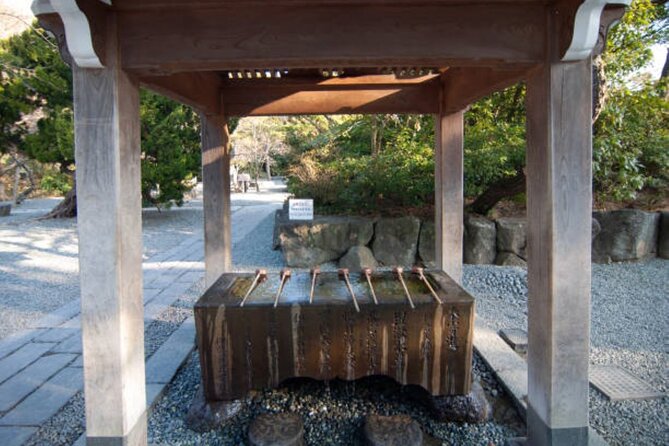
Sankeien is a traditional Japanese-style garden in Yokohama’s Naka Ward. It opened in 1906 and was designed and built by Tomitaro Hara, a silk trader who used the name Sankei Hara.
This final stop brings the tour back to gardens and quiet spaces. After the crowded feel of Chinatown, Sankeien offers a slower ending, with traditional design as the focus. The planned hour is a useful sample, though garden lovers may want more time than the schedule allows.
Admission is not included. If your group has limited energy late in the day, ask whether Sankeien or another stop should receive the longer visit. The best choice depends on your interests. Some people will prefer the garden’s calm finish, while others may want extra time in Enoshima or Kamakura.
What the guide and vehicle add
The service includes an English-speaking professional guide and driver, a luxury air-conditioned vehicle, Wi-Fi, and bottled water. Those details matter on a full day outside Tokyo. You can keep your group together, leave bags in the vehicle as appropriate, and avoid managing several train changes between distant areas.
The guide’s role appears to go beyond driving. The descriptions emphasize walking with the group, explaining Japanese culture, and adjusting the day to suit your wishes. Mukarram is repeatedly described as patient and responsive, including on a rainy day when the group still visited the promised locations. One account names Nik, so confirm the assigned guide before you travel if that distinction matters to you.
The private vehicle is most valuable when the group has six people. At $650 per group, the rough cost is about $108 per person for six people, $162 for four, and $325 for two, before meals and admission fees. For a couple, that is a serious expense. For a family or group of friends, the cost becomes easier to justify because you are paying for private transport, a full day, and personal guidance rather than separate public transport and a shorter guided visit.
How to plan the day wisely
Start with a clear idea of your priorities. You cannot give every stop equal attention in 8 to 10 hours, especially with travel between Tokyo, Kamakura, Enoshima, and Yokohama.
I would choose two or three must-see stops before pickup. For example, temple lovers might prioritize the Great Buddha, Hase-dera, and Hokoku-ji. A group focused on views and food might give more time to Enoshima and Chinatown. Garden fans could protect Hokoku-ji and Sankeien.
Ask about the order of stops as well. The supplied details do not promise a fixed sequence beyond the way the stops are presented. Traffic, weather, and your interests may affect the route. The ability to adjust is one of the strongest reasons to choose a private day rather than a fixed group excursion.
Wear comfortable shoes and expect walking at temples, shrines, gardens, and Enoshima. That advice is practical rather than a special tour rule. The details say most people can participate, but they do not describe a specific accessibility plan, so ask the provider directly about mobility needs.
The tour requires good weather. If poor weather cancels it, you are offered another date or a full refund. You can cancel for a full refund up to 24 hours before the start time. Cancellations or changes within 24 hours are not refunded or accepted, based on the stated policy.
Who should book this experience?
I would recommend it to a family, multigenerational group, or small circle of friends that wants to see several major sights without handling the transport alone. It is also a good match if you value an English-speaking guide who can explain cultural details and adjust the pace.
It is less suitable if you want a slow, single-town visit. Seven stops leave little room for long meals, extended temple visits, or unplanned wandering. The price also needs careful thought for one or two people, especially once you add food and admissions.
Book it if private transport, personal attention, and a wide range of sights matter more to you than a relaxed schedule. Skip it if your ideal day is one temple, one garden, and plenty of time to sit. Either way, confirm the guide’s name, ask which entrance fees apply, and decide your top priorities before setting out.
FAQ
How long does the private tour last?
The tour lasts approximately 8 to 10 hours.
How many people can join?
The private vehicle accommodates one group of up to six people.
Is pickup included?
Round-trip hotel pickup is offered as part of the experience.
Is the tour conducted in English?
Yes. An English-speaking professional guide and driver are included.
Is the Great Buddha admission included?
The Kotoku-in Great Buddha stop lists admission as included.
Are all entrance fees included?
No. Hase-dera, Hokoku-ji, and Sankeien Gardens list admission as not included. The general tour information also says entrance fees are not included, so confirm the exact costs before departure.
Is lunch included?
No. Lunch is not included in the price.
Does the tour include a private vehicle?
Yes. A luxury air-conditioned vehicle is provided for your group.
Is Wi-Fi available?
Yes. Free Wi-Fi and bottled water are included in the vehicle.
What happens if the weather is poor?
The experience requires good weather. If it is canceled because of poor weather, you can choose another date or receive a full refund.
What is the cancellation policy?
You can cancel at least 24 hours before the start time for a full refund. Cancellations or changes made less than 24 hours before the start time are not accepted for a refund.
Newly reviewed around Tokyo
- Tokyo Asakusa:Calligraphy & Make T-shirt Activity★ 5.0 · 62 reviews
- Intercity Shuttle, Tokyo to Haneda /Narita /Yokohama /Makuhari★ 5.0 · 5 reviews
- 1 Hour Travel around Tokyo with a Professional Photographer★ 5.0 · 3 reviews
- Travel Tokyo with Your Own Personal Photographer★ 5.0 · 43 reviews
- Train in Samurai Swordsmanship and Defeat the Demon in Tokyo★ 5.0 · 5 reviews
- Shuttle Van 6hr Tokyo Tour to-and-from Tokyo, Yokohama and Narita★ 5.0 · 9 reviews
- Kickboxing & Body Training with EX-Pro Fighter★ 5.0 · 4 reviews
- Traditional Japanese Knife Sharpening Class★ 5.0 · 18 reviews
Kamakura Day Trips from Tokyo, compared.
Mt. Fuji, Kamakura, Big Buddha, & Lake Ashi Day Trip
Read our review →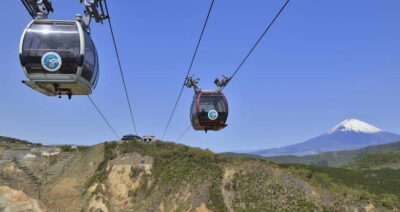
Sea of Mount Fuji, Hakone Ropeway, Ōwakudani, Enoshima
Read our review →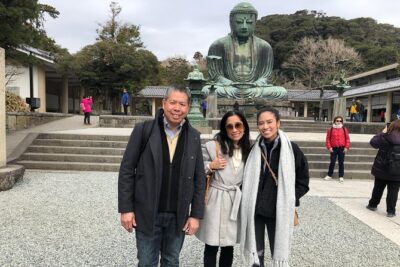
Kamakura 8 hr Private Walking Tour with Licensed Guide from Tokyo
Read our review →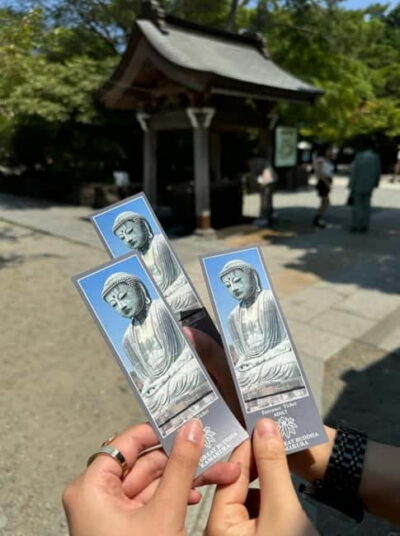
Kamakura & Enoshima Day Tour with Pickup & Train Ride
Read our review →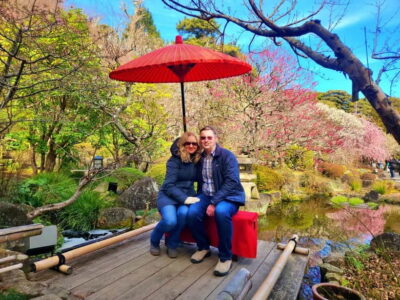
Kamakura Private & Customizable Tour – All-in-One Experience
Read our review →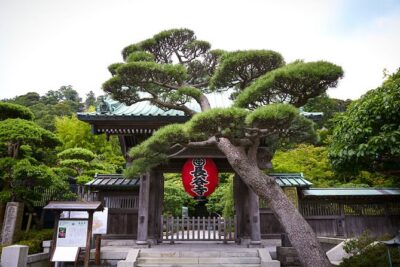
Private Car Tour to see Highlights of Kamakura, Enoshima, Yokohama from Tokyo
Read our review →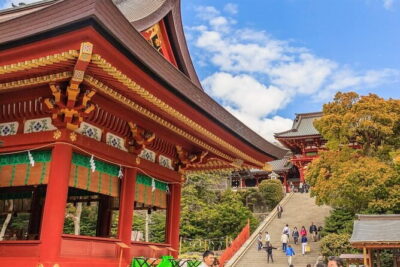
From Tokyo Kamakura, Hachimangu Shrine and Enoshima Full Day Tour
Read our review →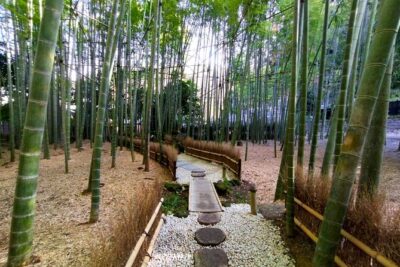
Day Trip to Kamakura & Enoshima: Shrines, Seaside, Temples & Tea
Read our review →Browse the lists this tour appears in