
Reviewed · SHINJUKU TOURS
Kabukicho Macabre Tour – the Real Tokyo Vice
Kabukicho’s neon streets look like pure entertainment, but this two-hour walk points to the crimes, deaths, feuds, and ghost stories behind the signs. Guide Vivian connects real locations with the social history of Tokyo’s red-light district, including cases from the past 43 years.
I like the small groups of up to four, which make it easy to hear stories in noisy streets and ask direct questions. I also like the shrine visit at the end, a quiet change of mood after murder sites, mafia tales, and supernatural lore.
The main consideration is the subject matter. This is not a gentle sightseeing stroll, and children under 15 cannot join. You will be walking through active nightlife areas, so the experience suits adults who are comfortable with crime, death, sex-industry history, and unsettling stories.
Key points about the Kabukicho Macabre Tour
- Real Kabukicho locations: Visit places connected with murders, mafia violence, accidents, murder-suicides, and unresolved cases.
- More than true crime: Learn how nightlife, love hotels, red-light businesses, nightlife work, and local culture shaped the district.
- Vivian’s specialist background: Ask about Japanese nightlife and night work, the subject of her graduating thesis.
- Small group format: With no more than four people, you can hear the guide clearly and ask plenty of questions.
- Pop-culture connections: Pass locations linked with the Yakuza game series and the HBO series Tokyo Vice.
- A calmer finish: End at a shrine, with the possibility of learning about protective traditions after the darker stories.
Starting beneath Kabukicho’s neon signs
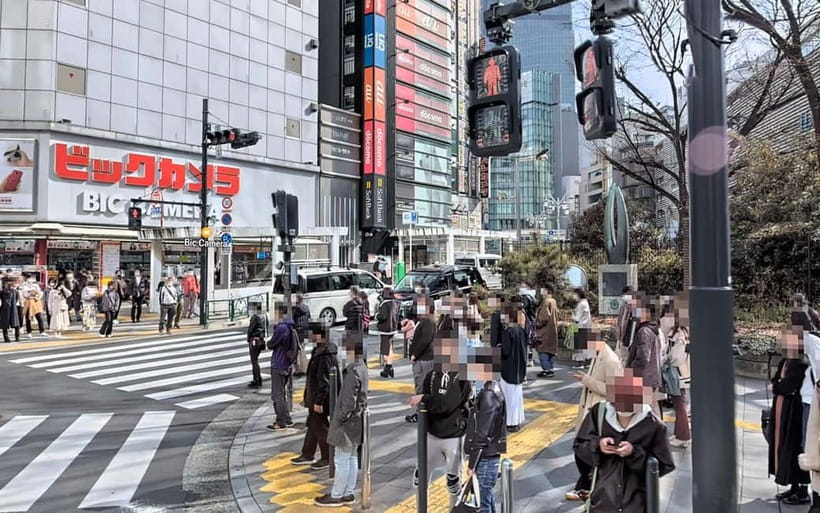
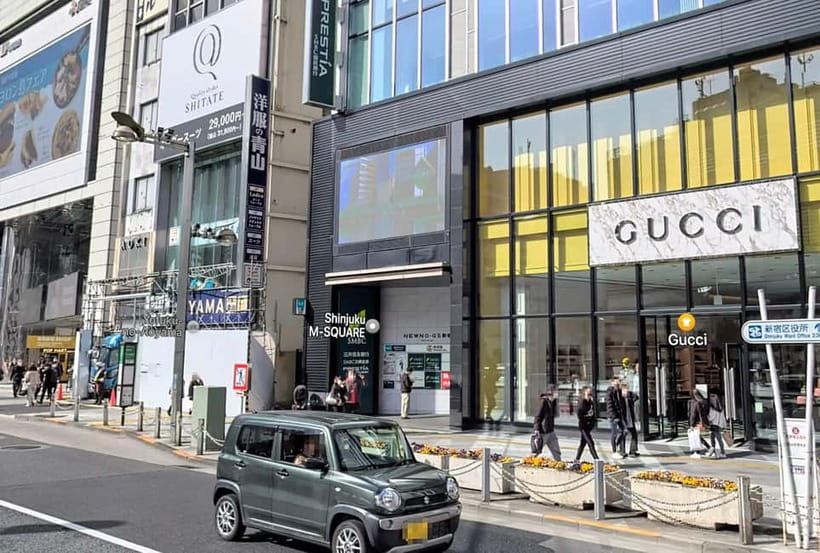
The meeting point is in front of the Starbucks at Kabukicho Tower, on the stairs. A map pin is provided, which helps in a district full of tall signs, narrow lanes, and several nearby station exits.
I would arrive a few minutes early. The tour begins in one of Tokyo’s busiest entertainment zones, and finding a particular staircase can take longer than expected if you are rushing from Shinjuku Station.
From the start, you should expect a walk-and-talk format. This is not a museum tour with indoor exhibits or a bus ride between attractions. Vivian leads you through the streets, points out locations, and explains what happened there, along with the cultural setting that made those stories possible.
That street setting matters. You are not only hearing about Kabukicho as an idea. You are standing in the district itself, surrounded by the same signs, buildings, alleys, and nightlife businesses that give the stories their setting.
More things to do in Shinjuku:
- Tokyo: Shinjuku Food Tour (13 Dishes at 4 Local Eateries)
★ 5.0 · 6,603 reviews - Tokyo Bar Hopping Tour in Shinjuku (All-You-Can-Drink + Dinner)
★ 5.0 · 3,587 reviews - Tokyo: Shinjuku Food Tour (15 Dishes and 4 Eateries)
★ 4.9 · 2,033 reviews
What makes Kabukicho different from ordinary Tokyo sightseeing
Many first visits to Tokyo focus on temples, gardens, department stores, and spotless transport. Kabukicho shows another side of the city. It is a place built around nightlife, drinking, entertainment, restaurants, clubs, love hotels, and businesses that operate late into the night.
The tour puts that world into context without treating it as a simple collection of shocking tales. You learn about the red-light district and the social issues tied to night work. Vivian’s academic work on nightlife and night work in Japan gives you a useful opening for questions about the people, businesses, and customs connected to the area.
That broader view is one of the tour’s strongest features. Crime stories can become shallow when they are separated from their setting. Here, a murder, a mafia dispute, or a tragic relationship is explained alongside the district’s changing nightlife and its place in modern Tokyo.
You will also hear about the darker side of the area across roughly 43 years. The subjects include terrorist attacks, gang conflicts, mafia vendettas, shootings, accidents, murder-suicides, and cases that were never solved. The mix is wide, so the tour is not built around one famous crime.
The crime stories and the places connected to them
The core of the walk is the chance to pass locations connected with real incidents. Vivian explains what occurred and how the location fits into the story. Seeing the setting can make the account more immediate, but it can also make the material feel heavier than a podcast or book.
The tour includes murder sites and places associated with mafia killings. You might also hear about fights, shootings, gang disputes, and tragic incidents involving lovers. Some stories concern events that are relatively recent, while others help show how Kabukicho has changed over time.
Unsolved serial killings add another layer. These cases do not offer neat endings, and the lack of a final answer is part of what makes them unsettling. If you prefer clear historical conclusions, this portion may leave you uncomfortable. If you enjoy true crime, it is likely to be one of the most memorable parts.
Vivian has used illustrations to explain some cases. That is a practical touch, since crimes from different years can involve several people, locations, and timelines. A visual aid helps you follow the story without turning the tour into a lecture.
The small group also helps here. With only four participants, you can ask for clarification when a case becomes complicated. You are not trying to hear a guide over a large crowd, and the conversation can adjust to your interests.
Haunted places, love hotels, and the supernatural side
Kabukicho’s macabre reputation is not limited to documented crime. The route also passes areas known for ghost stories and places connected with unsettling local lore.
The supernatural material gives the walk a different tone. It is less about proving that a place is haunted and more about understanding how tragedy, rumor, memory, and popular belief attach themselves to certain sites. You should treat these stories as part of the district’s lore, not as a guarantee of paranormal activity.
Love hotels are another subject. They are a familiar part of the district’s nightlife, but the tour looks at the mysteries and social questions connected with them rather than simply pointing out unusual buildings. This can be useful if you want to understand how Kabukicho functions after dark, not just photograph its neon signs.
The blend of the supernatural, the sleazy, and the gory gives the tour its particular character. One story may concern a documented crime, the next a local haunting, and another the social world of nightlife. That variety keeps the two hours moving, although it also means the tour is not a formal academic history of every part of Kabukicho.
A completely different kind of day in Tokyo:
- Mt Fuji and Hakone 1-Day Bus Tour Return by Bullet Train
★ 5.0 · 26,383 reviews - 1-Day Tokyo Bus Tour
★ 5.0 · 14,250 reviews - Tokyo: teamLab Planets TOKYO Digital Art Museum Entry Ticket
★ 4.6 · 9,779 reviews - Mt Fuji & Hakone Cruise, Drum Show Bullet Train 1 Day from Tokyo
★ 4.0 · 7,413 reviews
Tokyo Vice and Yakuza game connections
Fans of the Yakuza video game series have another reason to book. The route can pass locations associated with the games, giving you a real-world reference for places that many players already know through fiction.
The tour can also include locations used to film the HBO series Tokyo Vice. These connections are useful even if you are not a devoted fan. They show how Kabukicho’s streets have become shorthand for Tokyo’s criminal underworld in popular culture.
You should keep expectations sensible. This is not advertised as a dedicated film or video game tour. The main focus remains crime, nightlife, culture, and local history. The screen connections work as extra points along the route, not as the entire reason to book.
Still, I like the combination. A Yakuza fan can connect familiar fictional streets with the real district, while someone who has watched Tokyo Vice can better understand why Kabukicho works so well on screen.
Vivian’s guiding style and the value of a small group
Vivian, also referred to as Viv, is the central part of the experience. Her background includes a graduating thesis on nightlife and night work in Japan, and she invites questions on those subjects. That makes the tour more conversational than a standard script delivered at fixed stops.
Her approach is especially useful if you want more than dates and crime summaries. You can ask about nightlife culture, the red-light district, Japanese social issues, and the difference between public images of Kabukicho and daily life in the area.
She also brings passion to difficult material. That matters because the stories cover death, violence, sex work, organized crime, and grief. A guide needs to keep the tone engaging without making suffering feel like a cheap spectacle.
The group limit of four is a major value point. In a noisy entertainment district, a large group could make the walk frustrating. Here, you can stay close to the guide and ask questions without waiting for a long line of people to catch up.
The group size also gives the tour a relaxed feel. One participant reported losing time to an unexpected restroom stop, despite the guide checking beforehand. Take that as useful advice: use the restroom before meeting, since two hours in a busy district leaves little spare time.
The shrine ending changes the mood
The tour ends with a visit to a shrine. After the crimes, ghost stories, and violent episodes, this final stop provides a more reflective finish.
The shrine is not presented as a way to erase the darker material. Instead, it gives you a chance to consider how Japanese religious and folk traditions respond to death, misfortune, protection, and restless spirits.
One guide also gave a protective ward against ghosts after a winter tour. That kind of gesture fits the tone of the experience, though you should not expect a souvenir or ritual on every booking unless the guide chooses to offer one.
I appreciate the change in pace. A tour built entirely around gruesome stories could become exhausting or sensational. Ending somewhere associated with protection and reflection gives the walk a more human finish.
Is $56 fair for two hours?
At $56 per person, this is not the cheapest way to walk through Shinjuku. You can explore Kabukicho’s streets for free, and many visitors already pass through the district without paying for access.
The price makes sense if you want interpretation rather than simple sightseeing. You are paying for a focused route, research into specific incidents, an English-speaking guide, explanations of local culture, and the chance to ask questions in a group limited to four people.
The value is strongest for someone who would otherwise spend hours trying to identify locations and piece together scattered stories. It is also useful if you want to understand the district beyond its restaurants, clubs, bright signs, and reputation.
The price is less attractive if you dislike guided walks, want to visit major Tokyo landmarks, or expect a standard historical tour. The subject is narrow and intentionally dark. You are paying for access to a particular point of view, not a general introduction to all of Shinjuku.
Free cancellation up to 24 hours before the start and the option to reserve now and pay later reduce the risk of booking. The tour lasts two hours, and starting times depend on availability.
Who should book this walk?
I would recommend it to adults interested in true crime, Japanese subcultures, organized crime, ghost stories, or the Yakuza games. It is also a good fit if you have already visited Kabukicho several times and want to notice details beyond the obvious nightlife.
It suits repeat visitors particularly well. One person who had stayed in Kabukicho many times still found the stories and small historical details worthwhile. That tells you the walk is not only for first-time visitors.
The tour can also fit a Tokyo itinerary that has felt too polished. After temples, department stores, quiet gardens, and orderly train journeys, Kabukicho presents a more complicated and less comfortable side of the city.
You should skip it if you are traveling with children under 15, if violent crime is upsetting, or if you want a light evening activity. The route may pass through nightlife areas that some people find sleazy or uncomfortable, and the stories include murder, suicide, gang violence, and tragic relationships.
The tour is wheelchair accessible, but the provided details do not describe the exact walking surface or every stop. If you need route-specific accessibility information, ask before booking.
Practical tips for a better evening
- Use the restroom before the tour. The group has only two hours, and an unscheduled stop can reduce time for the stories.
- Wear comfortable shoes. This is a walking tour through Kabukicho, not a seated talk.
- Bring questions about Japanese nightlife and night work. Vivian’s academic focus makes those subjects especially suitable for discussion.
- Keep your phone ready for the meeting-point map pin, particularly if you are coming from Shinjuku Station.
- Expect an adult tone. The tour covers prostitution-related businesses, violence, death, organized crime, and supernatural stories.
- Consider adding time before or after the walk for Kabukicho, Golden Gai, or another Shinjuku nightlife stop. Vivian has also offered recommendations for bars and dining.
The final verdict: book it for the stories, not the sights
Book the Kabukicho Macabre Tour if you want to understand the district through real crimes, local lore, nightlife culture, and the people who shaped its reputation. Vivian’s research, clear storytelling, visual explanations, and small groups make the $56 fee reasonable for the right audience.
I would not choose it as a general introduction to Tokyo or a family activity. But if you are curious about the uneasy space beneath Shinjuku’s neon surface, this is a focused and unusual way to spend two hours. The shrine ending, Yakuza game locations, Tokyo Vice connections, and chance to ask direct questions give it more depth than a simple ghost walk.
FAQ
Where does the Kabukicho Macabre Tour meet?
The meeting point is in front of the Starbucks at Kabukicho Tower, on the stairs. A Google Maps pin is provided for the location.
How long does the tour last?
The walking tour lasts two hours.
What language is the tour conducted in?
The tour is conducted in English by a live English-speaking guide.
Who guides the tour?
The guide is Vivian, also called Viv in some tour information. She has an academic background in Japanese nightlife and night work.
What does the tour cover?
It covers Kabukicho’s history, the red-light district, organized crime, mafia murders, murder-suicides, accidents, terrorist attacks, haunted areas, love hotels, and unsolved serial killings.
Does the tour visit real crime locations?
Yes. The walk passes actual locations connected with murder cases and other incidents, while the guide explains their context.
Can children join the tour?
No. The tour is not suitable for children under 15.
How many people can join the group?
The group is limited to four participants.
Newly reviewed around Tokyo
- Tokyo Asakusa:Calligraphy & Make T-shirt Activity★ 5.0 · 62 reviews
- Intercity Shuttle, Tokyo to Haneda /Narita /Yokohama /Makuhari★ 5.0 · 5 reviews
- 1 Hour Travel around Tokyo with a Professional Photographer★ 5.0 · 3 reviews
- Travel Tokyo with Your Own Personal Photographer★ 5.0 · 43 reviews
- Train in Samurai Swordsmanship and Defeat the Demon in Tokyo★ 5.0 · 5 reviews
- Shuttle Van 6hr Tokyo Tour to-and-from Tokyo, Yokohama and Narita★ 5.0 · 9 reviews
- Kickboxing & Body Training with EX-Pro Fighter★ 5.0 · 4 reviews
- Traditional Japanese Knife Sharpening Class★ 5.0 · 18 reviews
Shinjuku Tours, compared.
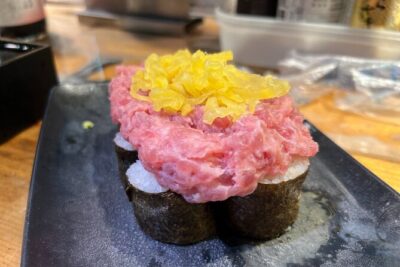
Shinjuku Food Tour (13 Dishes at 4 Local Eateries)
Read our review →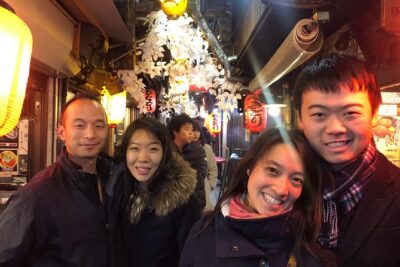
Tokyo Bar Hopping Tour in Shinjuku (All-You-Can-Drink + Dinner)
Read our review →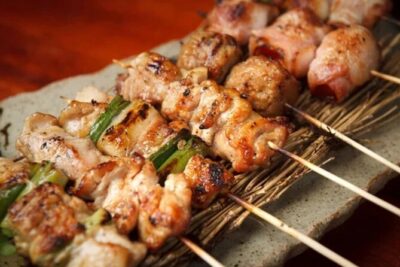
Shinjuku Food Tour (15 Dishes and 4 Eateries)
Read our review →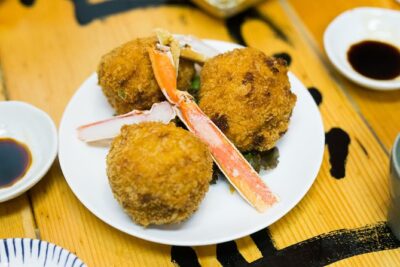
Best of Shinjuku: Izakaya Food Tour (4 Stops, 14+ Tastings)
Read our review →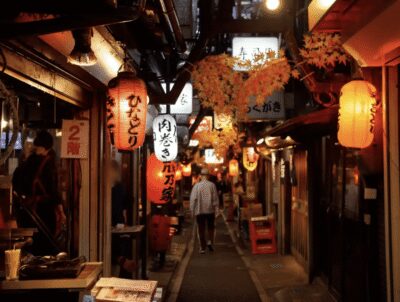
Shinjuku Local Bar and Izakaya Guided Walking Tour
Read our review →
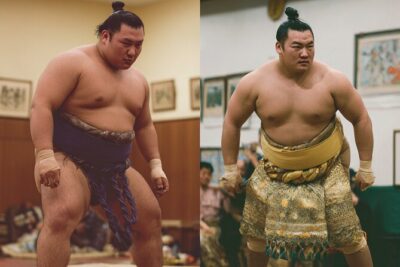
Tokyo Shinjuku Sumo Show & Experience with Photo
Read our review →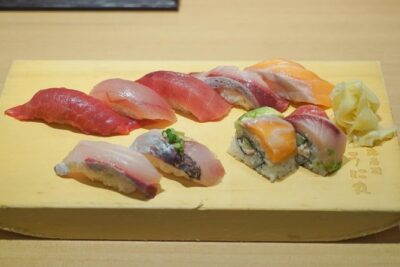
Tokyo Night Foodie Tour in Shinjuku – Seasonal Sushi, Wagyu Beef
Read our review →Browse the lists this tour appears in