Reviewed · TOURS
Japanese Garden & Western Architecture: Akasaka exploration tour
Tokyo’s Akasaka district gives you a welcome break from the city’s towers. This private walking tour links a 400-year-old Japanese garden, a grand state guesthouse, Meiji-era art, and one of Tokyo’s prettiest tree-lined avenues. It is a smart way to see a quieter side of central Tokyo while learning how the Edo shogunate shaped the city.
I especially like the garden’s waterfalls and seasonal plants, and I like the tour’s private format, which lets you ask questions and adjust the pace. Guides including Sayaka, Mutsuko Takano, Ume, and Ayako have been praised for their warmth and flexibility. The main consideration is cost: the $82.42 price is per person, and Akasaka Palace admission adds ¥2,000.
Key points to know before booking
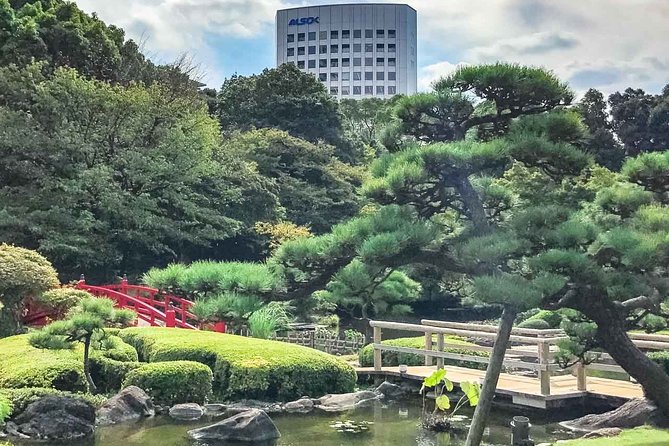
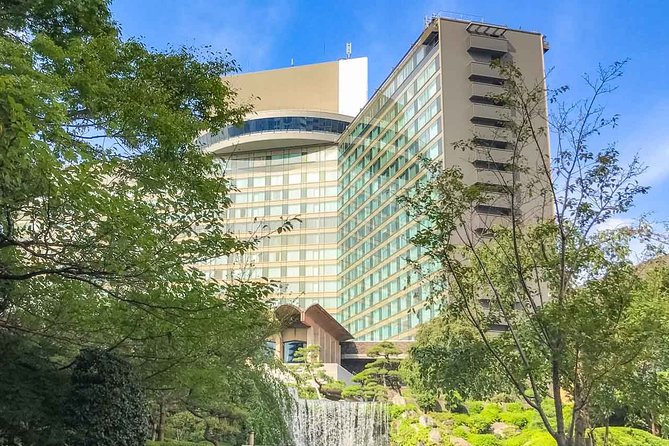
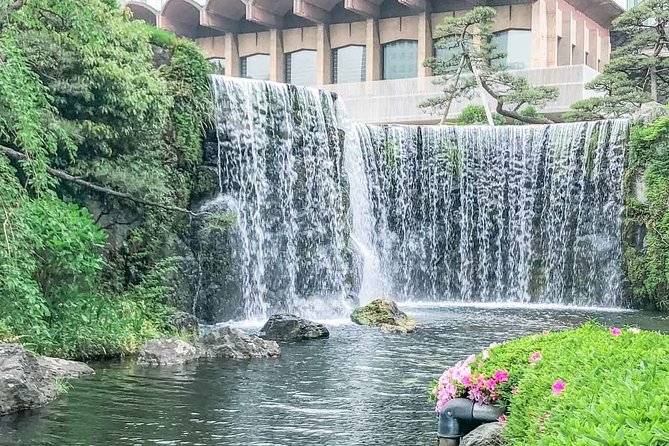
- A 400-year-old garden begins the walk: Hotel New Otani’s Japanese garden offers waterfalls, ponds, seasonal plants, and a calm opening to the tour.
- Akasaka Palace is the major interior sight: The state guesthouse welcomes foreign heads of state and requires a separate ¥2,000 admission fee.
- The experience is private: Only your own group takes part, so you can ask for more history or a slower pace.
- The route connects four distinct sights: You move from Edo-era garden design to imperial-era architecture, Meiji art, and Tokyo’s famous ginkgo avenue.
- Expect a lot of walking: Wear comfortable clothes and shoes, and bring cash because some places may not accept credit cards.
- The tour ends at a different station: You begin at Akasaka-Mitsuke Station and finish near Gaiemmae Station.
Why this Akasaka walk feels different from central Tokyo
Akasaka is central, but it does not always feel like the Tokyo of department stores and packed crossings. The route moves through formal gardens, parks, shrine country, and broad avenues where history is easier to notice. You still have the city around you, but the pace is slower.
The tour focuses on the Tokugawa shogunate and the Edo period, the era when Tokyo was known as Edo. That setting gives the garden stop more meaning. You are not simply looking at trimmed trees and water. You are seeing a style of space that reflects the taste, power, and social order of old Japan.
The experience also reaches into later periods. Akasaka Palace and the Meiji Memorial Picture Gallery help you follow Japan’s change from shogunate rule to the modern imperial state. The route is therefore useful if you want more than attractive scenery. You get a simple historical thread running through the entire afternoon.
Because this is a private tour, your guide can spend more time on subjects that interest you. If you care about architecture, ask about the palace. If gardens are your priority, you can linger over the pond, waterfalls, and seasonal planting. A group tour with a fixed pace may not offer that same room.
Other Tokyo days people book alongside this one:
- Mt Fuji and Hakone 1-Day Bus Tour Return by Bullet Train
★ 5.0 · 26,383 reviews - 1-Day Tokyo Bus Tour
★ 5.0 · 14,250 reviews - Tokyo: teamLab Planets TOKYO Digital Art Museum Entry Ticket
★ 4.6 · 9,779 reviews
Starting at Hotel New Otani’s 400-year-old garden
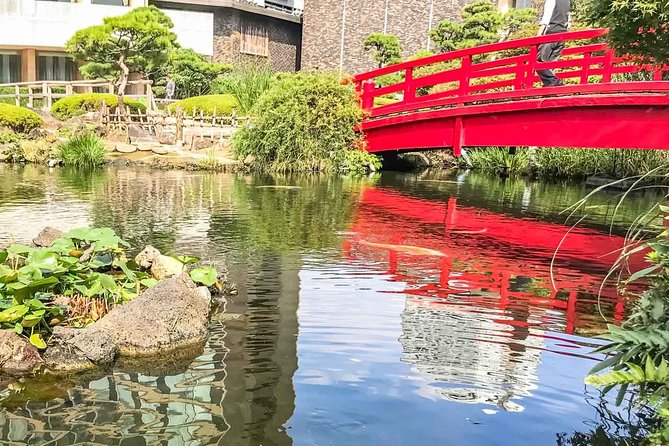
The first scheduled stop is the Japanese garden at Hotel New Otani. The garden has a 400-year history and includes waterfalls, ponds, and plants that change with the seasons. Its location inside a modern hotel complex makes the contrast especially striking.
You might see cherry blossoms in spring, strong green foliage in summer, or autumn illumination later in the year. The exact view depends on your date, but the garden is designed to offer something in every season. I like this as the opening stop because it gives you quiet space before the more formal buildings later in the route.
Allow about 40 minutes here. That is enough for a guided stroll and photographs, though garden lovers may wish for more time. The tour includes the garden admission, so there is no extra ticket charge for this stop.
Your guide can explain how the garden fits into the story of the Tokugawa shogunate. You may also hear about the way Japanese gardens use water, borrowed views, stone placement, and carefully framed paths. The provided information does not promise a formal tea ceremony, but one guide helped a participant arrange a visit to an authentic tea shop. If tea matters to you, ask your guide early rather than assuming it is part of the tour.
The garden has also been a pleasant place to encounter everyday Japanese life. A couple dressed in formal wedding clothing was taking photographs there during one visit. You cannot count on seeing a wedding, of course, but the setting is clearly used for more than sightseeing.
Akasaka Palace, Tokyo’s grandest scheduled stop
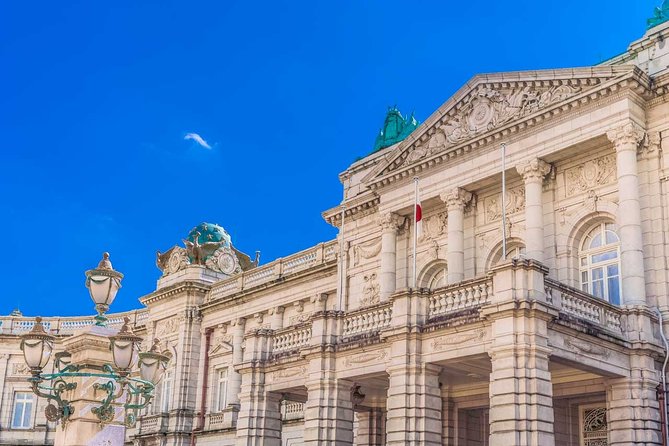
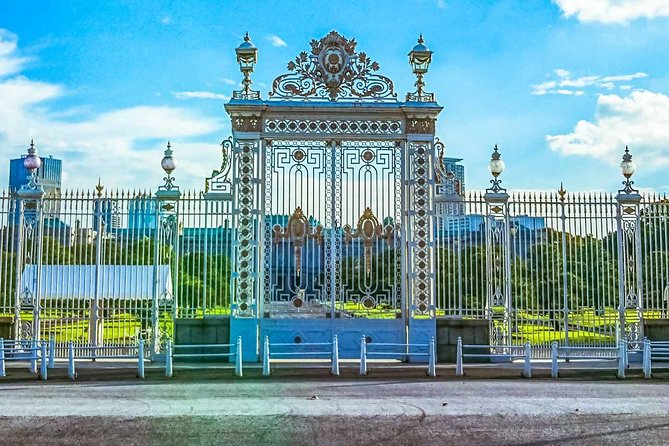
Akasaka Palace is the main architectural highlight. Built as a reception facility for visiting kings, presidents, and other official visitors, it has a castle-like appearance that feels far removed from ordinary Tokyo streets.
You have about 50 minutes here. The separate entrance fee is ¥2,000 per person, and that charge is not included in the tour price. The experience information identifies the palace as a public attraction that opened to visitors in 2016, making it a relatively recent addition to Tokyo sightseeing.
This is the stop where a guide adds real value. The building can impress you at a glance, but its role in Japan’s modern government and diplomacy needs context. Your guide can explain why this palace matters, how it functions today, and how it connects with the transition from imperial Japan to the modern state.
The price deserves a clear look here. At $82.42 per person, the tour is not a bargain walking route, especially once you add the ¥2,000 palace admission. Yet the cost includes a private guide and the guide’s necessary expenses. If two or more people share the booking, the private format becomes easier to justify because you are buying personal attention rather than a seat in a large group.
The palace visit may also affect the schedule. Admission procedures or temporary closures can change the plan, and the operator notes that alternative stops may be used if a site closes. If the palace is the reason you are booking, check the current visiting conditions and keep an open mind about the rest of the route.
Meiji Memorial Picture Gallery and the shift to modern Japan
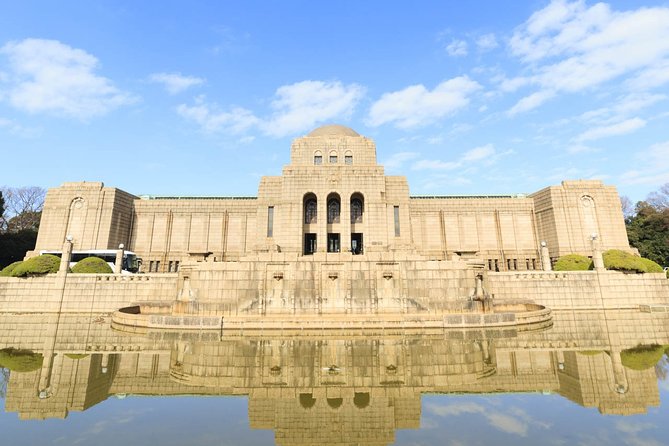
The Meiji Memorial Picture Gallery is a dome-shaped museum focused on the Meiji era. The building itself is part of the appeal, especially when viewed from the entrance and the outer garden along Aoyama Street.
The scheduled visit lasts about 40 minutes. Inside, you can see paintings and murals connected with the Meiji period. This gives the tour a visual way to explain the years when Japan moved rapidly from shogunate rule toward a modern national government.
I would not choose this tour only for the museum if you have little interest in history or art. The visit is fairly short, and the experience details do not promise a full museum-focused lecture. But if you want to understand the period after the Edo shogunate, it is a useful stop. The gallery gives you a different kind of evidence than the garden or palace: images and public memory rather than living greenery or formal architecture.
The sequence works well. You first see the garden associated with older traditions, then a palace tied to present-day diplomacy, and then a museum devoted to the Meiji era. A guide can connect those stops so the day does not become a string of unrelated photo opportunities.
A completely different kind of day in Tokyo:
- Mt Fuji & Hakone Cruise, Drum Show Bullet Train 1 Day from Tokyo
★ 4.0 · 7,413 reviews - Tokyo: Shinjuku Food Tour (13 Dishes at 4 Local Eateries)
★ 5.0 · 6,603 reviews - Tokyo Mt Fuji 5th St & Hakone Cruise Bus Tour w/Bullet Train
★ 4.4 · 5,024 reviews - Flagship 2-Hours Official Street Go-Kart Tour – Tokyo Bay Shop
★ 5.0 · 4,974 reviews
Jingu Gaien’s ginkgo avenue
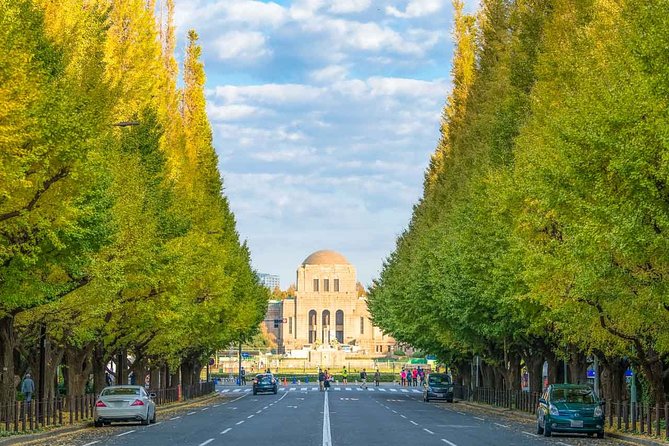
The final scheduled stop is Jingu Gaien’s ginkgo tree-lined street. You have about 20 minutes here, enough to walk beneath the trees and take in one of Tokyo’s most recognizable seasonal scenes.
The avenue changes sharply through the year. Green leaves give it a cool summer feel, while autumn brings the yellow canopy that makes this street famous. The tour description also frames it as a four-season view, so do not think of it as an autumn-only stop.
This is the shortest stop and the least historically detailed, but it gives the walk a graceful finish. After gardens, official buildings, and museum art, you end in an open public setting. The route finishes near Gaiemmae Station, making the stop practical if you plan to continue around Aoyama or elsewhere in western central Tokyo.
The listed route also refers to Inari Shrine and Shimizudani Park as part of the Akasaka experience. Exact stops and walking routes may change because of weather, closures, or guide arrangements. Ask at the beginning which sites are confirmed for your date, especially if a shrine or park is important to you.
What the private guide adds
The strongest reason to book this experience is the guide, not simply the map of places. The stops are accessible on your own, but the historical links are much harder to build without explanation.
Guides named in the available feedback include Sayaka, Mutsuko Takano, Ume, and Ayako. Sayaka was described as enthusiastic and happy to answer questions. Mutsuko Takano was praised for speaking strong English and explaining details that might otherwise go unnoticed. Ume was noted for showing secret gardens and quieter streets.
Ayako’s early experience also points to a practical detail. She was new to guiding but was described as calm and flexible, and she made a strong impression at Akasaka Palace. The operator says it trains its guides, but individual experience levels can vary. If you want a guide with a certain style, ask whether a particular guide is available before booking rather than assuming.
The private setup is useful for families, couples, and small groups with different interests. You can ask for more time at the garden, focus on the Edo period, or request a different finishing point. The standard ending is Gaiemmae Station, but you should tell the guide if you want to discuss another finish.
The tour is conducted in an area served by public transportation, and the listed tour costs show ¥0 for transportation. Still, the general conditions say that transportation and other expenses incurred at visited spots are paid by you. Bring cash. Some locations may not accept credit cards.
Timing, walking, and weather
The experience lasts about three to four hours. The scheduled stop times total roughly two and a half hours, leaving the remaining time for walking, explanations, and movement between sites. This is not a bus ride with long transfers. You should expect steady walking between central Tokyo locations.
Comfortable clothing is specifically recommended, and that advice matters. Even though the route is not described as difficult, you will cover several stops and move through gardens, streets, and public grounds. Good shoes will make the difference between enjoying the final ginkgo avenue and wishing the tour would end sooner.
Bad weather can change transportation, destinations, and routes. A temporary closure can also replace one of the planned sites. That flexibility protects the tour from becoming a poor experience on a rainy day, but it also means you should not treat every stop as guaranteed.
There is no dining stop included. Food and drinks are your responsibility, so plan a meal before or after the walk. A tea-shop visit may be possible with help from your guide, but it is not part of the standard program or price.
Who gets the best value from the ¥82.42 price
I see the price as reasonable for a private, history-focused outing, but not ideal for every budget. You are paying for personal guiding, not for included meals, transportation, or a long list of admissions. The extra ¥2,000 palace ticket raises the total, and other costs at the sites are also yours.
The value improves if you are traveling with family or friends and can share the private booking. It also improves if you would struggle to connect the Edo, Meiji, and modern government themes on your own. A good guide can turn four attractive stops into one clear story.
You may find better value by exploring the neighborhood independently if you mainly want photographs or a casual garden walk. The garden, palace, gallery, and ginkgo avenue are the real draw, while the guide is what gives the day its shape.
Book this if you enjoy asking questions, prefer a private pace, and want history tied to places you can see. It is especially suitable for first-time visitors who want a quieter alternative to Tokyo’s busiest districts. Families and small groups should appreciate the flexibility.
Skip it if you dislike walking, want a food-centered experience, or need every minute to be fixed in advance. Also skip it if the palace admission feels too costly for a short visit. For everyone else, this is a thoughtful way to spend half a day in Akasaka, with enough variety to keep the route interesting and enough quiet space to let Tokyo slow down.
FAQ
How long does the Akasaka exploration tour last?
The tour lasts approximately three to four hours.
Where does the tour begin?
It begins at Akasaka-Mitsuke Station, at 3-chōme-1-6 Akasaka, Minato City, Tokyo.
Where does the tour finish?
The standard finishing point is near Gaiemmae Station, at 2-chōme-7-16 Kitaaoyama, Minato City, Tokyo.
Is the tour private?
Yes. Only your own group participates in the private tour.
Is Akasaka Palace admission included?
No. Akasaka Palace admission costs ¥2,000 per person and is paid separately.
Are transportation, food, and drinks included?
No. Transportation, entrance fees, food, and drinks incurred during the tour are paid by you. The tour does not include a dining stop.
Can the itinerary change because of weather or closures?
Yes. Bad weather may change transportation, destinations, or routes. A temporary closure may also result in an alternative stop.
What is the cancellation policy?
You can cancel at least 24 hours before the local start time for a full refund. Cancellations or changes made less than 24 hours before the start time are not accepted for a refund.
Newly reviewed around Tokyo
- Tokyo Asakusa:Calligraphy & Make T-shirt Activity★ 5.0 · 62 reviews
- Intercity Shuttle, Tokyo to Haneda /Narita /Yokohama /Makuhari★ 5.0 · 5 reviews
- 1 Hour Travel around Tokyo with a Professional Photographer★ 5.0 · 3 reviews
- Travel Tokyo with Your Own Personal Photographer★ 5.0 · 43 reviews
- Train in Samurai Swordsmanship and Defeat the Demon in Tokyo★ 5.0 · 5 reviews
- Shuttle Van 6hr Tokyo Tour to-and-from Tokyo, Yokohama and Narita★ 5.0 · 9 reviews
- Kickboxing & Body Training with EX-Pro Fighter★ 5.0 · 4 reviews
- Traditional Japanese Knife Sharpening Class★ 5.0 · 18 reviews
Tours, compared.
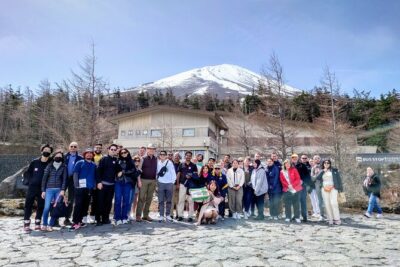
Mt Fuji and Hakone 1-Day Bus Tour Return by Bullet Train
Read our review →
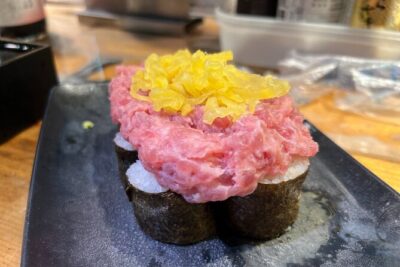
Shinjuku Food Tour (13 Dishes at 4 Local Eateries)
Read our review →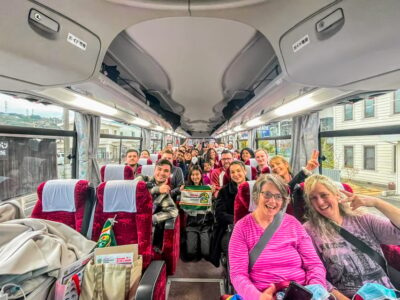
Tokyo Mt Fuji 5th St & Hakone Cruise Bus Tour w/Bullet Train
Read our review →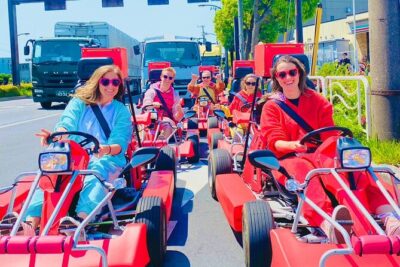
Flagship 2-Hours Official Street Go-Kart Tour – Tokyo Bay Shop
Read our review →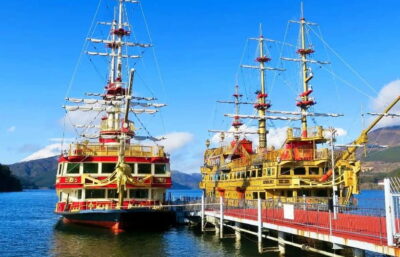
Mt. Fuji Tour, Hakone Ropeway, Owakudani, Lake Ashi
Read our review →
Tokyo 6hr Private Tour with Government-Licensed Guide
Read our review →