Reviewed · TOURS
Half Day Sightseeing Tour in Tokyo
Tokyo can feel like several cities stitched together, and this half-day coach tour gives you a quick look at its major districts without learning the subway system first. You’ll visit Meiji Jingu, see the Imperial Palace area, and finish around Asakusa and Senso-ji, with a cup of Uji matcha along the way.
I like the efficient route and the chance to hear useful cultural details from guides such as Aiko, Yuki, Hiro, Lisa, Mao, and Tsubasa. I also like the air-conditioned bus, especially in hot weather, and the fact that multilingual audio is available. The catch is important: you finish in Asakusa, not back at Ginza or Shinjuku, and some stops may be little more than a photo opportunity.
Key things to know before booking
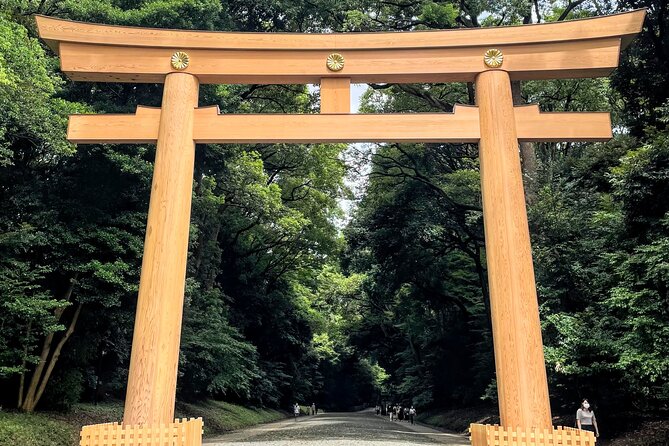
- Meiji Jingu gets the best walking time: You have about 50 minutes among tall trees, shrine gates, sake barrels, and a calm pocket of Tokyo.
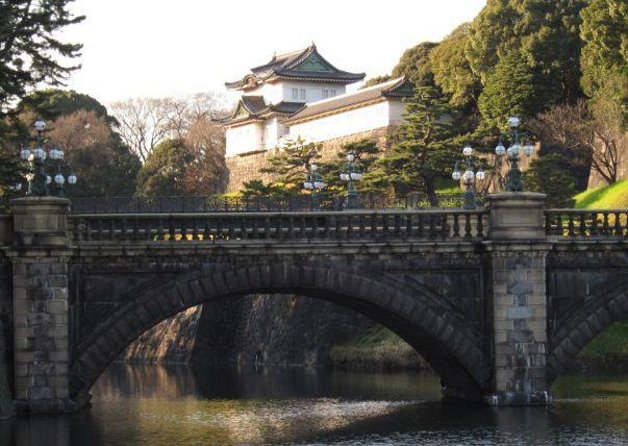
- The Imperial Palace stop can be limited: Depending on access and conditions, you may see the bridge, moat, or gate without entering the palace grounds.
- Asakusa is the real finish: The tour ends near Senso-ji, so plan your own lunch, shopping, and onward transport from there.
- Matcha is included: You receive matcha drink or matcha gelato, using first-flush tea from Uji in Kyoto.
- The bus fills in the city gaps: You pass areas such as Harajuku, Akihabara, Ueno, and the National Diet Building, but do not expect long stops in each.
- This suits first-time visitors: It is useful when you want an overview and a guide, but less useful if you prefer a slow, in-depth visit at each site.
A fast morning tour across Tokyo
The tour runs for about three to four hours, though some departures have finished closer to three. That short length is both its strength and its weakness. You can sample several parts of Tokyo in one morning, but you will not have time to explore each district properly.
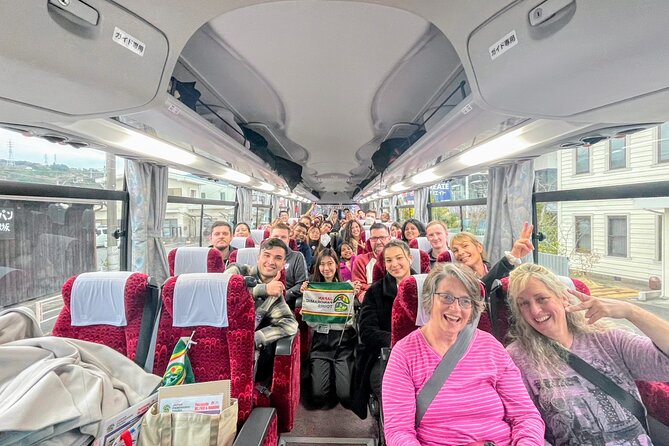
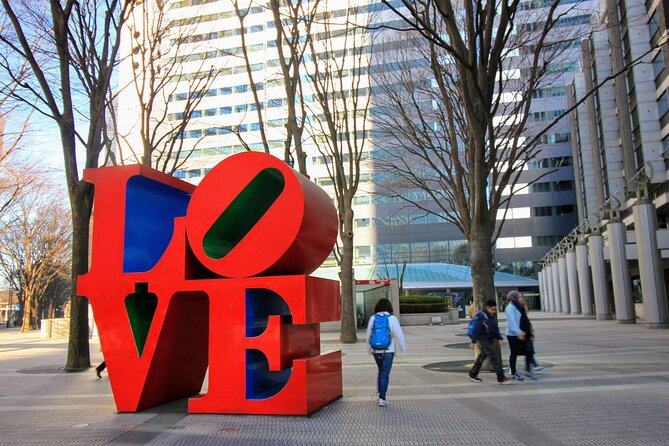
Pickup is offered at Matsuya Ginza at 7:20 a.m. or the LOVE sculpture in Shinjuku at 7:50 a.m. The coach then makes its way toward Meiji Jingu. The group can be as large as 43 people, so expect a planned, group-focused morning rather than a private tour.
The English-speaking guide handles the main commentary. Audio guidance is also available in English, French, Italian, Spanish, German, Portuguese, and Ukrainian. This helps if you are seated far from the guide, though the live commentary can be harder to hear from the back of a full bus.
The bus has Wi-Fi and air conditioning. That sounds like a small detail, but it matters in Tokyo. You avoid transfers between several train lines, and you get a break from summer heat or rain while crossing the city.
Other Tokyo days people book alongside this one:
- Mt Fuji and Hakone 1-Day Bus Tour Return by Bullet Train
★ 5.0 · 26,383 reviews - 1-Day Tokyo Bus Tour
★ 5.0 · 14,250 reviews - Tokyo: teamLab Planets TOKYO Digital Art Museum Entry Ticket
★ 4.6 · 9,779 reviews
Meiji Jingu: the strongest stop on the route
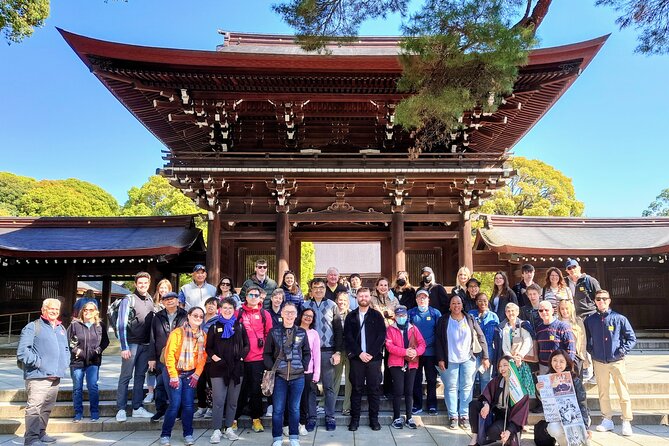
Meiji Jingu is the part of this tour that deserves real time. Built in 1920 for Emperor Meiji, the Shinto shrine sits in a large wooded setting that feels far removed from nearby Harajuku. You walk beneath traditional torii gates and along broad paths shaded by trees.
The shrine is also a good place to learn basic Japanese customs. You may see visitors purifying themselves before approaching the main shrine, bowing, and offering prayers. The tour does not turn this into a long formal lesson, but a good guide can explain the difference between a Shinto shrine and a Buddhist temple, a point that one guide, Levin, handled especially clearly.
Look for the sake barrels and wine barrels displayed along the approach. Guides have explained their religious and cultural meaning, as well as the large torii gate donated by Taiwan. These details make the visit more than a quick walk through a pretty wooded area.
You receive about 50 minutes here. That is enough to reach the main shrine area, take photographs, and pause for a little quiet. It is not enough for every path or garden, so keep your pace steady and follow the meeting instructions closely.
Meiji Jingu sits near Harajuku, a center of youth fashion and Japanese pop culture. You do not get a dedicated Harajuku visit, but the bus passes the area. This is a good example of the tour’s basic approach: you see the shape of Tokyo from the coach, then stop at a few selected places.
The coach ride shows Tokyo in passing
Between the main stops, the guide points out districts and buildings through the windows. You may pass Harajuku, Akihabara, Ueno, the National Diet Building, and the kitchenware district around Kappabashi.
Each area could take half a day on its own. Akihabara is linked with anime, games, electronics, and maid cafes. Ueno Park is known for its seasonal flowers and autumn leaves, with Ameyoko market nearby. Kappabashi is the place for Japanese dishes, kitchen knives, and remarkably lifelike plastic food samples.
You should see these passages as orientation, not sightseeing stops. Traffic can slow the coach, and a view from a moving bus is not the same as getting out and walking. Still, this part helps you decide where to return later during your stay.
The National Diet Building is another drive-by sight. Its symmetrical design dates from 1936, but there is no extended visit. If you want detailed architecture or political history, you will need a separate stop.
The guide’s quality matters a lot here. Aiko has been praised for explaining the shrine’s details and the meaning behind a samurai statue near the palace area. Other guides, including Hiro, Yuki, Ayaka, Tsubasa, Mao, and Lisa, have been singled out for clear English, humor, organization, and care with large groups. The experience can feel much more informative when your guide keeps talking during the drive instead of only counting heads and announcing the next stop.
What you really see at the Imperial Palace
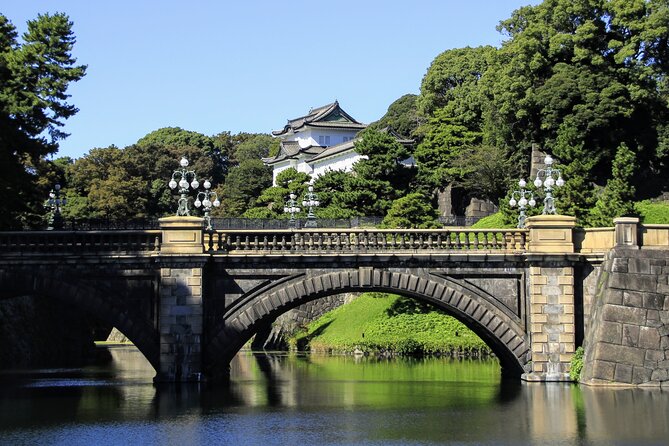
The Imperial Palace is the tour’s most confusing part. It is the current residence of Japan’s Imperial family and occupies the former site of Edo Castle. The grounds include historic structures, moats, bridges, and gardens with seasonal flowers.
The advertised visit suggests a stroll in the palace area, with the East Garden or another accessible section used depending on conditions. In practice, access may be restricted, and the stop can amount to seeing the outer bridge, moat, or gate. Some departures have not entered the gardens at all.
That does not make the stop worthless, but you should set your expectations correctly. You are not touring the Imperial residence, and you may not receive a long walk through the gardens. For some people, the photo stop is enough. For others, it feels too brief for the time spent getting there.
Conditions can also change the order or content of the morning. Weather, traffic, closures, and operating decisions may lead to an alternative stop. The operator states that refunds are not provided for these changes, so do not book this tour mainly for one specific palace view.
If the palace gardens are open and your group has access, the stop becomes more worthwhile. If they are closed, the guide may still provide context and point out the historic setting, but this remains one of the less reliable parts of the experience.
A completely different kind of day in Tokyo:
- Mt Fuji & Hakone Cruise, Drum Show Bullet Train 1 Day from Tokyo
★ 4.0 · 7,413 reviews - Tokyo: Shinjuku Food Tour (13 Dishes at 4 Local Eateries)
★ 5.0 · 6,603 reviews - Tokyo Mt Fuji 5th St & Hakone Cruise Bus Tour w/Bullet Train
★ 4.4 · 5,024 reviews - Flagship 2-Hours Official Street Go-Kart Tour – Tokyo Bay Shop
★ 5.0 · 4,974 reviews
Asakusa and the matcha break
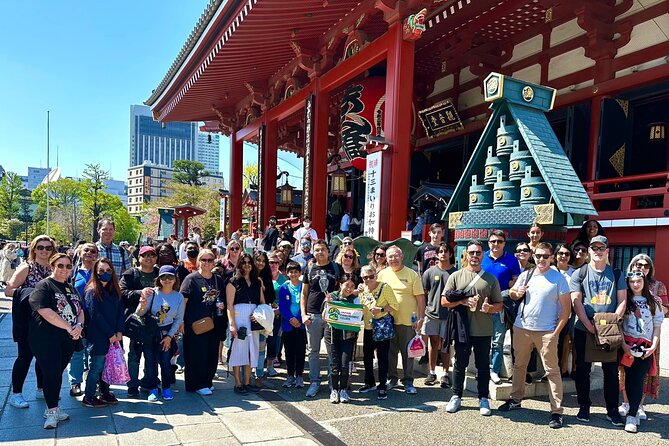
The coach continues to Asakusa, Tokyo’s old downtown district and the most atmospheric finish to the morning. Here, the pace shifts from coach sightseeing to a short walk and a distinctly Japanese food and drink experience.
The included matcha uses Ichibancha, or first-flush tea, from Uji in Kyoto. You receive a matcha drink or matcha gelato, described as a smoother option with less bitterness than some strong matcha. This is not a full meal, and food beyond the included item is your responsibility.
The matcha shop is near Senso-ji. On a normal departure, this gives you a small cultural experience before the final temple visit. A stated closure on May 9 means the matcha item is replaced by matcha souvenirs on that date.
Asakusa is worth more than the short scheduled visit allows. It is one of the best areas in Tokyo for traditional temple architecture, souvenir shopping, street snacks, and old-fashioned neighborhood atmosphere. If you enjoy the area, stay after the tour ends. You can find your own lunch and continue exploring without being rushed by the group.
Senso-ji and the end of the morning
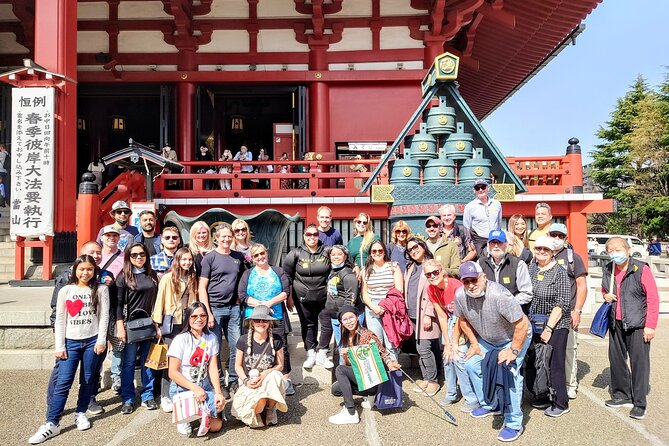
Senso-ji is one of Tokyo’s best-known sights and should be easy to recognize by the large Kaminari-mon Gate and the long Nakamise shopping avenue leading toward the temple. The tour description includes time around Asakusa and Senso-ji, but the scheduled temple portion may be short, listed at about 10 minutes.
That short timing explains some of the disappointment around this tour. You may reach the temple area but have only enough time for photographs and a quick look before the formal program ends. The tour does not provide a full temple visit, shopping session, or guided exploration of the surrounding streets.
The good news is that you are free to remain in Asakusa after the tour. You can revisit the temple, walk Nakamise, explore nearby streets, or find a meal at your own pace. Think of the guided portion as an introduction, not a complete Asakusa experience.
This ending is also the most important practical detail. You are not returned to the original pickup location. If you boarded in Ginza or Shinjuku, use public transport or a taxi from Asakusa to continue your day. Anyone expecting hotel drop-off or a return to the LOVE sculpture should choose another arrangement.
What the $94.84 price buys you
At $94.84 per person, this is not a cheap way to visit three places. Meiji Jingu and the public areas around the palace and Senso-ji can be visited independently, and Tokyo’s train system makes self-guided sightseeing possible for confident visitors.
The price pays for more than entry tickets, since the main stops do not list admission charges. You are paying for the coach, driver, guide, route planning, Wi-Fi, air conditioning, and the included matcha. You are also buying time and convenience, especially if this is your first morning in Tokyo and you do not yet feel comfortable crossing the city alone.
I see the value most clearly for first-time visitors with limited time. You can learn the city’s basic layout, receive cultural explanations, and avoid several train connections before lunch. The value is weaker for independent visitors who already know Tokyo, enjoy walking, or want long visits at Meiji Jingu and Senso-ji.
The guide makes a major difference. Strong guides such as Yuki, Ayaka, Hiro, Mao, Lisa, and Tsubasa have been described as warm, funny, well organized, and clear in English. Less effective commentary can leave you feeling that you spent too much of the morning on a bus for a few short walks.
Timing, walking, and group comfort
You need to be ready for an early start. Pickup is at 7:20 a.m. in Ginza or 7:50 a.m. in Shinjuku, and late arrival can mean missing the tour entirely. The operator does not promise to collect latecomers partway through the route.
The tour is not recommended for anyone who cannot walk long distances. You will walk around the shrine, palace area, and Asakusa, often on outdoor paths. The large group also means you need to stay aware of meeting times and keep up with the guide.
A group of up to 43 people can feel impersonal. Guides have worked hard to help people who need assistance, including keeping an eye on someone with difficulty walking, but this is still a coach tour with fixed timing. If you want to stop often, sit quietly at a shrine, or browse every shop, you will find the schedule tight.
The bus is a comfort, not a private vehicle. You may hear live commentary clearly from the front but less well from the back. If you want the best chance of hearing the guide and seeing maps or photographs, try to sit nearer the front when seating allows.
Who should book this Tokyo tour?
Book it if you want a structured first look at Tokyo and prefer a coach to several train rides. It is especially useful for a short stay, a first morning in the city, or anyone who wants a guide to explain shrine customs and local landmarks.
It also suits people who value organization. The schedule is fixed, the route covers several major areas, and the air-conditioned bus takes pressure off navigation. Multilingual audio makes it accessible to more than English speakers, though the live guide remains central.
Skip it if you want a detailed Imperial Palace visit, a long stop in Harajuku or Akihabara, or a relaxed morning in Asakusa. You can visit the main public sights independently, and the tour’s short palace and temple stops may not justify the price for experienced Tokyo visitors.
Remember the cancellation rule before you pay: free cancellation is available up to 24 hours before the start time. Changes or cancellations inside that window are not accepted for a refund.
Final verdict
I would choose this tour as a Tokyo sampler, not as a deep cultural visit. Meiji Jingu is the highlight, the coach makes a wide city route manageable, and a good guide can add the historical details that make the morning worthwhile.
The main warning is simple: do not expect a return transfer, a full Imperial Palace walk, or a long guided visit inside Senso-ji. If you are happy to continue exploring Asakusa on your own after the tour, the ending works well. If you want a polished door-to-door experience with plenty of time at each sight, spend your money elsewhere.
FAQ
Where does the Tokyo sightseeing tour begin?
You can board at Matsuya Ginza at 7:20 a.m. or at the LOVE sculpture in Shinjuku at 7:50 a.m.
Where does the tour end?
The tour ends in Asakusa, near Senso-ji. There is no extra drop-off service to Ginza, Shinjuku, or your hotel.
How long does the tour last?
The stated duration is approximately three to four hours. Some departures may finish closer to three hours.
Is an English-speaking guide included?
Yes. A professional English-speaking guide accompanies the tour. Multilingual audio is also available in English, French, Italian, Spanish, German, Portuguese, and Ukrainian.
Is transportation included?
Yes. Transportation is provided in an air-conditioned coach, and Wi-Fi is available on the bus.
Is matcha included in the price?
Yes. You receive either a matcha drink or matcha gelato. The matcha uses first-flush tea from Uji, Kyoto.
Does the tour enter the Imperial Palace?
Access varies. The visit may include the East Garden or another available area, but closures or conditions may mean you only see the outer bridge, moat, or gate.
Does the tour visit Senso-ji Temple?
The route finishes in Asakusa near Senso-ji, with time for photographs and a short visit. You can stay in the area after the tour ends.
Is the tour suitable for someone who cannot walk long distances?
No. The experience is not recommended for people who cannot walk long distances.
What happens if I arrive late?
If you miss the scheduled start time, you may not be able to join the group later in the route.
Can I cancel for a full refund?
Yes, if you cancel at least 24 hours before the experience start time. Cancellations or changes made less than 24 hours before the start time are not refunded.
Newly reviewed around Tokyo
- Tokyo Asakusa:Calligraphy & Make T-shirt Activity★ 5.0 · 62 reviews
- Intercity Shuttle, Tokyo to Haneda /Narita /Yokohama /Makuhari★ 5.0 · 5 reviews
- 1 Hour Travel around Tokyo with a Professional Photographer★ 5.0 · 3 reviews
- Travel Tokyo with Your Own Personal Photographer★ 5.0 · 43 reviews
- Train in Samurai Swordsmanship and Defeat the Demon in Tokyo★ 5.0 · 5 reviews
- Shuttle Van 6hr Tokyo Tour to-and-from Tokyo, Yokohama and Narita★ 5.0 · 9 reviews
- Kickboxing & Body Training with EX-Pro Fighter★ 5.0 · 4 reviews
- Traditional Japanese Knife Sharpening Class★ 5.0 · 18 reviews
Tours, compared.
Mt Fuji and Hakone 1-Day Bus Tour Return by Bullet Train
Read our review →
Shinjuku Food Tour (13 Dishes at 4 Local Eateries)
Read our review →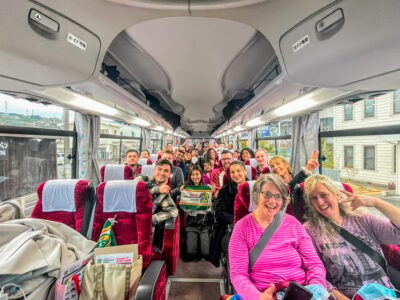
Tokyo Mt Fuji 5th St & Hakone Cruise Bus Tour w/Bullet Train
Read our review →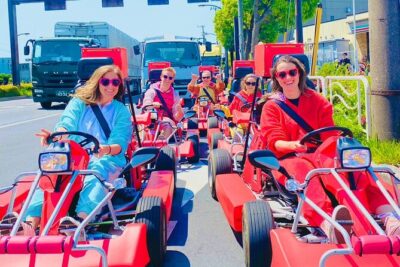
Flagship 2-Hours Official Street Go-Kart Tour – Tokyo Bay Shop
Read our review →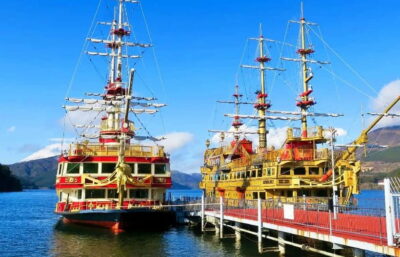
Mt. Fuji Tour, Hakone Ropeway, Owakudani, Lake Ashi
Read our review →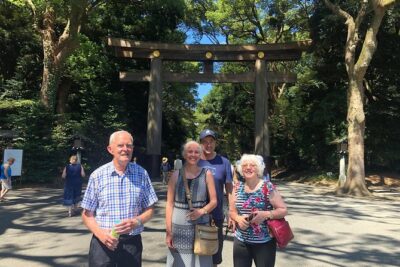
Tokyo 6hr Private Tour with Government-Licensed Guide
Read our review →