
Reviewed · HAKONE DAY TRIPS FROM TOKYO
Exciting Hakone – One Day Tour from Tokyo
Hakone gives you a lot in one day: a bullet train, a mountain railway, ropeways, a boat, volcanic steam, and a shrine beside Lake Ashi. The highlight is the route itself. You are not simply driven from one viewpoint to another. You cross Japan’s countryside by several forms of transport, with Owakudani’s bubbling volcanic ground and the possibility of Mt. Fuji views along the way.
I like the private group size of up to five and the fact that a guide meets you at your hotel. I also like the variety of the day, especially the mountain train through the valleys and the ropeway over the volcanic area. The main drawback is cost: the $208.49 tour price does not include the Shinkansen tickets, Hakone Free Pass, admission fees, or lunch.
Key points to know before booking
- A full transport adventure: You ride a Shinkansen, local trains, a mountain train, cable car, ropeway, bus, and boat.
- Owakudani is the dramatic stop: See active volcanic ground and try the famous black egg boiled in hot spring water.
- Mt. Fuji is never guaranteed: Winter offers the best chance, around 80 percent in the supplied weather figures, while summer can be below 30 percent.
- Your guide handles a complicated day: Akira, Hideaki, and Yumiko Sano have each led this route, helping with tickets, transfers, timing, and changes caused by weather.
- The listed price is not the final cost: Plan for about 12,560 yen per person in transport fares, before lunch and any admission fees.
- The pace is active: You will walk at several stops and change transport often, so comfortable shoes matter.
Why Hakone works as a day trip from Tokyo
Hakone is close enough to visit from Tokyo, yet it feels far removed from the city. This mountain region is known for hot springs, volcanic activity, Lake Ashi, and views toward Mt. Fuji. You get a taste of all four without spending a night away from Tokyo.
The day begins around 8:30 a.m. in your hotel lobby. Pickup is offered within Tokyo’s 23 wards, which removes the need to find an unfamiliar station before breakfast. Your guide then helps you reach Tokyo or Shinagawa Station for the train south.
That help matters here. The route uses several transport systems, and the day has fixed departures. A guide such as Akira, Hideaki, or Yumiko can make the connections less stressful, explain what you are seeing, and adjust the plan if wind or snow stops the ropeway or boat.
This is a private tour, not a large coach outing. The maximum group size is five people. You get more say over the pace and can ask questions as you go, although a private guide does not change the fact that public trains and boats run on set schedules.
More Hakone day trips from Tokyo:
- Mt Fuji and Hakone 1-Day Bus Tour Return by Bullet Train
★ 5.0 · 26,383 reviews - Mt Fuji & Hakone Cruise, Drum Show Bullet Train 1 Day from Tokyo
★ 4.0 · 7,413 reviews - Tokyo Mt Fuji 5th St & Hakone Cruise Bus Tour w/Bullet Train
★ 4.4 · 5,024 reviews
The Shinkansen ride to Odawara
The planned Shinkansen leaves Tokyo or Shinagawa at 9:26 a.m. and reaches Odawara at 10:13 a.m. This is not the fastest Shinkansen service, but it still runs at about 260 kilometers per hour. For many visitors, the ride is part of the fun rather than just a transfer.
The tour price does not include the train fare. The stated round-trip discount ticket costs 6,560 yen per person. Your guide meets you at the hotel, but the transport costs remain your responsibility, so check the total before booking.
At Odawara, you change to a train for Hakone-Yumoto, planned for 10:13 a.m. to 10:30 a.m. The short transfer begins the shift from city travel to mountain travel. From here, the route becomes more scenic and slower.
The mountain train from Hakone-Yumoto to Gora
The mountain train from Hakone-Yumoto to Gora takes about 40 minutes. It runs through valleys and gives you a close look at Hakone’s wooded mountain setting. This part is less about one famous sight and more about watching the scenery change as the railway climbs.
If you visit from the middle of June to the middle of July, hydrangeas along the line can be especially attractive. That seasonal detail may help you choose your travel dates if flowers matter to you.
The train is also a reminder that this is an active day. You are not sitting in one vehicle for hours. You will board, leave, and change again several times, which keeps the route interesting but can feel tiring by late afternoon.
Cable car and ropeway toward Owakudani
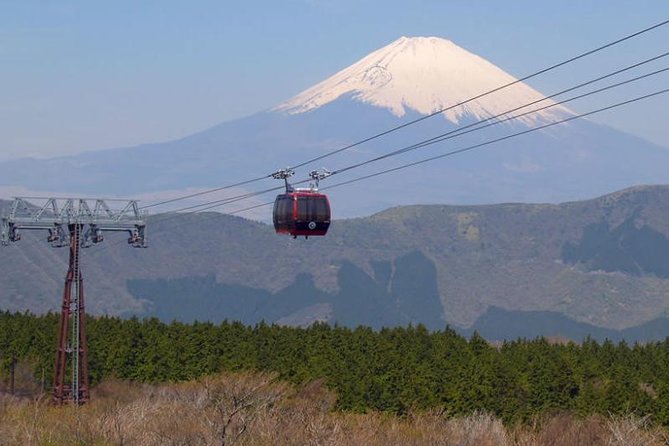
From Gora, you continue by cable car and ropeway toward Owakudani. The listed ride takes about 20 minutes. On a clear day, the ropeway can provide views of Mt. Fuji, making this one of the most rewarding sections of the route.
The key phrase is on a clear day. Mt. Fuji visibility changes with weather and season. The supplied figures suggest roughly an 80 percent chance in winter and less than 30 percent in summer. You should treat Fuji as a bonus, not the main promise of the tour.
Weather can also change the transport plan. Snow or strong winds may suspend the ropeway, and the Lake Ashi cruise can also be stopped or unable to run as planned. This is not a flaw in the tour so much as a fact of visiting a high mountain area. A strong guide can rearrange the day, as Hideaki did when poor weather prevented the cable car and boat.
More 1 Day Tours in Tokyo:
- 1-Day Tokyo Bus Tour
★ 5.0 · 14,250 reviews - Tokyo: DisneySea 1-Day Passport
★ 4.5 · 2,726 reviews - Tokyo Disneyland 1-Day Passport
★ 4.6 · 2,512 reviews - Tokyo Customized Private Tour (Must See Places in 1 Day)
★ 5.0 · 1,499 reviews
Owakudani and the famous black egg
You have about one hour to walk around Owakudani. This is the most unusual stop on the route. Volcanic activity heats pools and sends steam through the area, giving you a direct look at the forces below Hakone.
The black egg is the local specialty. It is boiled in the hot spring water, which darkens the shell. You can see the connection between the food and the volcanic ground rather than simply hearing about it in a museum.
One hour is enough for a look around, photographs, and time with your guide, but it is not a long hike. The tour focuses on the established viewing area and the volcanic features near the ropeway. If you want a full day of mountain walking, this is not that kind of excursion.
Owakudani can also be affected by volcanic conditions. The tour information does not promise every feature in every weather situation, so keep your plans flexible. The value here is the contrast with Tokyo: within a few hours, you are looking at steam, hot pools, and dark volcanic rock.
Down to Lake Ashi by ropeway
After Owakudani, the route continues by ropeway toward Lake Ashi for about 20 minutes. This is another chance to see Mt. Fuji if the air is clear. You also get a broad view of Hakone’s mountain setting as the route heads toward the lake.
The ropeway gives the day a sense of movement that a standard sightseeing bus cannot match. You see the area from above, then arrive at the water for the next part of the route. It is one reason this experience feels like a complete Hakone circuit rather than a quick stop at one attraction.
Again, wind matters. Ropeways may be suspended during strong weather, so you should not book this expecting every ride to operate regardless of conditions.
A short cruise across Lake Ashi
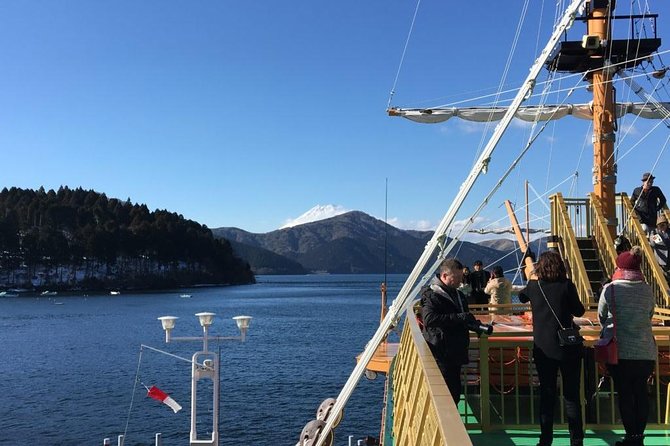
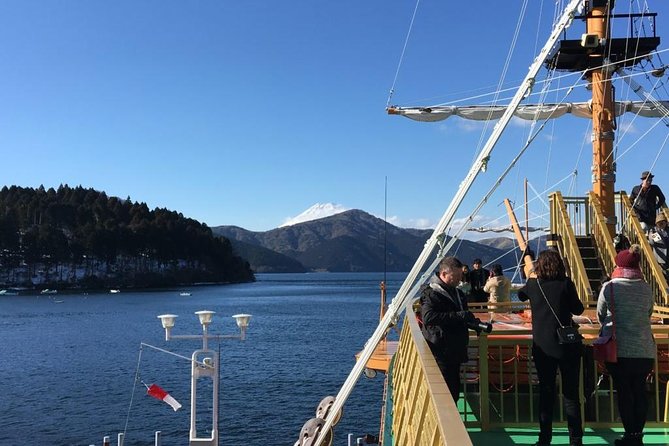
The Lake Ashi cruise lasts about 30 minutes. The boat ride gives your legs a rest after the walking and transfers, while offering views across the lake toward Hakone’s mountains. It is a short cruise, not a long sightseeing voyage, but it adds a pleasant change of pace.
Some boats on this route have a distinctive fantasy style, and one past description called the vessel a pirate ship. The supplied tour details do not guarantee a particular boat, so think of it as a Lake Ashi cruise rather than a promise of one specific vessel.
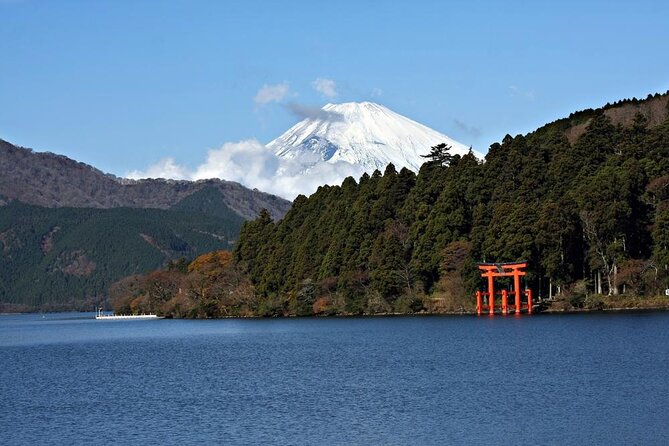
The lake is also one of the classic places to look toward Mt. Fuji. Visibility can be excellent in winter and disappointing in summer. Your guide can point out the important views, but no guide can control clouds.
Hakone Shrine beside the lake
After the cruise, you stroll around Hakone Shrine. The shrine adds a quieter, more traditional note after the volcanic activity and busy transport sequence. The tour gives you time to walk around rather than treating it as a photo stop from a vehicle.
This is a good place to slow down and let the day breathe. Owakudani is about earth and heat. Lake Ashi is about open water and mountain views. The shrine brings in Japanese religious culture and a sense of place.
The supplied schedule does not give a precise length for the shrine visit, so the actual time can depend on transport conditions and the day’s pace. With a private group, you can discuss what matters most to you, but the return journey still needs to stay on schedule.
The return to Tokyo
At about 4:30 p.m., you take a bus from Lake Ashi to Odawara. This is a longer overland section after the lake and shrine, and road conditions can affect the exact timing. The planned Shinkansen leaves Odawara at 5:42 p.m., arriving in Tokyo or Shinagawa around 6:16 p.m.
From the station, you return to your hotel. The full day runs about 10 hours, from the 8:30 a.m. pickup to the evening arrival. That makes this a substantial outing, not a light half-day escape.
The schedule is efficient, but it leaves little room for long unscheduled stops. If you like seeing many highlights in one day, that is a strength. If you prefer lingering at a café, taking a hot spring bath, or wandering without a clock, the pace may feel too tight.
What the guides add to the experience
The guide is important because the route is complicated. You need to move from hotel to station, then from Shinkansen to local train, mountain railway, cable car, ropeway, boat, bus, and Shinkansen again. A mistake at one point can affect the rest of the day.
Akira is described as attentive and respectful, and he helped make the many transport changes easy to manage. Hideaki is described as quiet but well timed with his explanations, giving information when it was useful rather than talking constantly. When weather stopped the cable car and boat, he rearranged the day.
Yumiko Sano is fluent in English and has helped with practical ticket questions and requests. She also arrived early for a hotel meeting and adjusted the day to suit the group. These details matter if you want support with Japanese transport rather than simply being shown a meeting point.
A private guide also helps with language. That does not mean every exchange disappears, but you have someone beside you when buying tickets, finding platforms, or understanding a change in the plan.
Price, extra costs, and real value
The tour costs $208.49 per person. That is a serious price once you add the required transport expenses. The stated Shinkansen discount ticket is 6,560 yen per person, and the Hakone Free Pass is 6,000 yen per person. Together, those listed transport costs total about 12,560 yen per person.
Lunch and admission fees are not included. The supplied details do not give a lunch price or a full list of admission charges, so allow extra money beyond the advertised tour price.
What are you paying for? Mainly a private guide, hotel pickup in Tokyo’s 23 wards, route planning, and help across a very busy transport day. You are not paying for a luxury vehicle or an all-inclusive package. Much of the sightseeing uses public transport, which is part of the charm.
I see the value most clearly for first-time visitors who want Hakone without working out the rail connections themselves. A confident independent visitor may spend less by planning the same circuit alone. The private format is also useful for couples, families, and small groups who value personal attention.
Who should book this Hakone day?
I would choose this tour if you want a packed day with many types of transport, volcanic scenery, Lake Ashi, and a chance at Mt. Fuji. It suits people who enjoy moving through a region rather than staying at one attraction.
It is also a good fit if you want help with Japanese train systems or if you are traveling with a small group. The maximum of five keeps the outing personal, and children can join when accompanied by an adult.
You should think twice if you need an easygoing pace, guaranteed Fuji views, or a fully inclusive price. The day involves a moderate amount of walking and several transfers. Most people can take part, but strong wind or snow can remove the ropeway and cruise from the plan.
Wear comfortable shoes, keep your camera ready, and bring patience for weather changes. A clear winter day gives you the best odds of seeing Fuji, while summer is much less reliable.
Final decision: is this tour worth booking?
Book it if you want the easiest guided way to sample Hakone’s main sights in one long day. The combination of Owakudani, mountain transport, Lake Ashi, Hakone Shrine, and a possible Fuji view gives you a lot for the time.
The strongest reason to choose it is the guide support. Akira, Hideaki, and Yumiko Sano have each helped make a complicated route workable, including changing plans when weather interfered. The biggest caution is the total cost, since transport, lunch, and admissions are extra.
For a small private group that values convenience and variety, this is a strong choice. For independent rail experts or visitors who want a slower Hakone stay, planning your own route or spending a night in the area may offer better value.
FAQ
Is hotel pickup included?
Yes. The guide meets you in the lobby of a hotel within Tokyo’s 23 wards at about 8:30 a.m., and the tour includes return travel to your hotel after arriving back in Tokyo or Shinagawa.
How long does the tour last?
The experience lasts approximately 10 hours. The planned day begins at 8:30 a.m. and returns to Tokyo or Shinagawa at about 6:16 p.m., followed by the transfer back to your hotel.
Are transportation costs included in the tour price?
No. The stated costs are 6,560 yen per person for a round-trip Shinkansen discount ticket and 6,000 yen per person for the Hakone Free Pass. Lunch and admission fees are also not included.
What is the maximum group size?
The maximum group size is five people. It is a private activity, so only your own group takes part.
Can I always ride the ropeway and cruise on Lake Ashi?
No. The ropeway and Lake Ashi cruise may be suspended or unable to operate as scheduled when snow, strong winds, or other natural hazards are forecast. The guide may rearrange the day.
How likely is it to see Mt. Fuji?
The chance depends on the season and weather. The supplied figures indicate about an 80 percent chance in winter and less than 30 percent in summer. A Fuji view is possible from the ropeway and Lake Ashi, but it is not guaranteed.
Newly reviewed around Tokyo
- Tokyo Asakusa:Calligraphy & Make T-shirt Activity★ 5.0 · 62 reviews
- Intercity Shuttle, Tokyo to Haneda /Narita /Yokohama /Makuhari★ 5.0 · 5 reviews
- 1 Hour Travel around Tokyo with a Professional Photographer★ 5.0 · 3 reviews
- Travel Tokyo with Your Own Personal Photographer★ 5.0 · 43 reviews
- Train in Samurai Swordsmanship and Defeat the Demon in Tokyo★ 5.0 · 5 reviews
- Shuttle Van 6hr Tokyo Tour to-and-from Tokyo, Yokohama and Narita★ 5.0 · 9 reviews
- Kickboxing & Body Training with EX-Pro Fighter★ 5.0 · 4 reviews
- Traditional Japanese Knife Sharpening Class★ 5.0 · 18 reviews
Hakone Day Trips from Tokyo, compared.
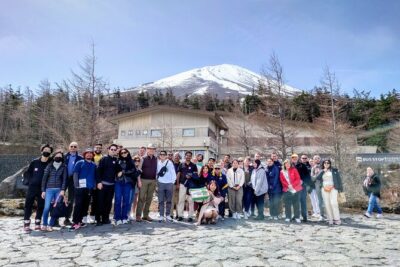
Mt Fuji and Hakone 1-Day Bus Tour Return by Bullet Train
Read our review →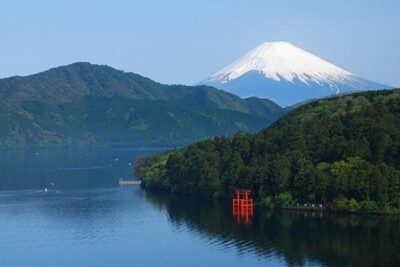
Mt Fuji & Hakone Cruise, Drum Show Bullet Train 1 Day from Tokyo
Read our review →
Tokyo Mt Fuji 5th St & Hakone Cruise Bus Tour w/Bullet Train
Read our review →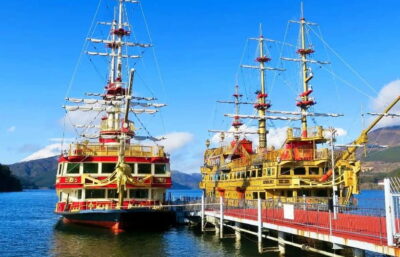
Mt. Fuji Tour, Hakone Ropeway, Owakudani, Lake Ashi
Read our review →
Private Tour to Mt. Fuji and Hakone (Fully Licenced Operator)
Read our review →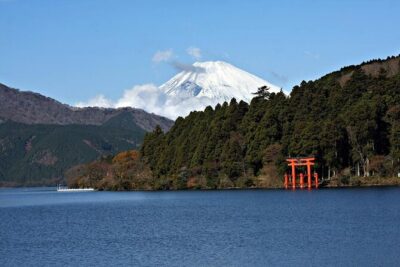
Mt Fuji & Hakone Cruise, Drum Show Bus 1 Day from Tokyo
Read our review →
Mt. Fuji & Hakone Tour w/ Return by Bullet Train
Read our review →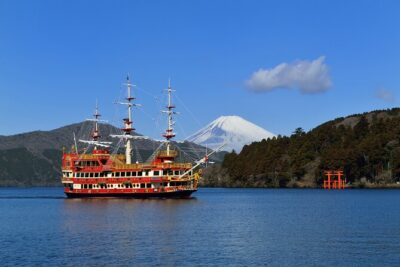
Mt Fuji and Hakone 1-Day Bus Tour Return by Bus
Read our review →Browse the lists this tour appears in