
Reviewed · TOKYO
EDOCCO Tea House–A Quick Dive into Japanese Traditional Culture
The best thing about EDOCCO Tea House is its brisk sampler of Japanese tradition. In about an hour, you prepare matcha, watch a geisha dance, try a kimono, write a character in shodo calligraphy, and fold origami. It is a lot of culture in a short sitting.
I like the small-group feel, which allows instructors such as Ori and Mr. Bambu to answer questions and help beginners. I also like the balance between watching and doing: you are not simply sitting through a show, you leave with a calligraphy piece and an origami creation. The main drawback is that the dance performance lasts less than ten minutes, so this is an introduction, not a full evening of Japanese arts.
Key points to know before booking
- Five traditions in one hour: Matcha, Japanese sweets, dance, kimono, calligraphy, and origami are all part of the session.
- English support: Explanations are provided in English, making the customs easier to understand rather than simply observe.
- Hands-on souvenirs: You create calligraphy and origami pieces during the visit.
- Good for families: Children aged 8 and 11 were able to take part and enjoy the activities.
- Small groups help: The maximum is 20 people, and some sessions have been nearly private.
- Convenient Tokyo setting: EDOCCO Studio is near public transportation in Sotokanda, close to the Akihabara area.
A fast, friendly introduction to Japanese culture
EDOCCO Tea House is designed for visitors who want a first contact with Japanese traditions without giving up half a day. The setting is a restored space that blends older Japanese style with a modern cultural center. That combination suits the program: the room gives you a sense of place, while the staff keep the pace easy for international visitors.
You will not study one tradition at great length. Instead, the hour moves through several cultural forms, each offering a different way to understand Japan. Tea introduces ritual and restraint. Dance shows how movement can carry meaning. Calligraphy and origami give you a chance to work with your hands. Kimono provides the visual link to the past.
That variety is the reason I would recommend this as an early-Tokyo activity. It gives you useful context for things you may encounter elsewhere in Japan. You begin to notice the care given to presentation, the importance of controlled movement, and the patience required to learn a craft.
The program is also welcoming to first-time visitors. You do not need previous experience with matcha, Japanese writing, paper folding, or traditional clothing. The instruction is aimed at beginners, and the staff are prepared to explain the customs in English.
Other Tokyo days people book alongside this one:
- Mt Fuji and Hakone 1-Day Bus Tour Return by Bullet Train
★ 5.0 · 26,383 reviews - 1-Day Tokyo Bus Tour
★ 5.0 · 14,250 reviews - Tokyo: teamLab Planets TOKYO Digital Art Museum Entry Ticket
★ 4.6 · 9,779 reviews
What happens at EDOCCO Studio
The meeting point is EDOCCO Studio at 2-chome-16-2 Sotokanda, Chiyoda City, Tokyo. The activity begins and ends there, so you do not have to manage a transfer between several locations. The venue is near public transportation and works well as part of a day in Akihabara or nearby central Tokyo.
The experience follows one compact route through the venue rather than a sightseeing itinerary across the city. That matters because the hour is used for the cultural activities themselves. You are not losing time to traffic, long walks, or moving between attractions.
A maximum of 20 people can join, although the format may feel much smaller depending on the booking. Some sessions have had only one couple or a single participant. You should not assume every departure will be private, but the group limit is modest enough to allow instruction rather than a large lecture.
Preparing matcha with a Japanese sweet
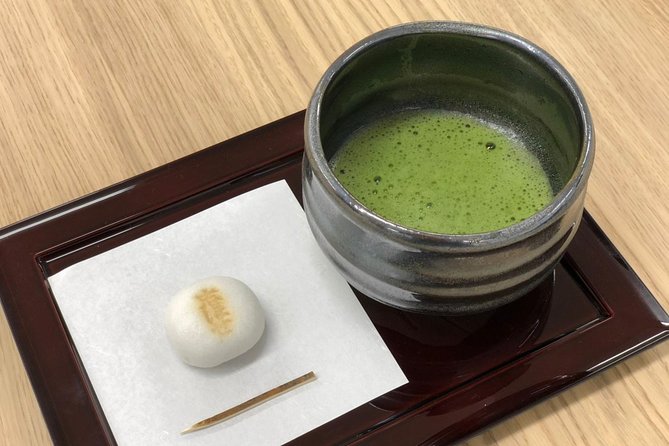
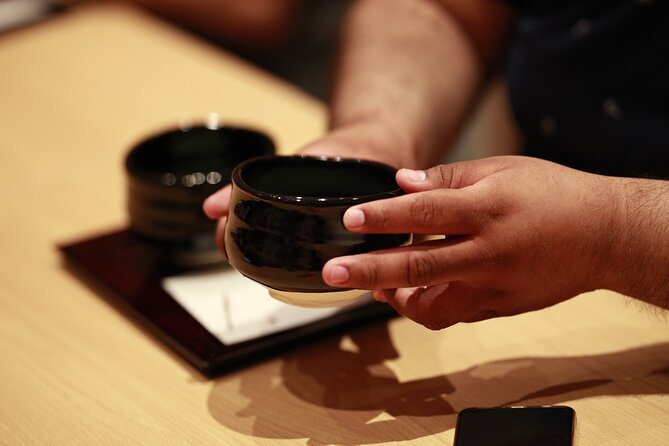
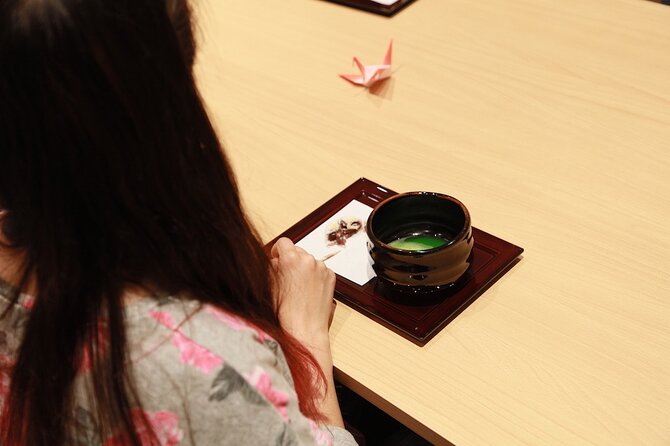
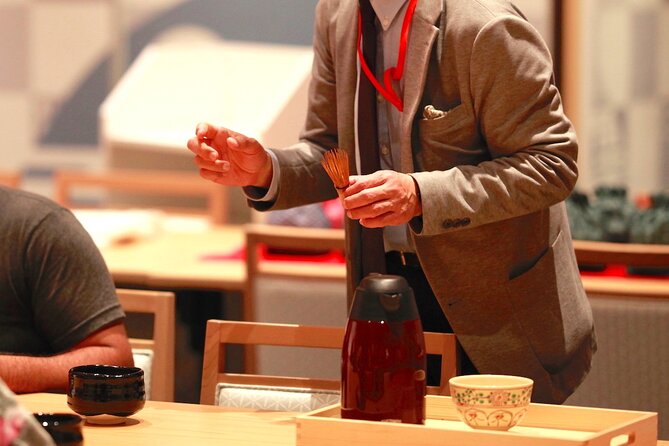
The tea portion gives you an active introduction to the Japanese tea ceremony. An instructor explains how to prepare and serve matcha, then guides you through the process. You receive a set of matcha and a Japanese sweet as part of the activity.
For many visitors, this is the most immediately recognizable Japanese tradition on the schedule. It is also a good lesson in the difference between simply drinking tea and treating preparation as a focused act. The whisk, bowl, powder, and careful motions all have a role. Even in a short session, you get a better sense of why matcha is associated with calm, precision, and hospitality.
The sweet is not just an extra snack. It helps balance the bitter taste of matcha and gives you a small example of how Japanese food presentation considers contrast. You are not expected to master the ceremony in one attempt. The value is in trying the movements, understanding their purpose, and having an instructor correct you without making the process feel intimidating.
A complete matcha set, including a tea bowl, matcha powder, bamboo whisk, and other tools, is available to buy separately. That is useful if you enjoy the activity and want to repeat it at home. The kit is not included in the listed price, so treat it as an optional purchase rather than part of the core experience.
A short geisha dance with cultural explanation
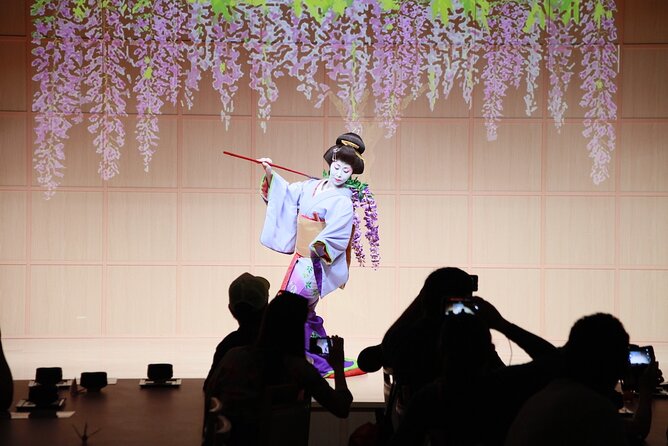
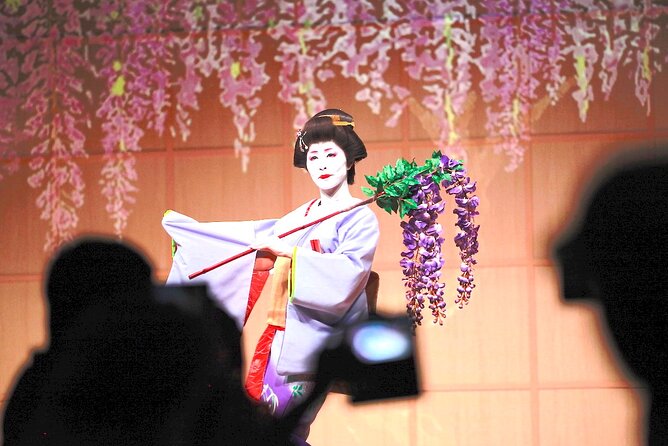
The Japanese dance show is the performance section of the hour. The dancer presents traditional movements, and English explanation helps you understand the art and culture behind what you see. The dance includes controlled gestures and the use of a fan, giving you a visual example of how small movements can express mood and story.
This part is often the emotional high point because it shifts the room from workshop to performance. You get to watch rather than concentrate on your own technique. The dance also gives more meaning to the kimono portion, since you see traditional clothing and movement together instead of treating the garment as a costume alone.
Keep your expectations measured. The dance lasts less than ten minutes, according to one detailed assessment, and that is too short for anyone seeking a full presentation of Japanese dance. Still, the short format makes sense within a one-hour program that also includes four hands-on activities. You get a clear glimpse, not a complete stage production.
If dance is your main reason for booking, choose a dedicated performance elsewhere in Tokyo. If you want dance to help explain the wider cultural picture, this brief show fits the program well.
A completely different kind of day in Tokyo:
- Mt Fuji & Hakone Cruise, Drum Show Bullet Train 1 Day from Tokyo
★ 4.0 · 7,413 reviews - Tokyo: Shinjuku Food Tour (13 Dishes at 4 Local Eateries)
★ 5.0 · 6,603 reviews - Tokyo Mt Fuji 5th St & Hakone Cruise Bus Tour w/Bullet Train
★ 4.4 · 5,024 reviews - Flagship 2-Hours Official Street Go-Kart Tour – Tokyo Bay Shop
★ 5.0 · 4,974 reviews
Kimono cosplay and photographs
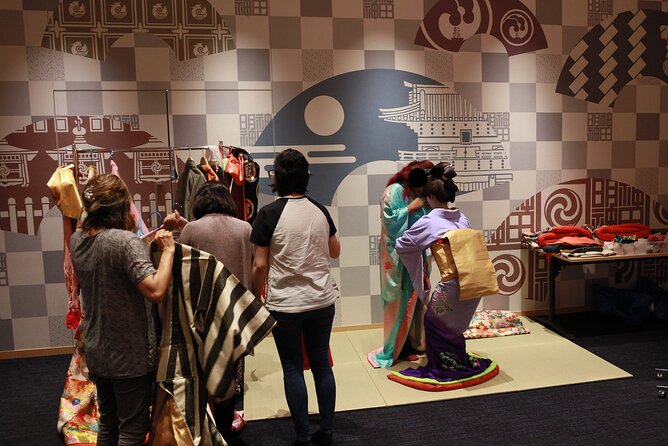
The kimono segment lets you put on traditional Japanese clothing and enjoy the atmosphere of the Edo period. The experience is described as cosplay, so you should think of it as a welcoming dress-up activity rather than a formal kimono dressing lesson.
That distinction is important. You will get the pleasure of seeing yourself in the clothing, taking photos, and feeling how much the garment changes your posture and movement. You will not necessarily learn every layer, regional difference, or social rule connected with kimono. The program’s purpose is to give you a personal connection to the visual side of Japanese culture.
This part works particularly well for families. Children can take part in a memorable activity rather than sitting quietly through a demonstration. Adults also get plenty of photo opportunities, and the clothing adds a playful break between the more focused tea and writing exercises.
The kimono experience is brief because the schedule has several parts. If you want expert styling, a long photo session, or a formal tea ceremony in full dress, you will need a more specialized booking. For a first introduction, the balance is sensible.
Writing your first Japanese character
The shodo mini workshop is one of the strongest parts for anyone who wants to take home something personal. An instructor shows you basic brush strokes and helps you create a Japanese character. The brush requires a different touch from an ordinary pen, so even a simple character can be a real challenge for a beginner.
You will learn that calligraphy is not just about writing neatly. Pressure, speed, balance, and the order of the strokes all affect the result. The staff guide you patiently, which helps keep the exercise fun when your first attempt does not look like the model.
Your finished piece becomes a small memento of the visit. It has more meaning than a purchased souvenir because you made it yourself and learned something about the structure of Japanese writing along the way. The session is not long enough to teach a full calligraphy course, but it gives you a clear taste of the discipline.
This is a good activity for adults and older children. Younger children may need help holding the brush and following the instructions, but the format is still approachable for families.
Folding paper into origami
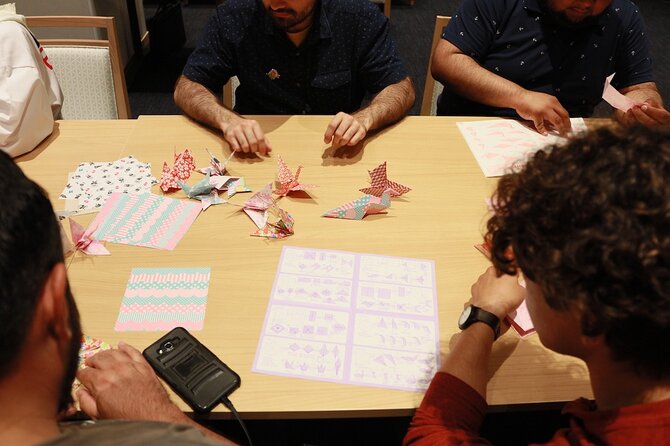
Origami provides the most relaxed hands-on activity. You learn how a single sheet of paper can become a crane or another design through a series of folds. The instructor can adjust the pace for beginners, and the finished shape gives you an immediate reward for following the steps.
Origami may look simple from a distance, but the folds demand attention. That makes it a useful counterpoint to the dance and tea ceremony. Instead of watching a tradition, you practice one. You also get a chance to ask for help without feeling that you are slowing down a larger group.
The workshop is suited to children, couples, and adults who like crafts. It is also a good fallback if you are nervous about calligraphy. The two activities use different skills, so most people find at least one of them especially enjoyable.
Do not expect an advanced paper-folding class. The purpose is to teach a traditional craft in a short, friendly format and leave you with a simple creation.
Why the one-hour format works
One hour can sound too short for five cultural activities, but the compact timing is part of the appeal. You can fit EDOCCO into a morning before shopping in Akihabara, an afternoon between Tokyo attractions, or the first day of a longer Japan trip when you want orientation without exhausting yourself.
The pace is active, but it should not feel like a race when the group is small. The instructors move you from tea to dance, kimono, calligraphy, and origami without making each section feel disconnected. You get enough time to understand the basic idea and try it yourself.
There is a tradeoff. None of the activities receives the attention it would get in a stand-alone workshop. The tea ceremony is abbreviated, the dance is short, and the calligraphy and origami are introductory. I would describe the experience as a cultural sampler with real participation, not as specialist training.
That makes the price easier to judge. At $72.48 per person, it is not a budget attraction for a one-hour visit. But the fee covers several activities, matcha and a Japanese sweet, English instruction, the dance performance, kimono participation, and materials for calligraphy and origami. If you want variety and personal guidance, the cost is reasonable. If you want only tea or only dance, a focused activity may offer better value.
Who will get the most from this visit
I would recommend EDOCCO to first-time visitors who want an easy way to begin understanding Japanese customs. It is also useful for people on a tight schedule, since the activity begins and ends in one place and lasts about an hour.
Families are a strong match. Children can make things, dress up, and watch a performance, while adults receive enough explanation to understand what they are seeing. The activity has been especially suitable for children around eight to eleven, although the supplied information does not set a formal age range.
Couples and solo visitors can also enjoy it. A small booking may receive especially personal attention, and the instructors have continued with the session even when only one participant or one couple was present. That is a helpful sign if you worry about a cultural activity being canceled because of a small group.
You should look elsewhere if you want a long, formal tea ceremony, an extended dance show, or a serious calligraphy lesson. EDOCCO is best for breadth, warmth, and easy participation.
Getting there and planning your hour
Plan to reach EDOCCO Studio in Sotokanda using Tokyo’s extensive public transportation network. The venue is near public transport, and one detailed direction set describes arriving from Ochanomizu Station on the Marunouchi Line, crossing toward the pedestrian bridge, then continuing a short distance to the studio.
Because station exits in Tokyo can be confusing, allow extra time to find the correct street-level route. Keep the address saved on your phone and use the mobile ticket supplied with your booking. Confirmation is normally sent at booking, though bookings made within one day of the visit are confirmed as soon as possible, subject to availability.
The activity requires good weather under its operating terms. If poor weather causes cancellation, you are offered another date or a full refund. A minimum number of participants also applies, with the same choice of another date, another activity, or a full refund if the session cannot run.
You can cancel without penalty up to 24 hours before the start time. Changes or cancellations inside that window are not accepted for a refund, so check your Tokyo schedule before committing.
Should you book EDOCCO Tea House?
Book it if you want a friendly first look at Japanese tradition and enjoy learning by doing. The combination of matcha, sweets, dance, kimono, calligraphy, and origami gives you more range than most one-hour cultural activities, and the English instruction keeps the customs understandable.
The strongest reasons to choose it are the patient staff, the small-group setting, and the personal souvenirs you create. I especially like that you are not asked to watch passively for the entire hour. You prepare tea, hold a brush, fold paper, and step into the clothing yourself.
Skip it if your main goal is a full tea ceremony or a substantial dance performance. The one-hour schedule offers snapshots, not mastery. For first-time visitors, families, and anyone who wants a manageable cultural stop near Akihabara, the balance is good enough to justify the $72.48 price.
FAQ
Where does the EDOCCO Tea House experience take place?
It takes place at EDOCCO Studio, 2-chome-16-2 Sotokanda, Chiyoda City, Tokyo 101-0021, Japan.
How long does the activity last?
The experience lasts approximately one hour.
What activities are included?
The program includes matcha and Japanese sweets, a Japanese dance show, Japanese dress cosplay, calligraphy, and origami.
Is the dance performance conducted in English?
English explanation is provided to help you understand the culture and art behind the Japanese dance.
Is matcha included?
Yes. A snack set with matcha and Japanese sweets is included.
Can I buy matcha-making equipment?
Yes. A matcha set with a tea bowl, matcha powder, bamboo whisk, and other tools is available for separate purchase.
How many people can join the activity?
The maximum group size is 20 people.
Does the activity begin and end at the same place?
Yes. It starts at EDOCCO Studio and ends back at the meeting point.
Can I cancel for a refund?
You can cancel at least 24 hours before the start time for a full refund. Cancellations or changes made less than 24 hours before the start time are not accepted for a refund.
Newly reviewed around Tokyo
- Ueno and Yanaka Culture Art Walking Tour in Old Tokyo★ 5.0 · 5 reviews
- Sumo Training Watching Experience in Tokyo★ 4.5 · 8 reviews
- Giant Sushi Cooking Class: Make a 1.5m Sushi Roll in Tokyo★ 5.0 · 9 reviews
- 2 Hours Mochi &Nerikiri Making & Matcha Class in Bunkyo★ 5.0 · 21 reviews
- Japanese Sweets (Mochi & Nerikiri) making at a Private studio★ 5.0 · 22 reviews
- Mt Fuji and Kawaguchiko Private Tour★ 5.0 · 10 reviews
- Half-Day Local Tokyo Tour in Adachi Market and Shibamata★ 5.0 · 16 reviews
- Private Full-Day Tour of Tokyo with Hotel Pickup★ 5.0 · 3 reviews