
Reviewed · TOKYO RAMEN TOURS AND CLASSES
Exclusive Tokyo Ramen Kitchen Experience
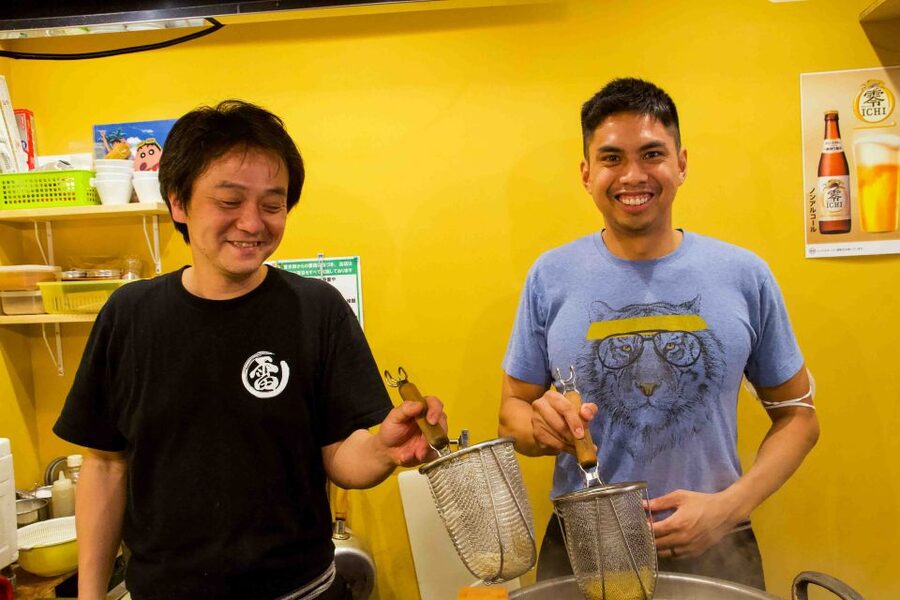
The best part of this Tokyo experience is that you do not sit at a table watching a cooking demonstration. You step behind the counter of an award-winning ramen shop, handle the ingredients, and see the hot, busy kitchen from the chef’s side. You learn where ramen comes from, how its parts work together, and what it takes to serve bowl after bowl.
I like the small groups of up to six and the fact that you receive two small bowls, not one oversized serving. I also like the friendly mix of guide and chef, with guides such as Frank explaining the food while the kitchen team shows you the work. The main drawback is price: at $83 per person, this is costly for a one-hour activity, especially since you do not make the broth or noodles from scratch.
Key points to know before booking
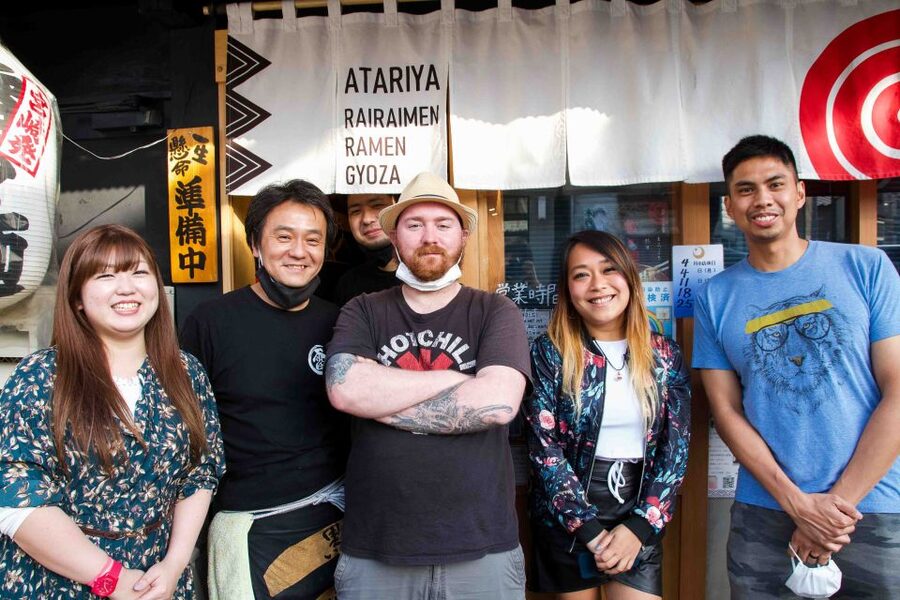
- You enter a real ramen shop kitchen, not a classroom built for tourists.
- Two small bowls of ramen and two gyoza are included in the experience.
- Frank and other English-speaking guides explain ramen origins, styles, ingredients, and preparation.
- The cooking is shortened for practicality, since the broth alone takes about 10 hours to prepare.
- Hot soup and water require care, so wear comfortable clothes and follow kitchen instructions.
- Chicken, pork, and fish are used, making this unsuitable for some dietary needs.
Stepping behind the counter in Nezu
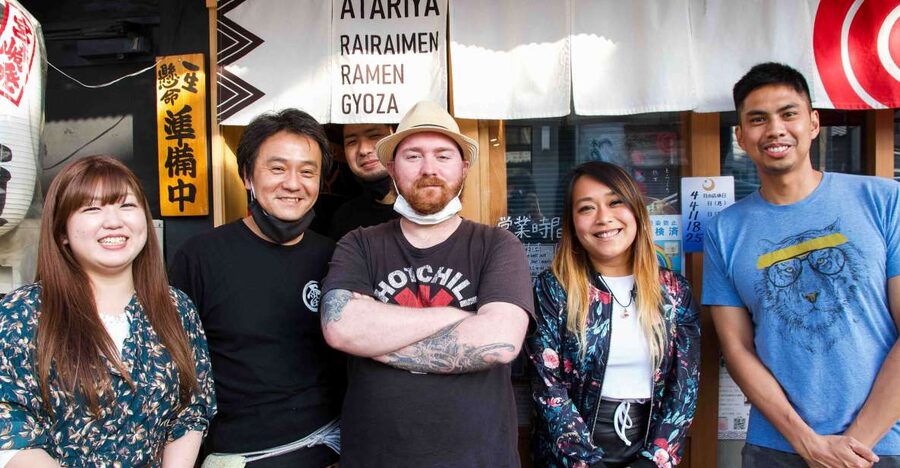
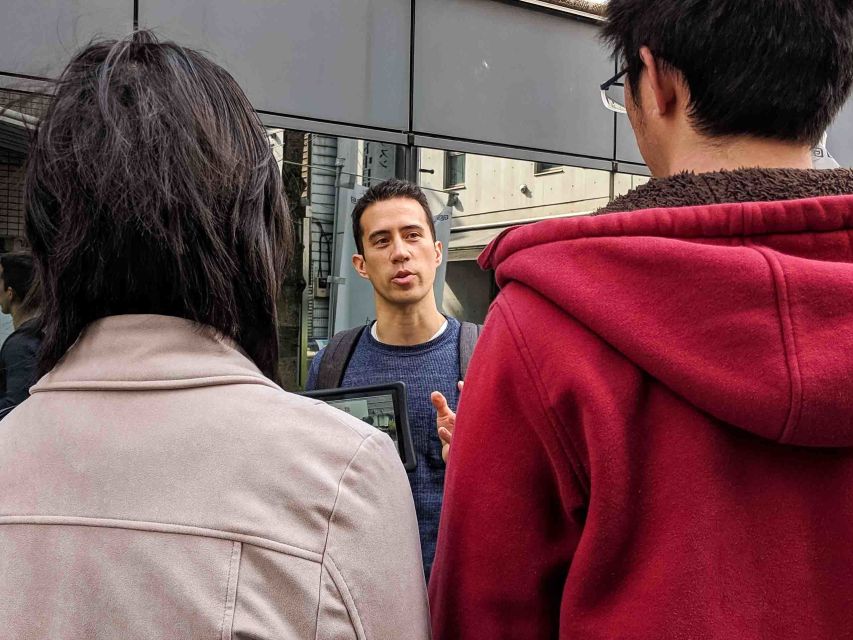
The experience begins at Nezu Station, on the Chiyoda Line, Exit 1. Meet your guide in front of the Akafudado supermarket, where the guide will hold a Tokyo Ramen Tours sign. This is a useful meeting point, but give yourself enough time to find the correct exit in the station.
From there, you go to the ramen shop and into its kitchen. That change in setting matters. You are not simply learning a recipe in a bright teaching room. You are seeing the compact work area where ramen is prepared for real customers, with hot water, soup, noodles, toppings, and timing all working together.
The group limit of six keeps the visit fairly personal. You should have room to watch what is happening and ask questions through the English-speaking guide. Several guides lead the experience, so your guide may not be Frank. Frank has led some sessions and is praised for his warm approach and clear explanations, but the booking information does not promise a particular guide.
More Tokyo ramen tours and classes:
- Eat and Drink Like a Local: Tokyo Ueno Food Tour-Taverns&Ramen
★ 5.0 · 957 reviews - Ramen & Gyoza Cooking Class in Tokyo with Local Supermarket Visit
★ 5.0 · 823 reviews - Tokyo: Ramen Tasting Tour with 6 Mini Bowls of Ramen
★ 4.9 · 432 reviews
What you learn before making the bowls
The guide sets the scene with the story of ramen, its origins, its different types, and the basic parts of a bowl. This is one of the stronger reasons to book the experience. You are not only stirring ingredients. You learn why the broth, noodles, seasoning, and toppings each matter.
A ramen bowl can look simple when it reaches the table. The kitchen work behind it is not. The broth may take about 10 hours to prepare, which explains why the shop does not ask you to make every part from scratch. Instead, the activity cuts out the long waiting periods and lets you take part in the final preparation.
That design is practical, but it sets the right expectation. This is a behind-the-counter experience, not a full cooking course. You will not leave with a complete broth recipe or spend the day learning how to produce ramen from raw ingredients. One person who enjoyed the visit still wished for takeaway recipes, so bring a notebook only if you want to record your own observations. There is no promise of printed recipes.
The guide also explains the ingredients and their purposes, including where they come from. You get a better sense of why ramen is more than noodles in soup. The lesson is brief, but the setting gives it weight because you can connect the explanation to the tools and food around you.
Building two small bowls of ramen
The hands-on portion is the heart of the visit. With guidance from the chef and tour leader, you help put together two small bowls of ramen. This can include working with noodles, soup, and the other ingredients used in the shop.
The activity is designed to make you feel like part of the kitchen without asking you to perform every task a professional chef handles. You are dealing with hot water and soup, so you need to pay attention. Comfortable clothes are recommended, and this is not the moment for loose sleeves or careless movement.
The two-bowl format is a nice touch. It gives you more than one taste and lets the experience feel like a meal as well as a demonstration. The portions are described as small bowls, so you should not expect two full restaurant-size meals. Two gyoza are also included, adding a crisp side dish to the ramen.
The shop has worked with children as well. The chef carefully helped an eight-year-old and an eleven-year-old during one session, which suggests that families can consider this activity if their children can follow instructions around hot liquids. Still, the kitchen setting means adults need to keep a close eye on younger children.
Why the ramen itself matters
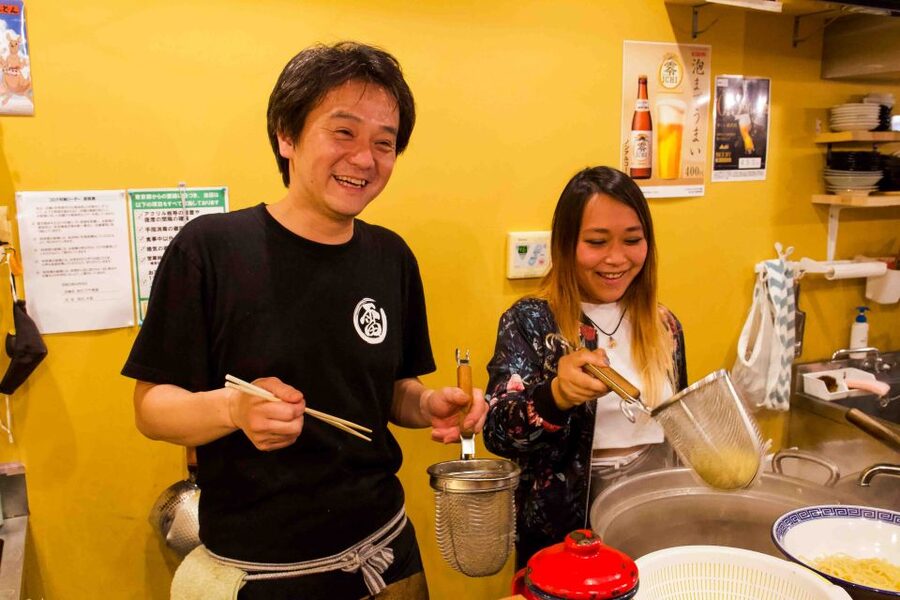
The food is not an afterthought. Several sessions have been praised for exceptionally tasty ramen, with some people considering it the best ramen they ate during their Japan trip. That is high praise, though taste is personal and the meal is not the only reason to book.
The value comes from eating the food in the same place where you have just learned how it is made. You can connect the broth, noodles, seasoning, and toppings to the work you watched. The experience becomes a ramen meal with a story attached to it, rather than a standard restaurant stop.
The included gyoza help round things out, but do not mistake the activity for a long food tour. The full duration is only one hour. You receive a focused introduction, a kitchen activity, and food to eat, all within a short visit.
If you already plan to eat ramen across Tokyo, this experience gives you a useful way to notice differences. You may pay more attention to broth texture, noodle preparation, seasoning, and toppings afterward. It can make an everyday bowl more interesting without turning lunch into a lecture.
A completely different kind of day in Tokyo:
- Mt Fuji and Hakone 1-Day Bus Tour Return by Bullet Train
★ 5.0 · 26,383 reviews - 1-Day Tokyo Bus Tour
★ 5.0 · 14,250 reviews - Tokyo: teamLab Planets TOKYO Digital Art Museum Entry Ticket
★ 4.6 · 9,779 reviews - Mt Fuji & Hakone Cruise, Drum Show Bullet Train 1 Day from Tokyo
★ 4.0 · 7,413 reviews
The award-winning shop setting
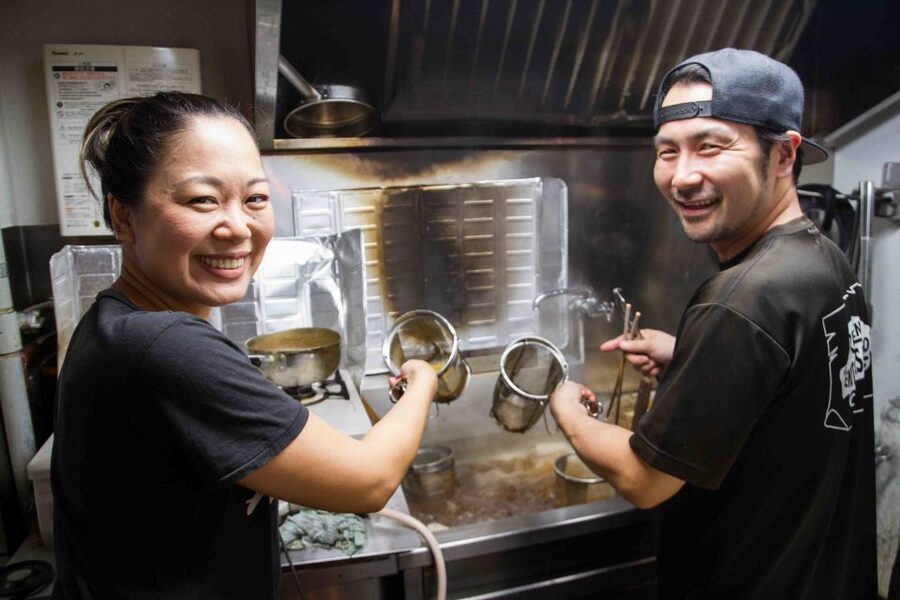
The ramen shop has won several awards, and the organizers have arranged special access to its kitchen. That access is the rare part. You can find excellent ramen all over Tokyo, but you cannot normally walk behind the counter and take part in the preparation.
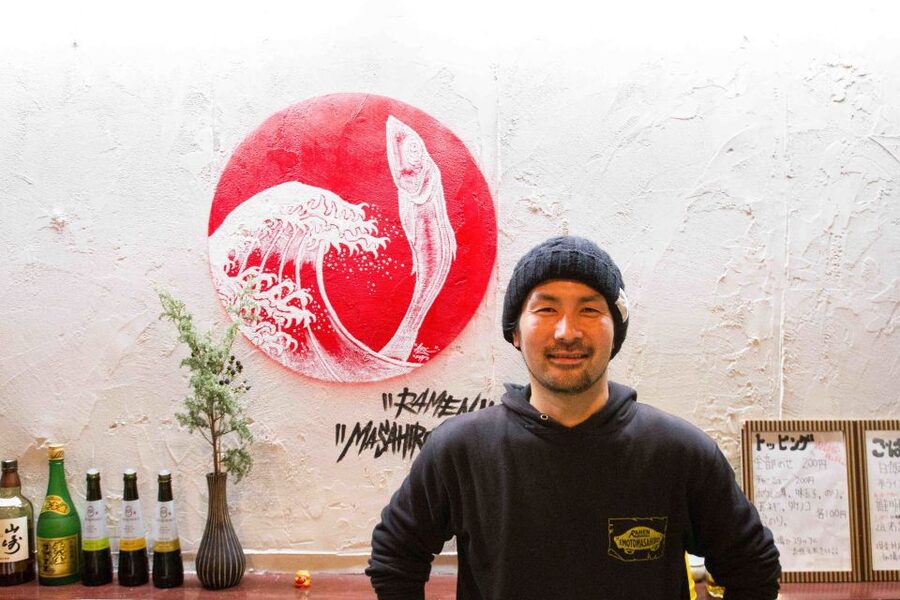
The shop’s personality also adds to the visit. The hosts have been described as welcoming, and the kitchen has a distinct character rather than feeling like a neutral training space. For me, that kind of setting is more useful than a polished tourist venue because you see the food in its working environment.
There is a tradeoff. A real kitchen is likely to feel tighter and more active than a normal classroom, and you must share the space with the group. The tour’s small size helps, but anyone seeking a relaxed, sit-down meal should understand that this visit involves movement, hot liquids, and instructions.
Is $83 a fair price?
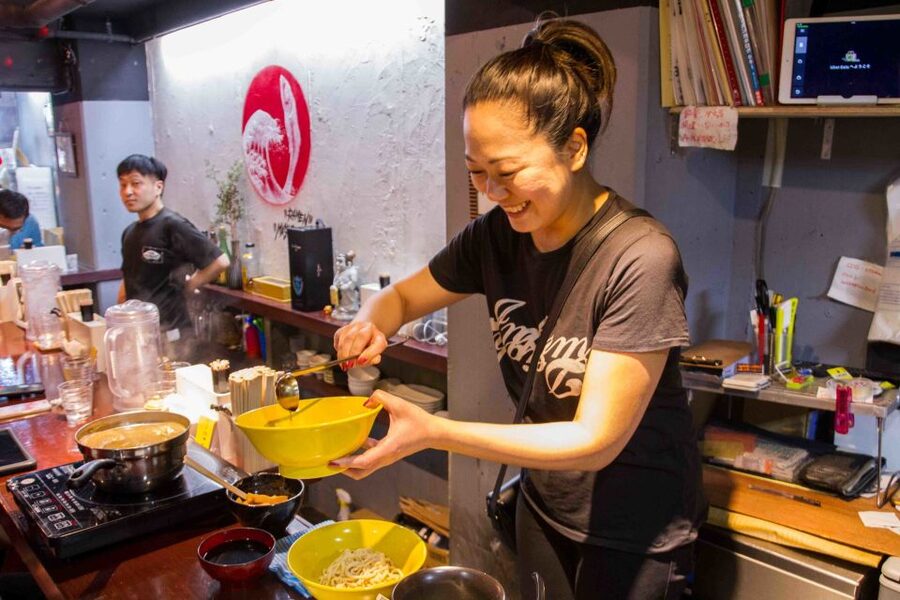
At $83 per person, the price is high for one hour. You are receiving two small ramen bowls and two gyoza, but the food alone does not justify the cost in a city where you can eat good ramen for far less.
The extra money pays for access. You are paying to enter a respected ramen shop kitchen, receive an English-language explanation, work with the chef, and take part in a limited-capacity experience that normally is not available. If you simply want a filling bowl of noodles, skip this and eat at a restaurant.
The value improves if you care about food culture, want a special activity early in your Japan trip, or are traveling with family members who enjoy hands-on experiences. One person found it a good way to begin a Japan visit, while another considered it expensive even while recommending it. That is the right way to view the price: worthwhile for access and personal attention, poor value if you judge it only by meal size.
The small group is important here. A large group would make the behind-counter element less useful. With six or fewer participants, you have a better chance to see the chef’s work and follow the guide’s explanation.
Who will enjoy this most
I would recommend the experience to:
- Ramen fans who want to understand how the dish is put together
- Food-focused visitors who value access over a low meal price
- Families with children who can follow safety instructions
- First-time Japan visitors looking for a short, memorable introduction to Japanese food
- Anyone curious about restaurant work, timing, and kitchen routines
It may not suit you if you need vegetarian, pork-free, fish-free, or chicken-free food. The ramen contains all three: chicken, pork, and fish. The supplied information does not list alternative ingredients, so ask before booking if you have an allergy or dietary restriction.
It may also disappoint you if you expect to prepare broth, make noodles, or leave with a professional recipe. The point is to see and take part in the final kitchen process, not to complete every stage of ramen production.
Timing, meeting point, and practical details
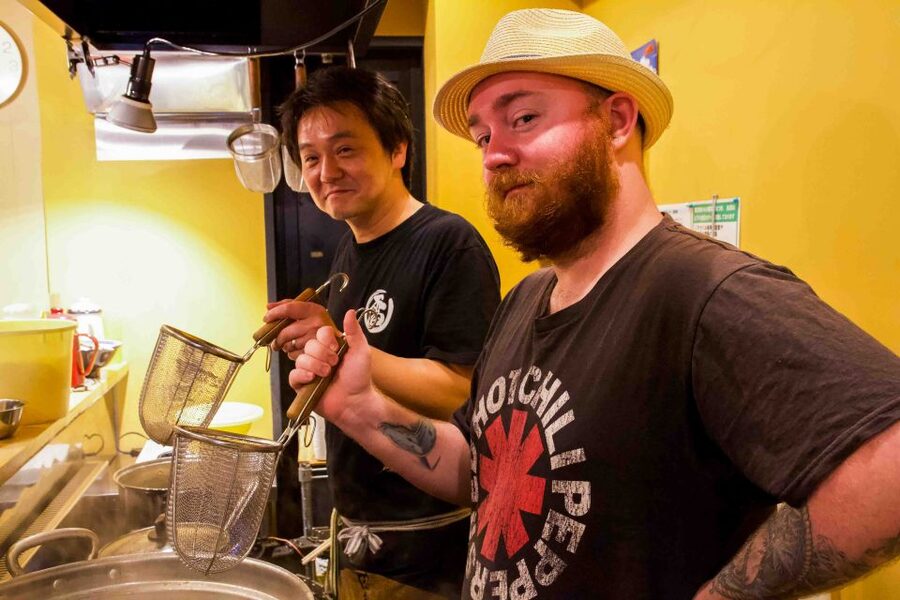
The activity lasts one hour, with starting times available according to the date you select. Meet at Nezu Station, Chiyoda Line station code C14, Exit 1, in front of Akafudado supermarket. Look for the guide holding a Tokyo Ramen Tours sign.
Wear comfortable clothes. You will be in a working kitchen and may handle hot soup and water, so practical clothing is more useful than anything delicate or formal.
The tour is conducted in English, and several guides may lead different sessions. The group is limited to six people. You can cancel up to 24 hours before the activity for a full refund, and the reserve-now, pay-later option lets you keep your plans flexible.
The activity has a rating of 4.7 from 34 reviews, with especially strong praise for the food, the friendly hosts, the guide’s explanations, and the unusual chance to enter the kitchen. One four-star review points to the main limitation: the activity can feel expensive and does not include takeaway recipes. That criticism is fair and worth weighing before you book.
Should you book the Tokyo ramen kitchen experience?
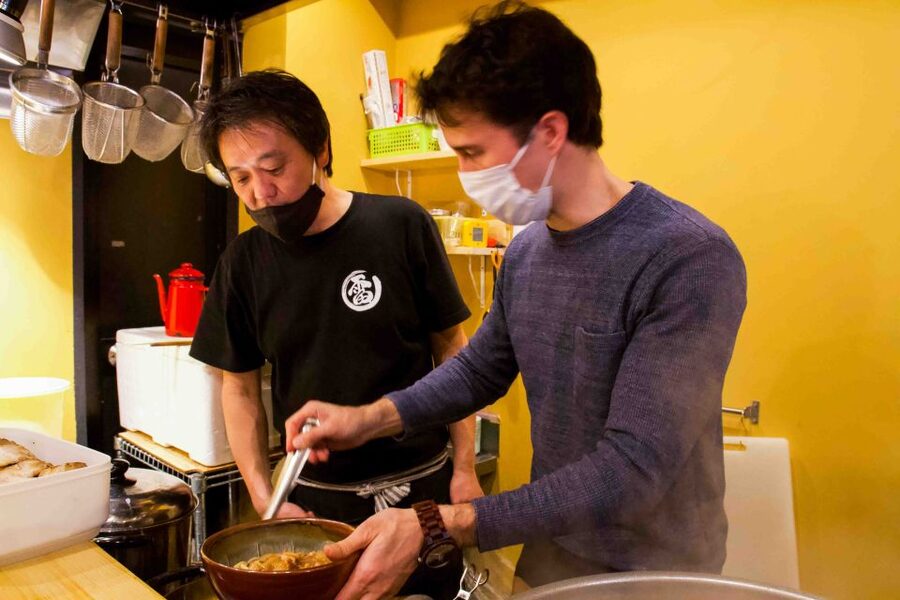
Book it if you want more than a meal. The chance to work inside a real, award-winning ramen shop is unusual, and the combination of guide, chef, food, and small group gives the hour a clear purpose.
Skip it if your priority is quantity, a low-cost lunch, or a full cooking course. At $83, the experience depends on valuing access and personal instruction. For ramen lovers, curious families, and food-focused visitors, that access can make the price worthwhile. For everyone else, Tokyo offers cheaper ways to eat excellent noodles.
FAQ
Where does the ramen experience meet?
Meet your English-speaking guide at Nezu Station, Chiyoda Line station code C14, Exit 1, in front of the Akafudado supermarket. The guide will hold a Tokyo Ramen Tours sign.
How long does the experience last?
The activity lasts one hour. Starting times vary, so check availability for your chosen date.
How many people are in the group?
The group is limited to six participants.
Is the experience conducted in English?
Yes. The tour includes a live English-speaking guide.
Do I make the ramen completely from scratch?
No. This is not a full cooking class. You take part in preparing and assembling the ramen, while the long stages are shortened. The broth alone takes about 10 hours to make.
What food is included?
You receive two small bowls of ramen and two gyoza, which are fried dumplings.
Does the ramen contain meat or fish?
Yes. The ramen contains chicken, pork, and fish. The experience information does not list substitute ingredients.
Newly reviewed around Tokyo
- Tokyo Asakusa:Calligraphy & Make T-shirt Activity★ 5.0 · 62 reviews
- Intercity Shuttle, Tokyo to Haneda /Narita /Yokohama /Makuhari★ 5.0 · 5 reviews
- 1 Hour Travel around Tokyo with a Professional Photographer★ 5.0 · 3 reviews
- Travel Tokyo with Your Own Personal Photographer★ 5.0 · 43 reviews
- Train in Samurai Swordsmanship and Defeat the Demon in Tokyo★ 5.0 · 5 reviews
- Shuttle Van 6hr Tokyo Tour to-and-from Tokyo, Yokohama and Narita★ 5.0 · 9 reviews
- Kickboxing & Body Training with EX-Pro Fighter★ 5.0 · 4 reviews
- Traditional Japanese Knife Sharpening Class★ 5.0 · 18 reviews
Tokyo Ramen Tours and Classes, compared.

Eat and Drink Like a Local: Tokyo Ueno Food Tour-Taverns&Ramen
Read our review →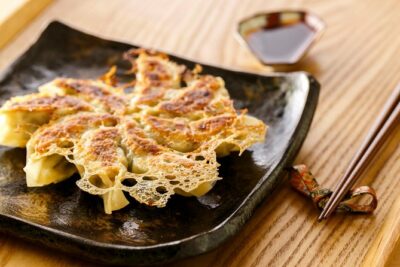
Ramen & Gyoza Cooking Class in Tokyo with Local Supermarket Visit
Read our review →

Easy Ramen Cooking Experience in Kabukicho, Shinjuku
Read our review →
Ramen and Sushi Cooking Class with Sake Pairing Set in Tokyo
Read our review →
Professional Ramen & Gyoza with Ramen Chef in a restaurant!
Read our review →
Ramen Dojo Tokyo | Make All 3 (Tonkotsu/Shoyu/Miso)
Read our review →Ramen Dojo Tokyo | Make All 3 (Tonkotsu/Shoyu/Miso)
Read our review →Browse the lists this tour appears in