
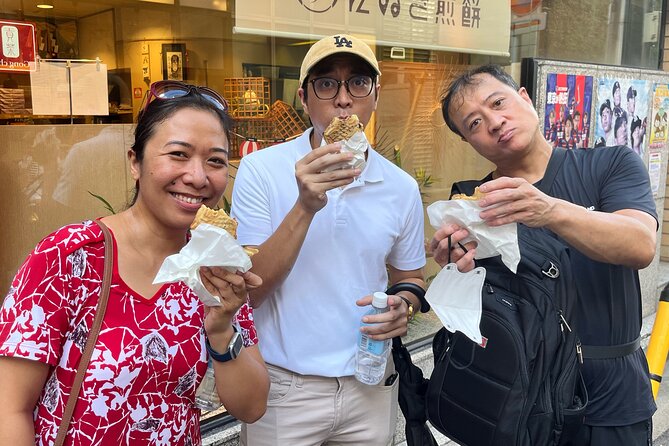
Reviewed · TOKYO FOOD TOURS
Tokyo: Local Foodie Adventure near Roppongi
Azabujuban gives you a very different Tokyo from the neon streets around Roppongi. On this small-group food walk, you’ll try five Japanese treats, visit shrines and temples, and step into a neighborhood where more than 300 shops have served the community for decades. I especially like the mix of home-style food and local history.
I also like the personal scale. Groups run from one to four people, so guide Ellen can answer questions and adjust food stops to your interests. The main consideration is that the food changes with store availability, and the $71 price does not cover extra snacks, drinks, or transportation.
Key points
- Five local tastings: Expect a changing selection that may include yakitori, mame daifuku, taiyaki, oden, pastries, omelettes, or sushi.
- Azabujuban beyond Roppongi: Explore an old shopping district with more than 300 long-running stores.
- Shrines and temples: Add good-luck customs, local folklore, and neighborhood stories to the food stops.
- A small group with an English-speaking guide: The usual group size is one to four people, with Ellen named as a particularly engaging guide.
- A Sailor Moon connection: Visit real places associated with manga creator Naoko Takeuchi and the setting that inspired the series.
- One drink included: The price covers five treats and one alcoholic beverage, while additional food and drinks cost extra.
Why Azabujuban is worth your afternoon

Roppongi is known for tall buildings, nightlife, and international restaurants. A short distance away, Azabujuban feels much more connected to everyday neighborhood life. Its streets are lined with small food shops, specialty stores, shrines, temples, and businesses that have served local residents for many years.
That contrast is the main reason to choose this experience. You are not simply checking off famous Tokyo sights. You are using food to understand how a traditional district functions inside a modern capital.
Azabujuban has more than 300 shops, and many have remained open for close to a century. That does not mean every stop is old or unchanged, but it gives the area a sense of continuity. A shop selling a simple Japanese snack can tell you as much about local life as a large museum, especially when a guide explains how the business fits into the neighborhood.
I like this kind of walking tour for a first or second visit to Tokyo. It gives you a clear sense of place without requiring a full day. You will also leave with ideas for stores and foods to revisit on your own.
More Tokyo food tours:
- Tokyo: Shinjuku Food Tour (13 Dishes at 4 Local Eateries)
★ 5.0 · 6,603 reviews - Tokyo: Shinjuku Food Tour (15 Dishes and 4 Eateries)
★ 4.9 · 2,033 reviews - Best of Shinjuku: Izakaya Food Tour (4 Stops, 14+ Tastings)
★ 5.0 · 1,863 reviews
Five tastings, with room for surprises
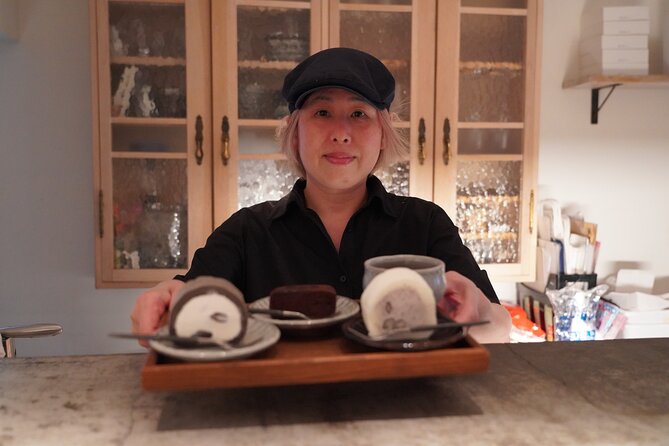
The food is the center of the experience, but this is not a fixed restaurant meal. You receive five Japanese treats, with the exact selection changing according to store availability. That flexibility is practical in a neighborhood where small businesses may have limited stock.
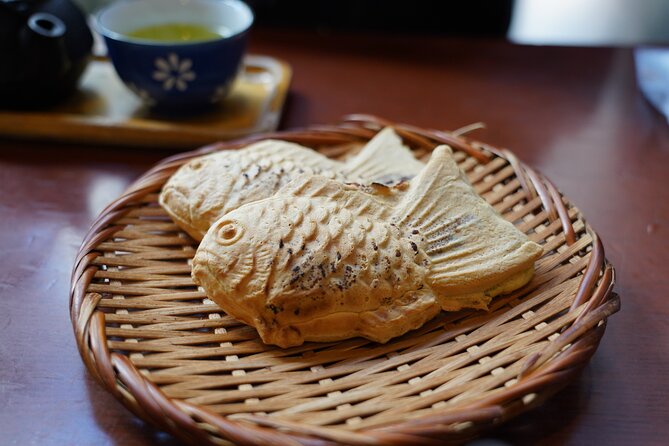
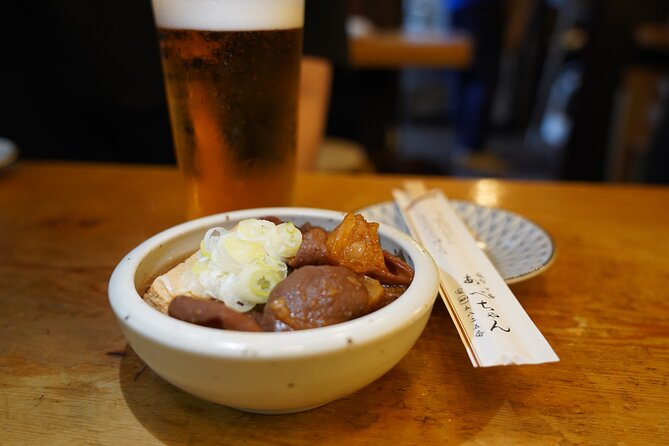
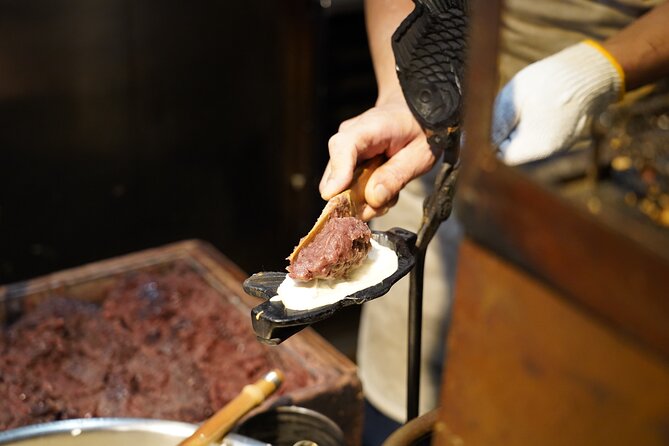
Possible foods include yakitori, grilled chicken often served as a quick snack; mame daifuku, a soft rice cake filled with sweet bean paste and often dotted with beans; crispy taiyaki, shaped like a fish and commonly filled with sweet filling; and savory homemade oden, a comforting dish of simmered ingredients.
The selection can also include pastries, omelettes, sushi, and other local snacks. One food experience described a progression from snacks and pastries to omelettes and sushi, showing how broad the stops can be. You should arrive ready for variety rather than expecting a specific menu.
That is useful for curious eaters. You may taste familiar Japanese foods alongside something you would not have chosen alone. The drawback is simple: if you have your heart set on one particular item, it may not be available that day.
The food should be enough to fill you up, but I would still think of this as a tasting walk rather than a formal lunch or dinner. Five portions can add up, especially when the stops include both sweet and savory foods. If you want additional servings, drinks, or a particular specialty, you will need to pay separately.
Yakitori, taiyaki, and the value of local food
The strongest part of the food selection is its connection to ordinary Japanese eating habits. Yakitori and oden are not just photogenic dishes. They are familiar foods tied to casual meals, neighborhood shops, and quick stops during a busy day.
Taiyaki and mame daifuku show another side of Japanese food culture. These sweets are portable, inexpensive-looking, and carefully made. They also give you a chance to compare textures: crisp or soft pastry, chewy rice cake, and sweet bean filling.
I value the guide’s role here more than the number of tastings. A snack becomes more memorable when you understand why people buy it, how it is made, or how the store has served the area. Ellen is described as especially good at explaining both the food and the businesses behind it, and she tailored stops to individual needs during one outing.
The experience also includes one alcoholic beverage. The details of the drink are not fixed, so do not book this expecting a particular beer, sake, or cocktail. If you do not drink alcohol, check with the operator before booking so you know how that inclusion will be handled.
Shrines, temples, and local folklore
Food is only half the point. The route includes local shrines and temples where you can learn about good-luck customs and neighborhood beliefs. These stops break up the eating and give the walk a cultural frame.
You should not expect a major monument on the scale of Tokyo’s best-known temples. The appeal is smaller and more local. A shrine tucked into an urban district can show how religious spaces remain part of daily city life, even when office towers and luxury buildings are nearby.
The folklore element matters, too. One guide took visitors to shrines and local folklore destinations while explaining the area. This is the kind of information that is easy to miss if you walk through Azabujuban alone.
Allow time to listen rather than treating the shrines as quick photo stops. You may learn why a place is associated with good luck, how residents use it, or how the area developed around older traditions. Since the group is small, you can ask questions without holding up a large crowd.
Comfortable shoes are essential. The walk involves moving around town between food stops, shops, shrines, and temples, and the experience calls for a moderate level of fitness. No special hiking ability is stated, but you should be comfortable walking through an urban neighborhood.
A completely different kind of day in Tokyo:
- Mt Fuji and Hakone 1-Day Bus Tour Return by Bullet Train
★ 5.0 · 26,383 reviews - 1-Day Tokyo Bus Tour
★ 5.0 · 14,250 reviews - Tokyo: teamLab Planets TOKYO Digital Art Museum Entry Ticket
★ 4.6 · 9,779 reviews - Mt Fuji & Hakone Cruise, Drum Show Bullet Train 1 Day from Tokyo
★ 4.0 · 7,413 reviews
A shopping street with personality
Azabujuban is a good place to shop for gifts that feel more connected to the neighborhood than standard souvenir stores. The tour includes unique shops found in Azabujuban, giving you a reason to notice small businesses instead of walking past them.
The selection will depend on what interests you and what is open or available that day. You might find food products, sweets, or other locally distinctive items, but the exact stores and purchases are not guaranteed. Bring room in your bag and a little spending money if you enjoy browsing.
I like the shopping angle because it extends the tour beyond eating. You are shown places you can return to later, and the shops add texture to the neighborhood. A small purchase can also help you remember where you were, especially in a city where many districts can begin to look similar after several days.
Personal expenses are not included. That includes gifts, extra food, and extra drinks. The $71 fee covers the planned tastings and one alcoholic beverage, not an open-ended shopping or dining budget.
The Sailor Moon connection
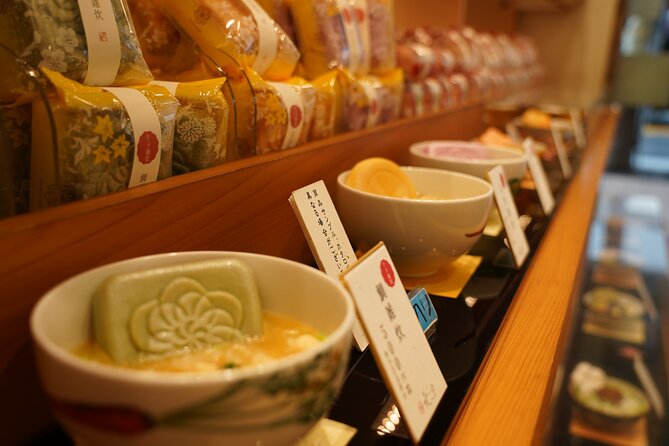
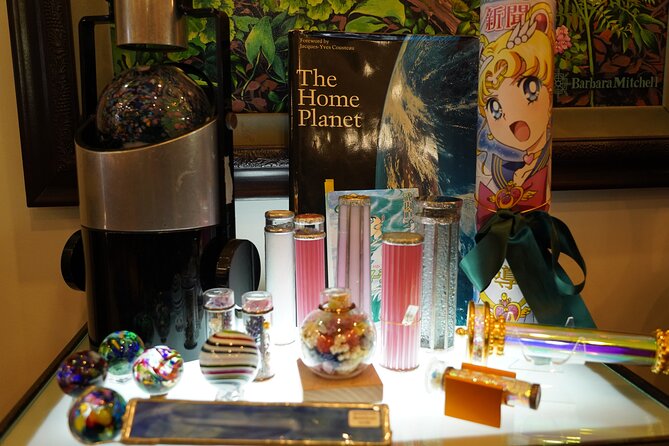
For Sailor Moon fans, Azabujuban has an extra layer of interest. The route includes real-life places connected with manga creator Naoko Takeuchi and locations that inspired the setting of the series.
This is not presented as a full Sailor Moon theme park experience, and you should not expect character displays or a large branded attraction. Instead, the appeal is seeing the neighborhood through the source of the manga’s setting.
That makes this tour especially useful for fans who want context. You can connect familiar fictional places with the real streets, shops, and local atmosphere that helped shape the story. Even if you are not a devoted fan, the connection adds a memorable detail to the walk.
If someone in your group loves Sailor Moon, mention it when you meet the guide. The small group format may allow more room for questions about the connection, though the exact amount of themed discussion is not specified.
Why the small group matters
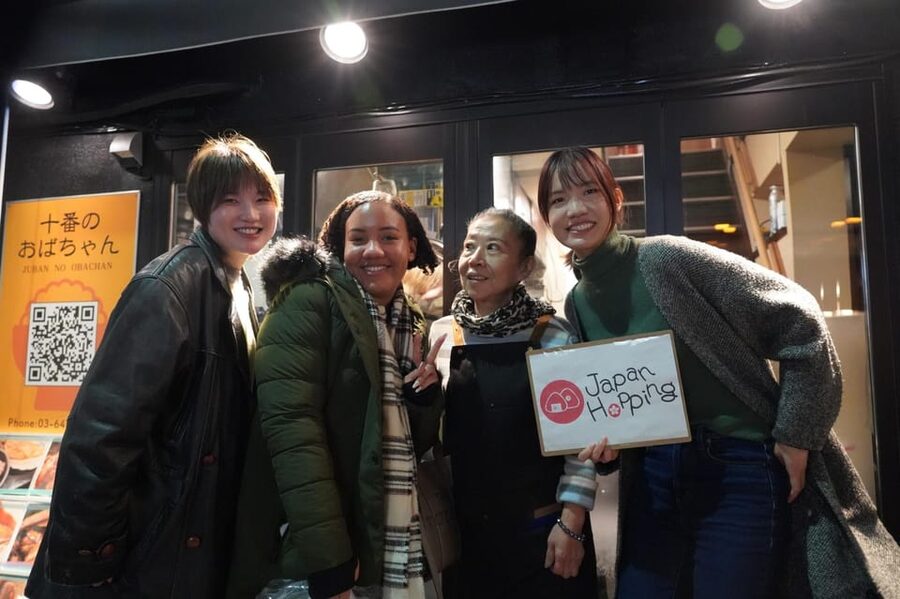
With one to four people, this is far more personal than a large food crawl. You can hear the guide clearly, ask about ingredients, and stop for questions without waiting for a dozen people to catch up.
Ellen is the named guide associated with many of the strongest experiences. She is described as friendly, well prepared, and able to answer questions about Azabujuban, its people, and its food. Another outing was led by two women, both of whom helped with questions and requests.
That personal attention is a major part of the value. A large food tour may offer more dishes, but a small group can give you better conversation and more flexibility. You might spend longer at a shrine, ask for help choosing a gift, or explain a food preference before the next stop.
The tradeoff is that a small operation can be more affected by daily conditions. Store availability changes, and the food plan is not rigid. I see that as a fair exchange for a more natural neighborhood experience, but people who want a precise schedule may prefer a conventional restaurant booking.
Price, timing, and practical planning
At $71 per person, the price is reasonable if you value the guide’s explanations, five tastings, the included drink, and the chance to find places you may not notice alone. It is less attractive if you are mainly looking for a large meal or unlimited samples.
The experience begins at Azabujuban Station, Exit 4. Look for the guide in front of Oslo Coffee, with the Japan Hopping Tours logo. The activity ends back at the same meeting point, which makes it easy to continue exploring Azabujuban afterward or return to the station.
Transportation to and from the meeting point is not included. Plan your Tokyo travel separately and allow enough time to reach Exit 4. Since the meeting point is specific, checking your route before the day begins will save confusion.
The tour is offered in English. It is intended for people with a moderate level of fitness and is not suitable for people over 95. You can reserve now and pay later, and cancellation is allowed up to 24 hours before the activity for a full refund.
Who should book this Azabujuban walk
I would choose this for food-minded visitors who want a quieter side of Tokyo without leaving the city center. It suits people who enjoy small shops, local stories, shrine visits, and trying foods they may not recognize.
It is also a strong choice for Sailor Moon fans, couples, solo visitors, and families with older children who can comfortably walk around town. The one-to-four-person format should feel comfortable for anyone who prefers conversation over a large group presentation.
You may want to skip it if you need a guaranteed menu, dislike changing plans, or want a full restaurant meal with plenty of seating. It is also not the best choice if you are uncomfortable walking between stops or plan to avoid all alcohol without first checking how the included drink is handled.
FAQ
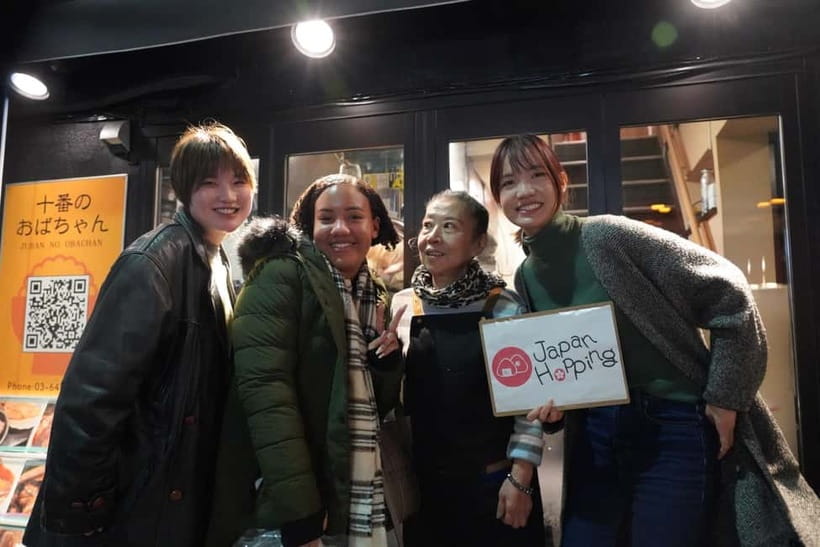
Where does the tour begin?
Meet at Azabujuban Station, Exit 4, in front of Oslo Coffee. The guide will have the Japan Hopping Tours logo.
Where does the tour end?
The activity ends back at the meeting point near Azabujuban Station.
How many people are in the group?
This is a small-group activity, with one to four people expected to join.
What food is included?
The price includes five different Japanese treats. The selection depends on store availability and may include foods such as yakitori, mame daifuku, taiyaki, oden, pastries, omelettes, or sushi.
Is a drink included?
Yes. One alcoholic beverage is included. Additional drinks are not included.
Is transportation included?
No. Transportation costs are separate from the tour price.
Is the tour offered in English?
Yes. The tour language is English.
Can I cancel for a full refund?
Yes. You can cancel up to 24 hours in advance for a full refund.
Should you book it?
Book this experience if you want Tokyo food with a neighborhood setting and a real human guide. The best parts are the small group, the changing mix of five tastings, the shrine and folklore stops, and the chance to understand Azabujuban beyond its name on a map.
The $71 price makes sense when you count the food, the included drink, and the time saved finding the shops and local places yourself. Go with an open mind, wear comfortable shoes, and treat the menu as a pleasant surprise rather than a promise. For a personal look at a less familiar corner of Tokyo, this is a smart pick.
Newly reviewed around Tokyo
- Tokyo Asakusa:Calligraphy & Make T-shirt Activity★ 5.0 · 62 reviews
- Intercity Shuttle, Tokyo to Haneda /Narita /Yokohama /Makuhari★ 5.0 · 5 reviews
- 1 Hour Travel around Tokyo with a Professional Photographer★ 5.0 · 3 reviews
- Travel Tokyo with Your Own Personal Photographer★ 5.0 · 43 reviews
- Train in Samurai Swordsmanship and Defeat the Demon in Tokyo★ 5.0 · 5 reviews
- Shuttle Van 6hr Tokyo Tour to-and-from Tokyo, Yokohama and Narita★ 5.0 · 9 reviews
- Kickboxing & Body Training with EX-Pro Fighter★ 5.0 · 4 reviews
- Traditional Japanese Knife Sharpening Class★ 5.0 · 18 reviews
Tokyo Food Tours, compared.
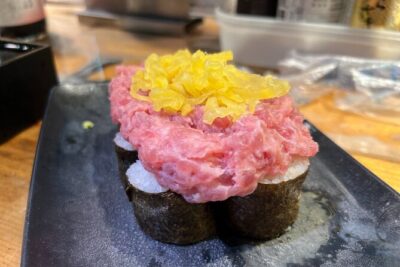
Shinjuku Food Tour (13 Dishes at 4 Local Eateries)
Read our review →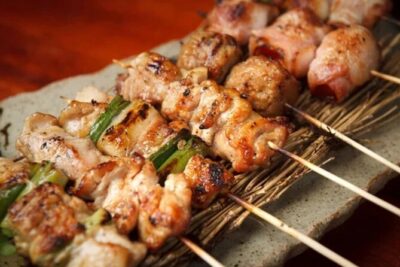
Shinjuku Food Tour (15 Dishes and 4 Eateries)
Read our review →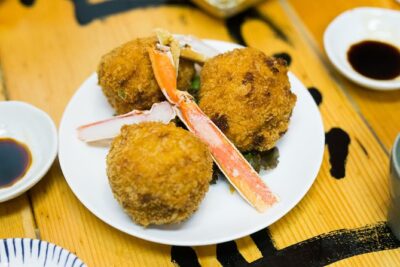
Best of Shinjuku: Izakaya Food Tour (4 Stops, 14+ Tastings)
Read our review →
Tokyo Night Foodie Tour in Shinjuku – Seasonal Sushi, Wagyu Beef
Read our review →
Eat and Drink Like a Local: Tokyo Ueno Food Tour-Taverns&Ramen
Read our review →
Tsukiji Fish Market: Street Food & Culture Walking Tour
Read our review →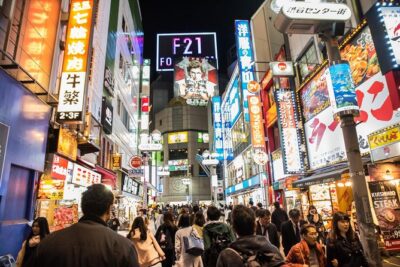
Browse the lists this tour appears in