
Reviewed · DINNER EXPERIENCES
Tokyo: Traditional Japanese Performing Arts Show and Dinner
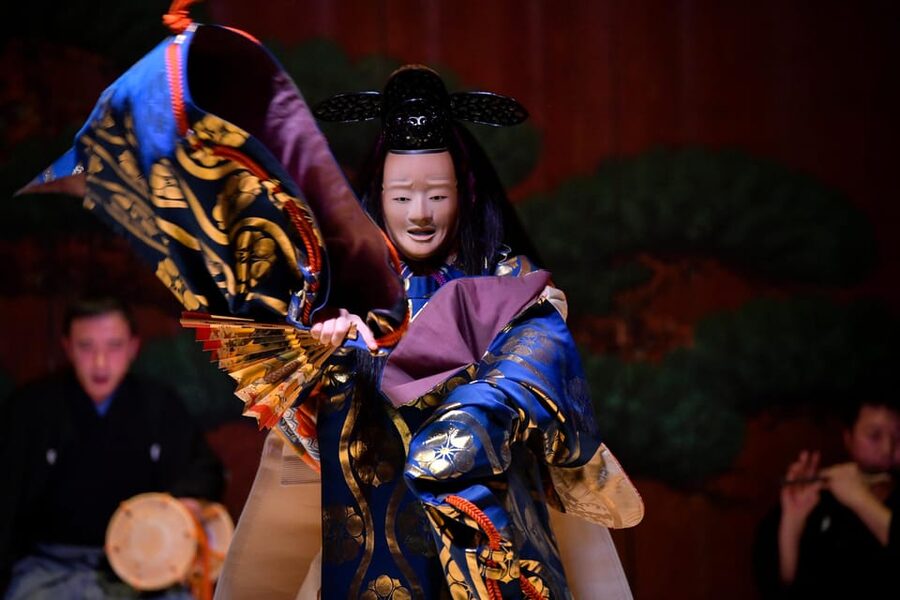
The most unusual part of this Tokyo evening comes before the first course: you descend beneath the trees of Fukutoku Shrine into SUIGIAN, a theater-style restaurant built around a Noh stage and an old-pine backdrop. Between courses, performers present short pieces of kagura, ancient Shinto music and dance, or nihon-buyo, traditional Japanese dance, depending on the date.
I like the pairing of a carefully paced seasonal dinner with live art, and I like the setting, where 350-year-old tableware from Nagasaki gives the meal a sense of place. The main thing to consider is timing: this is a slow, multi-course dinner with three performances of about 10 minutes each, not a quick meal or a full-length theater show.
Key points to know before booking
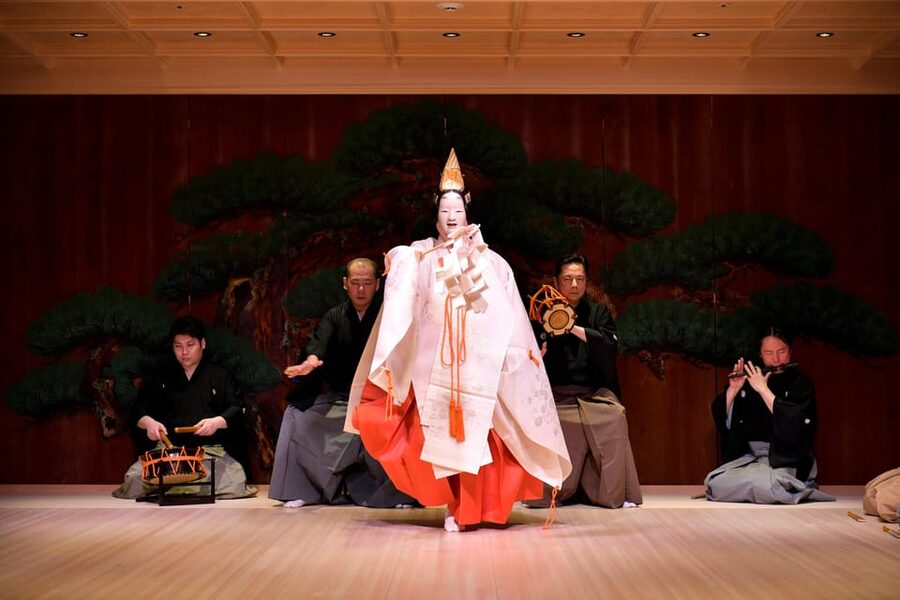
- Three short performances: Expect about 30 minutes of live entertainment in total, divided between courses.
- The program changes by date: Listed February and March dates include kagura, while most other February and March dates feature nihon-buyo.
- A seasonal Japanese course: The meal normally includes several small courses, soup, Japanese beef, rice, dessert, matcha, and dry sweets.
- Four seat choices: Your selected seating option determines how close you are to the Noh-style stage.
- Central Nihonbashi location: Mitsukoshi-mae Station is about a one-minute walk away.
- Best for adults and special occasions: Children under 10 are not permitted, and the price makes most sense for a celebratory night.
Descending beneath Fukutoku Shrine
SUIGIAN sits in the basement of Fukutoku Garden, at 2-5-10 Nihonbashi Muromachi. The entrance is at the bottom of stairs near the historic Fukutoku Shrine, so your first challenge is finding the correct corner of the park rather than navigating a distant suburb.
From Mitsukoshi-mae Station, take Exit A6. Walk toward Coredo Muromachi 2, then continue to the restaurant entrance. The walk is about one minute from the station, making this the easiest route.
You can also reach SUIGIAN in about six minutes from JR Shin-Nihonbashi Station, or about 10 minutes from Tokyo Station’s Nihombashiguch Exit. A taxi from Tokyo Station takes about six minutes and costs roughly ¥600, depending on traffic.
The entrance directions deserve attention. One person had trouble because the instructions did not make it clear that the venue is inside the SUIGIAN restaurant. I would allow a few extra minutes, especially if you are arriving after dark or meeting someone there. Look for the restaurant under the park, not for a separate theater entrance.
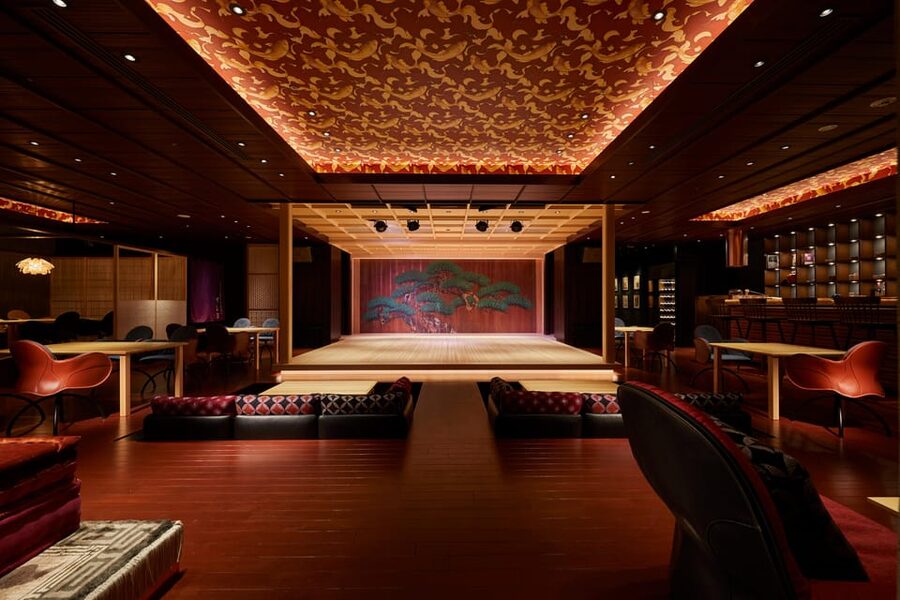
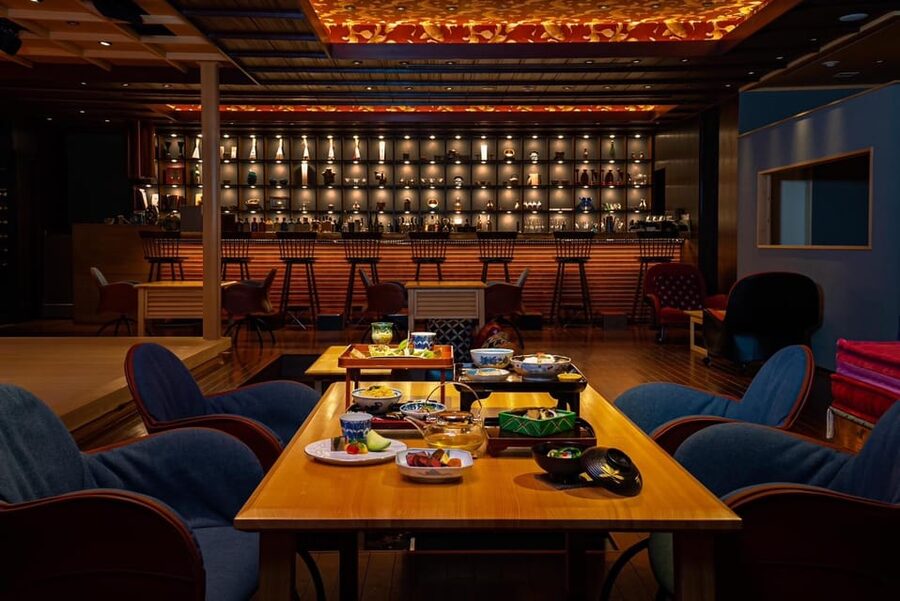
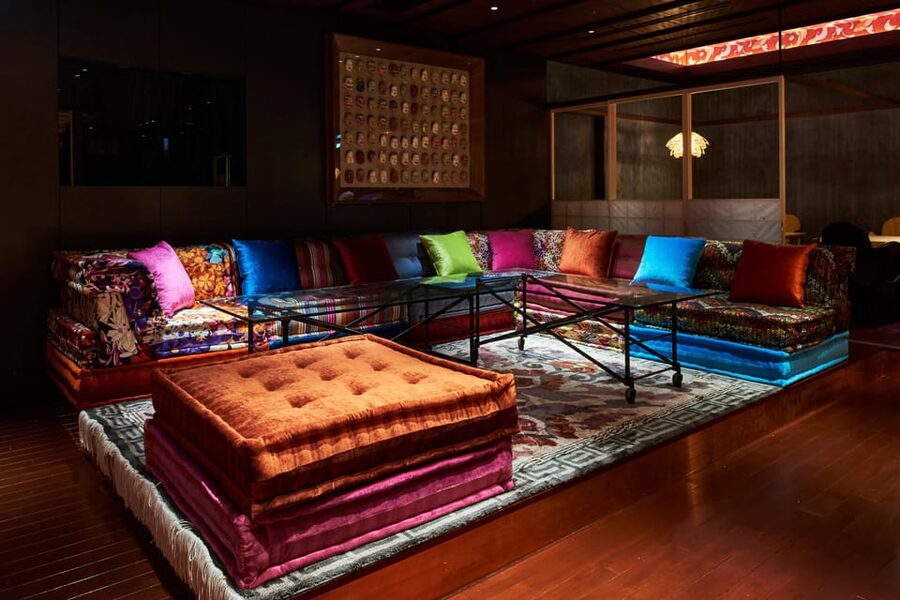
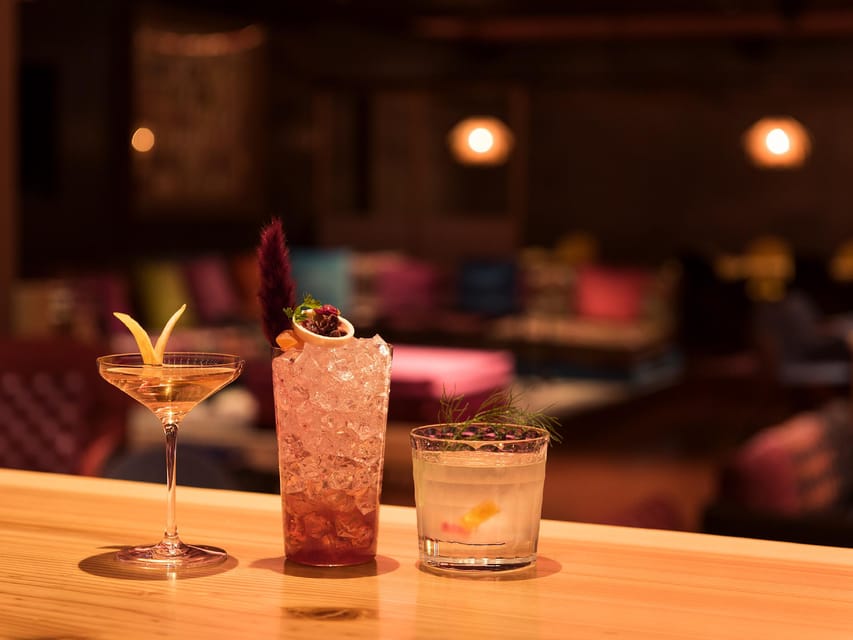
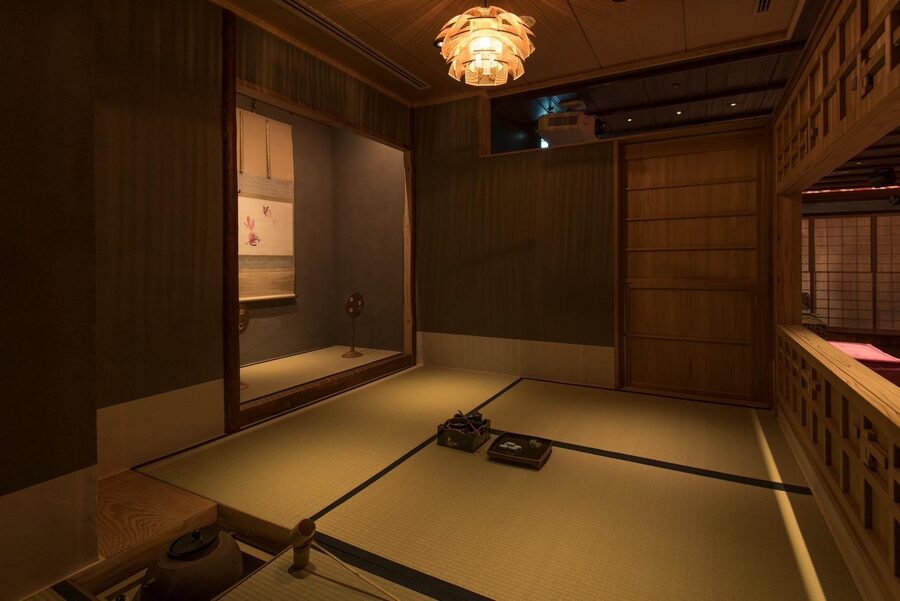
Inside, the mood changes quickly. The restaurant combines a modern lounge feel with traditional art, sculpture, Japanese screens, and formal dining details. The Noh-style stage, complete with a pine-tree backdrop, gives the room a clear focal point even before the performers appear.
More Tokyo dinner experiences:
- Tokyo Bar Hopping Tour in Shinjuku (All-You-Can-Drink + Dinner)
★ 5.0 · 3,587 reviews - Tokyo: Sumo Show and Dining Experience
★ 4.8 · 2,742 reviews - Sumida River: Japanese Traditional Yakatabune Dinner Cruise
★ 4.6 · 779 reviews
Four seating options and the view from your table
You choose from four seat categories when booking. The exact names and layouts are not provided, but your seat assignment is included and the options are designed to offer different distances or angles toward the stage.
This matters because the performance area is compact and visual details are part of the pleasure. A dancer’s hand movement, costume, fan, or facial expression can be easier to appreciate from a closer seat. One dining party specifically valued being near the stage because they could see everything clearly.
If the performance is your main reason for coming, I would choose the closest available option. If the dinner is more important, a less expensive seat may still work well because the stage is part of the room rather than a distant auditorium platform.
The room is elegant without feeling like a formal concert hall. You are dining at a table while the program unfolds around the meal, so the experience feels social and relaxed. That also means the show is not continuous. Conversation, service, and courses remain part of the evening.
What the performance is actually like
The schedule changes by date. On the listed February 5, 10, 17, and 25 dates, plus March 10, 17, and 24, the regular program is kagura. On the other February and March dates, the regular program is nihon-buyo.
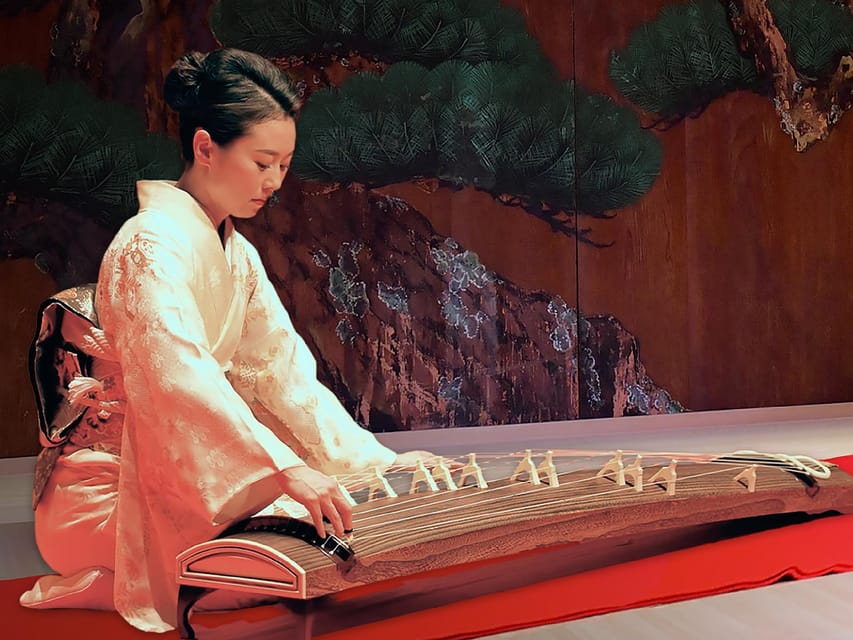
Kagura grew from Shinto ritual music and dance. In this setting, you get three pieces of roughly 10 minutes each rather than a long ceremonial program. The form gives the evening a direct connection to shrine traditions, which is especially fitting since SUIGIAN is below Fukutoku Shrine.
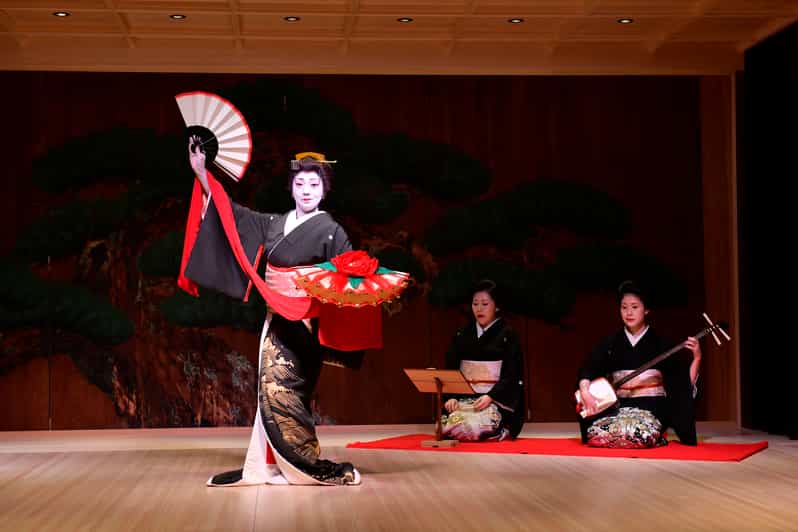
Nihon-buyo is traditional Japanese dance. It often depends on precise gestures, posture, costume, music, and controlled movement rather than a spoken plot. You do not need to understand Japanese to follow the visual rhythm. One useful feature is that explanations of the food and performances may be provided in English, giving you a better handle on what you are seeing.
The performances are placed between courses. Depending on the date, you might see a dancer accompanied by shamisen and a vocalist, or a program focused more strongly on music and ritual movement. The exact content and price can vary by day, so check the date-specific details before paying.
Set your expectations correctly. The total performance time is about 30 minutes, split into three sections. Some descriptions of the evening make the show sound like the main event, but the format is really a dinner with traditional performances. If you want two hours of uninterrupted theater, this is not the right choice.
For an introduction to Japanese performance, though, the short format works well. You can watch carefully, eat, ask questions, and let each piece provide a different mood. The program is concise enough for first-time visitors who might find a full Noh or kabuki performance demanding.
A seasonal course built around the chef’s choices
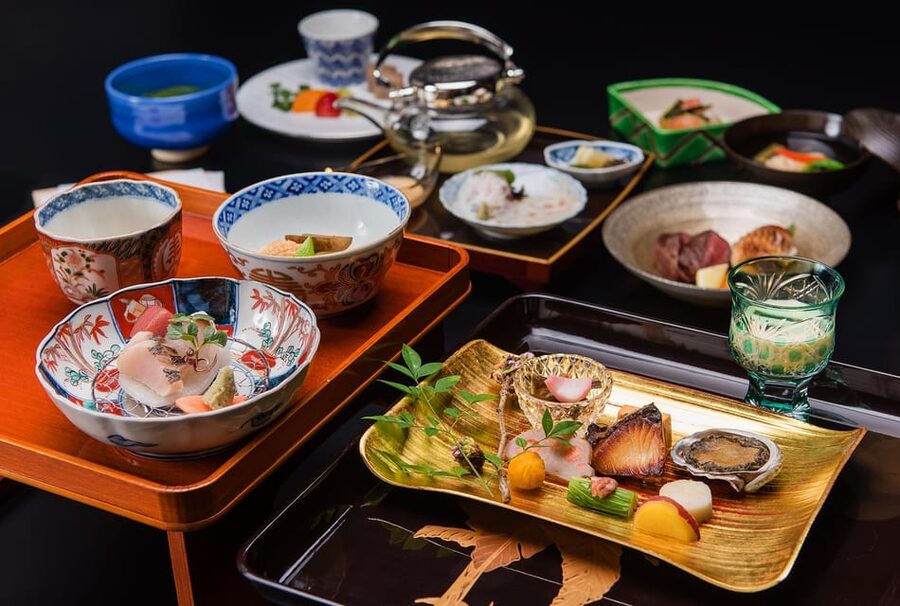
The dinner is an omakase-style Japanese course. That means the chef chooses the menu rather than offering a broad list of dishes for you to select. The food is built around fresh ingredients, bonito broth, and the season.
A typical meal includes:
- An appetizer
- A first seasonal platter
- Soup
- A later seasonal platter
- A grilled Japanese beef dish
- Rice
- Dessert
- Matcha green tea and dry sweets
The exact menu changes, and the meal may contain seafood several times. One dinner included four seafood servings, fish soup, and a dessert with a fish-based flavor, so seafood-averse diners should not assume they can simply avoid one dish.
Presentation is a major part of the meal. Several courses arrive in beautiful dishes and trays with a long connection to Japanese dining culture. SUIGIAN inherited tableware from another Japanese restaurant in Nagasaki, and some pieces are more than 350 years old. That detail turns the plates into part of the program, not just decoration.
I particularly like the way this format connects the meal to the stage. The food reflects the season, the dishes carry their own stories, and the room provides historical context. You are not only watching Japanese culture from a seat. You are encountering it through ingredients, tableware, manners, music, and movement.
The pace is deliberate. Courses arrive gradually, with performances placed between them. You should expect to spend two to three hours at the restaurant. This is a good match for a relaxed evening after a busy day in Tokyo, but a poor match if you need to eat quickly before another reservation.
The food has received especially strong praise for its flavor and plating. One person who had eaten at a Michelin-starred kaiseki restaurant in Kyoto preferred this meal, while another described the quality as comparable to high-end dining in Europe. Those are personal comparisons, not a guarantee that every menu will suit every palate, but they indicate the ambition of the kitchen.
Still, Japanese course dining can be unfamiliar. The menu may include seafood, bonito-based broth, delicate textures, and flavors that are not explained by a standard Western menu. I would come with an open mind and a willingness to try small portions rather than expecting steak, sushi, or familiar comfort food.
A completely different kind of day in Tokyo:
- Mt Fuji and Hakone 1-Day Bus Tour Return by Bullet Train
★ 5.0 · 26,383 reviews - 1-Day Tokyo Bus Tour
★ 5.0 · 14,250 reviews - Tokyo: teamLab Planets TOKYO Digital Art Museum Entry Ticket
★ 4.6 · 9,779 reviews - Mt Fuji & Hakone Cruise, Drum Show Bullet Train 1 Day from Tokyo
★ 4.0 · 7,413 reviews
Service, explanations, and the small details
Service is one of the strongest parts of the evening. Staff members are described as attentive, gentle, and helpful, with English explanations available for the food and performances. That makes a real difference when a course contains unfamiliar ingredients or when the meaning of a dance is not obvious.
The pace also allows time for personal attention. Staff may explain the history of the artwork, trays, and dishes, and they can answer questions about the performance. The atmosphere is formal, but the hospitality is warm rather than stiff.
A commemorative photo with the performers is available, adding a pleasant finish to the evening. It is a useful touch for a birthday, anniversary, or first trip to Japan. One dining party received help arranging a taxi after the meal, and the staff waited with them until it arrived. That is not the reason to book, but it shows the level of care you can expect from the team.
Drinks beyond water are not included in the meal price. Plan to pay extra if you want sake, wine, beer, or another beverage. This is a small detail, but it affects the final bill, especially since the base price is already positioned as a special-occasion experience.
Is $140 a fair price?
The listed price is $140 per group of up to one person, which appears to function as the price for an individual booking. Because the menu and performance vary by day, check the price for your chosen date rather than assuming every performance costs the same.
This is expensive compared with an ordinary Tokyo dinner. It is also more than the cost of seeing a short cultural performance alone. The value comes from combining a full seasonal course, a carefully designed room, assigned theater seating, live music and dance, service, and a photo opportunity in one evening.
I would compare it with the cost of a high-end kaiseki meal plus a separate cultural show. By that measure, the package can make sense, particularly for a birthday, anniversary, honeymoon, or final-night celebration. Several diners described it as an indulgent experience rather than an everyday meal, and that is the right way to view it.
The value is weaker if you care only about the food or only about the performance. You can find less expensive Japanese meals, and the live program is short. But if you want a polished introduction to several parts of Japanese culture without arranging multiple venues, the combination is practical.
Dietary needs and age limits
Tell the restaurant about allergies, vegetarian requirements, gluten-free needs, or other restrictions when you reserve. Because the menu is selected by the chef, the kitchen may not be able to change dishes after you arrive.
One group reported that a gluten-free request was handled well. Another had some dietary restrictions that were not fully met. That mixed result is a reason to provide exact details in advance and confirm them with every person in your party.
Do not book this for children under 10, since the experience has an age restriction. Older children may still find the slow meal and traditional performance too formal, so consider the temperament of your group as well.
The restaurant is wheelchair accessible. For everyone else, comfortable clothing and patience are more important than dressy fashion. The evening asks you to sit, eat slowly, watch, and listen.
Who will enjoy SUIGIAN most?
I would recommend this experience to you if you want a single evening that brings together Japanese food, theater, design, and hospitality. It works especially well for first-time visitors who want cultural context without committing to a long theater performance in Japanese.
It also suits couples and small groups celebrating something. The setting feels special, the food is presented with care, and the performers’ photo gives you a concrete keepsake.
You may want to skip it if you dislike seafood, have strict dietary needs that were not confirmed in advance, or prefer to control every item you eat. It is also not ideal for anyone who wants a lively, continuous stage show. The performances are brief and separated by courses.
Should you book this Tokyo dinner show?
Book SUIGIAN if you value atmosphere, thoughtful service, seasonal Japanese food, and a compact introduction to traditional performance. Choose the closest seat option if seeing the dancer clearly matters to you, and check whether your date features kagura or nihon-buyo.
I would not book it expecting a full-length Noh production or a quick dinner. The show is an elegant part of a longer meal, not the entire evening. For a special occasion, however, the blend of shrine setting, historic tableware, seasonal cooking, music, dance, and warm service gives you a memorable night in central Tokyo without a complicated itinerary.
FAQ
Where is the traditional Japanese dinner show held?
It is held at Theater Style Restaurant & Lounge SUIGIAN in Fukutoku Garden B1F, 2-5-10 Nihonbashi Muromachi, Chuo-ku, Tokyo.
How do I reach SUIGIAN by train?
Take the Tokyo Metro Ginza or Hanzomon Line to Mitsukoshi-mae Station and use Exit A6. The restaurant is about a one-minute walk away. It is also about six minutes from JR Shin-Nihonbashi Station and about 10 minutes from Tokyo Station’s Nihombashiguch Exit.
How long does the experience last?
The dinner and performance take about two to three hours.
What type of performance will I see?
The program depends on the date. Selected February and March dates feature kagura, ancient Shinto music and dance. Other February and March dates feature nihon-buyo, traditional Japanese dance.
How many performances are included?
There are three performances during dinner. Each lasts about 10 minutes, for roughly 30 minutes of live entertainment in total.
What food is included?
The meal is a seasonal Japanese course that usually includes an appetizer, seasonal platters, soup, grilled Japanese beef, rice, dessert, matcha green tea, and dry sweets. The exact menu is selected by the chef and changes with the season.
Can the restaurant accommodate allergies or vegetarian diets?
You must provide details about allergies, vegetarianism, gluten-free needs, or other restrictions when making the reservation. Because the meal is chef-selected, requests made only after arrival may not be possible.
More Tokyo shows and performances
- the SUMO show
★ 5.0 · 1,960 reviews - Tokyo Shinjuku Sumo Show & Experience with Photo
★ 5.0 · 1,750 reviews - Mt Fuji & Hakone Cruise, Drum Show Bus 1 Day from Tokyo
★ 4.0 · 1,287 reviews - Tokyo: Sumo Show and Experience in Shinjuku
★ 4.8 · 1,001 reviews
Newly reviewed around Tokyo
- Tokyo Asakusa:Calligraphy & Make T-shirt Activity★ 5.0 · 62 reviews
- 1 Hour Travel around Tokyo with a Professional Photographer★ 5.0 · 3 reviews
- Travel Tokyo with Your Own Personal Photographer★ 5.0 · 43 reviews
- Intercity Shuttle, Tokyo to Haneda /Narita /Yokohama /Makuhari★ 5.0 · 5 reviews
- Train in Samurai Swordsmanship and Defeat the Demon in Tokyo★ 5.0 · 5 reviews
- Shuttle Van 6hr Tokyo Tour to-and-from Tokyo, Yokohama and Narita★ 5.0 · 9 reviews
- Kickboxing & Body Training with EX-Pro Fighter★ 5.0 · 4 reviews
- Traditional Japanese Knife Sharpening Class★ 5.0 · 18 reviews
Dinner Experiences, compared.
Tokyo Bar Hopping Tour in Shinjuku (All-You-Can-Drink + Dinner)
Read our review →
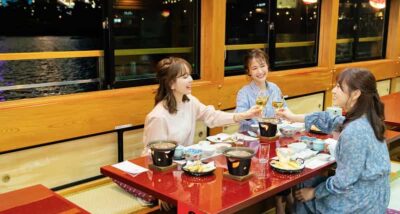
Sumida River: Japanese Traditional Yakatabune Dinner Cruise
Read our review →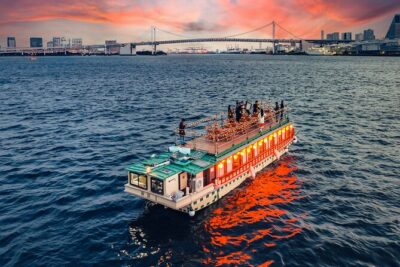
Tokyo Bay Yakatabune Dinner/Day Cruise with Japan Show and Drinks
Read our review →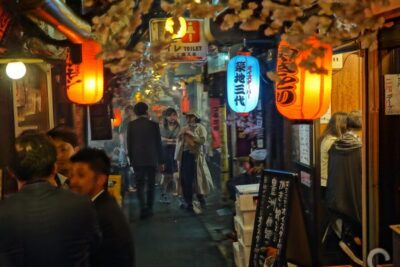
Shinjuku Bar Hopping with All-You-Can-Drink & Dinner
Read our review →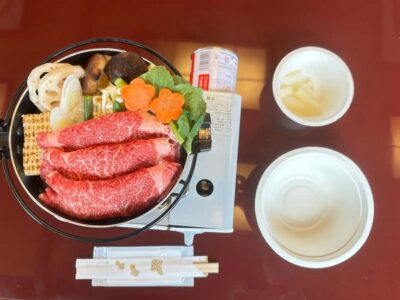
Tokyo Dinner Cruise & Tradition Show & Drinks & Tokyo Tower
Read our review →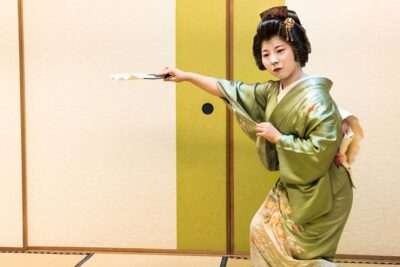
Authentic Geisha Performance with Dinner in Tokyo
Read our review →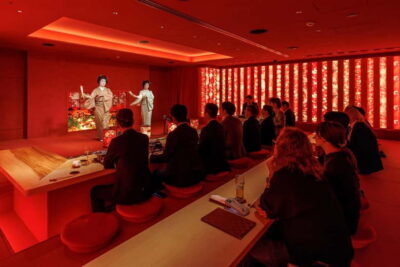
Traditional Geisha Experience Show & Japanese Dinner
Read our review →Browse the lists this tour appears in