
Reviewed · NIKKO DAY TRIPS FROM TOKYO
Nikko: Edo Wonderland Edomura Cultural Theme Park Ticket
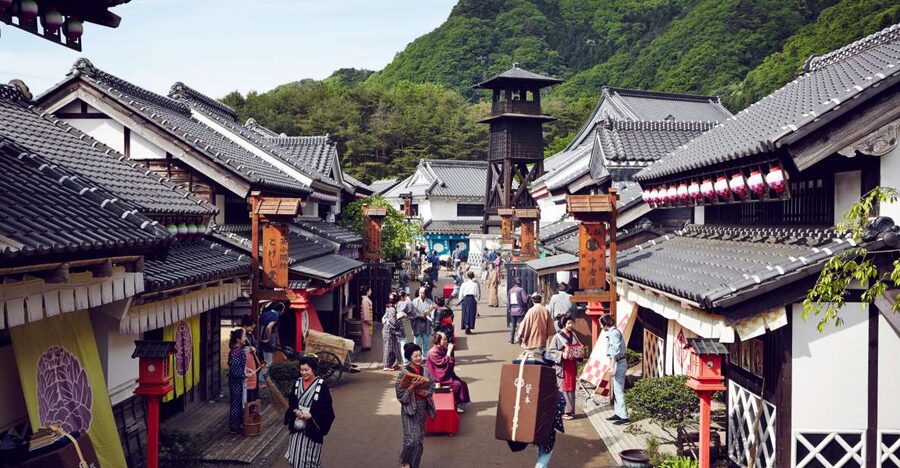
Edo Wonderland turns a day in Nikko into a trip through old Japan, with wooden streets, theatrical shows, costumes, sword practice, ninja puzzles, and food from the Edo period. The ninja theatre is the big draw, but the park works best when you slow down and try several smaller activities.
I like the chance to dress as a samurai, lord, princess, or another Edo citizen, then wander through the traditional buildings for photos. I also like the mix of polished performances and hands-on activities, including the free sword area and ninja training hall. The main drawback is language: most shows are in Japanese, and English signs and explanations can be limited.
Key points to know before you go
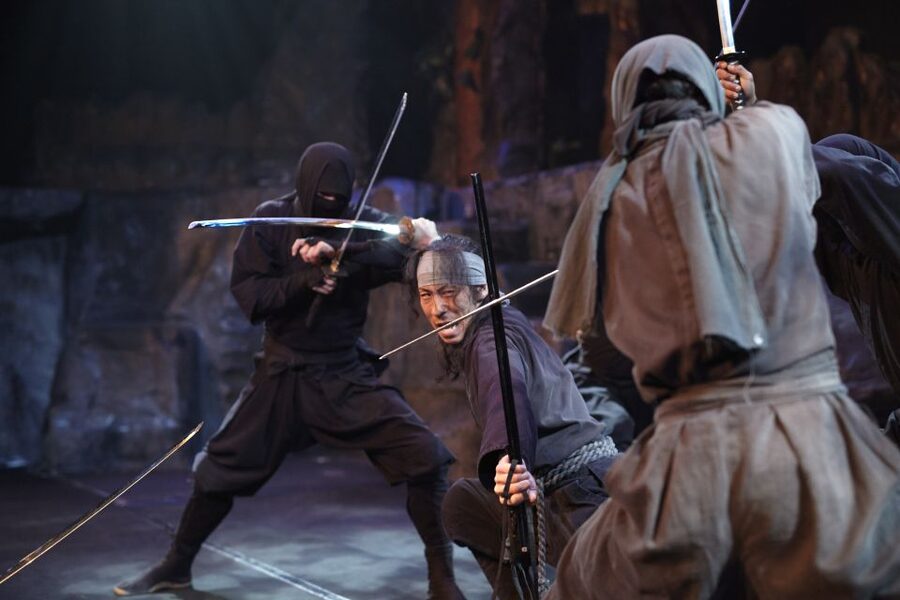
- Ninja action is the star attraction: Plan around the Shinobi performance, which combines martial arts, comedy, and stage action that is easy to follow even without Japanese.
- Costumes make the park special: Kimono rental costs extra, but dressing up turns a simple theme park visit into a full photo experience.
- Free activities fill up quickly: Register early for samurai training and check the day’s schedule as soon as you enter.
- The park needs a full day: Your ticket covers the theatres, exhibits, free activities, maze, and children’s work experiences.
- Getting there takes planning: From Tokyo or Shinjuku, the journey can take two to three hours, with limited shuttle service from the Nikko area.
- Bring cash: Food, games, rentals, and some workshops cost extra, and there is no ATM inside the park.
Entering a town from Japan’s Edo period
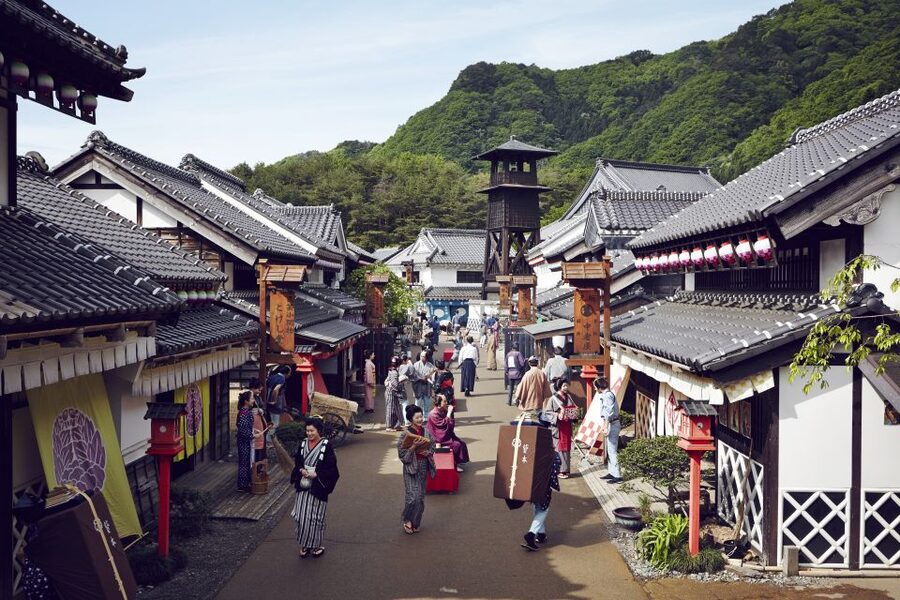
Edo Wonderland, officially called Edo Wonderland Nikko Edomura, is built as a working stage set of the Edo period, the era when Japan was ruled by the shogunate from the early 1600s to the mid-1800s. You pass through traditional-style streets and buildings, then spend the day moving between theatres, exhibits, shops, restaurants, and playful attractions.
The setting is one of the park’s strongest features. It sits in the Nikko area, surrounded by mountains and greenery, so the atmosphere feels calmer than a large city amusement park. The wooden architecture, narrow streets, and costumed staff give you plenty of good photo angles, especially if you rent a kimono.
The entrance ticket costs about $35 per person and is valid for one day from first activation. That is a fair price if you plan to see several shows and use the included attractions. It is less attractive if you only have two or three hours, since the journey from Tokyo can take most of a morning.
Your ticket includes entry, theatres, performances, exhibits, the maze, the ninja training hall, the free sword activity, and children’s Edo work experiences. Kimono rental, food, games, and special workshops such as woodblock printing, indigo dyeing, and Daruma painting cost extra.
More Nikko day trips from Tokyo:
- Nikko: Kegon Falls, Lake Chuzenji & Toshogu Temple
★ 4.6 · 1,577 reviews - Tokyo: Nikko Toshogu Shrine and Kegon Waterfall Tour
★ 4.5 · 1,266 reviews - From Tokyo: Nikko World Heritage Site Private Full-Day Trip
★ 4.9 · 243 reviews
Plan your day around the live shows
The park’s schedule matters. You can wander freely between performances, but you will get more from the ticket if you check the show times at the start and build your route around them.
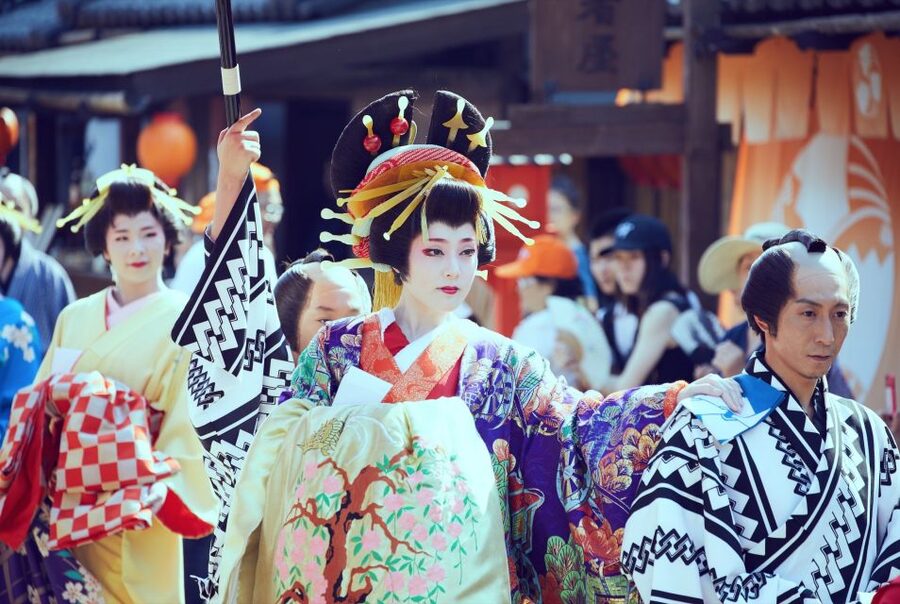
The Shinobi or ninja show is the performance to protect time for. It features fast action and theatrical swordplay, with enough visual comedy and movement to follow even if you speak no Japanese. The ninja show earned the strongest praise from several people who made it the highlight of the day.
Other performances include an Oiran cultural show, water magic, and traditional plays. The Oiran presentation offers a slower look at the world of a high-ranking courtesan, with attention to movement, costume, and ceremony. The water magic show adds a lighter, more unusual element to the programme.
You should not expect a Western-style theme park show with every line translated. Much of the dialogue is Japanese, and English explanations can be sparse. Still, the physical acting, gestures, costumes, and clear stage action make the main performances fairly easy to understand.
Try to arrive early enough to collect a schedule and get your bearings. One practical complaint is that the show buildings are not always clearly numbered, so allow time to find each theatre. If you miss a performance, you may have to wait for the next scheduled showing.
Rent a kimono and become an Edo citizen
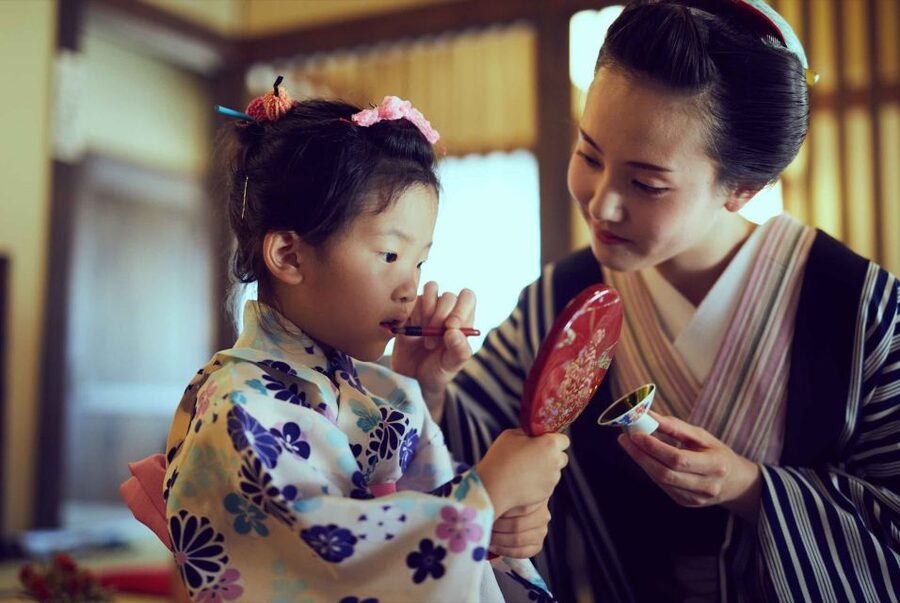
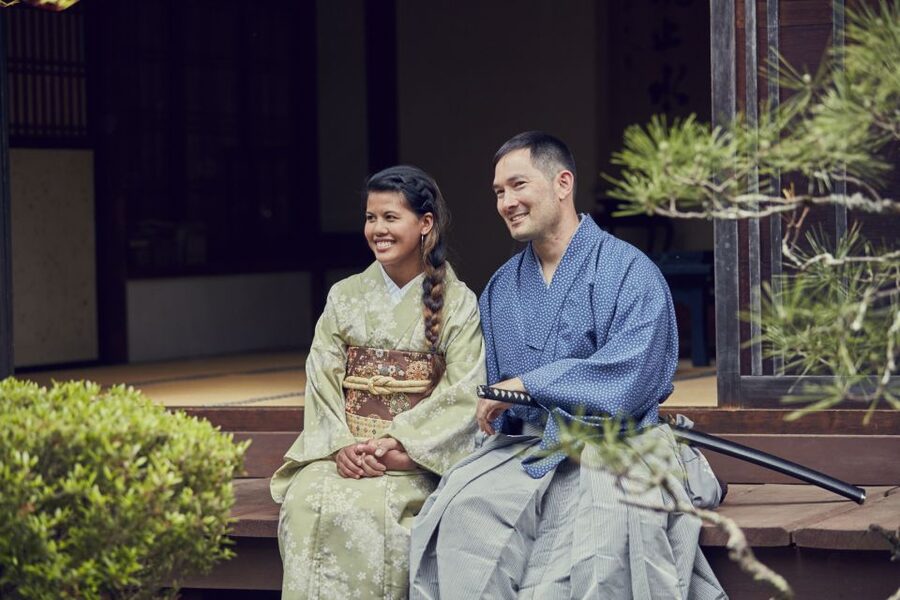
Kimono rental is not included, but it can change the feel of the entire visit. You can choose a style linked to a role such as lord, samurai, princess, farmer, or another Edo citizen. After changing, you are no longer simply walking through the park. You become part of the scene.
This is especially good for families, couples, and anyone who enjoys photography. The traditional buildings provide a ready-made backdrop, and the mountain setting gives the pictures more variety than an indoor costume studio. A rental also makes the smaller details of the park more fun because you are dressed for the period.
Allow extra time and budget for the costume. The clothing may feel warm in summer, and one person specifically advised renting a costume even on a hot day because it added so much to the visit. You do not need a costume to enjoy the shows, but it is one of the clearest ways to get the full Edo Wonderland experience.
The costume choices also help children understand social roles from the period. They can pretend to be samurai or members of a lord’s household, while adults can choose a more formal look. This playful approach is not a substitute for a museum, but it makes historical ideas easier to remember.
Try sword skills, archery, shamisen, and Edo crafts
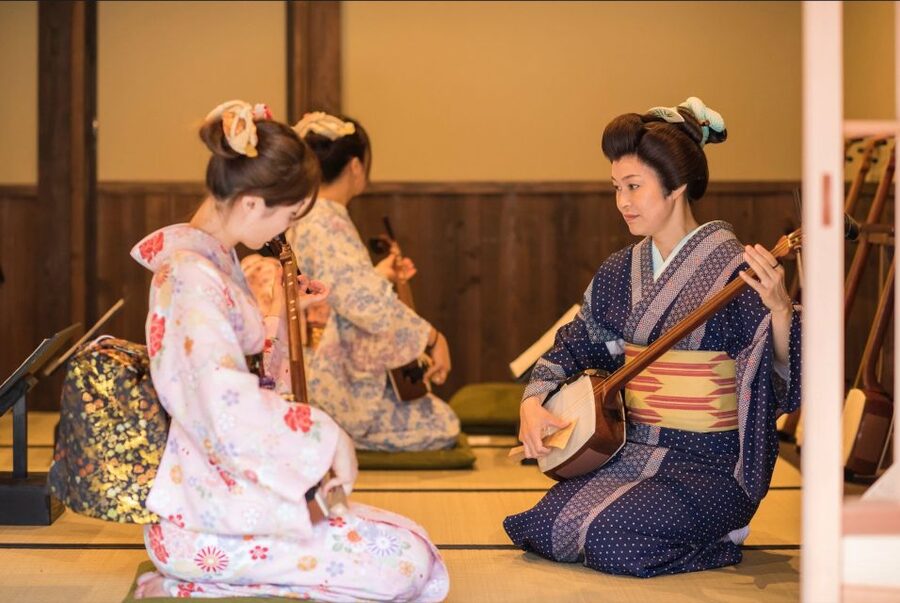
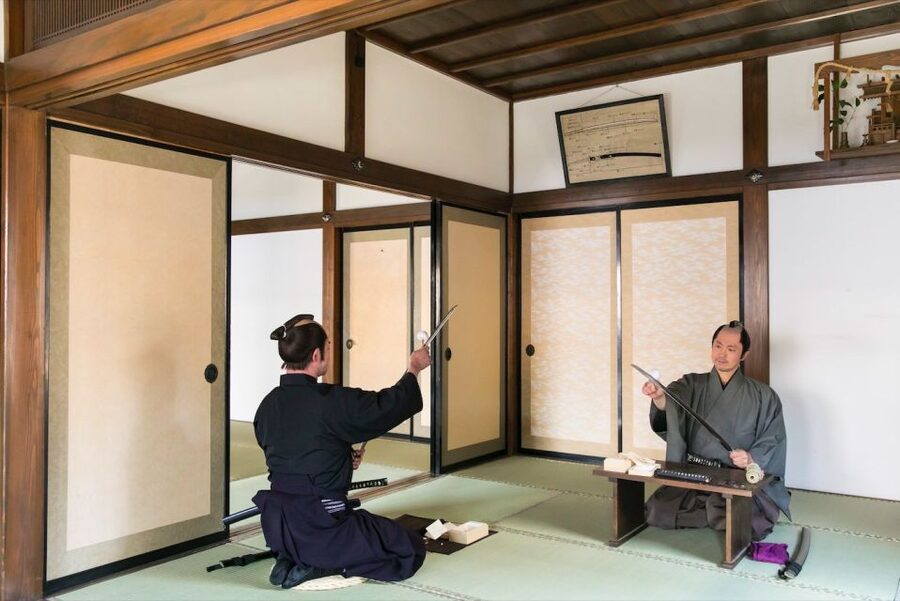
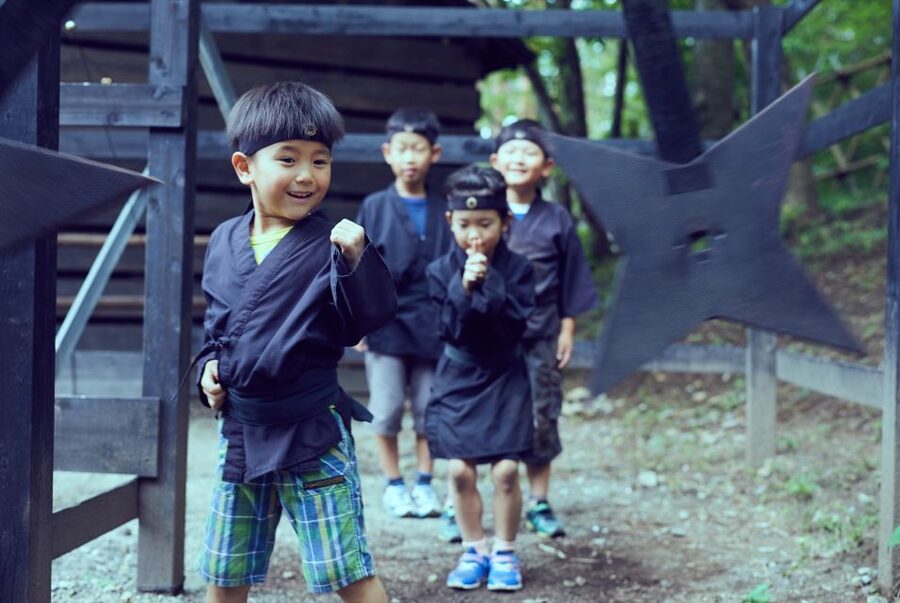
The included sword and ninja activities are a good starting point. The free sword area gives you a simple introduction to samurai technique, while the ninja training hall focuses on playful physical challenges. The mysterious ninja house uses tilted rooms and visual tricks to make the floor seem to break the usual rules.
The mechanical maze is another included attraction. It is not a major thrill ride, but it adds variety between shows and works well for families. Children can also take part in Edo work experiences, though some children’s workshops have limited sessions and require same-day registration.
Additional activities cost extra. Depending on the day, you may be able to try:
- Samurai sword handling
- Traditional archery, including horseback archery themes
- Shamisen, the three-stringed Japanese instrument
- Handmade beni lipstick application
- Ukiyo-e woodblock printing
- Aizome indigo dyeing
- Daruma painting
- Samurai etiquette
These workshops give you more than a photo opportunity. They show how work, craft, music, dress, and manners shaped daily life in Edo Japan. Check the schedule and fees before committing, since not every activity is included and some sessions may not run every day.
Samurai training can fill quickly. If it is important to you, register as soon as you enter rather than assuming you can sign up later. Children’s ninja, police, and samurai workshops also have limited places and same-day registration.
More Tokyo tickets and entries:
- Tokyo: teamLab Planets TOKYO Digital Art Museum Entry Ticket
★ 4.6 · 9,779 reviews - Tokyo: Hop-On Hop-Off Sightseeing Bus Ticket
★ 3.9 · 4,207 reviews - Tokyo: Japanese Dance Cabaret Theater Asakusa-Kaguwa Ticket
★ 4.8 · 2,270 reviews - Tokyo Skytree Admission Ticket with Tembo Deck and Galleria
★ 4.0 · 589 reviews
Explore exhibits between the performances
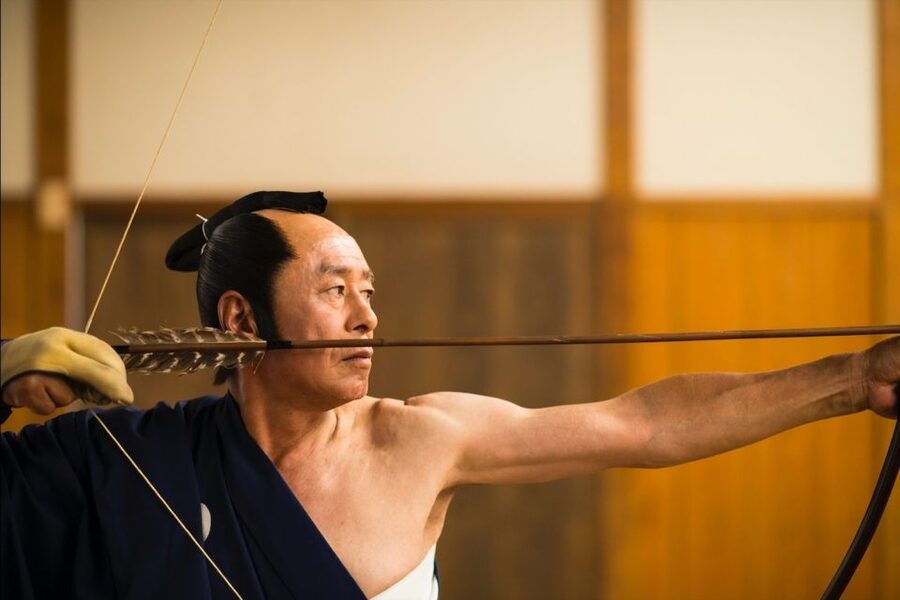
The exhibits help add context to the theatrical side of the park. Look for displays about Edo firefighters and swordsmiths, along with exhibits that explain tools, crafts, and customs from the period.
These displays are most useful when you pair them with an activity. After watching a sword performance, an exhibit about swordsmithing gives you a better sense of the work behind the weapon. After seeing costumed actors in the streets, the displays can help separate historical practice from stage entertainment.
English information is not available everywhere. If you depend on detailed written explanations, you may find the park frustrating at times. The strongest parts of the experience are visual and practical, while the academic side is lighter.
That balance explains who will enjoy the park most. If you want a formal museum with extensive English interpretation, this is not the right choice. If you want to see Edo culture through costumes, theatre, buildings, and simple hands-on activities, the format works very well.
Eat ramen, mochi, shaved ice, and seasonal Edo dishes
Several restaurants serve food inspired by the Edo setting, with seasonal menus, sweets, and drinks. Ramen, mochi, and shaved ice are among the foods available, and prices have been described as reasonable for a park.
Food gives you a useful break from the shows and walking. The restaurants also help keep the day from feeling like one long performance schedule. You can stop for a meal, then return to the theatres or explore another street.
Bring cash. Food and drinks are not included, and there is no ATM inside the park. Credit card payment may not be available at all points, so withdrawing money before you arrive is the safer plan.
Vegetarian choices may be limited. If you have strict dietary needs, check what is available before relying on the park restaurants for your main meal. The supplied information does not promise a broad range of special-diet menus.
Getting from Tokyo to Nikko and Edo Wonderland
The journey is the part you need to plan most carefully. From Tokyo’s Shinjuku or Asakusa areas, allow two to three hours each way. That makes Edo Wonderland a long day trip, not a quick side visit.
The most direct route is usually the Tobu limited express from Asakusa to Kinugawa Onsen Station. From there, follow the current local transport information to Edo Wonderland. Check the route and departure times before leaving Tokyo, because connections matter.
The shuttle service from the Nikko area is limited. One practical account describes missing an 11:30 a.m. bus and waiting almost an hour for the next one. Another notes that the free shuttle may run only every two hours. Arrive at the station early and confirm the shuttle schedule rather than building your morning around a tight connection.
JR Pass holders can use the Shinkansen from Tokyo to Utsunomiya, change to a local train at JR Nikko Station, and then take the free shuttle bus to the park. This route can involve several changes and may take longer than expected.
For that reason, staying in Nikko or nearby makes the visit easier. You can reach the park earlier, avoid a tiring late return to Tokyo, and leave time for Nikko’s other sights. If you make the trip from Tokyo in one day, start early and accept that the transport may be more tiring than the park itself.
Who will enjoy Edo Wonderland most
Families have plenty to do here. Children can dress up, explore the maze, enter the ninja training hall, watch swordplay, and sign up for children’s Edo work experiences. The park is also child-friendly in its layout and mix of activities.
Adults without children can have a good time too, especially if you enjoy Japanese theatre, photography, costume, or historical settings. The Shinobi show and samurai activities give the day enough energy for adults, while the exhibits and craft workshops add substance.
The park is less suitable if you dislike scheduled performances, costume attractions, or Japanese-language theatre. It is also a poor fit for a rushed Tokyo itinerary. The ticket becomes good value when you stay long enough to see multiple shows and use several included attractions.
The park is wheelchair accessible, though the exact ease of each activity may vary. If mobility support is important for your visit, confirm the details before you go.
Is the $35 ticket good value?
At about $35, the ticket is reasonably priced for a full day of access. You receive the main performances, theatres, exhibits, ninja training hall, sword activity, maze, and children’s work experiences without paying an admission fee for each one.
The total cost rises with kimono rental, food, games, and paid workshops. That is not unusual for a theme park, but you should decide in advance which extras matter most. For many people, the costume is a better use of extra money than several small games because it adds to the entire day.
The value is also tied to transport. A low ticket price does not make the day cheap if you need costly train tickets, an early start, and a long return journey. The park makes more sense as part of a Nikko stay, or as a deliberate full-day outing rather than an add-on squeezed between Tokyo plans.
Free cancellation up to 24 hours before the visit and reserve-now, pay-later booking can help if your schedule is still changing. The ticket is valid for one day from activation.
My verdict: book it if you want culture with play
I would book Edo Wonderland if you want to see Edo-era Japan through performance, dress, food, and practical activities rather than only reading museum panels. The ninja show, kimono photo sessions, traditional streets, and free training areas give the day a clear sense of purpose.
Book it with realistic expectations. English support is limited, some activities cost extra, workshops can fill early, and transport from Tokyo takes work. If you stay in Nikko, arrive early, bring cash, and check the performance schedule, the $35 ticket can deliver a full and memorable day.
FAQ
How long is the Edo Wonderland ticket valid?
The ticket is valid for one day from the time you first activate it.
What does the entrance ticket include?
It includes admission, access to exhibits, theatres, performances, the free sword activity, ninja training hall, the maze, and children’s Edo work experiences.
Is kimono rental included?
No. Kimono rental is an additional cost.
Are food and drinks included?
No. Food and drinks must be paid for separately. The park offers seasonal Edo cuisine, sweets, and drinks.
Are the workshops included?
Some activities are free, including the sword and ninja training areas. Woodblock printing, indigo dyeing, and Daruma painting are additional experiences. Other workshops may also carry an extra fee.
How far is Edo Wonderland from Tokyo?
The journey from Tokyo’s Shinjuku or Asakusa areas takes about two to three hours. The exact time depends on your train and shuttle connections.
What is the most direct train route?
The most direct route is the Tobu limited express from Asakusa to Kinugawa Onsen Station. Check the current connection and shuttle information before you leave.
Is Edo Wonderland wheelchair accessible?
Yes, the activity is listed as wheelchair accessible. Some individual activities may have their own practical limitations, so check details before booking if you need specific assistance.
Newly reviewed around Tokyo
- Tokyo Asakusa:Calligraphy & Make T-shirt Activity★ 5.0 · 62 reviews
- Intercity Shuttle, Tokyo to Haneda /Narita /Yokohama /Makuhari★ 5.0 · 5 reviews
- 1 Hour Travel around Tokyo with a Professional Photographer★ 5.0 · 3 reviews
- Travel Tokyo with Your Own Personal Photographer★ 5.0 · 43 reviews
- Kickboxing & Body Training with EX-Pro Fighter★ 5.0 · 4 reviews
- Train in Samurai Swordsmanship and Defeat the Demon in Tokyo★ 5.0 · 5 reviews
- Shuttle Van 6hr Tokyo Tour to-and-from Tokyo, Yokohama and Narita★ 5.0 · 9 reviews
- Traditional Japanese Knife Sharpening Class★ 5.0 · 18 reviews
Nikko Day Trips from Tokyo, compared.

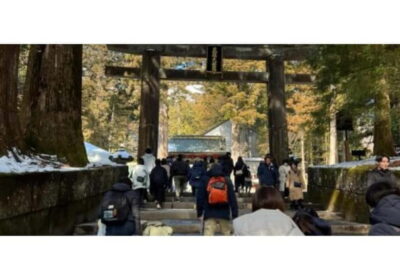
Nikko Toshogu Shrine and Kegon Waterfall Tour
Read our review →
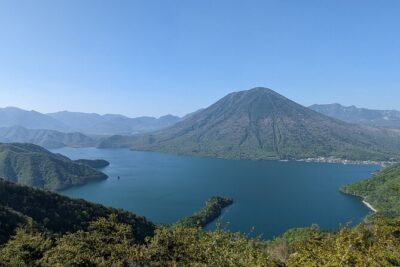
Chartered Private Tour – Tokyo to Nikko, Toshogu, Edo Wonderland
Read our review →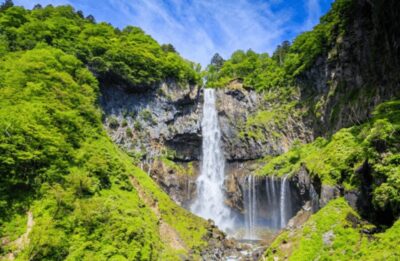
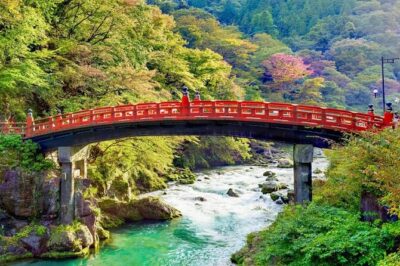
One Day Private Tour to Nikko With English Speaking Driver
Read our review →
Browse the lists this tour appears in