
Reviewed · TOKYO BAR HOPPING TOURS
Tokyo: Izakaya Bar at Bistro Fukumimi, Ginza Corridor
Tokyo’s Ginza Corridor is an ideal place for an izakaya meal, and Bistro Fukumimi gets right to the point with expertly grilled yakitori and kushiyaki. You choose a two-hour restaurant course, enter on your own, and settle in for skewers, mackerel, chicken dishes, and rice porridge.
I like the wide range of skewers, from chicken meatballs and crispy skin to beef tongue and pork belly. I also like the chance to pair the food with sake, beer, or an all-you-can-drink option. The tradeoff is that this is a lively, noisy restaurant rather than the polished dining room suggested by some of the photographs.
Key points
- A true izakaya-style dinner: Expect a lively Ginza setting, friendly service, and a meal built around grilled food and drinks.
- Two course sizes: The Fukumimi Course includes seven assorted skewers, while the Kushiyaki Satisfaction Course includes 12.
- Skewer highlights: Beef tongue, beef harami, chicken meatballs, negima, chicken skin, wings, mackerel, and seasonal selections may appear.
- Drinks can change the value: Choose food only, or add all-you-can-drink service for a longer evening of sake, beer, and other beverages.
- No guide or tour activity: This is a restaurant reservation. You go directly inside at your reserved time.
- A short Ginza dinner: Seats are held for up to two hours, making this easy to fit into an evening in central Tokyo.
A Ginza izakaya meal, not a guided tour
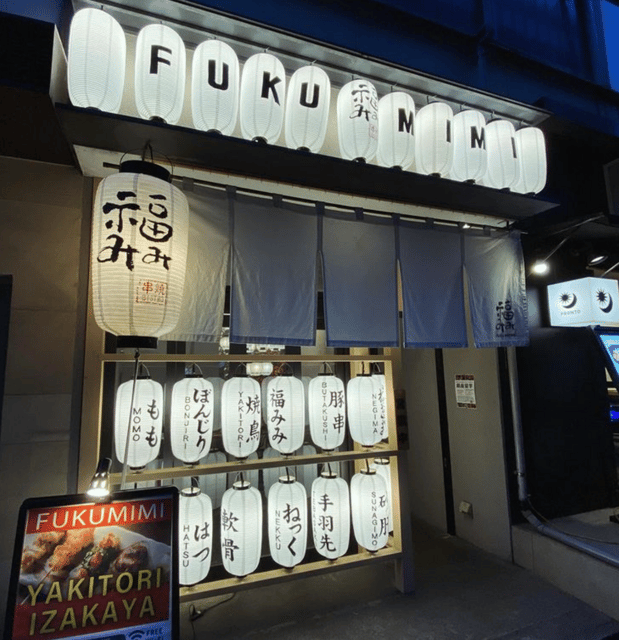
Bistro Fukumimi is in Tokyo’s Ginza Corridor, an area known for compact restaurants, after-work meals, and late-night food stops. The experience is simple: make a reservation, find the restaurant, and enter at the appointed time.
That distinction matters. This is not a food walk, cooking class, or hosted tasting. There is no guide to explain each dish, introduce the neighborhood, or help you order. You receive a reserved table and a set restaurant course, then manage the evening yourself.
For me, that simplicity is part of the appeal. You can enjoy a proper Japanese dinner without spending time studying a large menu. The course arrives in stages, and the grill master selects the assorted skewers. You still get the feel of an izakaya, but with less guesswork.
The meeting point is described as diagonally across from Starbucks. Because Ginza has several Starbucks locations, use your reservation information carefully and allow a little time to find the correct entrance. At the reservation time, enter the restaurant directly. Do not wait outside for a guide.
More things to do in Ginza:
- Chopstick Making Workshop in Ginza
★ 4.8 · 1,366 reviews - Tokyo: Art Aquarium Museum GINZA Entry Ticket
★ 4.5 · 278 reviews - Official Japan Go-Kart Through Tokyo Bay / Ginza (IDP Required)
★ 4.5 · 71 reviews
What the two-hour dinner includes
The meal is built as a full course rather than a single plate of yakitori. The exact presentation may vary, but the listed Fukumimi Course begins with homemade apple cream cheese and crackers, followed by the day’s salad and seared mackerel, known as shimesaba.
That opening gives you a useful contrast. The apple cream cheese is a gentle, slightly sweet start, while the mackerel brings the sharper, more savory side of Japanese izakaya food. If you are new to Japanese dining, shimesaba is worth trying, though its cured flavor may be stronger than the familiar grilled fish served later in the meal.
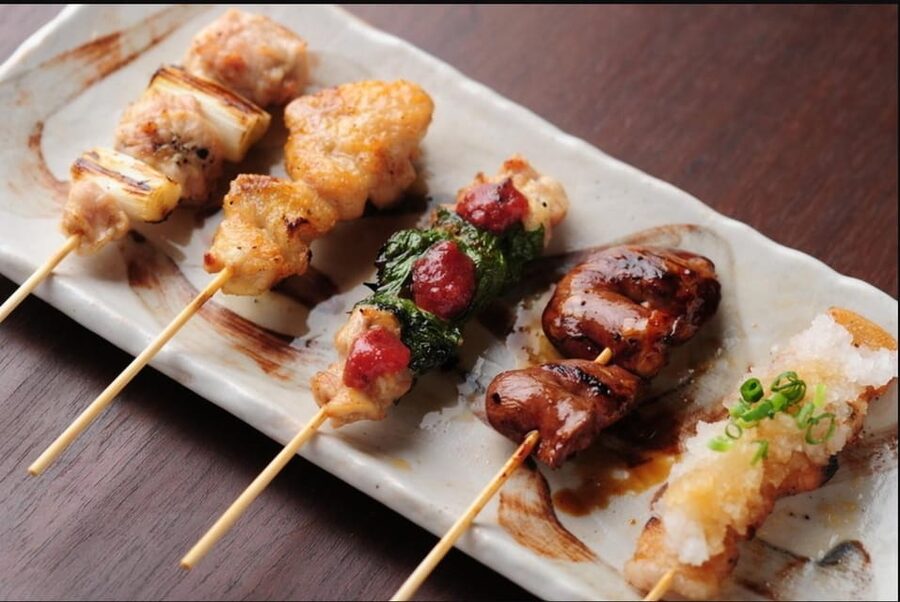
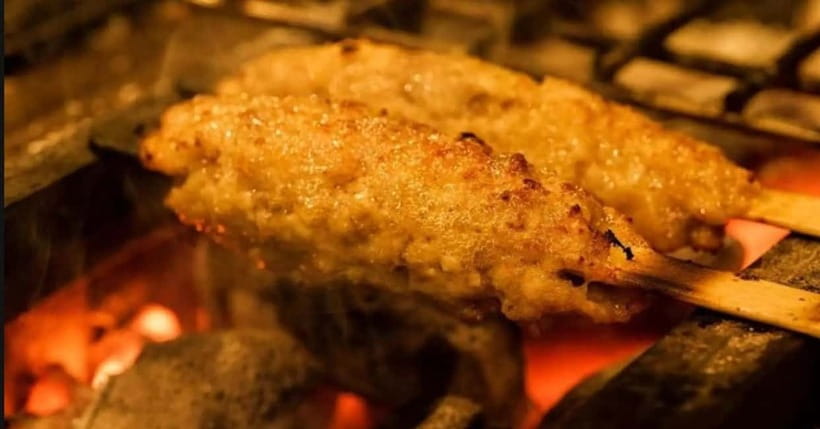
The standard course includes seven assorted skewers selected by the grill master. Along with those seven, the menu lists a beef harami skewer, beef tongue skewer, Man’s tsukune chicken meatball skewer, negima with chicken and leek, chicken skin, chicken wing, and grilled tomato.
The wording can be confusing because the course lists seven assorted skewers and then names seven skewer types. Think of this as a guided selection from the kitchen rather than a menu where you choose each individual stick. The restaurant decides the assortment, which lets you try several cuts without having to know every Japanese term.
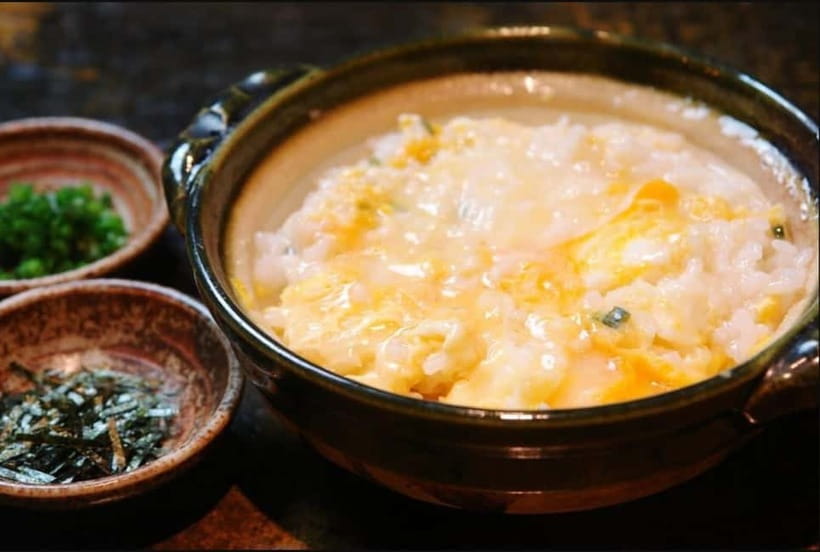
The meal finishes with Golden Tartar Chicken Nanban, fried chicken served with tartar sauce, followed by chicken broth rice porridge, called tori takikomi gohan. That final bowl is especially useful after a long evening of drinks. It gives the meal a warm, filling finish instead of ending on grilled meat alone.
A bottle of sparkling sake is included per group with the listed Fukumimi Course. Check the exact option you select, since the food-only and all-you-can-drink courses are separate choices.
Choosing between seven and 12 skewers
The Fukumimi Course is the better fit if you want a varied dinner without making the meal too long or heavy. Seven assorted skewers, beef, chicken, fish, fried chicken, and rice porridge make this a substantial two-hour meal for most diners.
The Kushiyaki Satisfaction Course adds 12 assorted skewers. It includes the same opening salad and seared mackerel, then expands the grill selection with chicken cartilage, pork belly, bonjiri, cheese mochi, and a garlic sprout-wrapped skewer.
I would choose the 12-skewer version if yakitori is the main reason you are booking. Chicken cartilage has a firmer texture, pork belly is more fatty, and bonjiri, taken from the chicken tail, is particularly rich. Cheese mochi adds a softer, chewy change from the meat, while the garlic sprout-wrapped skewer brings a sharper vegetable note.
The smaller course makes more sense if you have other dinner plans, prefer a lighter meal, or want to leave room for another stop in Ginza. The larger course offers more variety, but it also means more grilled food in a fixed two-hour sitting.
The grill is the heart of the experience
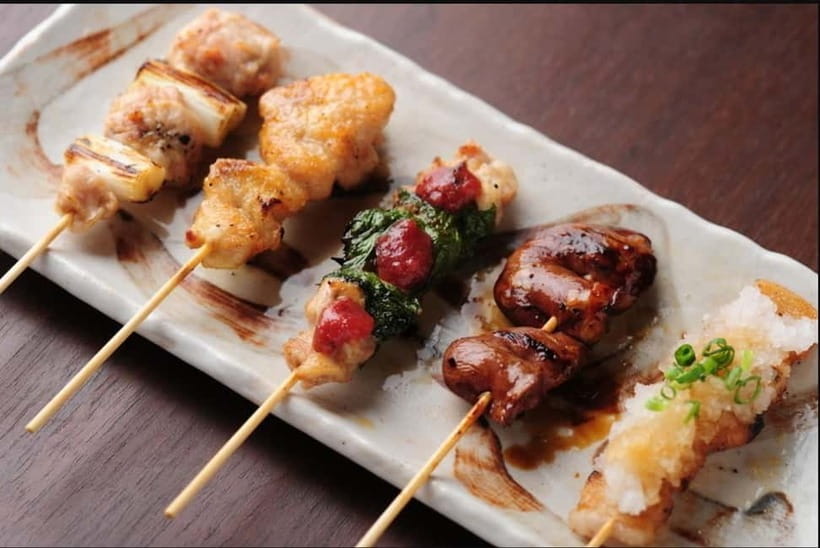
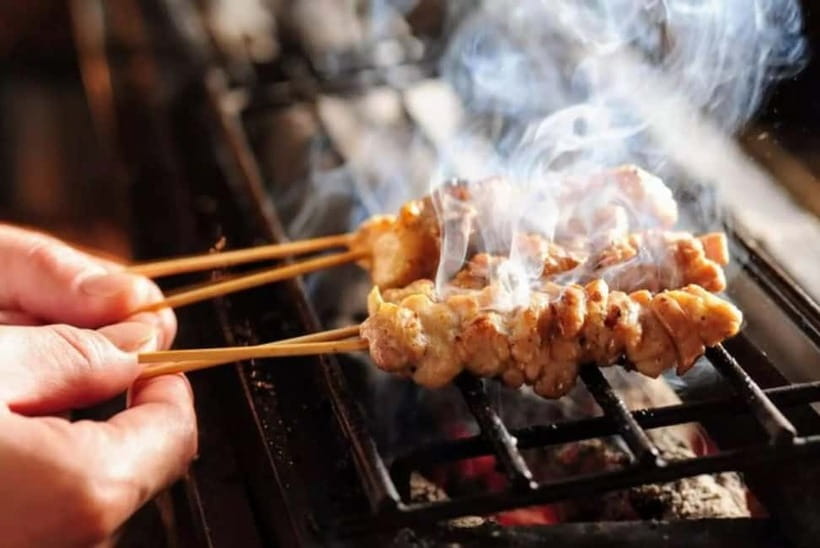
Yakitori is easy to describe and surprisingly easy to get wrong. The meat needs careful heat control, and small differences in texture matter. Bistro Fukumimi presents its skewers as the work of certified yakiniku masters, with the grill treated as the central skill of the meal.
The strongest part of the menu is its range of chicken cuts. You are not limited to breast or thigh meat. The chicken meatball skewer, chicken skin, wings, cartilage, and tail each bring a different bite. That variety is one reason this course works well for someone trying izakaya food for the first time.
The beef skewers help break up the chicken. Beef tongue has a firm, springy texture, while beef harami is a more familiar beef cut with a fuller bite. The listed grilled mackerel adds another useful contrast, especially for anyone who wants seafood alongside the skewers.
A published dining experience cannot guarantee that every selected skewer will suit every palate. The grill master chooses the assortment, and the photos are for reference only. If you have a strong dislike of offal, fatty cuts, or unusual chicken parts, leave a note about dietary restrictions during checkout and be prepared for the selection to vary.
One especially positive detail from the dining feedback is the liver. It was described as so tender it nearly melted. Liver is not listed in every course description, so do not assume it will be served, but it shows why the kitchen’s less obvious cuts can be worth trying.
More Tokyo bar hopping nights:
- Tokyo Bar Hopping Tour in Shinjuku (All-You-Can-Drink + Dinner)
★ 5.0 · 3,587 reviews - Best of Shinjuku: Izakaya Food Tour (4 Stops, 14+ Tastings)
★ 5.0 · 1,863 reviews - Tokyo: Shinjuku Local Bar and Izakaya Guided Walking Tour
★ 4.9 · 1,794 reviews - Shibuya Meltdown Nightlife Tour: All-You-Can-Drink Bar Hopping
★ 5.0 · 1,058 reviews
The room is lively, casual, and louder than the photos
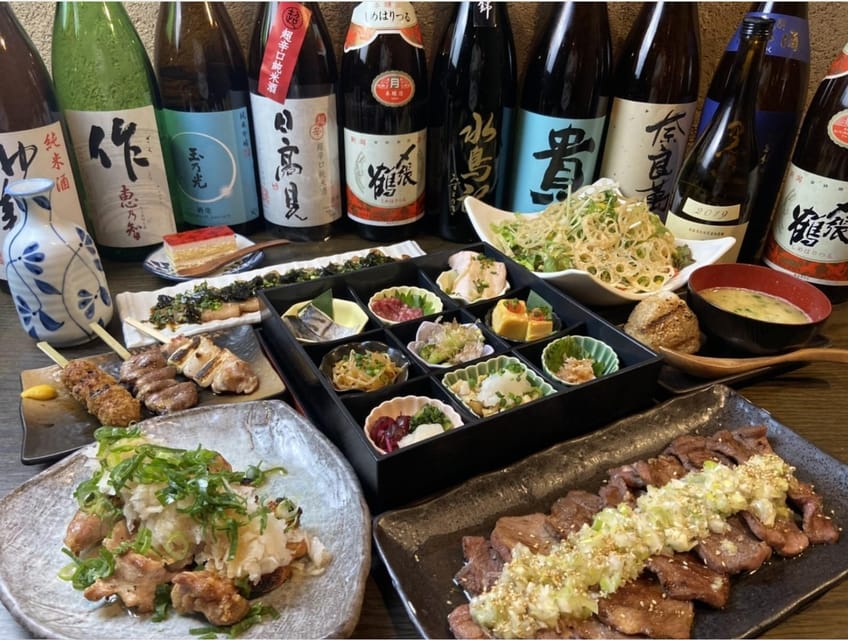
The atmosphere is meant to capture Tokyo nightlife, not quiet fine dining. You can expect the sound of conversation, restaurant activity, and an energetic izakaya setting.
One practical warning is important: the room may feel more old-school and informal than the photographs suggest. That is not necessarily a problem. In fact, the urig atmosphere, friendly staff, and noise are part of the appeal if you want a genuine neighborhood-style drinking-and-dining experience.
If you are hoping for a sleek Ginza restaurant with soft lighting and long, quiet courses, this may not be your best choice. If you want to sit down after sightseeing, order drinks, and eat grilled food in a busy room, the setting should suit you.
The service has received a warm response, with staff described as friendly and welcoming. No individual staff names are provided, so you should not expect a named chef or personal guide. The important service detail is that the grill team handles the skewers and the restaurant manages the course for you.
Sake, beer, and the all-you-can-drink choice
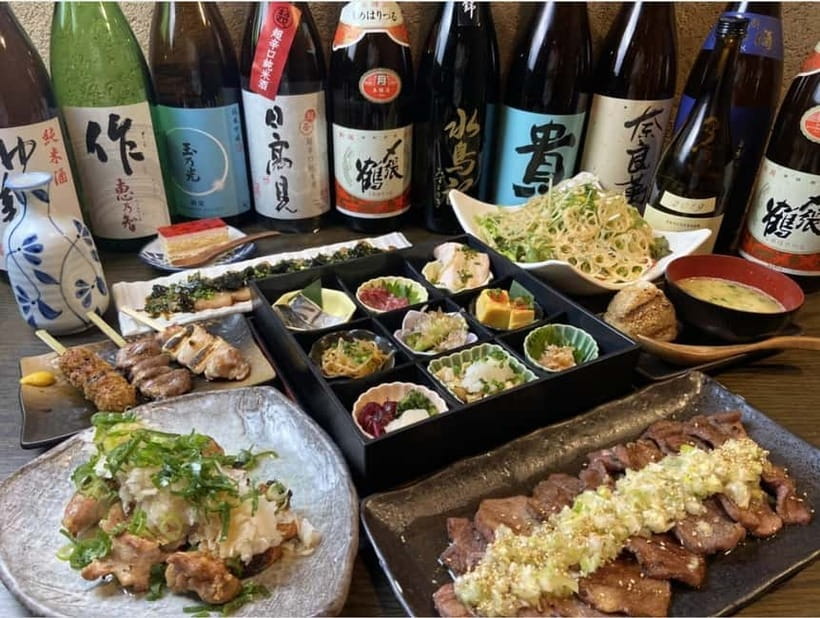
The meal is designed to go with drinks. Local sake and beer are natural partners for salty grilled meat, and sparkling sake is included with the listed course options at one bottle per group.
Mio sparkling sake has received special praise for its sweet, smooth, easy-drinking character. If you are new to sake, that style can be a gentler introduction than a dry or strongly flavored pour. It also pairs easily with fried chicken and grilled skewers.
The all-you-can-drink option can make sense if everyone in your group plans to have several drinks during the two-hour reservation. It is less useful if only one person drinks, if you prefer a single bottle of sake, or if you want to keep dinner short and focused on the food.
Japan’s legal drinking age is 20. Anyone under that age should not order alcohol, and children under eight are free of charge according to the booking information. Children aged eight and above must order the regular course. Since the setting is lively and centered on alcohol, I would consider the atmosphere carefully before bringing a young child.
A note about the WAGYU promise
The experience information presents Bistro Fukumimi as a WAGYU-focused restaurant and highlights the pairing of wine with WAGYU. At the same time, the detailed course descriptions focus on yakitori, kushiyaki, beef tongue, beef harami, chicken, pork, mackerel, and other grilled items.
That means you should check the exact course wording before booking if WAGYU is your main reason for going. The listed menus do not clearly promise a dedicated WAGYU serving in every option. The experience is safest to view as a yakitori and kushiyaki course with beef specialties, rather than as a guaranteed WAGYU tasting.
This is a useful distinction when comparing it with a steak restaurant. You are paying for variety and the izakaya format, not simply a large cut of premium beef.
Is $41 a fair price?
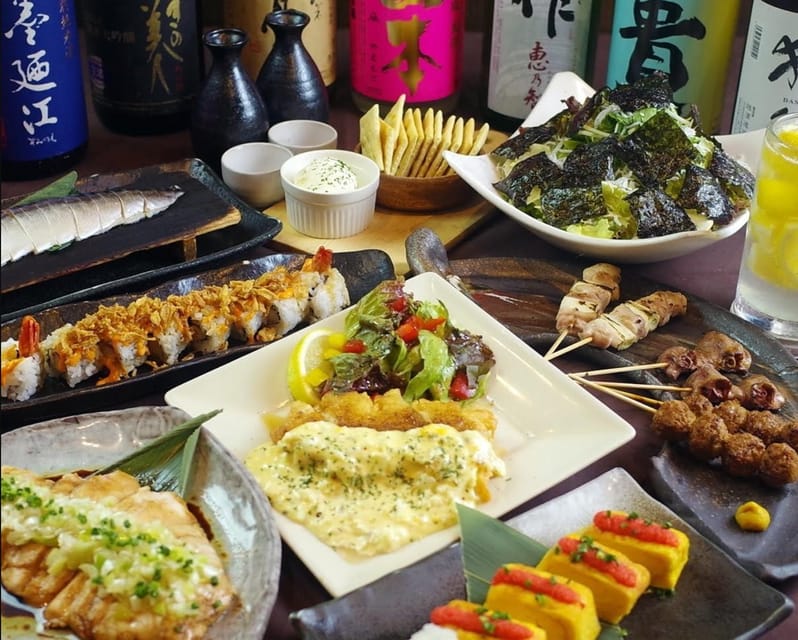
At about $41 per person, the value depends on the course and your drink plans. You receive a complete meal, reservation, taxes, and either the food portion of the chosen course or the added all-you-can-drink service, depending on your selection.
For central Ginza, a set dinner with several courses and a two-hour reserved seat can be a practical way to control spending. You know in advance that the meal includes more than a few skewers, and the all-you-can-drink choice can help if you plan to order several beverages.
The price is less compelling if you want a quiet, highly formal meal or if you are interested only in premium WAGYU. In that case, compare the exact menu before booking. The best value here comes from the spread of flavors: cured mackerel, multiple chicken cuts, beef, fried chicken, rice porridge, and drinks.
I also like that the course removes the pressure of ordering dish by dish. You can sit down and let the restaurant set the pace. The limit is the two-hour seat reservation, so this is a planned dinner rather than a place to linger all night.
Who should book this dinner?
I would recommend Bistro Fukumimi to you if you want your first easy introduction to an izakaya. The course gives you a broad sample of grilled Japanese food, and the drink options make the meal feel like an evening out rather than a quick restaurant stop.
It also suits couples and small groups who want a central Tokyo dinner with a fixed structure. The 12-skewer course is a good pick for people who enjoy trying unusual cuts and textures. The seven-skewer version is better for a lighter appetite or a busy evening schedule.
I would hesitate if you need guaranteed quiet, a specific seat, or complete control over every skewer. Specific seat types cannot be guaranteed, and the grill master chooses the assorted skewers. Dietary restrictions should be noted during checkout, but the menu remains centered on meat, fish, and shared course service.
To cancel for a full refund, do so at least three days in advance. That rule is worth noting because the restaurant holds seats for a fixed period and prepares a set course.
Should you book Bistro Fukumimi?
Book it if you want a lively two-hour Ginza izakaya dinner with plenty of grilled variety, friendly service, and the option to drink sake or beer without navigating a large menu.
Choose the larger course if skewers are your priority. Choose the smaller course if you want a balanced meal and plan to continue your evening elsewhere. Go in expecting an informal, noisy room rather than the polished dining space shown in some photographs.
The main question is WAGYU. If you require a guaranteed WAGYU meal, confirm the selected menu first. If your goal is authentic-feeling yakitori, kushiyaki, mackerel, chicken nanban, rice porridge, and a taste of Tokyo’s after-work food culture, this reservation offers solid value at $41.
FAQ
Is this a guided food tour?
No. This is a restaurant reservation only. You enter Bistro Fukumimi directly at your reserved time, and no guide is provided.
How long is the reservation?
The experience lasts two hours, and seats are reserved for a maximum of two hours.
Where is Bistro Fukumimi located?
It is in Tokyo’s Ginza Corridor in Japan. The meeting point is described as diagonally across from Starbucks.
What food is included in the Fukumimi Course?
The course includes homemade apple cream cheese with crackers, salad, seared mackerel, assorted skewers, beef skewers, chicken skewers, grilled tomato, chicken nanban, and chicken broth rice porridge. The detailed skewer selection is chosen by the grill master.
What is different about the Kushiyaki Satisfaction Course?
It includes 12 assorted skewers instead of the seven-skewer selection in the Fukumimi Course. Added items may include chicken cartilage, pork belly, bonjiri, cheese mochi, and garlic sprout-wrapped skewers.
Are drinks included?
Drink inclusion depends on the option selected. Courses are available with food only or with all-you-can-drink service. The listed course also includes one bottle of sparkling sake per group. The legal drinking age in Japan is 20.
Can children attend?
Children under eight are free of charge. Children aged eight and older must order the regular course. Specific dietary restrictions should be noted during checkout.
More Tokyo drink tastings and bars
- Tokyo: Pub Crawl and Bar Tour
★ 4.5 · 951 reviews - Tokyo: Shinjuku Local Bar & Izakaya Crawl Tour
★ 5.0 · 890 reviews - Tokyo: Shinjuku Bar Hopping with All-You-Can-Drink & Dinner
★ 4.9 · 440 reviews - Shibuya: Local Bar & Izakaya Crawl
★ 4.9 · 354 reviews
Newly reviewed around Tokyo
- Tokyo Asakusa:Calligraphy & Make T-shirt Activity★ 5.0 · 62 reviews
- Travel Tokyo with Your Own Personal Photographer★ 5.0 · 43 reviews
- Intercity Shuttle, Tokyo to Haneda /Narita /Yokohama /Makuhari★ 5.0 · 5 reviews
- 1 Hour Travel around Tokyo with a Professional Photographer★ 5.0 · 3 reviews
- Train in Samurai Swordsmanship and Defeat the Demon in Tokyo★ 5.0 · 5 reviews
- Shuttle Van 6hr Tokyo Tour to-and-from Tokyo, Yokohama and Narita★ 5.0 · 9 reviews
- Kickboxing & Body Training with EX-Pro Fighter★ 5.0 · 4 reviews
- Traditional Japanese Knife Sharpening Class★ 5.0 · 18 reviews
Tokyo Bar Hopping Tours, compared.
Tokyo Bar Hopping Tour in Shinjuku (All-You-Can-Drink + Dinner)
Read our review →
Best of Shinjuku: Izakaya Food Tour (4 Stops, 14+ Tastings)
Read our review →
Shinjuku Local Bar and Izakaya Guided Walking Tour
Read our review →
Shibuya Meltdown Nightlife Tour: All-You-Can-Drink Bar Hopping
Read our review →
Shinjuku Bar Hopping with All-You-Can-Drink & Dinner
Read our review →
Browse the lists this tour appears in