
Reviewed · TOKYO NIGHT TOURS
Tokyo: Evening Tour – Temples, Neon Streets & Culture
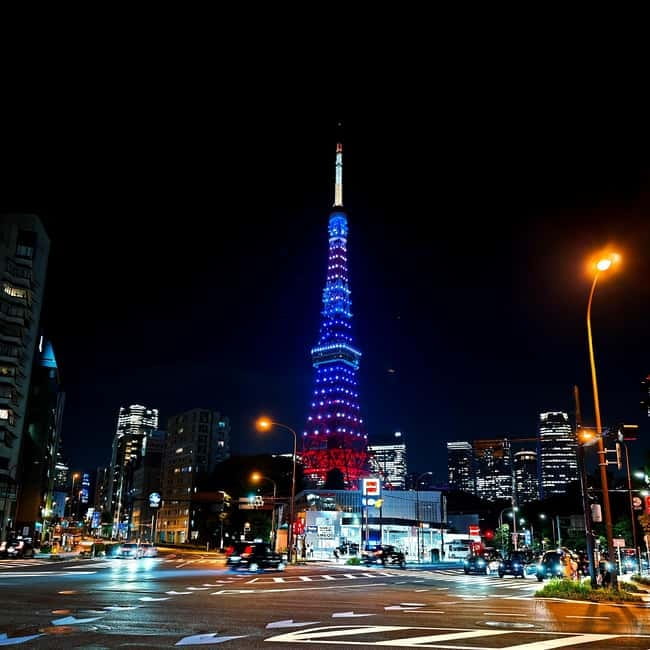
Tokyo after dark is a different city. Temple lanterns glow, neon signs take over the streets, and neighborhoods such as Shinjuku and Akihabara become much more animated after sunset. This private walking tour lets you see that change without the daytime heat and crowds.
I like the flexible route, which can be shaped around photography, shopping, anime, food, or your walking ability. I also like the small private format, with guides such as Deen and Sofia tailoring the outing rather than leading a fixed large group.
The main tradeoff is cost. At $83 per person, public transit, food, and any entrance tickets cost extra, so this makes the most sense if you value local guidance and a custom route more than a low-cost group tour.
Key points to know before booking
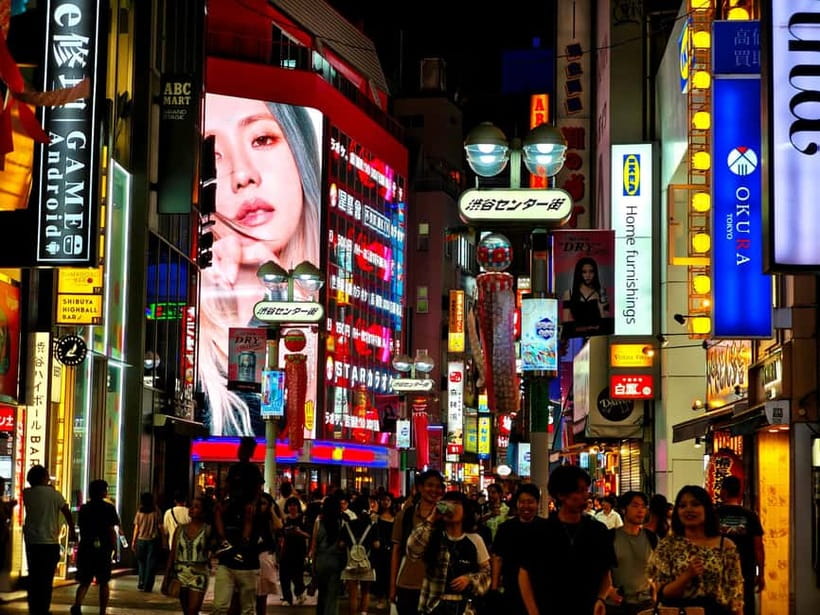
- Tokyo after sunset: Visit temples, shopping streets, nightlife areas, and neon districts when the city takes on its most photogenic look.
- A route shaped around you: Your guide can adjust the neighborhoods, pace, interests, and total walking distance.
- Private group format: You avoid a large tour group and can stop for photos, shopping advice, or questions as you go.
- Four major Tokyo moods: Depending on the plan, you may see Asakusa, Shibuya, Shinjuku, Akihabara, or lesser-known backstreets.
- Public transit is part of the experience: You move between areas by Tokyo train or subway, but fares are not included.
- Best for evening comfort: Starting after 4 PM helps you avoid the worst heat, especially in summer, though the tour can continue as late as 11 PM.
Why Tokyo works better after dark
Tokyo can feel tiring during the day. Streets are crowded, summer temperatures can be rough, and bright daylight flattens some of the city’s best visual moments. By late afternoon, the city begins to change.
In Asakusa, temple lanterns and evening light give the old district a calmer feel. In Shibuya, giant screens and advertising boards shine above the famous crossing. Shinjuku shifts toward food, karaoke, arcades, and small bars. Akihabara takes on a strong electric glow as anime and gaming shops remain active into the evening.
I like the timing because it gives you two kinds of Tokyo in one outing. You get traditional sights first, then modern city life as the lights come on. Starting anytime after 4 PM also gives you some control. Begin earlier for a temple and neighborhood walk, or start later if you want the focus to fall on nightlife and photography.
The three-hour duration is long enough to connect two or three areas without turning the evening into an endurance test. Some outings last three to four hours, with the latest finish around 11 PM. Your exact distance depends on the route and your pace.
More Tokyo night tours:
- Tokyo After 5: Authentic Japanese Food & Drink Night Tour
★ 4.5 · 560 reviews - Shibuya Meltdown Night Tour: All-You-Can-Drink Bar Hopping
★ 4.8 · 183 reviews - Tokyo by Night Photography Tour (Private Option Available)
★ 5.0 · 151 reviews
Lanterns and old Tokyo in Asakusa
Asakusa is the natural choice if you want Tokyo’s traditional side. The area is home to the city’s oldest temple, which takes on a different mood once the daytime crowds thin and the lanterns are lit.
Your guide can help you notice the details that are easy to miss on your own: the approach to the temple, the changing light, the relationship between the religious buildings and surrounding shopping streets, and the way old Tokyo remains part of a modern capital.
This stop is especially good for photographs. Evening light gives the temple a softer setting than harsh midday sun. It also gives you more room to look around at your own speed. If you want to understand why Asakusa matters rather than simply take a quick temple photo, a local guide adds real value.
There is one practical point to keep in mind. Asakusa is not a short photo stop if you want to explore it properly. Walking surfaces, crowds near the temple, and the distance between sights may be tiring for some people. The guide can adjust the pace, and one person with a recovering knee specifically had the route changed to make the outing work better.
Shibuya Crossing under the city lights
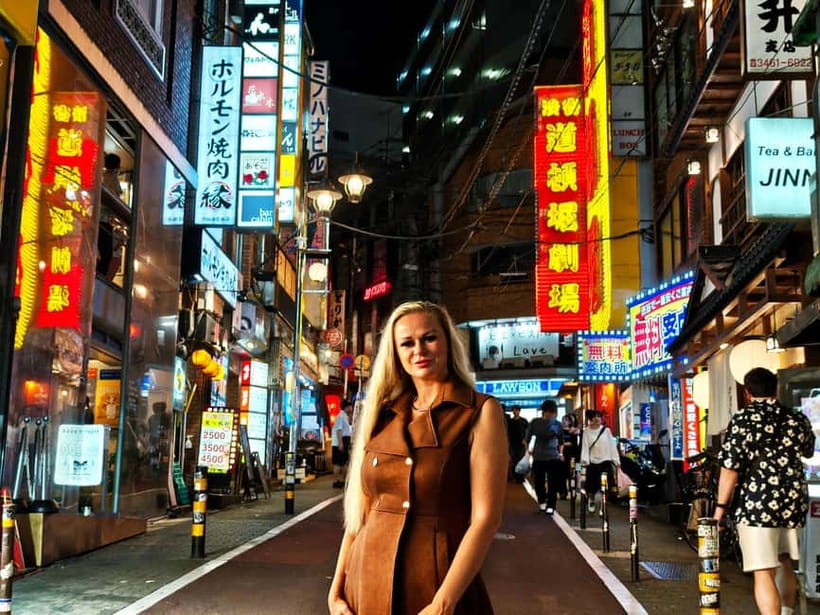
Shibuya offers the clearest contrast with Asakusa. Here, the main event is not a single historic building. It is the scale, movement, and light of the city.
At Shibuya Crossing, people move across the intersection from every direction while huge screens glow above the surrounding streets. At night, the scene feels more theatrical than it does in daylight, which makes this one of the strongest photo stops on the route.
Your guide can help you find a useful viewing position and then take you beyond the crossing itself. The surrounding streets offer shopping, signs, side lanes, and plenty of chances to pause. If you are interested in modern Tokyo culture, Shibuya may be the part of the tour that sticks with you most.
The drawback is that Shibuya can still be crowded. Evening timing avoids some daytime heat, but it does not turn one of Tokyo’s busiest districts into a quiet place. If your goal is peace and old architecture, ask for more time in Asakusa instead.
Shinjuku after the office crowds fade
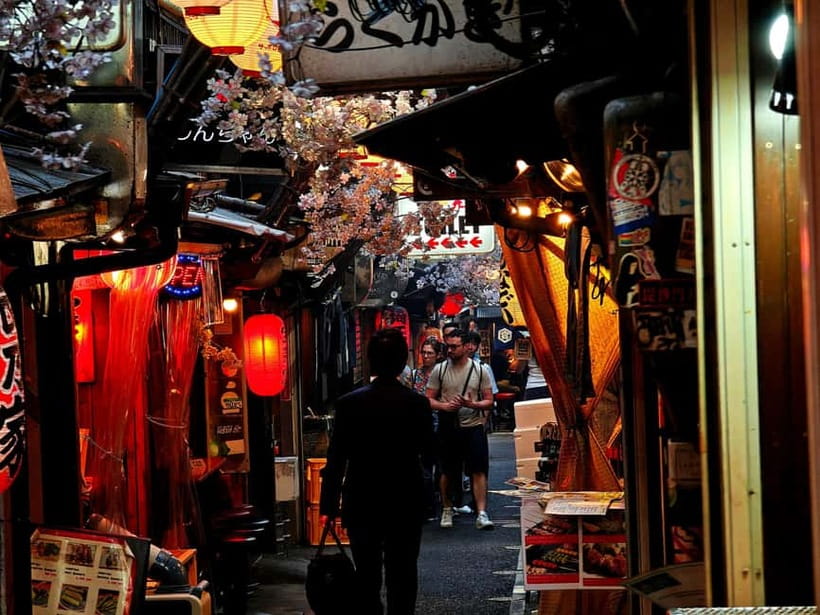
Shinjuku is where this tour becomes more about city life than sightseeing. The nightlife district is packed with glowing signs, izakayas, game arcades, karaoke bars, and narrow lanes. Your guide can help you understand the layout and choose a route through places such as Omoide Yokocho and Kabukicho.
Omoide Yokocho is known for its small dining spaces and tight lanes. Kabukicho has a larger, more energetic feel, with signs and entertainment venues filling the streets. The two areas give you different views of Shinjuku, and the short distance between them makes them practical to combine during an evening walk.
I like this part of the tour for first-time visitors who want to see nightlife without having to plan every turn. Tokyo’s entertainment districts can feel confusing, particularly when signs, alleys, and train exits begin to blur together. A guide can keep the walk moving while explaining what you are seeing.
Food and drinks are not included, so you should budget separately if you want to stop at an izakaya or pick up a snack. The tour is not a dedicated food tour, and the information provided does not promise a reserved meal or included tasting. Think of Shinjuku as a guided orientation to the district, with eating added according to your plans.
A completely different kind of day in Tokyo:
- Mt Fuji and Hakone 1-Day Bus Tour Return by Bullet Train
★ 5.0 · 26,383 reviews - 1-Day Tokyo Bus Tour
★ 5.0 · 14,250 reviews - Tokyo: teamLab Planets TOKYO Digital Art Museum Entry Ticket
★ 4.6 · 9,779 reviews - Mt Fuji & Hakone Cruise, Drum Show Bullet Train 1 Day from Tokyo
★ 4.0 · 7,413 reviews
Akihabara for anime, games, and electronics
Akihabara offers yet another version of Tokyo. After dark, its signs, shops, and entertainment venues create a strong visual scene centered on anime, gaming, and technology.
You do not need to be an expert fan to enjoy this stop. A guide can explain the district and help you decide which streets fit your interests. If you want gifts to take home, the flexible format is useful because you can ask for shopping help rather than rushing past every store.
One guide, Sofia, was praised for adjusting the route to a visitor’s interests and helping with gift choices. That is the kind of small service that can make a custom walk more useful than a standard sightseeing circuit.
Akihabara is not essential for everyone. If you have little interest in games, anime, or tech culture, you may get more from extra time in Asakusa or Shinjuku. Tell your guide what you want before the walk begins so the evening does not spend too much time in a district that is not your priority.
The value of a route that can change
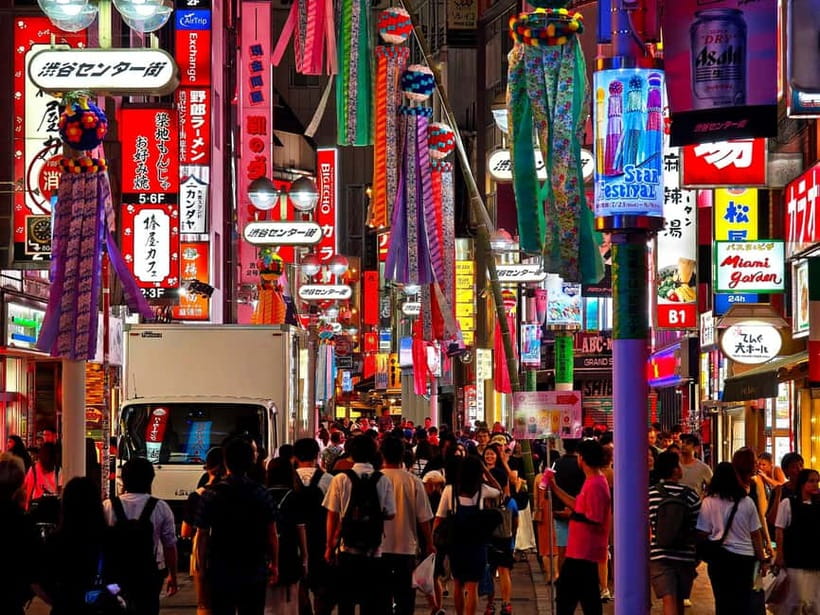
The strongest feature here is not the list of neighborhoods. It is the ability to shape the evening around you.
You can ask for more photography, more shopping, fewer stairs, a slower pace, or a focus on old temples and local streets. The total distance can change with your energy level and interests. This matters in Tokyo, where a route that looks short on a map can involve substantial walking between train stations, crossings, and side streets.
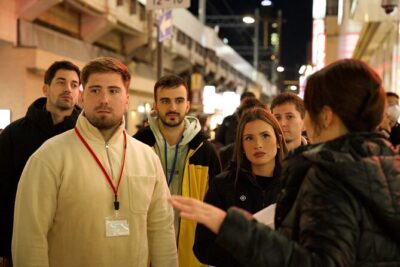
The private format also makes conversation easier. One guide, Deen, adjusted a three-person outing on the spot for someone recovering from knee surgery. That suggests the tour can respond to real conditions instead of forcing everyone to follow the same plan.
Still, flexibility works best when you give the guide useful direction. Before meeting, decide if your priority is temples, neon, shopping, nightlife, anime, photos, or a broad introduction. You do not need a rigid schedule, but a clear preference helps the guide make the most of three hours.
Getting around by Tokyo transit
This is a walking tour, but it is not one continuous walk across the city. You use Tokyo’s excellent public transit system to move between neighborhoods, much as local residents do.
That is both practical and authentic. Asakusa, Shibuya, Shinjuku, and Akihabara are spread across the city, so public transit lets you see more than one side of Tokyo in a short evening. It also means you should wear proper walking shoes and keep your phone charged.
Transit fares are not included. Private car or bus transport is not included either. You pay for your own train or subway rides, plus food, drinks, shopping, and any entrance tickets you choose to purchase.
Hotel or location pickup on foot is available as an optional add-on. The exact meeting point and time are confirmed after booking, so do not assume the guide will automatically meet you at your hotel without checking that arrangement.
What $83 buys you
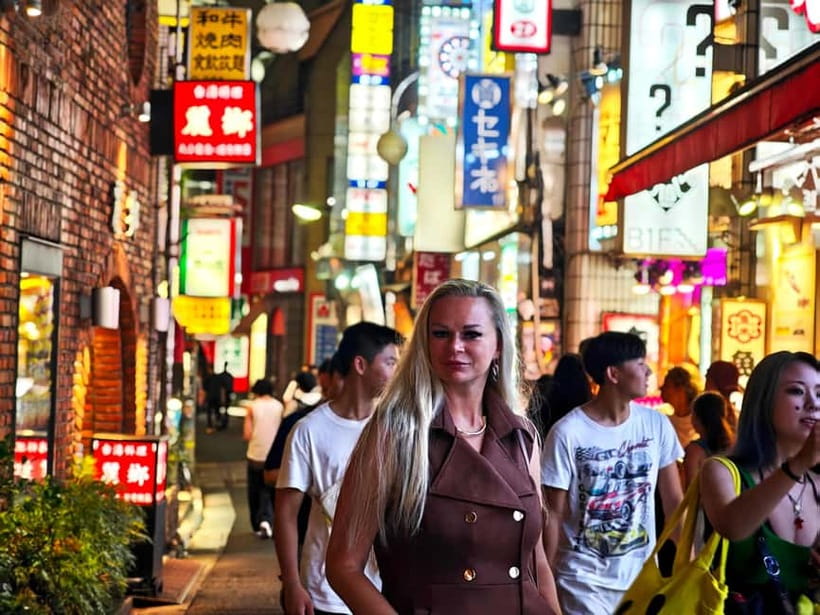
The price is $83 per person. For that amount, you get a private three-hour outing, a local guide, route planning, and the chance to see several very different areas in one evening. Photos taken by the guide may be available, and a professional photographer may be available as well, but these extras should not be treated as guaranteed.
The value depends on how much help you want. If you are comfortable planning train routes, finding viewpoints, and choosing nightlife streets on your own, the price may feel high. If you have only one evening in Tokyo, want a private group, or prefer a route shaped around your interests, the cost is easier to justify.
Children under 12 join free, but you must include them in the booking. That can improve the value for families, although younger children may find a late finish or long walk tiring.
Because tickets, transit, and personal spending are extra, leave room in your budget. The tour fee pays for guidance and planning, not for a full evening of meals and attractions.
Who will get the most from this evening
I would choose this outing if you are visiting Tokyo for the first time and want a useful introduction without spending the whole day in the heat. It also suits returning visitors who want a more personal look at one or two districts.
It is a good fit for:
- Couples who want evening photos and a private pace
- Families who need the route adjusted to suit children
- Shoppers who want help finding gifts
- First-time visitors unsure how to connect Tokyo neighborhoods
- Anyone interested in a mix of temples, nightlife, neon, and local streets
- Visitors with limited mobility who need the walking plan adjusted
It is less suitable if you want a fixed sightseeing checklist, included meals, private car transport, or entry to paid attractions. It is also not the best choice if you dislike walking or prefer to explore only one district at a slow, unstructured pace.
The tour is wheelchair accessible, but the route and walking distance still matter. Tell the guide about your needs in advance so the plan can be shaped sensibly.
Practical tips for a smoother night
Wear comfortable clothes and good walking shoes. Tokyo evenings can still be warm, and the route may include several walking sections between stations and sights.
Bring a camera and a charged smartphone. Your phone is useful for meeting details, transit, photos, and keeping in touch with the guide. A small bag is easier than bulky luggage on crowded trains.
If photography matters to you, say so at the beginning. The guide may know photogenic backstreets or rooftop views, depending on the day and route. These extra stops are not guaranteed, but the flexible plan makes it worth asking.
English and Spanish are available. The exact start time can be anytime after 4 PM, and the final meeting location is confirmed after booking.
Cancellation is free up to 24 hours before the tour for a full refund. You can also reserve now and pay later, which helps if your Tokyo schedule is still changing.
Should you book this Tokyo night walk?
Book it if you want a private, adaptable introduction to Tokyo after dark. The best reasons are the evening timing, the ability to adjust the route, and the mix of old Asakusa with modern Shibuya, Shinjuku, or Akihabara.
I would be especially inclined to book if you have limited time, are visiting in hot weather, or want help with shopping and neighborhood choices. Guides such as Deen and Sofia have shown the kind of personal adjustment this format is designed to provide.
Skip it if your main goal is a cheap group tour, an included food experience, or a fully planned attraction package. At $83 per person before transit and personal expenses, you are paying for local guidance, privacy, and flexibility. For the right visitor, that is exactly what makes the evening worthwhile.
FAQ
When does the Tokyo evening tour start?
You can start anytime after 4 PM, with the exact time confirmed after booking.
How long does the tour last?
The listed duration is three hours. Tours typically last three to four hours and may continue until 11 PM at the latest.
Which Tokyo neighborhoods can the tour include?
The route may include Asakusa, Shibuya, Shinjuku, and Akihabara. Depending on the day, your guide may also add lesser-known alleys, rooftop views, or photogenic backstreets.
Is this a private tour?
Yes. The experience is arranged for a private group rather than a large shared group.
What languages are available?
The tour is offered in English and Spanish. Italian and Spanish are also listed as available language options in the tour information.
Are public transportation costs included?
No. You pay separately for trains, subways, or other public transportation used during the tour.
Is hotel pickup included?
Hotel or location pickup on foot is available as an optional add-on. The meeting time and location are confirmed after booking.
Are meals and entrance tickets included?
No. Meals, snacks, shopping, personal expenses, and any entrance tickets are not included.
Can the walking route be adjusted?
Yes. The guide can tailor the itinerary, walking distance, pace, and areas visited to your interests and energy level.
Can children join the tour?
Yes. Children under 12 join free, but you must include them in the booking.
Newly reviewed around Tokyo
- Tokyo Asakusa:Calligraphy & Make T-shirt Activity★ 5.0 · 62 reviews
- Intercity Shuttle, Tokyo to Haneda /Narita /Yokohama /Makuhari★ 5.0 · 5 reviews
- 1 Hour Travel around Tokyo with a Professional Photographer★ 5.0 · 3 reviews
- Travel Tokyo with Your Own Personal Photographer★ 5.0 · 43 reviews
- Shuttle Van 6hr Tokyo Tour to-and-from Tokyo, Yokohama and Narita★ 5.0 · 9 reviews
- Kickboxing & Body Training with EX-Pro Fighter★ 5.0 · 4 reviews
- Train in Samurai Swordsmanship and Defeat the Demon in Tokyo★ 5.0 · 5 reviews
- Traditional Japanese Knife Sharpening Class★ 5.0 · 18 reviews
Tokyo Night Tours, compared.
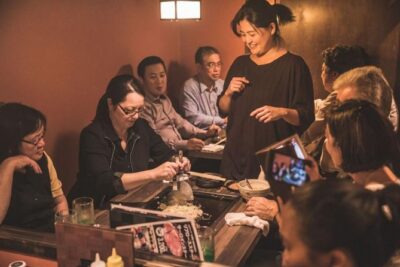
Tokyo After 5: Authentic Japanese Food & Drink Night Tour
Read our review →
Shibuya Meltdown Night Tour: All-You-Can-Drink Bar Hopping
Read our review →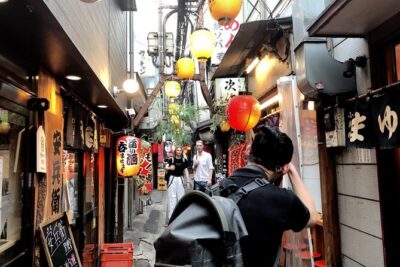
Tokyo by Night Photography Tour (Private Option Available)
Read our review →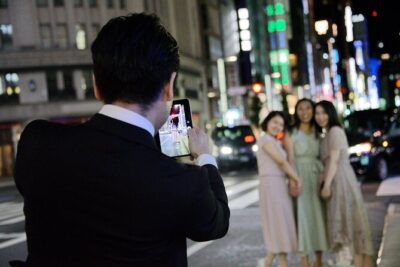

Real Tokyo Runner Club : Daikoku Car Meet Night Tour with JDM Car
Read our review →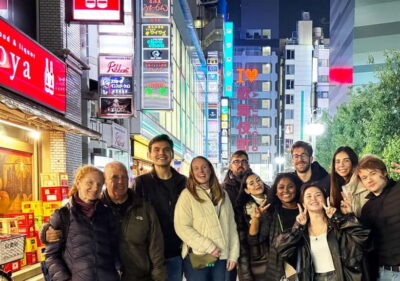
Browse the lists this tour appears in