
Reviewed · TOKYO FOOD TOURS
Tokyo: Crazy Cute & Kawaii Harajuku Food Tour
Harajuku serves up Tokyo at its most playful: colorful food, wild fashion, character shops, and pop art packed into a three-hour walk. This family-friendly tour takes you beyond Takeshita Street, adding five food stops, a drink, dessert, and stories about how the district became Japan’s pop-culture center.
I like the small group, limited to 10 people, and the fact that the food stops are arranged ahead of time. I also like the mix of famous Harajuku sights and quieter side streets, where your guide can explain what you are seeing instead of leaving you to guess.
The main consideration is the price, $163 per person. That is a serious bite out of a Tokyo food budget, and the tour suits you best if you want a guide, several tastings, and an easy introduction to Harajuku rather than a cheap snack crawl.
Key points at a glance
- Five food stops: Sample trendy cuisine, cultural snacks, kawaii sweets, a drink, and dessert during the three-hour walk.
- A colorful pop-culture lunch: Enjoy a very visual meal inside a setting designed as a work of pop culture art.
- Side streets beyond Takeshita: See more than the main shopping strip, with local stories about Harajuku and Omotesando.
- Small-group format: The group is limited to 10 people, making it easier to hear the guide and stay together.
- Guides with personality: Wes and Yappy have led the route, with Wes praised for his energy and Yappy for keeping even teenage boys engaged.
- Bring walking shoes and an appetite: The food is spread across the neighborhood, and the schedule leaves little room for a slow, full meal elsewhere.
Why Harajuku works so well as a food tour
Harajuku is not a district you understand from one landmark. Its appeal comes from the collision of things: fashion boutiques beside character goods, serious design beside deliberately silly sweets, and a major shopping street leading into narrow lanes.
That makes it a good place for a guided food walk. You get a reason to move through the neighborhood rather than simply wander from shop to shop. Each stop gives the afternoon a little structure, while the guide fills in the local setting.
The tour begins in the afternoon, a useful time for anyone who wants a late lunch and a change of pace after morning sightseeing. It is also a practical choice for families. Children and teenagers get color, sweets, and unusual food, while adults get neighborhood context and a planned route.
The experience is not designed as a formal Japanese cuisine lesson. It is more about the food culture of modern Harajuku: visual, playful, seasonal, and closely tied to fashion and pop culture. If you want traditional kaiseki or a detailed study of regional Japanese cooking, choose another food experience. If you want to understand why Harajuku looks and tastes unlike most of Tokyo, this one makes sense.
More things to do in Harajuku:
- Tokyo Go-Kart Tour Shibuya-Harajuku-Shinjuku (*IDP Required)
★ 5.0 · 217 reviews - Tokyo: Guided Go Kart Tour from Harajuku to Shibuya Crossing
★ 4.5 · 166 reviews - Shibuya & Harajuku: Hidden Gems & Highlights Private Tour
★ 4.7 · 139 reviews
Takeshita Street, where the tour gets loud and colorful
Takeshita Street is the obvious starting point for Harajuku’s pop-culture side. It is lined with shops selling character goods, fashion items, and seasonal products. The street can feel crowded and noisy, but that is part of the point. This is where Harajuku’s public image is on full display.
Your guide helps you read the scene. Rather than treating the street as a parade of shops, you hear how Harajuku developed its reputation for playful clothing, youth culture, and unusual trends. The stories matter because the district can otherwise seem like a wall of signs and merchandise.
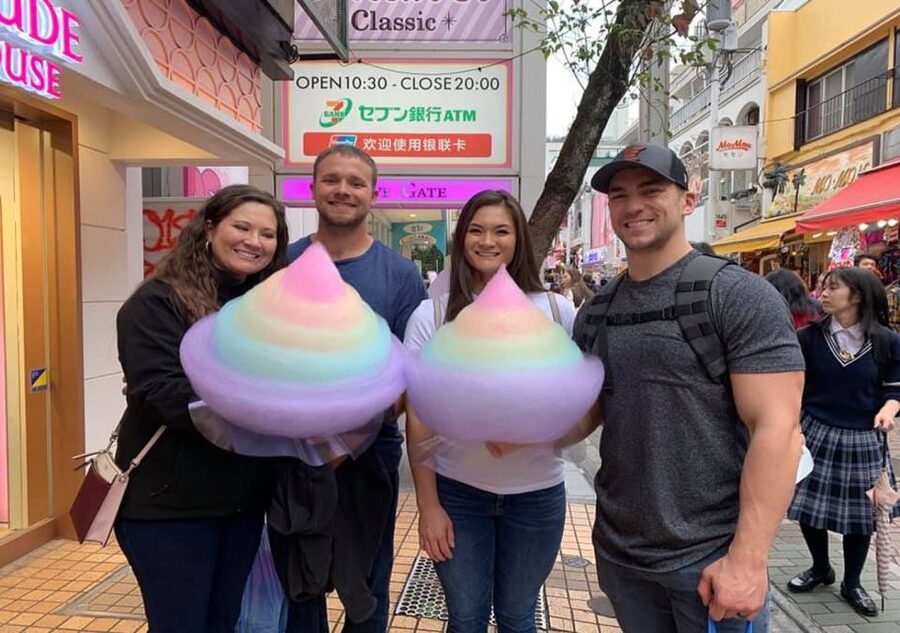
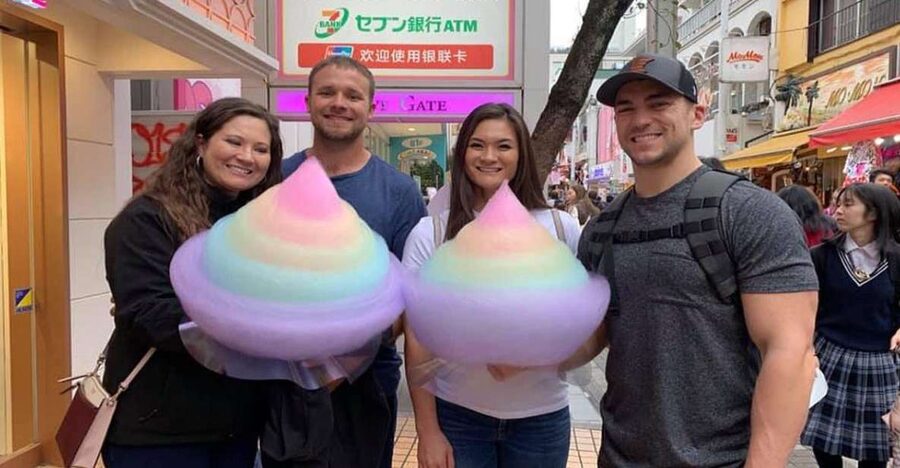
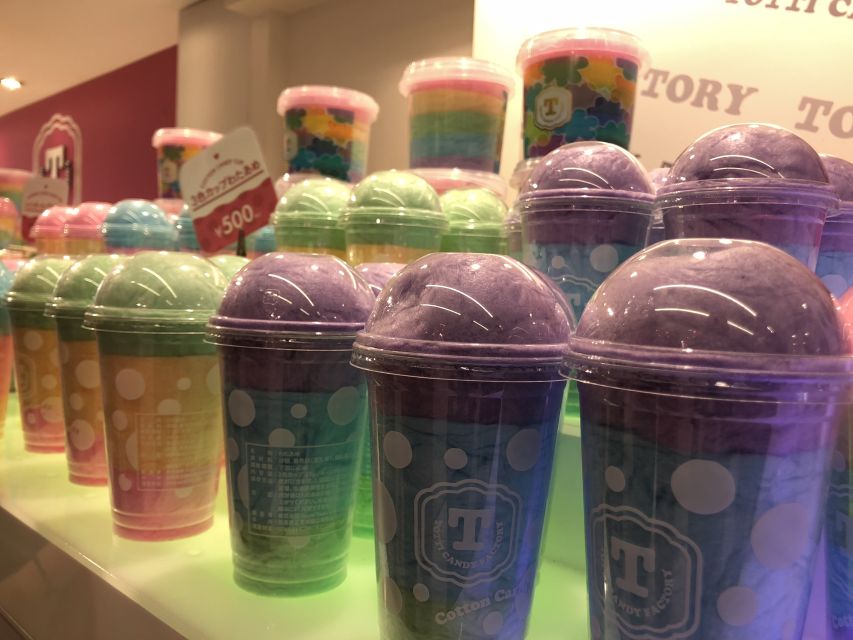
Food here is often made for the eyes as much as the stomach. You can expect cultural snacks and kawaii sweets, with bright colors and careful presentation. Some treats may look almost too neat to eat, though the practical solution is simple: take a photo quickly, then enjoy them before they lose their shape.
The food stops are a useful advantage. You do not need to choose from every tempting storefront, and you are less likely to waste time standing in line or buying something that turns out not to suit you. The route gives you a planned sample of the area’s food style.
Still, Takeshita Street is not a quiet place. If you dislike crowds, noise, or busy shopping streets, this section may test your patience. The small group helps, but it cannot make the street empty.
The pop-art lunch and Harajuku’s visual side
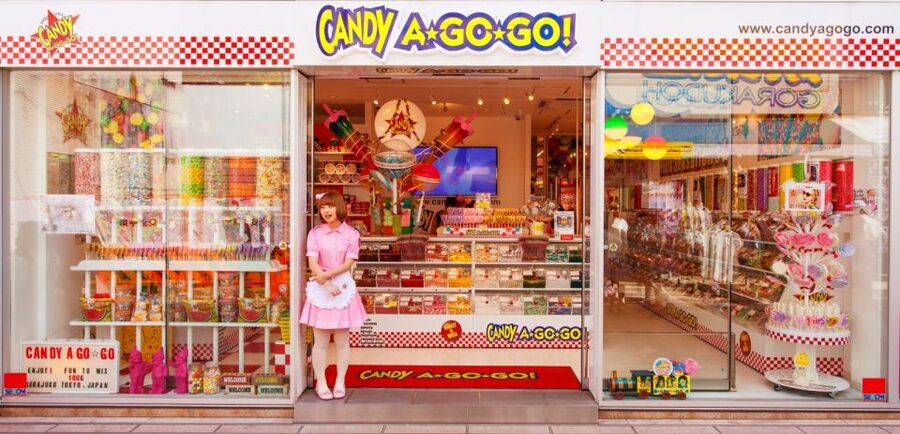
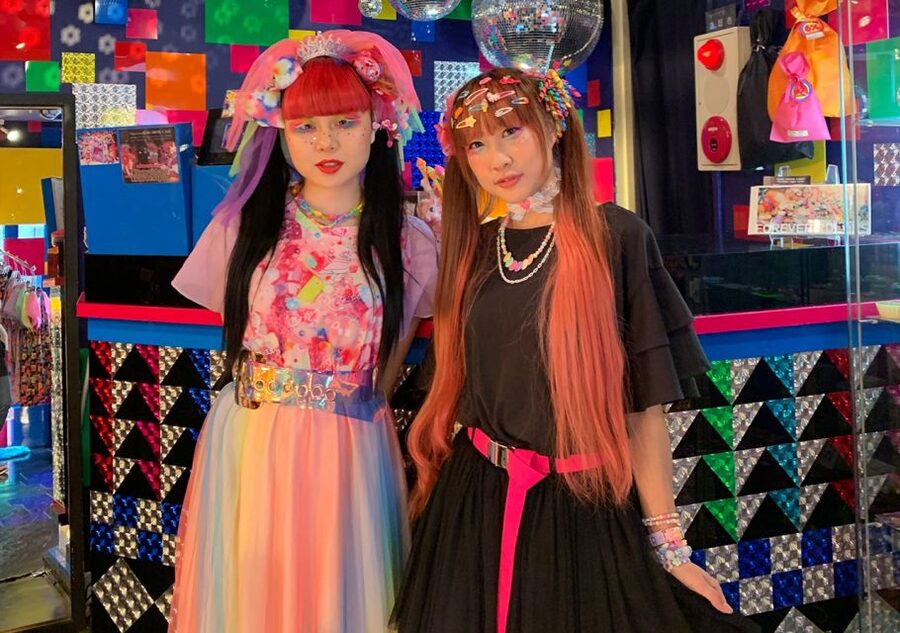
The most distinctive meal on the tour is a crazy-colorful lunch served inside a setting built as pop-culture art. This is the kind of meal that makes sense specifically in Harajuku. It is not only about flavor. The room, colors, and presentation are part of the experience.
That matters for families and first-time visitors because it gives you a clear picture of Harajuku’s style without requiring you to know which shops are worth entering. You get a meal and a visual reference point in one stop.
The supplied details do not specify the exact menu, so do not book this expecting a particular dish. Think of the meal as a planned taste of trendy Japanese food in a highly designed setting. If you have food allergies or strict dietary needs, ask before booking. The information provided does not promise special menus or substitutions.
The lunch also helps justify some of the cost. You are not paying only for a snack and a walk. The price includes several arranged food stops, a drink, dessert, and a guide who keeps the afternoon moving. Whether that reaches good value depends on your appetite and interest in Harajuku’s pop culture.
Side lanes, Omotesando, and the story behind the style
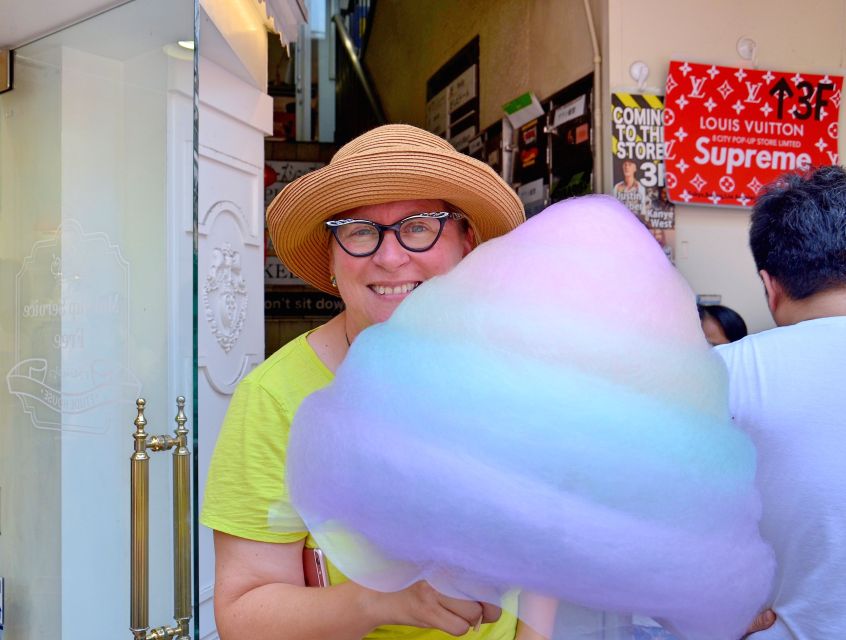
One of the tour’s better choices is leaving the main street. Harajuku’s back lanes and Omotesando offer a different view of the district. The route includes quirky storefronts, street fashion, and creative art, but the main benefit is contrast.
Takeshita Street shows the loud, youthful face of Harajuku. Omotesando brings a more polished fashion and design mood. Moving between the two helps you see that Harajuku is not one single style. It is a neighborhood where very different versions of Japanese fashion and shopping sit close together.
Your guide explains how the area grew into a pop-culture center and points out details you might otherwise pass without notice. The tour is especially useful here because much of Harajuku’s appeal is visual and local. There is no single monument that explains it all.
I would pay attention to the guide’s commentary during this section. The most valuable part of the walk may not be a specific shop or snack, but the explanation of why this district became a global reference for cute design, bold clothing, and novelty food.
The route is still a walking tour, not a bus ride with short stops. One person who enjoyed the experience advised putting on walking shoes and saving your appetite. That is sound advice. Three hours can pass quickly, but five food stops require steady movement and a willingness to keep eating after you have sampled several things.
More Tokyo food tours:
- Tokyo: Shinjuku Food Tour (13 Dishes at 4 Local Eateries)
★ 5.0 · 6,603 reviews - Tokyo: Shinjuku Food Tour (15 Dishes and 4 Eateries)
★ 4.9 · 2,033 reviews - Best of Shinjuku: Izakaya Food Tour (4 Stops, 14+ Tastings)
★ 5.0 · 1,863 reviews - Tokyo Night Foodie Tour in Shinjuku – Seasonal Sushi, Wagyu Beef
★ 5.0 · 1,161 reviews
Crepes, sweets, and the food rhythm
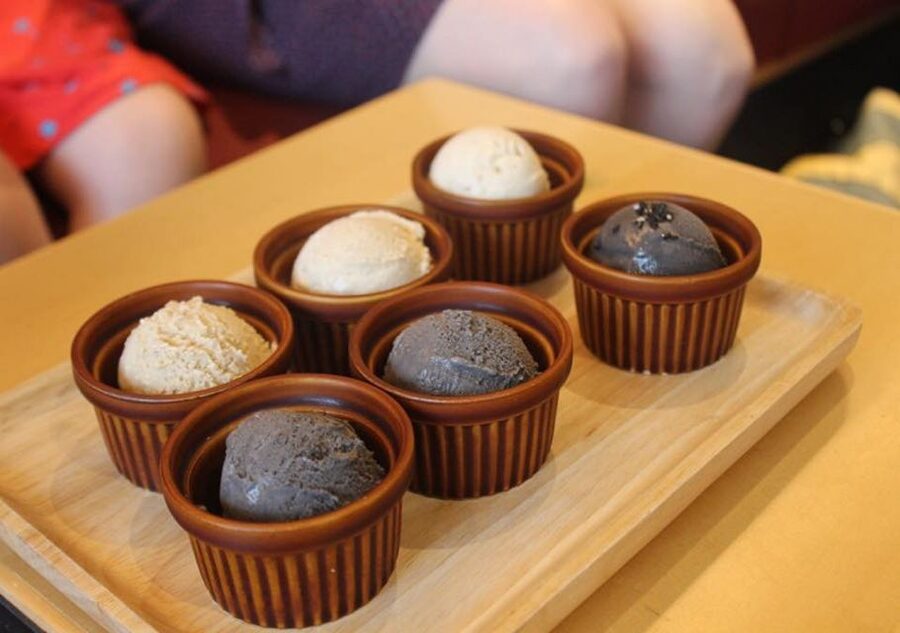
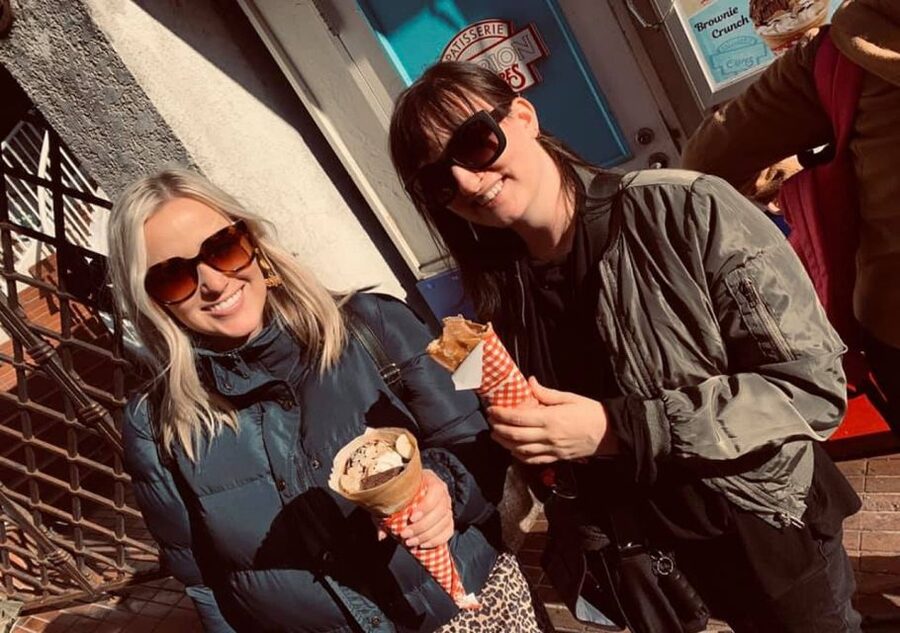
Harajuku’s crepes are among the district’s best-known treats, and the tour includes the aroma and culture of freshly made crepes as you move through the side streets. The exact food lineup can change, so the description does not promise a particular crepe filling. What you can count on is a food-focused afternoon with sweet and savory elements, ending with dessert.
The food rhythm is part of the appeal. You are not handed one large meal and sent away. Instead, the experience breaks the neighborhood into small tastes. That makes it easier to connect each food stop with the street or shop area around it.
You receive one drink as part of the tour. Additional food and drinks are not included, though you can buy them yourself. This is worth remembering if you are traveling with hungry teenagers or anyone who likes to order more than the planned portions.
The tour is best approached with a light breakfast. Arriving full will make the later stops less enjoyable, while arriving too hungry may make the early samples feel too small. The schedule is built around tasting, not a long sit-down lunch followed by no more food.
The food may also be challenging for cautious eaters. The tour is built around unusual, trendy, and highly visual items. That is a strength for curious children and adventurous adults, but a limitation if everyone in your group wants familiar dishes.
What the guides add to the afternoon
A food tour depends heavily on the person leading it. Here, the guide is an English-speaking local host, and the small group limit gives that person room to answer questions and keep the pace personal.
Wes has led the route with an energetic style and strong knowledge of the area and food. Yappy has also guided the experience, bringing an outgoing personality and keeping a group of teenage boys interested throughout the afternoon. Those details are useful if you are booking for a mixed-age family. The tour is not presented as a stiff lecture.
The guide also handles the practical work of the route. The food stops are arranged in advance, which can reduce waiting and remove the stress of deciding where to eat in a crowded district. That is especially valuable on a first visit to Tokyo, when reading menus and judging queues can slow you down.
Guide quality can vary from person to person, as it can on any small-group experience. The route and food are the fixed parts. The guide’s energy, storytelling, and ability to connect with your group shape how memorable the afternoon feels.
Is $163 a fair price?
At $163 per person, this is not a bargain food tour. You are paying for five food stops, one drink, dessert, a three-hour guided walk, and the convenience of a prearranged route in one of Tokyo’s busiest districts.
The value is strongest for first-time visitors who want an easy, planned introduction to Harajuku. You may well spend a surprising amount trying random treats and waiting in lines if you explore alone, though independent visitors can also spend far less by buying only one or two snacks.
The small group matters. A maximum of 10 participants is large enough to have a social feel but small enough for the guide to speak with the group. It also makes it easier to stay together on crowded streets than with a large coach-style outing.
I would book this if the food, fashion, and pop-culture sides of Harajuku all interest you. I would skip it if your main goal is simply to eat a large lunch, shop independently, or keep your Tokyo spending low.
The tour operator allows cancellation up to 24 hours before the start for a full refund, and you can reserve now and pay later. Those policies make it easier to fit the tour into a changing Tokyo schedule, but check the available start times before planning the rest of your day.
Meeting point and timing details that matter
Meet in front of Nescafe Harajuku at 1 Chome-22-8 Jingumae, Shibuya City. The closest station is Harajuku Station, Takeshita Exit.
Give yourself extra time to find the exit and reach the meeting point. The tour can wait only five additional minutes after the scheduled start. Once the group leaves, the guide cannot provide directions or be contacted by phone, so arriving at the station just before start time is a poor plan.
Hotel pickup is not included, though it can be arranged for an extra charge. Transportation costs are also your responsibility. In practice, the easiest plan is to reach Harajuku Station on your own and walk to the meeting point.
At least two people are needed to book. Solo visitors should email before reserving, since the standard booking conditions may not apply to a single person. Passport information is required for every participant aged 10 and above.
Who should book this Harajuku food walk?
This is a strong match for families, friends, and first-time visitors who want a guided afternoon with plenty of visual interest. It also suits teenagers well, especially those who may not enjoy a conventional history tour. The food, street fashion, and pop-art setting give the day a clear sense of fun.
It is less suitable for anyone who wants a quiet neighborhood walk or a traditional food study. The central streets can be crowded, the food is designed to be playful, and the pace includes several stops in three hours.
I would also think about group eating habits. If one person avoids sweets, another dislikes novelty food, and a third wants to shop at every stop, the schedule may feel restrictive. If your group is open to trying small portions and moving on, the format should work better.
FAQ
Where does the Tokyo Harajuku food tour meet?
Meet in front of Nescafe Harajuku at 1 Chome-22-8 Jingumae, Shibuya City, Tokyo 150-0001. The closest station is Harajuku Station, Takeshita Exit.
How long does the tour last?
The tour lasts three hours and takes place in the afternoon. Starting times vary, so check availability when booking.
What food and drinks are included?
The tour includes food at five stops, one drink, and desserts. Additional food and drinks are not included but may be purchased at your own expense.
Is the tour conducted in English?
Yes. The tour has a live English-speaking guide.
How many people are in the group?
The tour is limited to 10 participants, making it a small-group experience.
Can families with children join?
Yes. The tour is highly recommended for families and is designed as a family-friendly experience.
Can a solo visitor book the tour?
A minimum of two people is needed to book. If you are traveling alone, email before booking.
What happens if I arrive late?
The tour can wait only five additional minutes after the scheduled start. After that, it departs, and the guide cannot provide directions or be contacted by phone.
Should you book the Crazy Cute and Kawaii Harajuku Food Tour?
Book it if you want Harajuku explained as well as tasted. The five food stops, colorful pop-art lunch, local dessert, and side-street walk give you more than a quick stop on Takeshita Street. The small group and prearranged stops are especially useful when you want a smooth afternoon with children or teenagers.
At $163, the tour asks you to pay for convenience, guidance, and variety. That is worthwhile for a curious first-time visitor who wants to sample Harajuku’s playful food culture without making every decision alone. If you are comfortable finding snacks yourself and prefer to spend lightly, explore independently instead.
Newly reviewed around Tokyo
- Tokyo Asakusa:Calligraphy & Make T-shirt Activity★ 5.0 · 62 reviews
- Intercity Shuttle, Tokyo to Haneda /Narita /Yokohama /Makuhari★ 5.0 · 5 reviews
- 1 Hour Travel around Tokyo with a Professional Photographer★ 5.0 · 3 reviews
- Travel Tokyo with Your Own Personal Photographer★ 5.0 · 43 reviews
- Train in Samurai Swordsmanship and Defeat the Demon in Tokyo★ 5.0 · 5 reviews
- Shuttle Van 6hr Tokyo Tour to-and-from Tokyo, Yokohama and Narita★ 5.0 · 9 reviews
- Kickboxing & Body Training with EX-Pro Fighter★ 5.0 · 4 reviews
- Traditional Japanese Knife Sharpening Class★ 5.0 · 18 reviews
Tokyo Food Tours, compared.
Shinjuku Food Tour (13 Dishes at 4 Local Eateries)
Read our review →
Shinjuku Food Tour (15 Dishes and 4 Eateries)
Read our review →
Best of Shinjuku: Izakaya Food Tour (4 Stops, 14+ Tastings)
Read our review →
Tokyo Night Foodie Tour in Shinjuku – Seasonal Sushi, Wagyu Beef
Read our review →
Eat and Drink Like a Local: Tokyo Ueno Food Tour-Taverns&Ramen
Read our review →
Tsukiji Fish Market: Street Food & Culture Walking Tour
Read our review →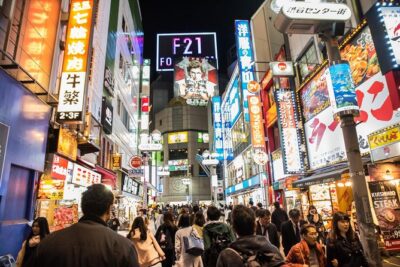
Browse the lists this tour appears in