
Reviewed · TOKYO
Crowd-Free Tokyo : teamLab, Roppongi Hills Views & NACT
Tokyo’s most polished art district is the setting for this four-hour private tour, which links galleries, luxury developments, skyline views, and teamLab’s digital art. You move from the clean lines of Tokyo Midtown to the National Art Center, then on to Roppongi Hills, Azabudai Hills, and a grand teamLab finale.
I like the mix of modern architecture and contemporary art, rather than visiting one attraction in isolation. I also like the young Japanese guide angle, since a local guide can explain how Roppongi has changed as a cultural and commercial center. The main catch is cost: at $129 per person, you still pay your own transport, including a taxi to Azabudai Hills.
Key points to know
- Four hours in Roppongi: The route covers several major sights without requiring a full day.
- TeamLab admission is included: This helps offset the price, especially if you already plan to visit the digital art space.
- A strong modern Tokyo focus: Expect design, shopping districts, architecture, city views, and contemporary art.
- Ryoji has guided this route: He was praised for clear explanations, kindness, and good communication, though your guide may be different.
- You pay for transport: The tour is mainly on foot, but a taxi to Azabudai Hills is taken at your expense.
- Not designed for every body: Comfortable shoes are essential, and the route is not suitable for children under five, wheelchair users, or people with mobility impairments.
Why this route gives you a sharper look at modern Tokyo
Many Tokyo tours focus on temples, shrines, markets, and old neighborhoods. This one takes a different road. It shows you the city as a place of experimental art, high-rise redevelopment, luxury retail, and digital spectacle.
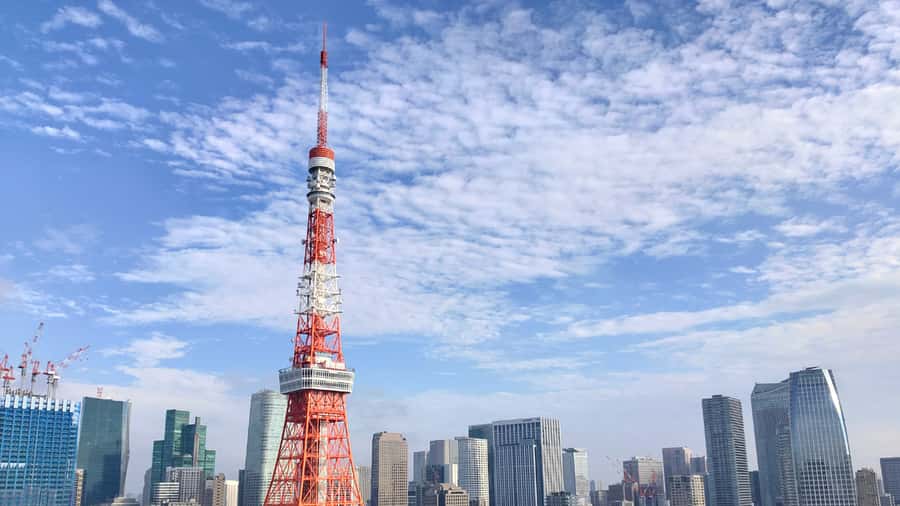
Roppongi is a good base for that theme. The neighborhood brings together museums, office towers, restaurants, galleries, and major public developments. The route also lets you compare different kinds of city-making. Tokyo Midtown feels polished and commercial. The National Art Center is devoted to exhibitions. Roppongi Hills offers the big-picture view. Azabudai Hills presents a newer vision of urban life. TeamLab then turns technology into an art form.
That variety is the tour’s greatest strength. You are not spending four hours looking at similar buildings or walking from one shopping center to another. Each stop has a different purpose.
The itinerary is also useful for first-time visitors who want an introduction to Tokyo’s present-day cultural scene. You do not need to know much about architecture or art before joining. The guide’s job is to explain what you are seeing and connect the stops into a coherent afternoon.
Other Tokyo days people book alongside this one:
- Mt Fuji and Hakone 1-Day Bus Tour Return by Bullet Train
★ 5.0 · 26,383 reviews - 1-Day Tokyo Bus Tour
★ 5.0 · 14,250 reviews - Tokyo: teamLab Planets TOKYO Digital Art Museum Entry Ticket
★ 4.6 · 9,779 reviews
Starting at Roppongi Station and Tokyo Midtown
The meeting point is above ground at Exit 7 of Tokyo Metro Roppongi Station. This is practical, but do not treat a subway exit as a casual landmark. Roppongi has several station entrances, and the area is busy enough that you should allow a few minutes to get oriented.
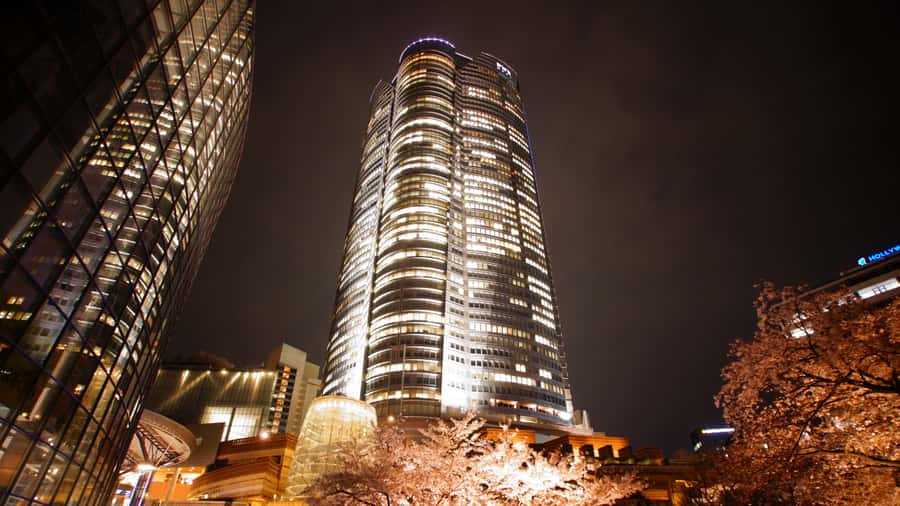
The first stop is Tokyo Midtown, a large complex known for design, luxury shopping, and contemporary city planning. The tour presents it as more than a place to browse expensive stores. You get a look at how Tokyo combines offices, retail, public space, and art within one carefully planned district.
I like this opening because it gives you a quick read on Roppongi’s polished side. You see the kind of architecture and retail setting that attracts international brands, while the guide provides context about the area’s current identity.
The limitation is simple: shopping and design are not the same as local street life. If you want small eateries, old wooden houses, or traditional crafts, this is not that kind of Tokyo tour. Tokyo Midtown is sleek and controlled by design.
Still, the stop works well for anyone curious about contemporary Japanese design. You might find the visit especially useful if you are comparing Tokyo with other global cities. The buildings and shops show how Japan handles density without giving up a strong sense of order.
Finding contemporary art at the National Art Center, Tokyo
The National Art Center, Tokyo adds a more serious art stop to the route. Its role is different from a conventional museum with a permanent collection. The appeal here is the exhibition program and the building itself, which has become one of Roppongi’s major cultural landmarks.
Your guide can help you understand the center’s place in Tokyo’s art scene and point out what matters in the current presentation. Since exhibitions change, the exact art you see depends on the date of your visit. That makes this part less predictable than a fixed attraction, but it also means the center can feel different from one trip to the next.
The stop is a good fit if you enjoy contemporary art but would rather not figure out Tokyo’s museum scene alone. A guide can help you approach unfamiliar work without turning the visit into a lecture.
Keep your expectations measured. The four-hour schedule includes several major stops, so this is not a long museum study session. You will have time for an introduction and a look around, but serious art fans may want to return independently if a temporary exhibition catches their attention.
That is one reason the tour is best viewed as a guided overview. It gives you a framework, then leaves you better prepared to decide what deserves more of your time.
Taking in Tokyo from Roppongi Hills
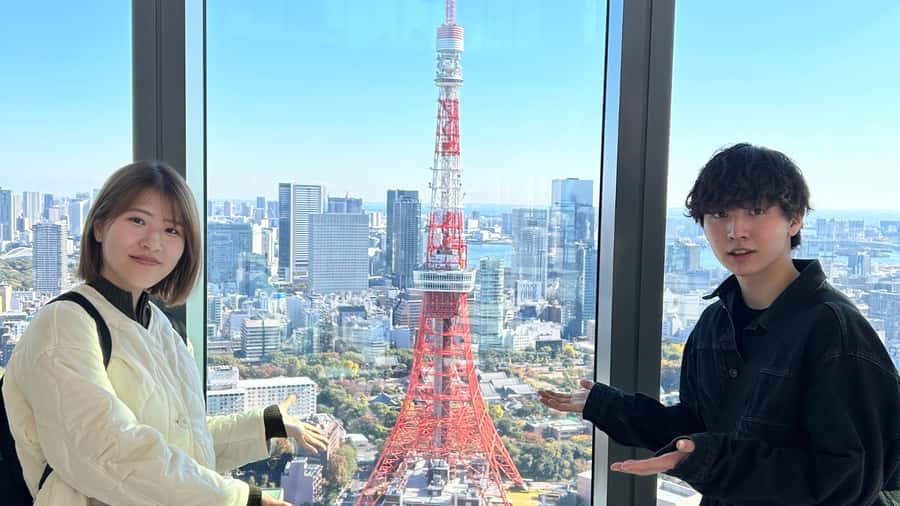
Roppongi Hills supplies the classic city-view moment. From here, Tokyo opens out in a way that is hard to grasp from street level. The view helps you understand the scale of the capital and the way its districts spread far beyond Roppongi.
The appeal is not just the height. It is the contrast between the tidy high-rise complex beneath you and the enormous, layered city beyond it. Tokyo can seem like a series of separate neighborhoods when you walk through it. From above, those pieces begin to read as one immense urban area.
The panoramic outlook is also a useful pause in a tour built around indoor art spaces and commercial developments. You get fresh air, a visual reset, and a chance to take photos. Bring your camera, as suggested, but do not forget to look with your own eyes first.
Weather matters here. The activity operates in rain or shine, unless warning-level bad weather causes cancellation. Clouds, rain, or haze can affect what you see from the viewpoint, so this portion may be less rewarding on a poor-weather day.
The guide can also make the view more meaningful by pointing out the city’s changing districts. The information provided does not guarantee a particular viewpoint, observation deck, or ticket type, so you should confirm the exact access details when booking.
A completely different kind of day in Tokyo:
- Mt Fuji & Hakone Cruise, Drum Show Bullet Train 1 Day from Tokyo
★ 4.0 · 7,413 reviews - Tokyo: Shinjuku Food Tour (13 Dishes at 4 Local Eateries)
★ 5.0 · 6,603 reviews - Tokyo Mt Fuji 5th St & Hakone Cruise Bus Tour w/Bullet Train
★ 4.4 · 5,024 reviews - Flagship 2-Hours Official Street Go-Kart Tour – Tokyo Bay Shop
★ 5.0 · 4,974 reviews
Understanding Azabudai Hills and its new city model

Azabudai Hills shifts the focus from established Roppongi landmarks to a newer development. The project is presented as a glimpse of future urban living, with modern architecture and a high-end approach to city planning.
This is an interesting contrast with the older parts of Tokyo that many visitors see elsewhere. Rather than looking backward, the stop asks you to consider what Tokyo wants its next generation of office, residential, retail, and public spaces to become.
The route uses a taxi to reach Azabudai Hills, and you pay that fare yourself. This is the most important practical point to understand before booking. The tour price does not cover all movement between stops, and the taxi adds an extra expense for each person or for the group, depending on how the ride is arranged.
That cost may feel less significant on a private tour, where saving time matters. It may feel more noticeable if you are traveling on a tight budget. Ask the operator for current transport details so you know how the fare is handled.
Azabudai Hills is a good stop for architecture fans and repeat visitors who have already seen the usual Tokyo sights. It also adds substance to the route. You are not only looking at finished attractions. You are examining a development designed around a particular idea of city life.
Ending with teamLab’s digital art
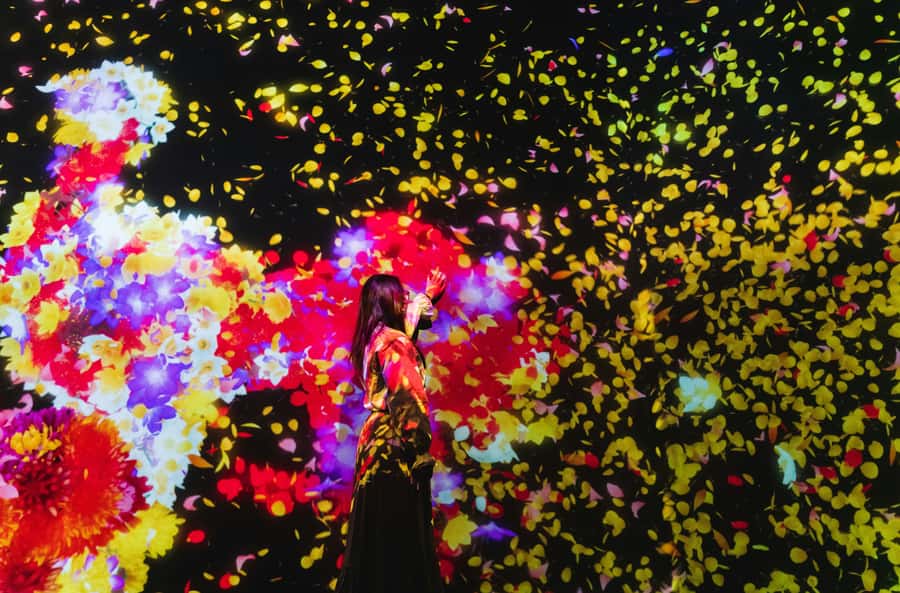
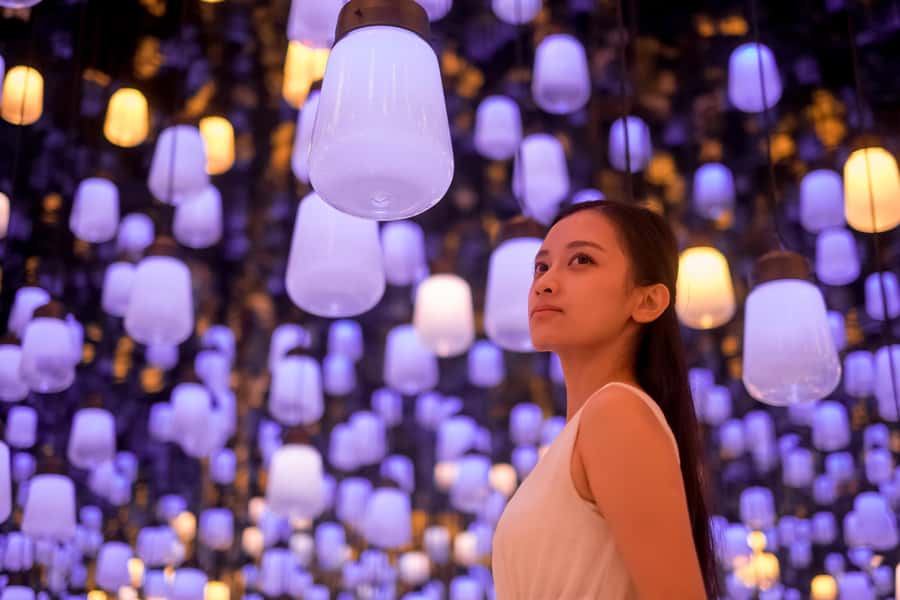
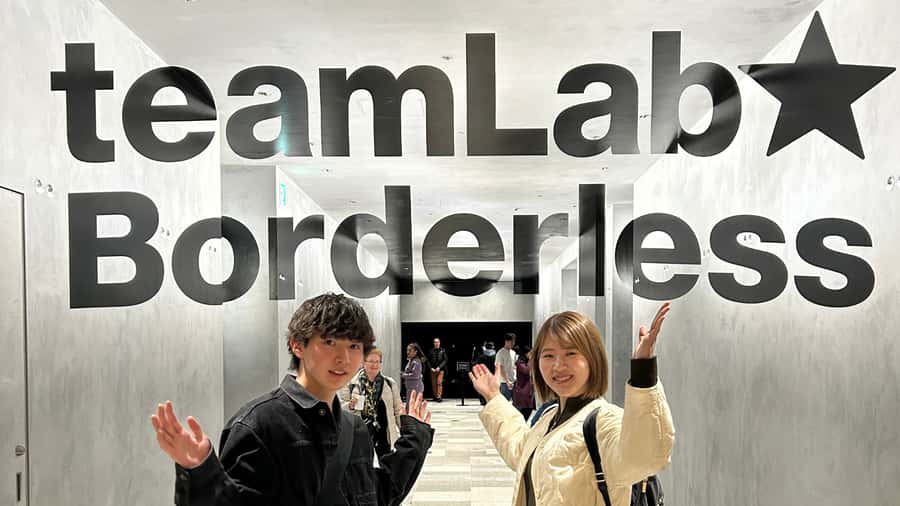
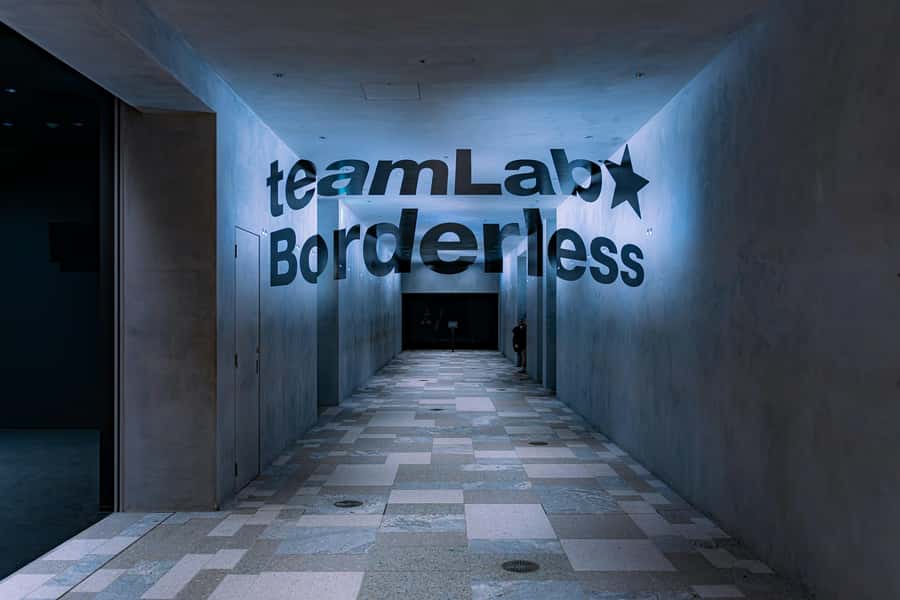
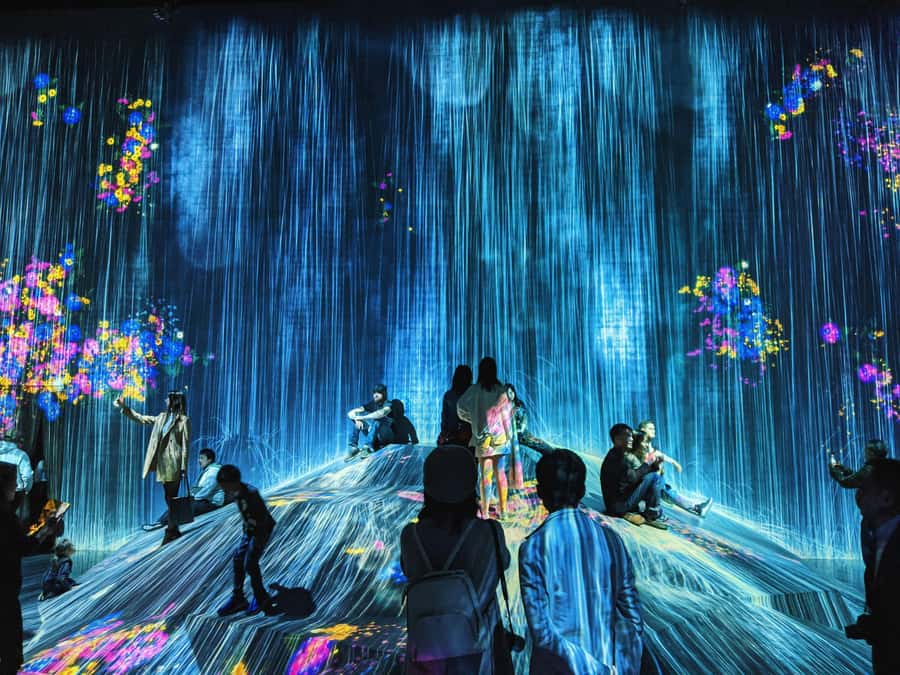
TeamLab is the tour’s biggest crowd-pleaser and the stop most likely to stay in your memory. The digital art space uses light, sound, projection, movement, and changing visual effects to create rooms that respond to the visitor’s presence and surroundings.
The result is very different from looking at framed art in a gallery. You walk through the work rather than simply standing in front of it. The experience is sensory and theatrical, with technology doing much of the storytelling.
Admission to teamLab is included, which is important when judging the $129 price. TeamLab tickets can make a notable difference to the total cost of a Tokyo day, so having entry arranged removes one major booking task.
The tour description refers to teamLab’s digital art space, and the praise for the teamLab portion describes it as breathtaking. The exact venue and admission conditions should be checked before booking, since teamLab has more than one Tokyo site and access rules can change.
Do not expect a quiet museum visit. TeamLab is built around movement, light, and participation. Some rooms may require patience if many people are present, even on a tour marketed around avoiding crowds. The phrase crowd-free should not be read as a guarantee that the venue will be empty.
The timing also matters. Since this is the final stop, your guide may finish the main walking route before you enter or may provide instructions for the teamLab visit. Confirm how long you will have inside and whether the guide enters with you. The listed inclusions state that admission for the guide at listed sights is covered, but they do not spell out every detail of the teamLab portion.
How much value do you get for $129?
At $129 per person, this is not a bargain walking tour. You are paying for a private activity, a local guide, access to several high-profile areas, and teamLab admission. You also pay for your own transportation, including the taxi to Azabudai Hills.
The price makes more sense if you value structure and personal explanation. In four hours, you visit places that could otherwise require separate research, route planning, ticket arrangements, and navigation between districts. A good guide can also help you see connections between the art center, retail developments, city views, and digital art.
The value is weaker if you only want a teamLab ticket. You could choose a direct visit and spend the rest of your budget elsewhere. It is also less suitable if shopping, traditional culture, or food is your main interest.
For a private tour, the absence of a shared group can be a real benefit. You may be able to ask questions and keep the pace more personal, though the supplied details do not state the maximum group size or how much the route can be adjusted.
The strongest reason to pay is the combination of access and interpretation. You get a designed route through one of Tokyo’s most modern districts, rather than a list of disconnected attractions.
Guides, language choices, and the feel of the tour
The experience is offered in English, Chinese, Japanese, and Korean. That makes it easier to choose a language in which you can ask detailed questions about art and architecture.
The guides are described as young Japanese locals, which suits the subject. The tour deals with current urban culture, new developments, and contemporary art, so a guide who knows present-day Roppongi can add useful perspective.
One guide named Ryoji received specific praise for his communication, kindness, and explanations. Another assessment described the guide as friendly and able to explain both the area’s past and its present culture. Those details suggest that the human side of the tour is a major part of its value.
Still, Ryoji may not be your guide. Treat his performance as a helpful indication, not a promise. The guide’s individual style will affect how much time is spent on history, architecture, shopping, or art.
Because this is a private activity, ask questions early. If you care most about museum exhibitions, say so. If you want architecture explained in detail, make that clear. The more specific you are, the more useful the walking time is likely to be.
Walking demands and practical preparation
This is a walking tour, so wear comfortable shoes. The route includes multiple districts and several major complexes, and the tour lasts four hours. Even though a taxi is used for Azabudai Hills, you should expect plenty of time on your feet.
Bring water, sunscreen, and a camera. Tokyo’s weather can make a city walk feel much harder than expected, especially in warm or humid conditions. Smoking is not allowed during the activity.
The tour is not suitable for children under five, wheelchair users, or people with mobility impairments. The operator also says it is not suitable for people with mobility limitations more generally. If stairs, long walks, or uneven access could be a concern, ask for a detailed route description before paying.
You can change the tour date up to two days before the activity, and cancellation is allowed up to 24 hours in advance for a full refund. A confirmation email is sent after reservation. The tour operates in ordinary rain, but warning-level bad weather can lead to cancellation.
Who should book this Roppongi art route?
I would recommend it to you if you want modern Tokyo in one concentrated outing. It is especially well suited to art fans, architecture students, design-minded visitors, repeat visitors, and anyone curious about how Tokyo is building its next chapter.
It is also a good choice if you prefer a private guide to researching museum schedules and complex urban routes yourself. The mix of the National Art Center, Tokyo Midtown, Roppongi Hills, Azabudai Hills, and teamLab gives you plenty to discuss and compare.
I would not choose it for a traditional first day in Tokyo. You will not visit a shrine, temple, market, historic garden, or old neighborhood. The route is polished, contemporary, and largely centered on major developments.
Think carefully about mobility and budget, too. The $129 fee does not cover your transport, and the walking can be demanding. If those points are acceptable, the tour offers a focused way to understand the art and architecture that shape modern Roppongi.
Should you book this tour?
Book it if you want teamLab plus context, not just a ticket. The tour gives you a useful progression from design and shopping to contemporary art, high-rise views, new urban planning, and digital installations.
Skip it if you want a low-cost outing, traditional Tokyo, or a slow museum visit. Before booking, confirm the teamLab venue, the exact meeting arrangements, the taxi plan, and how much time you will spend inside each attraction.
For the right audience, this is a smart four-hour introduction to Tokyo’s forward-looking side, with a friendly local guide helping you connect the pieces.
FAQ
How long does the tour last?
The activity lasts four hours.
Where does the tour start?
It starts above ground at Exit 7 of Tokyo Metro Roppongi Station.
Where does the tour finish?
The activity ends back at the meeting point.
Is teamLab admission included?
Yes. The tour information states that teamLab tickets are included.
Is transportation included?
No. Transportation costs for you and the guide are not included. A taxi is taken to Azabudai Hills at your expense.
Is this a private tour?
Yes. It is described as a private tour or activity.
Which languages are available?
The tour is offered in English, Chinese, Japanese, and Korean.
Is the tour suitable for wheelchair users?
No. The activity is not suitable for wheelchair users or people with mobility impairments.
Can I cancel for a refund?
Yes. You can cancel up to 24 hours in advance for a full refund.
Newly reviewed around Tokyo
- Ueno and Yanaka Culture Art Walking Tour in Old Tokyo★ 5.0 · 5 reviews
- Sumo Training Watching Experience in Tokyo★ 4.5 · 8 reviews
- Giant Sushi Cooking Class: Make a 1.5m Sushi Roll in Tokyo★ 5.0 · 9 reviews
- 2 Hours Mochi &Nerikiri Making & Matcha Class in Bunkyo★ 5.0 · 21 reviews
- Japanese Sweets (Mochi & Nerikiri) making at a Private studio★ 5.0 · 22 reviews
- Mt Fuji and Kawaguchiko Private Tour★ 5.0 · 10 reviews
- Half-Day Local Tokyo Tour in Adachi Market and Shibamata★ 5.0 · 16 reviews
- Private Full-Day Tour of Tokyo with Hotel Pickup★ 5.0 · 3 reviews