Reviewed · TOURS
Tokio A: Tour de la ciudad en Español – Spanish
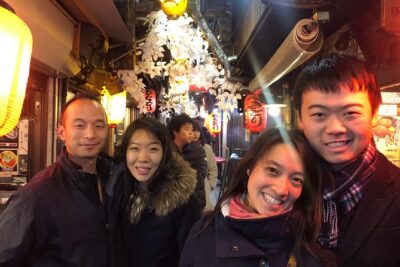
Tokyo reveals itself through sharp contrasts, and this eight-hour Spanish-language tour puts those contrasts in front of you: Sensō-ji’s traditional temple grounds, Ueno’s open park, Ameyoko’s lively market, and Kabukicho’s glowing night streets. You move through several districts instead of seeing only one polished corner.
I like the friendly, close guiding style, especially for Spanish-speaking visitors who want more than a quick photo stop. I also like the useful advice built into the day, from navigating public transport to choosing what to do after the tour. The main consideration is the pace: eight hours with several train and walking connections can feel full, and food and transport cost extra.
Key points at a glance
- Sensō-ji begins the day with Tokyo’s traditional side, including a two-hour guided visit in Asakusa.
- Ueno and Ameyoko add everyday Tokyo, with a park visit followed by an unusual market and lunch break.
- Shinjuku supplies the big-city views, though the planned observation deck may change to Ebisu if it closes.
- Kabukicho finishes the route after dark, with neon streets, karaoke bars, restaurants, gaming shops, and Golden Gai nearby.
- Spanish-speaking guides such as Nikita, Camila, and Emi have led guests through informative and flexible days, though your guide depends on the date.
- Private tours and hotel pickup are available, but pickups use public transportation and may require an added fee.
Why this route gives you a useful first look at Tokyo
Tokyo can feel scattered at first. Its major sights sit in different districts, and the city’s subway map is not always friendly to a first-time visitor. This tour gives you a clear north-to-west progression, beginning in old Tokyo and ending among the neon towers and nightlife of Shinjuku.
You spend the day with a Spanish-speaking guide, which matters more here than it might in a simple sightseeing walk. Temple customs, neighborhood changes, market habits, and Japanese etiquette are easier to understand when you can ask questions in your own language.
The route also avoids making Tokyo look like a single thing. You see a Buddhist temple, a public park, a market, a high-rise viewpoint, and a nightlife district in one day. That mix helps you understand why Tokyo feels both ancient and startlingly modern.
The group can be private, which is useful if you want a slower pace or need the guide to adapt the day. A standard option may be better value for solo visitors or couples who do not need a custom plan. Since the day is long, ask yourself how much structure you want before booking.
Other Tokyo days people book alongside this one:
- Mt Fuji and Hakone 1-Day Bus Tour Return by Bullet Train
★ 5.0 · 26,383 reviews - 1-Day Tokyo Bus Tour
★ 5.0 · 14,250 reviews - Tokyo: teamLab Planets TOKYO Digital Art Museum Entry Ticket
★ 4.6 · 9,779 reviews
Starting at Asakusa and Sensō-ji
The meeting point is in front of the Asakusa Tourist and Cultural Information Center. Look for the guide wearing identification marked NIPONEANDO. If you select hotel pickup or the private option with pickup, the guide meets you at the hotel and travels with you by public transport.
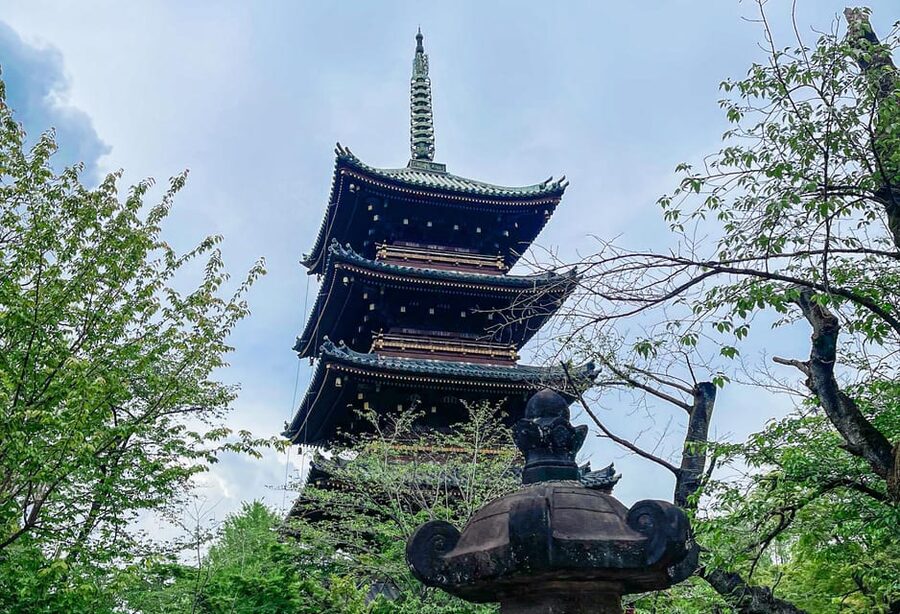
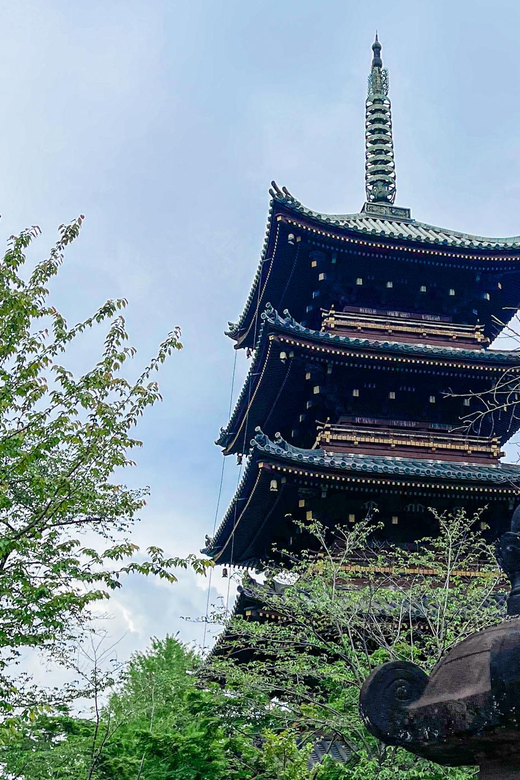
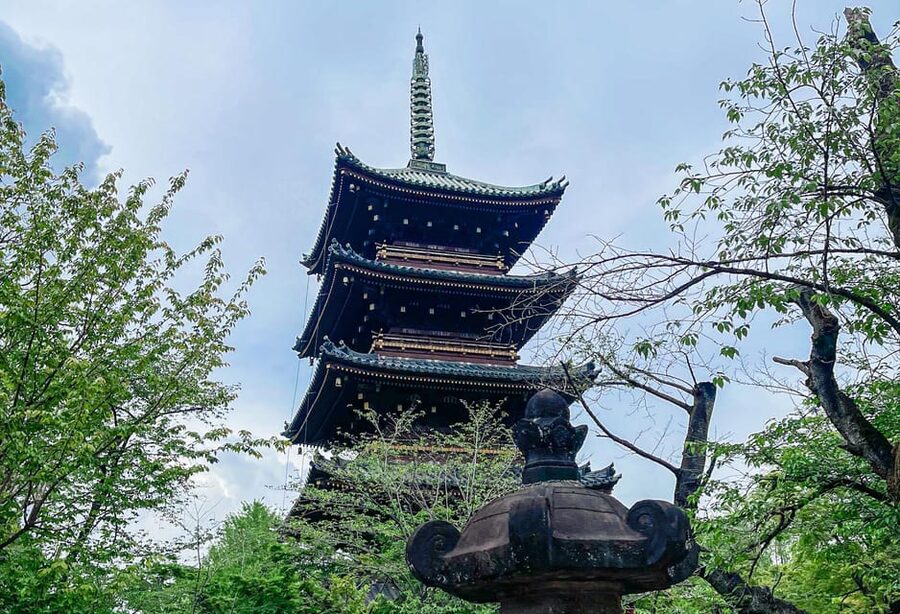
Asakusa is the right place to begin. It gives you an immediate sense of Tokyo’s older character, with Sensō-ji as the main focus. The temple is one of Japan’s best-known religious sites, so it can be busy, but its popularity also means you get a strong introduction to Japanese temple culture without spending time searching for the district.
The guided visit lasts about two hours. That is enough time to look beyond the main gate and take in the setting at a reasonable pace. Your guide can explain what you are seeing and help you approach the temple respectfully, rather than treating it as just another backdrop for photographs.
I would use this part of the tour to ask practical questions. Ask about temple behavior, how to read the neighborhood, and which customs you should follow during the rest of your trip. The stated aim is close, friendly guiding, and this is where that approach is most useful.
Do not bring large luggage or big bags. The activity specifically does not allow them, and you will be walking and using trains. A small day bag is the sensible choice.
Ueno Park brings in a calmer side of the city
From Asakusa, you take the subway for about 10 minutes to Ueno. That short connection is part of the lesson. You are not being driven from attraction to attraction in a sealed vehicle. You get a practical look at how Tokyo’s public transportation connects its districts.
Ueno Park receives about an hour and a half of guided time. It is one of Tokyo’s best-known public parks, and it gives the day some breathing room after the temple visit. I like this change of mood. Instead of moving straight from one crowded commercial area to another, you get open space and a different view of daily life in the city.
Your guide can help place Ueno in the larger picture of Tokyo, while you watch the city shift around you. The tour description does not promise specific museums or seasonal sights inside the park, so do not book this expecting a museum-heavy visit. The value here is the park itself and the chance to see a major public gathering place with context in Spanish.
The schedule gives you 80 minutes for lunch in Ueno. Food is not included, so you pay for your own meal. That keeps the choice flexible, but it also means the final cost will be higher than the advertised tour price once you add lunch and transport.
Use the lunch break as a reset. Eight hours is a long outing, and the next half of the route becomes more urban and energetic. You may also want to ask your guide for food suggestions that fit your budget or preferences. Advice like this is one of the more useful extras of a local guide.
Ameyoko shows Tokyo at street level
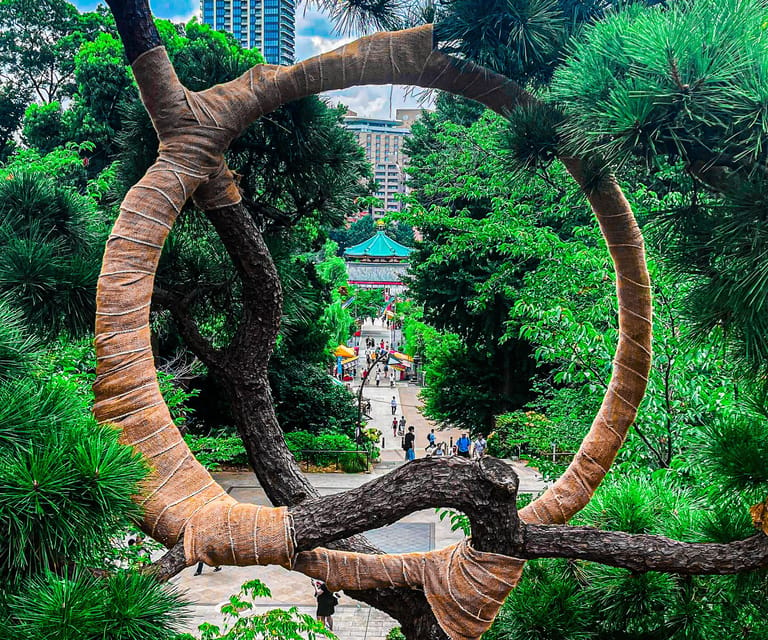
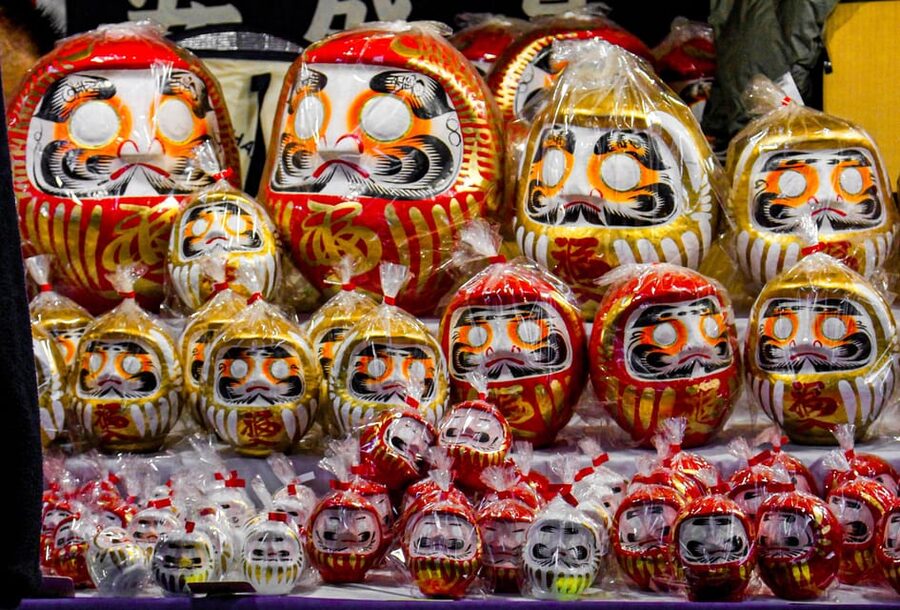
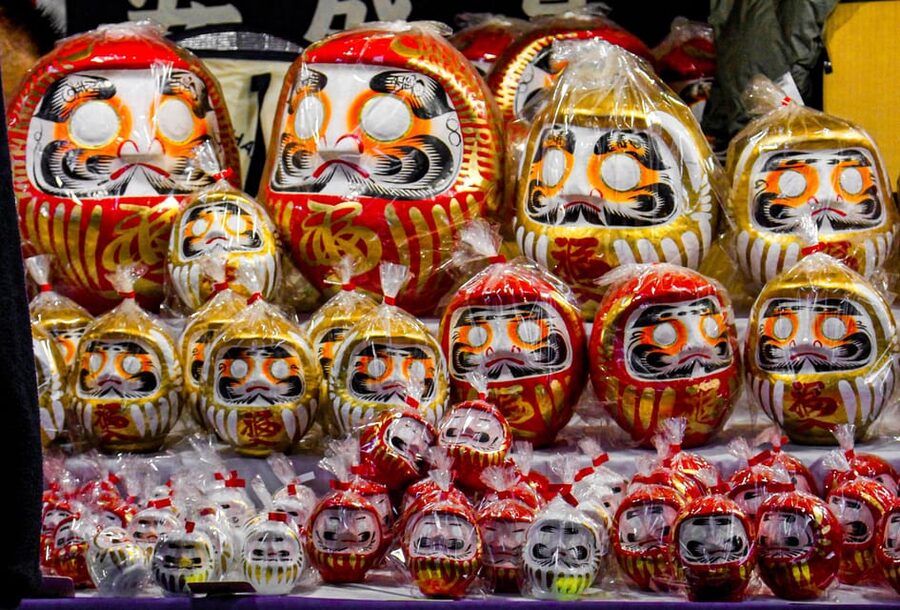
After lunch, the tour visits Ameyoko, an atypical market area near Ueno. This is a useful counterpoint to Sensō-ji. The temple presents formal tradition, while Ameyoko gives you a closer look at commerce, food, crowds, and the rougher edges of city life.
The information provided does not specify exactly how long the Ameyoko stop lasts, so expect it to fit within the Ueno portion and the wider lunch schedule. You should have time to look around, but not necessarily the freedom of a long independent shopping visit.
I like this inclusion because it keeps the day from becoming a parade of famous landmarks. A market helps you see Tokyo as a lived-in city. You might find food stalls, small shops, and a less polished atmosphere than at the city’s major temples and towers. Your Spanish-speaking guide can help explain what catches your eye and offer advice for exploring later on your own.
Keep your belongings secure and avoid bringing more than you need. The no-large-bags rule is especially sensible in a market and on packed public transport.
A completely different kind of day in Tokyo:
- Mt Fuji & Hakone Cruise, Drum Show Bullet Train 1 Day from Tokyo
★ 4.0 · 7,413 reviews - Tokyo: Shinjuku Food Tour (13 Dishes at 4 Local Eateries)
★ 5.0 · 6,603 reviews - Tokyo Mt Fuji 5th St & Hakone Cruise Bus Tour w/Bullet Train
★ 4.4 · 5,024 reviews - Flagship 2-Hours Official Street Go-Kart Tour – Tokyo Bay Shop
★ 5.0 · 4,974 reviews
Shinjuku changes the scale
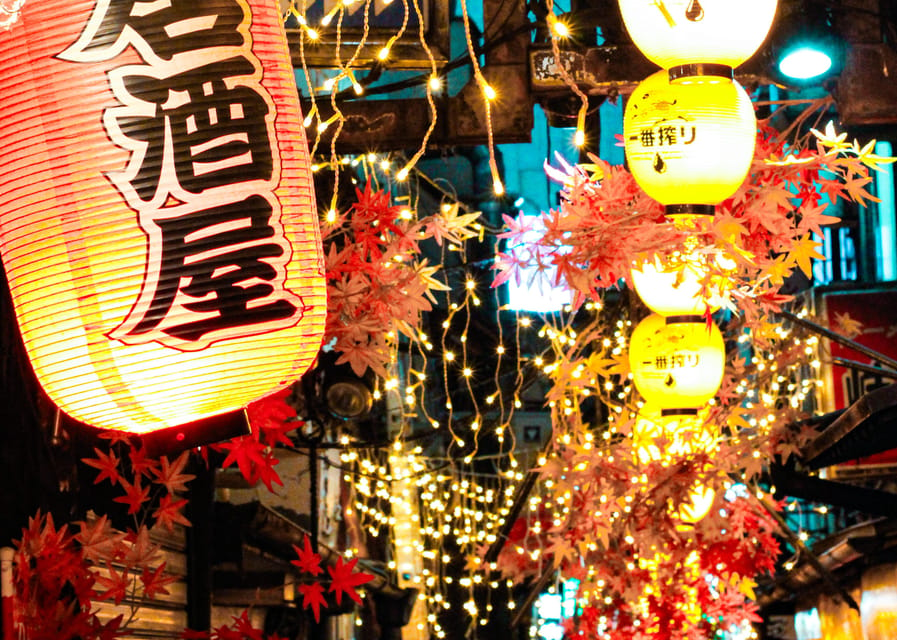
The trip from Ueno to Shinjuku takes about 25 minutes by train. This is the longest scheduled transport connection of the day, and it gives you a clean transition from central Tokyo’s park and market areas to one of its most famous business and entertainment districts.
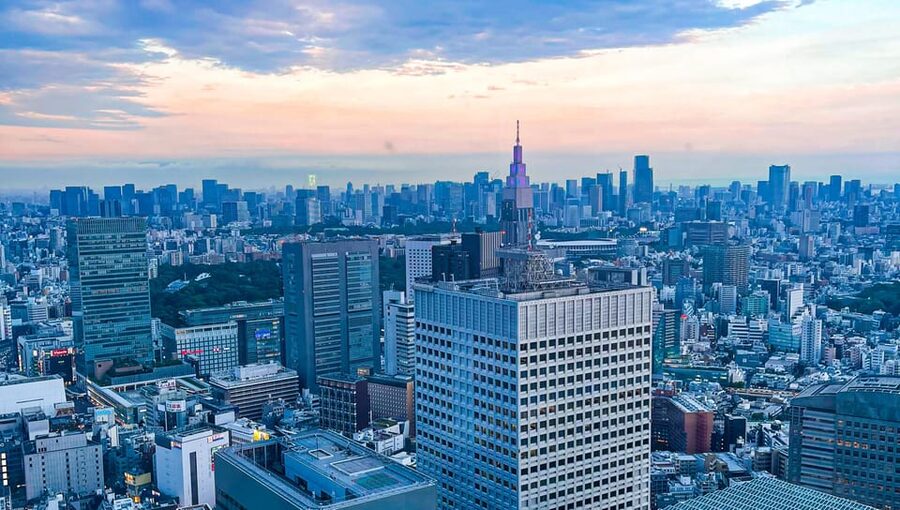
The Shinjuku guided visit lasts roughly 90 minutes. The highlight is a viewpoint described as one of the best in Tokyo. A high view helps you understand the city’s enormous scale, especially after spending the morning among temple lanes and market streets.
There is one important qualification. If the planned Shinjuku viewpoint is closed for reasons outside the operator’s control, the visit may switch to the Ebisu viewpoint. That is not a reason to reject the tour, but you should book with the understanding that the exact view is not guaranteed.
The lookout stop also depends on timing and operating conditions. The supplied information does not name the original observation deck or promise a particular building, so avoid choosing this tour solely because you have a specific tower in mind. The wider value is seeing Tokyo from above with a guide who can help you make sense of the city below.
Shinjuku is a good place to notice the city’s vertical character. The streets, railway lines, office towers, signs, and entertainment venues all occupy different layers. You may appreciate the guide’s explanations more here than if you simply arrived alone, took a photo, and left.
Kabukicho and Golden Gai after the daylight fades
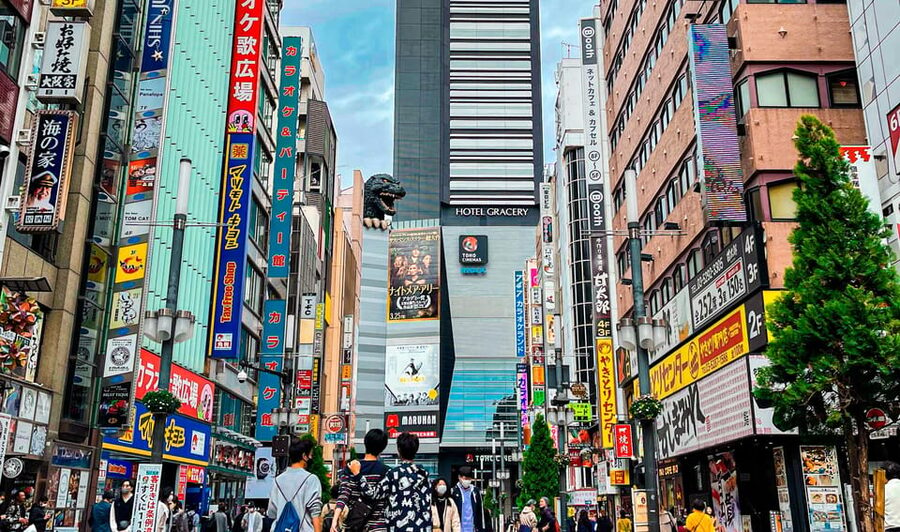
From the Shinjuku sightseeing area, you walk about 10 minutes to Kabukicho. The final guided portion lasts around 50 minutes and ends at Kabukicho Theater.
Kabukicho is widely known as Tokyo’s red-light district, but it is also a major nightlife area with karaoke bars, restaurants, gaming stores, and bright neon façades. The tour presents it as part of Tokyo’s modern character rather than treating it as a place to avoid.
Golden Gai is also part of the evening atmosphere. Its narrow lanes and small bars are famous, though this tour does not promise entry to any specific bar or a drink. Food and beverages are not included, so you should budget separately if you want to continue the evening after the guided walk.
This final stop works because it brings the day back to contrast. You begin at a major Buddhist temple and finish among illuminated signs and late-night entertainment. I would not expect a quiet or deeply detailed nightlife tour in 50 minutes. Instead, think of it as an orientation walk that helps you decide where to return later.
The tour ends at Kabukicho Theater, not back at your hotel. Plan your onward route before the guide leaves, or ask for directions and suggestions. One of the activity’s promises is practical advice for continuing your trip, and this is a good moment to use it.
What the Spanish-language guiding adds
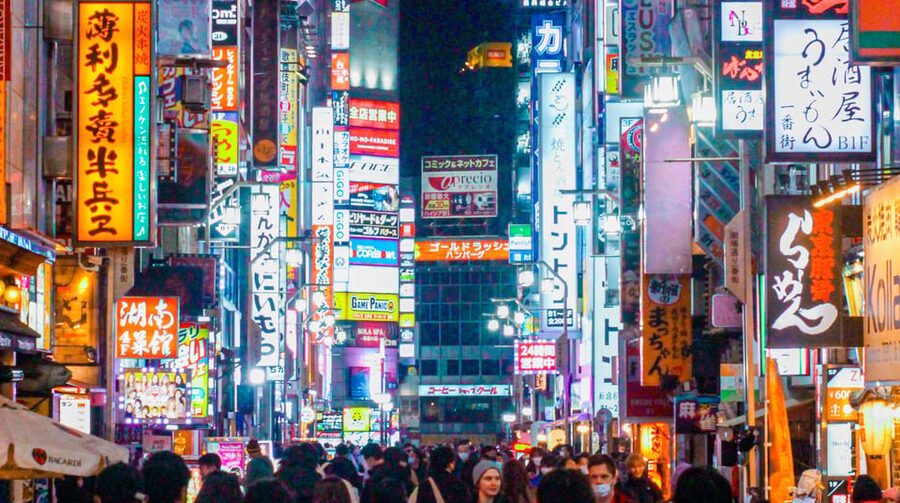
A Spanish-language tour is not just a translated version of a standard walk. You can ask questions without worrying about language gaps, and cultural explanations are more likely to make sense in conversation rather than through signs or an audio guide.
The named guides associated with recent bookings include Nikita, Camila, and Emi. Their reported strengths include kindness, clear communication, useful tips, flexibility, and willingness to help. Guide assignments can change, so you should not book on the assumption that one particular person will lead your date.
The best use of the guide is to ask for help with the rest of your trip. Ask which neighborhoods fit your interests, how to use the trains, where to eat, or what to do after Kabukicho. These small recommendations can save time later and may be more valuable than another scripted explanation at a landmark.
The tour is advertised as respectful of the environment. In practical terms, public transportation is built into the route, and the day avoids a private vehicle moving between every stop. Hotel pickups also use public transport, including for private tours.
Price, transport, and the real value
The price is $96 per person for eight hours. That is not a budget walking tour, but it can be reasonable if you want a full day of Spanish-language support across several distant parts of Tokyo.
You are paying for the guide’s time, route planning, explanations, and help with public transportation. You also cover 400 yen for transportation and pay for your own food and drinks. Hotel pickup costs extra unless it is included through the selected private option.
The value is strongest for first-time visitors who want orientation. You see five distinct Tokyo settings in one day and finish with a better sense of how the city fits together. If you already know Tokyo well, the standard route may feel less worthwhile unless you want Spanish-language company or a private format.
A private group can make the price easier to justify for families or friends who want control over the pace. It may also help if your party has particular interests, although the supplied details do not promise a fully custom itinerary.
The tour offers free cancellation up to 24 hours before the start, and you can reserve now and pay later. Those terms help if your Tokyo schedule is still changing.
Who should book this Tokyo day tour
I would recommend it most strongly to Spanish-speaking first-time visitors, couples, families with older children, and anyone who wants a guided introduction without spending the day inside a bus.
It is also a good fit if you value practical help. The public transport connections are short or moderate, but you still need to move through stations and walk between areas. The tour is wheelchair accessible, though the full-day length and multiple transfers are worth considering for your own comfort.
This is not suitable for unaccompanied minors or people with hearing impairments, according to the stated conditions. Large luggage is not allowed, and the tour does not include meals or drinks.
The day may be less suitable if you want long, independent shopping time, a slow food-focused experience, or entry to several museums. It covers a lot of ground, and the reward is variety rather than extended time in one place.
Should you book it?
Book this tour if you want Tokyo explained in Spanish and like the idea of moving from temple grounds to markets, viewpoints, and neon streets in one organized day. The strongest reasons are the friendly guiding approach, useful trip advice, and the thoughtful contrast between old and new Tokyo.
Skip it if you prefer to set your own pace or already feel comfortable navigating Tokyo’s trains and districts. Also remember that the viewpoint may change to Ebisu, transport costs extra, and the day ends in Kabukicho rather than at your hotel.
For most Spanish-speaking visitors on a first Tokyo trip, the route offers a solid introduction and a helpful launch point for the rest of the city.
FAQ
Is the tour conducted in Spanish?
Yes. The live guide speaks Spanish, and the entire tour is offered as a Spanish-language experience.
How long does the tour last?
The tour lasts eight hours. Starting times depend on availability and the option you select.
Where does the tour start?
The standard meeting point is in front of the entrance to the Asakusa Tourist and Cultural Information Center. The guide wears identification marked NIPONEANDO.
Is hotel pickup available?
Yes. Hotel pickup is available if you add the supplement or select the private tour option. Pickups use public transportation.
What does the tour visit?
The route includes Sensō-ji Temple in Asakusa, Ueno Park, Ameyoko market, Shinjuku, a Tokyo viewpoint, and Kabukicho, including the Golden Gai nightlife area.
Is food included?
No. Lunch, drinks, and other food are not included. The schedule provides about 80 minutes for lunch in Ueno.
Can the viewpoint change?
Yes. If the planned Shinjuku viewpoint is closed, the visit may be changed to the Ebisu viewpoint.
Newly reviewed around Tokyo
- Tokyo Asakusa:Calligraphy & Make T-shirt Activity★ 5.0 · 62 reviews
- Intercity Shuttle, Tokyo to Haneda /Narita /Yokohama /Makuhari★ 5.0 · 5 reviews
- 1 Hour Travel around Tokyo with a Professional Photographer★ 5.0 · 3 reviews
- Travel Tokyo with Your Own Personal Photographer★ 5.0 · 43 reviews
- Train in Samurai Swordsmanship and Defeat the Demon in Tokyo★ 5.0 · 5 reviews
- Shuttle Van 6hr Tokyo Tour to-and-from Tokyo, Yokohama and Narita★ 5.0 · 9 reviews
- Kickboxing & Body Training with EX-Pro Fighter★ 5.0 · 4 reviews
- Traditional Japanese Knife Sharpening Class★ 5.0 · 18 reviews
Tours, compared.
Mt Fuji and Hakone 1-Day Bus Tour Return by Bullet Train
Read our review →
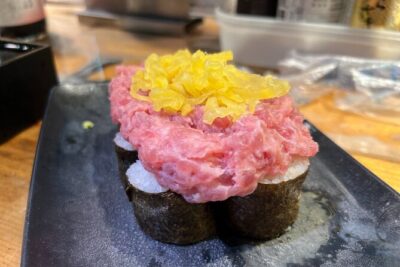
Shinjuku Food Tour (13 Dishes at 4 Local Eateries)
Read our review →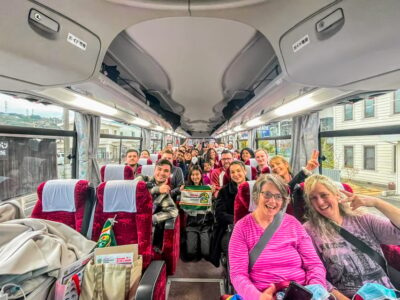
Tokyo Mt Fuji 5th St & Hakone Cruise Bus Tour w/Bullet Train
Read our review →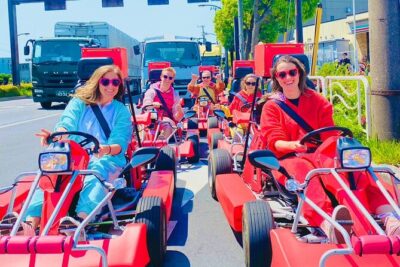
Flagship 2-Hours Official Street Go-Kart Tour – Tokyo Bay Shop
Read our review →
Mt. Fuji Tour, Hakone Ropeway, Owakudani, Lake Ashi
Read our review →
Tokyo 6hr Private Tour with Government-Licensed Guide
Read our review →