
Reviewed · TOKYO
Shibamata: Step Back into Old Japan!
Shibamata gives you a quieter, more old-fashioned side of Tokyo, with snack shops, temple carvings, a beloved film character, and a garden tea break all packed into three hours. The visit to Taishakuten Temple is the main event, especially if you enjoy detailed woodwork and traditional Japanese buildings.
I like the small group, limited to five people, and the easy mix of food, culture, and calm garden time. I also like the personal touch provided by guides such as Megumi and Machiko, who explain the neighborhood in English and make room for questions. The main consideration is timing: the tour is advertised as three hours, and one visitor found it ran longer than expected, so do not schedule a tight connection afterward.
Key points at a glance
- Taishakuten Temple’s carved woodwork: Look closely at the detailed panels and painted decoration rather than rushing through the grounds.
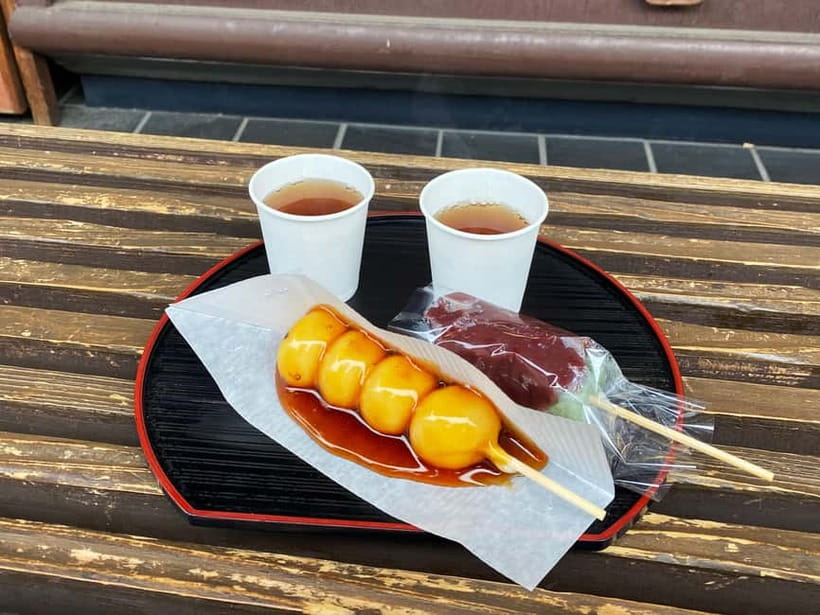
- Street snacks with local character: Grass dumplings, mitarashi dumplings, rice crackers, and Japanese-style omelets give you several tastes of Shibamata.
- A quieter Tokyo setting: The neighborhood feels far removed from the city center’s crowds and bright commercial streets.
- Tora-san connection: The museum introduces the famous Japanese film and television character through displays about traditional daily life.
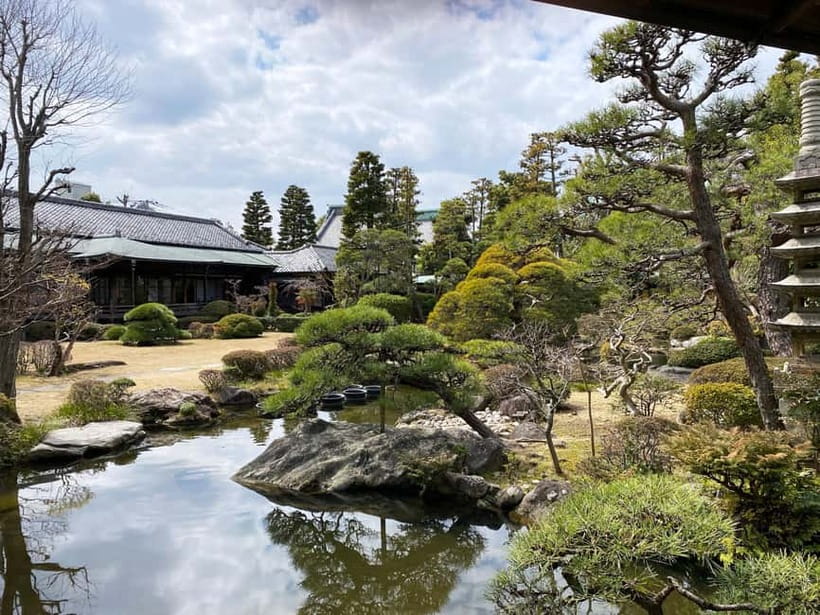
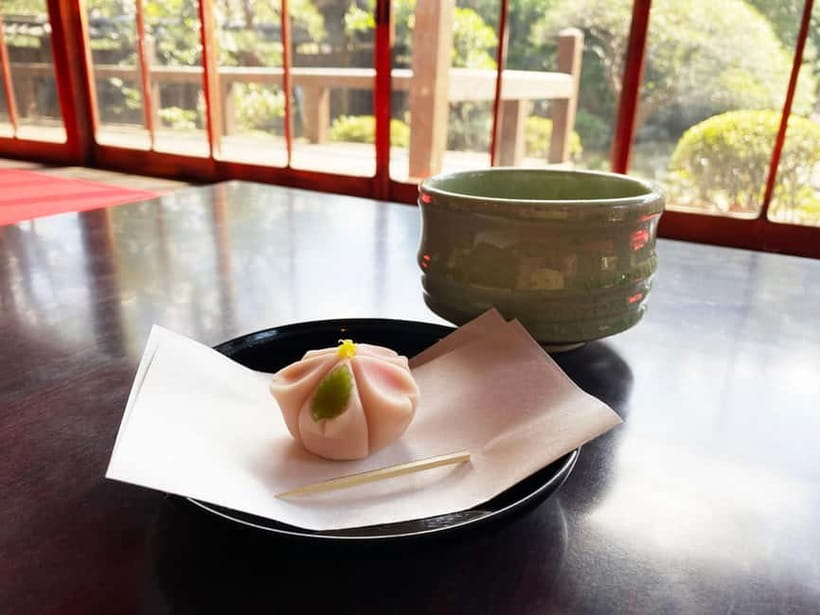
- Tea at Yamamoto-tei: Entry, refreshments, garden access, and time to sit with green tea are included.
- Small-group guiding: With no more than five participants, it is easier to hear explanations and ask questions.
Why Shibamata feels different from central Tokyo
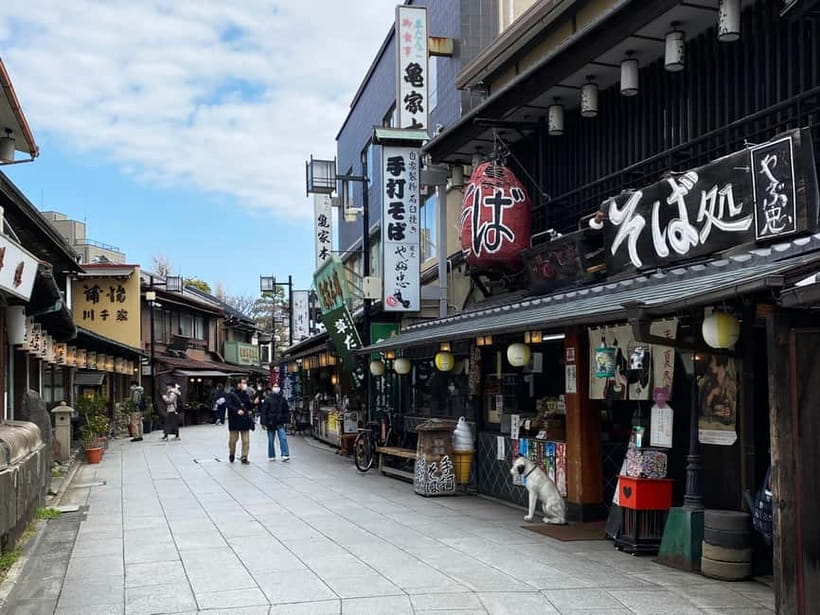
Tokyo often gets introduced through tall buildings, packed train platforms, neon streets, and famous shopping districts. Shibamata offers another picture. Its appeal comes from a slower rhythm, traditional shops, temple grounds, and a neighborhood atmosphere that feels local rather than showy.
You meet in front of the Tora-san statue and Sakura statue outside Keisei Shibamata Station. That makes the starting point simple to find, even if you are new to the district. From there, the route unfolds on foot, with no complicated transfers or long vehicle rides during the tour.
I would choose this experience if you have already seen some of Tokyo’s major sights and want a change of pace. It also works well early in a Tokyo visit if you prefer to begin with a gentle introduction to Japanese food, architecture, and everyday culture.
The setting is especially appealing for anyone who values conversation. The group limit of five means your guide can respond to individual questions instead of delivering a speech to a large crowd. Guides named Megumi and Machiko have led this experience, and the supplied information points to a warm, personal style with plenty of local explanation.
Other Tokyo days people book alongside this one:
- Mt Fuji and Hakone 1-Day Bus Tour Return by Bullet Train
★ 5.0 · 26,383 reviews - 1-Day Tokyo Bus Tour
★ 5.0 · 14,250 reviews - Tokyo: teamLab Planets TOKYO Digital Art Museum Entry Ticket
★ 4.6 · 9,779 reviews
Taishakuten Sando: a short walk with plenty to taste
The first main stop is Taishakuten Sando, the approach street leading toward the temple. Allow about 30 minutes here for walking, guiding, and local snacks.
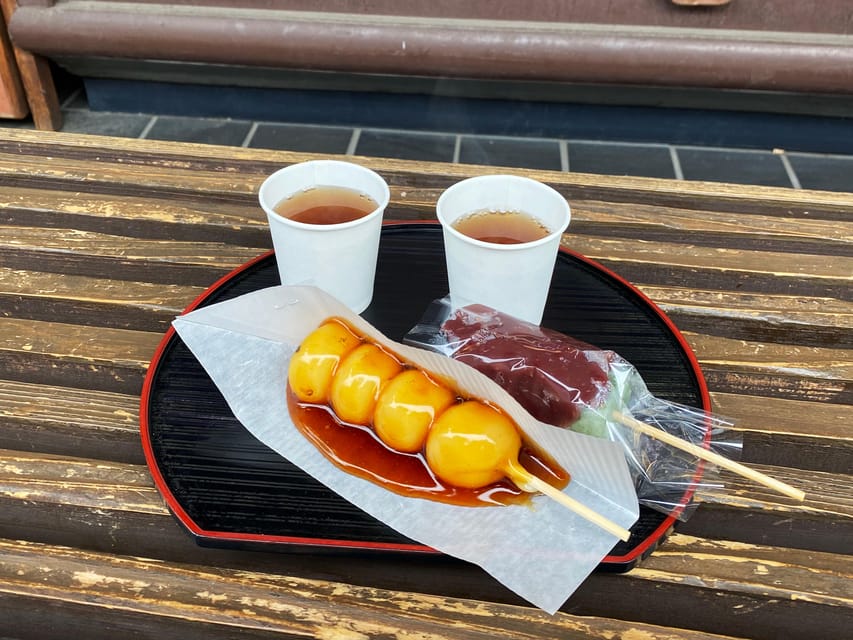
This is where the tour becomes pleasantly hands-on. You can try grass dumplings, mitarashi dumplings, rice crackers, and savory Japanese-style omelets. These are not just decorative food stops. They give you a quick sense of the flavors and snack traditions that make an old temple neighborhood feel lived in.
Grass dumplings are known for their green color and herbal flavor. Mitarashi dumplings bring a sweet soy glaze, while rice crackers provide a crisp, savory bite. The omelet adds a different texture and shows how everyday Japanese foods can be prepared in a simple street setting.
I like this part because it gives you something to talk about with your guide and something to remember beyond photographs. It also helps you notice the shops along the street. You are not simply walking from the station to a temple, you are seeing how food, pilgrimage, and local commerce fit together.
Bring cash. Some shops may not accept cards, and the tour includes tastings but does not include souvenir purchases. You may want extra money for additional snacks or small items, though the souvenir fee itself is not included.
Taishakuten Temple and its intricate wood carvings
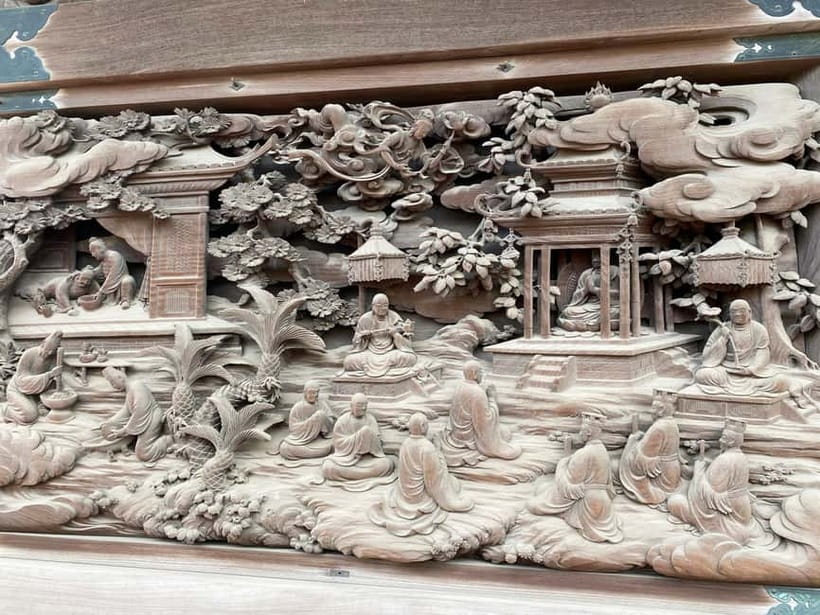
The tour spends about 40 minutes at Shibamata Taishakuten, the most visually impressive stop on the route. The temple is known for detailed wood carvings, painted decoration, and traditional craftsmanship.
This is the place to slow down and look up, across, and around the buildings. The carvings reward close attention. Instead of viewing the temple as one large structure, notice the smaller details in the panels, the decorative surfaces, and the way color brings out the workmanship.
Entry to the Sculpture Gallery and Garden at Taishakuten is included. That matters because the ticket is not limited to a quick look at the main temple. You have time to see the carved work and then move into a quieter garden setting.
A guide adds real value here. Without context, a Japanese temple can be beautiful but difficult to read. Your English-speaking guide can point out details you might otherwise pass, explain what makes the carvings notable, and answer questions as you go.
The 40-minute visit is enough for an introduction, but it is not a long temple study session. If you like spending an hour or more examining every carving, you may wish the stop were longer. For most people, the pace should feel manageable, particularly because the day includes several different types of experience rather than one extended museum visit.
The Tora-san Museum and an old-fashioned Tokyo
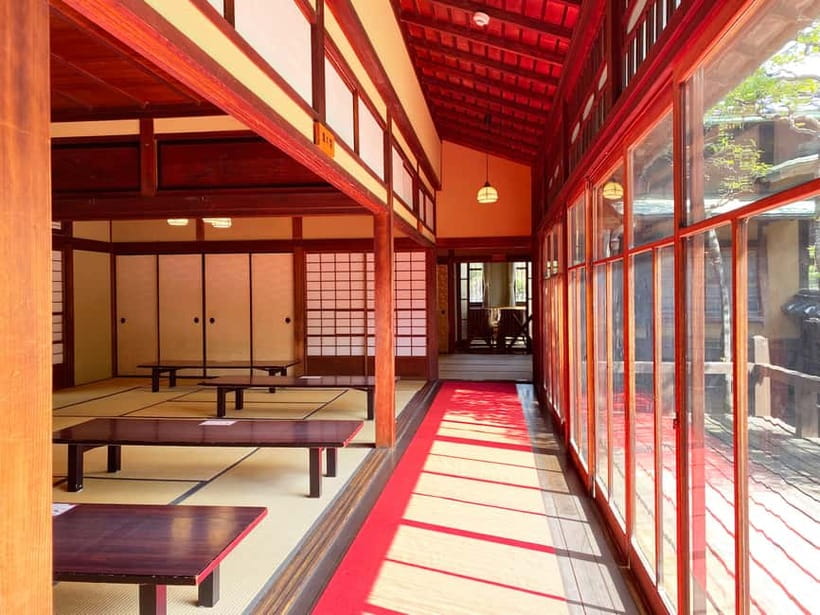
Next comes the Tora-san Museum, with about 20 minutes for a guided visit and photographs. This stop connects Shibamata to the popular Japanese film and television series about Tora-san.
You do not need to know the character before arriving. The museum presents a picture of traditional living and helps explain why Tora-san matters to the neighborhood. The appeal is not only for dedicated fans. It is also a way to see how popular culture can shape a place’s identity.
I appreciate that the museum is included even for visitors who have never heard of Tora-san. The short visit keeps it from taking over the day, while the displays give you useful cultural context. You can enjoy the setting and the everyday details without needing prior knowledge of the films.
Still, this is the stop most dependent on your interests. If Japanese cinema and local cultural history appeal to you, it may become a favorite. If you prefer temples, gardens, and food, you may find the 20-minute visit sufficient.
A completely different kind of day in Tokyo:
- Mt Fuji & Hakone Cruise, Drum Show Bullet Train 1 Day from Tokyo
★ 4.0 · 7,413 reviews - Tokyo: Shinjuku Food Tour (13 Dishes at 4 Local Eateries)
★ 5.0 · 6,603 reviews - Tokyo Mt Fuji 5th St & Hakone Cruise Bus Tour w/Bullet Train
★ 4.4 · 5,024 reviews - Flagship 2-Hours Official Street Go-Kart Tour – Tokyo Bay Shop
★ 5.0 · 4,974 reviews
Yamamoto-tei: gardens, tea, and time to sit
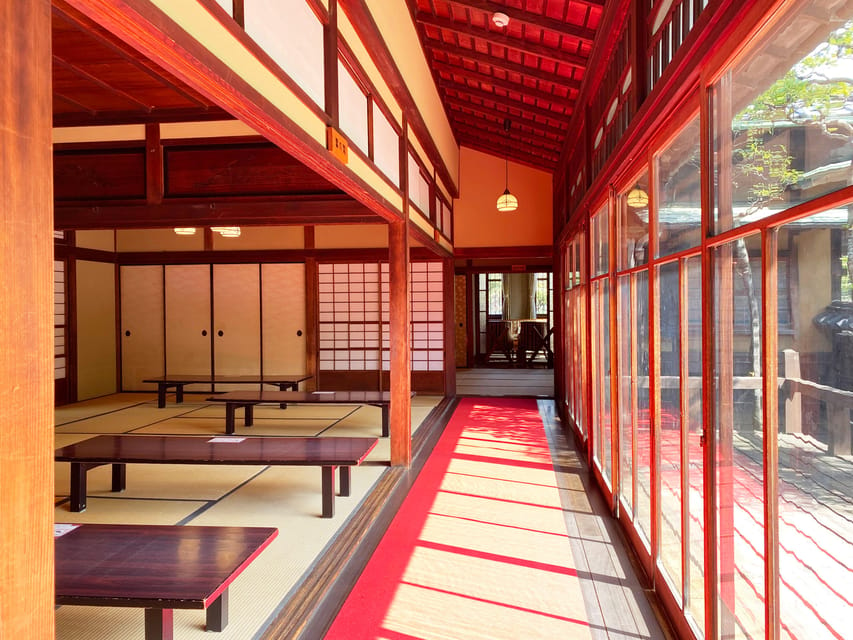
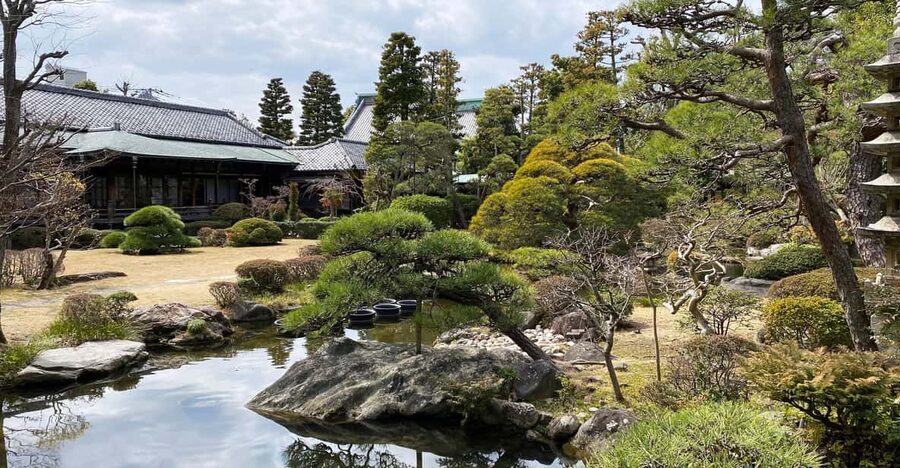
The final major stop is Yamamoto-tei, where the tour allows around 30 minutes for a break, photos, guided information, scenic views, and tea.
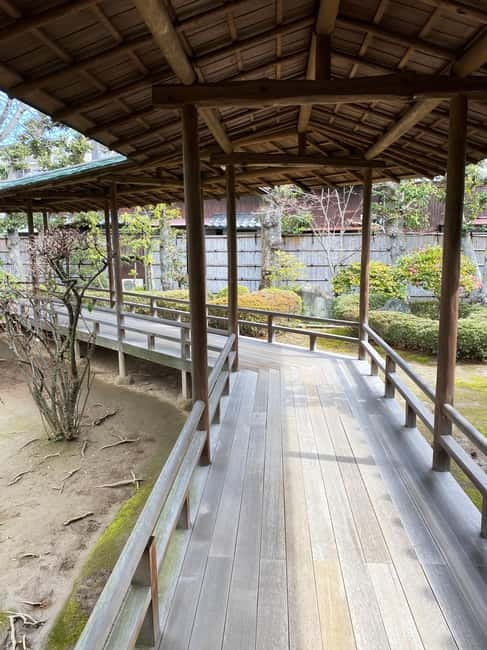
This is a welcome change after walking through the temple district. You can sit beside a Japanese garden, enjoy green tea and refreshments, and take in the quieter surroundings. The garden visit is not treated as a rushed photo stop. It gives the tour a calm final chapter.
Access to Yamamoto-tei and refreshments are included in the $90 price. That makes this more than a simple neighborhood walk. You are paying for a guided route, temple and garden admissions, the Tora-san Memorial Hall, and a hosted tea break.
I especially like the balance here. The tour begins with lively food sampling, moves into architecture and local culture, and ends with stillness. You get enough variety to keep the three hours interesting, but the final tea session prevents the experience from feeling like a checklist.
The garden views may be one of the best reasons to book this tour if you want a pause from Tokyo’s busy core. You will have time to enjoy the setting without needing to plan a separate garden visit or tea stop.
What $90 covers, and where the value lies
At $90 per person, this is not the cheapest way to walk around Shibamata. You could explore the streets and temple area independently for less, especially if you skip the paid sites and buy only a snack or two.
The value comes from the combination. Your fee includes an English-speaking guide, entry to Tora-san Memorial Hall, the Sculpture Gallery and Garden at Taishakuten, access to Yamamoto-tei, and refreshments there. You also receive help understanding the cultural links between the street, temple, museum, and garden.
For a first visit to Shibamata, that structure is useful. You do not need to research which shops to try, work out the temple highlights, or figure out how the Tora-san story fits into the district. The guide connects the pieces.
The price makes the most sense for visitors who want explanation and company, not only entrance tickets. If you are comfortable navigating Japanese neighborhoods alone and prefer a very slow, independent pace, self-guiding may suit you better. If you want a compact introduction with food and admissions handled, the cost is easier to justify.
The pace, group size, and practical details
The experience lasts three hours and returns to the Tora-san statue and Sakura statue outside Keisei Shibamata Station. Since the route includes walking, temple grounds, a museum, a garden, and food stops, comfortable shoes are sensible.
The group is limited to five participants. That is a major advantage for anyone who likes asking questions or prefers not to trail behind a large crowd. It also makes the experience feel more like a guided neighborhood visit than a standard coach excursion.
The tour is conducted in English. Guides named Megumi and Machiko have led it, and the supplied descriptions suggest a friendly, attentive approach. You should still allow flexibility around the end time. One published schedule was expected to take two hours but ran close to three, while the current activity duration is listed as three hours.
Cancellation is free up to 24 hours before the start time, and you can reserve now and pay later. The provider asks anyone feeling unwell on the day to skip participation. These policies are useful, but the bigger practical tip is simpler: carry cash for shops and avoid putting another fixed appointment immediately afterward.
Who will enjoy this Shibamata walk most
I would recommend this tour to you if you want a quieter side of Tokyo and prefer local atmosphere to a packed list of famous sights. It suits first-time visitors who want cultural background, as well as repeat visitors looking for something outside the city center.
Food lovers will appreciate the range of small tastings. Architecture fans will get the most from Taishakuten’s carved details. Film and popular culture fans will find extra meaning in the Tora-san Museum, while anyone needing a peaceful break will likely value Yamamoto-tei and its garden.
The tour also works well for solo visitors and couples who like meeting a few other people without joining a large group. Families may enjoy the snacks and statues, though the cultural value depends on how interested children are in temple details and museum displays.
I would be less likely to book it if I had only a short time in Tokyo and wanted to focus on the city’s central sights. Shibamata requires a decision to spend several hours away from the usual first-visit circuit. That is the point of the tour, but it may not fit every itinerary.
Should you book the Shibamata experience?
Book it if you want a gentle, well-organized introduction to a traditional Tokyo neighborhood, with food, temple art, a local film connection, and tea in a garden. The small group, included admissions, and personal guidance make it more useful than simply wandering the streets without context.
Skip it if you prefer fast sightseeing, major landmarks, or completely independent exploration. Also keep extra cash with you and leave your schedule open around the three-hour visit.
For me, the strongest reason to choose this experience is its balance. Taishakuten supplies the visual impact, the snacks keep the walk lively, Tora-san adds local character, and Yamamoto-tei lets you finish quietly. It is a good choice when you want Tokyo to feel human-sized for an afternoon.
FAQ
Where does the Shibamata tour meet?
The meeting point is in front of the Tora-san statue outside Keisei Shibamata Station. The Sakura statue is also at the stated starting location.
How long does the experience last?
The activity lasts three hours. You should allow some flexibility around the finish time.
What language is the tour conducted in?
The tour is conducted in English with a live English-speaking guide.
How large is the group?
The tour is limited to five participants, making it a small-group experience.
What food can I try during the tour?
The route includes local snacks such as grass dumplings, mitarashi dumplings, rice crackers, and savory Japanese-style omelets.
Is entry to Taishakuten included?
Yes. The fee includes entry to the Sculpture Gallery and Garden at Taishakuten.
Is the Tora-san Museum included?
Yes. Entry to Tora-san Memorial Hall is included in the tour fee.
Is tea included?
Yes. You receive refreshments at Yamamoto-tei, where you can enjoy traditional green tea beside a Japanese garden.
Should I bring cash?
Yes. Some shops may not accept cards, so cash is recommended. Souvenir purchases are not included in the tour fee.
Newly reviewed around Tokyo
- Sumo Training Watching Experience in Tokyo★ 4.5 · 8 reviews
- Ueno and Yanaka Culture Art Walking Tour in Old Tokyo★ 5.0 · 5 reviews
- Giant Sushi Cooking Class: Make a 1.5m Sushi Roll in Tokyo★ 5.0 · 9 reviews
- 2 Hours Mochi &Nerikiri Making & Matcha Class in Bunkyo★ 5.0 · 21 reviews
- Japanese Sweets (Mochi & Nerikiri) making at a Private studio★ 5.0 · 22 reviews
- Mt Fuji and Kawaguchiko Private Tour★ 5.0 · 10 reviews
- Half-Day Local Tokyo Tour in Adachi Market and Shibamata★ 5.0 · 16 reviews
- Private Full-Day Tour of Tokyo with Hotel Pickup★ 5.0 · 3 reviews