Reviewed · TOURS
Sailor Moon Tour in Azabujuban, Tokyo
The best part of this Sailor Moon tour is that it treats Azabujuban as more than a backdrop. You walk through the real neighborhood that helped shape Naoko Takeuchi’s manga, comparing streets, buildings, shops, and views with scenes from both the original 1990s anime and Sailor Moon Crystal. Guide Ellen brings reference pictures, so you can line up the fiction with the Tokyo in front of you.
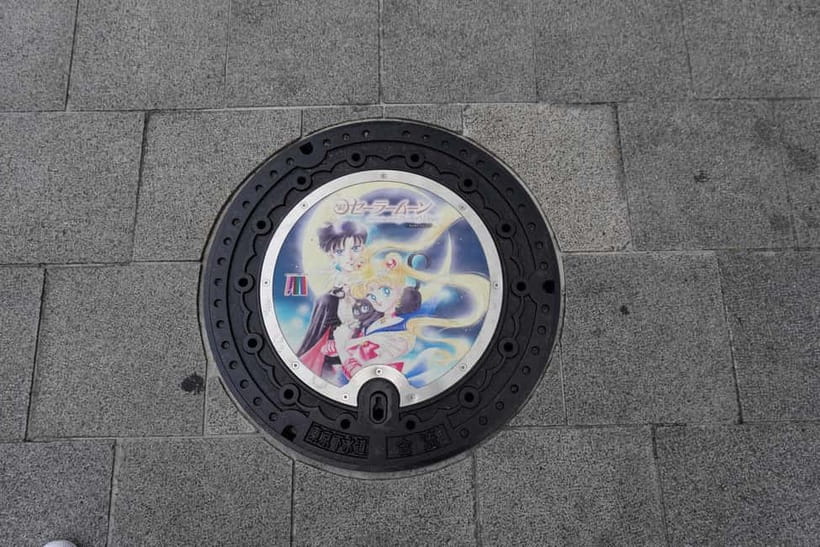
I like the hands-on fan moments, from finding the Sailor Moon manhole cover to posing beside familiar scenes. I also like the local flavor: taiyaki, neighborhood history, temple traditions, and a final stop at either a tarot-themed cafe or a Japanese izakaya. The main consideration is that this is a walking tour through ordinary city streets, not a large attraction with displays or merchandise, and it is not suitable for wheelchair users.
Key points at a glance
- Real Sailor Moon locations: Match scenes from the manga and anime to streets and buildings in Azabujuban.
- Ellen’s personal touch: Your guide uses printed images from the 1990s anime and Sailor Moon Crystal to help you recreate scenes.
- A taste of the neighborhood: Try a local Japanese treat, including taiyaki, and have one food or drink at the final stop.
- More than anime trivia: Learn about Azabujuban’s local history, temple customs, art, shops, and daily life.
- A flexible finale: Finish at a fortune-telling bar or a local izakaya where Sailor Moon may be shown.
- Good value for fans: At $77 per person, the price covers the guided walk, one local treat, and one restaurant or cafe food or drink.
Why Azabujuban is the right place for a Sailor Moon walk
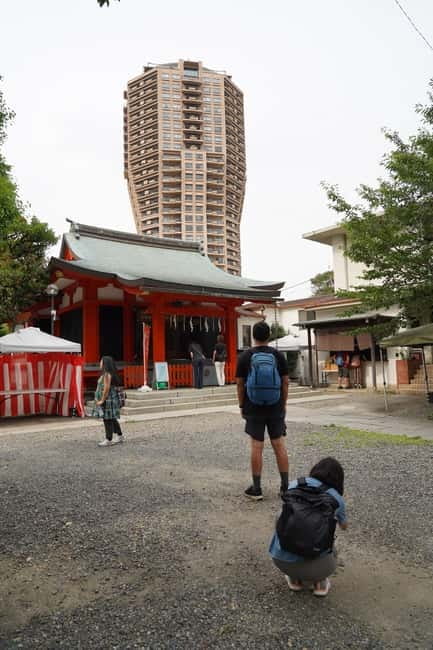
Azabujuban gives this experience its charm. Instead of visiting a purpose-built anime attraction, you walk through a real Tokyo neighborhood that inspired settings in Sailor Moon. The streets remain part of everyday city life, so the pleasure comes from noticing details that could otherwise pass unnoticed.
That makes this a good choice for a fan who wants context. You are not simply ticking off fictional places. You are seeing how a creator turned familiar streets, shops, signs, and architecture into a world of magical battles, friendships, and school-day adventures.
The tour also works if you are only loosely familiar with Sailor Moon. You do not need to know every character or episode to enjoy the walk. The guide’s side-by-side images give you a clear visual reason to stop, look, and compare.
For dedicated fans, the reward is more precise. You can see where an anime background came from, then stand in the same position for your own photograph. Ellen has used images from both the original 1990s series and Sailor Moon Crystal, which helps you spot differences between versions of the story.
Other Tokyo days people book alongside this one:
- Mt Fuji and Hakone 1-Day Bus Tour Return by Bullet Train
★ 5.0 · 26,383 reviews - 1-Day Tokyo Bus Tour
★ 5.0 · 14,250 reviews - Tokyo: teamLab Planets TOKYO Digital Art Museum Entry Ticket
★ 4.6 · 9,779 reviews
Meeting Ellen at the Sailor Moon manhole cover
The meeting point is directly in front of Azabujuban Station at Exit 4, beside Oslo Coffee. Look for the red Japan Hopping sign. This is a useful meeting arrangement because the station exit gives you a clear landmark, and the Sailor Moon manhole cover is close by.
Finding that manhole cover at the beginning sets the tone. It is an immediate reminder that the neighborhood has embraced its connection to the series, but the tour does not stop with obvious fan signage. From there, Ellen leads you into the streets and explains how the area connects to Takeuchi’s work.
Ellen is central to the experience. She is a Sailor Moon fan herself, so you can ask detailed questions and share your own favorite scenes without having to explain why a small background detail matters. At the same time, she brings information about Azabujuban beyond the anime, including local customs and the area’s history.
That balance matters. A tour led only by a fan could become a string of references that make sense to insiders but leave everyone else behind. Here, the stated focus includes the town’s culture and history, and the experience is designed to remain enjoyable for people who simply want a different way to explore Tokyo.
Matching anime scenes to real Tokyo streets
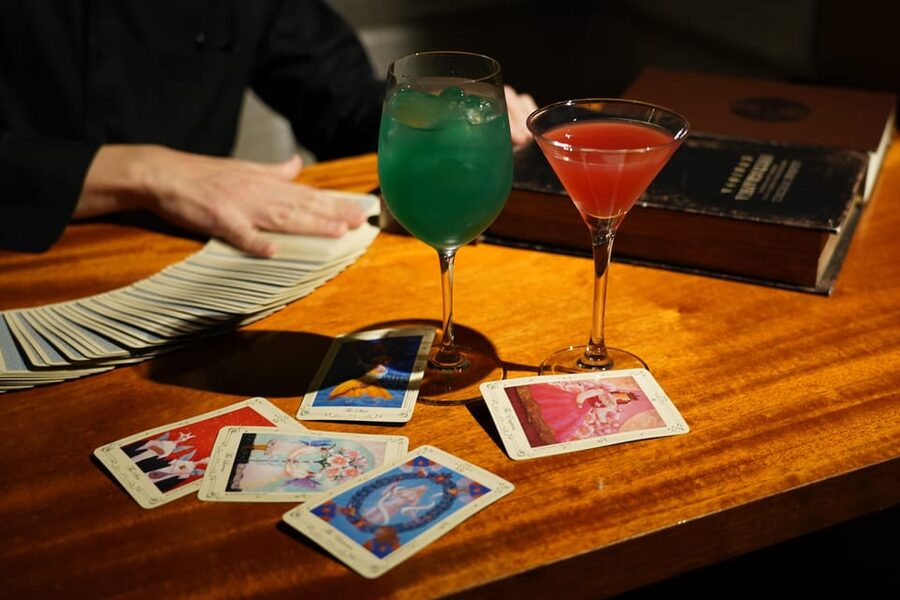
The core of the walk is the comparison between fiction and place. Ellen carries images from the series and shows how certain views, buildings, and street scenes relate to the manga and anime. You may be asked to stand in a particular position or copy a character’s pose for a photograph.
This is where the tour feels most personal. You are not just hearing that a location inspired a scene. You are looking at the reference image, turning toward the actual street, and noticing the lines that carried into the artwork. It is a simple activity, but it gives you a reason to study Tokyo at street level.
The tour includes places linked to Takeuchi’s time in the area, including local shops she frequented. One stop is a Kaleidoscope store, which adds a visual change from the street scenes. The shop is described as especially pretty, and it fits the tour’s interest in local art and the creative influences around Azabujuban.
You should keep your expectations realistic. These are real city locations, not preserved film sets. Buildings and storefronts may look different from an anime drawing, and some scenes are based on artistic interpretation rather than exact copies. That is part of the appeal, but it also means the experience depends on your willingness to look closely.
Taiyaki and other small tastes of Azabujuban
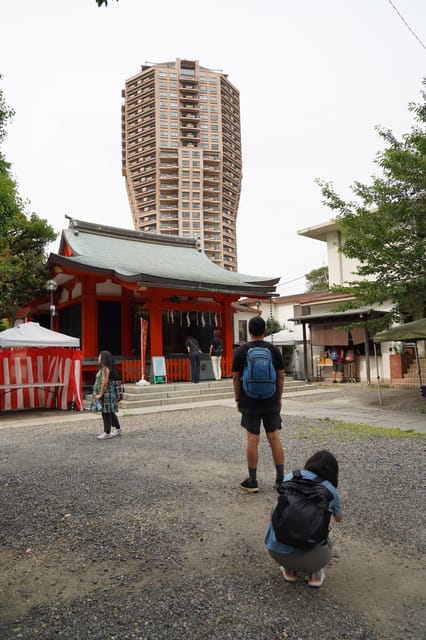
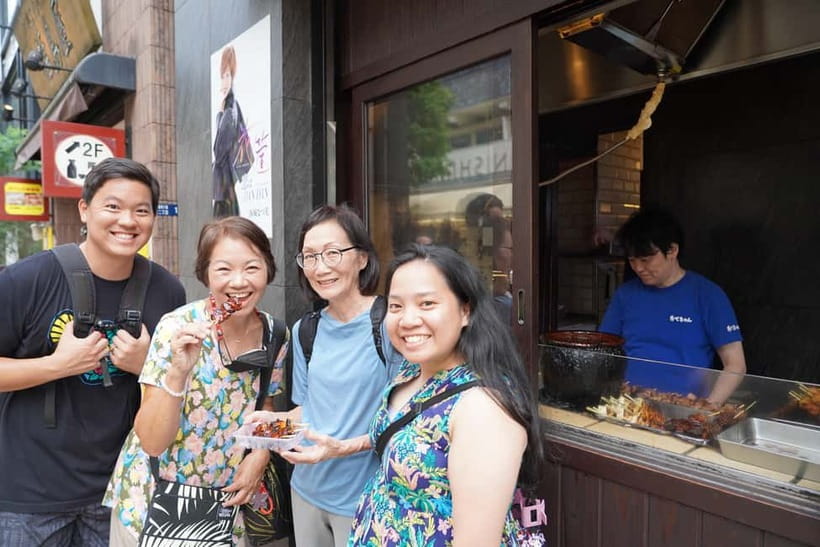
Food is used as a link between the fictional world and the neighborhood itself. One local Japanese treat is included, with taiyaki specifically highlighted as a snack connected to Sailor Moon. Taiyaki is a fish-shaped cake commonly filled with sweet red bean paste, though the exact filling or shop selection is not specified here.
Do not think of this as a full food tour. The included treat is a small taste, not a meal, and additional food or drinks cost extra. Still, it is a useful addition because eating something from the area makes the walk less abstract. You get a short break, a local flavor, and another connection between Sailor Moon’s world and Japanese daily life.
The final stop includes one food or drink at either a tarot-themed cafe or a local Japanese izakaya restaurant. The exact option can vary. At the izakaya, the experience may include traditional dishes prepared by the grandmother of the restaurant and Sailor Moon playing while you eat, based on the tour details provided.
That ending gives the walk a social feel. You can discuss the places you have seen, compare favorite characters, and enjoy Japanese food in a smaller local setting. If you have dietary restrictions, ask about the menu before booking, since no specific dietary arrangements are provided.
A completely different kind of day in Tokyo:
- Mt Fuji & Hakone Cruise, Drum Show Bullet Train 1 Day from Tokyo
★ 4.0 · 7,413 reviews - Tokyo: Shinjuku Food Tour (13 Dishes at 4 Local Eateries)
★ 5.0 · 6,603 reviews - Tokyo Mt Fuji 5th St & Hakone Cruise Bus Tour w/Bullet Train
★ 4.4 · 5,024 reviews - Flagship 2-Hours Official Street Go-Kart Tour – Tokyo Bay Shop
★ 5.0 · 4,974 reviews
The tarot bar or the izakaya finale
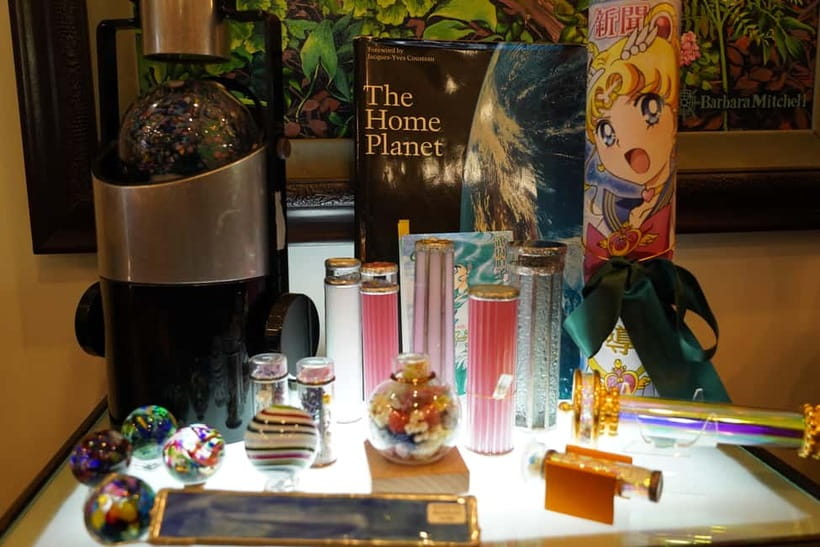
The fortune-telling option is one of the more unusual parts of the experience. You finish at a hidden fortune-telling bar, where you can have a drink and get a tarot reading. The tour includes one food or drink, but additional orders and personal purchases are not covered.
A tarot reading adds a playful magical note without pretending to be a formal Sailor Moon attraction. It suits fans who enjoy the series’ themes of fate, friendship, romance, and cosmic adventure. If fortune-telling is not your interest, the local izakaya offers a more food-focused ending.
The izakaya option gives you a taste of ordinary Japanese hospitality and an opportunity to watch Sailor Moon while eating. That combination is likely to appeal most to fans who want the series woven into a real local evening rather than simply explained during a walk.
Because the final venue may differ, it is worth checking the arrangement when you book. The provided details describe both possible endings, but they do not promise that every group will visit both.
What the $77 price covers
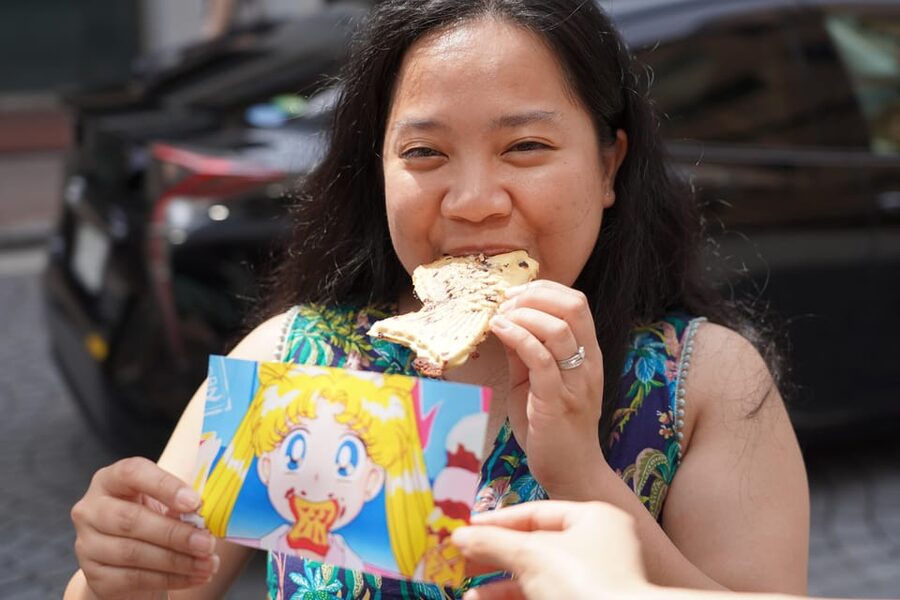
The tour costs $77 per person. That is not the cheapest way to walk around Azabujuban, but the price includes several parts that would be difficult to arrange on your own: a dedicated English-speaking guide, the location comparisons, one local treat, and one food or drink at the final cafe or restaurant stop.
For a serious Sailor Moon fan, the value comes from access to Ellen’s visual references and local knowledge. You could visit Azabujuban independently, but you would not necessarily know which street scenes to compare, where to look for the manhole cover, or how the area connects to Takeuchi’s work.
The price is less compelling if you want a broad Tokyo sightseeing tour or a substantial meal. This is a specialist experience with a narrow theme. You are paying for interpretation, shared fandom, and a carefully planned route through an area that may otherwise feel like just another part of Tokyo.
The small group feel can also add value. One person described having the guide’s full attention as the only participant, while another group was able to meet a fellow fan from another country. The group size is not specified, so you should not assume a private tour, but the structure allows for conversation and photo stops.
Who should book this experience
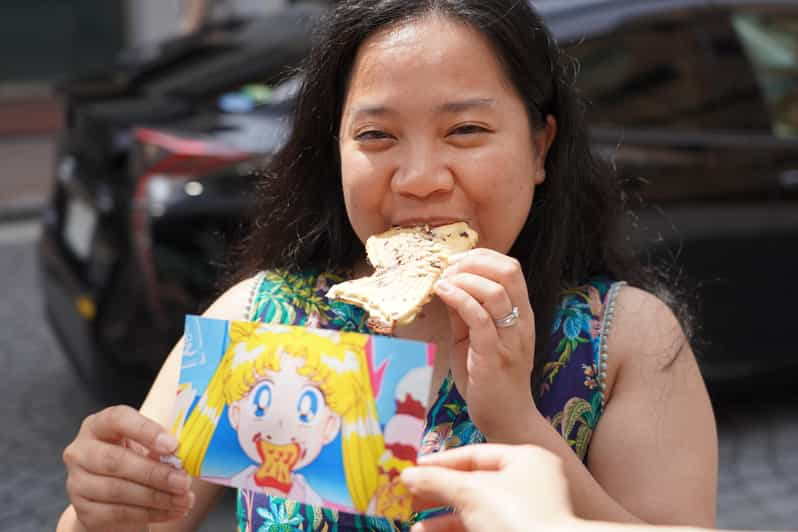
I would recommend this tour first to people who watched Sailor Moon as children, follow Sailor Moon Crystal, or enjoy seeing how anime settings connect to real Japanese places. The visual comparisons make the experience especially useful for fans who want photographs with a clear connection to the series.
It also suits parents and older children. A mother and daughter found the guide especially attentive, and the combination of snacks, short stops, photos, and storytelling gives families several ways to enjoy the walk together.
You can also book it without being a devoted fan. Azabujuban’s streets, local shops, temples, food, and customs provide a broader reason to go. Still, a little knowledge of Sailor Moon will make the references more rewarding.
I would hesitate if you dislike walking, want a large museum-style attraction, or need step-free access. Comfortable shoes are required, and the tour is not suitable for wheelchair users. Since the duration is not provided, ask about the expected walking time if you have mobility concerns.
Practical details before you go
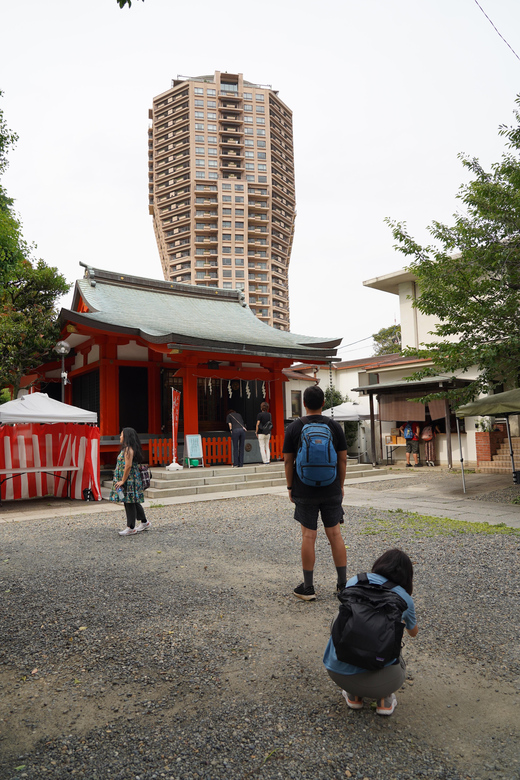
Meet at Azabujuban Station, Exit 4, in front of Oslo Coffee. The guide will have a red Japan Hopping sign. The tour returns to the same meeting point, which makes it easy to continue with your Tokyo plans afterward.
Wear comfortable shoes. You will be walking through neighborhood streets, stopping to examine views, visit shops, take photographs, and move between locations. The route is not presented as a fast sightseeing circuit, so allow yourself room to pause.
The tour is offered in English. You can reserve now and pay later, which helps if your Tokyo schedule is still changing. Cancellation is allowed up to 24 hours in advance for a full refund.
Bring a phone or camera if you want to recreate scenes. The guide supplies comparison images, but your own photographs will be a major part of the fun. Also bring a little extra money for optional food, drinks, shopping, or a tarot reading beyond the included item.
The best reasons to choose it

The strongest part of this experience is the way it turns ordinary details into discoveries. A manhole cover, a shopfront, a street corner, or a view across the neighborhood can become meaningful once you see how it was used in Sailor Moon.
I also like that the tour does not treat the anime as a sealed-off fantasy world. It connects the series to local art, food, temples, neighborhood traditions, and the places Takeuchi knew. That gives you a better feel for how creative work can grow from everyday surroundings.
Ellen’s use of scene images is a practical advantage. Anime backgrounds can be hard to identify from memory, but a printed comparison gives you something concrete to study. You can recreate poses, take photographs, and share the moment even if you are not an expert on the series.
The ending adds another layer. A tarot reading or an izakaya meal is not necessary for a location walk, but it helps the tour feel like a complete outing rather than a set of street stops.
Should you book the Sailor Moon Tour?
Book it if you want a personal, fan-focused way to see Tokyo and you like the idea of pairing anime locations with local food and neighborhood history. At $77, it offers solid value for dedicated fans because the guide’s images, explanations, snack, and final food or drink are included.
I would especially choose it for a Sailor Moon fan visiting Tokyo for the first time, a parent and child sharing the series, or anyone who prefers local streets to large commercial attractions. Skip it if you want a general Tokyo highlights tour, a full meal, or an accessible route.
For most fans, the combination of Ellen’s enthusiasm, real-life scene matching, taiyaki, the Kaleidoscope store, and the tarot or izakaya finale makes this a memorable half-day-style outing, though the exact duration is not stated. It is a focused experience, but it gives Azabujuban a story you can carry with you long after the walk ends.
FAQ
Where does the Sailor Moon tour start?
Meet in front of Azabujuban Station, Exit 4, beside Oslo Coffee. The guide will be waiting with a red Japan Hopping sign.
Where does the tour finish?
The activity ends back at the same meeting point near Azabujuban Station.
Is the tour offered in English?
Yes. The tour language is English.
Is food included?
Yes. The tour includes one local Japanese treat and one food or drink at either a tarot-themed cafe or a local Japanese izakaya restaurant.
Is taiyaki included?
A local Japanese treat is included, and taiyaki is specifically highlighted as a food connected with Sailor Moon. The exact serving details are not specified.
Can I get a tarot reading?
The tour may finish at a fortune-telling bar where you can get a tarot reading. The other possible ending is a local Japanese izakaya restaurant, so confirm the final venue when booking.
Is the tour wheelchair accessible?
No. The experience is not suitable for wheelchair users. Comfortable shoes are recommended because the activity involves walking through Azabujuban.
Newly reviewed around Tokyo
- Tokyo Asakusa:Calligraphy & Make T-shirt Activity★ 5.0 · 62 reviews
- Intercity Shuttle, Tokyo to Haneda /Narita /Yokohama /Makuhari★ 5.0 · 5 reviews
- 1 Hour Travel around Tokyo with a Professional Photographer★ 5.0 · 3 reviews
- Travel Tokyo with Your Own Personal Photographer★ 5.0 · 43 reviews
- Train in Samurai Swordsmanship and Defeat the Demon in Tokyo★ 5.0 · 5 reviews
- Shuttle Van 6hr Tokyo Tour to-and-from Tokyo, Yokohama and Narita★ 5.0 · 9 reviews
- Kickboxing & Body Training with EX-Pro Fighter★ 5.0 · 4 reviews
- Traditional Japanese Knife Sharpening Class★ 5.0 · 18 reviews
Tours, compared.

Mt Fuji and Hakone 1-Day Bus Tour Return by Bullet Train
Read our review →
Shinjuku Food Tour (13 Dishes at 4 Local Eateries)
Read our review →
Tokyo Mt Fuji 5th St & Hakone Cruise Bus Tour w/Bullet Train
Read our review →
Flagship 2-Hours Official Street Go-Kart Tour – Tokyo Bay Shop
Read our review →
Mt. Fuji Tour, Hakone Ropeway, Owakudani, Lake Ashi
Read our review →
Tokyo 6hr Private Tour with Government-Licensed Guide
Read our review →