
Reviewed · TOKYO GO-KART TOURS
East Tokyo Go-Kart Tour
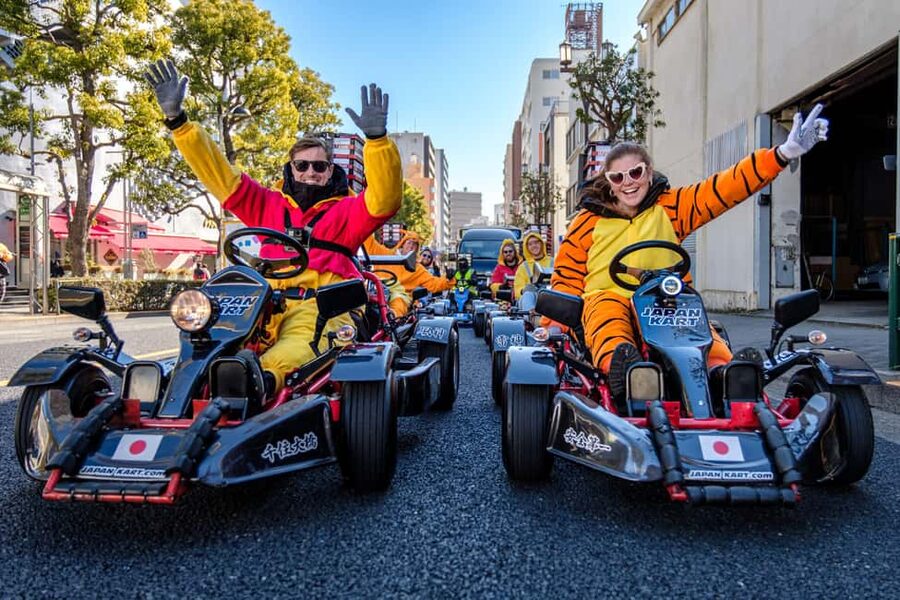
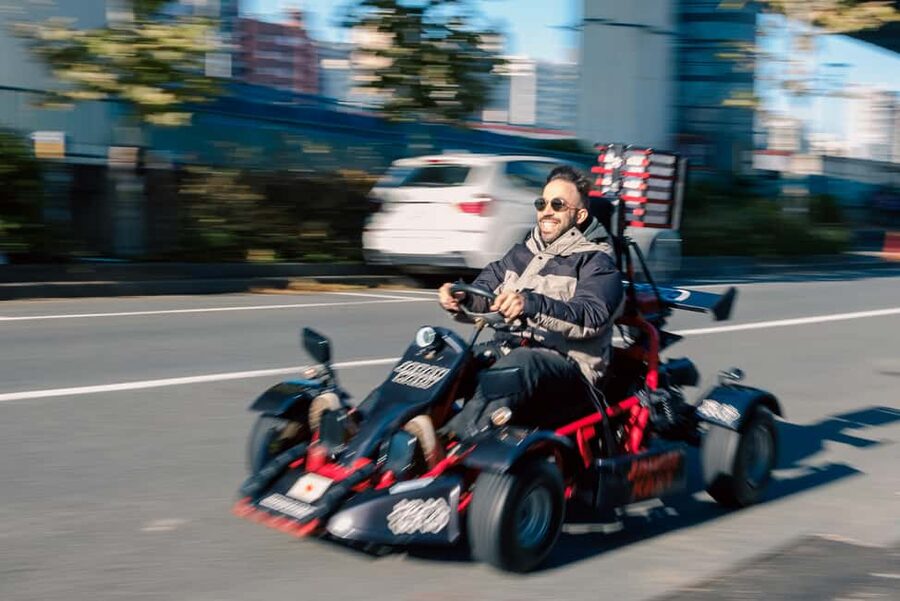
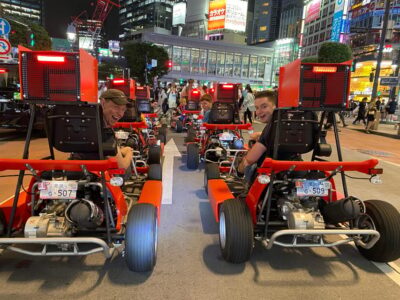
Tokyo looks different from a go-kart. You are not tucked behind a bus window. You feel the traffic, catch the wind, and pass from Tokyo Bay to Ginza with the city open around you. The guide leads the group, and a safety briefing comes before you enter the road.
I like two things here: the route covers a surprising amount of East Tokyo, and the staff take safety seriously. The free photos, costumes, and small groups add real value, too. The main drawback is simple: you must concentrate on driving, so this is more of an active city ride than a guided sightseeing tour.
- Rainbow Bridge and Tokyo Bay: The longer route gives you open waterfront views and one of the tour’s best photo stops.
- A two-hour city loop: You pass Toyosu, Ginza, Nihonbashi, Kanda, Akihabara, Ueno, and Asakusa in one outing.
- English safety instruction: Guides explain the kart, traffic rules, and group procedure before departure.
- Costumes and free photos: Choose a costume, carry a phone or camera with a provided harness, and receive photos afterward.
- Strict driving documents: Bring your original license, passport, and the correct hard-copy Geneva Convention 1949 IDP.
- Small groups: The tour is limited to 10 people, with a lead guide and support at the back of the group.
What the East Tokyo Go-Kart Tour Really Feels Like
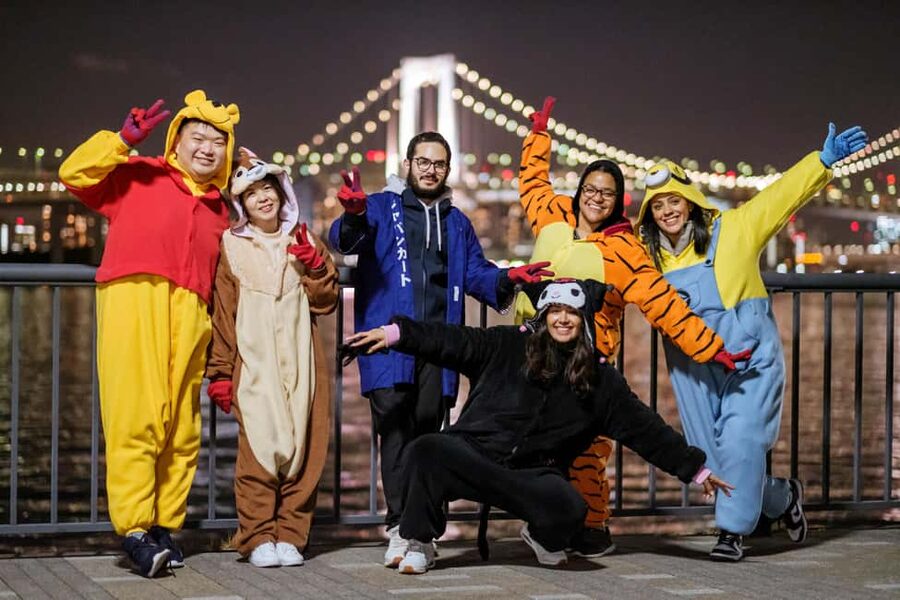
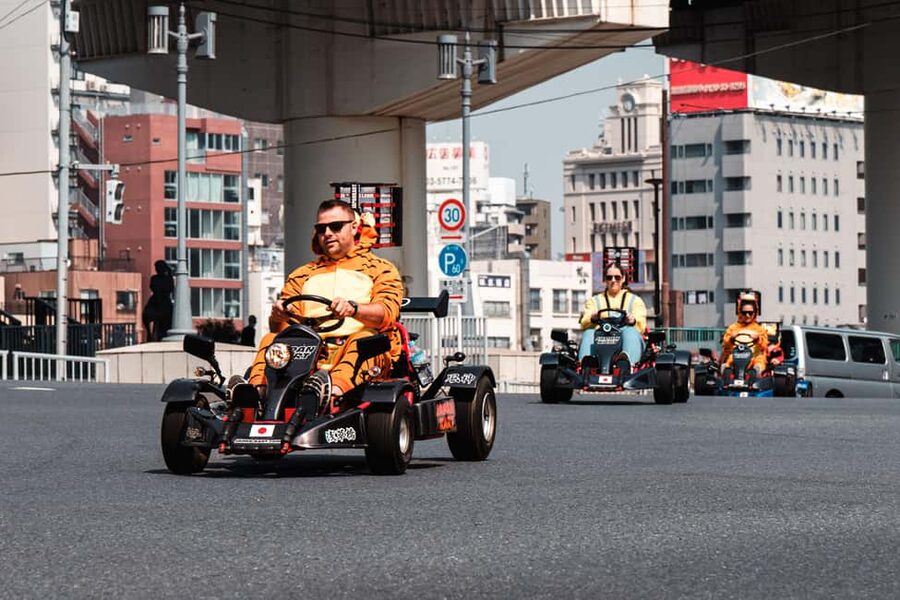
This is a public-road driving experience, not a go-kart track. You sit low, follow the guide, stop with the group, and share Tokyo’s roads with regular traffic. That makes the first few minutes feel more serious than the costume photos suggest.
The karts are described as newly made or well maintained, and the staff give a safety demonstration before each departure. You learn how to operate the kart and how to handle the road as a group. Several departures use a lead car and a tail car, which helps keep the group together.
The tour is offered in English and limited to 10 participants. That size matters. A large convoy would be harder to manage, while a small group gives the guide more room to notice if someone falls behind or needs help.
You should expect the driving itself to take roughly an hour on the shorter option and about two hours on the longer route, though the full visit includes check-in, the briefing, costume selection, and photo stops. One two-hour departure was described as about 1 hour and 10 minutes of actual driving, so allow roughly 90 minutes to two and a half hours overall, depending on the route and schedule.
The Documents You Must Have Before You Arrive
This is the most important practical point. You cannot simply show a passport and a normal driving license and expect to drive.
For most drivers, bring all three:
- Your original driving license from your home country
- A hard-copy International Driving Permit issued under the Geneva Convention 1949
- Your passport
The IDP must come from an approved issuer in your own country. An online document purchased from an unofficial company is not accepted. Japan does not accept an IDP issued under the Vienna Convention 1968 for this activity.
Your IDP should be a booklet, not a loose sheet of paper or a printed page. You need the physical document at the shop on the day of the ride. If you arrive without the correct paperwork, you can be refused participation without a refund.
Drivers from Switzerland, Germany, France, Taiwan, Belgium, Estonia, and Monaco need a different combination: their original license, an official Japanese translation from the authorized organization, and a passport. US military personnel need a combination of an active military ID and a stateside driver’s license under the SOFA arrangement.
The age limit is 18. Check your documents before paying for the tour, not while standing at the meeting point.
More Tokyo go-kart tours:
- Flagship 2-Hours Official Street Go-Kart Tour – Tokyo Bay Shop
★ 5.0 · 4,974 reviews - Official Street Go-Kart in Shibuya
★ 5.0 · 3,435 reviews - Official Street Go-Kart Tour – Akihabara
★ 5.0 · 1,578 reviews
Starting Near Tokyo Skytree
The meeting point is at the activity provider’s shop near Tokyo Skytree Tower. There are two route options and two starting locations listed, so check the exact branch on your booking confirmation. The one-hour route is associated with the SkyTree branch and is not the same departure point as the longer JapanKart route.
At the shop, you check your documents, receive the safety briefing, and prepare for the ride. Costumes are included, and the available selection is part of the fun. You do not need to treat the costume as the main event, though. The ride is still enjoyable if you choose something simple and focus on the road.
Wear closed, comfortable shoes. High heels, sandals, flip-flops, and bare feet are not allowed. Alcohol and drugs are prohibited, as are alcoholic drinks in the vehicle. This is a driving activity, not a moving bar crawl.
The Two-Hour Route Through East Tokyo
The longer route is the better choice if you want the full experience and can spare the time. At about $64 per person, it costs more than a standard walking tour, but the price includes the kart, fuel, taxes, costume, and photos. You are also covering a large area that would take much longer to cross on foot.
Tokyo Bay and the Rainbow Bridge View
The ride heads toward Tokyo Bay, with the waterfront providing a welcome change from the tighter city streets. The Rainbow Bridge is one of the visual highlights, and the bay gives you a chance to look farther out instead of watching only the next traffic signal.
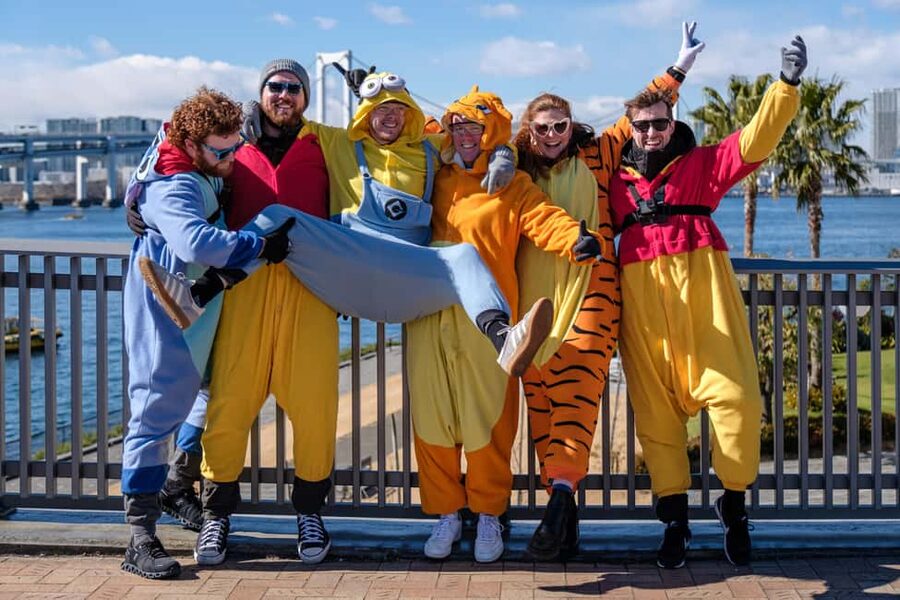
There is a break along the way, with time for photos and, depending on the route, a toilet stop. Guides have taken group photos at scenic points, including around the bridge. This is where the included photography earns its keep. You can concentrate on riding rather than trying to hold a phone while steering.
Do not expect a long sightseeing stop with a guide explaining every structure. The pause is brief and practical. You get a memorable view, a group picture, and a chance to reset before returning to denser streets.
A completely different kind of day in Tokyo:
- Mt Fuji and Hakone 1-Day Bus Tour Return by Bullet Train
★ 5.0 · 26,383 reviews - 1-Day Tokyo Bus Tour
★ 5.0 · 14,250 reviews - Tokyo: teamLab Planets TOKYO Digital Art Museum Entry Ticket
★ 4.6 · 9,779 reviews - Mt Fuji & Hakone Cruise, Drum Show Bullet Train 1 Day from Tokyo
★ 4.0 · 7,413 reviews
Ginza and Nihonbashi
Ginza brings the polished commercial face of Tokyo. The route passes through the shopping district rather than stopping for a shopping visit, so think of it as a moving look at the architecture, traffic, and atmosphere.
Nihonbashi follows with a different urban character. You pass through one of central Tokyo’s established commercial areas, then continue toward Kanda. The pleasure here comes from the changing rhythm of the streets. The ride does not isolate you from the city. You are part of it, following traffic rules and moving through ordinary Tokyo life.
The drawback is that you cannot simply stare at every building. You need to watch the guide, signals, vehicles, and road surface. If your main aim is detailed architectural commentary, use a walking tour or museum visit as a companion.
Kanda and Akihabara
Kanda links the more formal central districts with Akihabara’s famous electronics and pop-culture zone. From a low seat, the streets feel especially close, and the famous district becomes a quick-moving scene rather than a single photo stop.
Akihabara is also a good reminder that this tour is about atmosphere and movement. You pass through the area, but you do not get time to browse shops or study displays. Plan a separate visit if you want electronics, anime goods, arcades, or cafes.
The guide keeps the group together and stops if the line becomes separated. That support is useful in a city where traffic can change quickly. Still, you should be comfortable driving in an urban environment before booking.
Ueno and Asakusa
Ueno is one of the most popular sections of the ride. The route gives you a quick look at a part of Tokyo known for parks, museums, shopping streets, and older neighborhood character. You will not have time to visit Ueno Park or its museums during the drive, but you can return later on foot.
Asakusa brings the old Tokyo side of the route. The contrast with Ginza and Akihabara is part of the fun. You move from sleek commercial streets to a district associated with traditional sights and older streetscapes, all without changing trains or walking several kilometers.
If you are staying near Asakusa, consider visiting the neighborhood before or after the ride. The SkyTree area also makes a useful pairing, since the meeting point is close to the tower. Just leave enough time to get back for check-in.
The One-Hour SkyTree Route
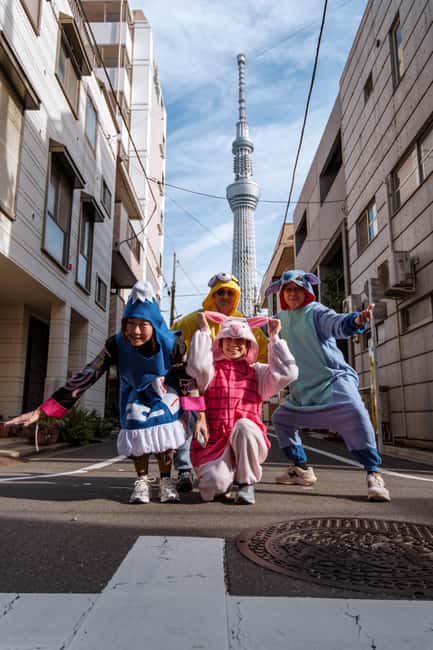
The shorter tour is linked to the SkyTree branch and covers Asakusa, Ueno, Ueno Park, Kappabashi Kitchen Tools Street, and Tokyo SkyTree. It skips much of the longer bay and Ginza loop, but it still gives you a strong taste of East Tokyo.
This route suits you if you have limited time, want a shorter first drive, or prefer a focused look at the historic and local side of the city. Kappabashi is especially distinctive, with its kitchenware shops and restaurant-supply focus. The SkyTree section gives the route an obvious visual marker and makes the meeting point easy to pair with other plans.
The tradeoff is coverage. You will not get the same broad sweep through Toyosu, Ginza, Nihonbashi, and the bay. If Rainbow Bridge and Tokyo Bay are your main goals, choose the longer route instead.
Safety on Tokyo’s Public Roads
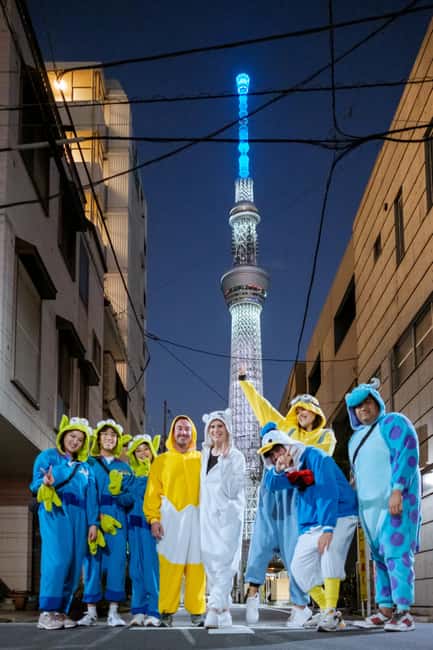
Safety is the strongest part of the operation. The staff give a briefing and demonstration before every tour, explain how to use the kart, and review traffic rules. The lead guide sets the pace while a support vehicle or tail guide helps keep the group together.
That does not remove every risk. You are still driving among cars, and one rider described the first minutes as daunting before settling into the rhythm. Another noted that wet roads required extra attention. Traffic can be busy, and vehicles may move around the group.
You should treat this as real driving. Keep both hands ready, follow the guide’s instructions, leave space, and pay attention to road surfaces. Do not assume the costume or small engine makes the activity carefree.
The group size of up to 10 helps, but it does not turn Tokyo into a quiet practice area. If you are nervous, ask the staff to repeat an instruction. The operation is built around a briefing, and the staff can explain the procedure again.
Costumes, Photos, and the Small Extras
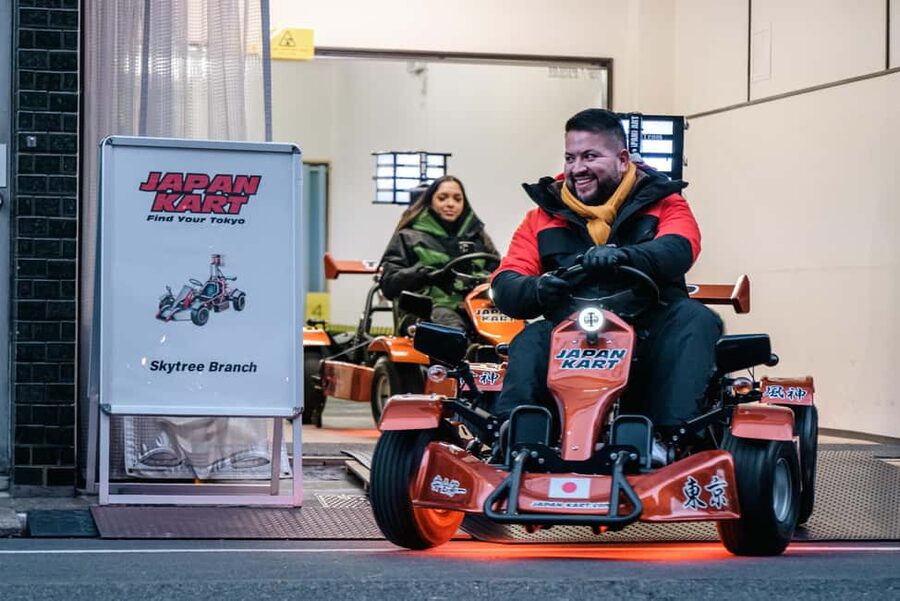
The costumes add a playful layer without changing the basic experience. You choose from a variety of outfits, then head into Tokyo dressed for a moving photo session. People on the street may wave or take pictures, which adds to the odd, cheerful feeling of the ride.
Photos are included, with no separate photo charge listed. Guides take pictures at scenic stops and along the route. Harnesses may be available if you bring a phone or GoPro, but you should still secure your equipment carefully and avoid letting photography distract you from driving.
Some departures have included a drink or snack at the end. That is a pleasant extra, but it is not listed as a guaranteed inclusion, so do not book the tour for the food. The dependable inclusions are the kart, fuel, taxes, costume, and photos.
Is $64 Good Value?
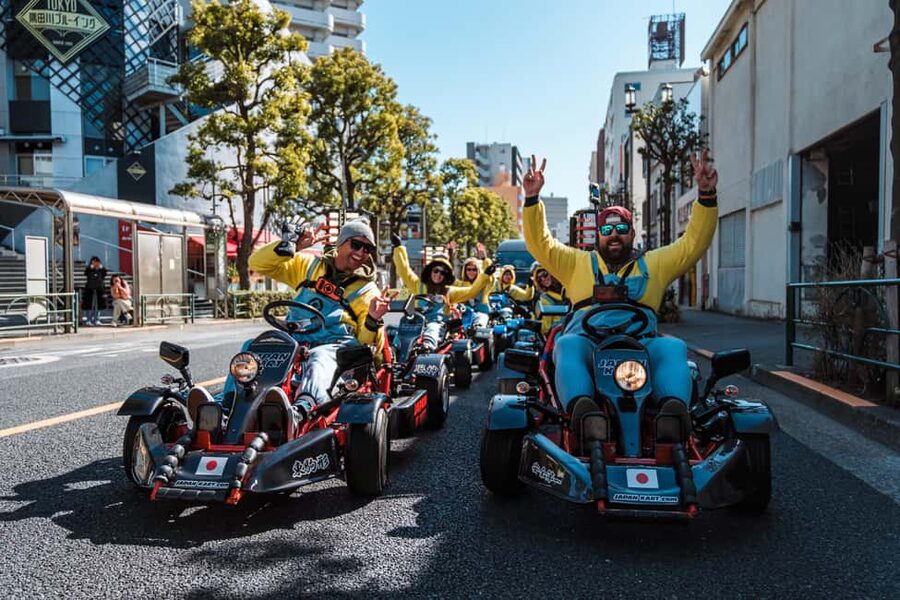
At $64, this is not the cheapest way to see Tokyo. A train ride costs far less, and a walking route lets you spend more time at each landmark. But those options do not give you the unusual experience of driving a kart through public streets with a guide, nor do they cover this much ground in two hours.
I consider the price fair if you want an activity rather than a standard sightseeing circuit. The small group, safety instruction, costume, fuel, and included photos make the cost easier to justify. The longer route is the better value if you want the full East Tokyo loop.
The one-hour option can still make sense if your schedule is tight. You pay for less road time, but you get the SkyTree, Asakusa, Ueno, and Kappabashi area without committing a large part of the day.
Weather, Timing, and Comfort
Weather matters more than it would on a bus tour. You feel rain, wind, heat, and cold directly from the kart. A rainy departure can still operate, but the roads require more care, and the experience may be less comfortable.
If bad weather causes the operator to cancel, you can receive a full refund or reschedule if space is available. In practice, staff may also offer a change when conditions look poor, subject to availability.
Evening rides have a special appeal because Tokyo’s streets come alive with lights and signs. Daytime departures make it easier to see the districts and waterfront clearly. The best choice depends on your priorities, but leave room in your schedule for a slower pace if traffic or weather affects the route.
Who Should Book This Ride?

Book it if you enjoy driving, want an unusual way to cover Tokyo, and are comfortable following instructions in traffic. It works well for couples, friends, families with adult children, and solo participants who like a social group activity.
It is also useful for a repeat visit. You can see familiar districts from a completely different angle, and the ride connects areas that are spread across the city.
Think twice if you want a quiet, detailed cultural tour. The guide’s main job is to lead the group safely, not give a long talk at every landmark. You will see more places than on foot, but you will spend less time at each one.
Final Call: Book It If You Want Tokyo With the Motor Running
I would book the two-hour East Tokyo route if you have the correct documents and want one of your Tokyo days to feel playful and active. The strongest features are the careful briefing, small group, broad route, Rainbow Bridge views, and free photos.
Choose the one-hour SkyTree route if time is short or you prefer Asakusa, Ueno, Kappabashi, and the tower. Skip the experience if you dislike urban driving, cannot obtain the accepted IDP, or want detailed commentary at every sight.
For the right person, this is less about checking landmarks off a list and more about the strange pleasure of moving through Tokyo under your own power, with the city watching back.
FAQ
How long does the East Tokyo Go-Kart Tour last?
The listed duration is 90 to 150 minutes. The longer route is described as a two-hour tour, while the SkyTree branch offers a one-hour route. Allow extra time for check-in, the safety briefing, costumes, and stops.
What areas does the two-hour route visit?
The longer route passes through Toyosu, Tokyo Bay, Ginza, Nihonbashi, Kanda, Akihabara, Ueno, and Asakusa. It also includes a break and sightseeing around the Rainbow Bridge area.
What areas does the one-hour SkyTree route visit?
The one-hour route visits Asakusa, Ueno, Ueno Park, Kappabashi Kitchen Tools Street, and Tokyo SkyTree.
What driving documents do I need?
Most participants need their original home-country driving license, a hard-copy International Driving Permit issued under the Geneva Convention 1949 by an approved authority in their own country, and their passport.
Are Vienna Convention 1968 international driving permits accepted?
No. International driving permits issued under the Vienna Convention 1968 are not accepted for this activity.
What do drivers from France, Germany, Switzerland, Taiwan, Belgium, Estonia, and Monaco need?
They need their original driving license, an official Japanese translation from the authorized organization, and their passport.
Are costumes and photos included?
Yes. The tour includes costumes and photos. The kart, fuel, taxes, and fees are also included.
What should I wear?
Wear comfortable footwear. High heels, sandals, flip-flops, and bare feet are not allowed. Alcohol, drugs, and alcoholic drinks in the vehicle are also prohibited.
Can I cancel or change the booking?
You can cancel up to 24 hours before the tour starts for a full refund. There is no refund if you forget the required license, IDP, or translation. The operator may cancel or adjust the tour for bad weather or mechanical problems, with a refund or rescheduling option for weather cancellations.
Newly reviewed around Tokyo
- Tokyo Asakusa:Calligraphy & Make T-shirt Activity★ 5.0 · 62 reviews
- Intercity Shuttle, Tokyo to Haneda /Narita /Yokohama /Makuhari★ 5.0 · 5 reviews
- 1 Hour Travel around Tokyo with a Professional Photographer★ 5.0 · 3 reviews
- Travel Tokyo with Your Own Personal Photographer★ 5.0 · 43 reviews
- Train in Samurai Swordsmanship and Defeat the Demon in Tokyo★ 5.0 · 5 reviews
- Shuttle Van 6hr Tokyo Tour to-and-from Tokyo, Yokohama and Narita★ 5.0 · 9 reviews
- Kickboxing & Body Training with EX-Pro Fighter★ 5.0 · 4 reviews
- Traditional Japanese Knife Sharpening Class★ 5.0 · 18 reviews
Tokyo Go-Kart Tours, compared.
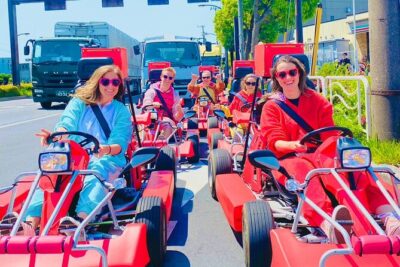
Flagship 2-Hours Official Street Go-Kart Tour – Tokyo Bay Shop
Read our review →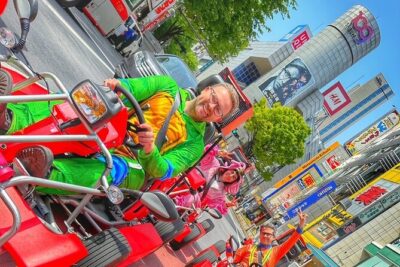
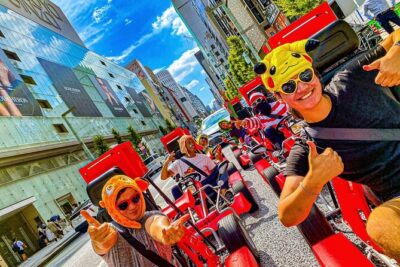
Tokyo Go Kart: Asakusa, Skytree, and Akihabara **IDP MUST**
Read our review →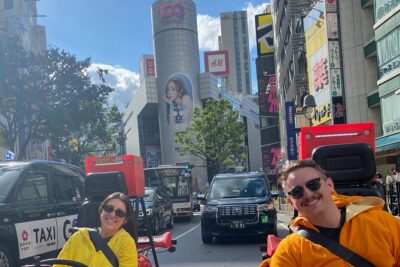
Shibuya Official Street Go-Kart in Shibuya Annex
Read our review →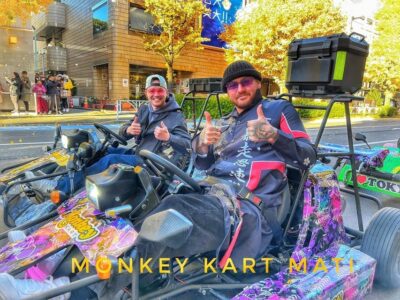
Asakusa, Skytree & Akhihabara Go-Kart City Experience
Read our review →
Premium Go-Kart Tour with Tower & Shibuya Crossing
Read our review →Browse the lists this tour appears in