
Reviewed · YOKOHAMA TOURS FROM TOKYO
Shuttle Van 6hr Tokyo Tour to-and-from Tokyo, Yokohama and Narita
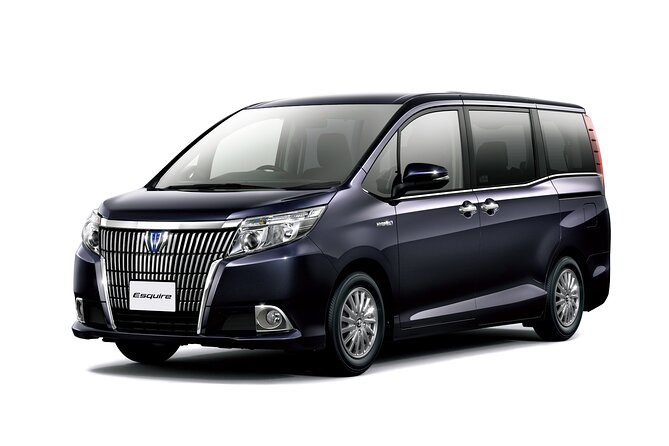
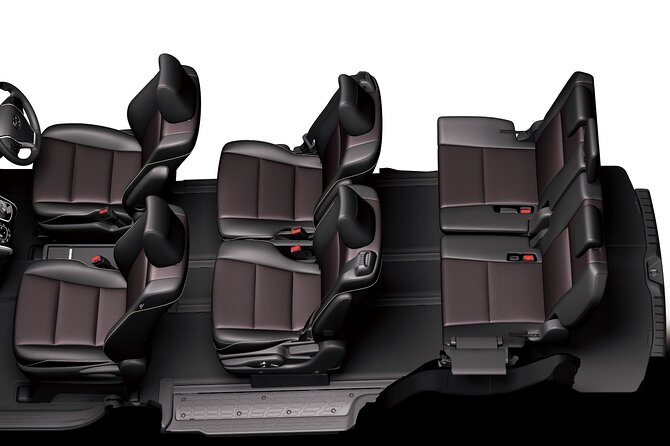
The clever part of this private Tokyo shuttle tour is that it fills the gap between crowded public transport and an expensive car with a separate interpreter. You get a vehicle for your group of up to five and a licensed driver-guide who can explain the city in conversational English. That makes this especially useful on a cruise disembarkation day or between a hotel and airport.
I like the flexible route and the practical door-to-door transport. I also like that guides such as Kim and Takehira have adjusted the pace for older visitors, mobility limits, shopping requests, luggage, and later flights. The main catch is that six hours passes quickly, and your driver-guide will not speak English at the level of a dedicated professional interpreter.
Key points at a glance
- A private van for up to five people: The $397.43 group price can make sense when shared by a family or small group.
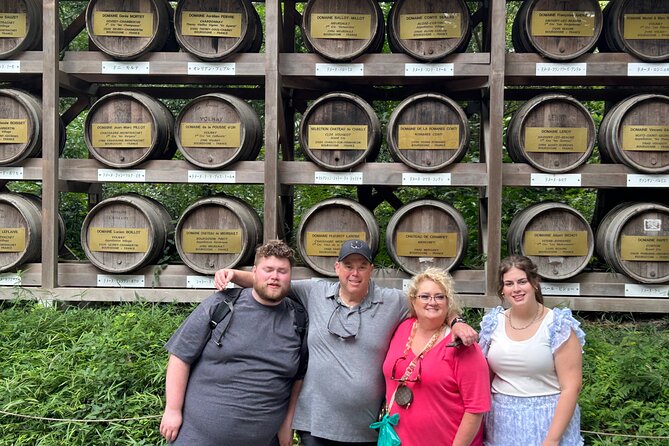
- Tokyo highlights in one day: The usual route links Tsukiji, the Imperial East Garden, Asakusa, Shibuya, and Meiji Shrine.
- Flexible pickup and drop-off: You can travel between Tokyo, Yokohama, and Narita, with the exact duration depending on your locations.
- Useful for cruise and airport days: The service can connect a Yokohama cruise port with Tokyo sightseeing and an airport transfer.
- Good help for slower walkers: The pace and itinerary can be adjusted for mobility limitations, and manual wheelchairs are accepted.
- Lunch and custom entrance fees cost extra: The standard stops are free, but customized paid attractions are not included.
Why this shuttle works for a short Tokyo visit
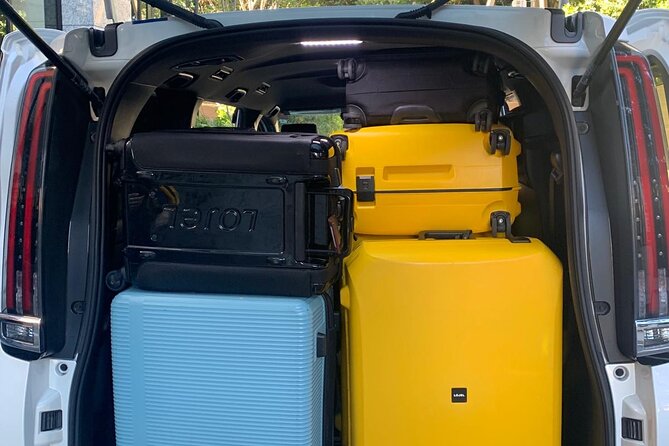
Tokyo is easy to reach by train, but it can be tiring to plan when you have luggage, limited time, older relatives, or a flight to catch. A private shuttle removes the station stairs, platform changes, and repeated suitcase handling. You can leave your bags in the vehicle while you see several parts of the city.
This is not a classic guided tour with a separate van driver and full-time interpreter. One person drives and guides. The driver-guides have guide licenses and good conversational English, but explanations may be shorter and less polished than those from a dedicated English-speaking guide.
That tradeoff is the heart of the experience. You are paying for transport, flexibility, and local help, not a long lecture at every sight. If you want efficient sightseeing and a driver who can adjust the day, this format is practical. If detailed historical interpretation is your top priority, you may prefer a private car plus professional interpreter, at a higher cost.
The tour lasts about six hours of sightseeing, plus the transfers needed to reach or leave Tokyo. Total time is usually seven to nine hours. Your start and end points matter, so check the selected pickup and drop-off options carefully before booking.
More Yokohama trips from Tokyo:
- Narita Airport: One Way Private Transfer to Tokyo|Yokohama Hotels
★ 4.5 · 69 reviews - Tokyo: Private One-Way Transfers to/from Yokohama Port
★ 4.5 · 50 reviews - Private Car Tour to see Highlights of Kamakura, Enoshima, Yokohama from Tokyo
★ 5.0 · 48 reviews
The usual route from Tsukiji to Meiji Shrine
The standard plan covers five very different areas. You can adjust the order and may request other stops, but the following route gives you a good sense of the day.
Tsukiji Outer Market
Tsukiji’s inner wholesale fish market moved to Toyosu, but the outer market remains a lively place for food shops and small restaurants. This is the part open to ordinary visitors, and there is no entrance fee.
You can use this stop to see food stalls, browse kitchen goods, or get your first taste of Tokyo’s market culture. It is a useful choice for first-time visitors because it offers a quick introduction to Japanese ingredients and eating habits without requiring a long visit.
Do not expect the old wholesale market experience. The surviving outer market is aimed at end consumers, so the focus is shopping and eating rather than watching major fish auctions. Ask the driver-guide how much time fits your day, since lingering here can cut into time at the other districts.
Imperial East Garden
The Imperial East Garden gives you a calm break from Tokyo’s dense streets. It is a garden area within the grounds associated with the Imperial Palace, and admission is free.
This stop works well for visitors who want open space, greenery, and a look at the former castle grounds. It is not a grand palace interior tour, and the garden’s appeal depends partly on the season and your interest in gardens and Japanese history.
The garden is closed on Mondays and Fridays. On those days, the tour can substitute Hamarikyu Garden or Shinjuku Gyoen Garden. Those alternatives charge an entrance fee of about ¥500 per person, so ask about the change before you set the final plan.
More Haneda and Narita airport transfers:
- Haneda Airport (HND) Private Transfer to Central Tokyo
★ 4.5 · 636 reviews - Private Haneda Airport (HND) to Central Tokyo City Transfer
★ 4.5 · 260 reviews - Narita Airport(NRT) Private Transfer To/From Tokyo 1-way or Round
★ 4.5 · 258 reviews - Private departure transfer from Tokyo city to Tokyo Haneda Airport(HND)
★ 4.5 · 123 reviews
Asakusa and Sensoji
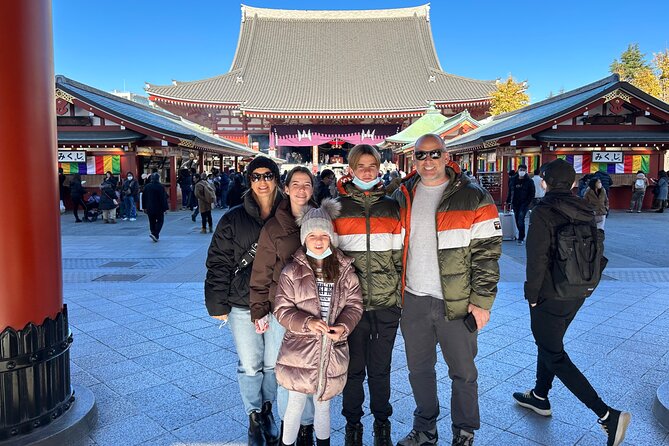
Asakusa offers the old Tokyo atmosphere that many first-time visitors hope to find. The district includes the Sensoji Buddhist temple, a shopping arcade, and traditional streets around the temple grounds. There is no general entrance fee for the main sightseeing area.
This is one of the strongest stops on the route because it gives you a clear contrast with modern Shibuya. You can walk through the temple approach, browse small shops, and take in the large-scale gates and temple buildings.
Asakusa does require walking, even if your driver drops you close to the main area. If someone in your group has limited mobility, discuss the walking distance in advance. The guides have adjusted routes and pacing for visitors with mobility limits, but the district is not a drive-through attraction.
Shibuya Scramble Crossing
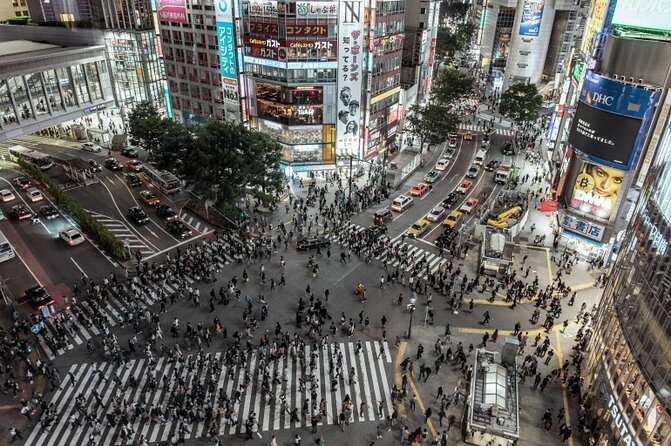
Shibuya offers Tokyo at its most modern and instantly recognizable. The famous crossing fills from several directions when the lights change, while the nearby statue of Hachi honors the loyal dog known throughout Japan.
This is a short, high-impact stop for photos and a look at the city’s urban energy. You do not need to pay an admission fee, and the driver-guide can explain how to reach the crossing and nearby points of interest.
The crossing itself is not a long attraction. Plan it as a quick visit unless you want shopping time. If you have specific stores or products in mind, tell the operator when booking. One useful feature of this tour is that drivers have taken visitors directly to requested shopping locations instead of forcing everyone through a fixed route.
Meiji Shrine
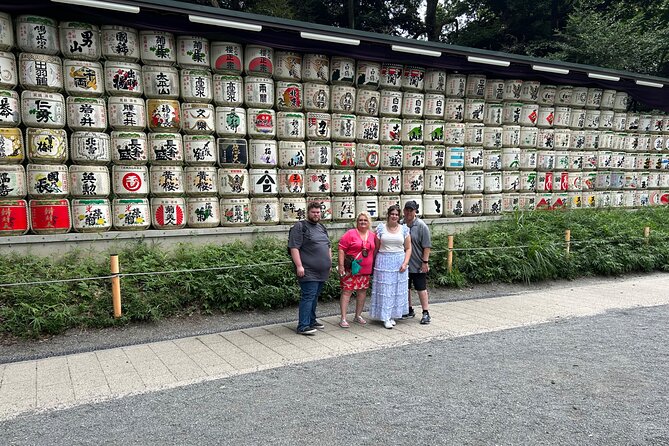
Meiji Shrine is one of Tokyo’s best places to slow down. It honors Emperor Meiji and Empress Shoken and sits within a thick wooded area near Harajuku and Shibuya.
The shrine has no general entrance fee. The walk through the forested approach can feel surprisingly quiet, especially after the traffic and bright signs of Shibuya. You can see traditional shrine architecture and learn the basic etiquette for visiting a Shinto site.
Like Asakusa, Meiji Shrine involves walking. The driver-guide can help set a workable pace, but you should not treat this as a fully vehicle-based sightseeing stop. If your group has only a few hours, ask the guide to prioritize the areas that matter most to you.
How the flexible schedule changes the value
The listed route is a suggestion, not a rigid timetable. You can adjust the schedule to fit your interests, mobility, luggage, and travel connection.
That flexibility has real value on a transfer day. One group kept its luggage with the vehicle until checking into a hotel. Cruise passengers used the service to leave Yokohama, see parts of Tokyo they had missed, and continue to Haneda Airport. Another group used the tour between Yokohama and Narita.
This is where the service can beat a normal sightseeing excursion. You are not forced to return to a starting point or spend the day following a group schedule. You can request shopping, a restaurant stop, or a shorter walking route.
The limitation is time. Tsukiji, the Imperial Garden, Asakusa, Shibuya, and Meiji Shrine are spread across a large city. Add a pickup from Yokohama or a drop-off at Narita, and traffic can eat into the sightseeing hours. I would treat the usual itinerary as a menu, not a promise to explore every stop in depth.
If your main goal is to see all five locations briefly, the plan can work. If you want long visits, a museum, a paid observation deck, or a special restaurant, remove one or two standard stops.
What the driver-guide can and cannot do
The driver-guide model has clear strengths. You have one person who knows the route, handles the driving, and gives basic explanations along the way. Names associated with the service include Kim, Takehira, and Sudo, the chief driver.
Kim has handled different kinds of days, including shopping-focused outings, airport transfers, cruise departures, and groups moving at a slower pace. Takehira has provided early pickup help for cruise passengers and guided visitors to their requested stops. These details matter because this tour’s value depends heavily on the individual driver’s communication and flexibility.
You should expect conversation-level English, not a full history seminar. The driver can explain Tokyo and respond to questions, but a separate interpreter does not travel with you. If you need detailed discussion of architecture, religion, politics, or Japanese history, write down your priorities in advance and be realistic about the format.
The operator sends the driver’s name and vehicle license plate about three days before pickup. The driver waits from ten minutes before the meeting time, and you should have your booking details ready. Contact is handled through WhatsApp or text message.
The price and who gets good value
The group price is $397.43 for up to five people. That is not a budget tour for one person, but it becomes more reasonable when divided among a family or small group. Five people pay roughly $80 each before any extra costs, while a solo visitor pays the full group rate alone.
The price includes transportation expenses. Lunch is not included, and incidental charges are separate. The regular sightseeing stops listed above do not charge admission, but a customized visit to a paid attraction can add fees. Hamarikyu or Shinjuku Gyoen may also involve an admission fee if used as a replacement for the closed Imperial East Garden.
The best value comes when you need transport anyway. A group arriving at Yokohama, visiting Tokyo, and continuing to an airport may otherwise pay for several separate transfers, train tickets, taxis, and luggage handling. The private vehicle also saves planning time.
The value is weaker if you are staying in central Tokyo, traveling alone, and comfortable with trains. Tokyo’s rail system is often cheaper, and public transport may give you more time in one neighborhood. This service earns its price through convenience and customization, not low cost.
Lunch, luggage, and mobility details
Lunch is excluded, but you can request a preferred menu when booking. The operator can look for a suitable restaurant in advance, which is helpful if your group has strong food preferences or needs a break at a particular time.
Do not assume lunch is built into the sightseeing sequence. Mention your preferred timing early so the driver-guide can fit it into the route. A restaurant stop takes time, and the more stops you add, the less time remains at the main sights.
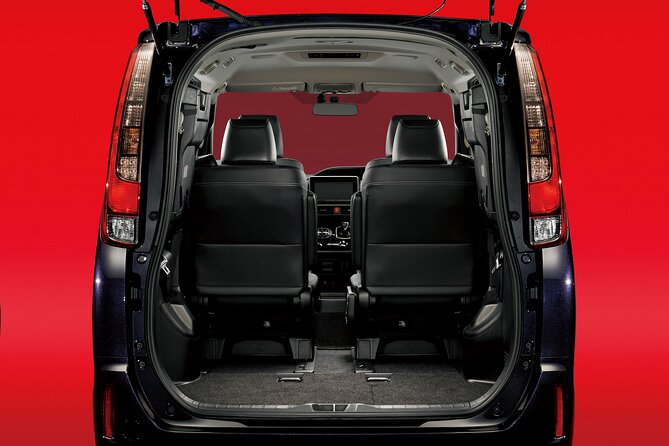
Keeping luggage in the shuttle is another practical advantage, especially on hotel-change or cruise days. The vehicle can carry your bags while you visit Tokyo, but you should confirm the exact luggage arrangement for your group when booking.
Manual wheelchair users are welcome. The service cannot handle some electric wheelchairs or passengers who cannot move independently. A child seat is available on request, and service animals are allowed. Most people can participate, but the itinerary still includes walking at markets, gardens, temple grounds, and shrines.
Weather, cancellation, and timing
The experience requires good weather. If poor weather causes cancellation, you can receive a different date or a full refund. For a full refund under the normal cancellation terms, cancel at least 24 hours before the start time. Changes or cancellations inside that window are not accepted.
The average booking lead time is about 83 days. That suggests you should reserve early if you need a particular pickup date, especially for a cruise arrival or airport connection. Give yourself enough time to explain your preferred route and any mobility or food needs.
Because traffic affects Tokyo and the approaches to Narita and Yokohama, avoid scheduling a tight flight connection after the tour. The stated seven to nine hours includes transfer time, but road conditions can vary. A comfortable buffer matters more here than squeezing in one extra sightseeing stop.
Who should book this Tokyo shuttle
I would recommend this tour most strongly to:
- Families or small groups of up to five
- Cruise passengers leaving Yokohama for an airport or hotel
- Visitors with luggage who want sightseeing between check-out and check-in
- Older people who need a slower, less complicated day
- People with a short Tokyo window
- Groups with shopping requests or a custom restaurant plan
- Visitors who prefer a private vehicle but do not need a full interpreter
I would think twice if you are traveling alone, want the lowest possible cost, or expect detailed guided commentary at every stop. The tour also may not suit anyone unable to walk independently or anyone using an electric wheelchair that the vehicle cannot accommodate.
Should you book this private Tokyo tour?
Book it if you value a custom route and easy transfers more than the lowest price. The service is especially useful when Yokohama, Tokyo, and Narita are all part of the same day. It can turn a difficult luggage day into a useful sightseeing window.
Before paying, decide which three or four places matter most. Tell the operator your pickup point, drop-off point, luggage needs, walking limits, lunch wishes, and any shopping targets. That preparation will help the driver-guide use the six sightseeing hours well.
Skip it if you are happy with trains and want to spend a full day in one neighborhood. For everyone else, this is a sensible middle ground: more personal and convenient than public transport, but less costly than a private chauffeur and interpreter team.
FAQ
How long does the Tokyo shuttle tour last?
The sightseeing portion is about six hours, with total tour time usually around seven to nine hours once pickup and drop-off transfers are included.
How many people can join the private tour?
The group price covers up to five people.
Where can the tour start and finish?
The service is designed for pickup and drop-off between Tokyo, Yokohama, and Narita. The exact duration and price depend on the locations selected.
Is the itinerary fixed?
No. The schedule is flexible, and you can adjust it to suit your group. The usual route includes Tsukiji, the Imperial East Garden, Asakusa, Shibuya, and Meiji Shrine.
Is lunch included?
No. Lunch is separate. You can request a preferred menu when booking, and the operator can look for a suitable restaurant in advance.
Are admission fees included?
The standard sightseeing places listed for the route are free. Entrance fees may apply if you customize the schedule or use Hamarikyu Garden or Shinjuku Gyoen as an alternative to the Imperial East Garden.
Does the driver speak English?
The driver-guide has conversational English and a guide license. A separate professional interpreter does not travel with the group.
Can I bring luggage?
Yes. The service can be useful for keeping luggage with you during sightseeing before hotel check-in or after leaving a cruise ship. Confirm your specific luggage needs when booking.
Is the tour suitable for wheelchair users?
Manual wheelchair users are welcome. The operator cannot handle some electric wheelchairs or passengers who cannot move independently.
What is the cancellation policy?
You can cancel at least 24 hours before the start time for a full refund. Cancellations or changes made less than 24 hours before the start time are not accepted. If bad weather cancels the experience, you can receive another date or a full refund.
Newly reviewed around Tokyo
- Tokyo Asakusa:Calligraphy & Make T-shirt Activity★ 5.0 · 62 reviews
- Intercity Shuttle, Tokyo to Haneda /Narita /Yokohama /Makuhari★ 5.0 · 5 reviews
- 1 Hour Travel around Tokyo with a Professional Photographer★ 5.0 · 3 reviews
- Travel Tokyo with Your Own Personal Photographer★ 5.0 · 43 reviews
- Train in Samurai Swordsmanship and Defeat the Demon in Tokyo★ 5.0 · 5 reviews
- Kickboxing & Body Training with EX-Pro Fighter★ 5.0 · 4 reviews
- Traditional Japanese Knife Sharpening Class★ 5.0 · 18 reviews
- Tokyo History: Sensoji Temple & Asakusa District Private Tour★ 5.0 · 28 reviews
Yokohama Tours from Tokyo, compared.
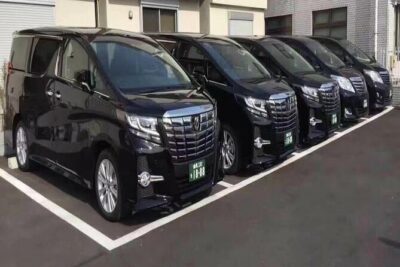
Narita Airport: One Way Private Transfer to Tokyo|Yokohama Hotels
Read our review →
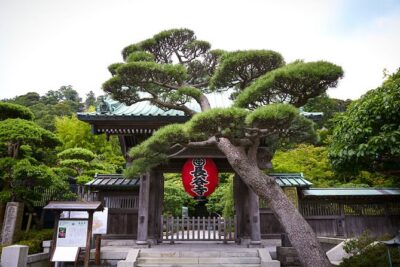
Private Car Tour to see Highlights of Kamakura, Enoshima, Yokohama from Tokyo
Read our review →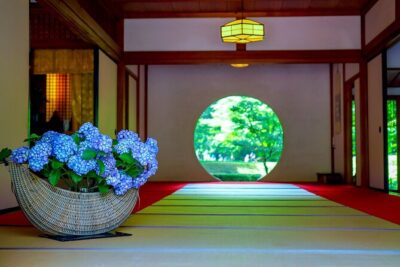
Private Kamakura plus Yokohama Tour – English Speaking Driver
Read our review →
Haneda Airport: One Way Private Transfer to Tokyo|Yokohama Hotels
Read our review →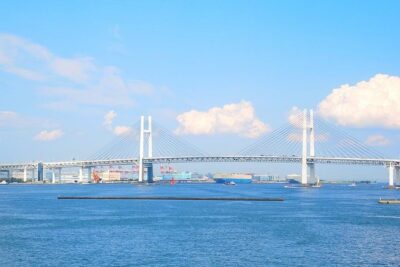
Private Arrival Transfer : Haneda Airport to Yokohama City
Read our review →
4 Day Tour – Mount. Fuji, Tokyo, Hakone, Kamakura and Yokohama
Read our review →
Variety of Tokyo or Yokohama Tours Customizable and Memorable
Read our review →Browse the lists this tour appears in