Reviewed · TOURS
Tokyo’s Scariest Shitamachi Ghost Tour
Tokyo’s darkest stories are often tucked beside ordinary streets. This evening tour takes you from Tokyo Station to Otemachi, Minamisenju, and Asakusa, where shrines, temples, ponds, cemeteries, and old lanes carry tales of revenge, death, and spirits. The setting is the real draw: modern Tokyo gives way to older, stranger corners after sunset.
I like the small group, capped at eight, and the way guides such as Joris, Maik, Frank, Melissa, and Haruka add cultural detail instead of simply reciting ghost tales. I also like the route’s less familiar stops, including a shrine tied to a vengeful spirit and the Old Hag’s Pond near Asakusa. You get a snack, too, which helps during an evening spent on foot.
The catch is clear: this is a walking and history tour with supernatural material, not a nonstop haunted-house show. Several hours can mean roughly 8,000 steps, and the public transport fare of about 400 yen per person is extra. If you need a ghost story every few minutes, the $114.95 price may feel high.
Key points at a glance
- A three-hour route across three districts: Start at Tokyo Station, then move through Otemachi, Minamisenju, and Asakusa.
- Stories rooted in place: Hear about vengeful spirits, tragic worship sites, Edo-period events, and local folklore at the locations connected to them.
- A small-group format: The maximum is eight people, allowing room for questions and conversation with the guide.
- A serious walking commitment: Comfortable shoes matter, and the route may total about 8,000 steps.
- One local snack included: The guide provides a snack because the tour runs around dinner time, but this is not a dinner tour.
- Public transport costs extra: Budget about 400 yen per person for trains or subway rides during the evening.
What kind of ghost tour is this?
The title promises Tokyo’s scariest side, but the experience is best understood as a dark history walk with ghost stories woven through it. Some accounts are supernatural. Others concern executions, tragic deaths, old beliefs, dangerous spirits, or the way Japanese communities try to calm unsettled souls.
That distinction matters. You may hear five or so major stories over a long route, rather than a constant stream of short scares. The stories tend to carry cultural context, especially around shrines, temples, prayer, and the Japanese practice of appeasing spirits.
I find that approach more interesting than a generic haunted walk. You are not simply led from one spooky sign to another. You learn why a place matters, how people responded to tragedy, and why a shrine or temple remains important. But if your idea of a ghost tour is theatrical acting, jump scares, or a packed schedule of apparitions, this may not fit.
The tour can be adjusted to be family-friendly, though some material is grim. One guide described stories that may be too dark for younger children, so tell the operator about your group before setting out.
Other Tokyo days people book alongside this one:
- Mt Fuji and Hakone 1-Day Bus Tour Return by Bullet Train
★ 5.0 · 26,383 reviews - 1-Day Tokyo Bus Tour
★ 5.0 · 14,250 reviews - Tokyo: teamLab Planets TOKYO Digital Art Museum Entry Ticket
★ 4.6 · 9,779 reviews
Meeting at Tokyo Station at 6 pm
The tour begins at 6 pm at the Yamato Transport baggage service counter by the Marunouchi North Exit of Tokyo Station. This is a practical meeting point, but Tokyo Station is large, so allow time to find the correct exit and dome area.
Starting here puts you beside one of Tokyo’s most modern business districts before the tour turns toward older neighborhoods. You begin with the city’s polished office face, then hear about the uneasy past beneath it. That contrast is part of the fun.
The evening timing works well for atmosphere. Shrines and old streets feel different after dark, and office workers are still moving through the first part of the route. You are not visiting abandoned ruins or a staged attraction. The stories are attached to real urban places that continue to function as part of the city.
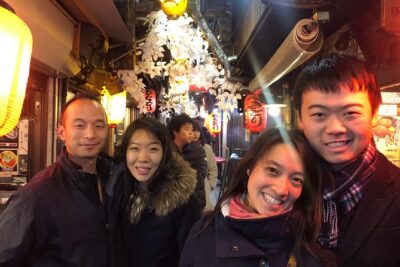
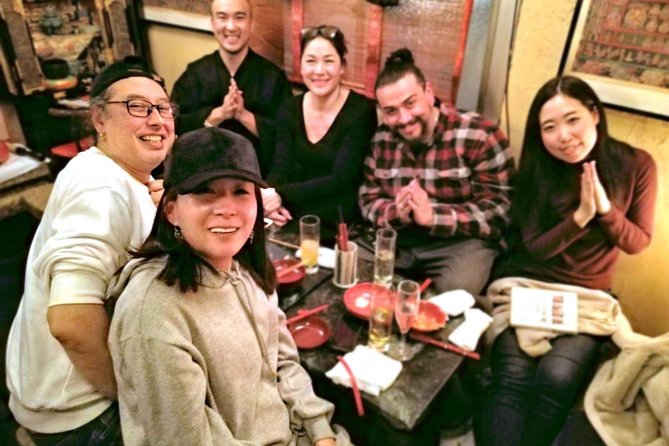
The maximum group size is eight. That is small enough for direct questions and conversation, and the guide can usually adjust explanations to your interests. Past guides have included Joris, Maik, Frank, Melissa, Haruka, and others. The strongest experiences seem to depend heavily on the individual guide, so expect a mix of storytelling, local history, and informal conversation.
Otemachi and the shrine people avoid turning their backs on
The first stop takes about 20 minutes in Otemachi. Your guide leads you to a shrine connected with a vengeful spirit. The story includes an unusual local belief: people working in nearby offices still avoid turning their backs toward the shrine’s location.
That small detail gives the stop its force. In a city of glass towers and corporate headquarters, old fears have not simply vanished. The shrine becomes a reminder that Tokyo’s past is not sealed away in a museum. It can sit directly beside offices, train lines, and daily routines.
Admission is free, and this opening stop is brief. I would treat it as a scene setter rather than the main event. The guide establishes the tour’s tone, explains the idea of a restless spirit, and shows how old beliefs can remain part of modern urban life.
If you want pure fright, the first story may not satisfy you on its own. If you enjoy the tension between present-day Tokyo and older customs, it is a strong start.
Minamisenju and the tour’s darkest history
The Minamisenju section lasts about 40 minutes and visits several important places. Two sites of worship have especially tragic pasts and reports of paranormal activity. You also visit the location of a major historical tragedy, though the supplied details do not specify every feature of that stop.
This is where the tour becomes heavier. The stories connect death, violence, religious practice, and the need to honor the dead. You may find the material sad rather than frightening. That is not a flaw for everyone, but it changes the mood from campfire ghost tale to serious local history.
I appreciate that the route does not treat painful events as cheap entertainment. The focus is on what happened, how the sites are remembered, and why people still attach spiritual meaning to them. The result can be moving, though you should expect grim subjects.
Minamisenju also shows why comfortable shoes matter. You are moving between sites rather than standing in one place for a long lecture. The public transport included in the route costs about 400 yen per person, and you should bring cash for that expense.
A completely different kind of day in Tokyo:
- Mt Fuji & Hakone Cruise, Drum Show Bullet Train 1 Day from Tokyo
★ 4.0 · 7,413 reviews - Tokyo: Shinjuku Food Tour (13 Dishes at 4 Local Eateries)
★ 5.0 · 6,603 reviews - Tokyo Mt Fuji 5th St & Hakone Cruise Bus Tour w/Bullet Train
★ 4.4 · 5,024 reviews - Flagship 2-Hours Official Street Go-Kart Tour – Tokyo Bay Shop
★ 5.0 · 4,974 reviews
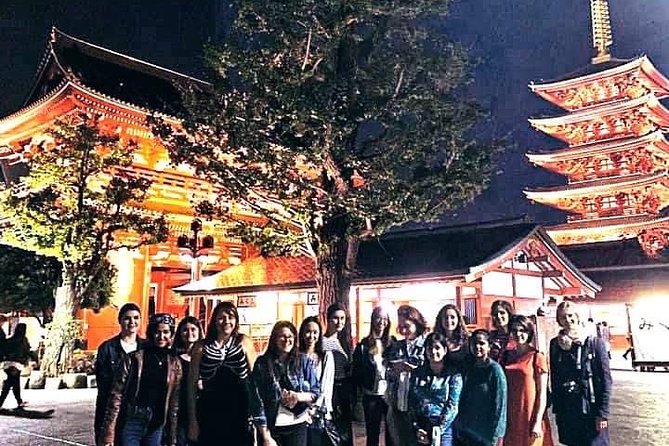
Asakusa after dark, from Sensoji to Kappabashi
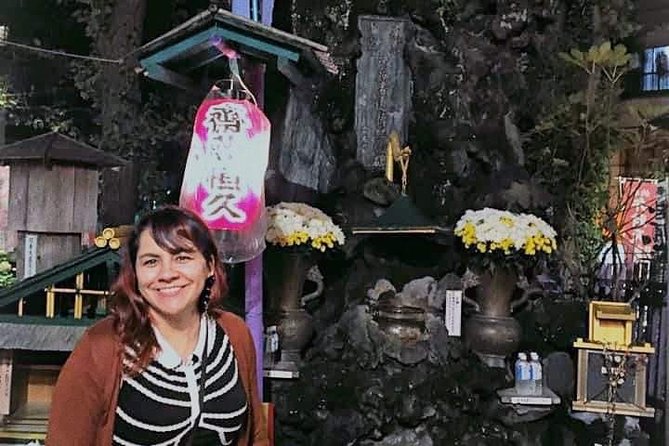
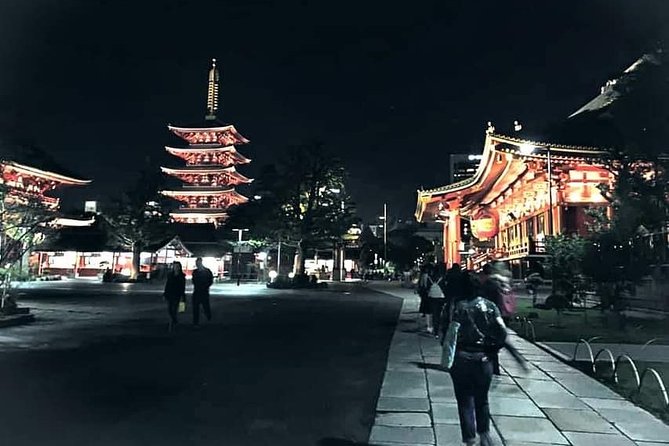
Asakusa receives the longest portion of the tour, about 1 hour and 20 minutes. The route includes a viewpoint, Sensoji Temple, streets around the temple, the Old Hag’s Pond, and Kappabashi.
This is the most varied section. Sensoji is one of Tokyo’s best-known temples, yet the tour approaches it from a darker angle. You learn about the surrounding streets and the beliefs attached to places many people pass without a second thought. The guide also explains how to pray and pay respects properly at a sacred shrine, adding a useful cultural lesson to the spooky material.
The Old Hag’s Pond supplies one of the tour’s more unsettling settings. The name alone hints at a tale involving an old woman, and the stop has been described as one of the eeriest parts of the route. You may also pass a cemetery or other sacred spaces, depending on the precise route and timing.
Kappabashi adds another change of mood. This district is associated with kitchen goods and restaurant supplies, but at night the familiar streets can feel oddly quiet and unfamiliar. That contrast works well: ordinary Tokyo locations take on a different character when you know the stories connected to them.
You will have chances for photographs, but act respectfully. The route includes sacred places and sites tied to death. One useful rule is to follow the guide’s lead about where photography is appropriate, and to avoid treating places of worship as a backdrop for a performance.
The guides make or break the evening
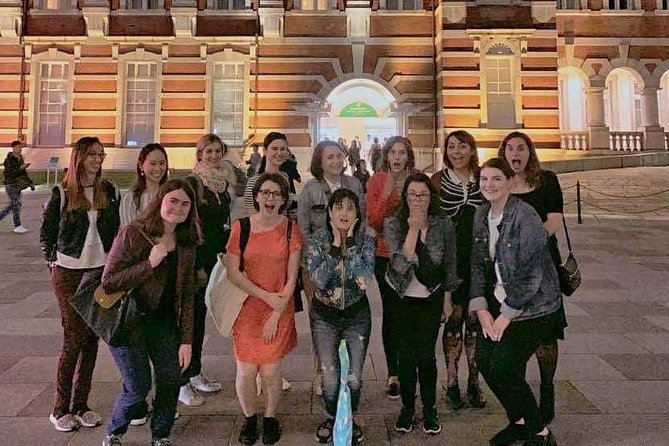
The guide is central to this experience. Joris has been praised for his humor, city background, and ability to keep conversation flowing. Maik has led tours with a strong mix of historical detail, scary tales, and cultural explanation. Frank has answered questions about both the tour stops and Tokyo more broadly.
Haruka has been described as attentive to personal interests and helpful with follow-up suggestions for other places in the city. Melissa has led an eerie route through several sites, including a cemetery, with a clear focus on the Edo period and local customs.
These names do not guarantee who will lead your departure. The practical point is that the tour depends on the guide’s storytelling style. A strong guide can make a tragic historical account gripping without overselling it. You should expect a personable host, questions, conversation, and explanations of Japanese customs rather than a scripted horror performance.
The small group helps here. With no more than eight people, you can ask about a strange detail, request more cultural context, or say if your children need a softer version of the story. The guide can also point out places you might miss on your own.
Walking, transport, and the dinner-hour snack
The tour lasts about three hours, though some accounts describe an outing closer to four hours. Plan for a long evening on your feet. One reported distance was around 8,000 steps, and several participants found the route more walking-intensive than expected.
Wear proper walking shoes. Tokyo’s pavements are manageable, but distance becomes tiring when you are stopping, listening, and moving between districts. If you have limited stamina, ask about the pace and route before booking.
Public transport is part of the route, but the fare is not included. Bring cash and budget about 400 yen per person. That is a small extra cost compared with the tour price, but it is easy to overlook.
A local snack is included because the tour runs around dinner time. Think of it as a taste along the way, not a meal. One useful lesson from the route is to eat before you meet the guide. There is no regular dinner stop, and waiting until the end could leave you hungry.
The tour ends in Asakusa around 1-chome-2-35. The guide can drop you near a restaurant or bar in the neighborhood, or at the entrance to the metro station. That is convenient if you want to continue your evening in Asakusa, but remember that the tour does not provide a full meal.
Is $114.95 good value?
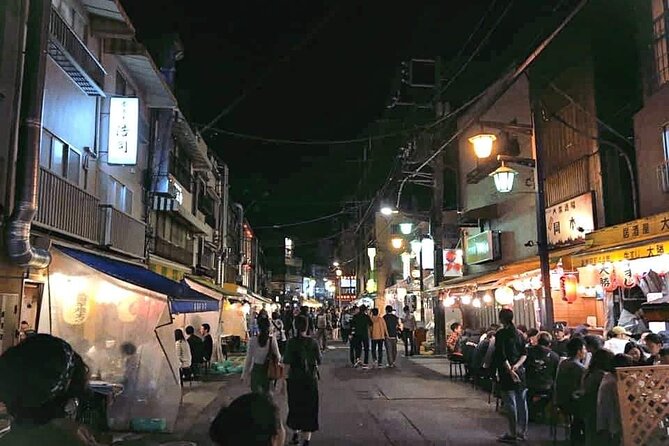
At $114.95 per person, this is not a cheap walking tour. You also pay the local transport fare, and the included snack is modest. The price makes the most sense if you value a small group, a guide who can answer questions, and access to stories and sites you would not easily find on a standard Tokyo sightseeing route.
The value is weaker if you judge the experience only by the number of ghost stories. Some people heard only a handful of supernatural tales during several hours. The route spends real time on history, religion, tragedy, and conversation.
I would compare it with the cost of a private guide rather than with a basic group walk. The maximum of eight gives you more personal attention than a large city tour, and the guide handles the movement between districts. You are paying for interpretation and access to a particular theme, not entrance tickets. The sites themselves are free.
For a couple or small group that wants an unusual night out, the price may be fair. For a family on a tight budget, or for someone expecting a highly theatrical horror show, it is harder to justify.
Who should book this experience?
I would recommend it to you if you enjoy:
- Local stories tied to real streets, shrines, temples, and ponds
- Japanese customs surrounding spirits and respect for the dead
- Walking tours that mix history, folklore, and conversation
- Small groups where you can ask questions
- Seeing Asakusa and Minamisenju from an angle beyond the usual sightseeing list
I would hesitate if you dislike long walks, need frequent rest stops, or want dinner included. I would also think twice if your main goal is a steady supply of frightening supernatural stories.
Families can request a family-friendly version, but ask about the content first. Some stories involve death and tragedy. Service animals are allowed, and most people can participate, but the route’s length remains the main practical issue.
Bookings are generally confirmed within 48 hours, subject to availability. The experience is non-refundable and cannot be changed after booking, so make sure your schedule, meeting point, and walking ability are settled before paying.
My call: book it for atmosphere, not constant scares
This is a good choice for an evening of unusual Tokyo stories, especially if you want a guide-led route through places outside the standard sightseeing circuit. The best parts are the setting, the small group, the shrine customs, and the way ordinary city streets take on an uneasy edge after dark.
Book it if you are happy with grim history, folklore, and cultural insight alongside ghost stories. Skip it if the phrase scariest ghost tour makes you expect nonstop paranormal tales. Bring comfortable shoes, eat before the 6 pm meeting, carry cash for transport, and give yourself time to find Tokyo Station’s Marunouchi North Exit.
FAQ
How long does the Tokyo ghost tour last?
The advertised duration is about three hours. Some descriptions and personal accounts place the outing closer to four hours, so allow extra time in your evening schedule.
Where does the tour begin?
It begins at 6 pm at the Yamato Transport Tokyo Station Marunouchi North Exit Baggage Service Counter, near the Marunouchi North Exit dome.
Where does the tour end?
The tour ends in Asakusa at 1-chome-2-35. The guide can leave you near a restaurant or bar, or at the entrance to the metro station.
Which areas does the tour visit?
The route includes Otemachi, Minamisenju, and Asakusa. Stops in Asakusa include Sensoji Temple, nearby streets, a viewpoint, the Old Hag’s Pond, and Kappabashi.
How many people can join the tour?
The maximum group size is eight people.
Is public transportation included?
No. Public transportation costs about 400 yen per person during the tour. Bring cash for this extra expense.
Is food included?
One local snack is included because the tour takes place around dinner time. A full dinner is not provided, so eat before the tour.
Is the tour suitable for children?
The tour can be made family-friendly, but some stories involve dark or tragic subjects. Ask about a suitable version when arranging the experience.
How much walking is involved?
This is a walking-intensive tour. Some people have covered about 8,000 steps, so comfortable shoes are strongly advised.
Is the tour refundable if I cancel?
No. The experience is non-refundable and cannot be changed for any reason after booking.
Newly reviewed around Tokyo
- Tokyo Asakusa:Calligraphy & Make T-shirt Activity★ 5.0 · 62 reviews
- Intercity Shuttle, Tokyo to Haneda /Narita /Yokohama /Makuhari★ 5.0 · 5 reviews
- 1 Hour Travel around Tokyo with a Professional Photographer★ 5.0 · 3 reviews
- Travel Tokyo with Your Own Personal Photographer★ 5.0 · 43 reviews
- Kickboxing & Body Training with EX-Pro Fighter★ 5.0 · 4 reviews
- Train in Samurai Swordsmanship and Defeat the Demon in Tokyo★ 5.0 · 5 reviews
- Shuttle Van 6hr Tokyo Tour to-and-from Tokyo, Yokohama and Narita★ 5.0 · 9 reviews
- Traditional Japanese Knife Sharpening Class★ 5.0 · 18 reviews
Tours, compared.
Mt Fuji and Hakone 1-Day Bus Tour Return by Bullet Train
Read our review →
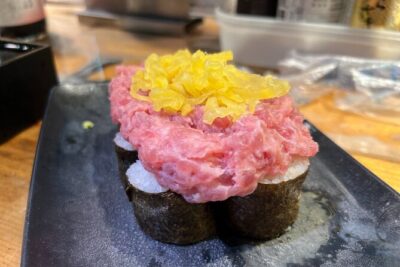
Shinjuku Food Tour (13 Dishes at 4 Local Eateries)
Read our review →
Tokyo Mt Fuji 5th St & Hakone Cruise Bus Tour w/Bullet Train
Read our review →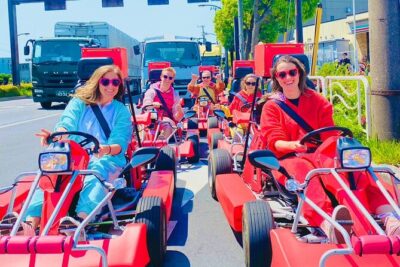
Flagship 2-Hours Official Street Go-Kart Tour – Tokyo Bay Shop
Read our review →
Mt. Fuji Tour, Hakone Ropeway, Owakudani, Lake Ashi
Read our review →
Tokyo 6hr Private Tour with Government-Licensed Guide
Read our review →