
Reviewed · TOKYO NIGHT TOURS
Tokyo After 5: Authentic Japanese Food & Drink Night Tour
Tokyo After 5 is at its best when you are willing to eat like a local, not chase a polished restaurant meal. You cook sticky monjayaki at the table, try Japanese sweets, then squeeze into a small Yurakucho drinking alley for yakitori and a drink with office workers winding down. The hands-on cooking and the nighttime neighborhoods are the real draw.
I like the small group, capped at eight, and the practical help from guides such as Yuko, Mizuki, and Shohei, who have been praised for explaining food and handling Tokyo’s subway system. I also like that two subway rides and two drinks are included. The drawback is that the food stops can feel lighter than expected, and the experience may amount to two main eateries rather than three full restaurant visits.
Key points to know before booking
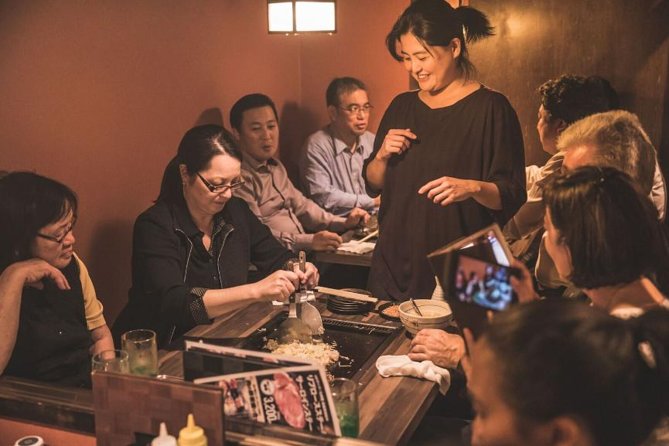
- Monjayaki is the signature stop: Cook Tokyo’s soft, savory pancake on a hot grill in Tsukishima.
- The night ends in Yurakucho: Expect yakitori, a drink, and a compact alley lined with local eateries.
- The group is small: A maximum of eight makes subway travel and menu help easier.
- Two drinks are included: Choose from sake, beer, or a soft drink, with extras available to buy.
- Food choices are limited: Vegetarian, vegan, and gluten-free diets cannot be accommodated.
- Plan for steady walking: Comfortable shoes matter, and there can be stairs and quick transfers.
What this Tokyo food tour is really like
This is a three-and-a-half-hour introduction to Tokyo food culture after work. You meet at the Lion statue outside Mitsukoshi Ginza at 5 p.m., then move through Ginza before taking the subway to Tsukishima and later Yurakucho.
The tour costs $122.33 per person. That is not cheap for a Tokyo evening, so value depends on what you want. If you need a guide to translate menus, explain customs, manage subway transfers, and lead you into small local establishments, the price can make sense. If you mainly want a large dinner, it will feel high.
The food is spread across the evening rather than served as one long meal. You receive wagashi, monjayaki, yakitori, and two drinks. Come hungry, but do not assume this replaces dinner for everyone. Portions and food selections can vary, and some people have found the early sweets and small samples insufficient until the final stop.
The most praised part is the human element. Guides including Yuko, Mizuki, and Shohei have been singled out for warmth, humor, and clear help with unfamiliar foods. Guide quality matters here because the pleasure comes from explanation as much as eating.
More Tokyo night tours:
- Shibuya Meltdown Night Tour: All-You-Can-Drink Bar Hopping
★ 4.8 · 183 reviews - Tokyo by Night Photography Tour (Private Option Available)
★ 5.0 · 151 reviews - Private Tokyo Night Tour
★ 5.0 · 115 reviews
Meeting the guide at Mitsukoshi Ginza
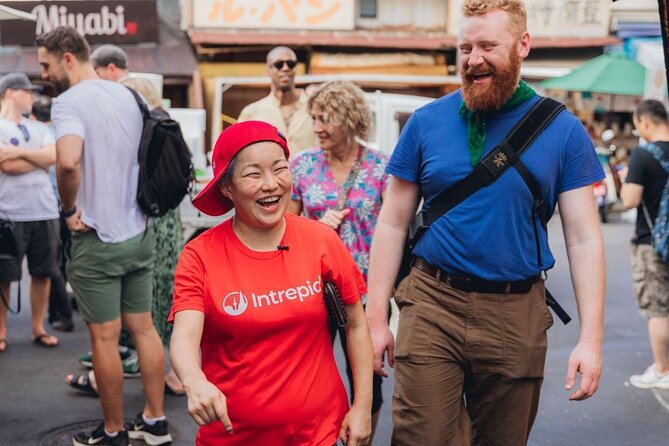
The meeting point is easy to identify: the Lion statue in front of Mitsukoshi Ginza at 4-chome-6-16 Ginza, facing Chuo Street. Arrive early. The tour starts on time, and Ginza can be crowded after work.
This opening location puts you in one of Tokyo’s grand shopping districts, not an old-fashioned back street. Mitsukoshi is a department store, and the first food moment may involve wagashi, traditional Japanese sweets, purchased from the food area. In practice, this can feel more like a tasting or gift than a full course.
That distinction matters. If you expect to sit down immediately for a substantial plate, you may be puzzled by the first stop. The sweets are a useful introduction to Japanese flavors and presentation, but they do not do much to quiet a serious appetite.
The group may also visit Itoya, the famous Ginza stationery store. This is an appealing little detour if you enjoy Japanese design and everyday objects. It is less appealing if you booked mainly for food and want to reach the first grill quickly.
Ginza after dark, with a short cultural introduction
The walk through Ginza gives you a look at Tokyo’s polished side. Department stores, bright signs, wide streets, and after-work foot traffic create a sharp contrast with the cramped izakaya lanes later in the evening.
I like this change of setting. You start in a wealthy commercial district, then head toward older downtown food neighborhoods. It helps you see that Tokyo nightlife is not one single scene. It ranges from refined department-store counters to tiny bars where the menu may be unfamiliar and the seating close.
Still, the Ginza portion is brief, about 15 minutes in the stated plan. Do not book this as a Ginza architecture tour or a shopping excursion. It is a short orientation before the main food stops.
A few people have found the early pacing slow, especially if the group waits for late arrivals or spends too long moving through the department store. The guide’s ability to keep the group together also matters. Stay alert at crossings, subway entrances, and elevator stops rather than assuming everyone will automatically remain in sight.
Tsukishima Monja Street and the hot grill
The tour then uses the subway to reach Tsukishima Monja Street, a downtown area associated with monjayaki. Two subway tickets are included, which removes a small but real hassle in Tokyo’s complex rail system.
Monjayaki is a Tokyo specialty related to okonomiyaki, but the texture is much softer and runnier. The mixture is placed on a hot table grill, and you cook it as you go. Cabbage forms much of the base, with seafood or other additions depending on the restaurant and order.
This is the tour’s most hands-on food experience. You get to hear the mixture sizzle, learn how to work the small spatula, and eat directly from the grill. It is not a neat pancake that arrives already cut into perfect wedges. Expect something loose, savory, and interactive.
That texture will not suit every palate. If you dislike cabbage or prefer crisp, clearly separated ingredients, monjayaki may be a challenge. The food can also be less filling than its name suggests, especially when served as one part of a longer tasting route.
The guide’s explanation makes a major difference here. A good guide can explain why monjayaki is associated with Tokyo, show you how to cook it, and translate the menu. Yuko has been praised for taking care of subway movements and explaining the meal, while Mizuki has been praised for guiding people through unfamiliar dishes.
The stated stop lasts about 90 minutes, which gives you time to cook and eat without rushing. It is also where you are most likely to encounter stairs, transfers, and a longer walk than expected. Wear shoes you can comfortably use for several hours.
More Tokyo food tours:
- Tokyo: Shinjuku Food Tour (13 Dishes at 4 Local Eateries)
★ 5.0 · 6,603 reviews - Tokyo Tsukiji Fish Market Food and Culture Walking Tour
★ 5.0 · 3,184 reviews - Tokyo: Shinjuku Food Tour (15 Dishes and 4 Eateries)
★ 4.9 · 2,033 reviews - Best of Shinjuku: Izakaya Food Tour (4 Stops, 14+ Tastings)
★ 5.0 · 1,863 reviews
Yurakucho’s yakitori alley and the evening drink
The final food setting is Yurakucho Sanchoku Inshokugai, often called Yurakucho Farm to Table Dining Alley or Yakitori Alley. This is a very different Tokyo from Ginza’s department stores. Small restaurants and bars cluster close together, creating the compact, lively feel many visitors hope to find at night.
Here you receive yakitori, grilled skewers served with tare sauce. The sauce differs from one place to another, so even a simple skewer becomes a lesson in local style. Chicken is the usual expectation, but the exact cuts can vary. One important point: cartilage has been served on some occasions, and that may surprise anyone expecting only tender meat.
The food can also be cooked more lightly than you prefer. If you want well-done meat, ask the guide or restaurant staff clearly. The guide can help explain the choices, but this is not a private tasting menu with every ingredient set in advance.
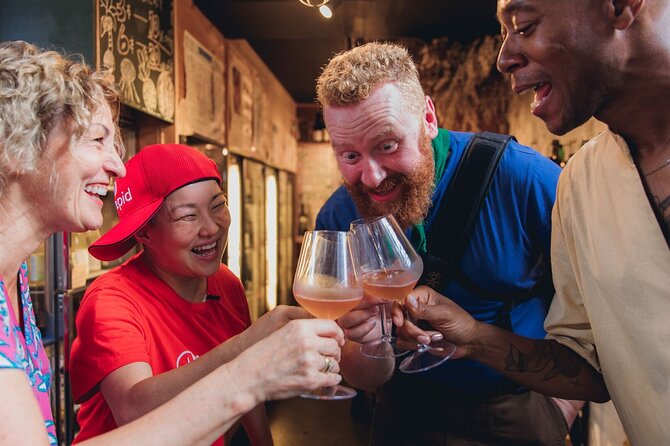
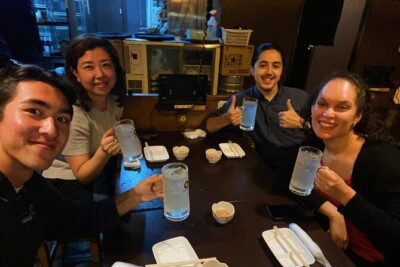
Two drinks are included during the tour. These may be sake, beer, or a soft drink, with alcoholic drinks served only to people aged 20 or older. The sake pour can be a fun Japanese custom: a glass is placed inside a small wooden box and filled until the sake overflows into the box.
This last stop is often the strongest match for people who want an authentic after-work atmosphere. You can usually remain in the bar after the official tour ends, then continue your evening elsewhere. The tour finishes near Ginza Station at 4-chome-1-2 Ginza, making it easy to plan a separate night activity.
Does the food count as three eateries?
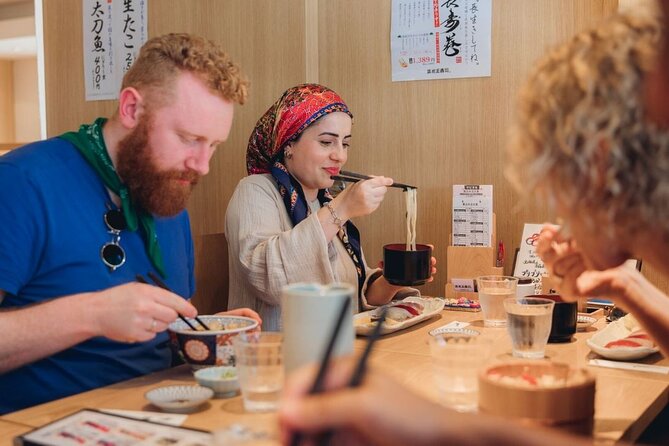
The description presents three local food experiences: wagashi, monjayaki, and yakitori. In practical terms, the evening may feel like two main restaurant stops, with the wagashi coming from a department-store food area rather than a sit-down eatery.
That difference is worth understanding before paying. You are not booking a progressive dinner with three substantial courses. You are booking a guided food walk with three types of local food, two drinks, and neighborhood sightseeing.
Some departures have included several small dishes at the final izakaya, while others have felt more modest. The exact selection can depend on the restaurant, ingredients, and group. If you are a big eater, plan a light meal afterward or be ready to buy extra food and drinks.
The tour does not offer vegetarian, vegan, or gluten-free options. It also visits small establishments that cannot handle every dietary request. Tell the provider about serious allergies before booking, but do not assume the menu can be changed.
Guide quality and the small-group advantage
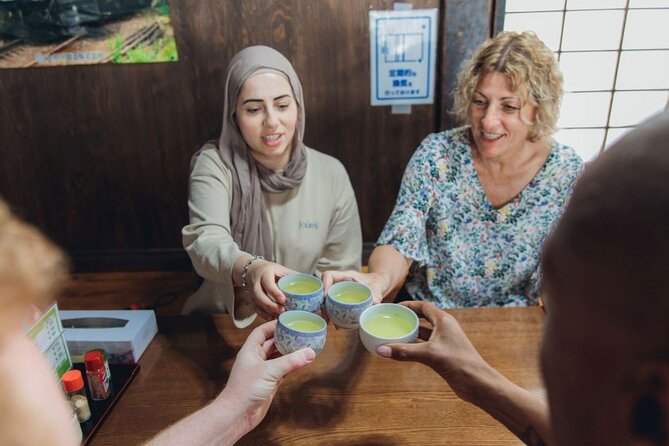
A maximum of eight people is a useful limit in Tokyo. You can hear explanations more easily, move through stations with less confusion, and get help when a menu uses unfamiliar Japanese terms.
This format also makes the guide central to the experience. Yuko has been praised for making subway transfers easy and adding cultural detail. Mizuki has been praised for courtesy, humor, and explaining new foods. Shohei has been described as a warm and enjoyable guide, while Rocky has been praised for taking extra care during an early guiding assignment.
That said, guide quality is not identical on every departure. Some people have found English explanations too limited, which reduced the cultural value of the tour. If you want a food tour mainly for history, detailed culinary background, and long explanations at every stop, this can be a gamble.
The best guide will translate, keep the group together, explain food customs, and point out what you would likely miss alone. The weakest version becomes a fast walk between food stops. The small group helps, but it cannot guarantee the same guide or the same level of commentary.
Walking, timing, and practical comfort
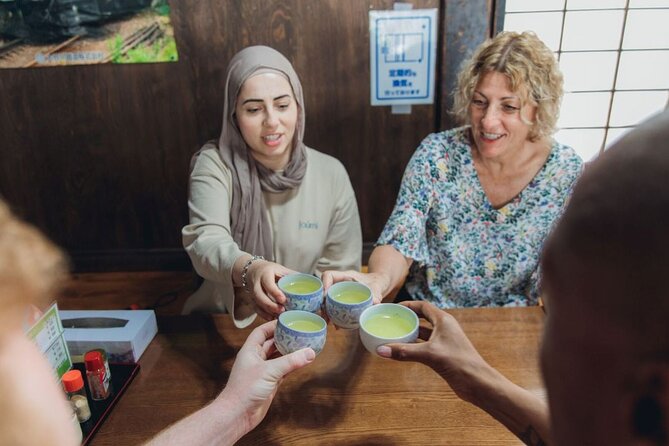
The tour lasts about three hours and 30 minutes and includes a moderate amount of walking, two subway rides, station stairs, and movement through busy areas. One stretch to the first food stop may feel long, especially if you are already hungry.
Start with comfortable shoes and avoid carrying bulky luggage. Bring enough money for extra drinks or food, since only two drinks are included. Keep your phone charged, even though you have a mobile ticket, because meeting points and station exits can be confusing in central Tokyo.
The tour is suitable for most people aged 12 and up, but drinking rules are strict. Anyone under 20 receives non-alcoholic drinks. Families should also consider the late timing, walking pace, and small-bar setting before booking for younger teenagers.
Weather can affect the tour. If poor weather causes cancellation, you receive a different date or a full refund. You can cancel for a full refund up to 24 hours before the start time. Changes or cancellations made inside that window are not accepted.
Is $122.33 a fair price?
The price includes the guide, three food categories, two drinks, and two subway tickets. It also buys access to places that can be awkward to enter without Japanese language help, particularly a small izakaya or a monjayaki restaurant where you cook at the table.
For me, the value is strongest if this is your first Tokyo visit, you are nervous about ordering, or you want company for your first night out. The guide’s recommendations can also help shape the rest of your stay.
The value is weaker if you already know Tokyo’s food neighborhoods, speak Japanese, or measure value by volume of food. The early wagashi stop and modest tasting portions may leave you wanting more. You should also be comfortable with the possibility that the evening uses two principal restaurant venues rather than three full eateries.
Who should book this night tour?
Book it if you want a friendly introduction to Japanese snacks, a hands-on monjayaki lesson, a look at Ginza after work, and a final drink in a local-style alley. It suits solo visitors and couples who want a ready-made evening, as well as first-time visitors who prefer not to decode Tokyo’s subway and menus alone.
Think twice if you need vegetarian, vegan, or gluten-free food, dislike seafood or unusual chicken cuts, or want a formal, filling dinner. It is also not the right choice if shopping stops frustrate you or if you expect constant food from the first minute.
I would book this tour early in a Tokyo stay, ideally on a night when you can use the guide’s advice for later meals. Confirm the meeting point, arrive before 5 p.m., eat a small snack if you tend to get hungry, and treat the evening as a guided tasting and neighborhood walk rather than a full dinner.
FAQ
How long does Tokyo After 5 last?
The experience lasts approximately three hours and 30 minutes.
Where does the tour begin?
It begins at the Lion statue in front of Mitsukoshi Ginza, at 4-chome-6-16 Ginza, Chuo City, Tokyo.
Where does the tour end?
The tour ends near Tokyo Metro Ginza Station at 4-chome-1-2 Ginza, Chuo City, Tokyo.
How many people can join the tour?
The group has a maximum of eight participants.
What food is included?
The included food experiences are wagashi, monjayaki, and yakitori. The exact dishes and portions may vary.
Are drinks included?
Two drinks are included. These can be sake, beer, or a soft drink. Additional drinks cost extra.
Can children join the tour?
The minimum age is 12. People under 20 are served non-alcoholic drinks because the legal drinking age in Tokyo is 20.
Can the tour accommodate vegetarian, vegan, or gluten-free diets?
No. The establishments used on this tour cannot provide vegetarian, vegan, or gluten-free options.
Can I cancel for a refund?
You can cancel at least 24 hours before the start time for a full refund. Cancellations or changes made less than 24 hours before the start are not accepted. If poor weather cancels the experience, you are offered another date or a full refund.
Newly reviewed around Tokyo
- Tokyo Asakusa:Calligraphy & Make T-shirt Activity★ 5.0 · 62 reviews
- 1 Hour Travel around Tokyo with a Professional Photographer★ 5.0 · 3 reviews
- Travel Tokyo with Your Own Personal Photographer★ 5.0 · 43 reviews
- Intercity Shuttle, Tokyo to Haneda /Narita /Yokohama /Makuhari★ 5.0 · 5 reviews
- Train in Samurai Swordsmanship and Defeat the Demon in Tokyo★ 5.0 · 5 reviews
- Shuttle Van 6hr Tokyo Tour to-and-from Tokyo, Yokohama and Narita★ 5.0 · 9 reviews
- Kickboxing & Body Training with EX-Pro Fighter★ 5.0 · 4 reviews
- Traditional Japanese Knife Sharpening Class★ 5.0 · 18 reviews
Tokyo Night Tours, compared.
Shibuya Meltdown Night Tour: All-You-Can-Drink Bar Hopping
Read our review →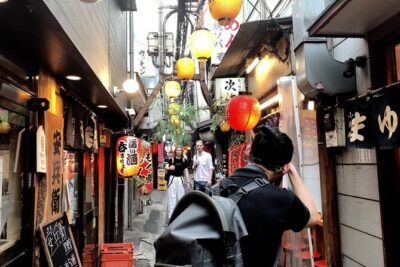
Tokyo by Night Photography Tour (Private Option Available)
Read our review →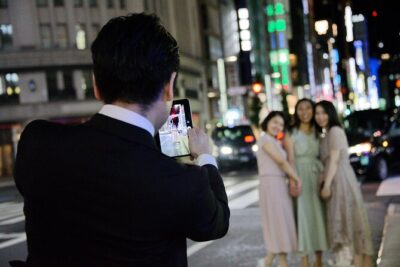
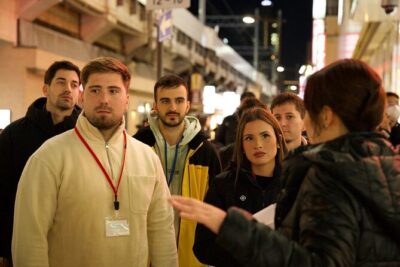
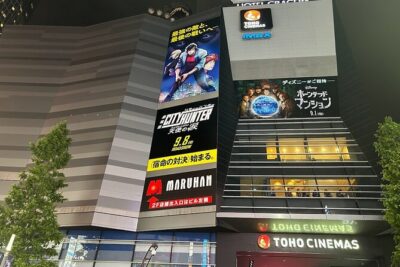

Real Tokyo Runner Club : Daikoku Car Meet Night Tour with JDM Car
Read our review →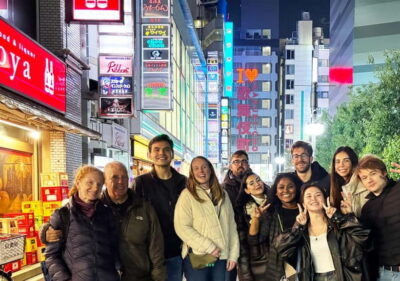
Tokyo Shibuya Hidden Izakaya and Karaoke Night Tour
Read our review →Browse the lists this tour appears in