
Reviewed · TOKYO FOOD TOURS
Tokyo Underpass Food Tour
Tokyo Underpass Food Tour Review
Tokyo’s railway arches hide some of the city’s most characterful places to eat. This three-hour walk through Yurakucho’s under-track restaurants takes you from yakitori and edamame to wagyu, sashimi, sake, cocktails, and a final bowl of ramen or a sweet treat.
I like two things right away: the small maximum of eight people keeps the outing personal, and the food is served in ordinary local spots rather than a formal tasting room. You also get one drink at each stop, with non-alcoholic choices available. The main drawback is the $198 price, which is steep for three hours, especially if you do not drink or have a limited appetite.
Key points to know before booking
- Three food stops in Yurakucho: Two izakaya-style restaurants come first, followed by ramen or dessert.
- Railway arches instead of a polished dining room: You eat in the kind of compact restaurant district Tokyo residents use after work.
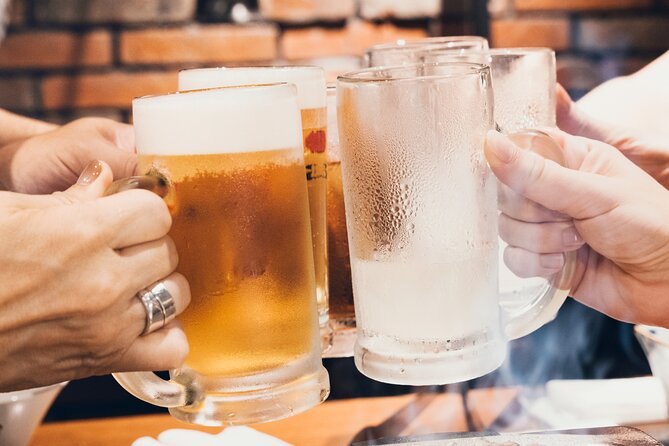
- One drink at each place: Choose alcohol or a non-alcoholic drink, depending on your preference.
- Small group format: The tour accepts a maximum of eight people and requires at least two participants.
- Guides with a personal touch: Shuhei and Seiyo are named in the feedback, with attention given to food choices, sake, photography, and local advice.
- Not suitable for every diet: The tour is not recommended for vegans, vegetarians, or people with serious food allergies.
Why Yurakucho’s railway arches make a good food setting
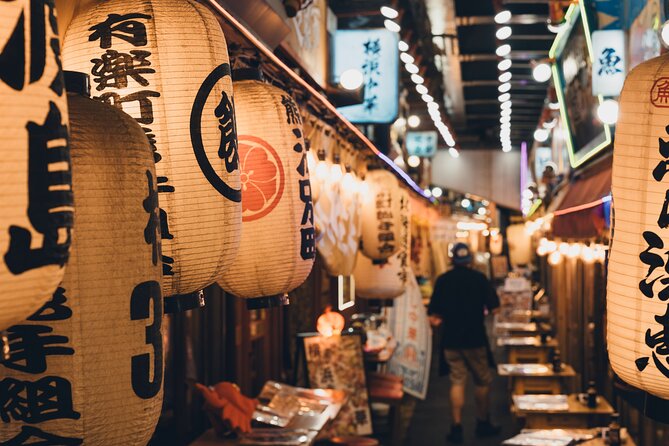
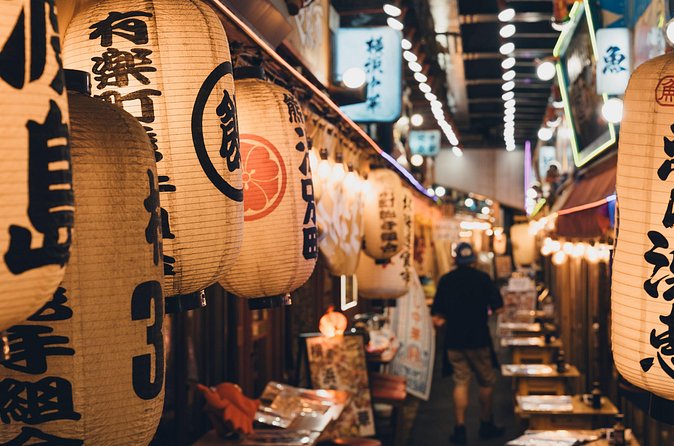
Yurakucho sits between central Tokyo districts and is known for restaurants fitted beneath or beside the elevated railway tracks. The setting is part of the appeal. Trains pass overhead while narrow dining rooms and small counters carry on below.
This is not a tour built around famous landmarks. The attraction is the everyday food district itself, where you can see how Tokyo’s after-work dining culture fits into a tight urban space. The railway arches give the evening a slightly rougher, more local feel than a grand restaurant in a department store.
You meet at 5 pm at Miami VillaJapan, in the Yurakucho Station-front building at 2 Chome 7-1, Yurakucho, Chiyoda City. The location is close to Yurakucho and Hibiya stations, so it is practical to reach by public transportation.
The finish is at Shimbashi Station, at 2 Chome-17 Shinbashi in Minato City. This is useful because the tour gives you a short route across two neighboring dining districts rather than returning you to the starting point. You should plan your evening around that one-way finish.
More Tokyo food tours:
- Tokyo: Shinjuku Food Tour (13 Dishes at 4 Local Eateries)
★ 5.0 · 6,603 reviews - Tokyo: Shinjuku Food Tour (15 Dishes and 4 Eateries)
★ 4.9 · 2,033 reviews - Best of Shinjuku: Izakaya Food Tour (4 Stops, 14+ Tastings)
★ 5.0 · 1,863 reviews
The first restaurant: izakaya food and a local introduction
The first two stops focus on izakaya-style dishes. An izakaya is a Japanese drinking establishment where food arrives in several small portions, often meant to be shared. That format suits a walking food tour because you can sample several tastes instead of committing to one large meal.
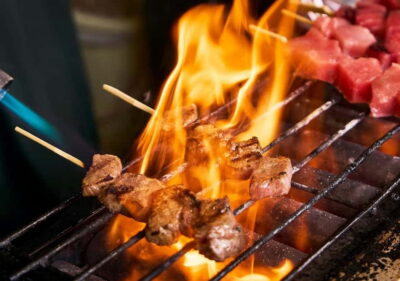
The listed dishes include yakitori, edamame, wagyu, and sashimi. Yakitori brings grilled chicken and the smoky, savory flavors associated with casual Japanese drinking spots. Edamame offers a simple snack between stronger dishes. Wagyu adds a richer bite, while sashimi gives the meal a fresh seafood element.
You should not expect a fixed restaurant menu on every departure. The restaurants can change according to the schedule, so the exact dishes and room style may vary. That flexibility may help the operator use suitable local places, but it also means you cannot book this tour for one specific restaurant or guaranteed specialty.
At each place, one drink is included. You can choose alcohol or a non-alcoholic option. Sake and Japanese cocktails are part of the experience, though the precise drink selection is not specified. If you do not drink, you can still take part without alcohol, but the $198 cost may feel harder to justify.
The guide’s role matters here. You are not simply handed a plate and left to guess what it is. The experience is designed around suggestions about which dishes and sake to try. Seiyo is praised for choosing varied places and recommending particular foods and drinks, while Shuhei is associated with a friendly, social style that feels closer to an evening with a local companion than a formal lecture.
The second restaurant: more variety, not just more food
The second restaurant gives the meal another change of setting and flavor. The point is not just to increase the quantity. Moving between two izakaya-style places lets you compare different approaches to casual Japanese dining.
You might find more grilled food, small side dishes, seafood, or another wagyu preparation. The stated menu is broad rather than fixed, so you should view these examples as likely categories, not a promise of every item. Food is provided until you are full, which makes this more substantial than a quick street snack walk.
That phrase matters for anyone planning dinner afterward. The tour is meant to function as an evening meal, not merely as a set of appetizers. You may want to arrive hungry, but do not arrive so hungry that you rush through the first dishes. Three stops spread food across the full three hours.
The group limit of eight is a real advantage in small Japanese restaurants. Tight spaces can become awkward with a large tour party, while a smaller group makes it easier to hear the guide and share dishes. The minimum of two participants also means this is not designed as a solo booking that proceeds independently. Check that the required minimum is met when planning your evening.
The age requirement is 13 and up. That makes the tour suitable for families with older children or teenagers, but it is still built around izakaya dining and drinks. Parents should decide if that setting suits their group.
The final stop: ramen or dessert in Shimbashi
The last stop is either a ramen shop or a dessert shop. Ramen gives you a warm, filling finish and turns the outing into a full dinner. Dessert offers a lighter ending after the savory dishes.
The exact choice is not guaranteed, so this is worth keeping in mind if you have a strong preference. The final shop may also depend on the schedule. If you are hoping for ramen specifically, ask the operator before booking rather than assuming it is included every time.
Ending near Shimbashi Station is practical. Shimbashi is another well-known area for casual eating and drinking, and the station provides a clear point for continuing your evening. The tour does not include hotel pickup, hotel drop-off, or transportation between attractions, so you will make your own way to the start and from the end.
The route is close to stations, but the supplied information does not give a walking-distance total or accessibility details. If stairs, narrow passages, or standing time are a concern, contact the provider before reserving.
A completely different kind of day in Tokyo:
- Mt Fuji and Hakone 1-Day Bus Tour Return by Bullet Train
★ 5.0 · 26,383 reviews - 1-Day Tokyo Bus Tour
★ 5.0 · 14,250 reviews - Tokyo: teamLab Planets TOKYO Digital Art Museum Entry Ticket
★ 4.6 · 9,779 reviews - Mt Fuji & Hakone Cruise, Drum Show Bullet Train 1 Day from Tokyo
★ 4.0 · 7,413 reviews
What the food tells you about Tokyo dining
The best reason to book this kind of tour is the way the dishes work together. Yakitori, edamame, wagyu, sashimi, sake, ramen, and dessert are not isolated samples. They show how Japanese evening meals often move between small savory plates, drinks, shared food, and a final dish.
You also get a better sense of portion planning. One plate may be modest, but several stops create a complete meal. The guide can help you decide which dishes deserve attention, particularly if some ingredients or drink names are unfamiliar.
The food is not presented as a luxury tasting menu. That is good news if you want a casual local setting, but it may disappoint if you expect elaborate plating or rare ingredients at every stop. The experience is about variety, setting, and conversation more than ceremony.
I also like that the tour allows you to choose non-alcoholic drinks. That makes it more flexible for people who do not drink, though the experience still has a strong connection to sake, cocktails, and izakaya culture.
The guide makes the difference
The supplied details identify Shuhei and Seiyo as guides connected with the experience. Shuhei’s approach appears especially social, with conversation extending beyond food to photography and local advice. Seiyo is associated with a well-organized route through three food stops and clear suggestions about dishes and sake.
You should not assume that one particular guide will lead every departure. Still, these details give you a useful picture of the style to expect: friendly, informal, and focused on helping you order rather than delivering a long history lesson.
That is an important distinction. If you want a detailed lecture on Japanese cuisine, this may not be the right format. If you want someone to take the pressure off ordering in unfamiliar restaurants and point out good choices, the guide adds real value.
The small group also gives you a better chance to ask questions. With up to eight people, the evening can remain conversational instead of becoming a procession from one stop to the next.
Is $198 good value for three hours?
At $198 per person, this is an expensive food walk. The price needs to cover more than the ingredients. You are paying for a local guide, three stops, food until you are full, one drink at each place, and the convenience of having the evening organized for you.
The value is strongest if you:
- Want a ready-made evening meal in central Tokyo
- Enjoy trying several dishes rather than choosing one restaurant
- Like sake, Japanese cocktails, or casual drinking culture
- Prefer a small group to a large bus-style outing
- Feel uncertain about ordering in local restaurants
- Value conversation and local recommendations
The value is weaker if you are a light eater, do not drink, avoid meat and seafood, or already feel comfortable choosing restaurants on your own. You could likely spend less on a casual dinner, though you would not receive the same guided route or built-in variety.
The food quantity helps support the price. This is not one snack and a short walk. Two restaurants plus ramen or dessert are intended to fill you up. Still, the exact menu changes, and the listing does not provide a detailed price breakdown for each dish or drink.
Dietary limits deserve serious attention
This tour is not recommended for vegans or vegetarians because the group menu offers limited variety and quantity for those diets. The named dishes include meat, seafood, and animal-based foods, so you should not book expecting extensive substitutions.
It is also not recommended for people with serious food allergies. The tour moves through multiple restaurants, and the food is arranged for the group rather than built around individual allergy needs.
If you have a mild dietary preference or a less serious restriction, contact Oishii Food Tours before booking. A private tour may offer more flexibility, but the supplied information does not promise that a private arrangement can meet every need.
The non-alcoholic drink option is clearer. You can choose alcohol or a non-alcoholic drink at each place, so avoiding alcohol alone does not prevent you from joining.
Timing, group size, and practical planning
The tour starts at 5 pm and lasts about three hours. That timing places the first stop around the beginning of Tokyo’s evening meal period, when Yurakucho’s dining streets take on their after-work character.
Arrive with enough time to find the meeting point at Miami VillaJapan. The address refers to the building in front of Yurakucho Station, near Hibiya Station. A mobile ticket is provided, and confirmation arrives at booking.
Wear shoes and clothing that feel comfortable for moving between several places. The information does not give a total walking distance, and you should not assume every stop has the same seating arrangement. In compact railway-arch restaurants, space can be limited.
The maximum group size is eight. That is small enough for direct conversation, but the experience still depends on the group menu and restaurant schedule. You will not be selecting a fully custom meal at every stop.
The booking is non-refundable and cannot be changed for any reason. That is one of the tour’s less friendly conditions, so book only when your Tokyo plans are firm.
Who should book this Yurakucho food tour?
I would choose this tour for a first visit to Tokyo when I wanted help finding casual restaurants and did not want to spend an evening studying menus. It also suits food-focused visitors who enjoy moving between several places and trying a broad mix of dishes.
It is a good match for couples, friends, and families with children aged 13 or older. The minimum of two participants makes it more naturally suited to a pair or small group than to someone hoping to wander alone.
I would think twice if you are vegetarian, vegan, managing a serious allergy, or looking for a quiet fine-dining experience. I would also compare the cost with a regular dinner if you are comfortable navigating Tokyo’s food scene yourself.
Should you book it?
Book the Tokyo Underpass Food Tour if you want a guided, social evening built around three local food stops, railway-arch restaurants, and a filling mix of izakaya dishes, drinks, and ramen or dessert. The guide’s food suggestions and the maximum group size add useful value, especially early in a Tokyo trip.
Skip it if the $198 price feels too high for a three-hour meal, or if the group menu does not fit your diet. For everyone else, the appeal is simple: you get a ready-made route through Yurakucho and Shimbashi, plenty to eat, and a friendly introduction to Tokyo’s casual night dining.
FAQ
Where does the Tokyo Underpass Food Tour start?
The tour starts at Miami VillaJapan in the Yurakucho Station-front building, 2 Chome 7-1 Yurakucho, Chiyoda City, Tokyo. It is close to Yurakucho and Hibiya stations.
What time does the tour begin?
The start time is 5 pm.
How long does the tour last?
The tour lasts approximately three hours.
Where does the tour end?
The tour ends at Shimbashi Station, 2 Chome-17 Shinbashi, Minato City, Tokyo.
How many people can join?
The maximum group size is eight people, and at least two participants are required.
Are drinks included?
One drink is included at each place. You can choose an alcoholic or non-alcoholic drink.
Is the tour suitable for vegetarians or people with serious food allergies?
The tour is not recommended for vegans, vegetarians, or people with serious food allergies. The group menu has limited variety and quantity for vegan and vegetarian diets, and you should contact the provider about any dietary concern before booking.
Newly reviewed around Tokyo
- Tokyo Asakusa:Calligraphy & Make T-shirt Activity★ 5.0 · 62 reviews
- Intercity Shuttle, Tokyo to Haneda /Narita /Yokohama /Makuhari★ 5.0 · 5 reviews
- 1 Hour Travel around Tokyo with a Professional Photographer★ 5.0 · 3 reviews
- Travel Tokyo with Your Own Personal Photographer★ 5.0 · 43 reviews
- Train in Samurai Swordsmanship and Defeat the Demon in Tokyo★ 5.0 · 5 reviews
- Shuttle Van 6hr Tokyo Tour to-and-from Tokyo, Yokohama and Narita★ 5.0 · 9 reviews
- Kickboxing & Body Training with EX-Pro Fighter★ 5.0 · 4 reviews
- Traditional Japanese Knife Sharpening Class★ 5.0 · 18 reviews
Tokyo Food Tours, compared.
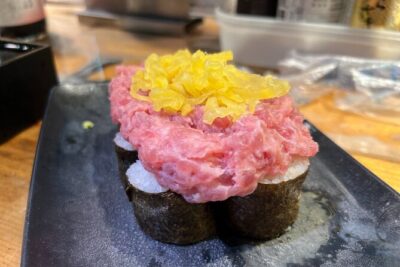
Shinjuku Food Tour (13 Dishes at 4 Local Eateries)
Read our review →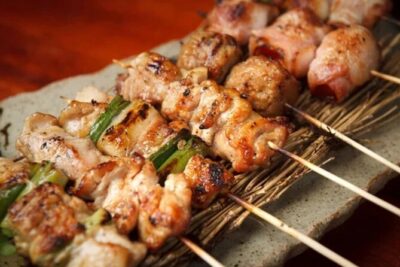
Shinjuku Food Tour (15 Dishes and 4 Eateries)
Read our review →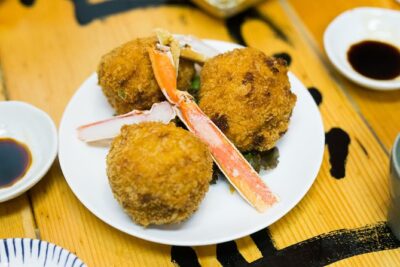
Best of Shinjuku: Izakaya Food Tour (4 Stops, 14+ Tastings)
Read our review →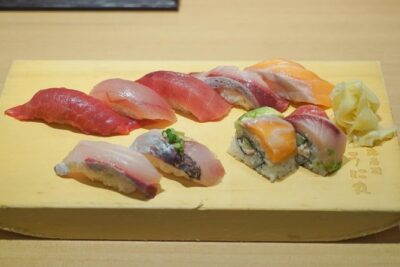
Tokyo Night Foodie Tour in Shinjuku – Seasonal Sushi, Wagyu Beef
Read our review →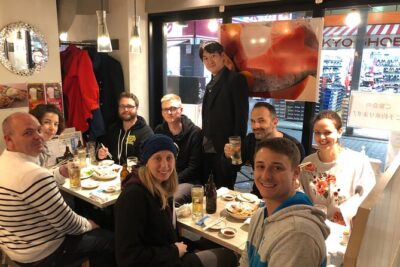
Eat and Drink Like a Local: Tokyo Ueno Food Tour-Taverns&Ramen
Read our review →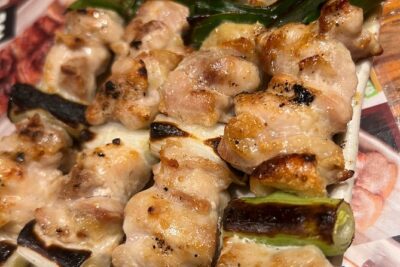
Tsukiji Fish Market: Street Food & Culture Walking Tour
Read our review →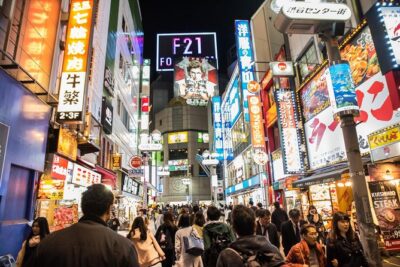
Browse the lists this tour appears in