
Reviewed · TOKYO FOOD TOURS
Shinjuku: Food Tour – 15 Dishes at 4 Eateries
Shinjuku’s best food is often tucked into narrow streets and small restaurants that are easy to miss. This three-hour walk takes you from Kabukicho to Omoide Yokocho and Nishishinjuku, with 15 dishes at four eateries built into the route.
I like the small group limit of 10, and I like that this is more than a meal crawl. Guides such as Dai, Mak, Haydn, Lisa, and Naruto have added useful context about food, customs, nightlife, and the darker side of Kabukicho. The main drawback is the walking pace and distance between stops, plus the fact that food quality can vary from one restaurant to the next.
Key points to know before booking
- Four eateries, 15 dishes: You get a broad sample of Japanese food rather than one long meal at one restaurant.
- Kabukicho after dark: The route includes Tokyo’s famous entertainment district, with stories about nightlife and the area’s past.
- Omoide Yokocho stop: You pass Memory Lane, a tight alley lined with old-style izakayas dating back to the postwar era.
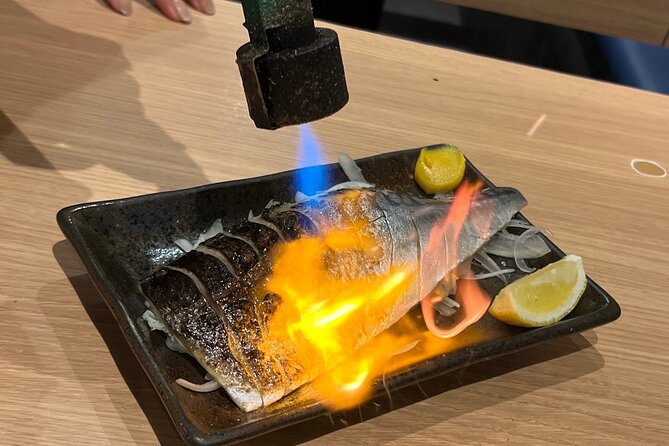
- Okinawan food and sashimi: Dishes can include unusual regional specialties, several types of sashimi, tonkatsu, and drinks.
- Small group format: The maximum group size is 10, which makes it easier to ask questions and share dishes.
- Expect plenty of walking: One three-hour tour includes several dining stops and neighborhood walks, so comfortable shoes matter.
Why this Shinjuku food tour works
Shinjuku is not a single food district. It is a huge station area with shopping streets, office towers, tiny bars, department stores, nightlife, and more than 10,000 restaurants. For a first-time visitor, that abundance can be a problem. You may find something good, but you may also spend your evening reading menus and wandering past full tables.
This tour gives you a shortcut. A guide leads you into places selected for the group, handles the ordering, and explains what arrives at the table. You are not simply paying for food. You are paying for a route through several parts of Shinjuku and for help making sense of dishes that might otherwise be unfamiliar.
The advertised format includes 15 dishes at four eateries, plus food and drinks. That is a generous amount for three hours. You should arrive hungry, but do not expect 15 full restaurant portions. The point is to sample widely, share food, and leave with a better sense of what you might order on your own later.
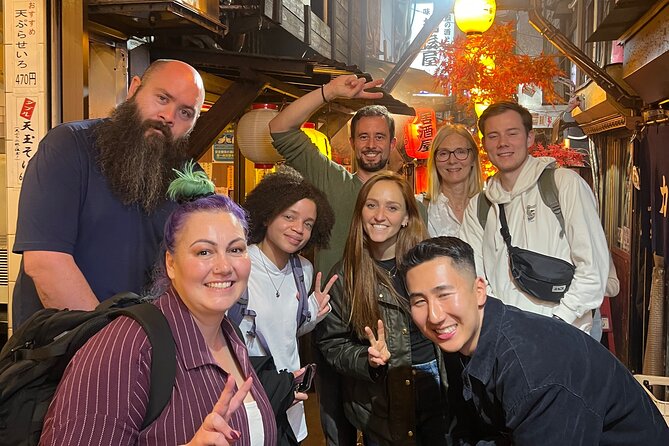
The group limit of 10 is another real advantage. A food tour can become awkward when one guide is trying to manage a large crowd in small Japanese restaurants. Here, the group is small enough for table conversation and questions. The experience still depends on the assigned guide, but several guides associated with this tour have been praised for clear English, humor, and useful explanations.
More things to do in Shinjuku:
- Tokyo: Shinjuku Food Tour (13 Dishes at 4 Local Eateries)
★ 5.0 · 6,603 reviews - Tokyo Bar Hopping Tour in Shinjuku (All-You-Can-Drink + Dinner)
★ 5.0 · 3,587 reviews - Tokyo: Shinjuku Food Tour (15 Dishes and 4 Eateries)
★ 4.9 · 2,033 reviews
Starting near Shinjuku Station
The meeting point is outside AOKI Shinjukunishiguchi Honten at 1-chome-8-5 Nishishinjuku. This is on the west side of Shinjuku Station, one of the busiest rail hubs in the world. Give yourself time to find the correct station exit. Shinjuku Station is famously large, and a rushed arrival can take some of the fun out of the first few minutes.
Once the group gathers, the guide sets the tone. The strongest versions of this experience seem to balance food talk with neighborhood stories. Naruto, for example, has explained Shinjuku’s social history and took the group through areas connected with the yakuza era. Other guides, including Dai and Haydn, have mixed information about the city with details about the dishes being served.
That matters because Shinjuku can look like a wall of neon and crowds when you first arrive. A good guide helps you read the area. You begin to see the difference between an office district, a nightlife street, an old drinking alley, and a restaurant neighborhood that many visitors pass without noticing.
The tour ends back at the meeting point. That makes it easier to continue your evening in Shinjuku, return to your hotel, or use the nearby train network.
Kabukicho: food in Tokyo’s entertainment district
The first major stop is Kabukicho, one of Tokyo’s largest entertainment districts. Its streets are filled with restaurants, bars, arcades, clubs, theaters, and bright signs. It is a place where Tokyo’s polished public image gives way to something louder and more complicated.
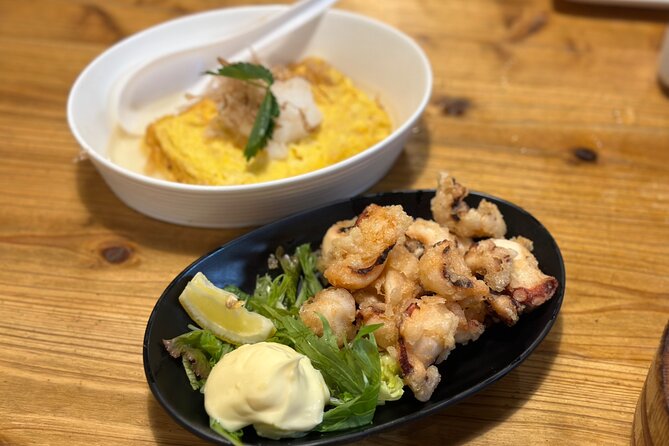
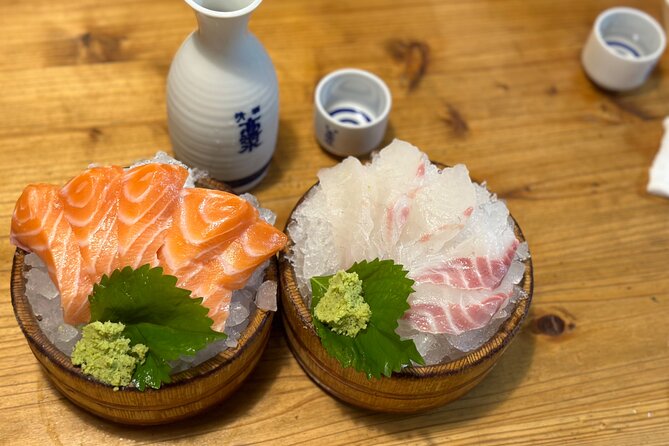
The tour visits a local restaurant in the area. Food reports from the tour have included seafood, drinks, and dishes from Okinawa. One particularly praised meal included about seven varieties of sashimi, while other versions have featured tonkatsu and Okinawan specialties. The exact menu can change, so you should treat the 15-dish promise as the fixed point, not any single dish.
The food is not the only reason to stop here. Kabukicho gives the guide room to explain the customs and social forces behind the district. You may hear about the red-light business, organized crime, and the way the neighborhood has changed. This material will appeal to you if you want a frank look at Tokyo beyond temples and department stores.
It may not suit you if you want a quiet, food-first evening. Some people find the talk about mafia history and nightlife more interesting than the meal. Others feel the tour gives too much attention to the entertainment district. Know what you are booking: this is a food and culture walk, not a refined restaurant tasting.
The Godzilla Head is another Kabukicho landmark along the route. Rising above the district, it adds a playful movie reference to the surrounding signs and towers. It is a good photo stop and helps you place yourself in one of Shinjuku’s most recognizable corners.
Omoide Yokocho and the small-alley feel
The group walks past Omoide Yokocho, also called Memory Lane. This short alley is packed with old izakayas and small eateries, many with roots going back to the 1950s. Its tight layout offers a sharp contrast to the broad streets and tall buildings nearby.
The tour lists about 15 minutes here, so do not expect a long meal in the alley itself. The value is in seeing this older style of Shinjuku and hearing how tiny drinking places fit into Japanese city life. Omoide Yokocho is also a useful place to return on your own, though the very small restaurants may feel intimidating if you cannot read the menu or do not know the ordering customs.
This stop also shows why a guide can be useful. A local food tour is not just about finding restaurants with high online ratings. It is about understanding how an alley works, why the tables are so close, how izakayas serve food and drinks, and how postwar Tokyo still appears in the city’s modern center.
You should be ready to keep moving. The tour is designed as a walking route, not a series of long seated meals. If you have limited mobility or dislike walking between meals, this may not be the right choice.
More Tokyo food tours:
- Best of Shinjuku: Izakaya Food Tour (4 Stops, 14+ Tastings)
★ 5.0 · 1,863 reviews - Tokyo Night Foodie Tour in Shinjuku – Seasonal Sushi, Wagyu Beef
★ 5.0 · 1,161 reviews - Eat and Drink Like a Local: Tokyo Ueno Food Tour-Taverns&Ramen
★ 5.0 · 957 reviews - Tokyo: Shibuya Food Tour (13 dishes and 4 Eateries)
★ 5.0 · 770 reviews
Nishishinjuku and restaurants many visitors miss
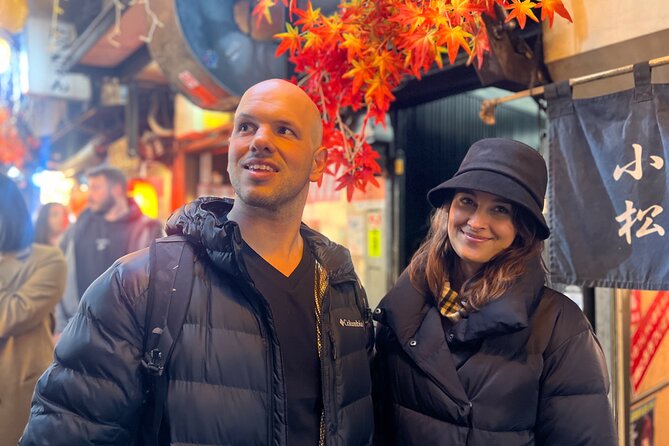
The route then heads toward Nishishinjuku, an area known for local restaurants that many tourists miss. This gives the experience a useful second act. Kabukicho is the famous name, but Nishishinjuku can feel less focused on nightlife and more connected to ordinary dining.
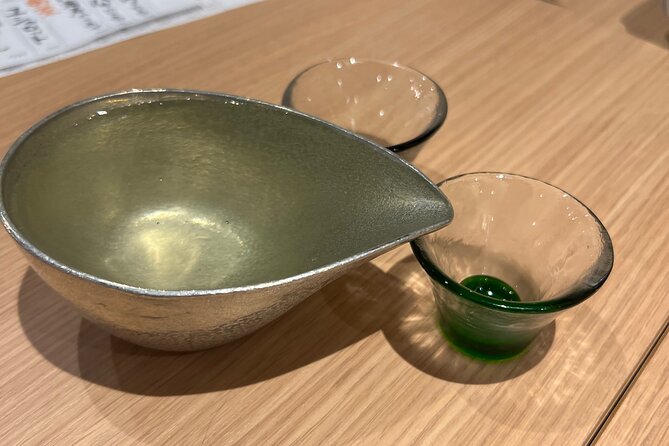
The group eats at a local favorite in this part of town. You may find dishes that are less familiar than standard sushi or ramen. The tour’s food selection has included Okinawan cooking, sashimi, pork tonkatsu, and other shared plates. Drinks are included as well, and versions of the tour have offered a choice of beverage at two stops.
This variety is one of the strongest reasons to book. A normal dinner might give you one regional style or one category of food. Here, you can compare raw seafood, fried food, regional specialties, and izakaya-style dishes in the same evening. You may also discover a dish you would not have ordered from a menu on your own.
Still, keep your expectations sensible. The tour is not designed as a luxury dining event. Food quality has been described as excellent by some people and average by others. Tonkatsu and sashimi have received strong praise, while a few of the other items have seemed ordinary. Restaurant atmosphere can also differ from stop to stop.
That unevenness is part of the risk of a multi-stop food tour. You are buying range, access, and guidance rather than a guaranteed four-course meal at four outstanding restaurants. At $77.60 per person, the combination of food, drinks, and a three-hour guided walk is a fair deal if you value variety and local explanation. It is less compelling if your main goal is to eat at the best possible restaurants in Tokyo.
What the guides add to the evening
The guide can make or break a walking food tour. The strongest guide experiences here have included clear English, good pacing, and a willingness to explain both the food and the area.
Dai has been noted for giving historical and cultural details between restaurants, while Mak has been praised for enthusiasm and for showing visitors around Shinjuku. Haydn has mixed information about sights, culture, and food, and Lisa has led groups to places that are difficult to find without help. Naruto has brought a broad cross-cultural background and detailed discussion of the district.
Those names do not guarantee who will lead your tour. They do show the range of guide styles attached to the experience. Some guides focus more on food. Others spend more time on nightlife, history, or neighborhood stories.
One practical warning: keep up with the group. A complaint about one guide described a very fast walking pace and limited conversation with people at the back. Stay near the guide, especially on crowded streets and around the station. If you have questions, ask early rather than waiting until the group has moved several blocks.
The small group helps, but it does not remove the need to pay attention. Shinjuku is crowded, and the route includes busy streets as well as narrow lanes.
How much food do you really get?
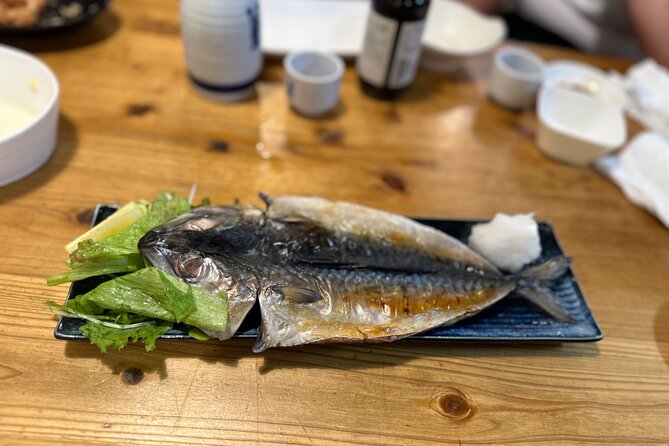
The headline number is 15 dishes. That is enough to make this tour a meal replacement for most people, especially when plates are shared and drinks are included. One account described the portions as plentiful, with enough food that you would not go to bed hungry.
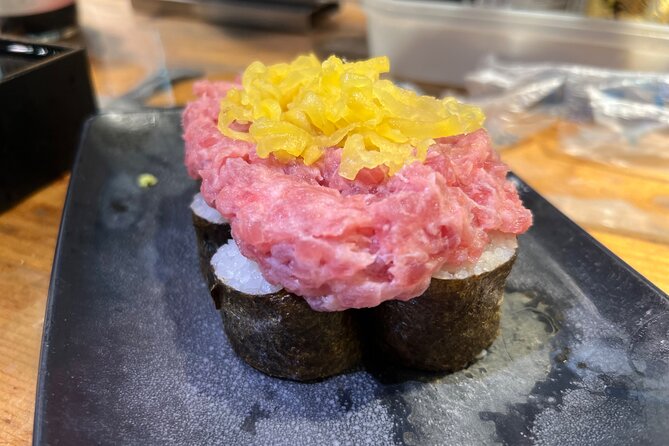
The best way to approach the meal is with curiosity. You may taste several kinds of sashimi, a regional Okinawan dish, fried pork, seafood, and smaller izakaya plates. You are likely to encounter ingredients or combinations you would not pick without help.
The menu is not fixed in the information provided, so do not book this expecting a particular dish. Food can vary by restaurant and date. If you have dietary restrictions, the available information does not promise special arrangements, so ask the provider before booking.
Alcohol is part of the experience at some stops, but you do not have to rely on drinking to enjoy it. One account came from someone who did not drink alcohol and still found the food and tour worthwhile. The included drinks add value for people who want to try Japanese beverages, while non-drinkers can focus on the food and conversation.
Walking, timing, and practical comfort
The tour lasts about three hours. That sounds relaxed, but the route includes multiple restaurants, neighborhood walks, and the transition from Kabukicho to Omoide Yokocho and Nishishinjuku. Wear comfortable shoes and expect to spend much of the evening on your feet.
The distance between dining stops has been a concern for some people. Shinjuku has many restaurants close together, so you may wonder why the tour does not simply stay in one block. The answer is that the route is also a neighborhood tour. You are seeing different sides of the district, not just moving from table to table.
The experience is near public transportation, starts and ends at the stated meeting point, and uses a mobile ticket. Most people can participate, but the supplied information does not give a detailed accessibility plan. If stairs, long walks, or crowded streets are a concern, contact the provider before booking.
You can cancel for a full refund up to 24 hours before the start time. Changes or cancellations made less than 24 hours ahead are not accepted for a refund, and the cut-off follows Tokyo local time.
Who should book this Shinjuku food walk?
I would choose this tour for a first visit to Tokyo, especially if you want an easy introduction to Japanese food and do not yet know which dishes to try. It also suits solo visitors and couples who want a ready-made evening with conversation rather than another meal alone.
It is a good fit for you if you like:
- Trying many small portions instead of ordering one familiar dish
- Learning about nightlife, customs, and city history while eating
- Walking through Kabukicho and older restaurant alleys
- Meeting other people in a group of no more than 10
- Having drinks and food arranged in advance
I would think twice if you want a quiet, elegant dinner or a tightly focused gourmet tasting. The food can be uneven, the route includes significant walking, and the guide may spend time on Kabukicho’s red-light and crime history. That subject is part of the district’s story, but it is not for everyone.
Is the $77.60 price fair?
At $77.60, the tour sits in a sensible middle range for Tokyo. You receive food and drinks at four stops, a professional guide, neighborhood touring, and about three hours of structure. If you tried to order 15 shared dishes and several drinks independently, the cost could add up quickly, especially if you made mistakes with portions or chose restaurants aimed at tourists.
The value is strongest when you are new to Shinjuku. You are paying to avoid guesswork and to reach places you might not find alone. It is weaker for experienced Tokyo diners who already know the city’s food districts and prefer to choose every restaurant themselves.
Do not judge the price only by the cost of the ingredients. The guide’s explanations, the route through three distinct parts of Shinjuku, and the confidence to enter small eateries all form part of what you are buying.
Should you book it?
Book this Shinjuku food tour if you want variety, local context, and a full evening meal in one package. The best parts are the range of food, the chance to try Okinawan specialties and sashimi, the small group, and the walk through Kabukicho, Omoide Yokocho, and Nishishinjuku.
Skip it if you dislike walking, want every dish to be exceptional, or prefer a calm dinner with little talk about nightlife. For a first night in Tokyo, though, it can give you useful bearings and a list of foods and neighborhoods to explore later. Arrive hungry, stay near the guide, and treat the meal as a broad introduction rather than a luxury tasting menu.
FAQ
How long does the Shinjuku food tour last?
The tour lasts approximately three hours.
How many dishes are included?
The experience includes 15 dishes served across four eateries.
Are drinks included?
Yes. Food and drinks are included in the tour price. The available information also notes that a choice of beverage is offered at two stops.
What areas does the tour visit?
The route includes Kabukicho, Omoide Yokocho, and Nishishinjuku. It also includes a view of Shinjuku’s Godzilla Head landmark.
Where does the tour start?
The meeting point is AOKI Shinjukunishiguchi Honten at 1-chome-8-5 Nishishinjuku, Shinjuku City, Tokyo 160-0023, Japan.
Where does the tour finish?
The activity ends back at the meeting point.
How large is the group?
The tour has a maximum of 10 travelers.
Is the tour suitable for most people?
Most people can participate, and the tour is near public transportation. It does involve walking between several dining stops, so you should consider your comfort with walking and crowded city streets.
Can I cancel for a refund?
Yes. You can cancel at least 24 hours before the start time for a full refund. Cancellations or changes made less than 24 hours before the start time are not accepted for a refund.
Newly reviewed around Tokyo
- Tokyo Asakusa:Calligraphy & Make T-shirt Activity★ 5.0 · 62 reviews
- Intercity Shuttle, Tokyo to Haneda /Narita /Yokohama /Makuhari★ 5.0 · 5 reviews
- 1 Hour Travel around Tokyo with a Professional Photographer★ 5.0 · 3 reviews
- Travel Tokyo with Your Own Personal Photographer★ 5.0 · 43 reviews
- Shuttle Van 6hr Tokyo Tour to-and-from Tokyo, Yokohama and Narita★ 5.0 · 9 reviews
- Kickboxing & Body Training with EX-Pro Fighter★ 5.0 · 4 reviews
- Train in Samurai Swordsmanship and Defeat the Demon in Tokyo★ 5.0 · 5 reviews
- Traditional Japanese Knife Sharpening Class★ 5.0 · 18 reviews
Tokyo Food Tours, compared.
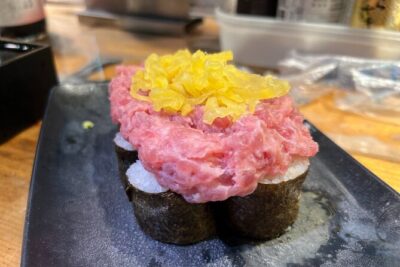
Shinjuku Food Tour (13 Dishes at 4 Local Eateries)
Read our review →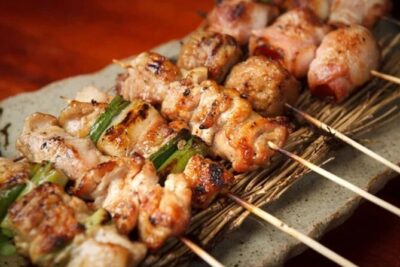
Shinjuku Food Tour (15 Dishes and 4 Eateries)
Read our review →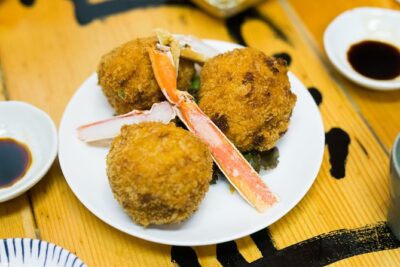
Best of Shinjuku: Izakaya Food Tour (4 Stops, 14+ Tastings)
Read our review →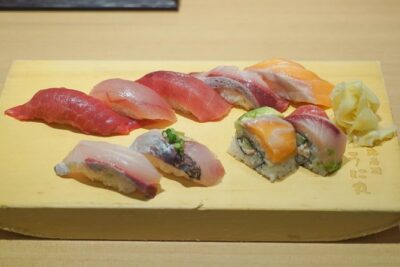
Tokyo Night Foodie Tour in Shinjuku – Seasonal Sushi, Wagyu Beef
Read our review →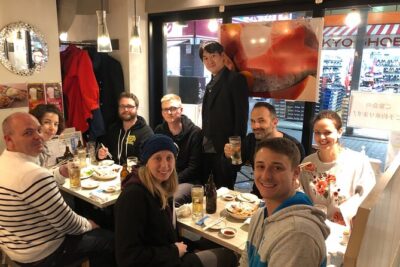
Eat and Drink Like a Local: Tokyo Ueno Food Tour-Taverns&Ramen
Read our review →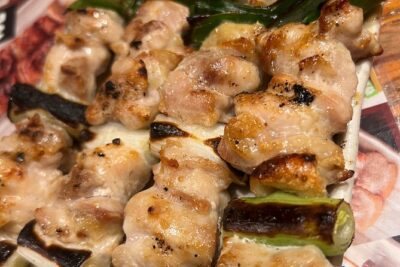
Tsukiji Fish Market: Street Food & Culture Walking Tour
Read our review →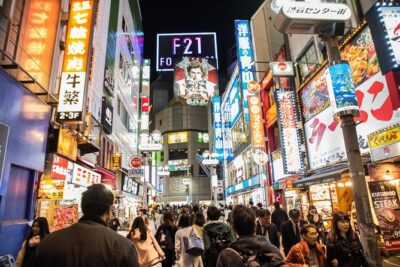
Browse the lists this tour appears in