
Reviewed · TOKYO NIGHT TOURS
Private Tokyo Night Tour
Tokyo saves some of its best drama for after sunset. This private night drive links Rainbow Bridge, Tokyo Tower, Ginza, Tokyo Station, Odaiba, Roppongi, Omotesando, Shibuya, and Shinjuku in one evening, giving you a fast look at a city that is hard to grasp on foot in a single night. The private van also lets your group set the pace and ask for photo stops.
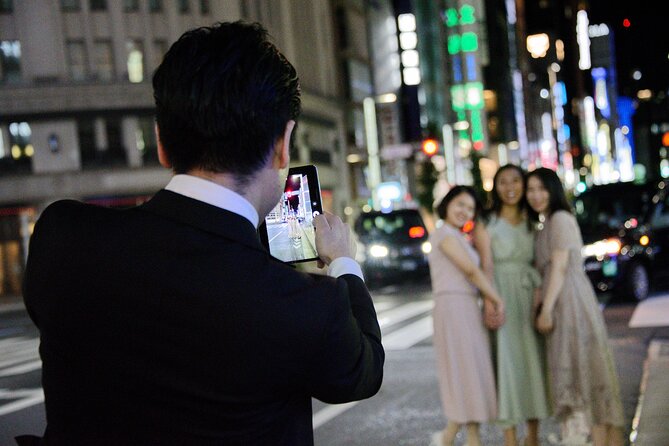
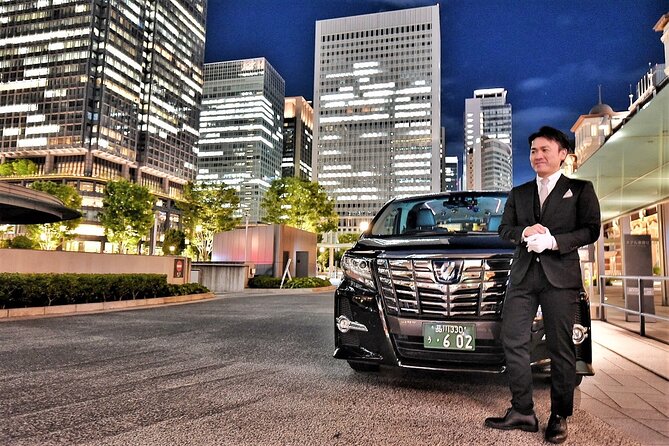
I like the practical orientation this provides on a first night, and I like the guides’ habit of helping with group pictures. Guides including Douglas, Babu, Richie, Takumi, and Kana have been praised for being punctual, friendly, flexible, and good drivers. The tradeoff is simple: you spend much of the tour in traffic, so this suits sightseeing by car more than a slow, street-level evening.
Key points before you book
- Nine major Tokyo areas in one evening: You cover the bay, central districts, Tokyo Tower, Shibuya, and Shinjuku in roughly three to four hours.
- Private van for up to nine people: Your party does not share the vehicle with strangers, making this useful for families and groups.
- Built around photos: Rainbow Bridge, Tokyo Tower, Tokyo Station, and Shibuya provide easy picture stops, and guides often help take the shots.
- A flexible route: You can request changes, add stops, or focus on interests such as winter lights, ramen, or a particular neighborhood.
- Best for a first-night overview: The drive helps you decide which areas deserve a longer visit later.
- Weather matters: Poor weather can lead to a different date or a full refund.
Why Tokyo works so well after dark
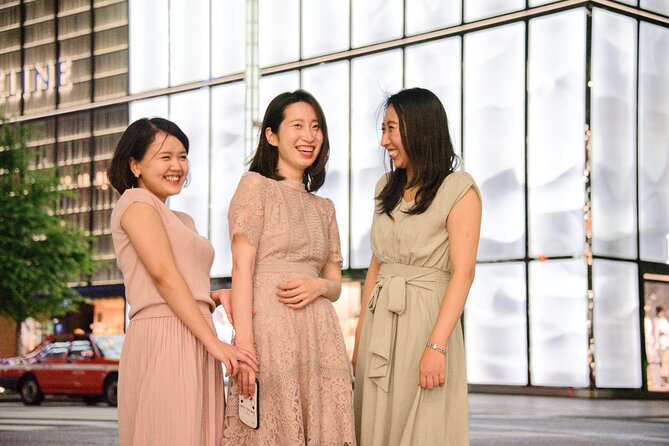
Tokyo is enormous, and its districts feel very different once the office towers empty and the signs switch on. A private vehicle gives you a useful first look at that range. You can move from the polished shopping streets of Ginza to the party lights of Shinjuku without spending your evening changing trains.
I would use this as an orientation tour, not as a substitute for exploring Tokyo on foot. The vehicle solves distance and fatigue, but it also keeps you somewhat removed from the smells, sounds, and small details of each neighborhood. One excellent use is your first evening, especially if jet lag has left you tired but you still want to see the city.
The cost is $496.17 per group of up to nine. For a full group, that comes to about $55 per person, which is reasonable for a private vehicle, pickup, a three to four-hour route, and a guide who handles the driving. For two people, the same price feels much steeper, though a private romantic evening can make the expense worthwhile.
The exact route is not rigid. Several guides have adjusted plans during the drive, and some have sent a suggested route ahead of time. If you have a short wish list, tell the operator before departure. If you know little about Tokyo, ask the guide to recommend the best order rather than simply asking you where you want to go.
More Tokyo night tours:
- Tokyo After 5: Authentic Japanese Food & Drink Night Tour
★ 4.5 · 560 reviews - Shibuya Meltdown Night Tour: All-You-Can-Drink Bar Hopping
★ 4.8 · 183 reviews - Tokyo by Night Photography Tour (Private Option Available)
★ 5.0 · 151 reviews
Rainbow Bridge and Tokyo Bay start the evening
The drive begins with Rainbow Bridge, lit across Tokyo Bay. The crossing gives you a quick sense of Tokyo’s scale, with water, bridges, and glowing buildings all competing for attention.
The listed stop is about 10 minutes, so think of it as a short scenic pause rather than a long waterfront walk. The bay can feel cool and windy, even when central Tokyo feels mild. Bring a coat, particularly if you plan to step out for photographs.
This is an effective opening because it gets you away from the dense streets right away. You see a broad view before moving into Tokyo’s tighter urban districts. A sunset departure can add a nice change in color before the full night lighting takes over, though the operating time and season affect how much daylight remains.
Ginza brings polished Tokyo style
The van then passes through Ginza, Tokyo’s best-known shopping, dining, and entertainment district. The area is marked by grand stores, bright signs, and buildings shaped by prominent architects.
You have about 30 minutes here, including time for photos. Ginza is a good place to see Tokyo’s formal side. It feels more composed than Shibuya or Shinjuku, with wide streets and carefully designed buildings rather than wall-to-wall nightlife.
Do not expect a full shopping visit during this tour. The point is to see the district lit up and get photographs. If you want department stores, cocktail bars, or a long dinner, return another evening on foot. A guide may also help you frame group pictures, which is useful when everyone wants to appear in the shot.
Tokyo Tower delivers the classic photo stop
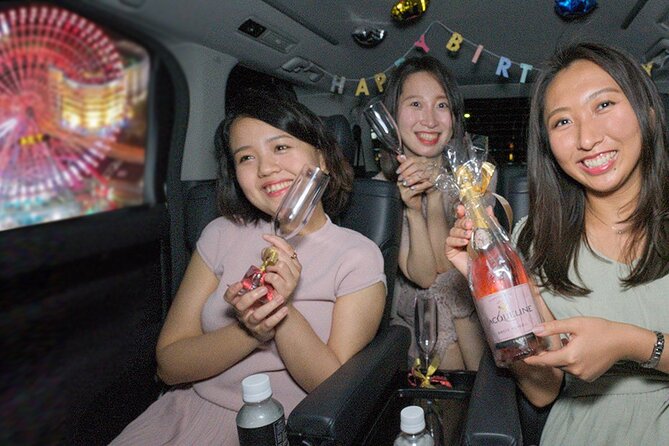
Tokyo Tower is the evening’s most obvious landmark. The orange structure glows against the dark sky, and the stop gives you time to see it up close and take photographs.
The planned visit lasts about 20 minutes. Admission to the tower itself is not included, so this stop is primarily an exterior photo visit unless you arrange otherwise. That keeps the tour moving, but it also means you should not book this experience expecting time on an observation deck.
I like this stop because it gives the evening a clear centerpiece. Tokyo has many tall buildings, but Tokyo Tower provides a recognizable image that works well in family, couple, and group pictures. Ask your guide for the preferred photo position, since the best angle matters more than simply arriving beside the tower.
A completely different kind of day in Tokyo:
- Mt Fuji and Hakone 1-Day Bus Tour Return by Bullet Train
★ 5.0 · 26,383 reviews - 1-Day Tokyo Bus Tour
★ 5.0 · 14,250 reviews - Tokyo: teamLab Planets TOKYO Digital Art Museum Entry Ticket
★ 4.6 · 9,779 reviews - Mt Fuji & Hakone Cruise, Drum Show Bullet Train 1 Day from Tokyo
★ 4.0 · 7,413 reviews
Tokyo Station adds an older note
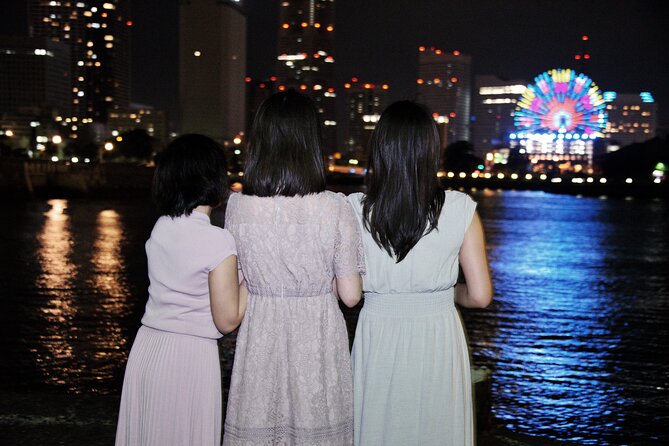
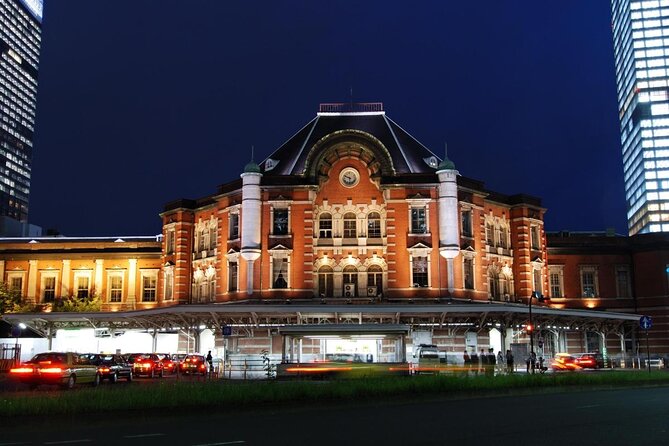
Tokyo Central Railway Station brings a different mood. Built in 1914, the station still has a nostalgic appearance that contrasts with Tokyo’s glass towers and electronic signs.
The stop lasts about 15 minutes, enough for a photograph outside. It is also described as a popular wedding-photo location, which tells you what to expect: a grand facade and a formal composition rather than a lively street scene.
This is a small but worthwhile contrast in the route. You see Tokyo as a modern capital, then pause at a building that recalls an earlier era. The stop is free, and you do not need a train ticket to take the exterior photograph.
Odaiba shows Tokyo Bay in a playful mood
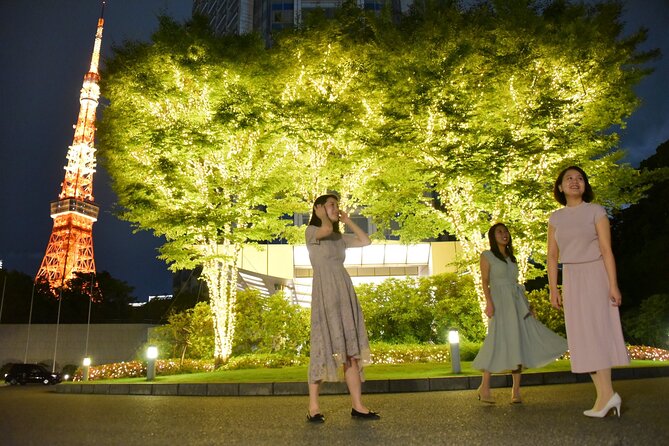
Odaiba, also called Daiba, sits on a man-made island in Tokyo Bay. It is a shopping and entertainment area with large open spaces and bright attractions, including a ferris wheel once known for its 120,000 neon tubes and programmed light patterns.
The scheduled time is about 40 minutes, making this one of the longer stops. That gives you more room for pictures and a better chance to enjoy the bay setting rather than simply photographing from the van.
Odaiba can feel quite different from central Tokyo. It is more spread out and modern, and its lights work well for a relaxed group stop. If you have limited time in Tokyo, this may be the part of the route you are most likely to weigh against another neighborhood. Tell the guide if you prefer urban signs and crowds over waterfront attractions.
Roppongi and Omotesando shift the mood again
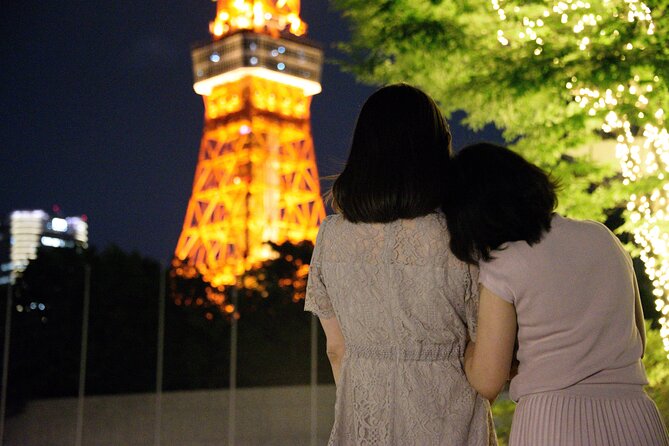
Roppongi is known for nightlife popular with both Japanese residents and foreigners. The vehicle passes through the district for about 20 minutes, showing you the busy evening streets.
This is a look at the area rather than a night out in its bars and clubs. You may find the drive useful if you are considering returning later, but do not expect the time to cover Roppongi’s nightlife in detail. The value is seeing how quickly Tokyo changes from business and shopping districts to entertainment zones.
Omotesando follows with about 20 minutes. It is one of Tokyo’s notable tree-lined avenues, and winter illuminations can make it especially photogenic. The trees soften the city’s hard edges, while the nearby architecture gives the avenue a more polished feel.
Season matters here. Winter lighting may be a highlight during the appropriate period, but it should not be treated as a year-round feature. Ask about current displays when you confirm your booking.
Shibuya gives you Tokyo’s biggest burst of energy
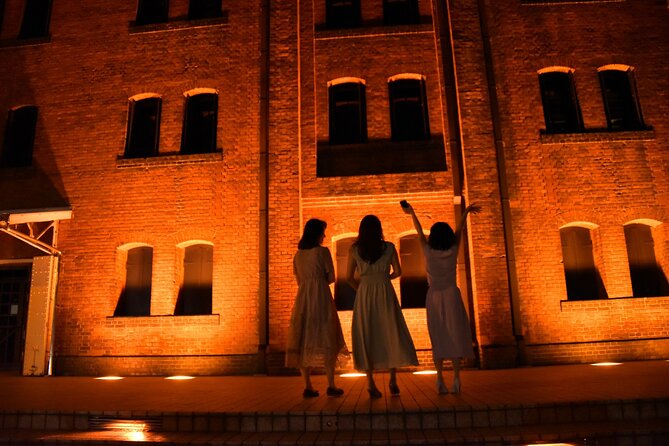
Shibuya Crossing is the route’s most famous street scene. Neon advertising, huge video screens, and waves of people create the image many visitors associate with modern Tokyo.
The planned stop lasts about 30 minutes. That is enough for photographs and a look at the crossing, though traffic and pedestrians can affect where the vehicle stops. You will get a better feel for Shibuya by returning on foot later, perhaps to explore its side streets, shops, and restaurants.
Still, seeing the crossing at night is useful, especially if this is your first Tokyo visit. The private vehicle lets you arrive without the stress of finding the correct station exit or navigating the area while tired. If your group includes older family members or children, that comfort has real value.
Shinjuku closes with neon, tiny bars, and giant screens
The final district is Shinjuku, one of Tokyo’s busiest areas. The route includes Kabukicho and Golden Gai, where hundreds of tiny bars pack into narrow lanes.
The stop is about 20 minutes. Golden Gai is best treated as a quick visual introduction here. Its small bars are intimate places, and a short group visit is not the same as settling in for a drink. You can return later if you want to explore slowly and check the entry rules at individual bars.
Shinjuku also brings the giant 3D advertising screens that make the district feel almost futuristic. This closing section is a strong finale because it combines old-fashioned narrow lanes with huge digital displays. It also leaves you near one of Tokyo’s major nightlife areas, though the tour does not include a meal or bar visit as a standard feature.
The guide matters more than the vehicle
The strongest part of this experience is the human service. Babu, Douglas, Richie, Takumi, Kana, Soya, Shogo, Roberto, Ellie, and others have been praised for arriving on time, driving carefully, communicating clearly, and adjusting the route.
Specific touches can make the evening better. Kana helped arrange a light ramen dinner for one group. Takumi helped with dinner reservations. Douglas sent an itinerary in advance for one Christmas-season outing and adjusted it toward illumination displays. Guides have also helped with group photos and added requested stops without fuss.
That does not mean every guide will offer the same level of cultural explanation. One useful criticism is that the experience can sometimes feel more like a private driver service than a full guiding tour. If you want history, local customs, or neighborhood context, ask direct questions and request a more explained route before setting off.
The vehicle is described as comfortable and clean, with baby seats and child seats available on request. That makes the tour workable for a multigenerational group. Communication is also important, so give the operator your hotel pickup details carefully and mention any mobility or seating needs when booking.
Timing, traffic, and weather deserve attention
The advertised duration is approximately three to four hours. The nine listed stops add up to about three hours of stop time before driving is counted, so the pace can be brisk. Traffic may shorten a stop or make the route feel more like a moving city tour than a series of long visits.
The usual operating window is 6:00 PM to 10:00 PM, but the supplied schedule also shows shorter seasonal windows around late December and another period in 2026. Confirm the exact departure time for your date rather than relying on a general evening schedule.
Pickup is offered, and the experience is private for your party. Confirmation is sent within 48 hours, subject to availability. Most people can participate, and public transportation is nearby, though you will spend the main part of the experience in the vehicle.
Good weather is required. If poor weather forces cancellation, you can choose another date or receive a full refund. Otherwise, cancel at least 24 hours before the start time for a full refund. Changes or cancellations inside 24 hours are not accepted for a refund.
Who should book this private night drive
I would choose it for a first night in Tokyo, a family group, a couple who wants a private evening, or anyone who wants photos without managing Tokyo’s train system after dark. It is also a good fit if you have only one free evening and want to sample several districts before deciding where to return.
A full group gets the best financial value. Nine people can share the vehicle and cost, while a couple pays the same group price for a more personal experience. For a small party, compare the cost with a taxi-based evening and decide how much comfort, planning help, and flexibility matter to you.
I would not choose it if your main goal is food, shopping, nightlife, or long walks. You will see those areas, but mostly from the road and during short stops. The one serious negative experience reported was a feeling that driving through traffic was not worth the money, so go in with the right expectation: this is a moving overview with photo pauses.
Should you book it?
Book this private Tokyo night tour if you want a comfortable, flexible introduction to the city’s major night views. Its best features are the private van, broad route, helpful drivers, and easy photo stops at places that are difficult to connect efficiently in one evening.
Before paying, send a short list of priorities and ask how the guide would arrange them. If you want Tokyo Tower, winter illuminations, a ramen stop, or a particular photo angle, say so early. For a large group, the price is sensible. For two people, book it for convenience and privacy, not because it is the cheapest way to see Tokyo.
FAQ
How long does the private Tokyo night tour last?
The tour lasts approximately three to four hours.
How many people can join the private tour?
The private vehicle can accommodate a group of up to nine people.
What places are included?
The route includes Rainbow Bridge, Ginza, Tokyo Tower, Tokyo Central Railway Station, Odaiba, Roppongi, Omotesando, Shibuya, and Shinjuku.
Is Tokyo Tower admission included?
No. The Tokyo Tower stop includes time to view and photograph the tower, but admission is not included.
Is hotel pickup available?
Pickup is offered. The exact pickup details should be confirmed when you book.
Are child seats available?
Yes. Baby seats and child seats are available upon request.
What happens if the weather is poor?
The experience requires good weather. If it is canceled because of poor weather, you can receive a full refund or choose a different date.
Can I cancel for a full refund?
Yes, if you cancel at least 24 hours before the experience start time. Cancellations or changes made less than 24 hours before the start time are not refunded.
Newly reviewed around Tokyo
- Tokyo Asakusa:Calligraphy & Make T-shirt Activity★ 5.0 · 62 reviews
- Travel Tokyo with Your Own Personal Photographer★ 5.0 · 43 reviews
- Intercity Shuttle, Tokyo to Haneda /Narita /Yokohama /Makuhari★ 5.0 · 5 reviews
- 1 Hour Travel around Tokyo with a Professional Photographer★ 5.0 · 3 reviews
- Train in Samurai Swordsmanship and Defeat the Demon in Tokyo★ 5.0 · 5 reviews
- Shuttle Van 6hr Tokyo Tour to-and-from Tokyo, Yokohama and Narita★ 5.0 · 9 reviews
- Kickboxing & Body Training with EX-Pro Fighter★ 5.0 · 4 reviews
- Traditional Japanese Knife Sharpening Class★ 5.0 · 18 reviews
Tokyo Night Tours, compared.
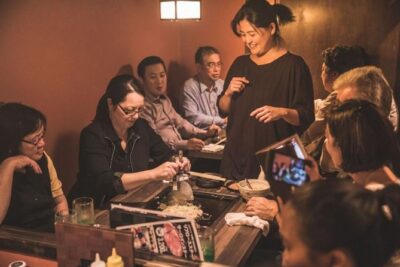
Tokyo After 5: Authentic Japanese Food & Drink Night Tour
Read our review →
Shibuya Meltdown Night Tour: All-You-Can-Drink Bar Hopping
Read our review →
Tokyo by Night Photography Tour (Private Option Available)
Read our review →
Real Tokyo Runner Club : Daikoku Car Meet Night Tour with JDM Car
Read our review →
Tokyo Shibuya Hidden Izakaya and Karaoke Night Tour
Read our review →Browse the lists this tour appears in