
Reviewed · MOUNT FUJI DAY TRIPS FROM TOKYO
Mt. Fuji 6 Attractions Tour: Lake Kawaguchi, Oshino Hakkai
Mt. Fuji is at its best when you see it in more than one setting. This tour takes you from the 398 steps of Arakura Sengen Shrine to spring-fed Oshino Hakkai, flower-lined Lake Kawaguchi, and the now-famous Lawson viewpoint. You get mountain views, sacred sites, old streets, and a glimpse of rural Japan in one long day.
I like the strong mix of scenery and culture, and I like that guides such as Anna and Evita have been praised for clear explanations, good photo advice, and careful help with families. The main drawback is the schedule: the day is full, the shrine requires a steep climb, and traffic can push your return to Tokyo as late as 9:00 PM.
Key points to know before booking
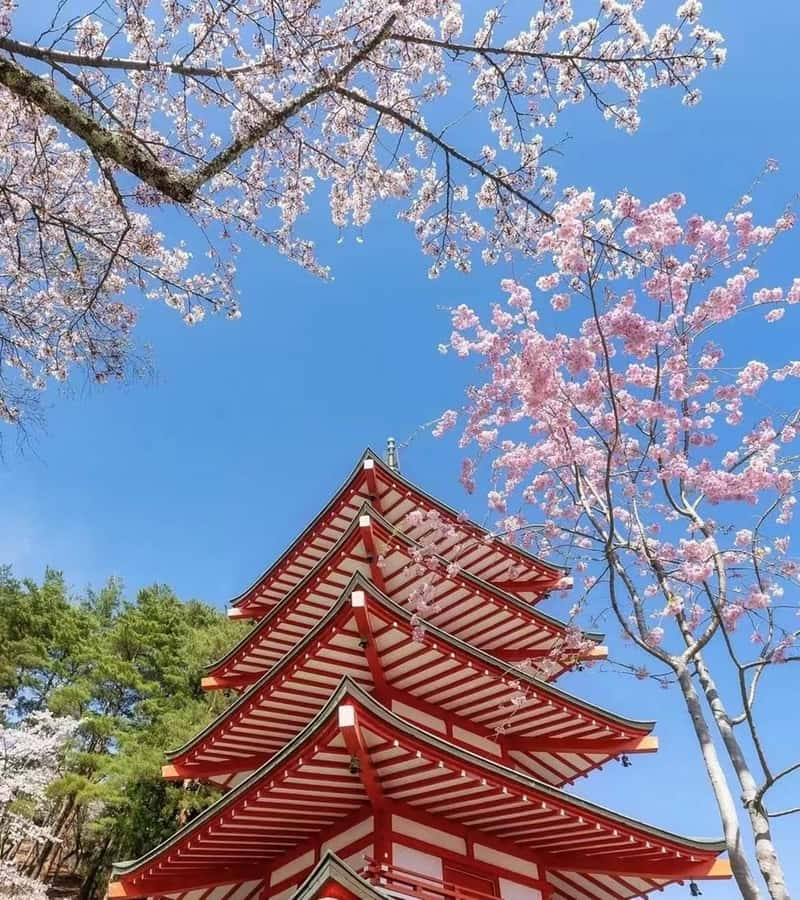
- 398 steps to the classic pagoda view: Arakura Sengen Shrine gives you the famous five-story pagoda, Fujiyoshida, and Mt. Fuji in one frame.
- Oshino Hakkai adds real local character: Eight clear springs, fed by snowmelt from Mt. Fuji, anchor a traditional village.
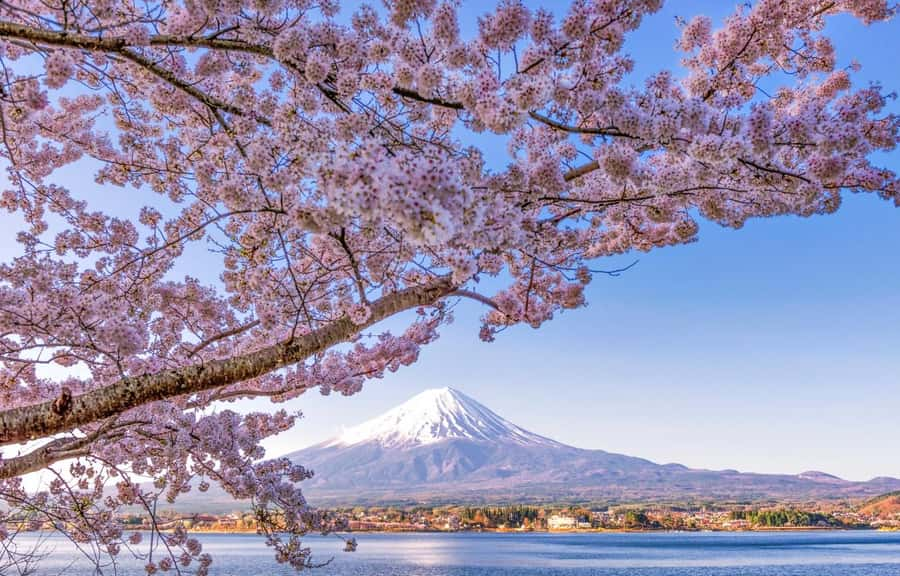
- Season changes the whole day: Cherry blossoms, autumn maples, and winter snow each give the mountain a different setting.
- The $50 price covers the useful basics: Transport, guide, driver, meeting-point transfers, and attraction admission are included.
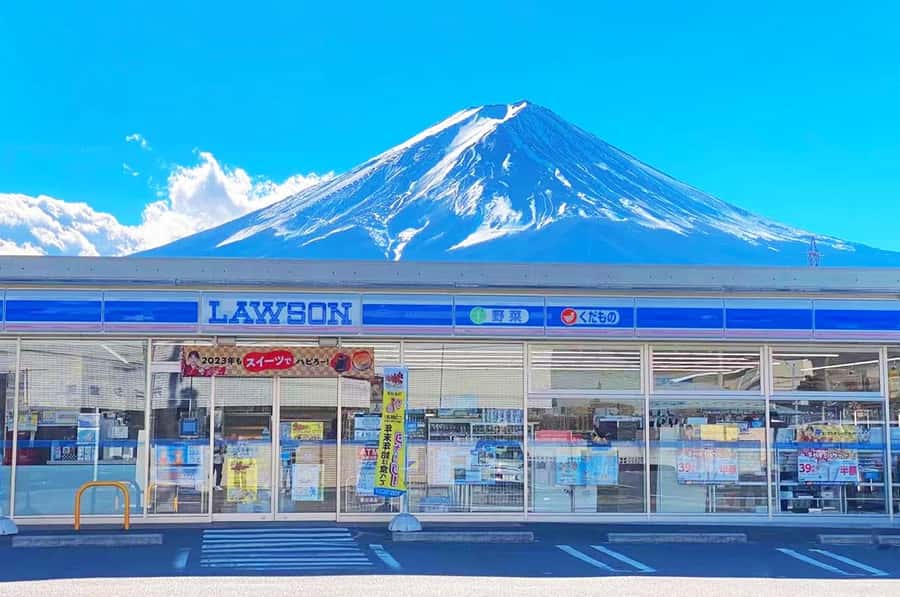
- The Lawson stop is brief but photogenic: You get a modern Japanese convenience store and Mt. Fuji in the same view.
- Traffic is the big practical risk: A planned 6:00 PM arrival can become much later during busy seasons.
Why this Mt. Fuji day trip works
This is a sightseeing day built around contrasts. You begin with a shrine and a mountain path, pass through a small town where Mt. Fuji seems to line up with the street, visit water sources linked to the peak, and finish beside Lake Kawaguchi.
That variety matters. A trip focused only on a photo stop can feel thin, especially if clouds hide the summit. Here, you still have shrines, old streets, springs, and village scenery to explore if the mountain is shy.
The spiritual theme is also more than decoration. Mt. Fuji has drawn pilgrims, artists, and poets for centuries. The route follows part of that older relationship with the mountain, while also including modern stops such as Lawson. You get both Japan’s sacred side and its practical, everyday side.
The tradeoff is pace. Six stops in a single day means you will not linger everywhere. This tour is best for you if you want a broad introduction to the Mt. Fuji area from Tokyo, not a slow rural stay or a hiking holiday.
More Mount Fuji day trips from Tokyo:
- Mt Fuji and Hakone 1-Day Bus Tour Return by Bullet Train
★ 5.0 · 26,383 reviews - Mt Fuji & Hakone Cruise, Drum Show Bullet Train 1 Day from Tokyo
★ 4.0 · 7,413 reviews - Tokyo Mt Fuji 5th St & Hakone Cruise Bus Tour w/Bullet Train
★ 4.4 · 5,024 reviews
The 8:00 AM coach ride from Tokyo
The day begins at a designated meeting point in Tokyo, with the exact location depending on the option you book. A coach, professional driver, and guide handle the transport, which removes the need to piece together several train and bus connections.
That is a real part of the tour’s value. The Mt. Fuji area covers several separate sights, and getting from a shrine near Fujiyoshida to Oshino Hakkai and then Lake Kawaguchi is much simpler by coach.
Your guide and bus details arrive by 9:00 PM the evening before departure. Check your email carefully. The coach leaves on time, and a late arrival is treated as a no-show without a refund.
The trip is multilingual. English and Japanese are listed as tour languages, and the guide may also provide explanations in more than one language depending on the group. Guides named Anna and Evita have been praised for clear communication, helpful cultural tips, and keeping everyone moving back to the bus.
Arakura Sengen Shrine and 398 steps to the pagoda
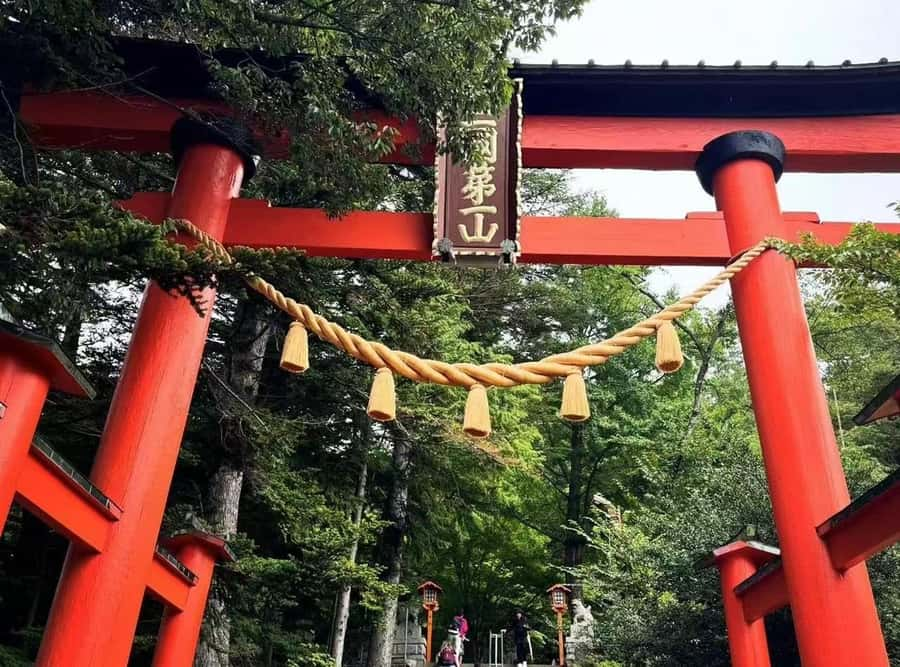
Your first major stop is Arakura Sengen Shrine and Shinkurayama Sengen Park. The prize is one of Japan’s most recognizable Mt. Fuji views: the mountain behind a red five-story pagoda, with Fujiyoshida below.
To reach the main viewpoint, you climb 398 steps. That number is useful to know before you arrive. The stairs are manageable for many people, but they are not a small stroll, and the climb can feel demanding if you are carrying luggage or traveling with young children.
The setting is called the Path of Faith, which gives the visit a sense of place beyond the photograph. Sengen shrines are linked with reverence for Mt. Fuji, and the mountain’s presence is woven into the visit from the start.
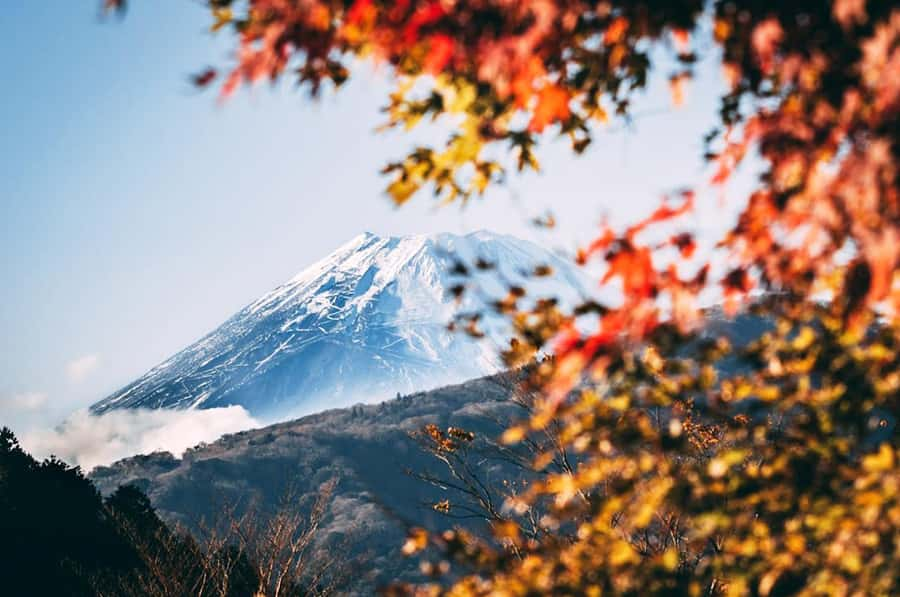
The view changes sharply with the season. In spring, cherry blossoms soften the pagoda and mountain. In autumn, foliage adds warmer color. In winter, snow can give the scene a clean, quiet look. Summer is the best period for trekking around Mt. Fuji, though the summit is never guaranteed to appear.
Give yourself time to climb, take photographs, and come back down without rushing. The steps and the crowds around the main viewpoint can make this stop feel busier than the peaceful shrine setting suggests.
Honcho Street and the Hikawa Clock Shop
Next comes Hikawa Clock Shop and Honcho Street, a modest but memorable town scene. The street is often called Sky Ladder Town because the road appears to point toward Mt. Fuji.
The charm here comes from the ordinary details. Traditional shopfronts, utility lines, and the straight view toward the mountain create a picture of everyday Fujiyoshida rather than a polished resort attraction. The effect is almost visual: the road seems to climb toward the peak, even though Mt. Fuji remains far away.
This stop also gives the day a slower change of mood after the shrine. You can stroll, look at the older buildings, and take photographs from the street. Follow your guide’s instructions carefully, since this is a functioning public road rather than a closed tourist set.
The timing is short, about 50 minutes after leaving the shrine area. That is enough for a walk and photographs, but not for an extended visit to shops or a long meal.
More Lake Kawaguchiko trips from Tokyo:
- Tokyo:Mt.Fuji,Kawaguchiko Oishi Park,Arakurayama Sengen Park
★ 4.4 · 2,682 reviews - Tokyo: Mt.Fuji & Lake Kawaguchiko 1-Day Bus Tour w/Optional Lunch
★ 4.5 · 839 reviews - Tokyo: Mt. Fuji 5th Station, Kawaguchiko Tour w/ Cable Car
★ 4.5 · 570 reviews - Discover Mt. Fuji 5th Station & Kawaguchiko Sightseeing Day Tour
★ 4.5 · 542 reviews
Oshino Hakkai and Mt. Fuji’s snowmelt
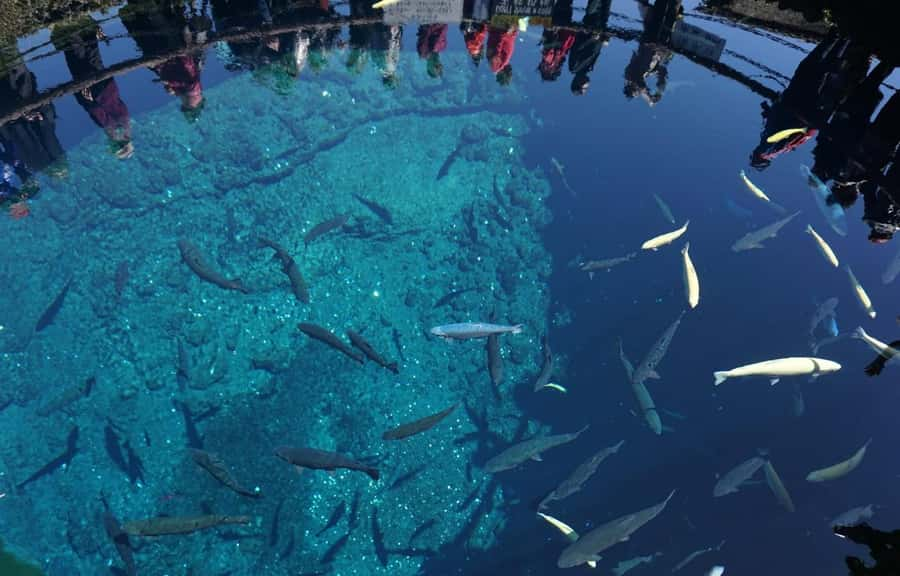
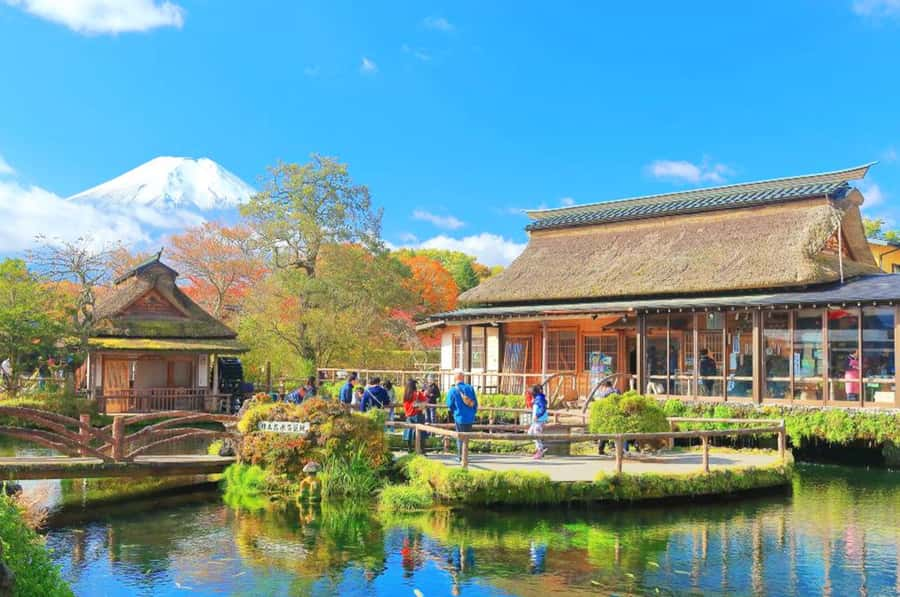
At Oshino Hakkai, the focus shifts from the mountain’s silhouette to its water. The village has eight clear springs fed by snow that falls on Mt. Fuji, filters through the volcanic ground over many years, and emerges as cold, clean water.
This is one of the most meaningful stops on the route because you can connect the famous peak with something physical and local. Mt. Fuji is not only a distant cone for photographs. Its snow and underground water help shape the village below.
Oshino Hakkai is recognized as a Natural Monument and forms part of the Mt. Fuji UNESCO World Heritage area. Traditional buildings and the springs give the village a rural feel, though it is also a popular sightseeing stop and can be busy.
You will have time to walk around the spring areas and take in the clear water. Bring some cash, since local shops and smaller attractions may not accept cards. Meals and drinks are not included, so this is one place where having yen on hand is useful.
If you want a quiet, empty village, the schedule and popularity may disappoint. If you want a compact place where geology, faith, water, and traditional architecture meet, Oshino Hakkai earns its place on the route.
Oishi Park beside Lake Kawaguchi
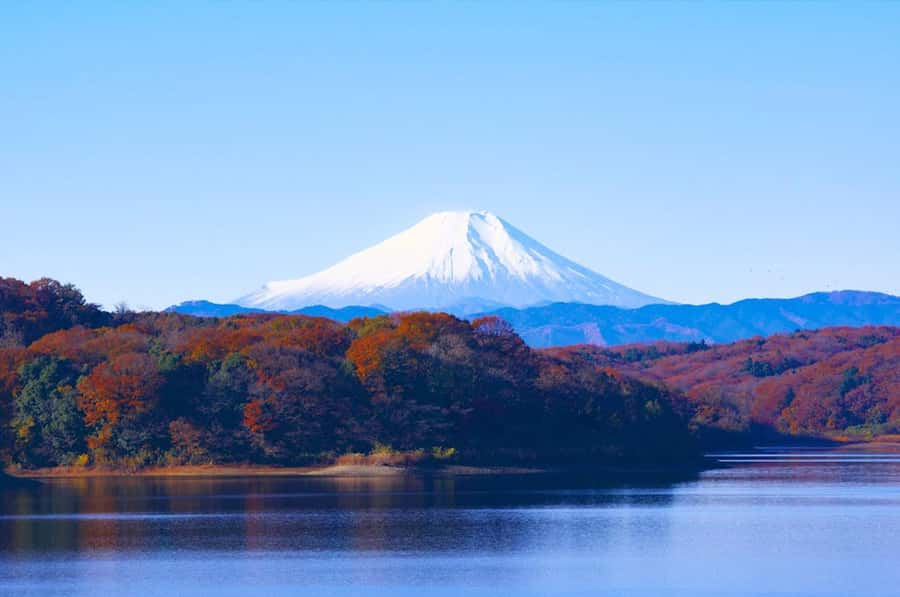
Around 2:30 PM, the coach reaches Kawaguchiko Oishi Park on the northern shore of Lake Kawaguchi. This is the tour’s broadest scenic stop, with the lake in front of you and Mt. Fuji rising across the water when conditions are clear.
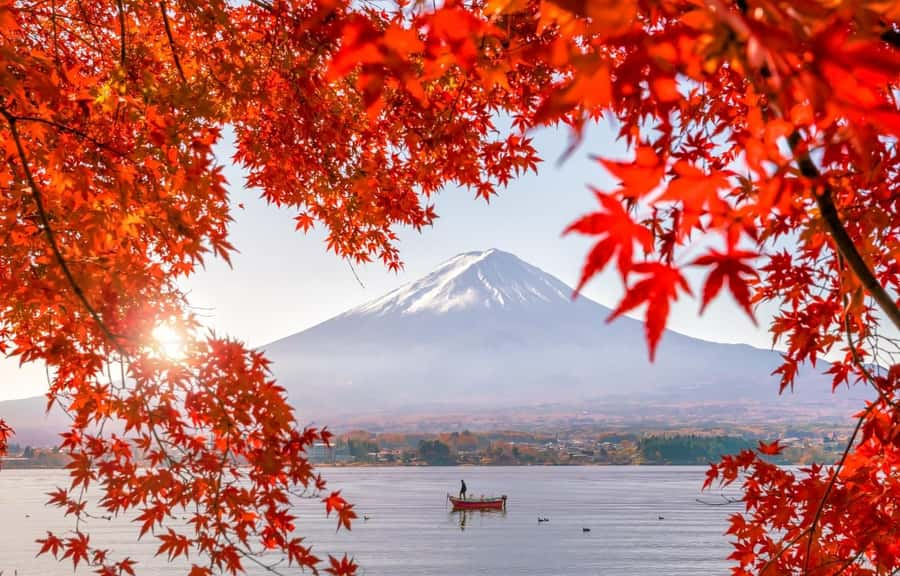
Seasonal flowers frame the views. During cherry blossom season, pink blooms, the lake, and Mt. Fuji can appear in one photograph. In autumn, the Kawaguchiko Maple Corridor offers fiery red leaves against a snowy peak. These seasonal sights are limited, so the exact experience depends heavily on your travel dates.
The park also includes the Mt. Fuji Assembly Memorial Monument, built with rocks gathered from across Japan. It adds a symbolic note to a stop that might otherwise be only about photographs.
I would give this stop extra attention if the mountain is visible. Look at the lake, not just the peak. The water gives the scene depth and helps you see why Lake Kawaguchi has long been one of the preferred viewing areas around Mt. Fuji.
The drawback is weather. Mt. Fuji can disappear behind cloud even when the rest of the area looks bright. The tour cannot control visibility, so book this day for the collection of places, not for a guaranteed mountain photograph.
The Lawson convenience store viewpoint
The short Lawson stop at Lake Kawaguchi is an unusual addition. The store itself is a normal Japanese convenience shop, but its location offers a clean view toward Mt. Fuji from the parking area.
It is a quick reminder that modern Japan and old pilgrimage routes share the same space. You can buy a snack or drink, rest briefly, and take a photograph that pairs a familiar convenience store with one of the country’s most sacred mountains.
Do not expect a long cultural visit here. The value is the angle and the contrast. If you have seen Mt. Fuji from a shrine, a lake, and a village, this gives you a more current, urban roadside view.
What the $50 price includes
At $50 per person, this tour offers good value if you want several Mt. Fuji-area stops without arranging transport yourself. The package includes:
- Admission to the attractions
- An English, Japanese, or other available multilingual guide
- An air-conditioned tourist coach
- Pickup and drop-off at the designated meeting point
- A professional driver
Meals, drinks, and personal purchases are not included. You can book lunch on the bus if that option is available with your selected booking, and a McDonald’s is located near one of the stops. Still, I would bring cash and a small snack so you are not forced to spend your limited sightseeing time searching for food.
The value is strongest for first-time visitors based in Tokyo. Private transport between all these locations would cost much more, while public transport would take planning and time. The cost is less attractive if you already have a car, want to hike at length, or prefer to spend the whole day at one lake or shrine.
Guides, pace, and the feel of the group
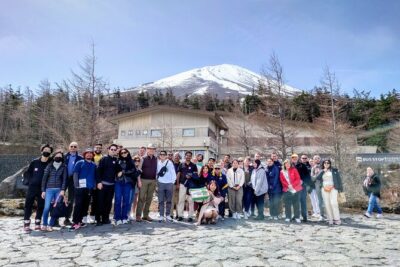
Your guide is important here because the route includes history, religious context, photo stops, and strict departure times. Anna has been noted for helpful cultural explanations, photo advice, and patient support for families. Evita has also received praise for being friendly and adding warmth to the day.
Those personal touches matter on a schedule like this. The guide needs to explain the next stop, gather the group, and keep the bus moving. A guide who watches the clock without making the day feel frantic can make a real difference.
This is a multinational group tour, not a private outing. Explanations may be given in several languages, and the group will need to stay together at each stop. That makes the experience social and efficient, but not flexible. You will not be able to change the route because one location interests you more than another.
Seasons, weather, and what you should expect
Spring, from March through May, is the classic blossom season. Cherry trees around Lake Kawaguchi and the pagoda can create the most familiar Mt. Fuji photographs, but popular dates can also bring heavier traffic.
Autumn, especially October and November, brings colorful leaves. The Maple Corridor is a seasonal attraction, so it is not part of the same experience all year.
Winter, from December through February, often gives Mt. Fuji a snow-covered summit and crisp photographic conditions. The cold is the obvious cost, particularly at open viewpoints.
Summer, from July through September, is the best period for trekking. This tour is not a summit climb, but summer can suit you if you want warmer conditions and a chance to see the mountain without winter temperatures.
Cloud cover remains the great variable in every season. You may see only part of Mt. Fuji, or none of it. The shrine, springs, old street, and lake still make the day worthwhile, but you should not treat a clear summit as guaranteed.
Timing, return travel, and practical limits
The planned schedule runs from 8:00 AM until roughly 6:00 PM, with departure for Tokyo at 4:00 PM. In normal conditions, the return is usually between 5:00 and 6:00 PM, but traffic and pickup locations can change that.
During peak periods, the return may be as late as 9:00 PM. This is the most important logistical warning. Do not schedule a fixed dinner reservation, evening show, or airport transfer immediately after the tour.
The experience is not suitable for wheelchair users, and it is not suitable for people over 95 years old. The 398-step climb also means you should consider your own comfort with stairs, even if you are otherwise able to walk.
Cancellation is available without charge up to 24 hours before departure. You can also reserve now and pay later, which helps if your Tokyo plans are still shifting.
Should you book this Mt. Fuji tour?
Book it if you want a full day of varied sights for $50, with transport and a guide taking care of the hard connections. It suits first-time Tokyo visitors, families who can manage the stairs, photographers chasing seasonal views, and anyone who wants more than a single Fuji lookout.
Skip it if you want a relaxed pace, a serious hike, a private guide, or a firm return time. The route is busy, traffic is unpredictable, and Mt. Fuji may hide behind clouds.
For most people with one free day in Tokyo, the combination of Arakura Sengen Shrine, Oshino Hakkai, Lake Kawaguchi, and the small modern surprise of Lawson makes this a sensible, well-priced introduction to Mt. Fuji country.
FAQ
What is included in the $50 tour price?
The price includes attraction admission, an air-conditioned tourist coach, a professional driver, a guide, and pickup and drop-off at the designated meeting point.
Are meals and drinks included?
No. Meals and beverages are not included. You may be able to book lunch on the bus, and a McDonald’s is located near one stop.
Which languages are available?
English and Japanese are listed as tour languages. The tour is multinational, and explanations may be provided in multiple languages depending on the group.
How many steps are there at Arakura Sengen Shrine?
The route to the main viewpoint includes 398 steps.
Is Mt. Fuji guaranteed to be visible?
No. Visibility depends on the weather. The tour continues even if clouds cover the mountain.
What time will the tour return to Tokyo?
The usual return is between 5:00 and 6:00 PM, but traffic and pickup locations can affect the timing. During peak seasons, arrival may be as late as 9:00 PM.
Is the tour suitable for wheelchair users?
No. The activity is not suitable for wheelchair users. It is also not suitable for people over 95 years old.
Newly reviewed around Tokyo
- Tokyo Asakusa:Calligraphy & Make T-shirt Activity★ 5.0 · 62 reviews
- Intercity Shuttle, Tokyo to Haneda /Narita /Yokohama /Makuhari★ 5.0 · 5 reviews
- 1 Hour Travel around Tokyo with a Professional Photographer★ 5.0 · 3 reviews
- Travel Tokyo with Your Own Personal Photographer★ 5.0 · 43 reviews
- Train in Samurai Swordsmanship and Defeat the Demon in Tokyo★ 5.0 · 5 reviews
- Shuttle Van 6hr Tokyo Tour to-and-from Tokyo, Yokohama and Narita★ 5.0 · 9 reviews
- Kickboxing & Body Training with EX-Pro Fighter★ 5.0 · 4 reviews
- Tokyo History: Sensoji Temple & Asakusa District Private Tour★ 5.0 · 28 reviews
Mount Fuji Day Trips from Tokyo, compared.
Mt Fuji and Hakone 1-Day Bus Tour Return by Bullet Train
Read our review →
Mt Fuji & Hakone Cruise, Drum Show Bullet Train 1 Day from Tokyo
Read our review →
Tokyo Mt Fuji 5th St & Hakone Cruise Bus Tour w/Bullet Train
Read our review →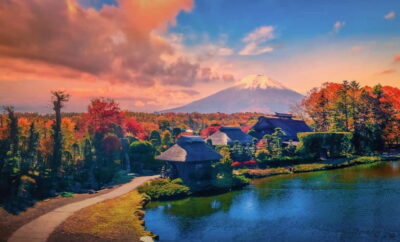
Mt. Fuji Tour, Hakone Ropeway, Owakudani, Lake Ashi
Read our review →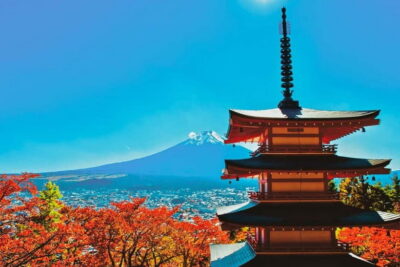
Mt.Fuji,Kawaguchiko Oishi Park,Arakurayama Sengen Park
Read our review →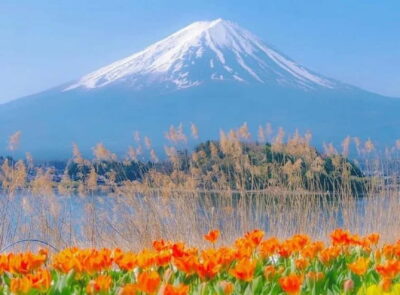
Mt Fuji Top 5 Spots Day Tour: Arakurayama Park,Oshino Hakkai
Read our review →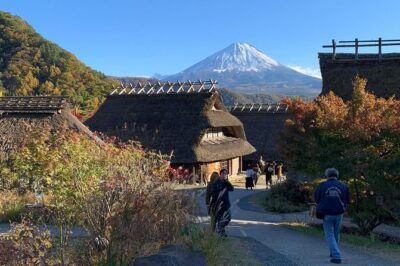
Private Tour to Mt. Fuji and Hakone (Fully Licenced Operator)
Read our review →Browse the lists this tour appears in