
Reviewed · MUSEUMS
Tokyo National Museum Private Tour
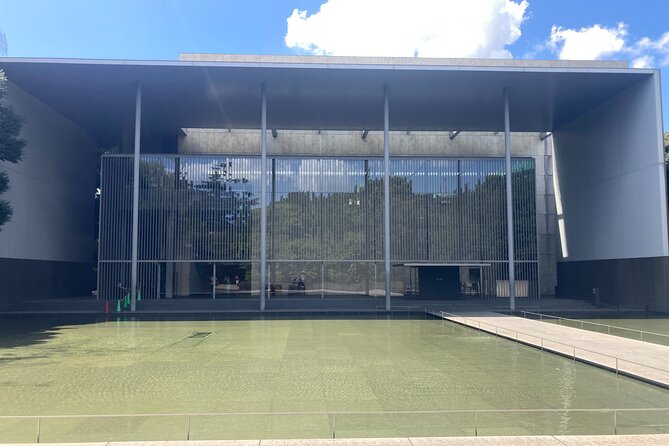
Tokyo’s oldest museum holds far more than you can sensibly see in one visit. This private tour helps you make choices among more than 3,000 displayed works, with a guide pointing out objects tied to Japanese art, culture, and history.
I like the private format, since your group can ask questions and set the pace. I also like that admission is included and the tour is designed to get you past the ticket line, saving time at one of Tokyo’s most popular cultural stops.
The main caution is the guide. Amy received especially strong praise for her museum explanations, while Aki Miyato was described as polite and punctual but less prepared in Japanese art. A weaker command of English can make the $103.87 price harder to justify.
Key Points
- More than 3,000 works on display: A guide helps you decide what deserves your limited time.
- Private group setting: Only your party takes part, so questions and interests can shape the visit.
- Admission included: Your entry is covered, with the tour designed to avoid the main ticket-line hassle.
- Two-hour visit: A useful introduction, but not enough time for every gallery or major collection.
- Guide quality can vary: Amy received excellent praise, while one English-language tour was considered too limited.
- Convenient Ueno meeting point: The tour begins and ends at 13-13 Uenokōen, near public transportation.
Why the Tokyo National Museum Needs a Plan
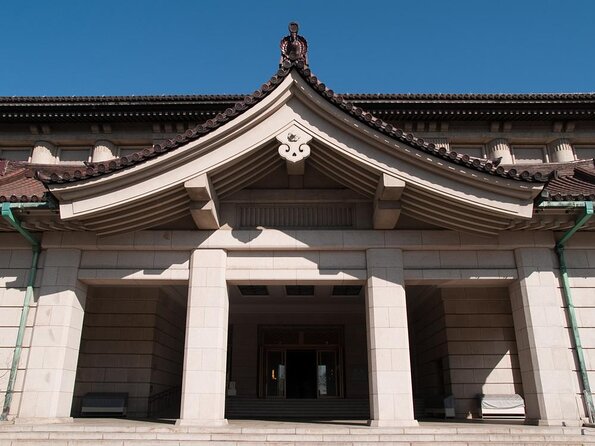
The Tokyo National Museum was founded in 1872, making it Japan’s oldest museum. It holds nearly 100 national treasures and about 120,000 works in total, although only around 3,000 are displayed at any one time.
That scale is the reason a private tour can help. You could spend hours wandering from room to room and still leave unsure about what you saw. A guide gives you a route through selected objects and explains why they matter instead of leaving you to read every label on your own.
I would not expect this experience to cover the whole museum. Two hours is better viewed as a focused introduction. You will see a selection of important works, hear background about Japanese art and society, and get a clearer idea of which galleries you might revisit later.
The museum’s collection reaches from ancient times to the modern era. That broad span gives your guide plenty of ways to connect art with changing customs, religious practice, craftsmanship, and national history. The quality of that explanation depends heavily on the person leading your group.
More Tokyo museums and galleries:
- Tokyo: teamLab Planets TOKYO Digital Art Museum Entry Ticket
★ 4.6 · 9,779 reviews - Tokyo: Samurai Ninja Museum Guided tour and Experience
★ 4.6 · 1,010 reviews - Ninja Experience (Family Friendly) at Samurai Ninja Museum TOKYO
★ 5.0 · 441 reviews
What the Two-Hour Route Can Offer
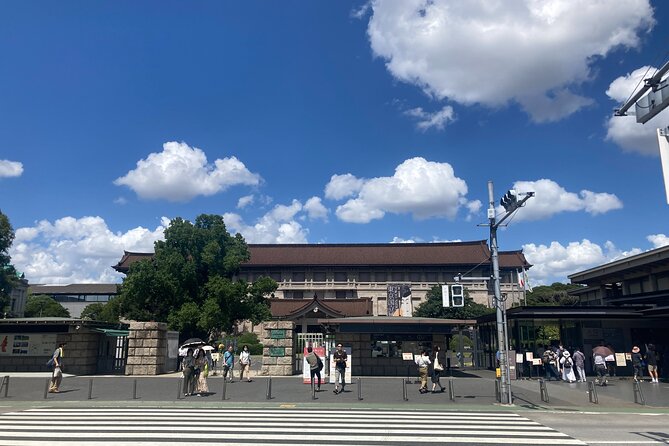
The only scheduled stop is the Tokyo National Museum itself, and the visit lasts about two hours. That sounds simple, but the museum’s size gives the stop plenty of substance.
You begin at the meeting point at 13-13 Uenokōen in Taito City. The tour ends back there after the museum visit. Since the starting point is near public transportation, you can fit it into a day focused on Ueno without arranging a separate transfer to another part of Tokyo.
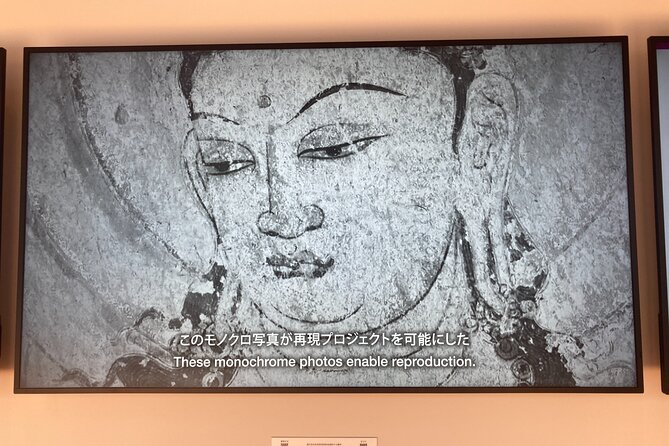
Inside, your guide helps you sort the collection into something manageable. The stated aim is to show both major masterpieces and less familiar artifacts that you might otherwise pass without noticing. That balance matters. Famous pieces give you an anchor, while smaller or less celebrated objects can reveal how art was used in daily life and ceremony.
You can also ask questions as you go. A private group is especially useful if your party has a particular interest, such as printmaking, painting, sculpture, or the connection between art and Japanese history. One group included an adult daughter who teaches screen printing at a university, and guide Amy was able to shape the visit around that interest.
That example points to the best use of the tour. Do not treat it as a fixed lecture. Before you start, tell the guide what you already know and what you most want to understand. The more specific your questions, the more useful a private format can become.
Masterpieces, National Treasures, and Smaller Objects
The museum owns nearly 100 national treasures, but the presence of a famous object does not automatically make it meaningful to you. A guide can explain what you are looking at, why it is important, and how it fits into Japanese art.
You might be shown a work that appears simple at first glance. The explanation may draw your attention to materials, technique, symbolism, or the setting in which the object was made. That extra context can turn a quick look into a more memorable encounter.
At the same time, you should keep your expectations in check. The tour description promises insight into Japanese art, culture, and history, but it does not identify a guaranteed list of galleries or objects. Displays can change, and the route may be adjusted to suit your group or the museum’s current presentation.
This uncertainty is not necessarily a flaw. It means the visit can respond to what is on view. Still, if you have one particular national treasure or famous work in mind, ask about it at the start rather than assuming it will be part of the two-hour route.
The Private Format and What It Really Buys You
The tour costs $103.87 per person and includes museum admission. It is a private activity, so only your group participates. Group discounts are available, though the exact reduced price is not provided.
The private setting is the clearest reason to consider paying more than a standard museum admission. You do not have to follow a large group, wait for a guide to finish answering someone else’s question, or stay with a subject that does not interest you. Your group can ask for more detail, request a change of focus, or move on when an explanation is not useful.
That value depends on your party size. For a larger group, the private arrangement may feel more reasonable, especially if several people care about art and want to ask questions. For one or two people, $103.87 each is a serious outlay for a two-hour museum visit.
Admission is included, and the experience is intended to avoid the ticket line. That saves a practical bit of time, though it does not turn the museum into a quick stop. You are still paying for a guide’s time and interpretation, not merely faster entry.
I would compare the price with your own interests. If you enjoy looking at art but often feel lost in large museums, the guide may be worth it. If you prefer reading labels at your own pace or using an audio guide, the cost may feel high.
More private tours in Tokyo:
- Tokyo 6hr Private Tour with Government-Licensed Guide
★ 5.0 · 3,902 reviews - Private Tour to Mt. Fuji and Hakone (Fully Licenced Operator)
★ 5.0 · 1,910 reviews - Tokyo Customized Private Tour (Must See Places in 1 Day)
★ 5.0 · 1,499 reviews - Mount Fuji Full-Day Private Tour from Tokyo (Customizable)
★ 4.9 · 1,470 reviews
Guide Quality Matters More Than the Museum
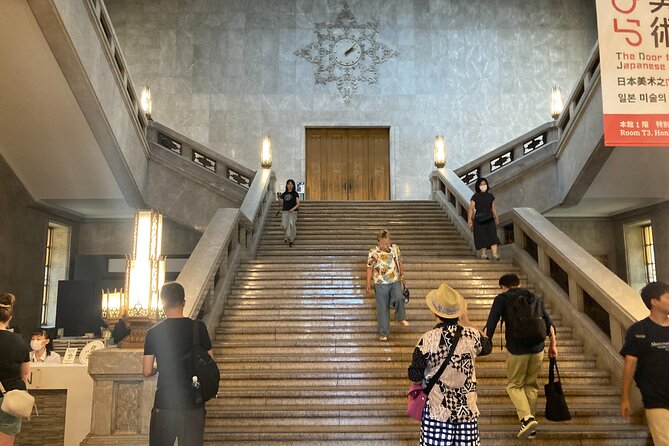
The museum itself is a strong reason to visit. The more uncertain part is the guide.
Amy received especially warm praise for leading a family through the collection and for adapting the explanations to a member of the group who teaches screen printing. That suggests the private arrangement can work very well when the guide has both subject knowledge and the ability to respond to questions.
A different guide, Aki Miyato, was described as punctual, polite, and pleasant, but not sufficiently prepared in Japanese art and history. Another English-language experience was friendly and prompt, yet the guide’s basic English meant the group learned less than expected.
This is the tour’s central weakness. A private guide is not automatically an art specialist. The description promises insights, but the practical experience depends on the assigned person’s command of English, museum knowledge, and teaching style.
You can reduce the risk by stating your interests clearly when you meet. Mention if you want art history, cultural context, technique, famous objects, or a simple orientation. Ask questions early. That gives you a quick sense of the guide’s strengths and lets you steer the visit toward subjects they explain best.
If your main goal is detailed academic interpretation, do not book this blindly. If you want a friendly introduction and are comfortable with some variation in depth, the tour may still suit you.
Is Two Hours Enough?
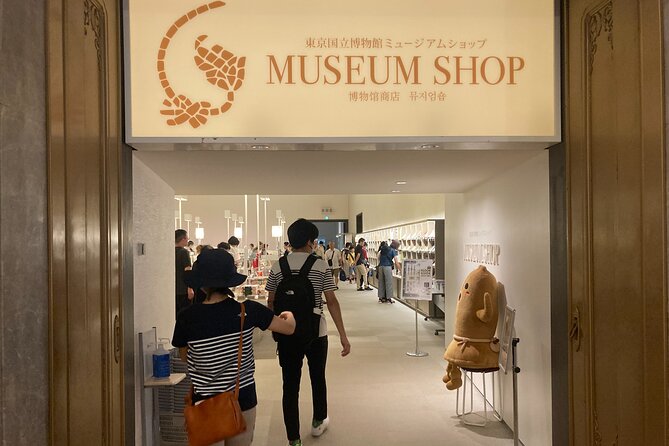
Two hours is enough to gain a sense of the museum, but not enough to explore its full collection. The museum has around 120,000 works in its care, with more than 3,000 on display at a given time. No short guided visit can do justice to all of that.
The time works best when you arrive with a simple goal. You might want a first look at Japanese art, an introduction to major periods, help choosing highlights, or a visit shaped around a particular artistic interest.
The guide can also help you avoid a common museum problem: spending too long on the first few rooms and rushing the rest. A planned selection gives you a better chance of seeing major works and smaller objects without turning the visit into a race.
I would treat the tour as a foundation rather than a complete museum education. If you have another hour or two available afterward, you may want to continue on your own. The private visit can give you the background needed to make that independent time more rewarding.
Who Should Book This Experience?
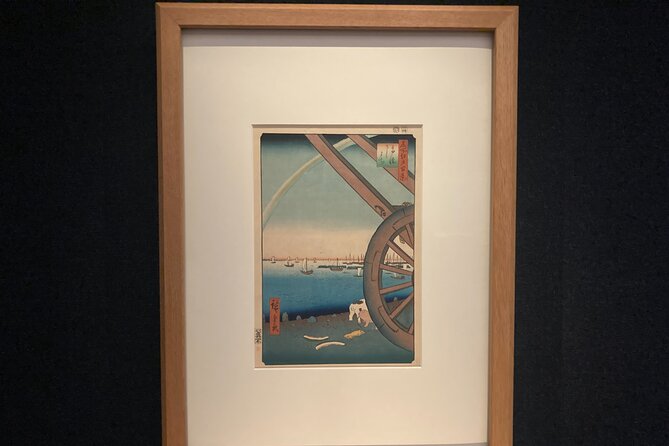
This tour fits first-time visitors who want help getting oriented. It also suits families or small groups with mixed levels of interest, since the guide can answer questions and adjust the focus.
Art students, teachers, and people with a special interest in Japanese design may get more from the private format than casual sightseers. The example involving a university printmaking teacher shows how useful the visit can be when you bring a specific subject to the conversation.
It is also a reasonable choice for anyone who dislikes large guided groups. You get a more personal setting, admission is covered, and the experience begins and ends at the same Ueno meeting point.
I would be more cautious if you are on a tight budget or already comfortable using museum labels and audio material. At $103.87 per person, the guide must add real value for the purchase to make sense. A limited English explanation can leave you paying a premium for information you could have gathered elsewhere.
The tour is described as suitable for most participants and is near public transportation. No special physical requirements are stated, so ask the provider directly if anyone in your group has a specific mobility or access need.
Timing, Meeting Point, and Cancellation
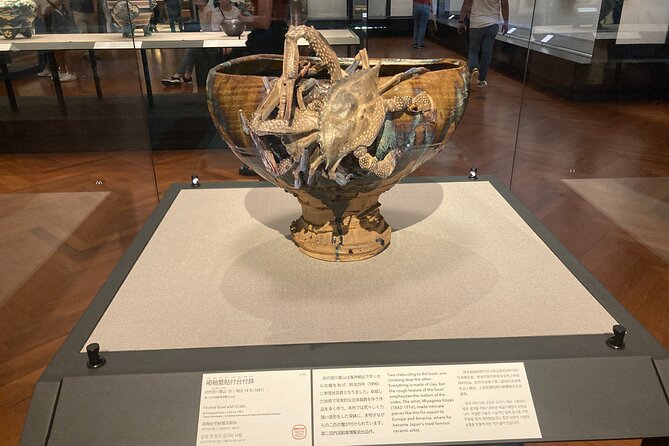
The meeting point is 13-13 Uenokōen, Taito City, Tokyo 110-0007, Japan. The activity ends at the same place, which simplifies planning before or after the visit.
Confirmation is normally provided at booking. If you book within one day of the tour, confirmation arrives as soon as possible and depends on availability.
Free cancellation is available if you cancel at least 24 hours before the start time. Cancellations or changes made less than 24 hours before the start time are not refunded or accepted, and the cut-off uses local Tokyo time.
The experience has had more than 10 bookings in the past month, so it is sensible to arrange it before your preferred day if a private guide is important to your plans.
Is the $103.87 Price Worth It?
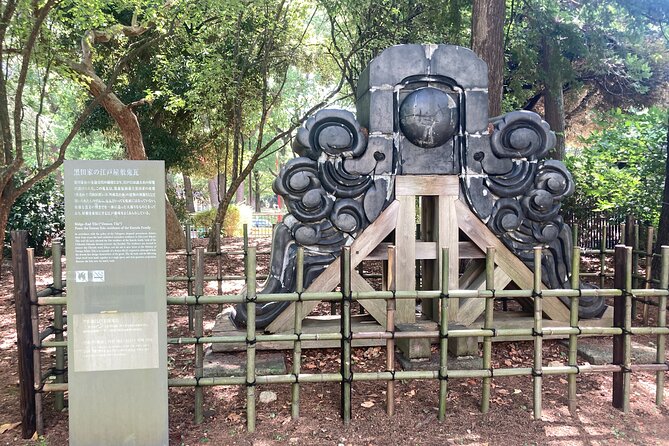
The price is fair only if you want interpretation, not just entry. The museum admission is included, and skipping the ticket line has practical value, but those features alone do not justify the full cost for everyone.
I would see the strongest value in a group of several people who share an interest in art. You divide the cost across the group while keeping the private setting. The value is also stronger if you want to ask many questions or need help choosing highlights.
The price is harder to defend for a solo visitor or a couple who mainly want to walk through the galleries independently. In that case, a standard entry and self-guided approach may leave more money for other Tokyo sights.
The guide is the deciding factor. Amy’s strong performance shows what this tour can provide at its best: an informed route, explanations tailored to your interests, and a conversation rather than a basic walk-through. The weaker English and art background reported for other guides show the risk.
Should You Book the Tokyo National Museum Private Tour?
Book it if you want a private introduction to Japanese art, value included admission, and prefer a guide to help you choose from the museum’s enormous collection. It is especially appealing for families, small groups, and people with a clear interest in painting, prints, sculpture, or Japanese cultural history.
Think twice if you are price-sensitive, prefer independent museum visits, or need a guaranteed art specialist. The museum itself is an excellent destination, but the tour’s value rises and falls with the guide assigned to you.
My practical advice is to book this when personal questions and a focused route matter more to you than covering every gallery. At the meeting point, explain your interests immediately and ask what the guide plans to show. That small step gives you the best chance of turning two hours into a useful, memorable visit.
FAQ
Where does the Tokyo National Museum private tour begin?
The tour begins at 13-13 Uenokōen, Taito City, Tokyo 110-0007, Japan.
Where does the tour end?
The activity ends back at the meeting point.
How long does the museum tour last?
The tour lasts approximately two hours.
Is museum admission included?
Yes. The admission ticket to the Tokyo National Museum is included.
Is this a private activity?
Yes. Only your group participates in the private tour.
How many works are displayed at the Tokyo National Museum?
More than 3,000 works are on display at any given time. The museum’s wider collection contains about 120,000 works.
Is the meeting point near public transportation?
Yes. The meeting point is near public transportation.
Can I cancel for a full refund?
Yes, if you cancel at least 24 hours before the experience’s start time. Cancellations made less than 24 hours before the start time are not refunded.
Newly reviewed around Tokyo
- Tokyo Asakusa:Calligraphy & Make T-shirt Activity★ 5.0 · 62 reviews
- Intercity Shuttle, Tokyo to Haneda /Narita /Yokohama /Makuhari★ 5.0 · 5 reviews
- 1 Hour Travel around Tokyo with a Professional Photographer★ 5.0 · 3 reviews
- Travel Tokyo with Your Own Personal Photographer★ 5.0 · 43 reviews
- Train in Samurai Swordsmanship and Defeat the Demon in Tokyo★ 5.0 · 5 reviews
- Shuttle Van 6hr Tokyo Tour to-and-from Tokyo, Yokohama and Narita★ 5.0 · 9 reviews
- Kickboxing & Body Training with EX-Pro Fighter★ 5.0 · 4 reviews
- Tokyo History: Sensoji Temple & Asakusa District Private Tour★ 5.0 · 28 reviews
Museums, compared.
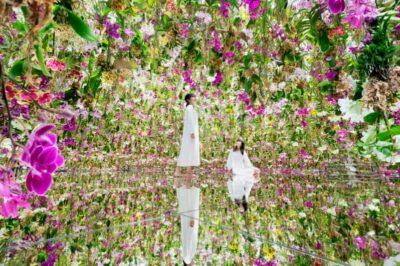
teamLab Planets TOKYO Digital Art Museum Entry Ticket
Read our review →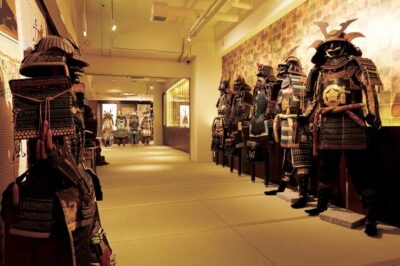
Samurai Ninja Museum Guided tour and Experience
Read our review →
Ninja Experience (Family Friendly) at Samurai Ninja Museum TOKYO
Read our review →
Tokyo Studio Ghibli Museum and Ghibli Film Appreciation Tour
Read our review →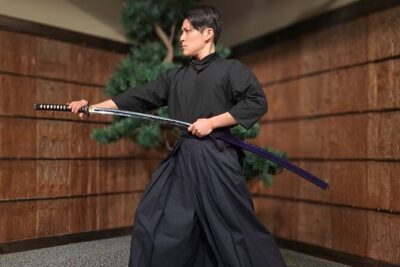
Tokyo Sword Experience – includes Museum Ticket/Ninja Experience
Read our review →
Samurai Ninja Museum Asakusa: Samurai Sword Lesson & Tour
Read our review →
Samurai Sword Experience (Family Friendly)at SAMURAI MUSEUM TOKYO
Read our review →Browse the lists this tour appears in