
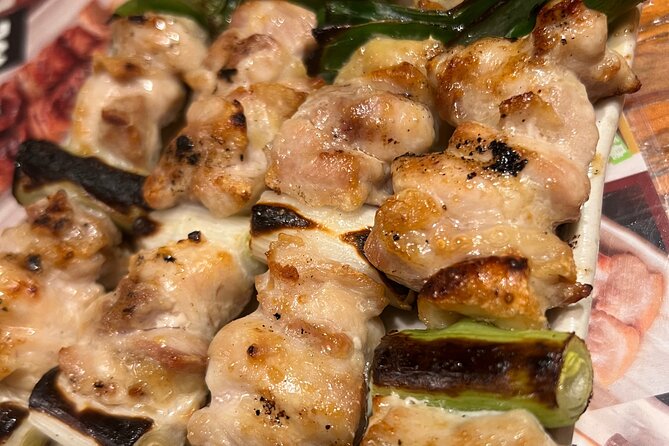
Reviewed · TOKYO FOOD TOURS
Tokyo: Shibuya Food Tour (13 dishes and 4 Eateries)
Shibuya is best understood with your appetite switched on. This three-hour walk takes you from Shibuya Crossing and Hachiko into Dogenzaka and Center-gai, where four eateries serve 13 Japanese dishes, drinks, and dessert.
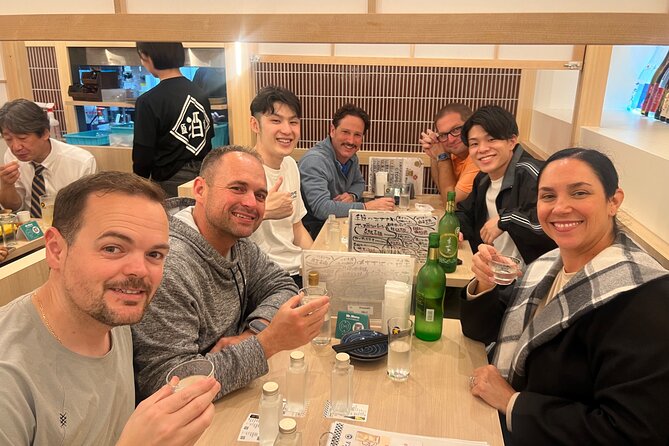
I like the small maximum of 10 people, which keeps the night friendly and makes it easier to ask about unfamiliar food. I also like the generous range: sushi, several kinds of tuna, dumplings, yakiniku, udon, karaage, and sweets give you a broad first taste of Japanese eating.
The main caution is guide consistency. Hoshi, Naruto, Kei, Mat, and others have led excellent evenings, but one detailed account found the guiding thin and missed Hachiko entirely. You are paying for food plus local interpretation, so that part matters.
Key points
- Thirteen dishes at four eateries: The food is the heart of the evening, with Japanese staples and less familiar bites served across several stops.
- A compact Shibuya route: You walk between Shibuya Crossing, Hachiko, Dogenzaka, and Center-gai rather than spending the night in one restaurant.
- Small-group format: The group is capped at 10, a useful size for ordering shared dishes and speaking with the guide.
- Drinks are included: Alcohol is served only to people aged 20 or older, and additional food or drinks cost extra.
- Guide quality shapes the night: Hoshi, Naruto, Kei, Mat, and Will have all been praised for warmth, explanations, and recommendations.
- Good first-night orientation: The tour ends in Shibuya, and the guide can take you to Shibuya Station.
Four eateries, 13 dishes, and a taste of Shibuya after dark
The appeal here is simple: you do not have to choose one restaurant and hope you ordered well. The guide takes you to four places and orders a spread of 13 Japanese dishes for the group.
That format works particularly well in Japan, where menus can be large, food names may be unfamiliar, and portion sizes often make it hard to sample widely on your own. You get a little of many things instead of one large plate of something you already know.
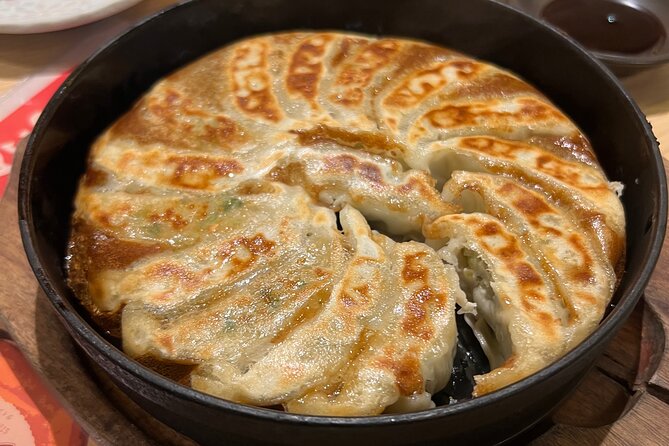
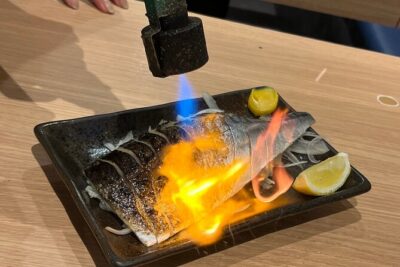
The exact dishes can vary, but the advertised range includes sushi, yakiniku, udon, karaage, dumplings, tuna, drinks, and dessert. One evening included several types of tuna, while another included dumplings and a pastry dessert. You should arrive hungry. The portions have been enough to fill families, and the food is described as plentiful rather than merely snack-sized.
This is not a formal restaurant crawl built around long meals. It is a moving meal, with short walks between stops and time to see the district along the way. That gives the evening more shape than simply sitting at a table, though it also means the food is ordered for the group rather than chosen individually.
More things to do in Shibuya:
- Official Street Go-Kart in Shibuya
★ 5.0 · 3,435 reviews - Tokyo: Street Kart Experience in Shibuya
★ 4.9 · 1,484 reviews - Shibuya Meltdown Nightlife Tour: All-You-Can-Drink Bar Hopping
★ 5.0 · 1,058 reviews
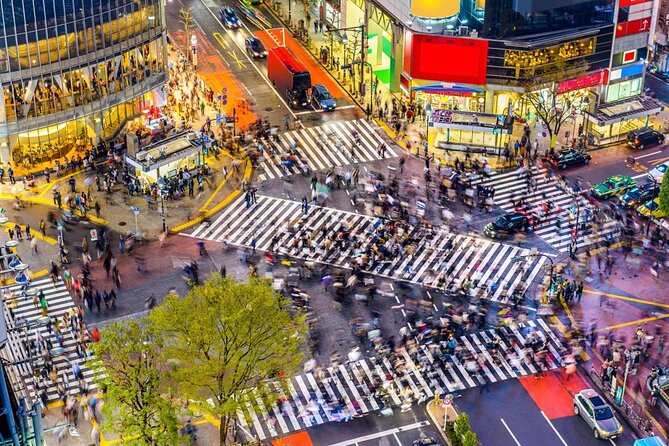
Starting near Shibuya Crossing
The meeting point is at Kusumoto Building, 1-chome-3-3 Dogenzaka, close to the center of Shibuya. The tour begins with Shibuya Crossing, the famous scramble crossing where several streams of pedestrians move across the road at once.
The crossing itself takes only about 15 minutes on the planned route. It is a useful opening because it puts you right in the middle of Shibuya’s scale and energy before the food stops begin.
You should not expect a long history lecture here. The value is practical: you get oriented to the neighborhood with a guide instead of trying to find the first restaurant alone. That matters more than it may sound, especially at night, when the streets around the station can feel like a maze of signs, side roads, and crowded lanes.
One weakness is that the amount of explanation may depend heavily on who leads your group. Some guides, including Naruto and Hoshi, have been praised for adding stories and humor. One account found that the crossing was visited with almost no explanation. If you want a strong cultural narrative at every stop, tell your guide early that this is important to you.
Hachiko and the story behind the statue
The planned route includes Hachiko, the bronze statue of the loyal dog near Shibuya Station. The stop is listed at about 15 minutes and is meant to introduce you to Hachiko’s story and place in Japanese popular culture.
This is a quick stop, not a full museum visit. It works best as a meeting point and a small piece of local context before you head into the food districts.
There is an important practical note here: the stop has not always happened as expected. At least one account reported never seeing Hachiko and returned later independently. I would treat Hachiko as part of the intended route, but if the guide moves the group along, ask directly. It is easy to see afterward, but it is still one of the listed sights.
Dogenzaka: local-style eating among side streets
Dogenzaka is where the tour begins to feel less like a sightseeing walk and more like a neighborhood food outing. The area is known for izakayas, bars, and small shops, with plenty of narrow streets branching away from the main roads.
The planned time here is about an hour, likely spread across one or more food stops. An izakaya is a Japanese drinking-and-eating place, usually built around shared dishes rather than one large main course. That makes it a natural setting for a group tour because everyone can try several plates.
This part of the route is especially useful if you are nervous about ordering in a Japanese bar. The guide handles the food selection and explains how to eat it. Hoshi, in particular, has been praised for showing the group how to approach each dish.
You should know that you are not selecting every item from the menu. The guide orders within the tour’s food plan, and everyone shares what arrives. That is a plus if you want to try things outside your comfort zone. It is a drawback if you have strong preferences or want to build your own dinner.
Dietary needs are worth raising before ordering. The supplied information does not promise a specific vegetarian, allergy, or religious-diet menu, though one guide did arrange accommodations for members of a group. Do not assume every request can be handled without advance notice.
More Tokyo food tours:
- Tokyo: Shinjuku Food Tour (13 Dishes at 4 Local Eateries)
★ 5.0 · 6,603 reviews - Tokyo: Shinjuku Food Tour (15 Dishes and 4 Eateries)
★ 4.9 · 2,033 reviews - Best of Shinjuku: Izakaya Food Tour (4 Stops, 14+ Tastings)
★ 5.0 · 1,863 reviews - Tokyo Night Foodie Tour in Shinjuku – Seasonal Sushi, Wagyu Beef
★ 5.0 · 1,161 reviews
Center-gai and the final food stops
The route continues toward Shibuya Center-gai, one of the district’s busiest streets. This is the part of Shibuya most people picture: bright signs, dense foot traffic, shops, restaurants, and a constant flow of young locals and visitors.
The planned time is about an hour, again with the food stops folded into the walk. You may eat at another izakaya or local restaurant before finishing with dessert.
Center-gai is not quiet or traditional in the old-town sense. Its value is showing you modern Tokyo street life at close range. If you want to see where people actually go out, shop, and meet friends in Shibuya, this is a good setting. If you want a calm, historic neighborhood, this is not that experience.
The dessert stop can be less polished than the meal stops. One account described being taken to a basement mall area for a pre-ordered pastry, with the group waiting near a service area. The pastry itself was part of the food plan, but the setting did not feel special. This is a useful reminder that the tour is about trying local food efficiently, not dining in four beautiful rooms.
What the food is really worth at $77.44
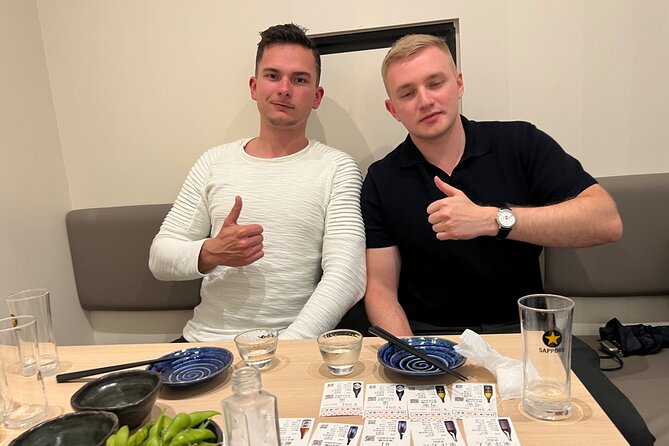
At $77.44 per person, the tour is not the cheapest way to eat in Shibuya. You can certainly find individual bowls, skewers, noodles, or sushi for less if you already know where to go.
The value comes from the combination of 13 tastings, four eateries, drinks, a guide, and navigation. You are paying to sample widely without ordering a full portion of every dish, and to have someone make the choices while explaining what is in front of you.
For a first evening in Tokyo, that can be a fair deal. You get a meal large enough to replace dinner, a walking introduction to Shibuya, and advice for the rest of your stay. Several guides have also given restaurant suggestions for other neighborhoods and cities, which adds value if you use those tips.
The value is weaker if you judge the tour only by the food’s retail price. One person felt the cost was high compared with a separate Michelin meal. That is a fair comparison, especially if you care more about a refined dinner than variety and local orientation.
I would compare it with the cost of making four restaurant choices yourself, including dishes you might order incorrectly or never think to try. If the guide is active and the group gets the full range, $77.44 is reasonable for a substantial evening. If the guide offers little explanation, the price feels much less convincing.
The guides make the biggest difference
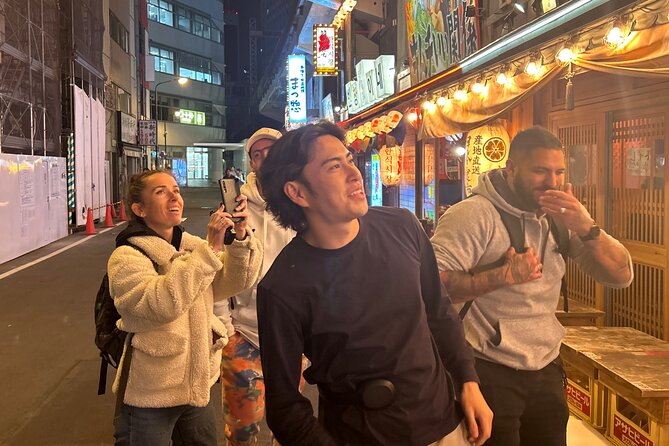
The most praised part of this experience is not a particular dish. It is the guide.
Naruto has been singled out for humor, warmth, food knowledge, and the ability to connect with families and children. He has also helped people find the meeting point and offered useful recommendations after the tour.
Hoshi has been praised for clear English, enthusiasm, and careful explanations of how to eat each dish. He appears to suit people who want a lively evening with plenty of help at the table.
Kei has been described as friendly, well prepared, and helpful with future dining plans. Mat has been praised for thorough explanations and thoughtful attention. Will has also been described as personable and clear.
That said, the experience is not perfectly uniform. One account described a guide who did not explain Shibuya, Hachiko, or the food in much detail. Another felt the tour was pleasant but lacked deeper cultural information.
My advice is to set your expectations clearly at the start. Ask the guide about the dishes, the neighborhood, and where locals eat next. A good guide will welcome those questions. This tour has the ingredients for a strong food evening, but the person leading it controls how much culture and context you receive.
Walking, timing, and group size
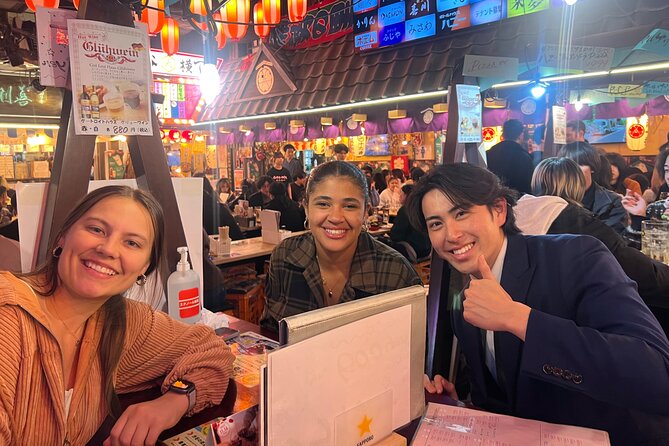
The activity lasts about three hours. That is a sensible length for a food walk. It is long enough to eat at four places but short enough that you can still make evening plans afterward.
The group maximum is 10 people. That is small enough for a guide to manage shared plates and answer questions without shouting across a large crowd. It also gives solo visitors and couples an easy way to meet people during a Tokyo stay.
You will walk between stops, including through busy areas around the station. The route is near public transportation, and the guide can take you to Shibuya Station at the end. Wear comfortable shoes and keep your schedule flexible by a little, since four eateries and a group meal do not always move at the exact same pace.
The tour requires good weather. If poor weather cancels it, you are offered another date or a full refund. You can also cancel for a full refund up to 24 hours before the start time. Alcohol is available only to people aged 20 or older.
Who should book this Shibuya food walk?
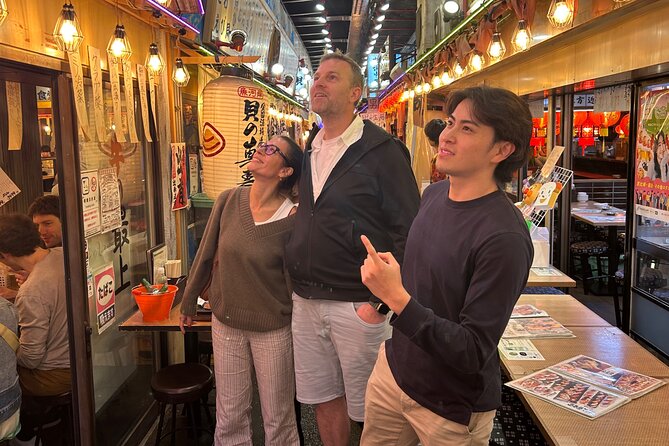
I would choose this tour for a first or second night in Tokyo, especially if you are staying near Shibuya and want quick help getting oriented. It is also a good match for families, couples, and solo visitors who prefer a shared meal over a formal food lecture.
It suits adventurous eaters who want the guide to order dishes they might not notice on their own. The range of sushi, meat, noodles, fried food, dumplings, tuna, drinks, and dessert gives you a useful snapshot of Japanese dining.
I would be more cautious if you need strict dietary control, prefer to choose every dish yourself, or want a polished gourmet meal. You should also consider another option if detailed history and careful interpretation matter more to you than the food itself.
Should you book it?
Book this Shibuya food tour if you want a filling, social introduction to Japanese dishes and do not mind letting the guide choose the menu. The small group, four eateries, included drinks, and chance to finish near Shibuya Station make it a practical first-night plan.
Go in knowing that the experience depends on the guide. Naruto, Hoshi, Kei, Mat, and Will have all delivered the kind of warm, useful evening this format needs, but the cultural commentary can be lighter than promised. At $77.44, the tour is good value when you receive generous food, clear explanations, and useful local advice. If you only want the lowest-cost dinner in Shibuya, eat independently instead.
FAQ
How long does the Shibuya food tour last?
The tour lasts approximately three hours.
How many dishes are included?
The experience includes 13 Japanese dishes served across four local eateries.
What kinds of food might I try?
The advertised selection includes sushi, yakiniku, udon, karaage, dumplings, several types of tuna, drinks, and dessert. The exact dishes may vary.
Is alcohol included?
Food and drinks are included. Alcoholic beverages are served only to people aged 20 or older.
How large is the group?
The tour has a maximum of 10 participants.
Where does the tour begin?
The meeting point is Kusumoto Building, 1-chome-3-3 Dogenzaka, Shibuya, Tokyo 150-0043, Japan.
Where does the tour end?
The tour ends in Shibuya. The guide can take you to Shibuya Station.
Can I cancel for a refund?
Yes. You can cancel at least 24 hours before the start time for a full refund. Cancellations or changes made less than 24 hours in advance are not accepted for a refund. If bad weather or an insufficient minimum group causes cancellation, you are offered another date or a full refund.
Newly reviewed around Tokyo
- Tokyo Asakusa:Calligraphy & Make T-shirt Activity★ 5.0 · 62 reviews
- Intercity Shuttle, Tokyo to Haneda /Narita /Yokohama /Makuhari★ 5.0 · 5 reviews
- 1 Hour Travel around Tokyo with a Professional Photographer★ 5.0 · 3 reviews
- Travel Tokyo with Your Own Personal Photographer★ 5.0 · 43 reviews
- Shuttle Van 6hr Tokyo Tour to-and-from Tokyo, Yokohama and Narita★ 5.0 · 9 reviews
- Kickboxing & Body Training with EX-Pro Fighter★ 5.0 · 4 reviews
- Train in Samurai Swordsmanship and Defeat the Demon in Tokyo★ 5.0 · 5 reviews
- Traditional Japanese Knife Sharpening Class★ 5.0 · 18 reviews
Tokyo Food Tours, compared.
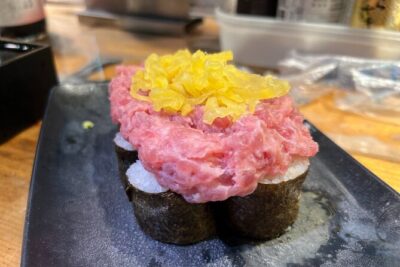
Shinjuku Food Tour (13 Dishes at 4 Local Eateries)
Read our review →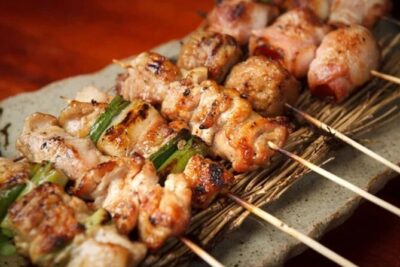
Shinjuku Food Tour (15 Dishes and 4 Eateries)
Read our review →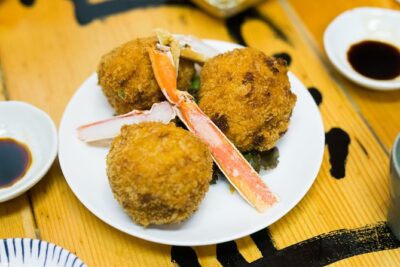
Best of Shinjuku: Izakaya Food Tour (4 Stops, 14+ Tastings)
Read our review →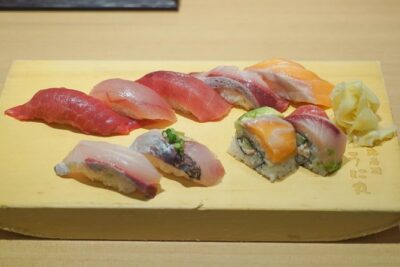
Tokyo Night Foodie Tour in Shinjuku – Seasonal Sushi, Wagyu Beef
Read our review →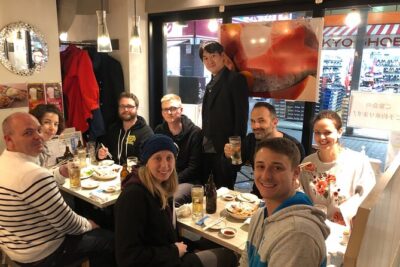
Eat and Drink Like a Local: Tokyo Ueno Food Tour-Taverns&Ramen
Read our review →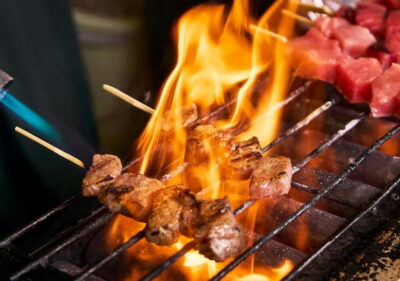
Tsukiji Fish Market: Street Food & Culture Walking Tour
Read our review →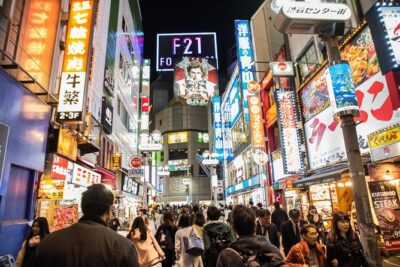
Browse the lists this tour appears in