Reviewed · SHOW
Traditional Japanese Comedy, Juggling & Magic Live Show in Tokyo
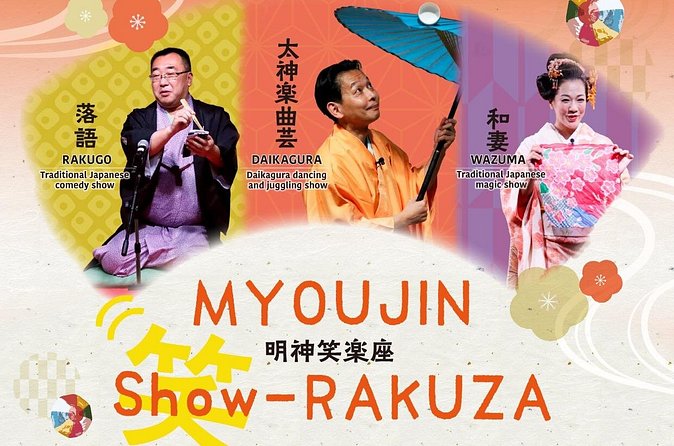
Traditional Japanese comedy and magic share the stage at this compact show inside Kanda Myoujin Shrine, only a few minutes from Akihabara. You get three distinct acts in about 90 minutes: Rakugo storytelling, Daikagura balance and juggling, and Wazuma magic. The format is made for people who want a taste of Japanese performing arts without needing Japanese language skills.
I especially like the hands-on teaching, since you do not just sit in the dark and watch. I also like the small cultural gifts, including props such as tenugui hand towels, folding fans, and paper balloons. The main consideration is that this is a short introduction rather than a full evening of theater, and the scheduled show appears to be limited to Thursday afternoons.
Key points at a glance
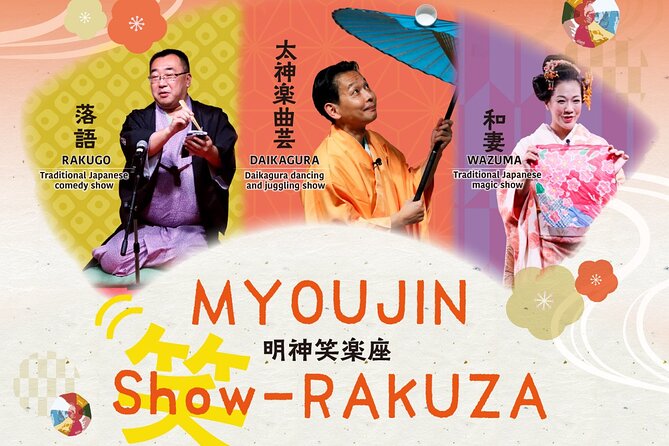
- Three traditional art forms in one show: Rakugo comedy, Daikagura acrobatics, and Wazuma magic.
- English-friendly presentation: Interpretation helps you follow the jokes, demonstrations, and explanations.
- Audience participation: You may learn simple Daikagura and Wazuma techniques and try them yourself.
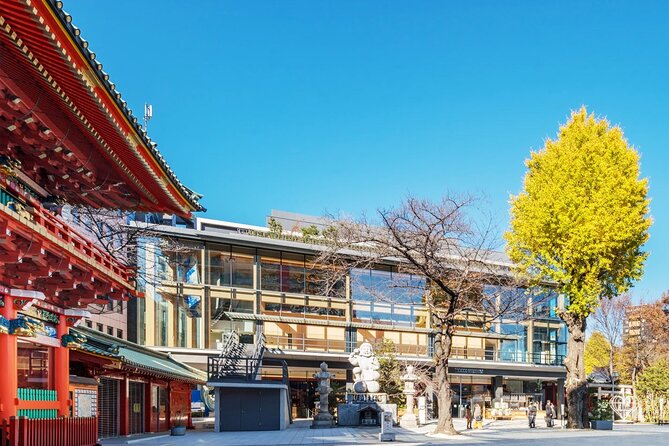
- Historic setting: The modern EDOCCO STUDIO sits within Kanda Myoujin Shrine near Akihabara.
- About 90 minutes indoors: A practical choice in uncertain weather, though the provider still lists a weather-related cancellation condition.
- Take-home cultural items: Small traditional props give you something useful and playful to remember the show.
Three Japanese traditions on one small stage
The appeal here is variety. Instead of asking you to commit to one unfamiliar art form, the show moves through three styles that feel very different from one another.
Rakugo is seated comic storytelling. One performer uses a few gestures, facial expressions, and changes in voice to play several characters. A folding fan and a tenugui towel can become simple props, but the real engine is timing and spoken performance.
If you do not speak Japanese, the humor will naturally lose some of its fine detail. That is where the interpreter matters. The English support helps explain the situation, the characters, and the basic comic turns, so you can follow the performance rather than simply watch an animated monologue.
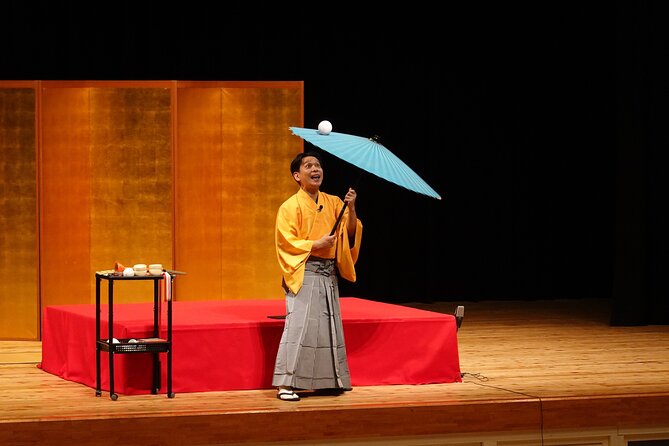
Daikagura is the physical highlight. It is linked to traditional street entertainment and features controlled feats with objects such as umbrellas. One of the acts uses an umbrella in a striking spinning performance, and the show also gives you a chance to try a simplified version of the skills.
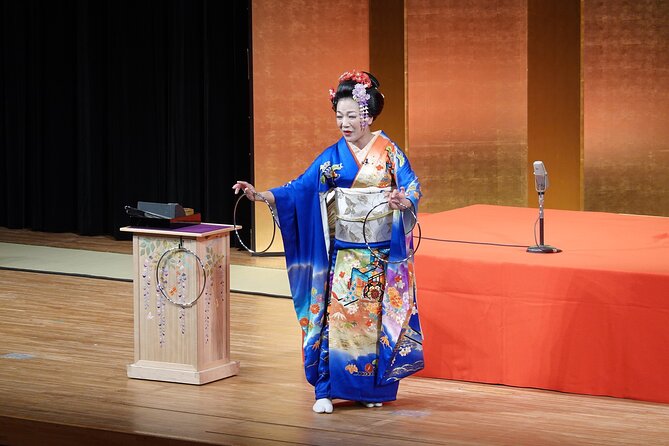
The third section, Wazuma, is Japanese magic. It has a distinctly hands-on feel, with the performer explaining basic tricks that you can repeat for friends. This teaching element was one of the most praised parts of the experience, since it turns a stage show into something you can continue playing with after you leave.
More Tokyo shows and performances:
- Mt Fuji & Hakone Cruise, Drum Show Bullet Train 1 Day from Tokyo
★ 4.0 · 7,413 reviews - Tokyo: Sumo Show and Dining Experience
★ 4.8 · 2,742 reviews - the SUMO show
★ 5.0 · 1,960 reviews
Entering EDOCCO STUDIO at Kanda Myoujin Shrine
The meeting point is EDOCCO STUDIO, at 2-chome-16-2 Sotokanda in Chiyoda City. The studio is inside the grounds of Kanda Myoujin Shrine, giving you a useful pairing: a modern performance room within a historic religious site.
That setting adds context without requiring a separate sightseeing plan. You can arrive for the show, take in the shrine surroundings, and then step into a purpose-built indoor venue. The experience ends where it begins, which keeps the logistics simple.
The listed schedule has doors opening at 1:30 p.m. and the show beginning at 2 p.m. The performance lasts about an hour and a half. I would arrive near the door-opening time, especially if you want to settle in before the presentation or are visiting with children.
The maximum group size is 100 people. That is not a tiny private performance, but it is still a manageable size for a theater show, and the audience participation works better in a room than it would in a large concert hall. The activity is near public transportation, and most people can take part. Service animals are allowed.
Rakugo: comedy that works through gesture and timing
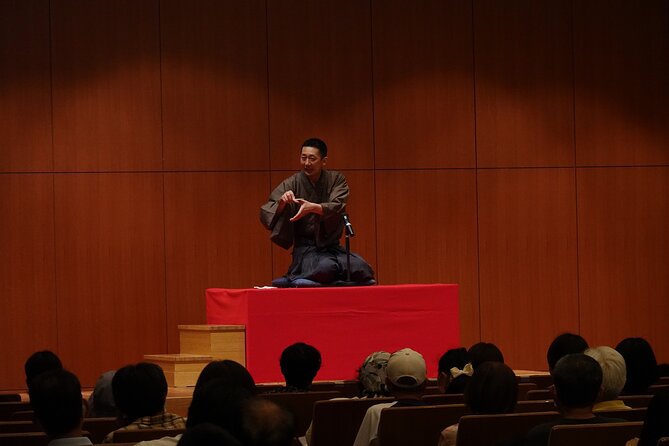
Rakugo can look simple at first. The performer normally sits, with only a fan and cloth available as props, and tells a story by shifting posture and voice. That simplicity is part of the art. You are watching a performer create a whole scene with very little equipment.
The English interpretation is important here. Comedy depends on setup and timing, so a few scattered translated words would not be enough. The presentation includes explanations that make the structure easier to follow, and the Rakugo performer also teaches basic Rakugo expressions.
For you, the best way to approach this section is to watch how the performer changes character. Look for the turn of the head, the altered voice, and the quick shift from one person in the story to another. You do not need to understand every Japanese word to see the technique.
The show also gives selected audience members a chance to get onto the Rakugo stage. That can be a fun extra, though anyone who dislikes public participation should know that the format is interactive. The participation is described as friendly rather than forced, but you may prefer to watch from your seat.
Daikagura brings the physical skill
Daikagura changes the pace. After the word-based comedy, you see balance, coordination, and object control. The umbrella-spinning act is a particular draw, and it provides the kind of clear visual moment that works across language barriers.
This is not presented as a dry lecture about performing arts. You see the act, hear an explanation, and then get an opportunity to attempt a basic skill yourself. That distinction matters. Even a simple exercise gives you a better sense of how much control the performer needs.
You should not expect to master a difficult stage routine in a few minutes. The point is to try, laugh at the awkward bits, and understand the physical discipline behind the polished act. Families and small groups may get the most from this section because the lesson gives everyone something to discuss afterward.
The compact format also keeps the act from dragging. Daikagura is one part of a three-part show, so it supplies energy without taking over the whole afternoon.
A completely different kind of day in Tokyo:
- Mt Fuji and Hakone 1-Day Bus Tour Return by Bullet Train
★ 5.0 · 26,383 reviews - 1-Day Tokyo Bus Tour
★ 5.0 · 14,250 reviews - Tokyo: teamLab Planets TOKYO Digital Art Museum Entry Ticket
★ 4.6 · 9,779 reviews - Tokyo: Shinjuku Food Tour (13 Dishes at 4 Local Eateries)
★ 5.0 · 6,603 reviews
Wazuma magic you can take home
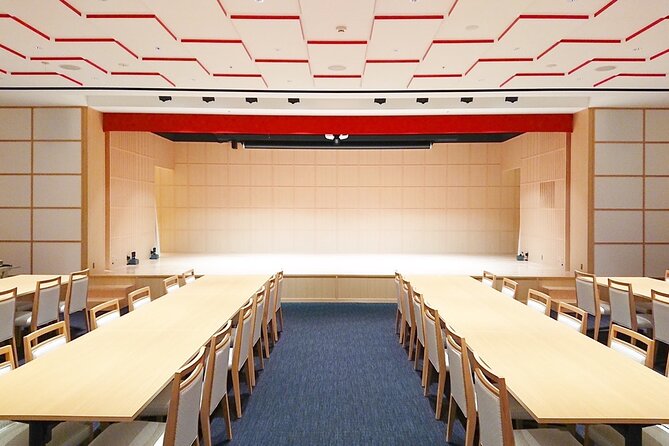
The magic section is likely to be the most immediately useful for many people. The performer does not only reveal a trick and move on. You are taught basic techniques that you can try on friends, making the experience continue beyond the theater.
That is a smart choice for an international audience. Magic needs little translation when the result is visible, and the teaching makes the act more personal. You can follow the steps, watch the result, and then attempt the trick yourself.
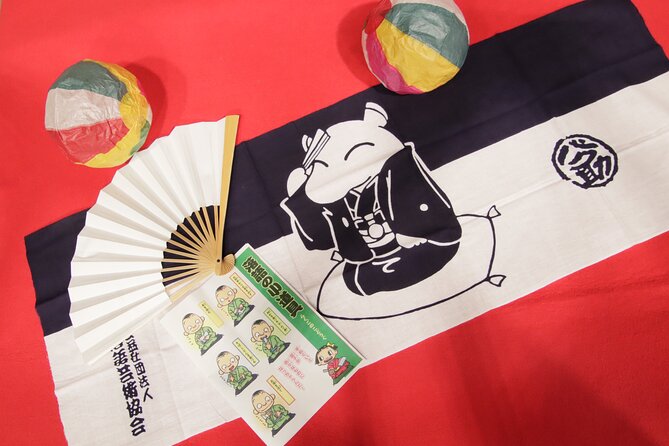
The show also gives you small souvenirs connected to the performance. These can include a tenugui hand towel, a folding fan, and a paper balloon. They are modest gifts, not expensive merchandise, but they connect directly to the acts you have just seen.
I like this better than a generic souvenir. A fan or towel can recall the Rakugo presentation, while a simple trick or paper object gives children something to handle on the way back to the hotel. The gifts also help explain the show to someone who did not attend with you.
Why the English support matters
This is marketed as suitable without Japanese language skills, and the format supports that claim through interpretation and visual demonstration. The English does not turn the performance into a long classroom lesson. Instead, it gives you enough information to understand the setup and take part.
Several parts of the show are easy to grasp visually. Umbrella balance and magic need no lengthy explanation once the action begins. Rakugo is more language-dependent, so the interpreter is especially valuable during the comedy section.
The staff are described as welcoming and kind, which matters when an event asks for audience involvement. You want clear instructions and a relaxed tone, not pressure to perform perfectly. The reported experience of the show is interactive without making participation feel compulsory.
Still, expectations matter. Interpretation can explain a joke, but it cannot reproduce every sound-based pun or cultural reference in another language. If your main goal is to study Japanese comedy in its original language, this is only a first step. If your goal is to understand the basic form and enjoy a friendly presentation, it is a better match.
A good fit for families and first-time culture seekers
I would recommend this most strongly to first-time visitors who want a manageable introduction to Japanese theater. You get several art forms, a clear time limit, and a venue near a well-known Tokyo sightseeing area.
Families may appreciate the mix of seated storytelling, visual acrobatics, and simple magic. The show avoids relying on one long spoken performance, which helps hold attention across different ages. The hands-on sections also give children a role beyond sitting quietly.
Solo visitors can enjoy it as well. The theater format does not require a group, and the interactive moments are structured for a general audience. If you are shy, you can still watch without volunteering, though the atmosphere may invite you to try a small trick.
It also works well for a rainy-day plan because the show takes place indoors. The provider does include a condition that the experience requires good weather and may cancel for poor conditions. That is worth checking before you leave for the venue, even though the performance itself is inside.
Price, timing, and what you receive
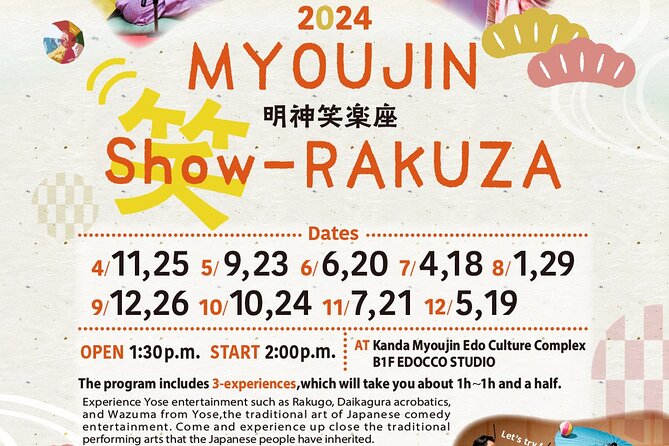
At $36.24 per person, this is not the cheapest short attraction in Tokyo. I think the price is reasonable if you value guided cultural context, live performers, interpretation, audience participation, and a small gift in one package.
The comparison is not simply 90 minutes of stage time. You are also paying for access to forms that can be difficult to encounter casually, especially when you do not speak Japanese. The location inside Kanda Myoujin Shrine adds a setting you can combine with nearby sightseeing.
The value is weaker if you want a long, formal theater production or a detailed academic presentation. This is designed as an accessible sampler. You pay for variety and approachability rather than depth in one art form.
The experience is often booked well ahead, with an average booking lead time of about 62 days. That suggests you should reserve early if the Thursday afternoon fits your plans. Shows are limited and can fill up, so leaving it until the last day is not a wise plan.
The mobile ticket makes entry straightforward. Confirmation is normally provided at booking, though a booking made within two hours of the start time may require confirmation subject to availability.
Practical limits to keep in mind
The show lasts about 90 minutes, but you should allow extra time around the 1:30 p.m. door opening and the 2 p.m. start. The venue is near public transportation, yet you still need to locate EDOCCO STUDIO within the shrine grounds.
The maximum group size is 100, so do not picture a private demonstration. On the other hand, the performance is not described as a large-scale production, and the indoor studio setting should keep the acts visible and personal enough for an interactive format.
The schedule information identifies Thursday, although the supplied listing contains a spelling error in the weekday. Confirm the exact date and time when booking, especially if your Tokyo schedule is tight.
Free cancellation is available when you cancel at least 24 hours before the start time. Cancellations or changes inside that window are not refunded or accepted. If the provider cancels because of weather or because the minimum number of participants is not met, you can receive a different date or experience, or a full refund.
Should you book this Japanese comedy and magic show?
Book it if you want a short, friendly introduction to traditional Japanese entertainment with English support and a chance to try a few skills yourself. The combination of Rakugo, umbrella-based Daikagura, and Wazuma magic gives you more range than a single-art performance, and the Kanda Myoujin Shrine setting makes the outing feel tied to Tokyo rather than confined to a generic theater.
I would especially choose it for families, solo visitors, and anyone staying near Akihabara who wants a cultural activity that does not demand Japanese fluency. I would skip it if you are seeking a full-length theatrical production, advanced Japanese-language comedy, or a private lesson.
For most people comparing short Tokyo activities, the strongest reason to book is the balance of watching and doing. You see traditional acts, learn how some of them work, and leave with small props and simple tricks that keep the afternoon alive after the curtain closes.
FAQ
Where does the show take place?
The show takes place at EDOCCO STUDIO, located inside Kanda Myoujin Shrine at 2-chome-16-2 Sotokanda, Chiyoda City, Tokyo 101-0021, Japan.
What time does the performance begin?
Doors open at 1:30 p.m., and the show starts at 2 p.m. The supplied schedule identifies Thursday as the show day.
How long does the experience last?
The performance lasts approximately 1 hour and 30 minutes.
Do I need to speak Japanese?
No. The presentation includes interpretation and is designed for people without Japanese language skills.
What is included in the ticket?
Your ticket includes admission to the show and a special mini gift. Gifts may include traditional props such as tenugui hand towels, folding fans, and paper balloons.
Can I cancel for a refund?
Yes, you can cancel for a full refund up to 24 hours before the experience start time. Cancellations and changes made less than 24 hours before the start time are not accepted or refunded.
Newly reviewed around Tokyo
- Tokyo Asakusa:Calligraphy & Make T-shirt Activity★ 5.0 · 62 reviews
- Intercity Shuttle, Tokyo to Haneda /Narita /Yokohama /Makuhari★ 5.0 · 5 reviews
- 1 Hour Travel around Tokyo with a Professional Photographer★ 5.0 · 3 reviews
- Travel Tokyo with Your Own Personal Photographer★ 5.0 · 43 reviews
- Train in Samurai Swordsmanship and Defeat the Demon in Tokyo★ 5.0 · 5 reviews
- Shuttle Van 6hr Tokyo Tour to-and-from Tokyo, Yokohama and Narita★ 5.0 · 9 reviews
- Kickboxing & Body Training with EX-Pro Fighter★ 5.0 · 4 reviews
- Traditional Japanese Knife Sharpening Class★ 5.0 · 18 reviews
Show, compared.
Mt Fuji & Hakone Cruise, Drum Show Bullet Train 1 Day from Tokyo
Read our review →
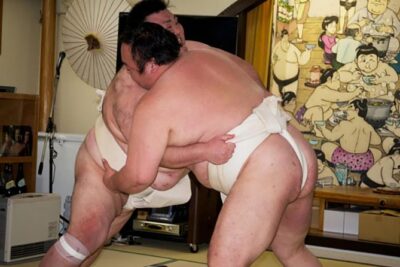
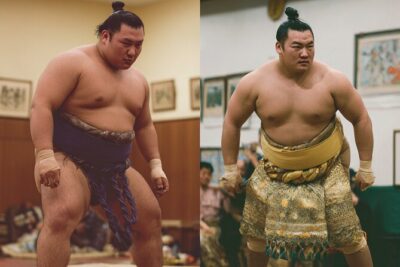
Tokyo Shinjuku Sumo Show & Experience with Photo
Read our review →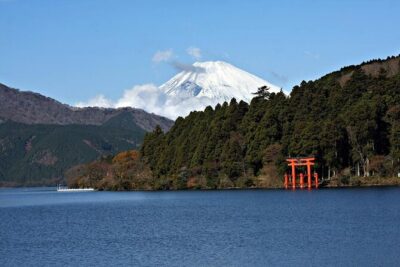
Mt Fuji & Hakone Cruise, Drum Show Bus 1 Day from Tokyo
Read our review →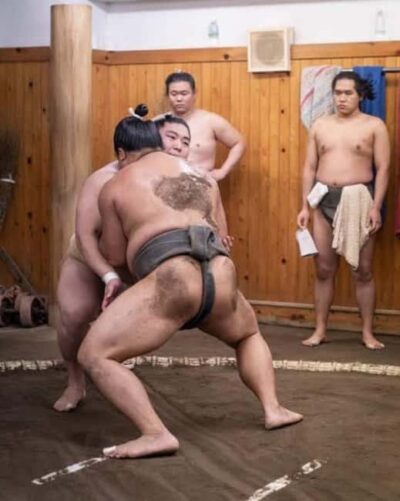

Luxury Sumo Show Experience & Japanese cuisine & Drink
Read our review →