
Reviewed · TOKYO CHERRY BLOSSOM TOURS
Tokyo Cherry Blossoms blooming spots E-bike Tour, 3hrs
Tokyo’s best cherry blossom views are not all lined up beside wide roads. This three-hour E-bike tour lets you reach parks, moat paths, and quieter streets that buses cannot use. You ride from the Kanda area to Chidorigafuchi, Yasukuni Shrine, Sotobori Park, Hibiya Park, and Kensei Kinenkan.
I like the small groups of up to six and the electric assist, which takes the strain out of a route that can cover roughly 15 kilometers. I also like the guides’ local touch. Yoshihisa, Jenny, Take, Kenta, Kay, Takako, and Yoshiko have all led tours, adding Tokyo history, cherry blossom facts, and useful detours.
The main catch is timing. Sakura can bloom late or fade early, and this tour cannot promise peak flowers. The company may offer a regular Tokyo E-bike ride instead, but you should book this mainly if you can accept a little springtime uncertainty.
Key points before you book
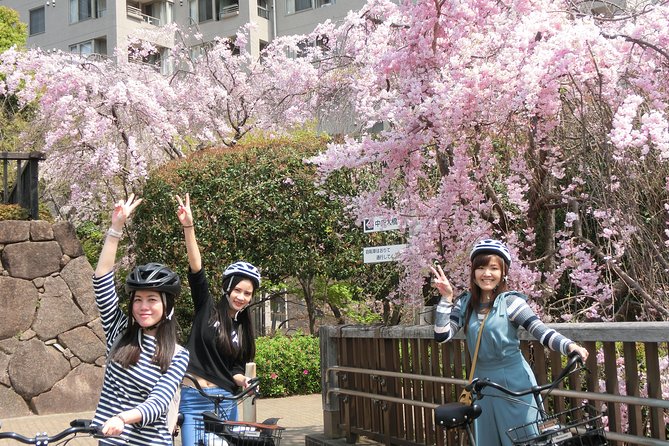
- Five central Tokyo blossom areas: Ride through Chidorigafuchi, Yasukuni Shrine, Sotobori Park, Hibiya Park, and Kensei Kinenkan in one outing.
- A genuinely small group: The maximum is six people, making city cycling easier and giving you more time to ask questions.
- Electric assist matters: You still pedal, but the motor makes the route manageable for most people who can ride a bicycle.
- Strong guide element: Yoshihisa, Jenny, Take, Kenta, Kay, Takako, and Yoshiko have led tours with local stories and cultural context.
- Flexible response to late blossoms: If flowers are not showing, the route may change, or you may be offered a regular Tokyo cycling tour.
- Good value at $64.57: The price includes the E-bike, helmet, guide, insurance, and luggage storage for nonvaluables.
Why an E-bike is a smart way to see Tokyo in spring
Cherry blossom viewing in Tokyo is often a stop-and-start affair. You walk through one park, wait at a crossing, squeeze onto a train, and repeat the process somewhere else. An E-bike changes the pace. You can cover several districts in one morning or afternoon and still stop for photographs.
The electric motor is especially useful around a route that links imperial-area parks and long moat paths. You do not need to be a strong cyclist, but you do need to be comfortable riding a bicycle. The tour has a minimum age of 12 and a minimum height of 147 centimeters.
This is not a bike-free sightseeing ride. You will pedal through city streets and shared routes, then dismount at selected stops. Anyone who cannot ride a bicycle cannot join, and the tour is not suitable for someone looking only for a gentle walk between photo spots.
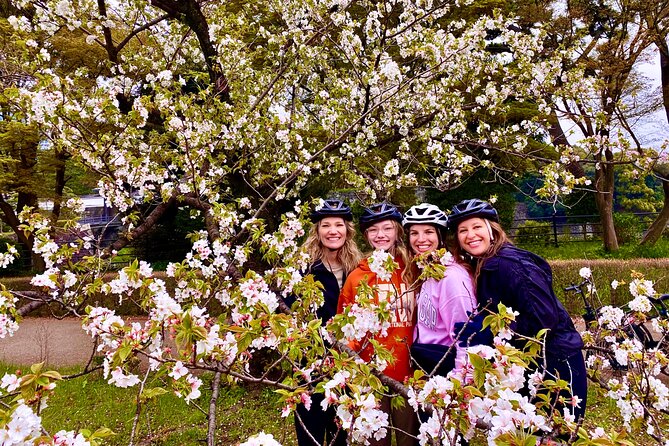
The group limit is six. That is small enough to make turning, stopping, and crossing streets less awkward than with a large cycling convoy. It also gives you a better chance to ask your guide why a place matters, or to request a short pause for photographs.
More Tokyo cherry blossom tours:
- Mt. Fuji, Cherry Blossom & Shiba Sakura Pvt. Day Tour
★ 5.0 · 326 reviews - Mt. Fuji & Hakone Cherry Blossom private One Day Tour
★ 4.5 · 35 reviews - Cherry Blossom Private Tour
★ 4.5 · 18 reviews
Starting near Kanda Station
You meet at Cycling Holiday Tokyo, at 3-chōme-8-6 Uchikanda in Chiyoda City. The base is near Kanda Station, served by the JR Yamanote Line and Tokyo Metro. It also has free Wi-Fi, which is useful if you need to check your route, send a message, or confirm your plans before setting off.
The tour returns to the same meeting point. That simple out-and-back arrangement is useful if you have luggage, a hotel reservation nearby, or another Tokyo plan after the ride. You can leave luggage at the base during the tour, except for valuables.
Your rental includes an E-bike and helmet. Insurance and a guide are also included. Food, drinks, and rain gear are not, so bring water and check the forecast before leaving. The operator suggests towels and sunscreen in summer, along with warm clothes and gloves in winter.
Chidorigafuchi, the first major blossom view
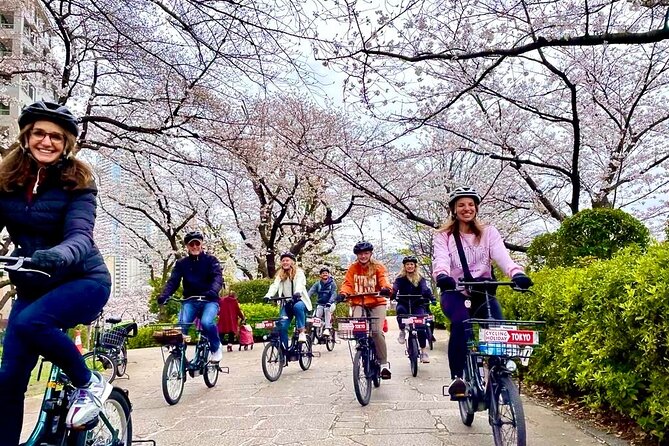
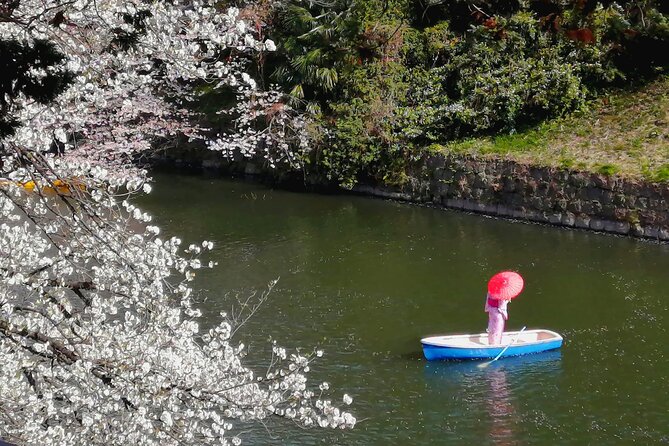
Chidorigafuchi is one of the strongest reasons to choose this route. The moat beside the Imperial Palace is lined with cherry trees, and the water helps frame the blossoms in photographs. Here, you stay on the E-bike for about 10 minutes, enjoying the trees as you pass.
The cycling format is useful because the moat area can draw large crowds during peak bloom. You are not tied to a coach or taxi, and you can move along the scenic paths without spending the whole morning walking between separate viewing areas.
This is also a place where weather and timing matter. Full bloom in Tokyo is short, and a windy or rainy day can change the look of the trees quickly. The guide can point out what is in flower, but no tour can control the season.
Yasukuni Shrine brings a cultural pause
At Yasukuni Shrine, you get off the bike for about 15 minutes. That short stop gives the tour a change of pace after the opening ride and lets you see the cherry trees from inside the grounds rather than only from a moving bicycle.
The shrine is also a place where context helps. A guide can explain the setting and connect the spring custom of hanami with everyday life in Tokyo. The tour is not only a chase for the prettiest branches. It also gives you a chance to ask questions about the city and Japanese culture.
Fifteen minutes is enough for a quick look and photographs, but not for a slow visit to every part of the shrine grounds. If you want extended shrine time, you may find this stop brief. The benefit is that the tour keeps moving and fits several major locations into three hours.
More Tokyo bike tours:
- Tokyo Great Cycling Tour
★ 5.0 · 811 reviews - Tokyo Top Highlights 3h Guided E-bike Tour
★ 5.0 · 714 reviews - 3h Tokyo E-Bike Tour: Hidden Gems, and Local Life with guide
★ 5.0 · 670 reviews - Tokyo: 3-Hour Bike or E-Bike City Highlights Tour
★ 4.8 · 435 reviews
Sotobori Park follows the outer moat
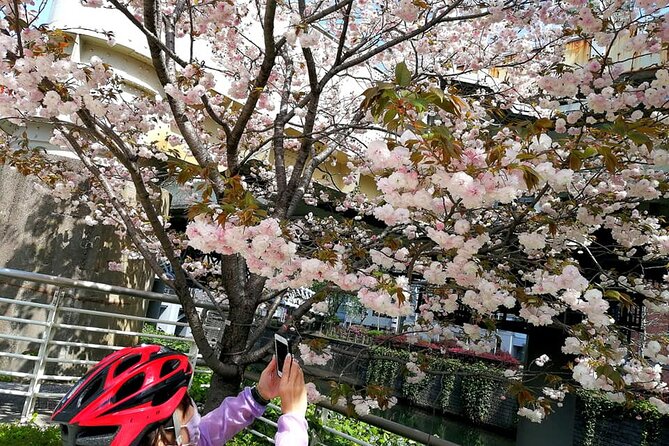
Sotobori Park offers one of the most enjoyable stretches for cycling. The cherry trees run along the outer moat, so you can see blossoms while riding rather than stopping at a single viewing platform. The listed riding time is about 10 minutes.
This section shows the value of an E-bike particularly well. The route connects one area to another without forcing you back onto a train. You get changing views of water, trees, bridges, and city streets, with the guide providing commentary along the way.
Do not expect a long park picnic here. The focus is on passing through the blossom-lined area and keeping the route moving. That works well if you want variety, but less so if your ideal sakura day means sitting under one tree for an hour.
Hibiya Park adds a compact green stop
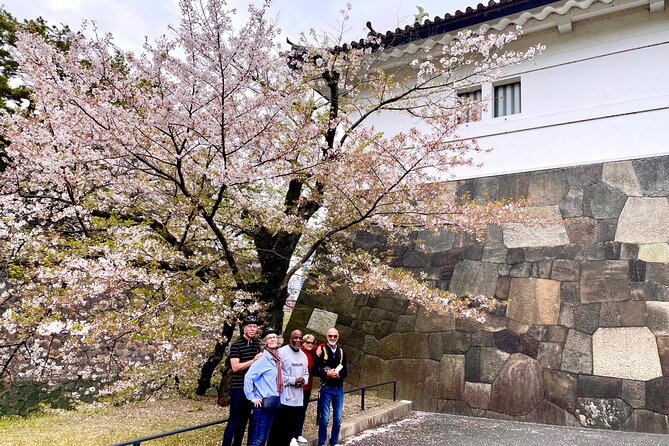
Hibiya Park is a shorter pass-by section, about five minutes. You ride through while looking at the trees, making it more of a scenic connection than a full sightseeing stop.
Its short timing makes sense within the wider route. The tour is trying to show you several parts of central Tokyo, not devote all three hours to one park. Hibiya Park helps break up the ride and gives you another angle on the city near the Imperial Palace district.
If blossoms are your only priority, five minutes may feel quick. If you like seeing how Tokyo’s parks fit into its central streets, this brief section adds useful variety.
Kensei Kinenkan closes the blossom circuit
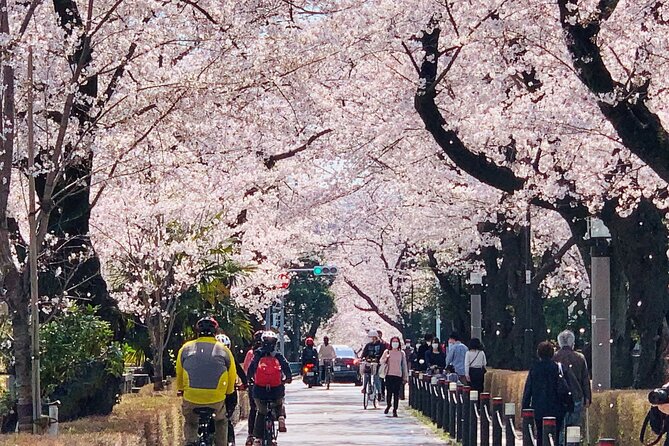
At Kensei Kinenkan, you leave the bike and spend about 10 minutes in the park. Like the Yasukuni Shrine stop, this pause gives you time to look closely at the trees and take photographs without balancing on a moving bicycle.
The mix of riding and walking is well judged. Some blossom views are best taken in motion, especially along the moat. Others need a stationary stop, where you can look up, frame a photograph, and listen to your guide.
The route then returns to the Kanda meeting point. Since the tour lasts about three hours, you should not expect a full meal break. Food and drinks are not included, and one past group chose to spend its available time on blossoms rather than stopping to eat.
The guides are a major part of the value
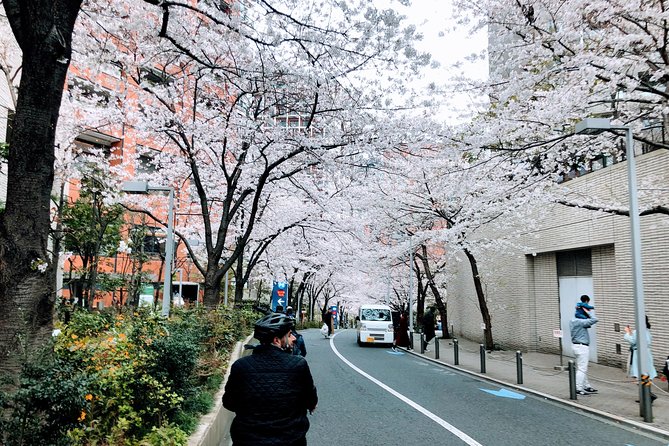
The company uses several guides, so your experience can vary in personality and emphasis. Yoshihisa, also called Yoppi, is associated with polite, detailed explanations and has guided groups through difficult bloom conditions. Jenny has been praised for making the ride lively while sharing information about the trees and the city.
Take has led a family outing that included a 13-year-old and supplied background on Tokyo, the sights, and cherry blossoms. Kenta has guided energetic groups and is known for keeping the three hours moving. Kay has included a small mochi shop on a modified route, an example of how a guide can add a local food stop when the original blossom plan does not work.
Takako and Yoshiko have also guided this tour, including during years when the flowers arrived late. The important point for you is that the guide does more than lead a line of bicycles. The best part of the tour is often the explanation between stops, especially if you are new to Tokyo.
The experience is not entirely rigid. One group found the guide too focused on taking group photographs, while another felt the route could have been adjusted more flexibly. If you prefer candid photos, private time, or a particular stop, say so clearly at the start.
The cherry blossom gamble
Sakura timing is the tour’s biggest variable. Some groups have ridden beneath trees in full bloom, with parks full of families and hanami picnics. Other dates have arrived before the main flowering, leaving only scattered blossoms.
The company has offered a standard Tokyo E-bike tour when the cherry trees were not ready. That alternative can still include interesting streets, local culture, and food stops such as a small mochi shop, but it is not the same as a full cherry blossom ride.
I would book this close to the expected bloom period only if your schedule allows flexibility. If seeing peak sakura is the sole reason for your Tokyo visit, a private walking plan with several backup parks may give you more control. If you want to see central Tokyo by bicycle and hope for blossoms along the way, this tour is a safer choice.
Weather is another factor. The activity may be canceled in poor weather, with a different date or full refund offered. The operator also requires a minimum number of participants, so a cancellation for low enrollment may result in a new date, another experience, or a full refund.
What $64.57 gets you
At $64.57 per person, the price is reasonable for a three-hour guided ride in central Tokyo. You are paying for the E-bike, helmet, guide, insurance, and the ability to leave nonvaluable luggage at the base. You also avoid organizing a route between five separate blossom areas.
The value is strongest if you would otherwise spend money on several train rides or taxis. The guide also saves planning time and gives you context that is easy to miss when you simply follow a map.
It is less compelling if you already know central Tokyo well, own a bicycle, and are comfortable building your own route. You also need to factor in the limited duration at some stops. This is a broad introduction, not a slow photography workshop or a full-day cultural tour.
Who will enjoy this ride most
I would recommend it for first-time visitors who want a quick, active introduction to central Tokyo. Families with older children can also fit well, provided everyone meets the height requirement and can ride safely. The electric assist makes the ride less demanding, while the small group keeps the outing personal.
It is also a good match for anyone with only a few days in Tokyo. In three hours, you see several central districts and parks without spending the entire time underground on trains. The route works especially well early in a trip, when you are still learning how the city fits together.
You should think twice if you dislike cycling in city traffic, need a slow pace, or cannot tolerate changing plans. Peak flowers are never guaranteed, and the five stops have short scheduled visits. The tour rewards curiosity and flexibility more than strict control over every minute.
Booking and practical details
A minimum of two people is normally required per booking, though a solo booking may be possible if you contact the operator. The maximum is six people, and other participants may join your group.
Confirmation is sent within 48 hours of booking, subject to availability. You can cancel for a full refund up to 24 hours before the start time. Changes or cancellations inside that 24-hour window are not refunded.
The tour operates on Sundays and public holidays. Bring sunscreen and a towel in summer, warm clothes and gloves in winter, and your own rain protection if the forecast looks uncertain. The company does not provide rain gear.
Should you book the Tokyo cherry blossom E-bike tour?
Book it if you want broad coverage, local explanation, and easy cycling rather than a long stay in one park. The route links five useful blossom areas, the small group is practical, and the motor makes a central Tokyo ride accessible to most competent cyclists.
I would be more cautious if you are traveling on one fixed date and need peak bloom. In that case, ask about the forecast and flowering conditions before committing. For everyone else, $64.57 is a fair price for an active three-hour introduction to Tokyo, with the bonus of seeing the city from paths and streets a car cannot reach.
FAQ
Where does the Tokyo cherry blossom E-bike tour start?
It starts at Cycling Holiday Tokyo, 3-chōme-8-6 Uchikanda, Chiyoda City, Tokyo 101-0047. The meeting point is near Kanda Station, served by the JR Yamanote Line and Tokyo Metro.
Where does the tour finish?
The tour ends back at the same meeting point near Kanda.
How long does the experience last?
The tour lasts approximately three hours.
What locations does the route visit?
The route includes Chidorigafuchi, Yasukuni Shrine, Sotobori Park, Hibiya Park, and Kensei Kinenkan.
What is included in the price?
The price includes an E-bike, helmet, guide, insurance, and luggage storage for nonvaluable items during the tour.
Are food and drinks included?
No. Food and drinks are not included.
Is rain gear provided?
No. Rain gear is not included, so you should bring your own if needed.
How many people can join one booking?
The maximum is six people per booking. Other participants may join your group.
What is the minimum age and height?
The minimum age is 12 years, and the minimum height is 147 centimeters. You must also be able to ride a bicycle.
What happens if the cherry blossoms are late?
The route or activity may change. The company may offer a regular Tokyo E-bike tour instead, and some groups have continued with a modified ride when the flowers were not yet in full bloom.
Newly reviewed around Tokyo
- Tokyo Asakusa:Calligraphy & Make T-shirt Activity★ 5.0 · 62 reviews
- Intercity Shuttle, Tokyo to Haneda /Narita /Yokohama /Makuhari★ 5.0 · 5 reviews
- 1 Hour Travel around Tokyo with a Professional Photographer★ 5.0 · 3 reviews
- Travel Tokyo with Your Own Personal Photographer★ 5.0 · 43 reviews
- Train in Samurai Swordsmanship and Defeat the Demon in Tokyo★ 5.0 · 5 reviews
- Shuttle Van 6hr Tokyo Tour to-and-from Tokyo, Yokohama and Narita★ 5.0 · 9 reviews
- Kickboxing & Body Training with EX-Pro Fighter★ 5.0 · 4 reviews
- Traditional Japanese Knife Sharpening Class★ 5.0 · 18 reviews
Tokyo Cherry Blossom Tours, compared.
Licensed Guide Tokyo Meguro Cherry Blossom Walking Tour
Read our review →
Tokyo Limited-Date Cherry Blossom Route Cruise & Show & Meal
Read our review →
Evening Hanami (Cherry Blossom) Experience with a Local
Read our review →
Tokyo Cherry Blossom Express Tour with Boat Ride
Read our review →Browse the lists this tour appears in