
Reviewed · SHINJUKU TOURS
Tokyo After Dark Shinjuku Tour of Tradition and Pop Culture
Shinjuku changes character after sunset. In 90 minutes, this small-group walk takes you from smoky-looking postwar alleys and a quiet Shinto shrine to neon Kabukicho, a modern entertainment tower, and a Purikura photo booth. It is a compact look at how old and new Tokyo share the same few blocks.
I like two things right away: the route gives you an easy introduction to the area, and the included Purikura session adds a real piece of Japanese youth culture instead of another round of sightseeing. The maximum group size of 12 should also make it easier to keep up and ask questions.
The main drawback is pace. An hour and a half is enough for orientation and atmosphere, not a full exploration of Shinjuku. You will see several places, but meals are not included, and the tiny bars and food spots along the way are mainly for a later return visit.
Key points at a glance
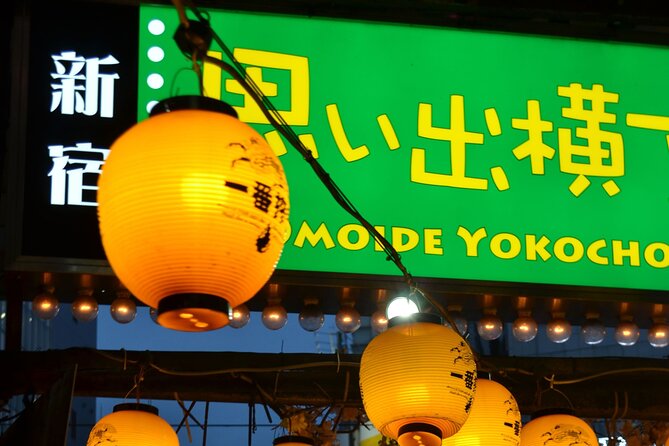
- Omoide Yokocho at night: Lantern-lit lanes offer a quick look at old Shinjuku and good photo spots.
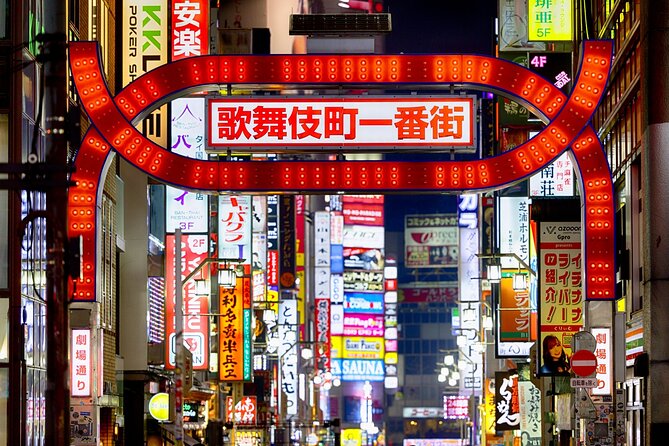
- Kabukicho’s neon streets: Your guide helps you read the district beyond its bright signs and entertainment venues.
- Tokyu Kabukicho Tower: A modern complex with a nostalgic-style izakaya food court, themed dining, and city views.
- Golden Gai’s tiny bars: More than 200 small bars fill a maze of narrow lanes, each with its own character.
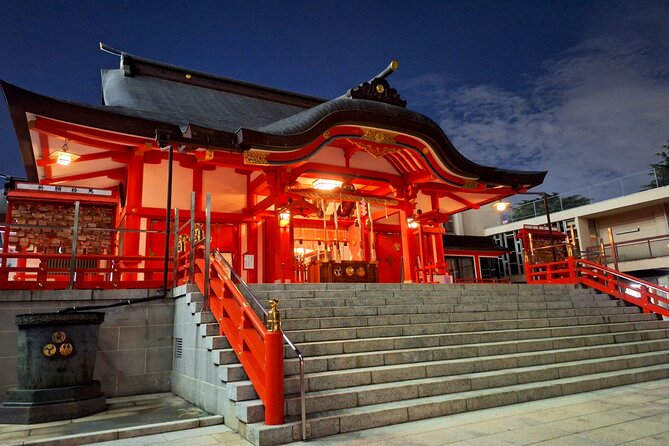
- Hanazono Shrine: A calm Shinto sanctuary provides a sharp contrast to the surrounding nightlife.
- Purikura included: You get a Japanese photo sticker booth session without paying an extra activity fee.
Why this short Shinjuku walk works
Shinjuku can be hard to read on your own. The station is huge, the streets change quickly, and the district’s reputation often reduces it to neon, bars, and nightlife. This tour gives you a simple thread to follow.
You begin at the Shinjuku Station East Exit Police Box, then move through several different versions of the neighborhood. The route links postwar Tokyo, present-day entertainment, Japanese food culture, religious tradition, and youth trends. That range is the tour’s main strength.
I would treat it as a first-night orientation rather than a complete Shinjuku visit. You will get enough context to decide where to return for dinner, drinks, photos, or a longer walk. The current group limit is 12 people, which is a sensible size for narrow lanes where a large party would feel awkward.
The posted price is $31.87 per person. That is fair if you value a guide, the local context, and the included Purikura fee. It is less compelling if you only want to stroll through the streets and take pictures, since most stops have no separate admission charge.
More things to do in Shinjuku:
- Tokyo: Shinjuku Food Tour (13 Dishes at 4 Local Eateries)
★ 5.0 · 6,603 reviews - Tokyo Bar Hopping Tour in Shinjuku (All-You-Can-Drink + Dinner)
★ 5.0 · 3,587 reviews - Tokyo: Shinjuku Food Tour (15 Dishes and 4 Eateries)
★ 4.9 · 2,033 reviews
Omoide Yokocho and the feel of old Shinjuku
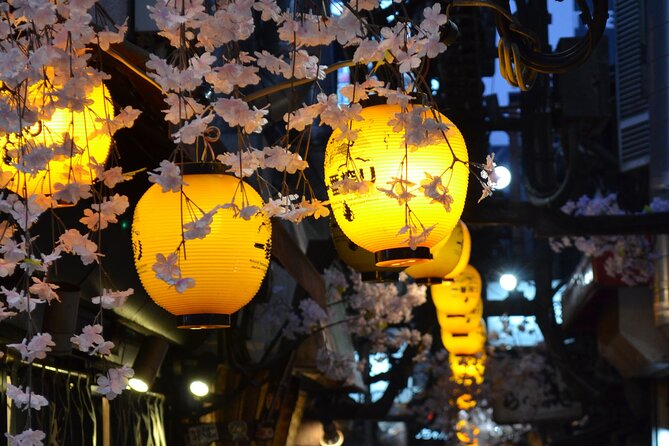
Omoide Yokocho is one of the best places on this route for a quick visual introduction. Its narrow lanes, lanterns, and compact food stalls create a very different mood from the wide streets around Shinjuku Station.
The guide uses this stop to explain postwar Tokyo and the area’s long connection with nightlife. You are not simply passing through a photogenic alley. You are getting a short explanation of why these small dining lanes matter in a city known for large stations and tall buildings.
You have about 10 minutes here. That is enough to look around and take pictures, but not enough for a leisurely meal. If you want a photo in front of the lantern-lit alleys, your guide can help. Keep your camera ready, since the stop is brief.
One practical point: Omoide Yokocho is also an active dining area. The tour does not include food, and the short stop is not designed as a dinner break. You might see something you want to try later, so note the location and return after the walk.
Kabukicho under the neon signs
From the older lanes, the route moves into Kabukicho, Japan’s best-known entertainment district. This is where the tour shifts from historical context to the modern face of Shinjuku.
The appeal is not just the flashing signs. Kabukicho is a place where restaurants, games, themed venues, nightlife businesses, and large commercial developments sit close together. A guide helps you make sense of what you are seeing instead of leaving you to read every sign as simple visual noise.
This part is useful for first-time visitors who want to explore after dark but are unsure where to begin. You can ask for help with directions and get a clearer sense of the district before deciding where to spend more time.
The guide’s role matters here. Kabukicho is busy at night, and the atmosphere may feel intense if you are expecting quiet old Tokyo. The tour does not promise a calm stroll. It gives you a supervised introduction to one of the city’s most energetic areas, then moves on before the route becomes tiring.
Tokyu Kabukicho Tower’s old-meets-new stop
Tokyu Kabukicho Tower gives the tour a modern indoor stop. The complex brings entertainment, food, and views together, while still making room for design and dining that nod to older Tokyo.
You spend about 20 minutes here, the longest listed stop. A key feature is the nostalgic-style izakaya food court. Izakaya are casual Japanese eating and drinking places, so this setting gives you a look at the social side of Japanese dining without requiring a full meal during the tour.
You may also see themed izakaya and city views. The important word is see. Your ticket covers the guided experience and Purikura, but meals are not included. If a food court or restaurant catches your eye, plan to come back after the tour with more time and your own budget.
I like this stop because it prevents the walk from becoming a string of old streets. Tokyo is not only preserved lanes and shrines. It is also large entertainment buildings designed for today’s tastes. Tokyu Kabukicho Tower gives you that contrast in one place.
A completely different kind of day in Tokyo:
- Mt Fuji and Hakone 1-Day Bus Tour Return by Bullet Train
★ 5.0 · 26,383 reviews - 1-Day Tokyo Bus Tour
★ 5.0 · 14,250 reviews - Tokyo: teamLab Planets TOKYO Digital Art Museum Entry Ticket
★ 4.6 · 9,779 reviews - Mt Fuji & Hakone Cruise, Drum Show Bullet Train 1 Day from Tokyo
★ 4.0 · 7,413 reviews
Golden Gai and its tiny bars
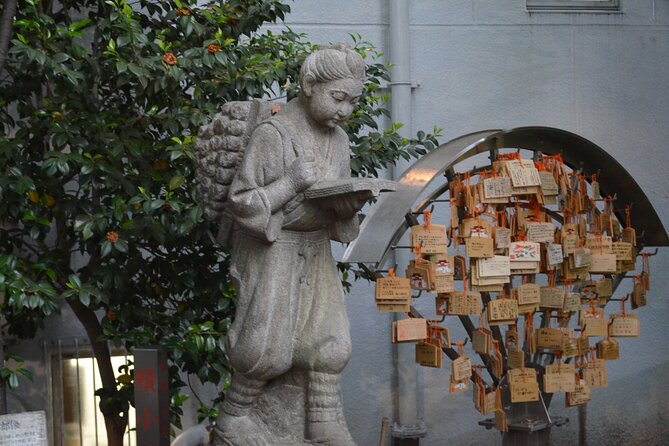
Golden Gai is one of the route’s most distinctive stops. More than 200 tiny bars fill a maze of narrow lanes, with each place shaped by its owner, theme, and small interior.
The scale is the point. This is not a district of large pubs and broad terraces. It is a tight collection of small rooms, many with a strong sense of personality. Your guide can explain how Golden Gai fits into Shinjuku’s nightlife tradition and why the area feels so different from the commercial streets nearby.
You have about 10 minutes here, so think of it as a preview. You will not sample the full range of bars, and the tour does not include drinks. Some bars may have their own entry rules or charges, but no specific bar visit is promised as part of this experience.
Golden Gai is best for people who enjoy atmosphere and detail. Look up as well as ahead. The narrow lanes, stacked signs, and close-set buildings reward slow observation, though the group’s schedule means you will need to keep moving.
A quiet pause at Hanazono Shrine
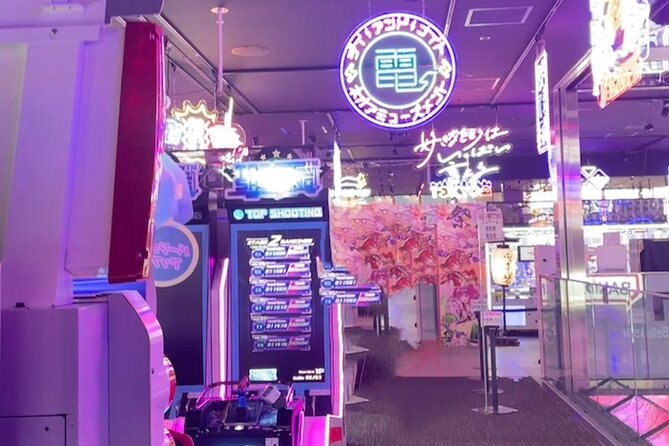
Hanazono Shrine provides the route’s strongest change of mood. After the signs and crowds of Kabukicho and the tight lanes of Golden Gai, the shrine offers a quieter place to pause.
This Shinto sanctuary has watched over the area for centuries. Its location is part of the appeal: it sits only a short distance from Shinjuku’s nightlife, yet feels separate from it. The tour uses that contrast to show that Tokyo’s modern entertainment districts did not erase its religious traditions.
You spend about 10 minutes here. That gives you time to take in the grounds and hear about the shrine, but it is not a formal religious visit or an extended temple tour. Please treat the setting with care, especially if ceremonies or worshippers are present.
The tour ends at Hanazono Shrine, which is convenient if you want to continue exploring nearby. You can ask the guide for directions or restaurant suggestions before leaving. Since dinner is not included, the ending works well for anyone who wants to eat immediately afterward.
The Purikura session adds something different
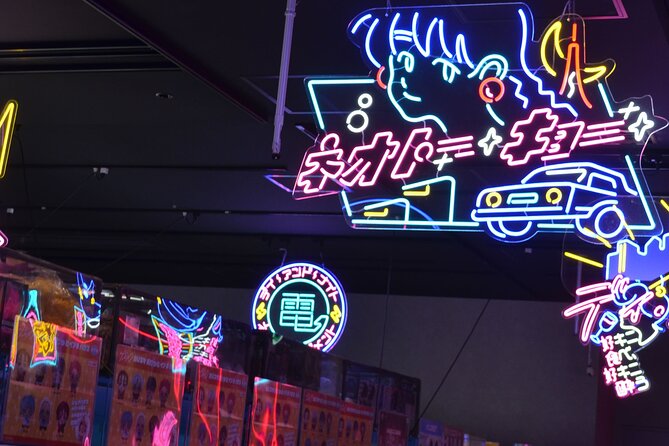
Purikura, or Japanese photo sticker booths, is the tour’s most playful feature. These booths are popular with Japanese teenagers and young adults, and they offer a glimpse of a social trend that standard sightseeing often misses.
The fee is included, so you do not need to pay extra for this part. It also gives the group an activity to share rather than another short explanation in the street.
If you are interested in photography, pop culture, or everyday youth customs, this is a useful addition. It may feel less important to visitors focused only on architecture or history, but that is exactly why it broadens the tour. Shinjuku is not just old alleys and shrines. It is also a place where people meet, pose, play, and follow changing trends.
The supplied details do not name the exact booth location or explain how many photos each person receives. You should therefore see it as a included photo-sticker activity, not a guaranteed professional photo session.
Timing, group size, and practical details
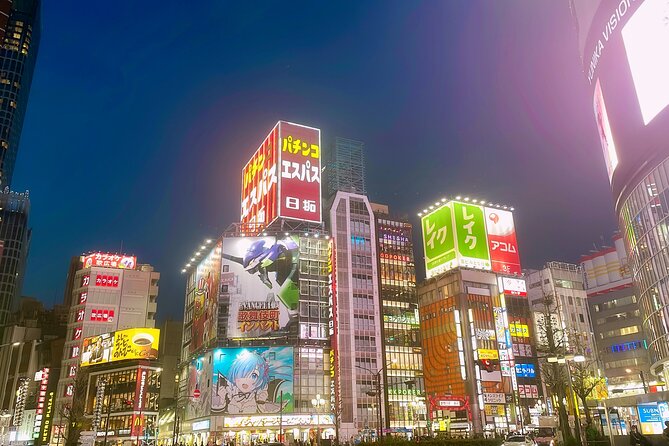
The tour lasts approximately 1 hour and 30 minutes. Because the route includes several stops and walking between them, you should wear comfortable shoes and expect a steady pace.
The meeting point is the police box at the Shinjuku Station East Exit, at 3-chome 38-1 Shinjuku. Station exits can be confusing, so allow enough time to locate the East Exit and then the police box. Your confirmation is provided at booking.
The tour finishes at Hanazono Shrine, at 5-chome 17-3 Shinjuku. This is useful planning information. You do not return to the station meeting point, so arrange your evening from the shrine end of the route. The area has many dining choices, and the guide can help with directions or recommendations.
A mobile ticket keeps things simple. The experience is near public transportation, service animals are allowed, and most people can participate. The available information does not give details about step-free access, seating, or the exact walking distance, so anyone with mobility concerns should ask the provider before booking.
The maximum group size is 12. That is small enough for a more personal walk, though the actual size can vary. No guide name is provided, so you cannot select a particular guide in advance.
Who will get the most from this tour
I would recommend this walk to a first-time Tokyo visitor who wants a fast introduction to Shinjuku at night. It is especially useful during your first few evenings, when you want context before returning to the district alone.
It also suits you if you enjoy a mix of subjects. The route covers postwar city life, nightlife, food culture, a Shinto shrine, modern entertainment, and Japanese youth culture. The range is broad, even though the time at each stop is short.
Families with older children or teenagers may appreciate the Purikura activity. Pop-culture fans will likely enjoy the shift from Kabukicho’s signs to the photo booth and Tokyu Kabukicho Tower. Photographers get lantern-lit alleys, neon streets, narrow bar lanes, and a shrine in one compact outing.
I would be more cautious if your main goal is food. You will pass dining areas, but meals are not included and the schedule does not leave much time to sit down. Book this for orientation and atmosphere, then plan your own dinner afterward.
The same applies if you want a detailed historical tour. You receive background on postwar Tokyo and Shinjuku’s nightlife traditions, but the short format favors range over depth.
Is $31.87 a good value?
At $31.87, the tour sits in a reasonable range for a guided city walk that includes an activity fee. The guide is the main value, since the listed stops themselves do not require admission tickets.
I would call it good value if you want help finding your way, explanations at each stop, and the convenience of a planned route. The included Purikura session gives the price more substance than a basic walk through public streets.
The value drops if you are comfortable navigating Shinjuku alone and prefer to stop wherever you like. You could visit the streets, shrine, and tower independently, although you would miss the built-in context and the group photo booth activity.
The strongest practical benefit is efficiency. In one evening, you get a clear introduction to several parts of Shinjuku and finish near restaurants. That can save you the uncertainty of deciding where to begin in a very large district.
A note on cancellation
You can cancel for a full refund if you do so at least 24 hours before the local start time. Cancellations or changes made within 24 hours are not refunded or accepted, so keep that cutoff in mind when arranging your Tokyo plans.
Should you book the Shinjuku night walk?
Book it if you want a short, guided first look at Shinjuku rather than a long meal crawl or a specialist history tour. The route gives you a useful contrast between Omoide Yokocho, Golden Gai, Hanazono Shrine, Kabukicho, and Tokyu Kabukicho Tower.
The best reason to choose it is the combination of tradition and current city life. The Purikura session is a nice bonus, and the ending near Hanazono Shrine leaves you well placed for dinner.
Skip it if you already know Shinjuku well, want extended time in bars, or need a tour built around included food. For a first evening, though, the compact format, modest price, and easy introduction make it a sensible choice.
FAQ
How long does the Tokyo After Dark Shinjuku Tour last?
The tour lasts approximately 1 hour and 30 minutes.
Where does the tour begin?
It begins at the Shinjuku Station East Exit Police Box, located at 3-chome 38-1 Shinjuku, Shinjuku City, Tokyo 160-0022, Japan.
Where does the tour end?
The tour ends at Hanazono Shrine, located at 5-chome 17-3 Shinjuku, Shinjuku City, Tokyo 160-0022, Japan.
Is food included?
No. Meals are not included, though the tour ends near many dining options and the guide can offer directions or recommendations.
Is the Purikura activity included in the price?
Yes. The Purikura Japanese photo sticker booth fee is included.
What is the maximum group size?
The tour has a maximum of 12 participants.
Newly reviewed around Tokyo
- Tokyo Asakusa:Calligraphy & Make T-shirt Activity★ 5.0 · 62 reviews
- Intercity Shuttle, Tokyo to Haneda /Narita /Yokohama /Makuhari★ 5.0 · 5 reviews
- 1 Hour Travel around Tokyo with a Professional Photographer★ 5.0 · 3 reviews
- Travel Tokyo with Your Own Personal Photographer★ 5.0 · 43 reviews
- Kickboxing & Body Training with EX-Pro Fighter★ 5.0 · 4 reviews
- Train in Samurai Swordsmanship and Defeat the Demon in Tokyo★ 5.0 · 5 reviews
- Shuttle Van 6hr Tokyo Tour to-and-from Tokyo, Yokohama and Narita★ 5.0 · 9 reviews
- Traditional Japanese Knife Sharpening Class★ 5.0 · 18 reviews
Shinjuku Tours, compared.
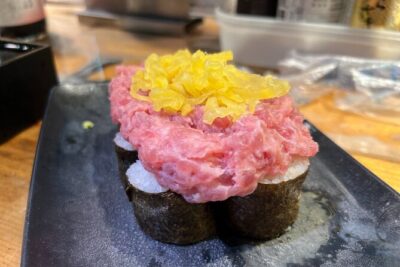
Shinjuku Food Tour (13 Dishes at 4 Local Eateries)
Read our review →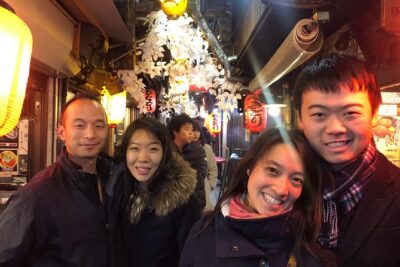
Tokyo Bar Hopping Tour in Shinjuku (All-You-Can-Drink + Dinner)
Read our review →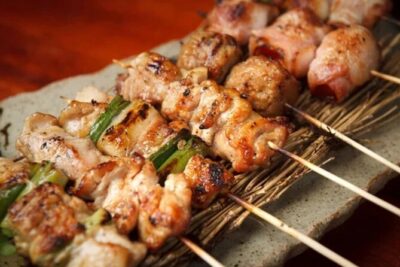
Shinjuku Food Tour (15 Dishes and 4 Eateries)
Read our review →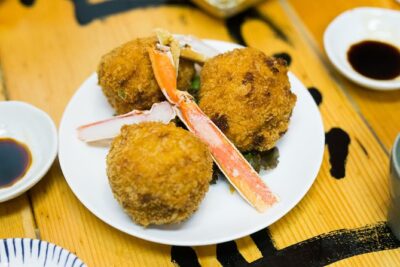
Best of Shinjuku: Izakaya Food Tour (4 Stops, 14+ Tastings)
Read our review →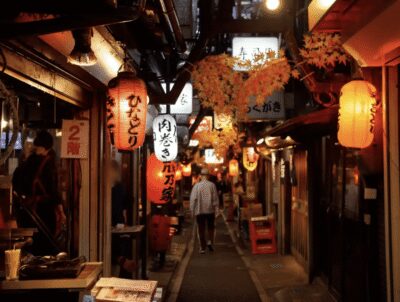
Shinjuku Local Bar and Izakaya Guided Walking Tour
Read our review →
Tokyo Shinjuku Sumo Show & Experience with Photo
Read our review →
Tokyo Night Foodie Tour in Shinjuku – Seasonal Sushi, Wagyu Beef
Read our review →Browse the lists this tour appears in