
Reviewed · YOKOHAMA TOURS FROM TOKYO
Variety of Tokyo or Yokohama Tours Customizable and Memorable
Tokyo and Yokohama open up best when you are not tied to a rigid checklist. This private walking tour lets you shape the day around your interests, from Shibuya and Harajuku to Asakusa, Yanaka Ginza, Tsukiji, or Yokohama’s Chinatown. Your guide can also help with train travel, money exchange, and local planning.
I like the flexible route and the chance to see less obvious places, such as small Tokyo shrines and the old-style Yanaka Ginza shopping street. I also like the practical help: guides can meet you based on your hotel and explain how to get around. The main drawback is simple: this is a serious walking day, often around 10,000 steps or more, and public transportation costs extra for groups under five.
Key points to know before booking
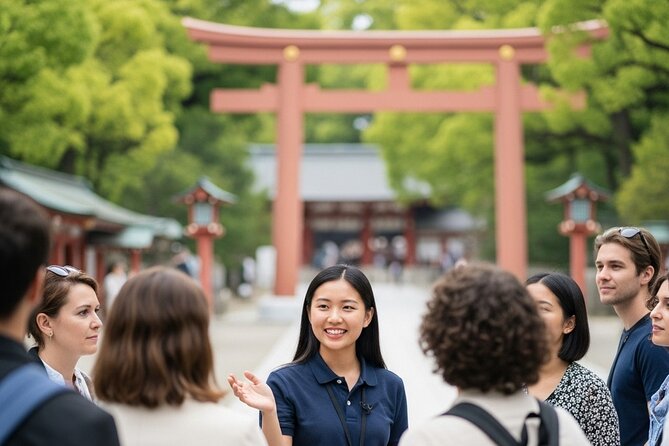
- A private seven-hour walking day: Your group gets its own guide, rather than joining a large shared outing.
- Tokyo or Yokohama by design: Pick major sights, local neighborhoods, food areas, temples, gardens, or shopping districts.
- The route can match your hotel: Your guide can plan around where you are staying and how much ground you want to cover.
- Train and metro travel are part of the day: This is not a car tour, and one-way fares usually run about ¥400 to ¥700.
- Sankeien Garden costs extra: Admission is ¥700 for adults and ¥200 for children under 15.
- A strong choice for first-time visitors: You get sightseeing plus help with train travel, money exchange, and local planning.
A private walking day instead of a fixed sightseeing circuit
The best feature here is control. You are not simply marched from one stop to the next. You can ask for Tokyo’s famous districts, traditional temples, local food, shopping, or a quieter neighborhood route. If Yokohama suits your interests better, the day can focus on Chinatown, the waterfront, modern Japanese history, and Sankeien Garden.
The tour lasts about seven hours, though the start time and tour length can be selected when booking. That flexibility matters in Tokyo, where a route that looks short on a map can take much longer once train transfers and large stations enter the picture.
Your guide is a native English speaker and can plan the day with you directly. Jack is one guide associated with this experience, and a family who visited Kamakura with him found his help useful for keeping the group together when one child wandered or fell behind. That point matters more than it may first seem. Tokyo’s stations and crowded sidewalks can be tiring for families, and a guide who watches the pace can reduce the strain.
This is a private activity, so only your group takes part. You get more room to ask questions and change direction than you would on a large group tour. The tradeoff is that your day depends on your own choices. If you ask to fit too many districts into seven hours, the experience can turn into a long series of train rides and quick photo stops.
More Yokohama trips from Tokyo:
- Narita Airport: One Way Private Transfer to Tokyo|Yokohama Hotels
★ 4.5 · 69 reviews - Tokyo: Private One-Way Transfers to/from Yokohama Port
★ 4.5 · 50 reviews - Private Car Tour to see Highlights of Kamakura, Enoshima, Yokohama from Tokyo
★ 5.0 · 48 reviews
Tokyo routes from Shibuya to Asakusa
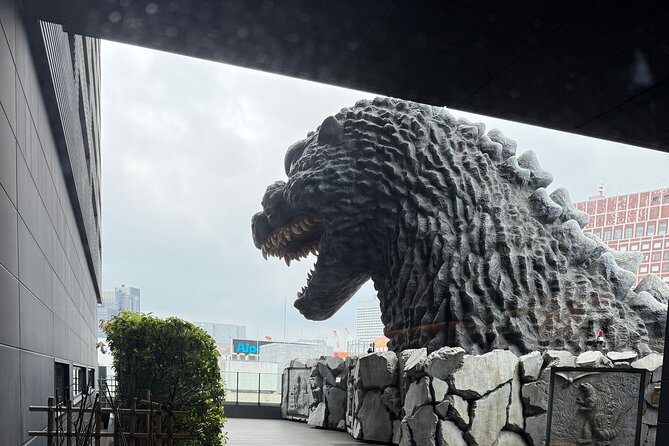
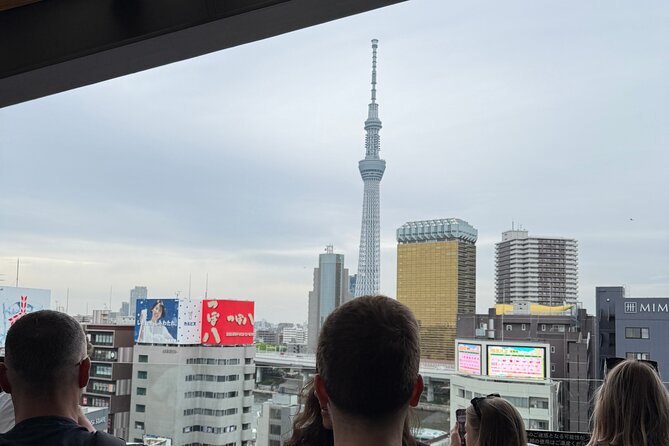
A classic Tokyo plan can connect Harajuku, Shibuya, Asakusa, and Ueno. These areas show very different sides of the city, but they are not right next door to each other. Your guide can help you choose a sensible order and trim the route if the pace becomes too demanding.
Harajuku is a useful place to see Tokyo’s youth fashion and shopping culture. It also gives you access to major religious sights and quieter side streets. The contrast is the point: you can move from crowded retail streets to a calmer shrine setting within the same part of the city.
Shibuya gives you one of Tokyo’s best-known urban scenes, along with department stores, small shops, and places to eat. It is a good fit if you want modern Tokyo and people-watching. It is less appealing if you prefer old neighborhoods and slower streets, so tell your guide early if you want to limit time in busy commercial areas.
Asakusa offers a more traditional side of the capital, with temples, old-style shopping streets, and plenty of chances to ask about customs and local life. This is one of the strongest choices for a first visit because the area feels very different from Shibuya and Harajuku.
Ueno adds museums, public spaces, markets, and neighborhood food options to the day. It can work well for a group with mixed interests because you can combine sightseeing with a break for eating or browsing. Still, trying to include all four districts in detail may be too much. You should decide if you want a broad introduction or a slower look at two or three areas.
Tsukiji, Tokyo Tower, and the Imperial Palace
Another possible Tokyo route links Tsukiji with Tokyo Tower and the Imperial Palace. This plan works well if you want food, city views, and major landmarks in one day.
Tsukiji is a natural choice for anyone interested in Japanese food. You can look for local snacks and market specialties while your guide explains what you are seeing. Meals, snacks, and drinks are not included, which is actually useful here if you prefer to choose your own food and control your spending.
Tokyo Tower adds a clear city landmark and a chance to see the capital from a different angle. The Imperial Palace gives the route a formal historical setting, though the amount you can see depends on the day’s timing and access. Your guide can help you decide how much time to give each place instead of forcing every stop into the schedule.
One practical point: entrance fees for one location are covered for groups of five or more, according to the tour terms. For smaller groups, you should expect to pay relevant admission costs yourself. Ask about the exact plan before setting out, especially if a paid attraction matters to you.
Yanaka Ginza and Tokyo’s quieter corners
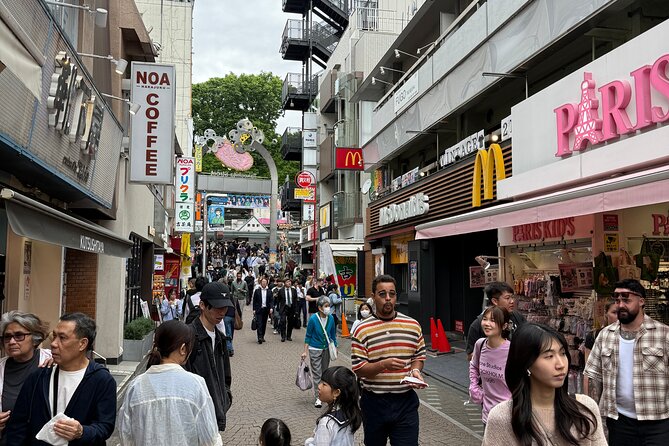
The tour can also move away from the best-known districts. Yanaka Ginza is a particularly appealing choice if you want a local shopping street rather than another major landmark. Its small shops and everyday atmosphere offer a slower look at Tokyo.
The route may also include smaller shrines that can rival the appeal of famous Kyoto sites. The wording here should not lead you to expect a guaranteed secret stop, since the route is custom. Instead, tell your guide that you want traditional streets, neighborhood shrines, and a less polished side of the city.
This is where a private guide can add real value. You can ask why a shrine matters, how to behave respectfully, or what kind of food to try nearby. Without that context, a small shrine can be easy to pass without understanding its place in the neighborhood.
I would choose Yanaka Ginza and local shrines over another shopping district if you have already seen the major Tokyo crossings. First-time visitors who want the classic capital should keep Asakusa or Shibuya in the plan, then use the remaining time for a quieter area.
A completely different kind of day in Tokyo:
- Mt Fuji and Hakone 1-Day Bus Tour Return by Bullet Train
★ 5.0 · 26,383 reviews - 1-Day Tokyo Bus Tour
★ 5.0 · 14,250 reviews - Tokyo: teamLab Planets TOKYO Digital Art Museum Entry Ticket
★ 4.6 · 9,779 reviews - Mt Fuji & Hakone Cruise, Drum Show Bullet Train 1 Day from Tokyo
★ 4.0 · 7,413 reviews
Yokohama’s Chinatown and harbor views
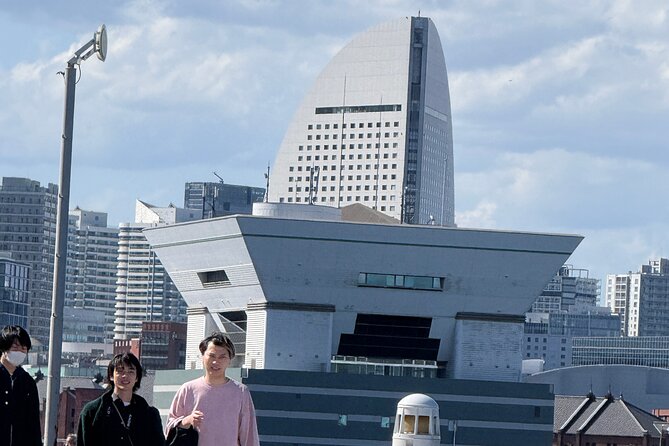
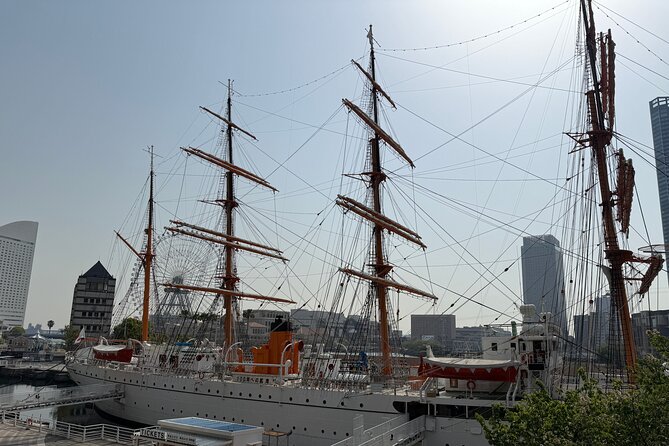
Yokohama offers a different day from Tokyo. The route begins with one of the largest Chinatowns in the world, then moves toward Yamashita Park and the harbor. You can stop for food along the way, with meals and drinks paid separately.
Chinatown is a good match for anyone who wants to eat and see how Yokohama developed as an international port. The guide can explain the city’s role in Japan’s modernization, giving the streets more meaning than a simple food crawl.
Yamashita Park adds open harbor views and a change of pace after the narrow streets of Chinatown. It is a sensible place to slow down, take photos, and let the group recover before continuing.
The Red Brick Warehouse brings shopping and more places to eat. It is a practical stop if your group wants a mix of sightseeing and browsing. It is also an easy place to spend too much time, so agree with your guide on priorities if Sankeien Garden is part of the plan.
Sankeien Garden and an Edo-period time capsule
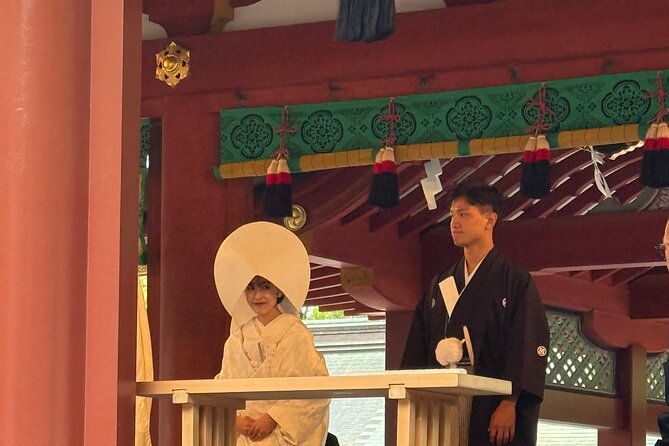
Sankeien Garden is the most distinctive Yokohama stop listed for this experience. It offers a look at traditional Japanese garden design and historic buildings connected with the Edo period. After Chinatown and the harbor, it provides a quieter setting and a strong change of mood.
Admission is ¥700 for adults and ¥200 for children under 15, paid on site. That cost is modest, but you should include the time and transport in your planning. Yokohama’s sights are spread out, and fitting Chinatown, Yamashita Park, the Red Brick Warehouse, and Sankeien Garden into one day may require a brisk pace.
I would not choose every Yokohama stop if the garden is your main reason for booking. Tell your guide that Sankeien is a priority, then build the day around it. If food and harbor views matter more, spend longer in Chinatown and around Yamashita Park.
What the $10 price really means
The advertised price of $10 per person looks remarkably low for a private day of guiding, so read it as a starting price rather than the full cost of the experience. You still need to budget for public transportation, food, personal purchases, and some admission fees.
Train and bus fares usually run about ¥400 to ¥700 one way, depending on the route. A Tokyo day that crosses several districts can therefore add a meaningful amount, especially for a small group. Groups of five or more receive transportation and entrance support for one location under the stated terms, which can improve the value for a larger party.
The strongest value is not the ticket price alone. It is the planning help and the chance to avoid wasting time on the wrong train or an overpacked route. A guide can also help with money exchange, additional hotel booking, and train advice. Those services are especially useful if Japan is your first stop in the country or if you are uneasy about navigating large stations.
You should still ask about the final cost before booking. Confirm your group size, likely transport needs, and which paid attraction you want included. The low headline price should not be the only basis for your decision.
Walking demands, timing, and daily comfort
This is a walking tour, not a private vehicle tour. You may use trains, metros, or buses between areas, but there is no private car or bus carrying you from door to door.
The tour is not recommended for anyone unable to walk at least 10,000 steps. That is a clear warning, not a minor footnote. Tokyo stations often involve long corridors, stairs, and platform changes, while Yokohama’s route links several separate areas.
Wear comfortable shoes and keep your day flexible. Food stops and shopping can make the route longer, and hot, wet, or poor weather can affect comfort. The experience requires good weather. If conditions force a cancellation, you can choose another date or receive a full refund.
You can cancel for a full refund up to 24 hours before the start time. Changes or cancellations inside that window are not accepted for a refund, so do not wait until the morning of the tour if your plans have changed.
Who will get the most from this experience
I would recommend this tour to first-time visitors who want help deciding what matters most in Tokyo or Yokohama. It also fits families, since the private format lets the guide adjust the pace and keep the group together.
It suits curious visitors who want local food, traditional temples, neighborhood streets, and practical advice rather than a long speech at every famous landmark. You can ask for shopping, food, modern city life, or quieter places and shape the day accordingly.
It is less suitable if you want a luxury vehicle, minimal walking, or a fixed package with every admission and meal already paid. It is also not ideal for anyone who wants to see every major Tokyo district in a single day without rushing.
Should you book it?
Book this experience if you value flexibility more than a fixed route. The private format, hotel-based planning, and train advice can make a confusing first day in Japan much easier. Ask for a focused plan, not a wish list of every district.
For Tokyo, choose two or three main areas and add one smaller neighborhood if time allows. For Yokohama, decide if Chinatown and the waterfront or Sankeien Garden matters most. If you can handle a long walking day and are ready to pay transport, food, and some entrance fees separately, this is a practical way to get oriented and see Japan at your own pace.
FAQ
How long does the tour last?
The tour lasts about seven hours. You can choose the ideal start time and tour length when booking.
Is this a private tour?
Yes. Only your group participates in the activity.
Can I choose Tokyo or Yokohama?
Yes. You can plan a Tokyo route or explore Yokohama, depending on your interests.
What Tokyo areas can I visit?
Possible Tokyo areas include Harajuku, Shibuya, Asakusa, Ueno, Tsukiji, Tokyo Tower, the Imperial Palace, and Yanaka Ginza. The route can be customized around your interests and hotel location.
What can I see in Yokohama?
The Yokohama route can include Chinatown, Yamashita Park, the Red Brick Warehouse, local food stops, and Sankeien Garden.
Are train and bus fares included?
Public transportation fares are not included for groups under five. Expect approximately ¥400 to ¥700 each way, depending on the route. For groups of five or more, transportation and admission for one location are paid by Happy Travels under the stated terms.
Is Sankeien Garden admission included?
No. Sankeien Garden admission is paid on site. The cost is ¥700 for adults and ¥200 for children under 15.
How much walking is involved?
You should be able to walk at least 10,000 steps. This is a walking tour, though you will use public transportation between some areas.
What happens if the weather is poor?
The experience requires good weather. If it is canceled because of poor conditions, you can choose a different date or receive a full refund.
Can I cancel for a refund?
Yes. You can cancel at least 24 hours before the start time for a full refund. Cancellations or changes made less than 24 hours before the start time are not accepted for a refund.
Newly reviewed around Tokyo
- Tokyo Asakusa:Calligraphy & Make T-shirt Activity★ 5.0 · 62 reviews
- Intercity Shuttle, Tokyo to Haneda /Narita /Yokohama /Makuhari★ 5.0 · 5 reviews
- 1 Hour Travel around Tokyo with a Professional Photographer★ 5.0 · 3 reviews
- Travel Tokyo with Your Own Personal Photographer★ 5.0 · 43 reviews
- Train in Samurai Swordsmanship and Defeat the Demon in Tokyo★ 5.0 · 5 reviews
- Shuttle Van 6hr Tokyo Tour to-and-from Tokyo, Yokohama and Narita★ 5.0 · 9 reviews
- Kickboxing & Body Training with EX-Pro Fighter★ 5.0 · 4 reviews
- Traditional Japanese Knife Sharpening Class★ 5.0 · 18 reviews
Yokohama Tours from Tokyo, compared.

Narita Airport: One Way Private Transfer to Tokyo|Yokohama Hotels
Read our review →
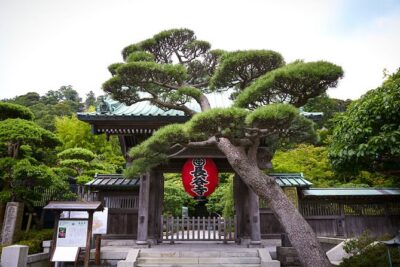
Private Car Tour to see Highlights of Kamakura, Enoshima, Yokohama from Tokyo
Read our review →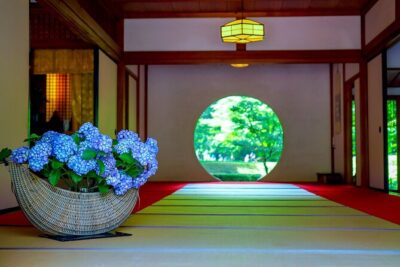
Private Kamakura plus Yokohama Tour – English Speaking Driver
Read our review →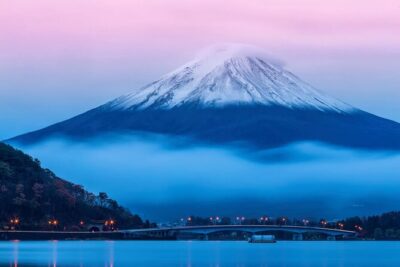
Haneda Airport: One Way Private Transfer to Tokyo|Yokohama Hotels
Read our review →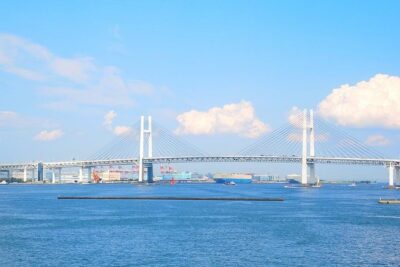
Private Arrival Transfer : Haneda Airport to Yokohama City
Read our review →
4 Day Tour – Mount. Fuji, Tokyo, Hakone, Kamakura and Yokohama
Read our review →
Browse the lists this tour appears in